From over 100,000 films, discover the handful you'll love.
Free or premium access to the world's largest documentary library.
1338 films(Page 8 of 28)
In the Wadi Qumran, the Dead Sea Scrolls, dating before AD 100, reveal significant insights into early Judaism and the possible connections to John the Baptist.
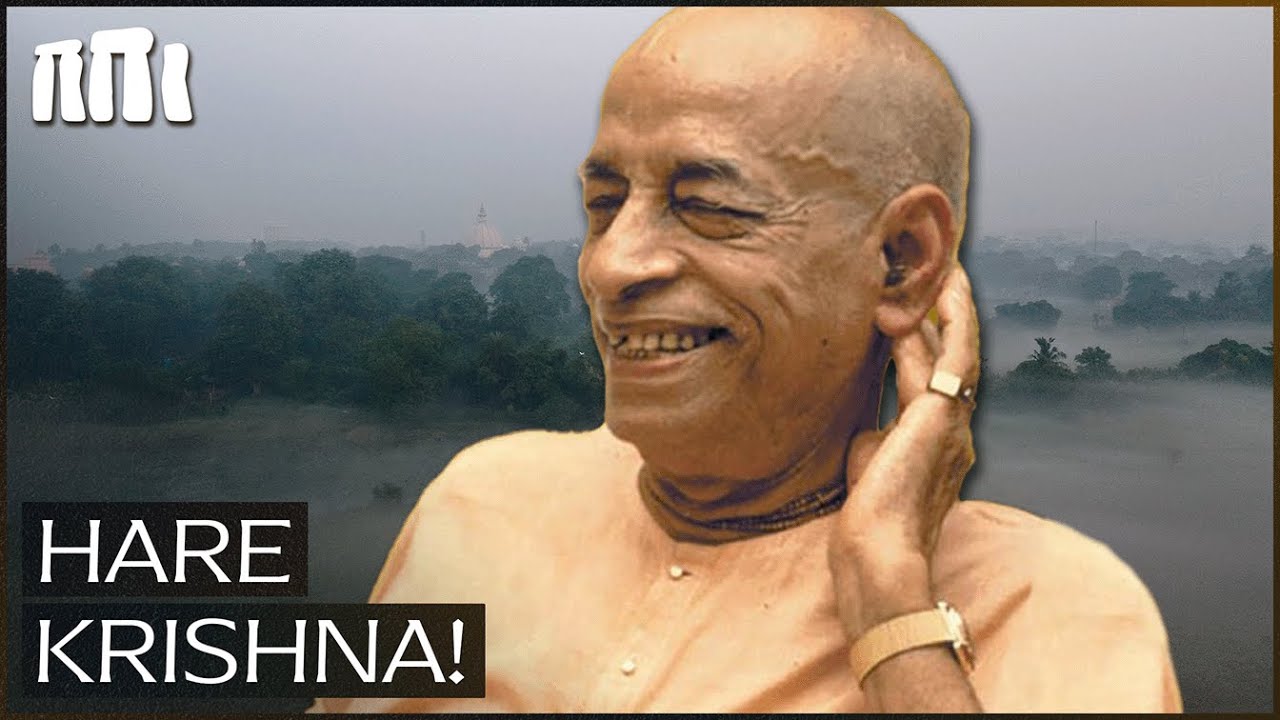
A. C. Bhaktivedanta Swami Prabhupada's arrival in 1960s New York sparked a spiritual movement that introduced Krishna consciousness to American youth.
Tibetan monks engage in intense metaphysical debates, while the Dalai Lama's dual role as a spiritual and political leader is explored alongside sacred rituals in Nepal.
Monks in Bhutan perform a sacred dance in celestial robes, purifying negative emotions while passing down ancient choreography through generations.
The Dead Sea's unique environment is explored for its potential connection to the biblical cities of Sodom and Gomorrah, examining their historical significance.
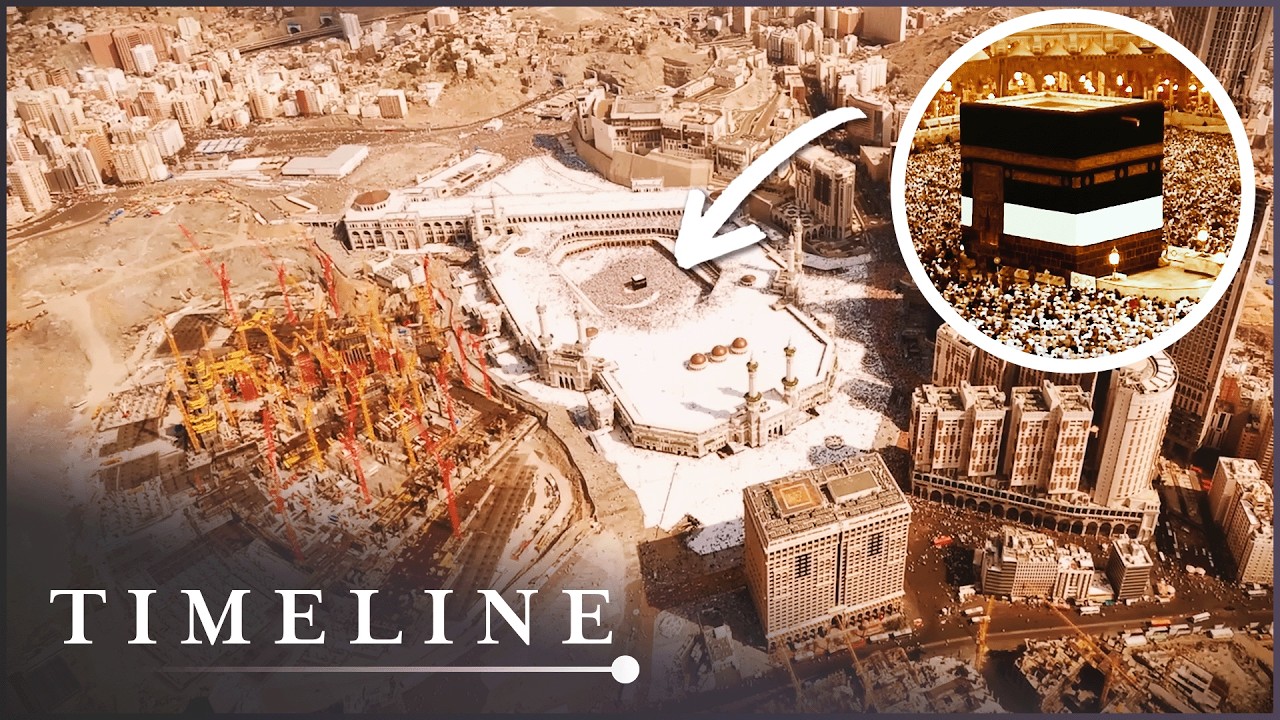
Over a billion Muslims pray towards a black rock in Mecca, but new research suggests the original holy city may actually be Petra.
Frederic Raphael travels from Jerusalem to Asia, Spain, and the USA, exploring the intersections of Buddhism, Islam, Catholicism, and Puritanism.
Washington D.C. is examined for its potential design as a temple dedicated to Goddess Worship, featuring sacred geometry and symbols linked to Freemasons and the Founding Fathers.
The exploration of space and its natural design is presented as evidence supporting creationism, reflecting the director's spiritual connection to the universe.
Biblical prophecies, including those from Nostradamus, are examined in relation to the phenomenon of the Rapture, where millions are said to vanish.
In 1260, medieval Europeans faced apocalyptic fears that spurred heretical movements like the Cathars and led to the Church's violent Albigensian Crusade.
Joralf Gjerstad, a faith healer in Snasa, Norway, has attracted around 50,000 visitors over 65 years seeking hope and healing from various ailments.
In the volatile region of Judea during the life of Jesus, the Roman Empire employed various strategies to maintain law and order amidst political upheaval.
In Season 1, Episode 1 of Bible Secrets Revealed, the complexities of biblical translation and the impact of missing texts on religious interpretation are examined.
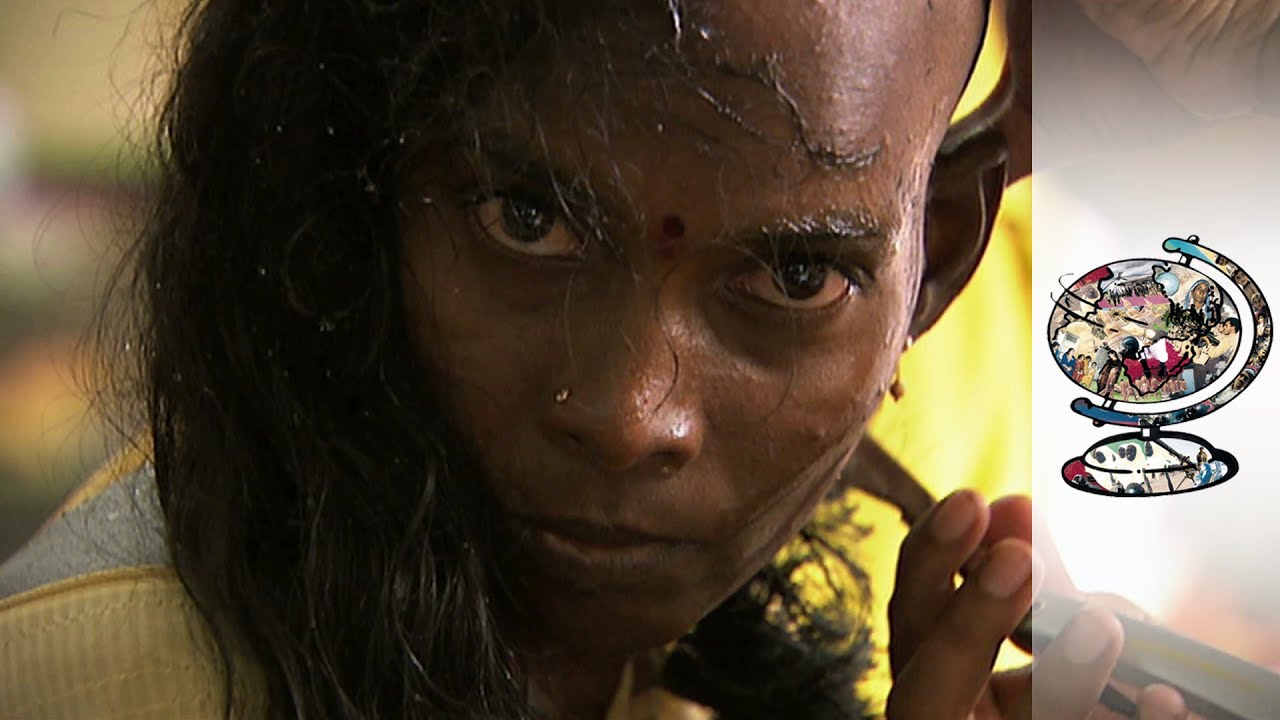
Tonsuring, a Hindu ritual involving head shaving as a religious offering, fuels a multi-billion dollar hair extension industry that profits from spiritual sacrifice.
Louis Theroux and former Scientology official Marty Rathbun stage dramatic re-enactments of alleged abuses within the church after being denied access.
Tom Holland and Dan Snow discuss the historical impact of Christianity on Western morality and civilization.
50 million people worldwide practice Vodun, with many in Benin fighting to protect their spiritual heritage and traditions amid modern challenges.
King David's affair with Bathsheba, a married woman, highlights the complexities of power and desire in ancient Israel, leading to significant consequences.
Ultra-Orthodox Chassidic Rabbis travel through the Australian outback in search of 'lost Jews', encountering unique characters and sharing their culture along the way.
Pope Francis's election marked a historic moment in the Catholic Church, following Pope Benedict XVI's unprecedented resignation and a secretive conclave.
Dan Gibson presents evidence suggesting that the holy city of Mecca may be incorrectly located, challenging the direction of prayer for 1.6 billion Muslims.
Nueva Jerusalén, a small town in Michoacán, Mexico, is home to a religious community that enforces strict rules and believes they will survive an impending apocalypse.
Wayne Bent, a former sailor turned self-proclaimed Messiah, led the Lord Our Righteousness Church in New Mexico, where he exerted a powerful influence over devoted followers until his conviction for child abuse in 2008.
Confucius, a foundational figure in Chinese philosophy, is explored through his teachings and the enduring influence of Confucianism on society.
In the Middle East, archaeologists have identified a cave that may be the site where St John baptized early Christian converts, as explored by Simcha Jacobovici.
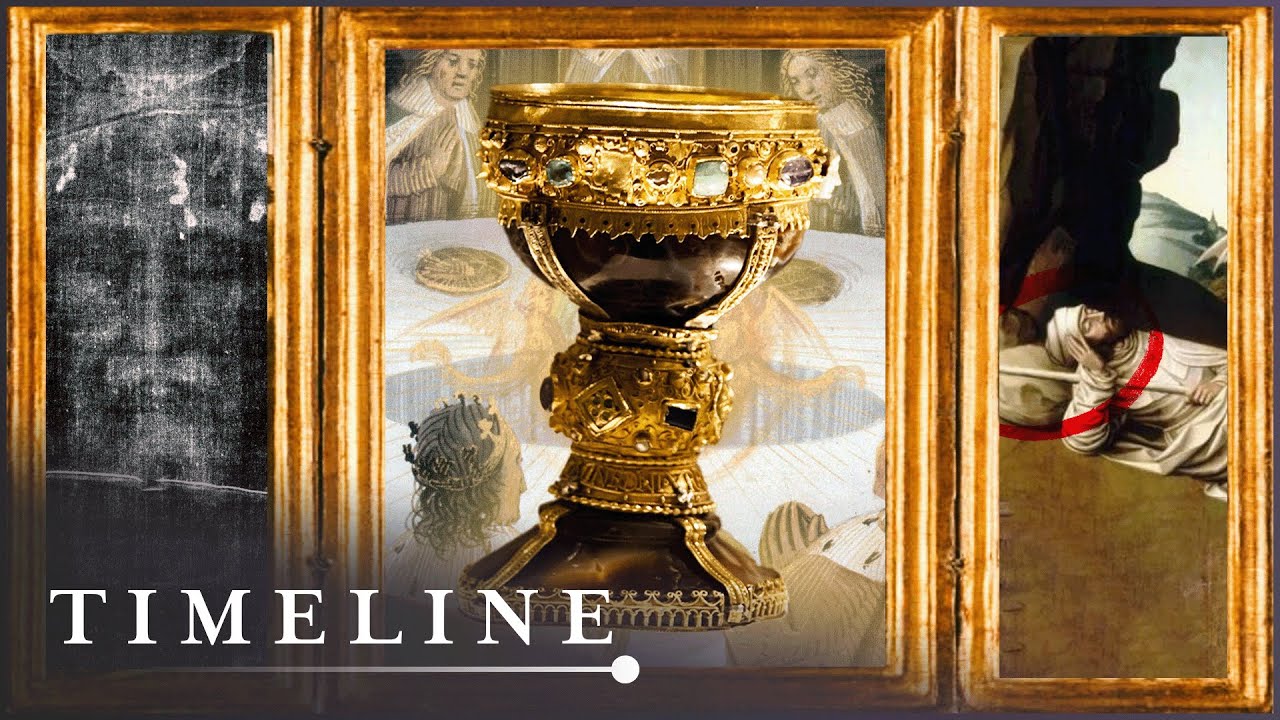
Legendary relics like the Holy Grail and the Turin Shroud are examined by experts seeking to separate historical fact from myth.
The Talpiot Tomb, discovered in 1980, is examined for its potential connection to Jesus of Nazareth and his family, based on scientific analysis and historical claims.
After Jesus Christ's death, the Twelve Apostles undertook the mission of spreading Christianity, traveling to various regions to preach his teachings.
Christianity's expansion from a small sect to a global religion is examined through the roles of Apostles Peter and Paul, challenging traditional narratives.
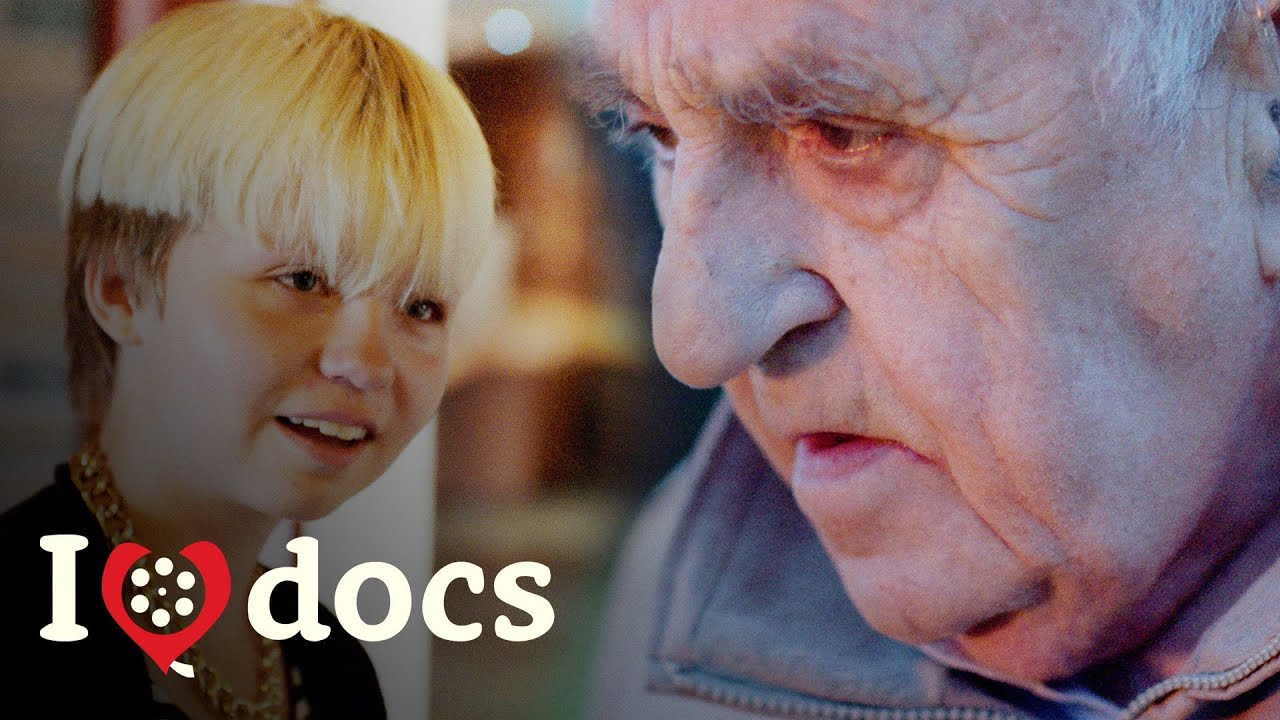
In the Orthodox Hassidic community, a rabbinical matchmaker, a newly-married couple, and a single hip-hop artist examine the concept of love and marriage in a secular world.
In Medieval England, the Catholic Church, led by local priests and powerful Archbishops, served as the societal center, while nobility like the De Vere family controlled secular power.
Archaeologists investigate the potential true final resting place of Jesus Christ, challenging traditional narratives surrounding his death and resurrection.
Aisha El Wafi shares her son's story, revealing how Zacarias Moussaoui became known as "the 20th hijacker" before his arrest prior to the 9/11 attacks.
Old Testament prophecies are examined for their predictions regarding the final days of Jesus Christ, exploring their implications for believers and skeptics alike.
Monks in Bhutan perform a sacred dance that purifies negative emotions, with young dancers learning choreography passed down through generations.
Tradition claims that God dictated the first five books of the Bible to Moses, but archaeological evidence raises questions about the authorship and historical accuracy of this narrative.
Crucifixion, a method of execution used in ancient times, is explored through the scarcity of archaeological evidence and the examination of a unique artefact in Israel.
In Punjab, Sikhism's origins are explored through the teachings of Guru Nanak, highlighting prayer practices, communal vegetarian cooking, and the faith's view on warrior saints.
Shintoism, Japan's primary religion, emphasizes a deep respect for nature through traditional ceremonies that reflect the spiritual connection between humans and the environment.
Ayahuasca, a hallucinogenic brew from the Amazon, is explored through its origins, integration into the Santo Daime religion, and its impact on modern healing practices.
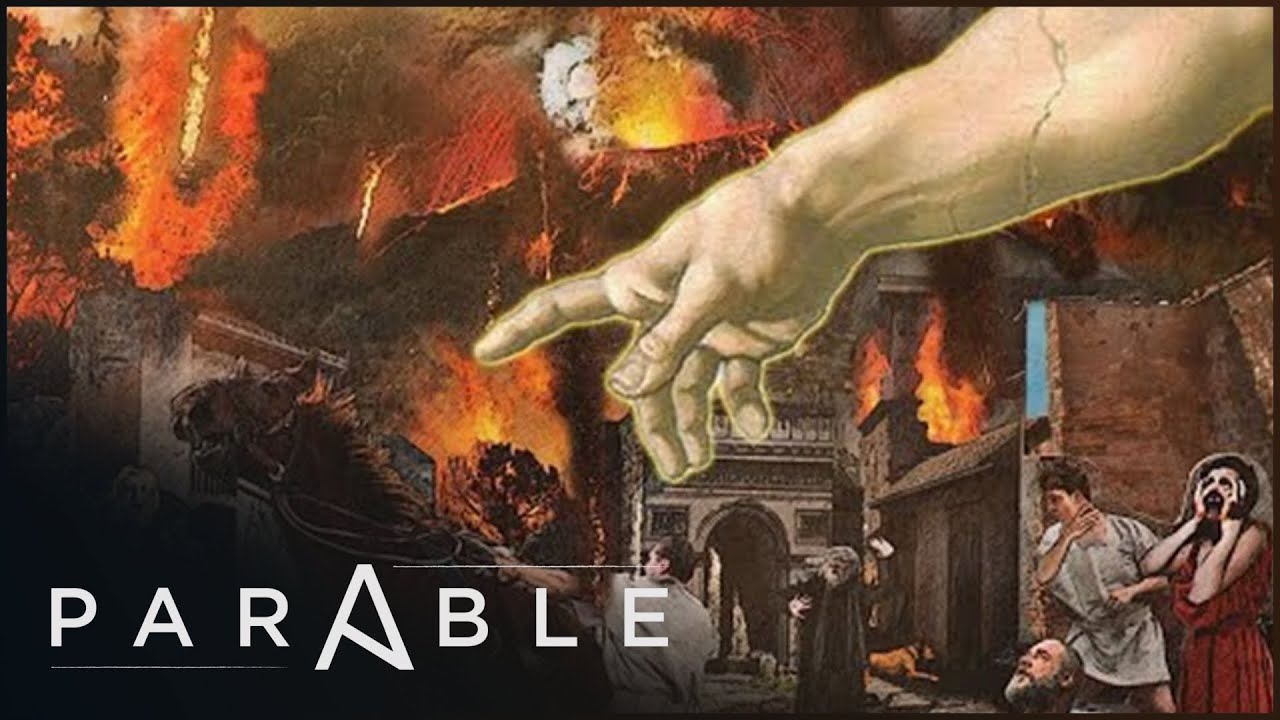
In 701 BCE, the Assyrian army's sudden withdrawal from Jerusalem, attributed to divine intervention in the Bible, has remained a historical mystery for centuries.
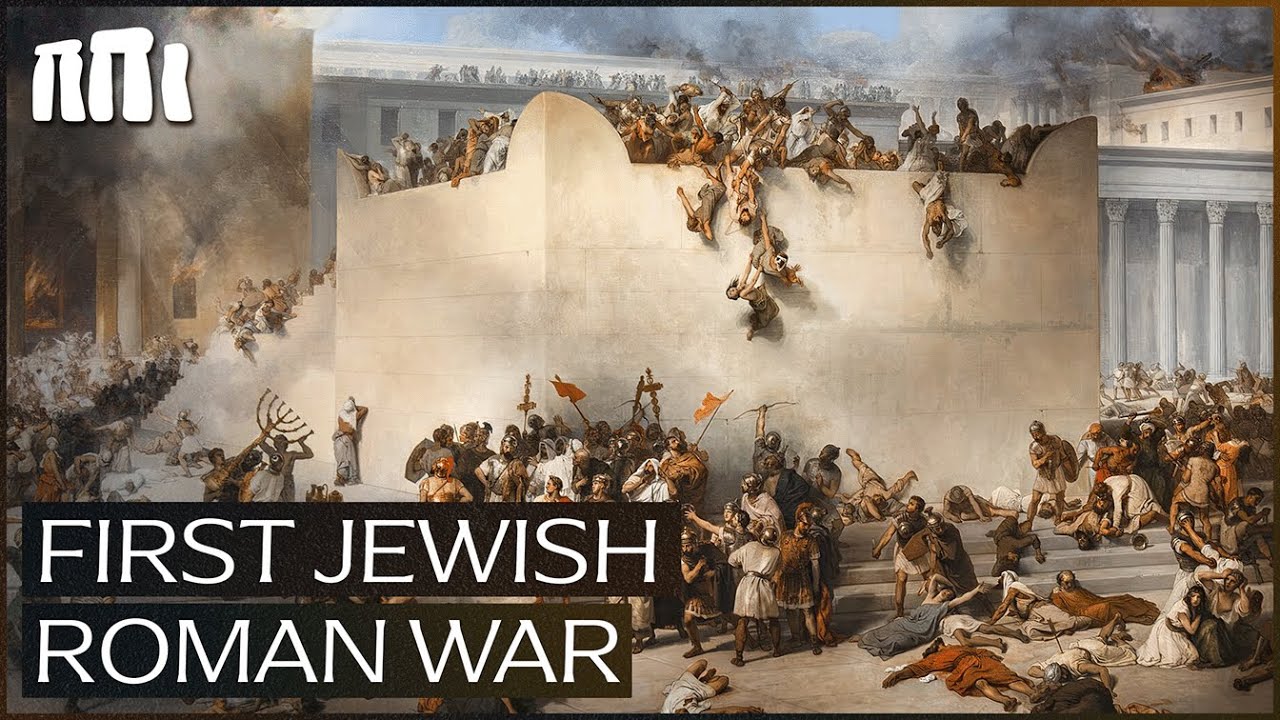
In AD 66, the Jewish rebellion in Judea escalated into a significant conflict for the Roman Empire, leading General Vespasian and his son Titus to lay siege to Jerusalem.
The Crusades, spanning two centuries, were military campaigns by Christian forces to reclaim Jerusalem from Islamic control, significantly impacting the spread of Islam.
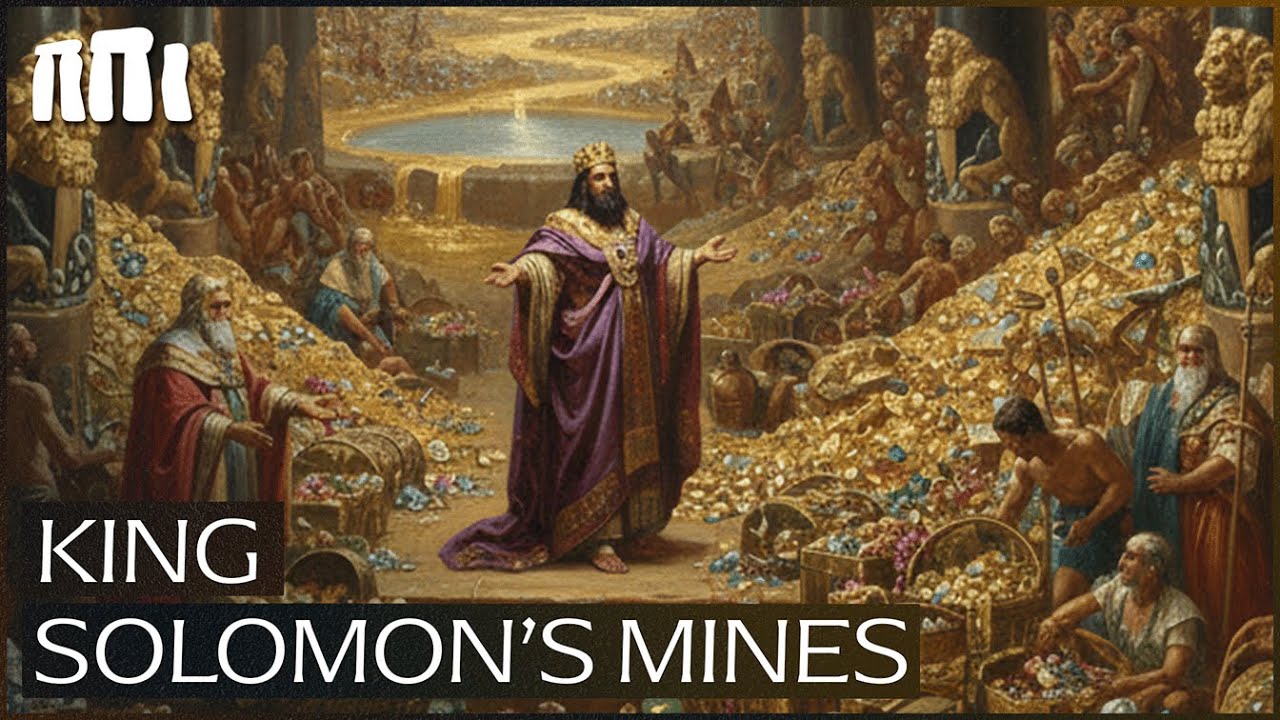
In Southern Africa, 19th-century German explorer Carl Mau searches for the legendary Ophir, believed to be the source of King Solomon's gold, and finds ancient stone ruins.
The Holy Grail, a legendary chalice, has inspired centuries of myths and claims, with various stories and locations tied to its elusive existence.
Ancient Egyptian beliefs surrounding mummification and the cult of Osiris reveal a profound connection to death and eternal life that continues to influence modern practices.
The Sacred City claims Mecca may be in the wrong location for 1.6 billion Muslims praying.