From over 100,000 films, discover the handful you'll love.
Free or premium access to the world's largest documentary library.
1338 films(Page 6 of 28)
The Holy Grail, the Turin Shroud, and other legendary Christian relics are examined by experts to separate historical fact from myth.
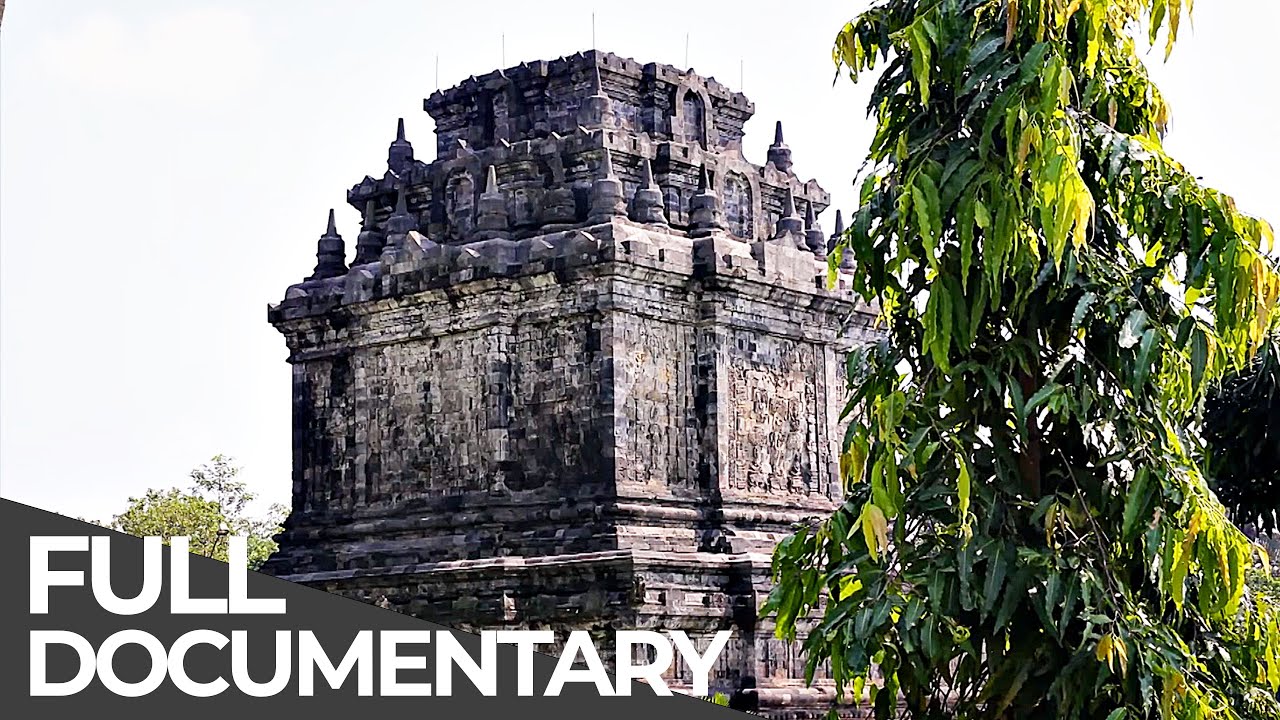
More than one million people once populated the city of Angkor, the royal capital of the Khmer Empire, which was larger than imperial Rome.
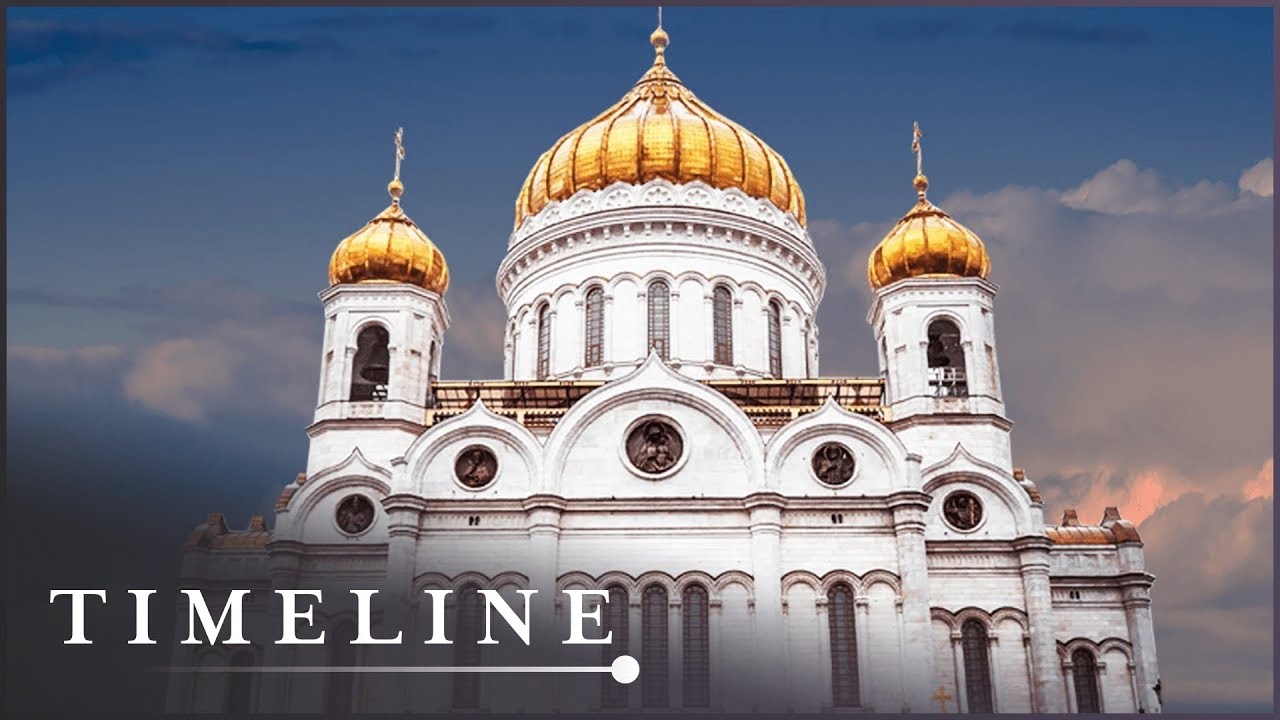
The Cathedral of Christ the Saviour in Moscow cost one billion dollars to build and symbolizes the renewed power of the Russian Orthodox Church in politics.
King James I of England, often viewed as incompetent, sponsored the creation of the King James Bible, first published in 1611.
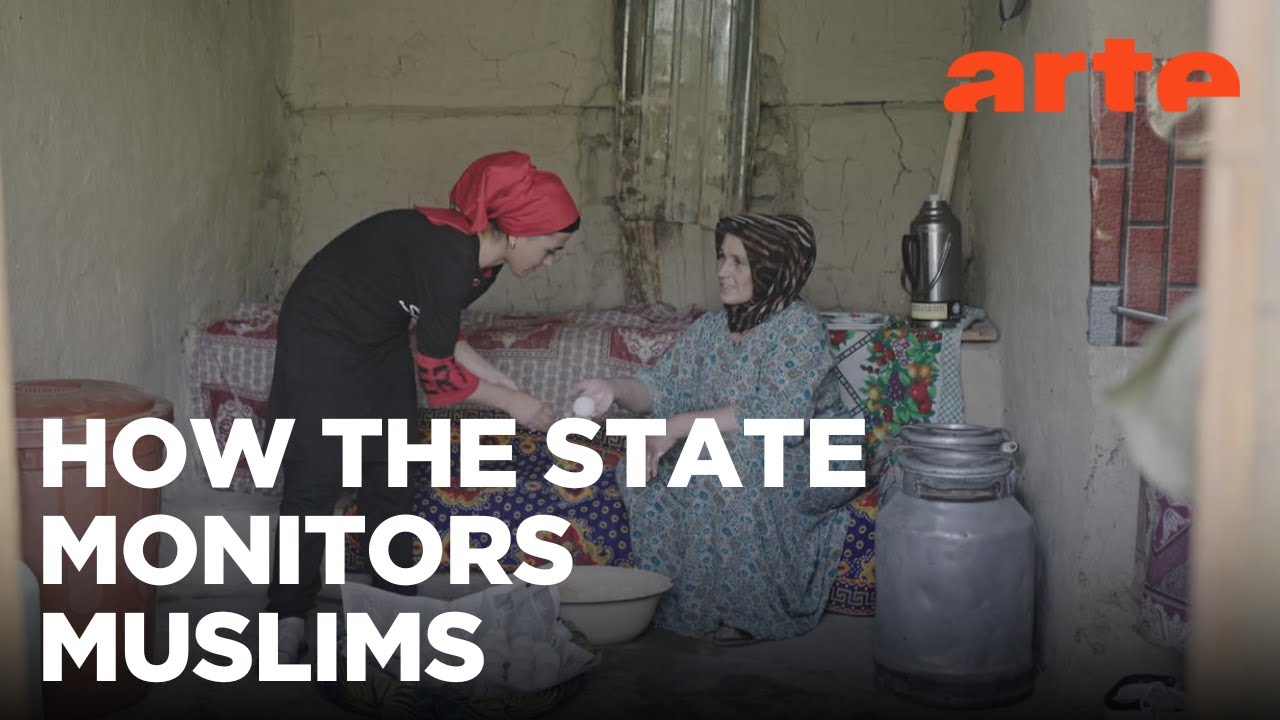
In Tajikistan, where over 95% of the population is Muslim, the state imposes strict regulations on religious practices and monitors the faithful closely.
In Syria, filmmaker Sargon Saadi examines the severe consequences of ISIS violence on the Assyrian community amidst ongoing conflict since 2011.
Two thousand years ago, money changers in Jerusalem's Temple exchanged currencies for the temple shekel, essential for religious offerings.
John the Baptist, King David, Jezebel, Joshua, and St Helena are examined for their significant roles in shaping religious narratives and disrupting societal norms.
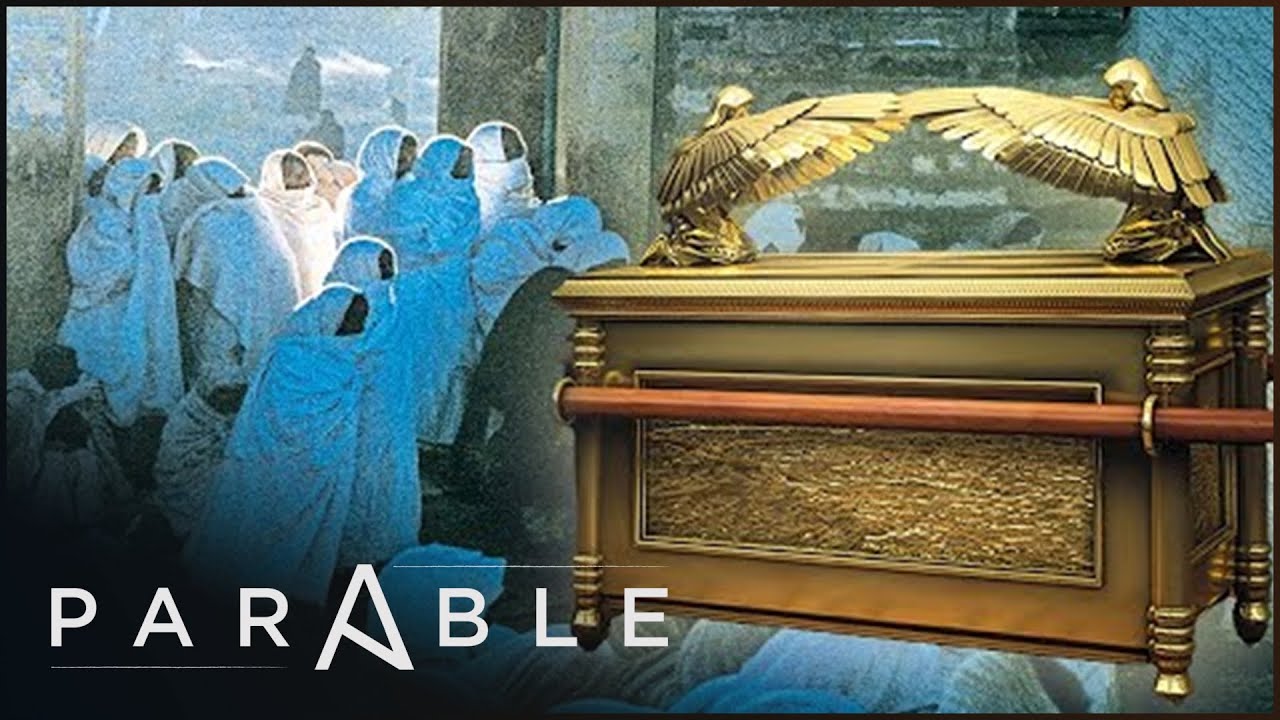
In Ethiopia, researchers seek the Keepers of the Lost Ark, believed to guard the powerful Ark of the Covenant, which vanished in 586 BC.
Hinduism, formalized about 3,500 years ago, is one of the major world religions that emerged from humanity's quest for understanding the natural world.
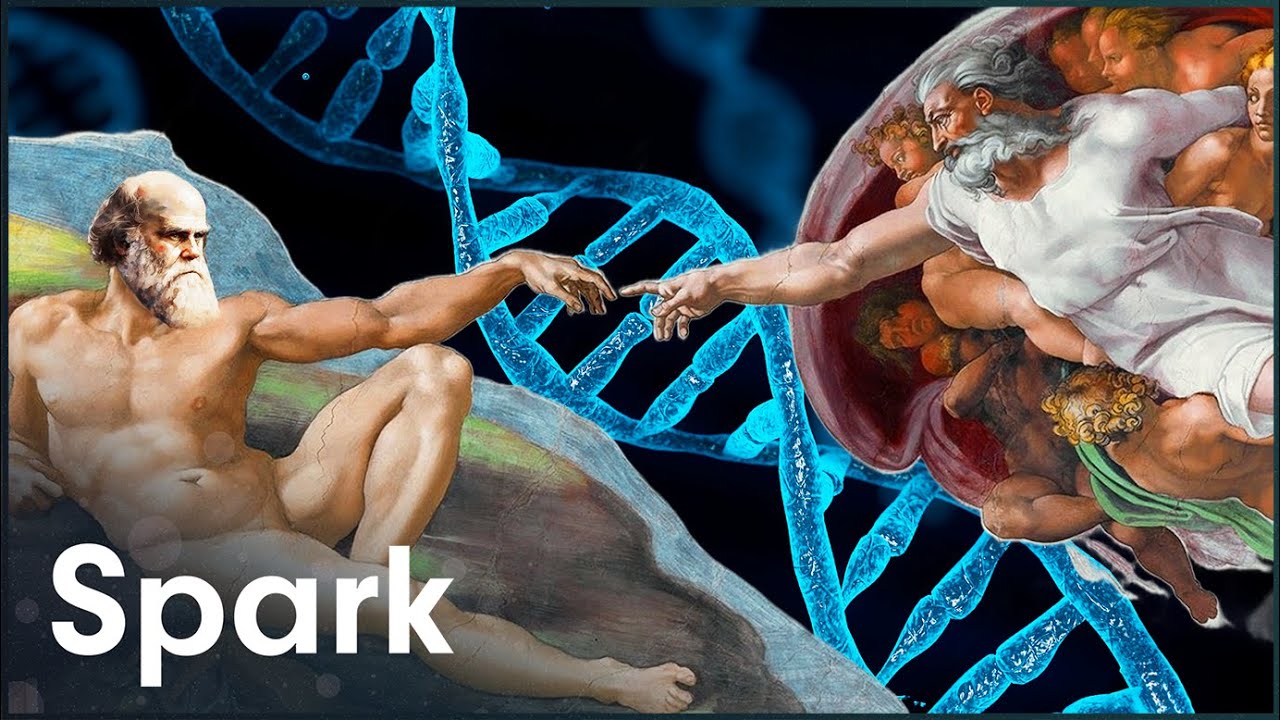
This episode features a clash between Darwinism and creationism, highlighting their key arguments.
Only 40 pilgrims attended the Apostle's festivity on July 25, 1867, marking a low point in the history of the Camino de Santiago.
In the jungles of Guyana, over 900 members of Jim Jones' Peoples Temple died in a mass murder-suicide on November 18, 1978.
The Merovingian Dynasty, a line of Frankish priest kings, is linked to tales of magical powers and a dark secret twisted by the Christian church.
Scholars and researchers investigate the historical narratives surrounding King Solomon's Mines, the Veil of Veronica, and the Garden of Eden.
Holy relics associated with Jesus Christ, including garments and the Holy Cross, are examined through archaeology and history, raising questions about their existence and significance.
Aleister Crowley, known as "The Wickedest Man in the World," is examined for his controversial life and influence on 20th-century occultism.
Misconceptions and myths surrounding Jesus and his early followers are examined to question the authenticity of Christianity's foundational teachings.
St. Nicholas evolved from a revered holy man in Turkey into a global symbol of Christmas cheer, blending religion, myth, and marketing.
Simon Brown examines archaeological evidence that may support the biblical account of Sodom and Gomorrah as historical events.
Modern-day experts investigate the potential location of Noah's Ark on Mount Ararat, exploring the intersection of biblical history and archaeology.
In Sedona, Arizona, artist Rahelio collaborates with Native American Shaman Tonatiu to explore the intersection of art, spirituality, and personal healing.
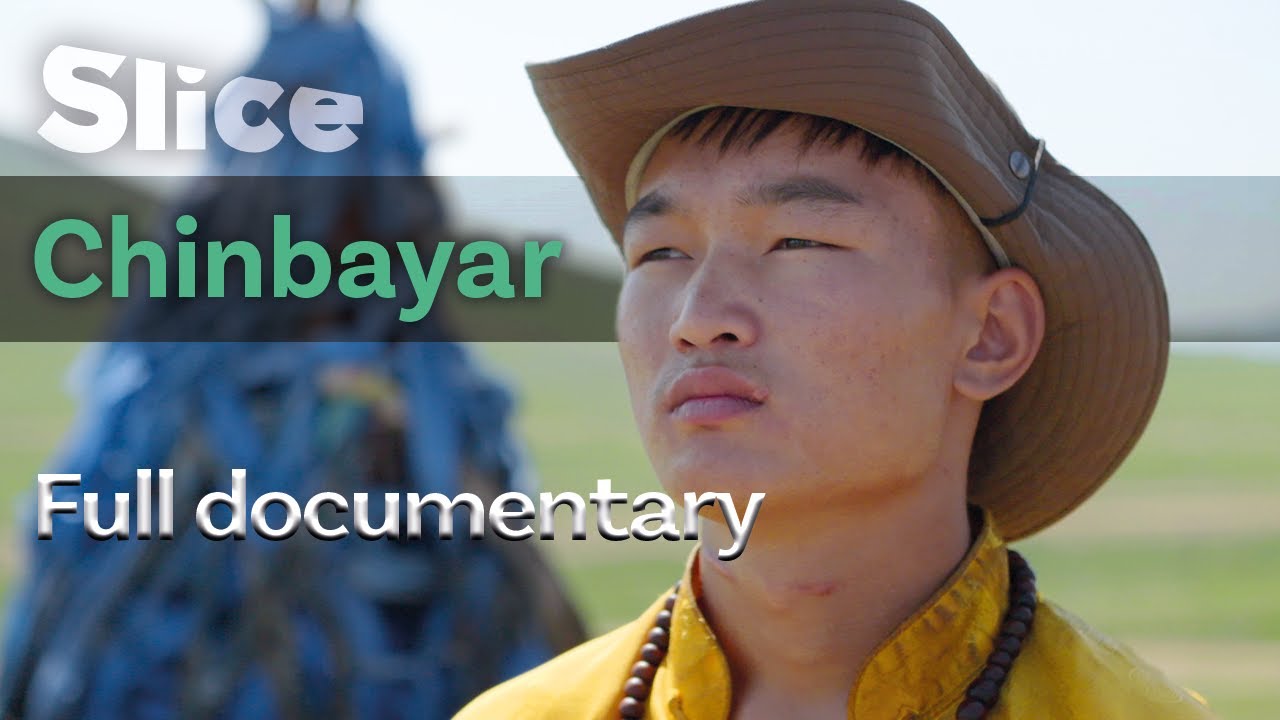
Chinbayar, a young shaman in Mongolia, seeks guidance from lamas and elders to reconcile his family's gold mining with the spiritual sanctity of the land.
Dan Gibson argues that the original holy city of Islam, as described in the Qur'an, may actually be Petra in Jordan rather than modern-day Mecca.
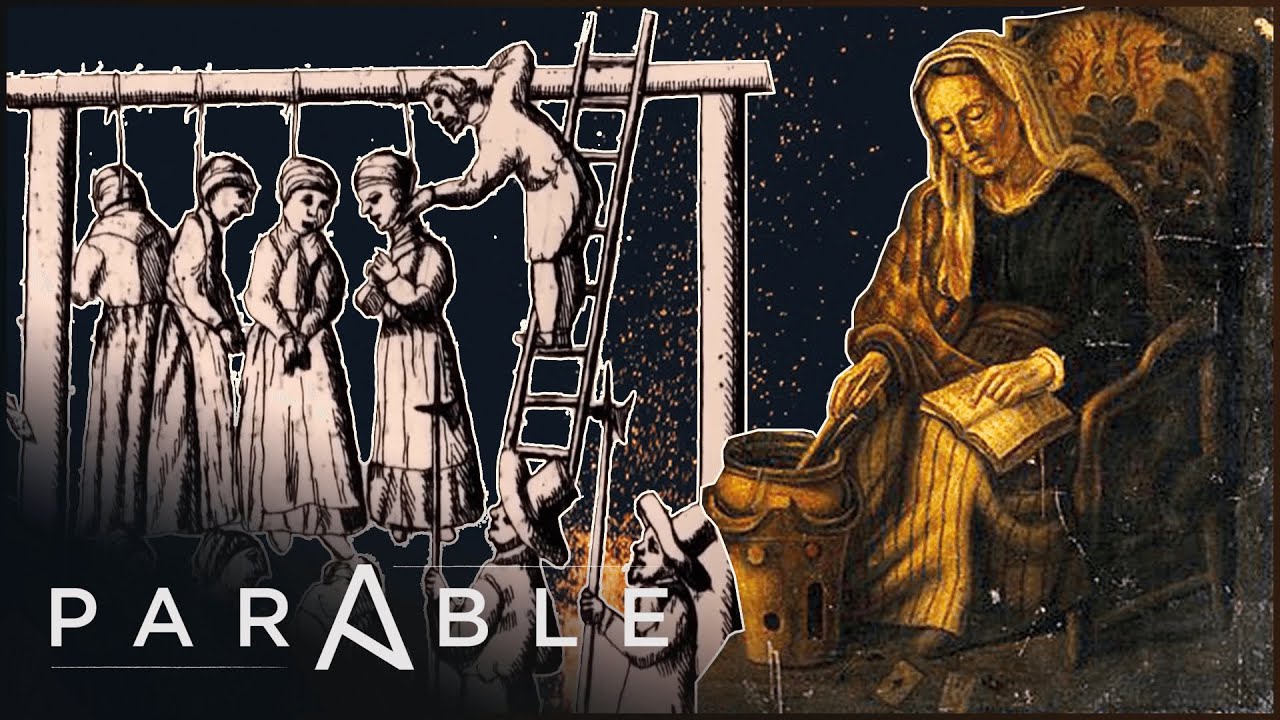
In 1612, Jennet Device, a 9-year-old girl from Pendle, Lancashire, accused her family and neighbors of witchcraft, resulting in their execution.
Christian Roman soldiers played a significant role in the spread of Christianity, as evidenced by symbols found in ancient military sites and underground churches across the Empire.
Sacred places and buildings such as the Great Pyramid of Giza, Chartres Cathedral, and the Church of the Holy Sepulcher are examined for their historical significance and mysteries.
The Four Horsemen of the Apocalypse, described in the Book of Revelation, are examined for their relevance and interpretation in contemporary society.
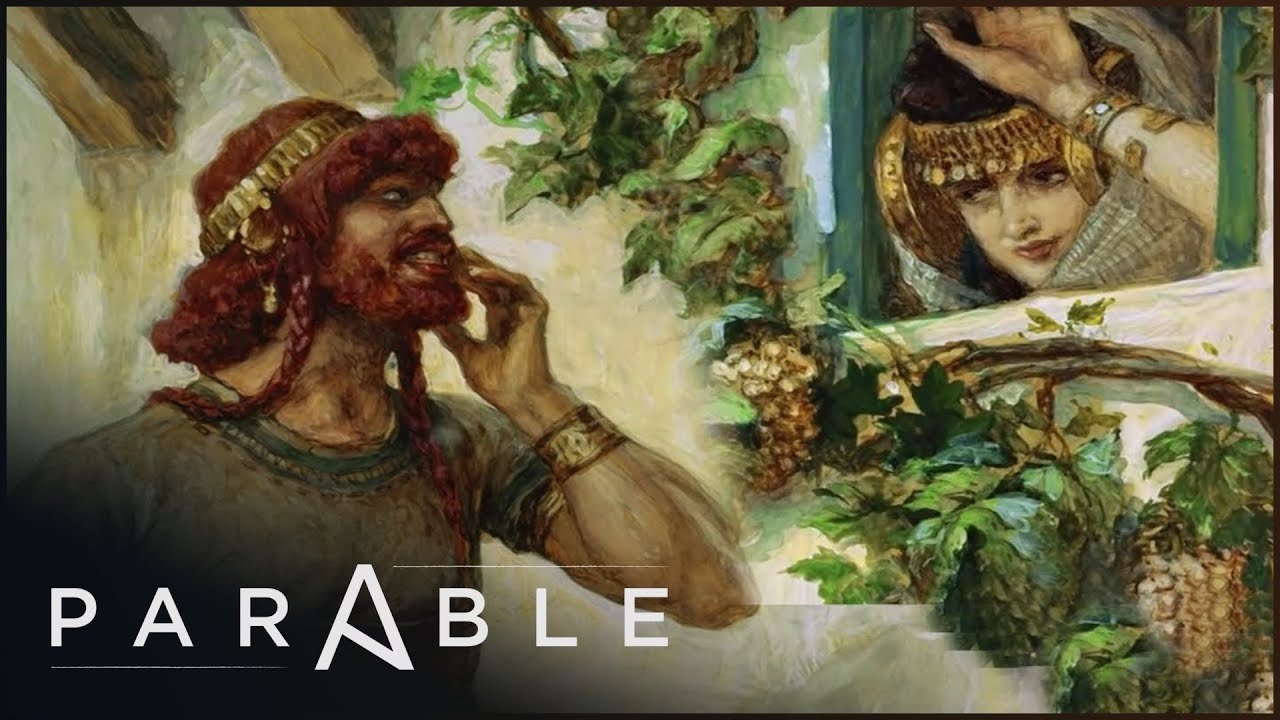
Delilah, a Philistine woman, played a pivotal role in the biblical narrative of Samson by betraying him and cutting off his source of strength.
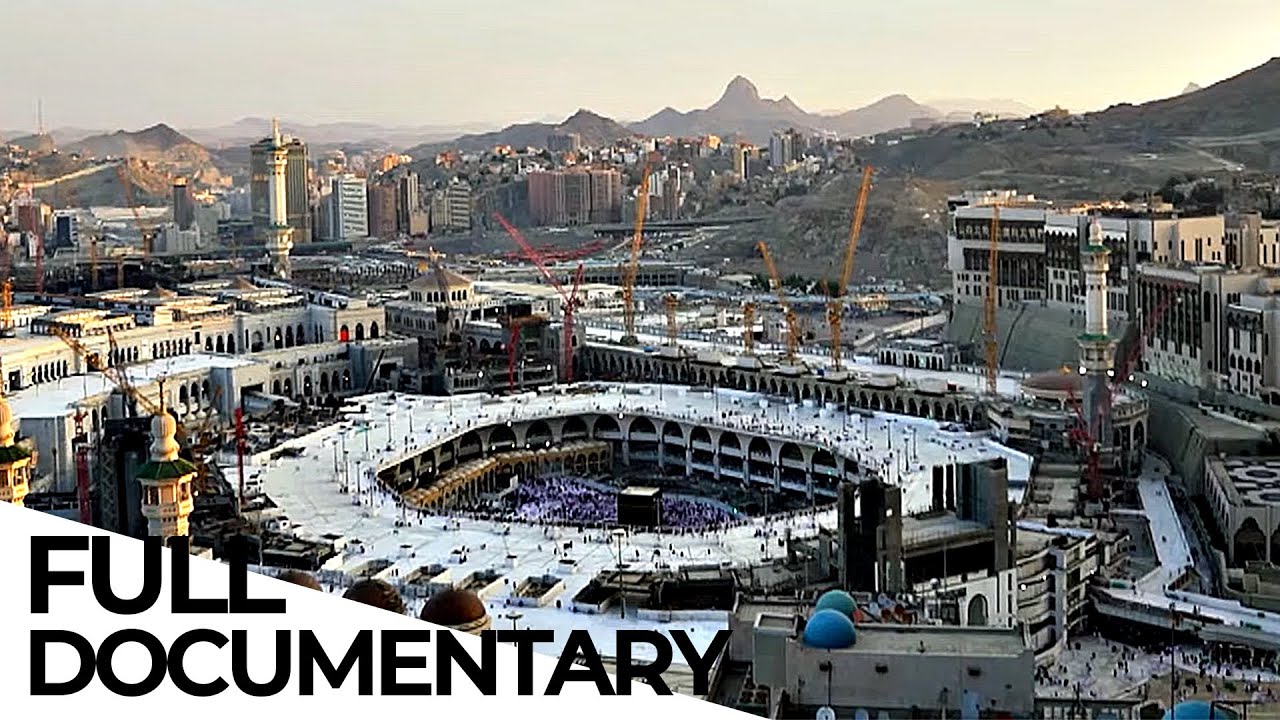
Mecca and Medina serve as pivotal religious centers in Saudi Arabia, influencing both the nation's identity and the interpretation of Islam among its leaders.
4,500 Saxons were reportedly executed by Charlemagne in 782 as part of his campaign to suppress paganism and consolidate his power.
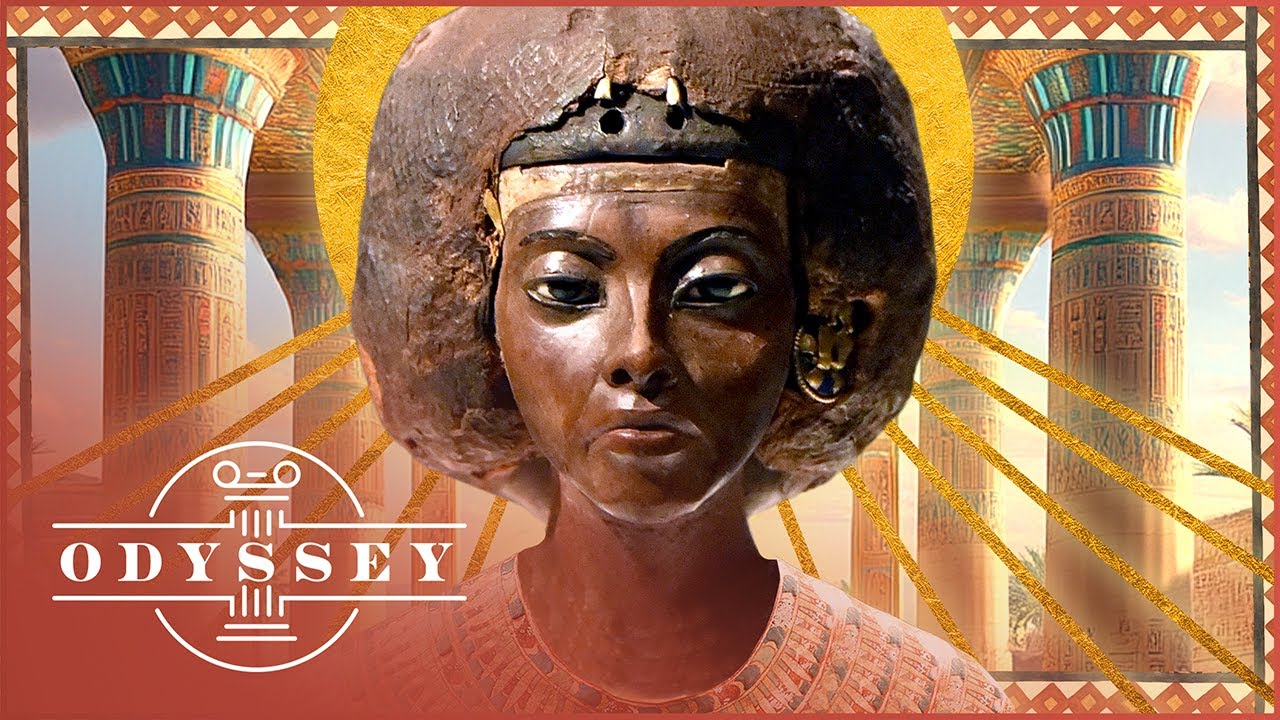
Queen Tiye of ancient Egypt played a pivotal role in a religious revolution that significantly influenced Egyptian society and its spiritual legacy.
Ultra-Orthodox Jews in New York maintain a strict, insular lifestyle rooted in 18th-century traditions, facing both internal and external tensions as their community expands.
A carbon dating test could determine if a staff claimed to have parted the Red Sea dates back to around 1350 BC, raising questions about its authenticity.
El Salvador's maximum-security convicts are turning to religion, abandoning gang loyalties amid the country's alarming murder rates.
Tom Green, a fundamentalist Mormon in Utah, navigates life with six wives and 29 children, facing legal challenges while upholding his beliefs in polygamy.
Amateur archaeologist Simcha Jacobovici investigates the sparse accounts of Jesus Christ's childhood in the Gospels and explores archaeological evidence for insights into his early life.
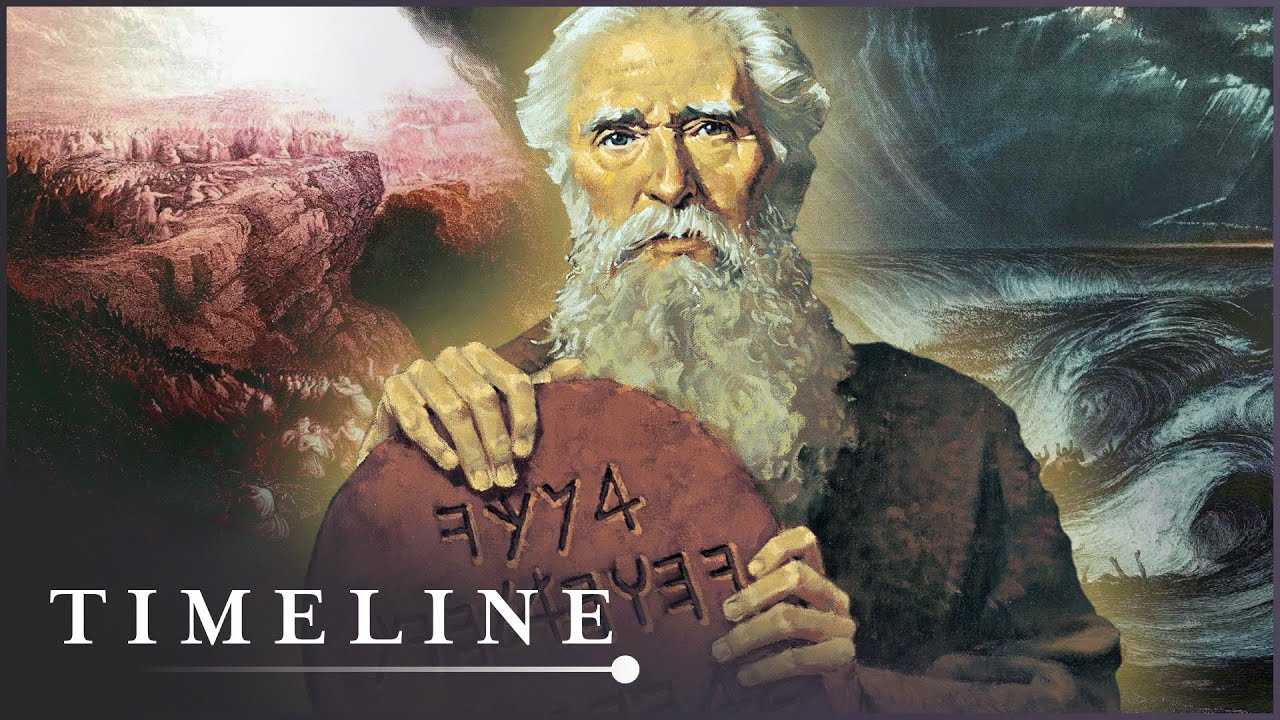
The biblical Exodus narrative, central to Judaism, Christianity, and Islam, is examined for historical evidence by a team of experts analyzing its miraculous claims.
11 million Christians remain in the Middle East today, a sharp decline from one in four people in the early 20th century.
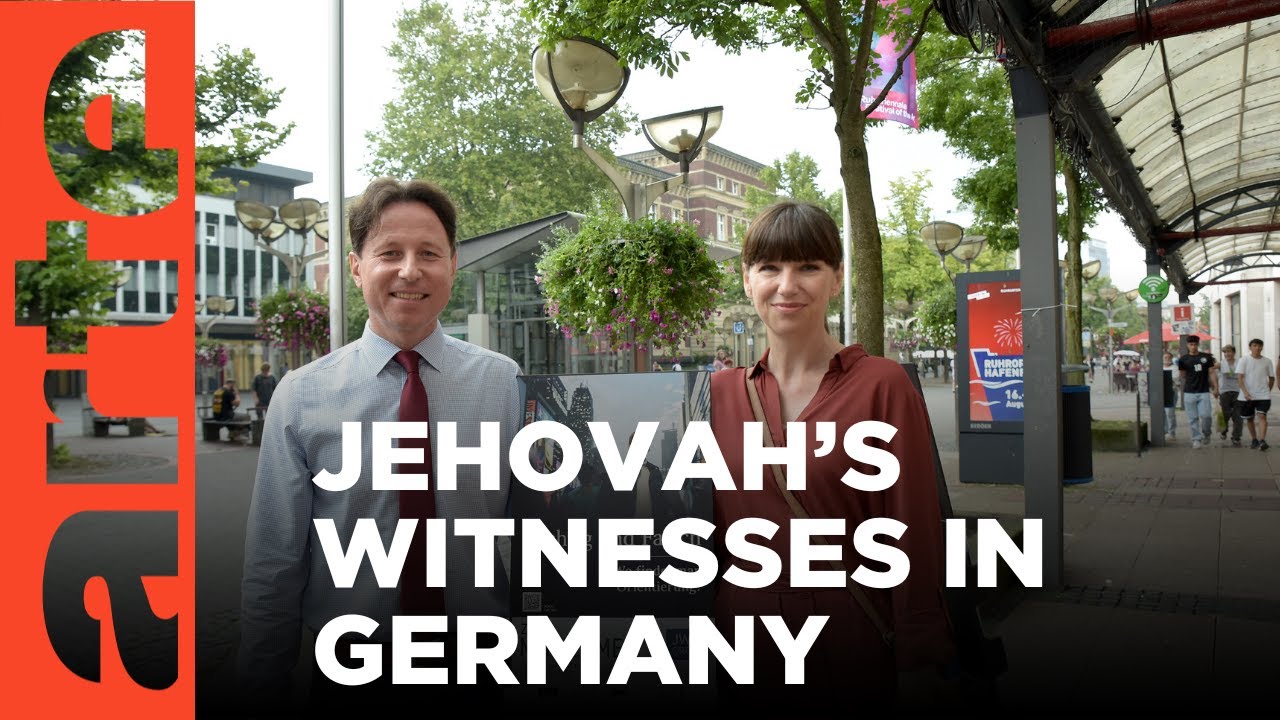
Jehovah's Witnesses in Germany maintain strict lifestyles and strong community ties, with their headquarters in Selters reflecting their beliefs and controversies surrounding their identity.
Shaman Steve's conflict with apprentice Tlawil leads to significant changes within his church, while Teri aids a sexual assault victim in finding self-forgiveness.
Matteo Ricci, the first European in China, navigated the intersection of time, science, and imperial authority, shaping East-West relations in the Forbidden City.
In Lourdes, France, the Sanctuary of Our Lady was built following 18 apparitions of the Virgin Mary, reflecting the influence of Napoléon and modern urban planning.
Constantine ruled the Roman Empire from 306 to 337 AD and played a key role in legalizing Christianity, but questions remain about his true beliefs.
Alexander Neich Oganov, a farmer and spiritual leader, has seven children and 14 grandchildren living in a small settlement near Lake Baikal.
In the ancient Maya city of Copan, archaeologists utilize space technology to investigate burial practices and the significance of blood sacrifices in their culture.
Sogyal Rinpoche, a prominent Tibetan Dzogchen lama, faced multiple allegations of sexual and physical abuse from students, leading to his retirement from Rigpa in 2017.
Chögyam Trungpa Rinpoche, a pivotal figure in the introduction of Tibetan Buddhism to America, challenged traditional norms while gaining recognition from spiritual leaders like the Dalai Lama.