From over 100,000 films, discover the handful you'll love.
Free or premium access to the world's largest documentary library.
6990 films(Page 61 of 146)
960,000 millionaires in China have emerged in the last five years, reflecting a dramatic shift towards wealth and capitalism in the country.
In March 2005, overfishing in the Pacific Ocean threatens local fishermen's livelihoods and marine ecosystems as corporations target dwindling fish stocks.
Up to 3.4 billion people lack adequate housing, prompting global initiatives like the Nairobi Declaration and a bipartisan housing bill in the U.S. to address the crisis.
Iran's increasing control over the Strait of Hormuz, coupled with U.S. naval blockades, poses significant implications for global trade and the U.S. dollar's dominance.
At least 70 people were killed during four days of air and drone strikes between India and Pakistan in May 2025, primarily in the disputed region of Kashmir.
Insurance companies profit from flood insurance, taking billions in fees annually without transparency.
Private investment funds are increasingly managing public infrastructure, raising questions about accountability and the treatment of essential services as financial assets.
The 3D printing market is forecast to triple in size to $44.5 billion between 2022 and 2026, reshaping American manufacturing and supply chains.
Apple's acquisition of multiple AI startups indicates a strategic focus on enhancing artificial intelligence, particularly for improving Siri's functionality.
Apple's ongoing challenges with Siri since 2011 have led the company to rely on Google's Gemini for AI solutions, raising questions about its future in the tech industry.
Apple's sales are experiencing a decline for the first time since 2003, prompting an analysis of the underlying causes and market dynamics.
Billionaires like Elon Musk and Jeff Bezos are amassing wealth comparable to the bottom 50% of the global population, raising concerns about economic inequality.
Maritime laws are increasingly ineffective in securing global shipping routes, as territorial disputes in regions like the Strait of Hormuz and the Panama Canal escalate.
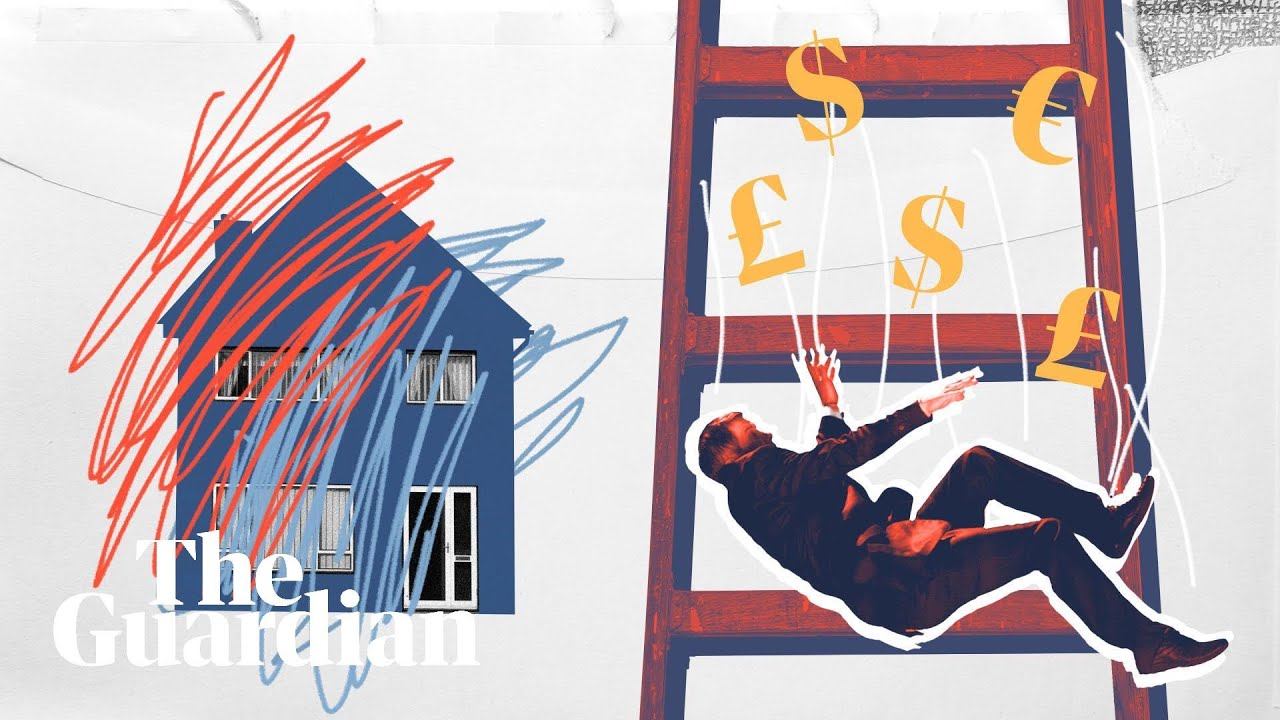
Only 27% of British Millennials aged 25 to 35 own homes, a sharp decline from 65% two decades ago, raising concerns about future home ownership.
The average wage in Azerbaijan is now around $40 a month, despite the country sitting on at least $80 billion in oil reserves.
Falling birth rates worldwide, influenced by smartphones and digital media changes, pose significant challenges to workforce demographics, as reported by John Burn-Murdoch.
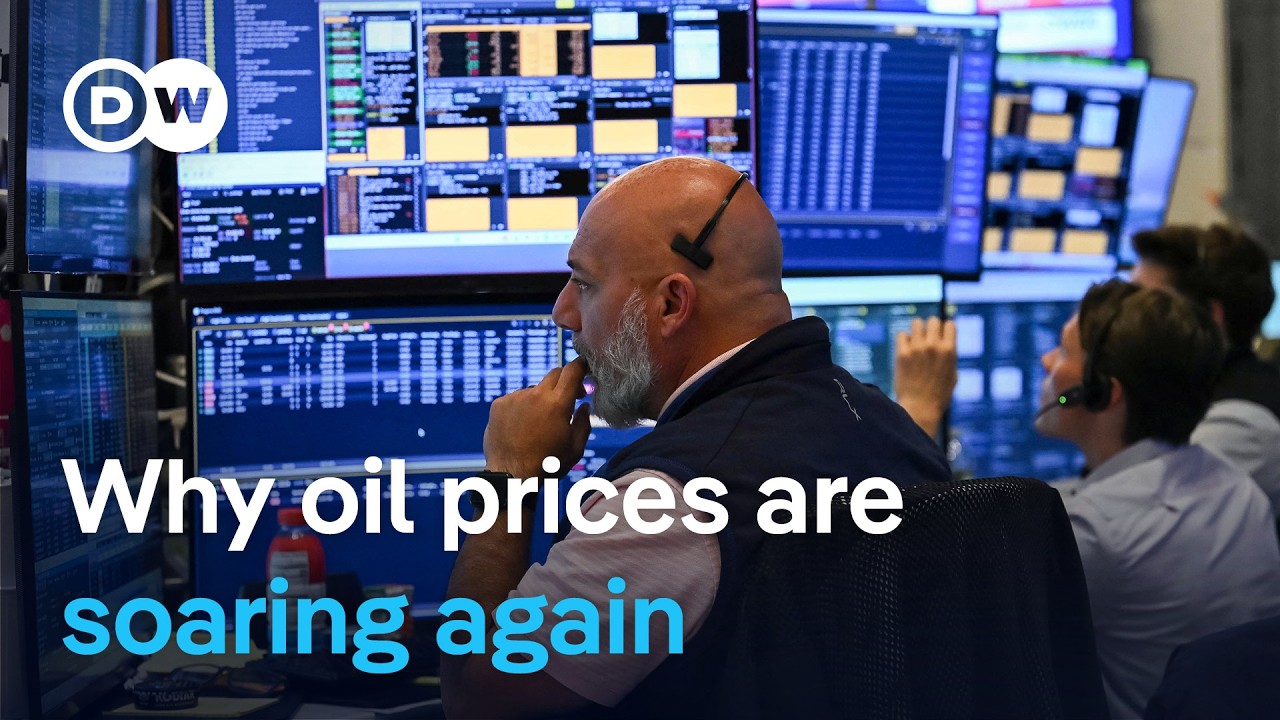
Brent crude oil prices have surged above $100 a barrel due to escalating tensions in the Middle East, particularly from Houthi attacks on shipping routes.
The AI data centre boom is facing significant setbacks, with 50% of projects delayed or canceled, impacting communities and raising concerns about sustainability.
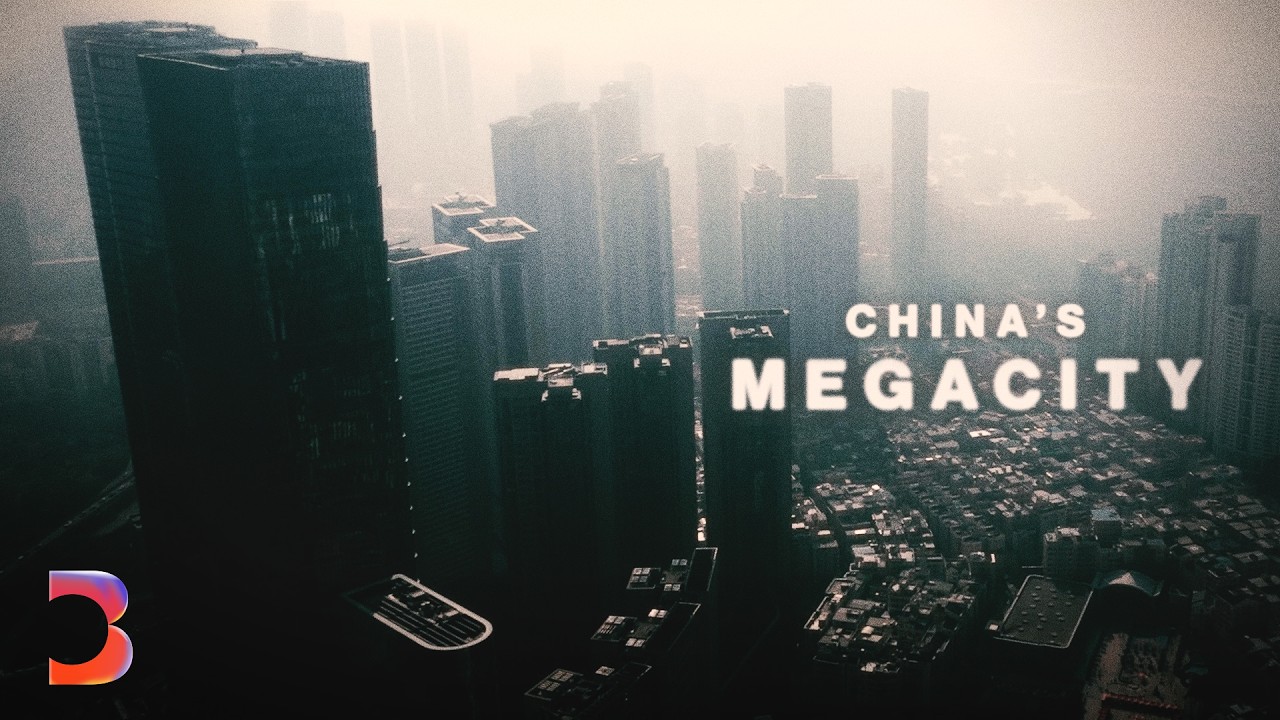
Hong Kong's Northern Metropolis project aims to transform rural areas into a $2 trillion tech hub, part of China's broader plan for 19 megaregions.
China and the US collaborate in the movie industry, despite significant challenges.
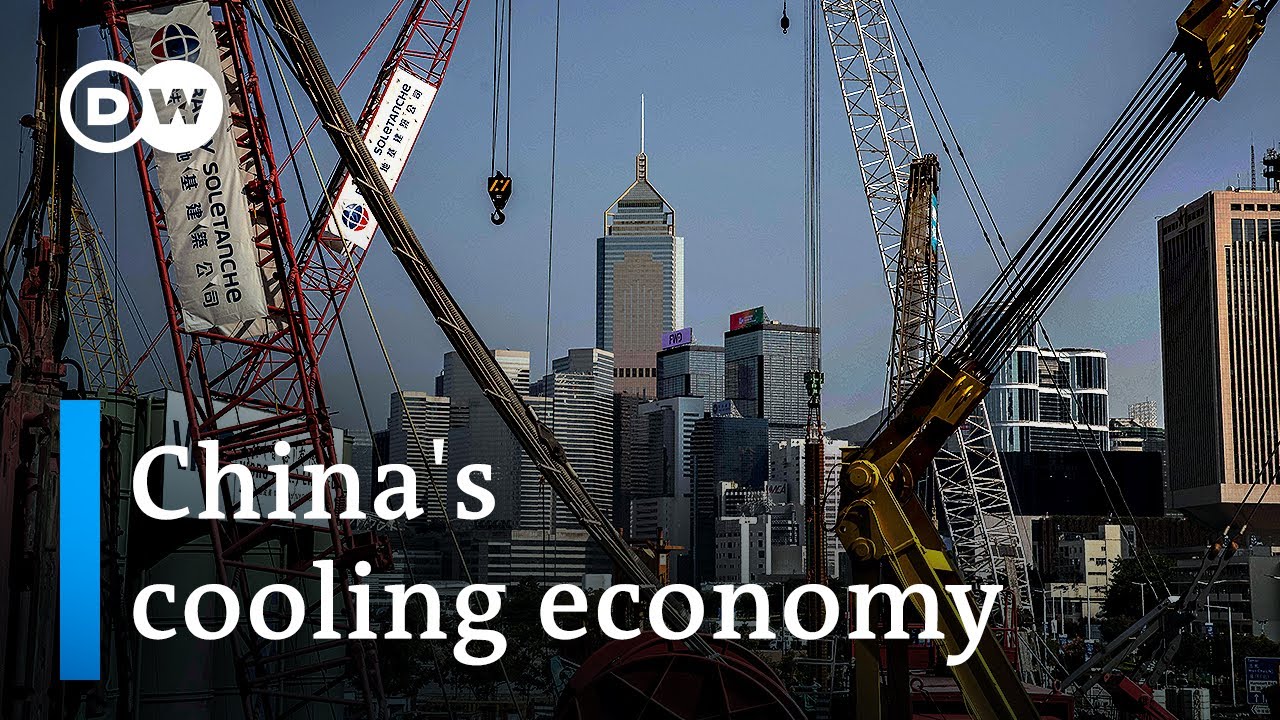
China's economy faces challenges as Beijing struggles with real estate and COVID fallout.
Mark Dimas leads a diverse church in Little Rock, adapting business strategies for survival.
CNN+, a $300 million streaming service launched by WarnerMedia, collapsed within three weeks of its debut, raising questions about its business model and audience engagement.
The five biggest college sports conferences generated over six billion dollars last year, while athletes remain prohibited from profiting from their name and likeness.
A doctor in Cuba earns only 2 Cuban pesos per hour, while a former physician now makes more as a taxi driver in convertible pesos.
Elon Musk's acquisition of a significant stake in Twitter raises questions about his influence on the platform and its future direction.
Israel's attacks on Iranian gas infrastructure have raised humanitarian concerns and fears of escalating energy targets in the ongoing conflict.
The West's toughest sanctions cut Russia off from Swift, impacting global banks and loans.
German industrial companies, including carmakers and machine builders, are shifting to defense production, with increased capacity for conventional ammunition surpassing that of the United States.
346 people died in two crashes of the Boeing 737 MAX, leading to questions about safety practices and oversight in the aviation industry.
The average American now attends fewer than four movies a year, down from nearly five a decade ago, reflecting a significant decline in cinema attendance.
Pakistan signed a $3 billion bailout from the International Monetary Fund in June 2023 to address its severe economic crisis and mounting external debt.
Bitcoin's significant value drop since October 2025 raises questions about the cryptocurrency market's stability amid increasing institutional investment and regulatory challenges.
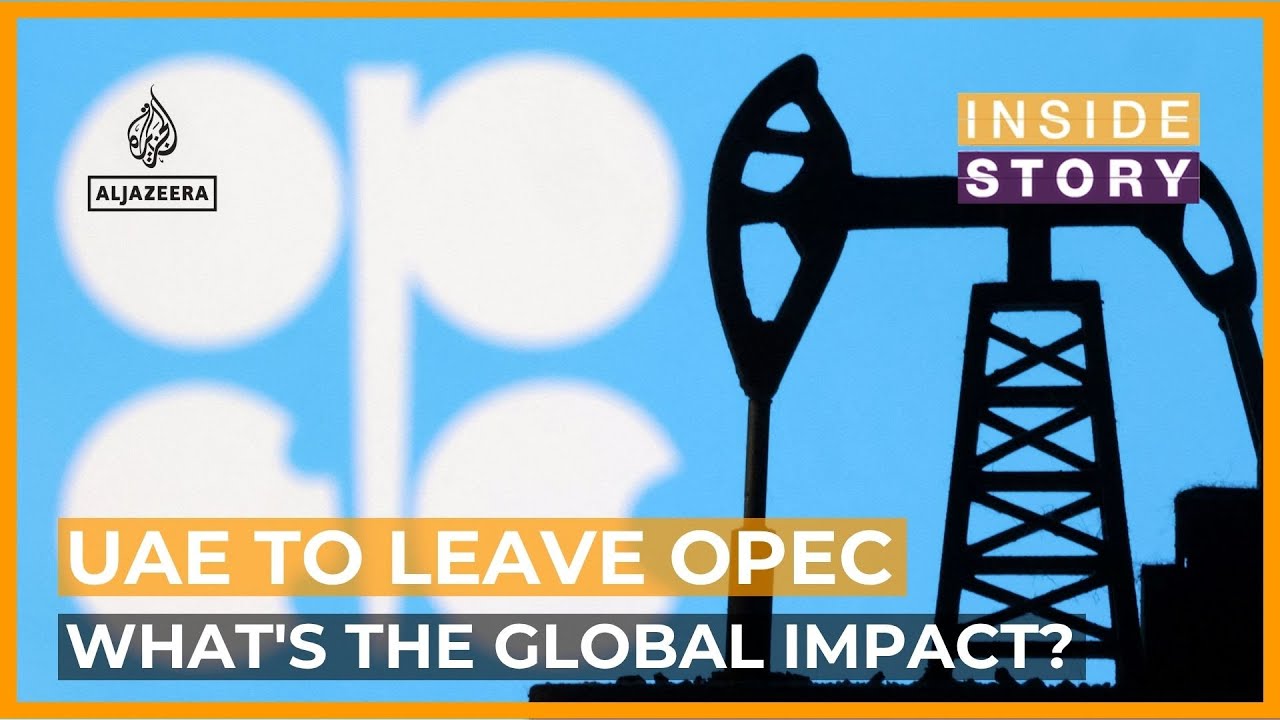
The United Arab Emirates' exit from OPEC during the global energy crisis raises questions about the implications for the oil market and regional stability.
India spent around $2.9 billion on Israeli military hardware over the last decade, making it the largest buyer of Israeli weapons.
U.S. mothers get no paid leave, impacting families and the economy negatively.
At least a third of Puerto Rico's population remains without electricity three months after Hurricane Maria destroyed 80% of the island's electric grid.
Meta's stock plummeted by 70% due to a combination of declining user engagement, increased competition, and challenges in monetizing its platforms.
Meta Platforms, Inc. experienced a historic loss of $230 billion in market value, marking the largest single-day loss for a public company in history.
Netflix's strategic pivot into video games aims to address its recent challenges in subscriber growth and market competition.
China's unexpected reduction in oil imports played a crucial role in stabilizing global oil markets during the US-Iran conflict, averting a potential crisis.
Pakistan is experiencing a severe political crisis characterized by economic challenges and governance issues that contribute to ongoing instability.
1,400 steelworkers in Indianapolis learn their jobs will move to Mexico, reflecting a broader trend of American companies relocating production abroad.
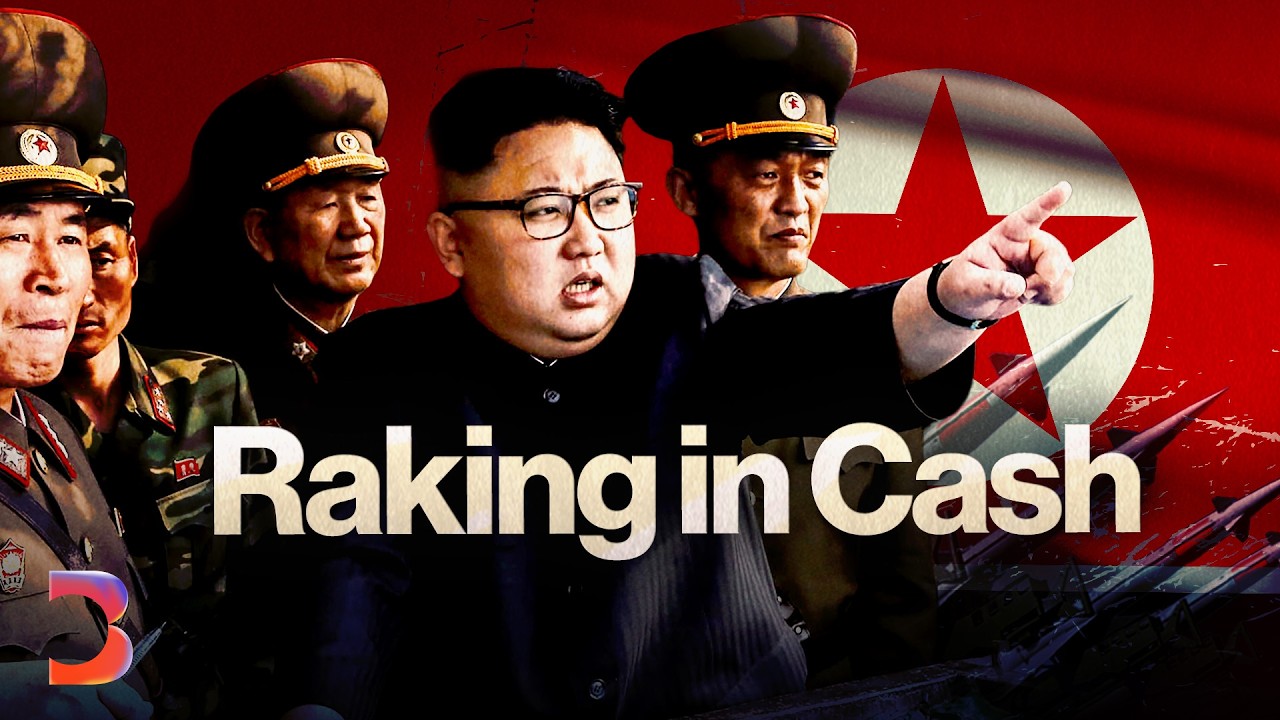
Kim Jong Un has generated $22 billion in foreign earnings from 2022 to 2025, raising concerns about the effectiveness of global sanctions on North Korea.
Chris Colburn discusses the German and Chinese rivalry at the IAA Mobility Trade Fair in Munich.
20% of the UK population, or about 14 million people, live in poverty, struggling to meet basic needs despite the country's wealth.
More than 5.5 million Palestinians live in territories that are supposed to form a future Palestinian state, yet significant obstacles hinder this possibility.
The US government's plan to purchase 1 million Bitcoin raises questions about the motivations behind the controversial B.I.T.C.O.I.N bill and its implications for innovation.




















![Film backdrop image for Why Meta Lost $230 billion [Biggest Company Loss in History] (2022)](https://i.ytimg.com/vi/CRE6SqdranY/maxresdefault.jpg)