From over 100,000 films, discover the handful you'll love.
Free or premium access to the world's largest documentary library.
6990 films(Page 60 of 146)
The United Arab Emirates' exit from OPEC and OPEC+ signals potential shifts in global oil markets and reflects rising geopolitical tensions in the Gulf.
More than 120,000 confidential documents leaked to The Guardian reveal how Uber operated illegally in various cities worldwide.
Sergio Ermotti discusses UBS's integration of Credit Suisse and the bank's negotiations with Swiss authorities over stringent capital requirements.
Rising mortgage rates in the UK, influenced by uncertainty from the war on Iran, are pressuring the housing market and causing house prices to decline.
Russia's refusal to renew a grain deal disrupts Ukrainian exports and raises global wheat prices.
The World Bank estimates that reconstructing Ukraine will cost $411 billion, with the tech sector expected to play a major role in the country's recovery.
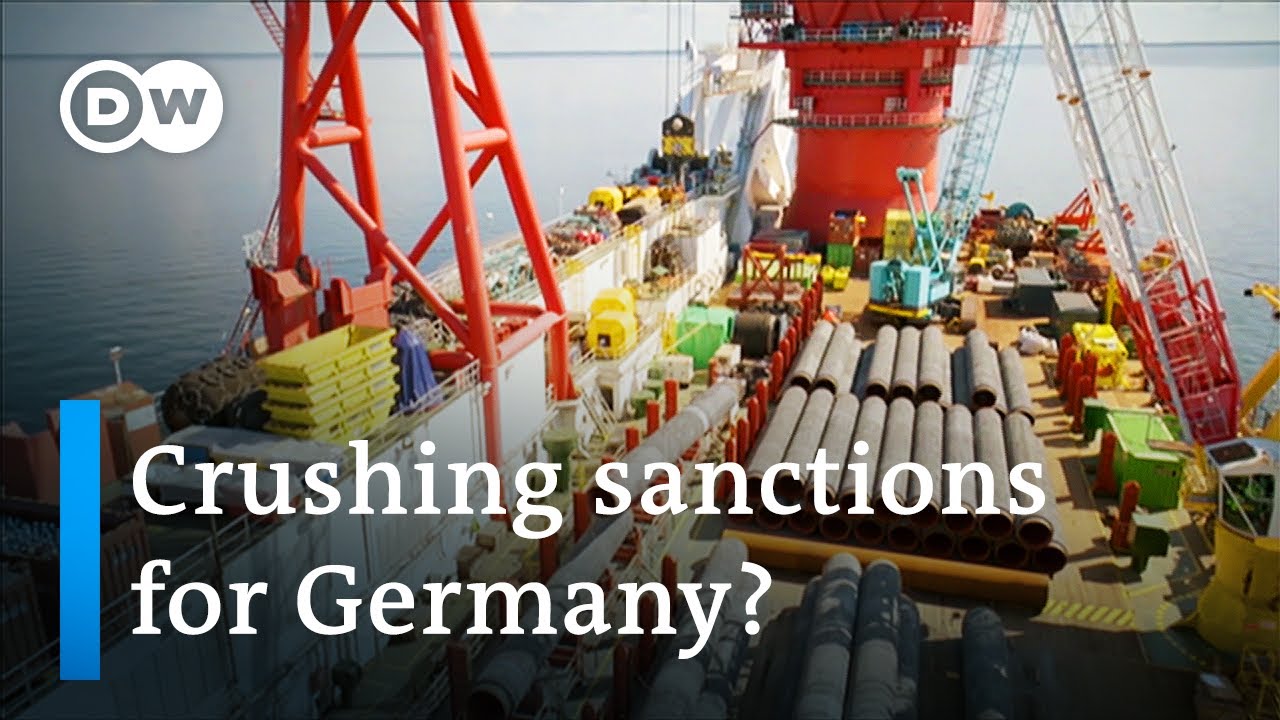
Leaders agree on sanctions as Germany halts Nordstrom 2 certification amid rising tensions.
Ukrainian strikes have disrupted one-third of Russia's oil refining capacity, leading to a fuel crisis that has prompted Moscow to impose petrol export bans.
Guterres states the Ukraine war threatens global food security and vulnerable populations.
China's investment in Latin America and the Caribbean reached nearly 16 billion dollars last year, significantly impacting Guyana's natural resources.
In Illinois, part-time workers like Ronald Jackson and Laymondra Brewer-Thomas face significant challenges in securing stable, full-time employment despite a recovering economy.
The death rate due to opioid overdose in Staten Island is three times the American average, reflecting a severe addiction crisis fueled by pharmaceutical companies.
The affordability crisis in the United States forces families to choose between essential needs like food and gas, despite recent economic relief efforts following the MoU with Iran.
Rising jet fuel prices, driven by the war on Iran, have led to the collapse of Spirit Airlines and increased costs for US carriers and travelers.
US national debt has surpassed its GDP for the first time since World War II, raising concerns about economic sustainability and potential financial crises.
More than 80% of national news distribution in the U.S. is controlled by just six conglomerates, according to Dan Rather's analysis of media corporatization.
In just three weeks, Americans will vote to decide who will inherit a broken economy amid a financial meltdown that has left markets highly unstable.
Tensions run worryingly high between Germany and the U.S. over the Nord Stream 2 pipeline.
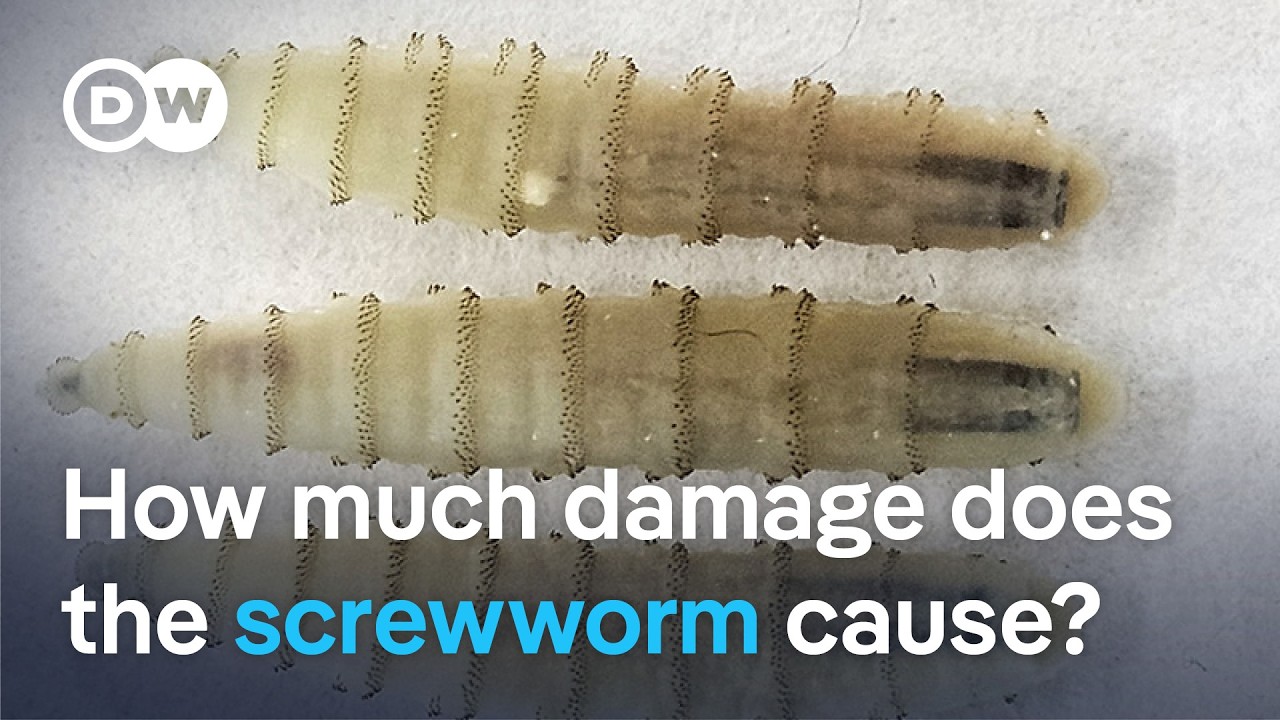
The resurgence of the New World Screwworm poses significant challenges for the US cattle industry, increasing costs and complicating efforts to manage the pest, as explained by Professor Derrell Peel of Oklahoma State University.
Tensions rise as relations between superpowers China and the United States hit a new low.
In February 2026, the US Supreme Court ruled that the president cannot unilaterally decide tariffs, impacting Donald Trump's economic policy strategies.
The US-Mexico-Canada Agreement faces renewed scrutiny as the Trump administration's annual reviews create uncertainty that could impact North American trade and investment.
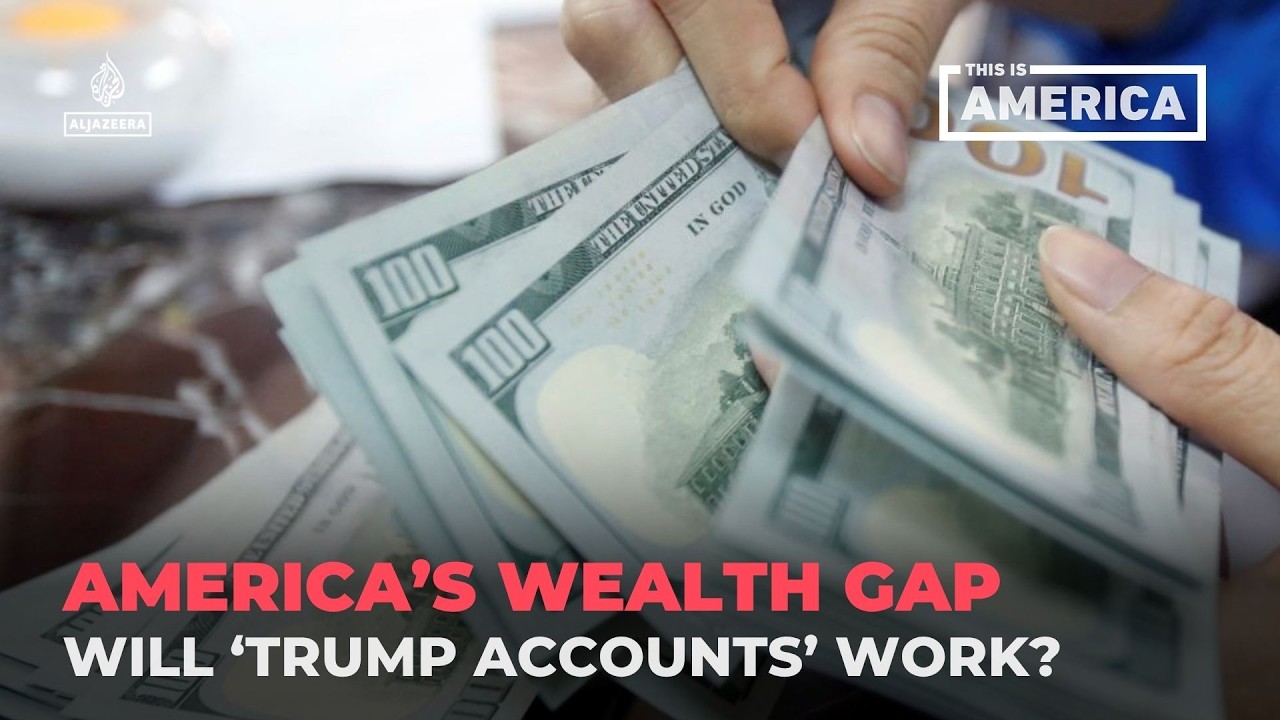
As Wall Street celebrates record stock highs under Donald Trump's administration, nearly 40% of American households remain without stock ownership amid a growing wealth gap.
The Crimes Investigation Unit targets illegal ivory sales in Queens, New York City.
The economy is booming as businesses open back up, but disparities remain for Black Americans.
Many states require marijuana testing, but Washington labs face concerns over accuracy and oversight.
Lobstermen protest new rules protecting North Atlantic right whales, impacting their livelihoods.
Before the 2022 ban, around 45 million male chicks were killed annually in Germany, raising questions about their fate now that culling has ceased.
The escalation of conflict in the Middle East, marked by Israel's bombing of Iran's energy facilities, raises concerns about the long-term risks to global energy stability.
The disruption in the Strait of Hormuz has prompted Asian countries to reopen coal plants while others explore renewable energy options amid urgent energy needs.
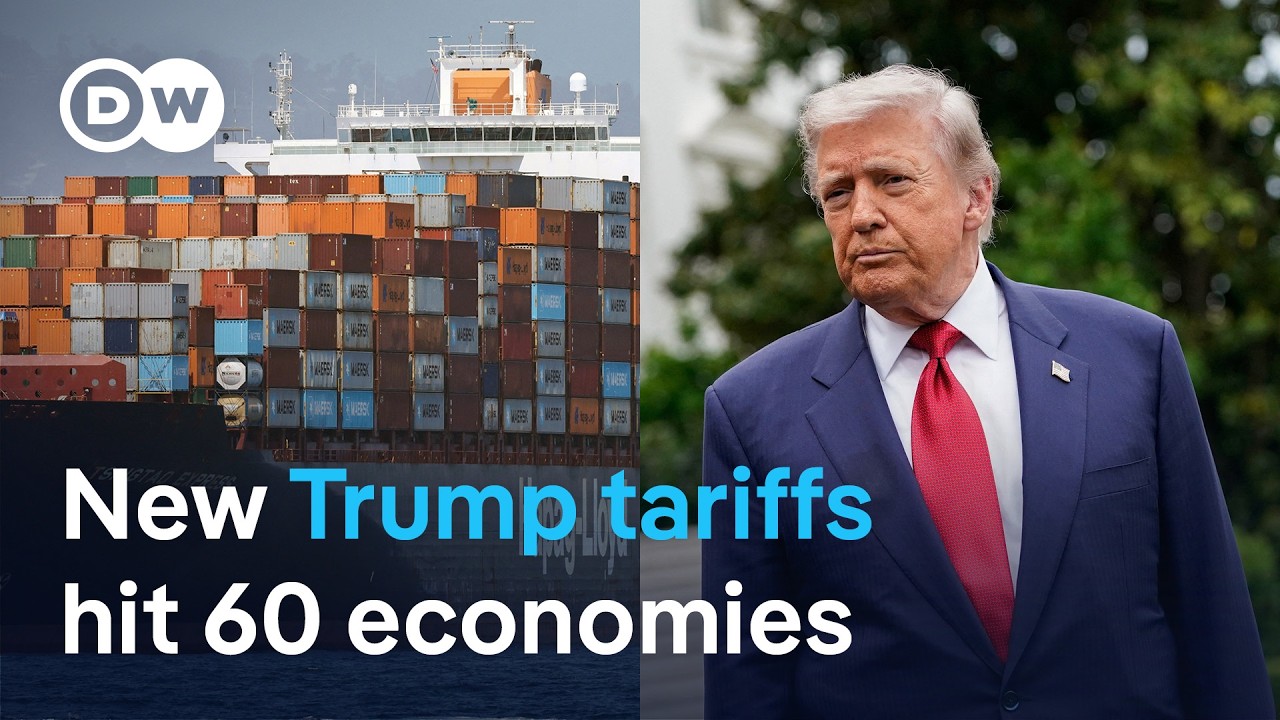
New US tariffs imposed on 60 economies are scrutinized for their claimed intent to combat forced labor, with experts like Simon J. Evenett questioning their legitimacy.
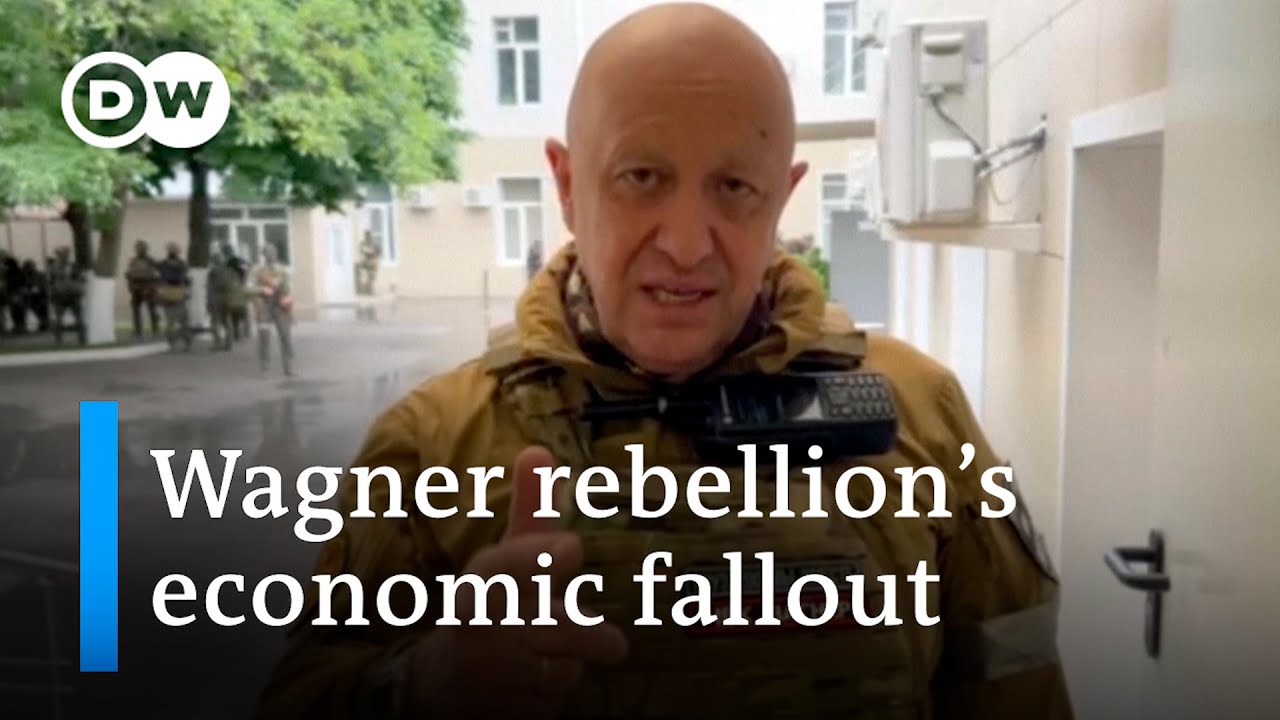
The Wagner Rebellion raises concerns about Russia's economic stability and political divisions.
Dropbox's evolution and challenges are examined through the lens of its founders, Drew Houston and Arash Ferdowsi, highlighting key moments in its history.
Nine out of ten Americans consider themselves middle class, yet 40 percent cannot raise $2,000 in an emergency.
Oregon's low-cost marijuana licenses lead to rapid market growth and unforeseen challenges.
Próspera has raised over $150 million in investments from prominent U.S. billionaires, including Peter Thiel and Sam Altman, to create a private city in Honduras.
25 luxury apartments in New York City, priced from $10 million to $85 million, were accessed by Andi Schmied while posing as a billionaire.
Vladimir Putin and Xi Jinping meet in March 2023, strengthening ties amid the Ukraine war.
After 9/11, the Department of Homeland Security created fusion centers in each state to centralize information sharing among law enforcement and private sector partners.
Thirty-one auctioneers compete for the title of world champion at the 2018 World Livestock Auctioneer Championship during the livestock marketing association's annual convention.
IndiGo's planning failures after the implementation of revised pilot rest rules in late 2025 stranded nearly a million passengers, revealing systemic risks in India's aviation industry.
1 million residents in Amsterdam face a housing crisis, with many struggling to find affordable living spaces in a city overwhelmed by rising rents.
Kuwait's oil revenues are projected to exceed $10 billion in 1996, significantly higher than before the Iraqi invasion in 1990.
Apple's future strategies and innovations are examined, highlighting the company's potential directions in technology and market influence.
Iran's closure of the Strait of Hormuz following Israeli attacks on Lebanon has significant global economic implications, raising questions about future developments.
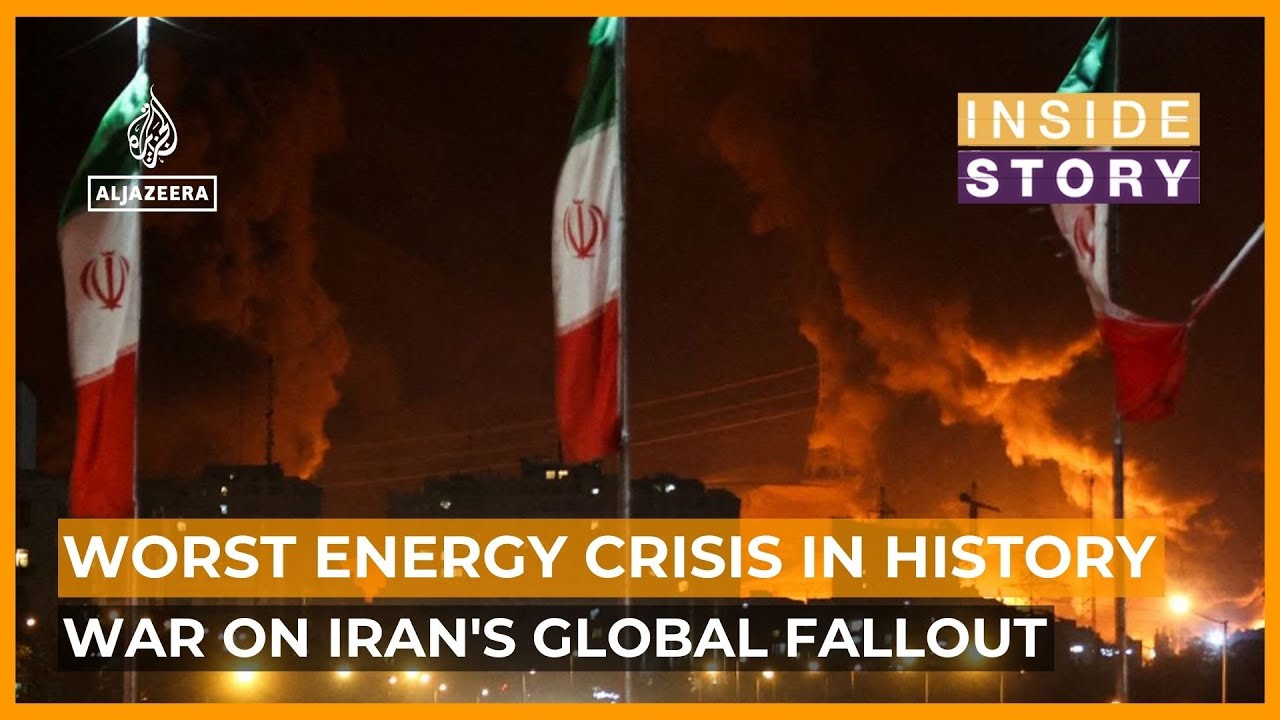
The war on Iran has led to the worst energy crisis in history, raising questions about its long-term global implications, as discussed by experts like James Bays and Foad Izadi.
Mr. Bags, or Tao Liang, influences Chinese consumers in the luxury handbag market.
Chris Atkins reveals how some news articles are based on press releases, not research.