From over 100,000 films, discover the handful you'll love.
Free or premium access to the world's largest documentary library.
6990 films(Page 3 of 146)
Affordable housing programs in the U.S. are failing to assist the majority of eligible households, revealing deep-rooted issues of race and systemic discrimination.
Boeing's 737 Max jet, linked to two fatal crashes, faces renewed scrutiny over design flaws and oversight failures, raising ongoing safety concerns.
Clothing production significantly impacts the environment and the lives of workers globally, raising critical questions about the true cost of fashion.
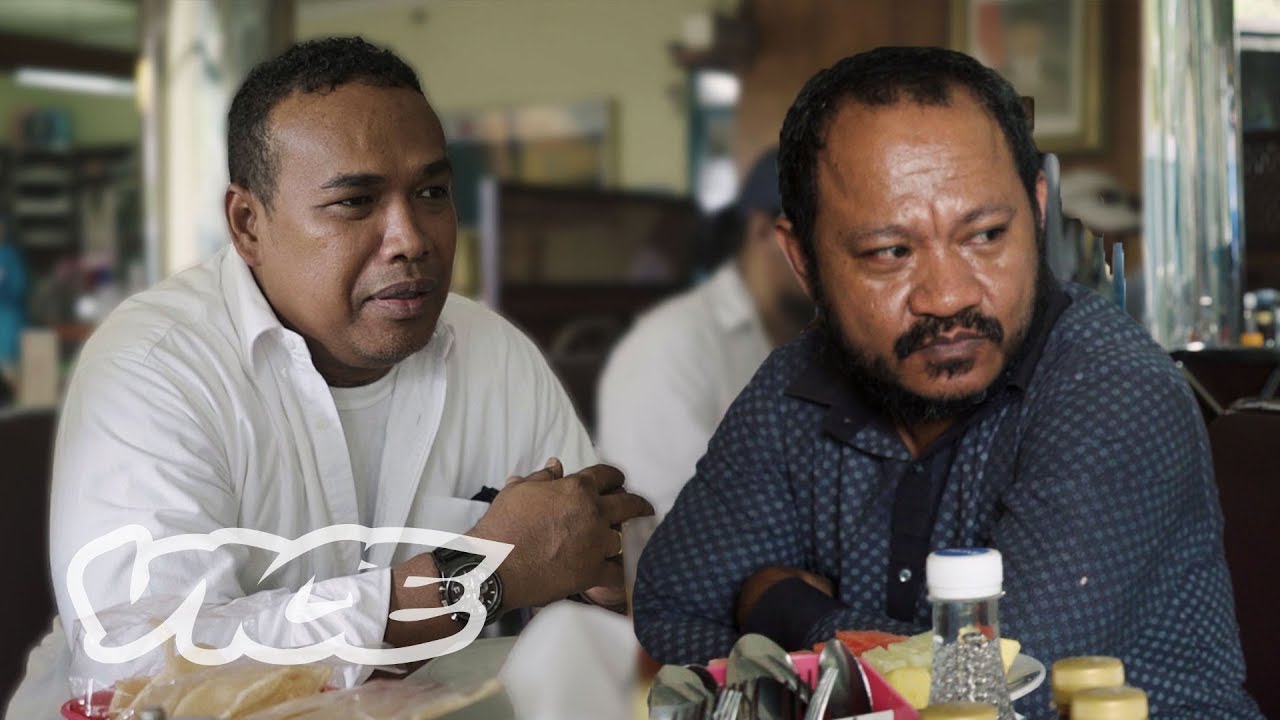
Debt collectors in Indonesia, often from the Maluku Islands, navigate a regulated industry while employing controversial tactics to secure payments for banks.
Sinaloa cartel's drug trafficking operations generate billions annually, employing thousands and intertwining with the lives of those in poverty and violence.
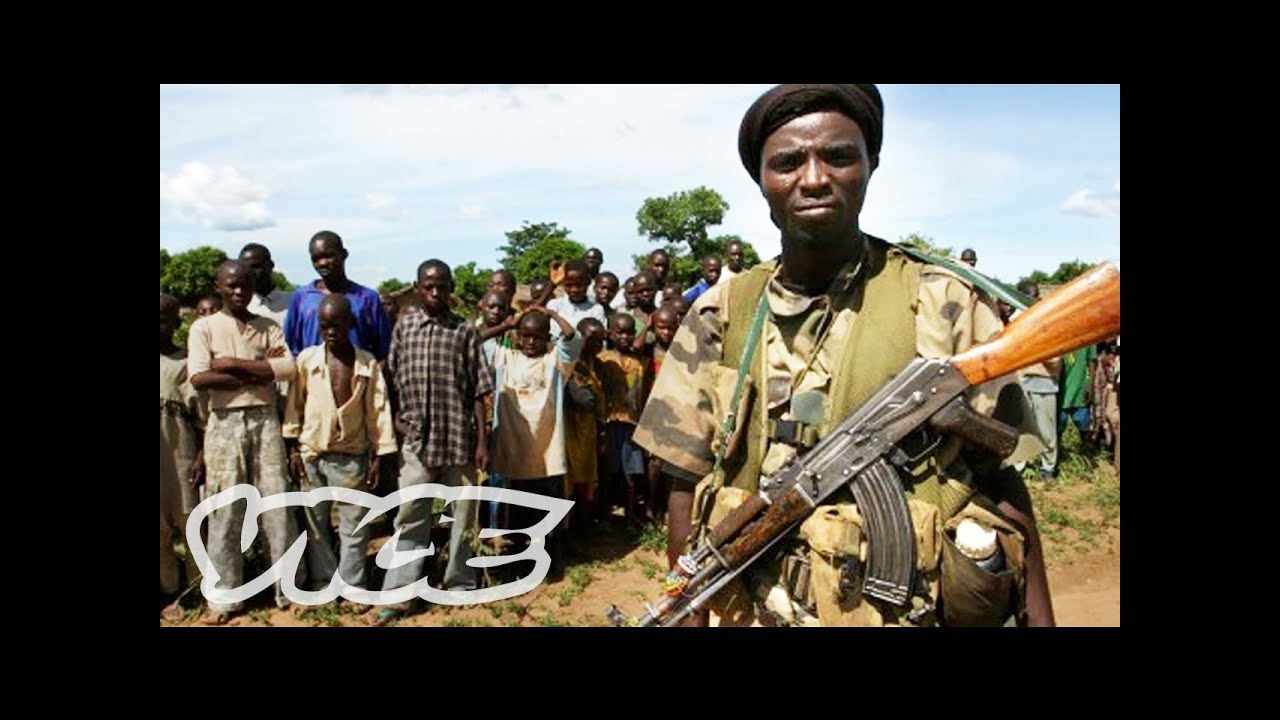
Mercenaries in Sierra Leone, allegedly supporting the government against RUF rebels, may be primarily motivated by the lucrative blood diamond trade.
Ji Chaoqun was recruited by China's Ministry of State Security while studying aviation engineering at Beijing University of Aeronautics and Astronautics.
The top 0.1% of earners in the United States control as much wealth as the bottom 90%, raising questions about economic inequality and citizen happiness.
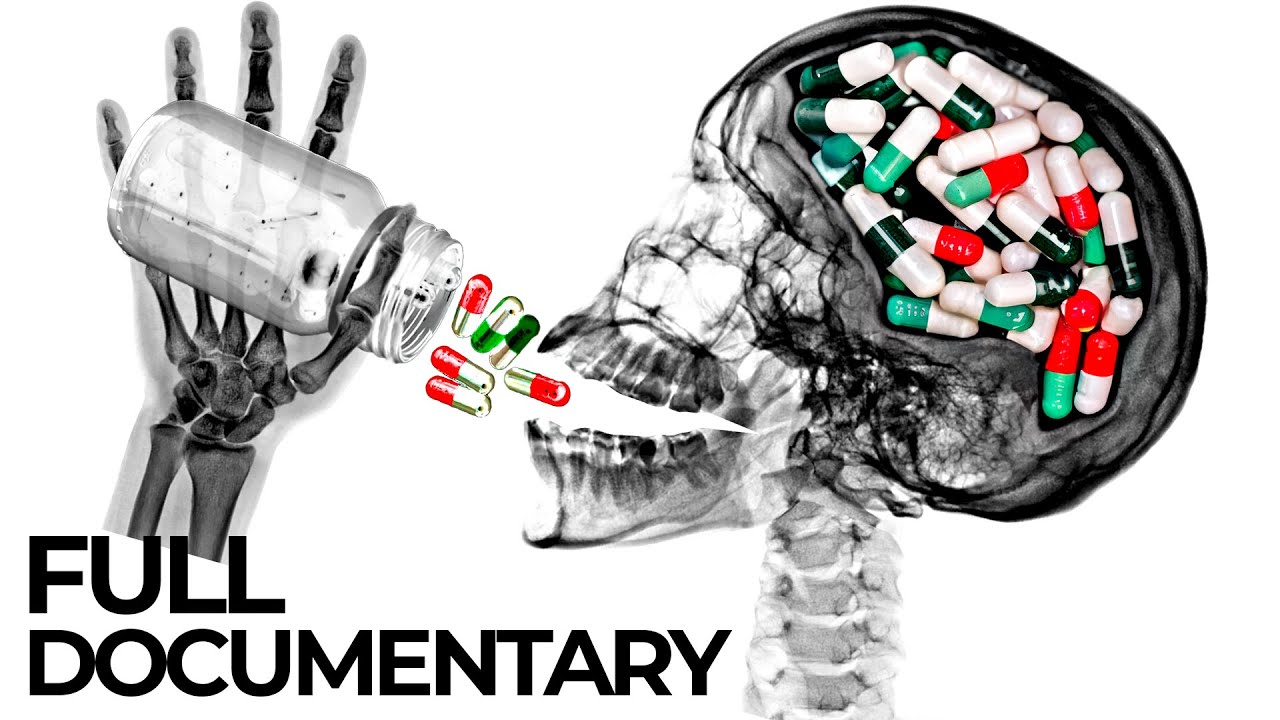
The global cognitive supplement market was valued at $2.3 billion in 2015 and is projected to reach $11 billion by 2025.
In 2010, the total UK money supply stood at 2.15 trillion pounds, with only 2.6% of this total represented by physical notes and coins.
Every ten minutes, a new truck rolls off the assembly line at Volvo's factory in Virginia, where over 500,000 trucks have been produced since the late 1970s.
The US's commitment to free trade and global cooperation, established in 1948, faces a critical test as it approaches the spring of 2025.
The recession destroyed $11 trillion of Americans' net worth, leading to widespread protests demanding accountability from Wall Street.
The OOCL Hong Kong, the world's largest container ship with a capacity of 21,100 TEU, faces challenges during its maiden voyage from Shanghai to Rotterdam.
Britain's transformation from a colonial power to a global financial hub is examined, highlighting the role of offshore jurisdictions in concealing wealth.
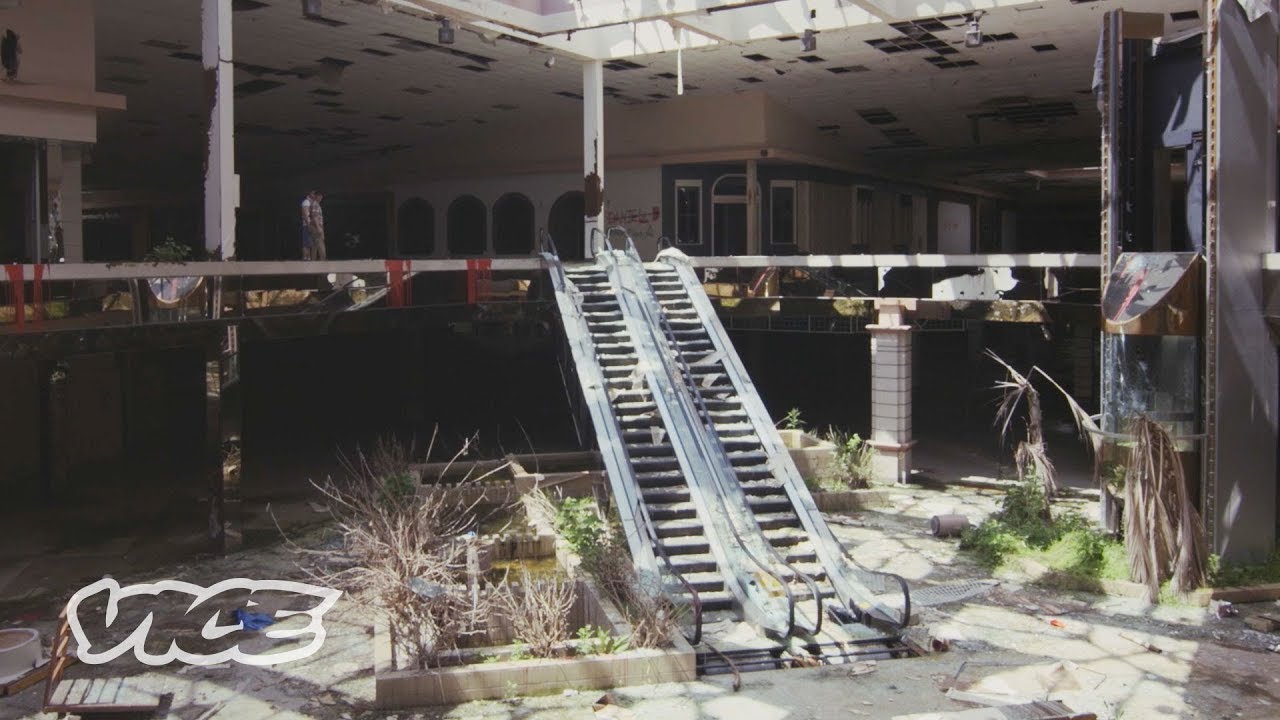
Northeastern Ohio's abandoned shopping malls serve as a poignant reminder of consumerism's decline, explored through the eyes of their most devoted patrons.
Hornby, a key player in the model railway community, faces significant challenges as James May explores the craftsmanship and revival efforts at its factory.
China's transformation from a poverty-stricken communist state to a global economic powerhouse over the past 40 years highlights the pivotal role of reform and international relations.
On May 20, 2014, Carol Coronado killed her three daughters while suffering from postpartum psychosis, a severe mental health condition.
A Steinway concert grand piano is built over a 12-month period by 450 artisans, using approximately 12,000 individual parts to create a unique instrument.
Coltan, a conflict mineral essential for electronics, is linked to the exploitation of child soldiers and the deaths of over 5 million people in Congo.
Insys Therapeutics profited from a fentanyl-based painkiller by bribing doctors and misleading insurers, ultimately leading to federal prosecution and prison sentences for executives.
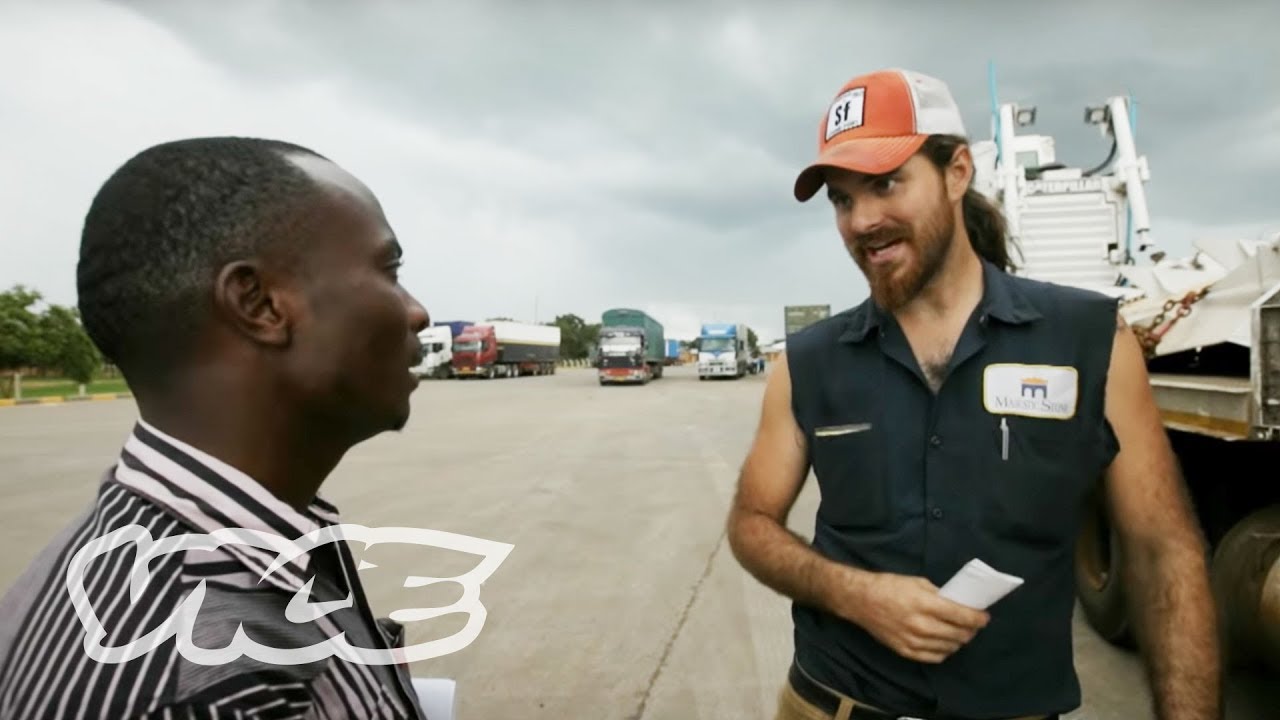
Less than 200 kilometers of paved road exist in South Sudan, a country where American entrepreneurs seek opportunities amid significant challenges.
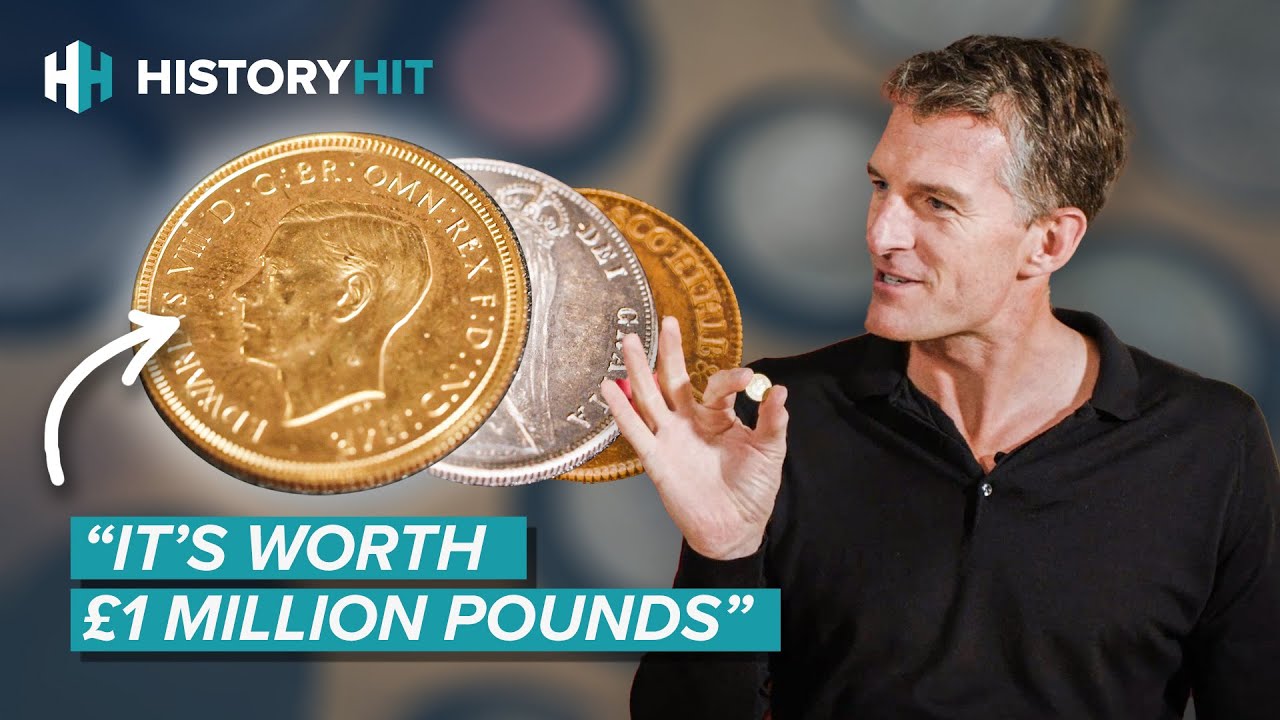
The Royal Mint reveals the intricate processes behind designing and minting Britain's currency, highlighting key moments in the monarchy's relationship with coinage.
At the St. Nazaire construction site in France, over 2,500 workers utilized advanced technology to build the 315-metre Meraviglia cruise ship, capable of carrying more than 7,000 passengers.
Credit card companies faced intense scrutiny in 2009 as rising public anger and new regulations prompted debates on consumer protection and industry practices.
553 times, Donald Trump's name appears in a board game that reflects his brand, while the documentary details his rise and fall in business and politics.
A brand-new drilling rig, the West Bollsta, is towed by the ALP Striker from Ulsan, South Korea, to Europe, covering 12,000 kilometers in 90 days.
Innovations from the 1950s, including the first credit cards, microchips, and video games, reveal a surprisingly advanced technological landscape during the Cold War.
Weighing 300 tons and valued at six to eight million dollars, the Caterpillar 797 dump truck requires a specially assembled trailer for transport in Alberta.
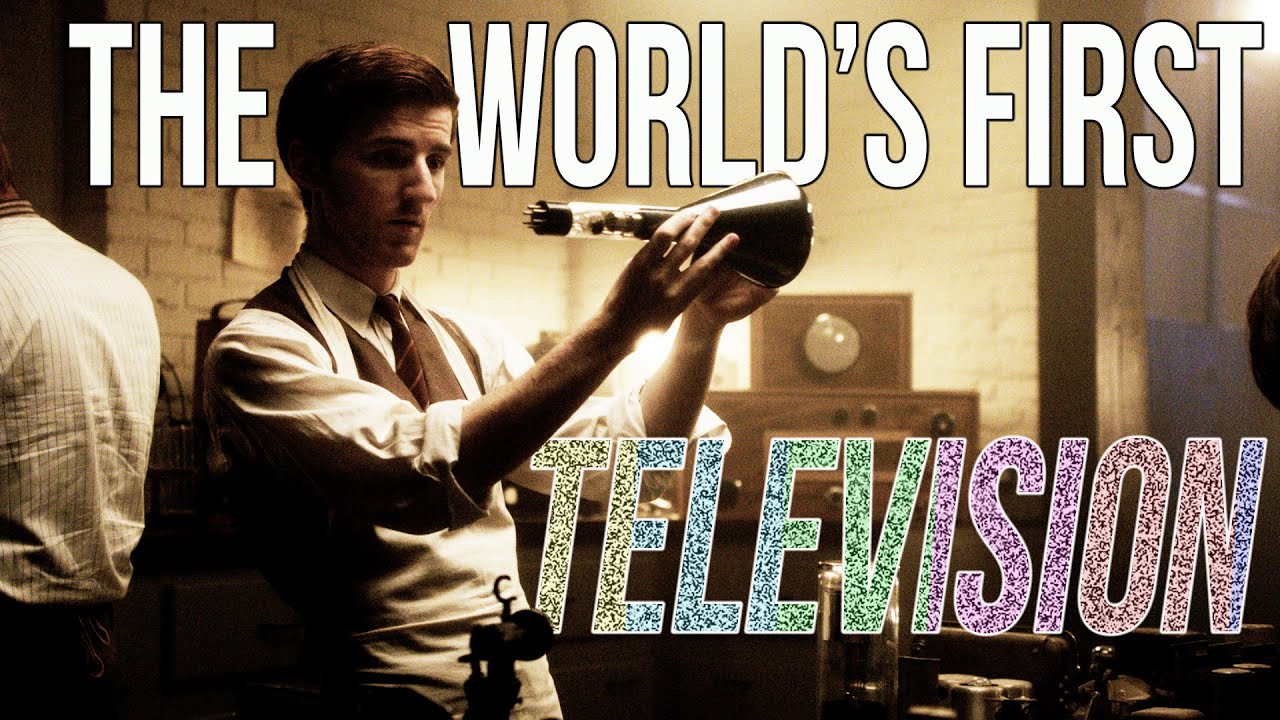
RCA's profits surged from $9 million in 1940 to nearly $50 million by 1950, driven by the rise of radio and the looming advent of television.
Wall Street executives faced no prosecution for fraud related to toxic mortgage loans, raising questions about accountability in the financial crisis.
In November 2013, SAC Capital pleaded guilty to charges of pervasive insider trading, resulting in a $1.8 billion penalty.
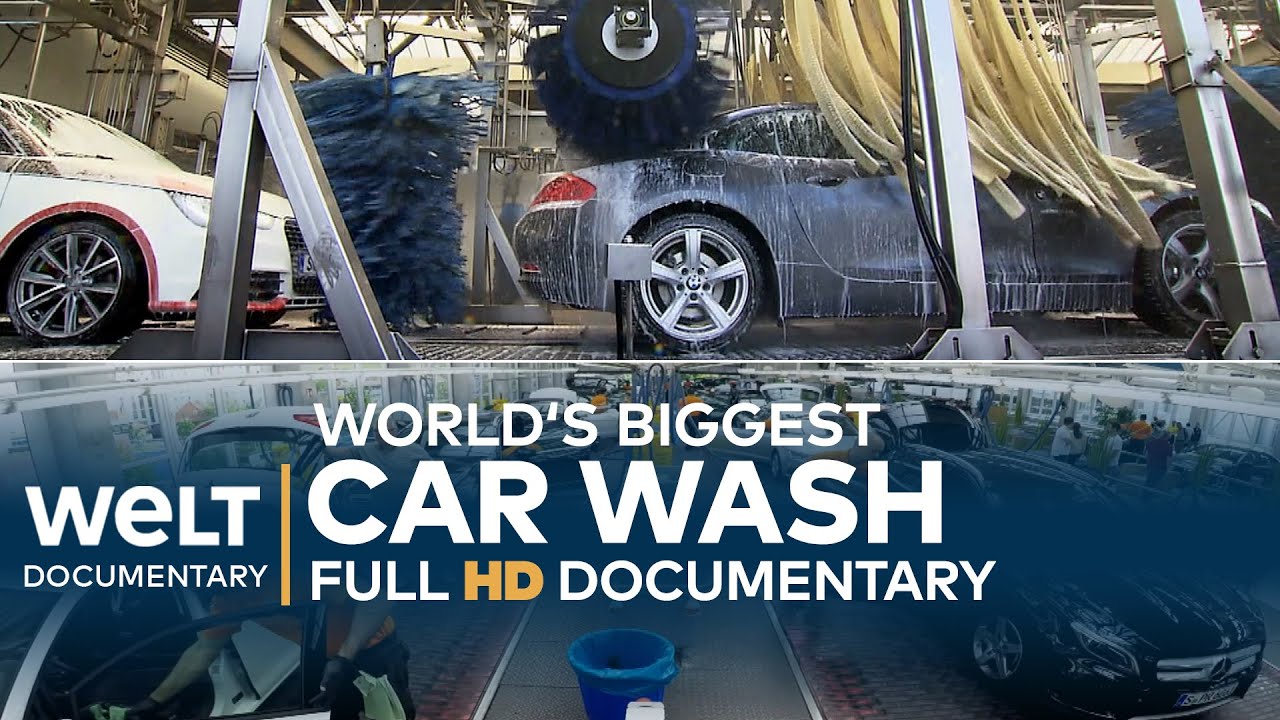
Up to 300 vehicles are cleaned every hour at the world's largest car wash in Stuttgart, which operates on a 15,000 square meter site.
India's new billionaires, amidst a backdrop of widespread poverty, showcase extravagant lifestyles while grappling with issues like tax evasion and wealth disparity.
The 2019 documentary profiles the impact of biotechnology on medicine, agriculture, and cleaning products through innovative technologies and natural processes.
Neuromarketing is a controversial practice that influences consumer decisions through brain study.
Giant production enterprises in the United States rapidly transformed the nation into a dominant military force during World War II, manufacturing everything from weapons to aircraft.
750 million cubic feet of earth were moved to create Kansai International Airport, a man-made island in Osaka Bay completed in 1994.
The escalating trade war between the U.S. and China highlights the complex economic tensions and significant stakes involved for both nations.
Modern logistics, exemplified by Deutsche Post DHL Group, navigates challenges like digitalization and climate change while ensuring timely deliveries in an evolving landscape.
The industrialization of tomatoes has transformed them into a global commodity, revealing the hidden influences of the meat lobby and food labeling practices.
Bernard Madoff was sentenced to 150 years in prison in June 2009 after orchestrating the largest stock fraud in history, resulting in a $65 billion loss for investors.
$90 billion is generated annually by the cocaine market, which relies on a complex network from production in Latin America to distribution in Europe.
The sugar industry, through a secret PR campaign since the 1970s, has contributed to rising obesity, diabetes, and heart disease rates while facing increasing scrutiny from health experts.
South Korea faces a generational crisis marked by a declining birth rate, an aging population, and a burgeoning economy of sex motels catering to young adults.
Amsterdam, London, and New York shape the global economy through their rich histories and urban designs.
Britain's elite redefine luxury dining through extravagant experiences, bespoke catering, and rare ingredients, showcasing their wealth and status in every meal.