From over 100,000 films, discover the handful you'll love.
Free or premium access to the world's largest documentary library.
3208 films(Page 65 of 67)
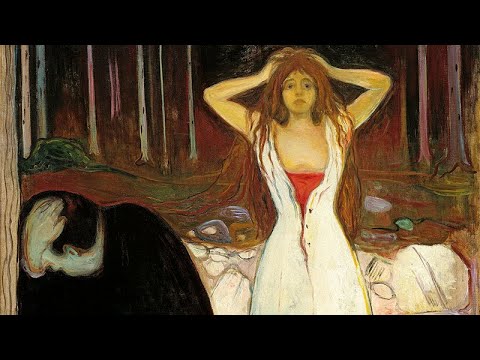
Peter Doig and Karl Ove Knausgård engage in a profound discussion about Edvard Munch's artistic struggles and the emotional connections in their own work.
Danish artist Peter Land uses his own body in provocative videos and sculptures to explore themes of identity, societal expectations, and the absurdity of existence.
Danish artist Peter Land reflects on his surreal self-portrait as a homeless figure, exploring themes of identity, societal fear, and the grotesque in art.
Asger Jorn and Jackson Pollock are examined through the lens of Danish poet Peter Laugesen, highlighting their artistic connections and influences.
Péter Nádas, a prominent Hungarian writer, shares his unique approach to writing, emphasizing the interplay between imagination and reality in his narratives.
An-My Lê, a Vietnamese-American photographer, explores the intersections of war, culture, and personal history through her evocative imagery and unique perspective.
Boris Mikhailov, a pivotal figure in contemporary photography, reflects on his impactful career and the silence that shapes his artistic vision.
Catherine Opie captures the Norwegian winter landscape, exploring the emotional resonance of blue in art and photography while reflecting on her artistic evolution.
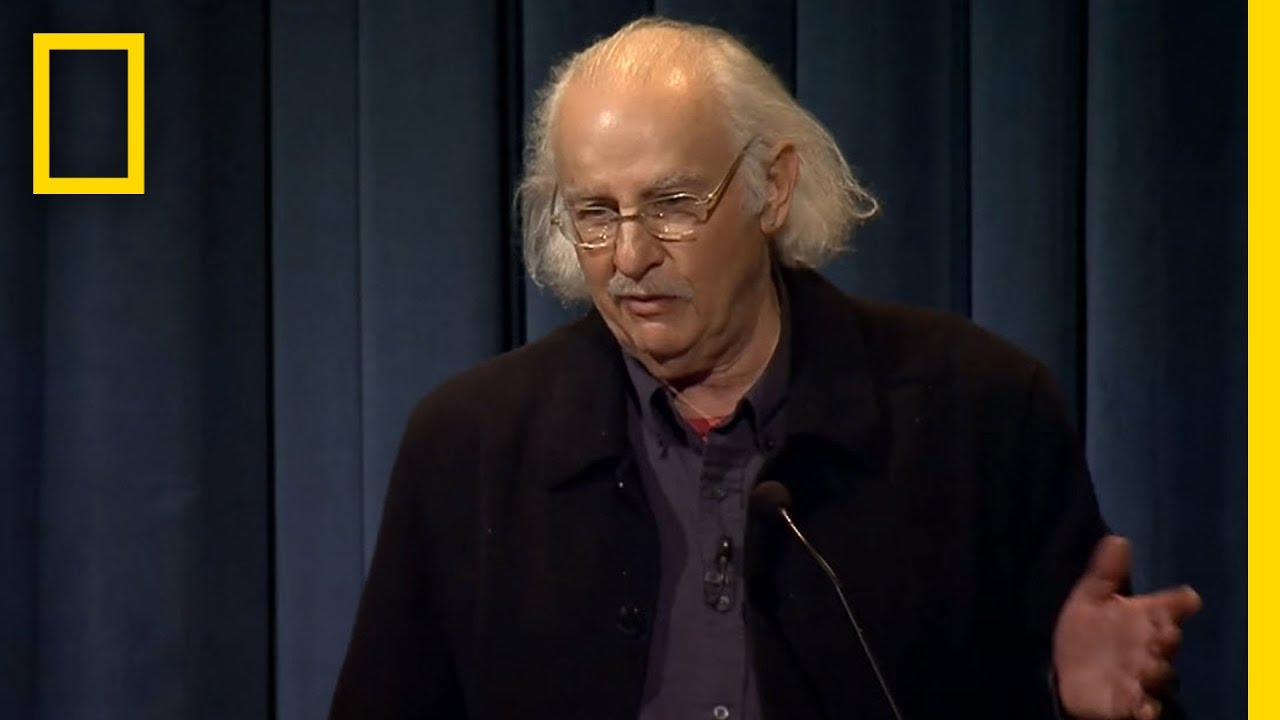
Photographer Danny Lyon reflects on his influential career, spanning significant events from the March on Washington to the Occupy movement, during a talk at the 2014 Photography Seminar.
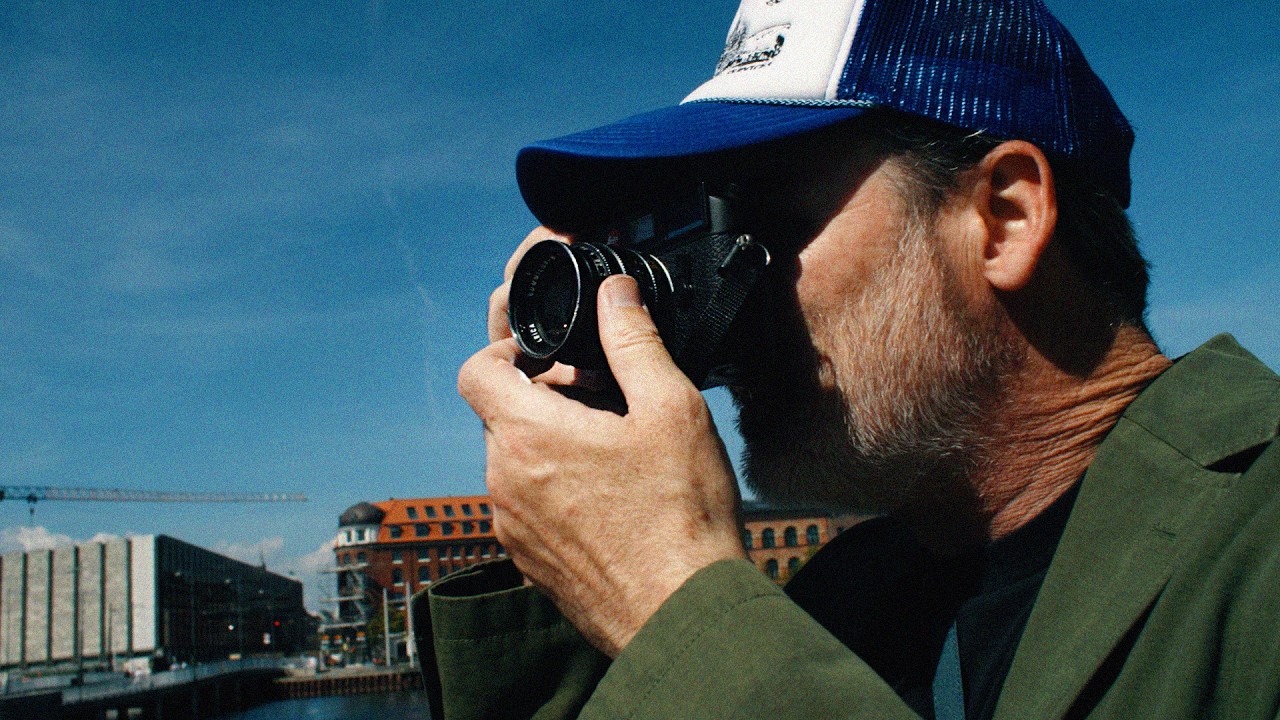
Ed Templeton's candid photography captures the complexities of skateboarding culture and the lives of everyday people in Copenhagen, revealing both its highs and lows.
Hrair Sarkissian, a Syrian photographer, captures the emotional weight of historical traumas through his thought-provoking images that highlight the presence of absence.
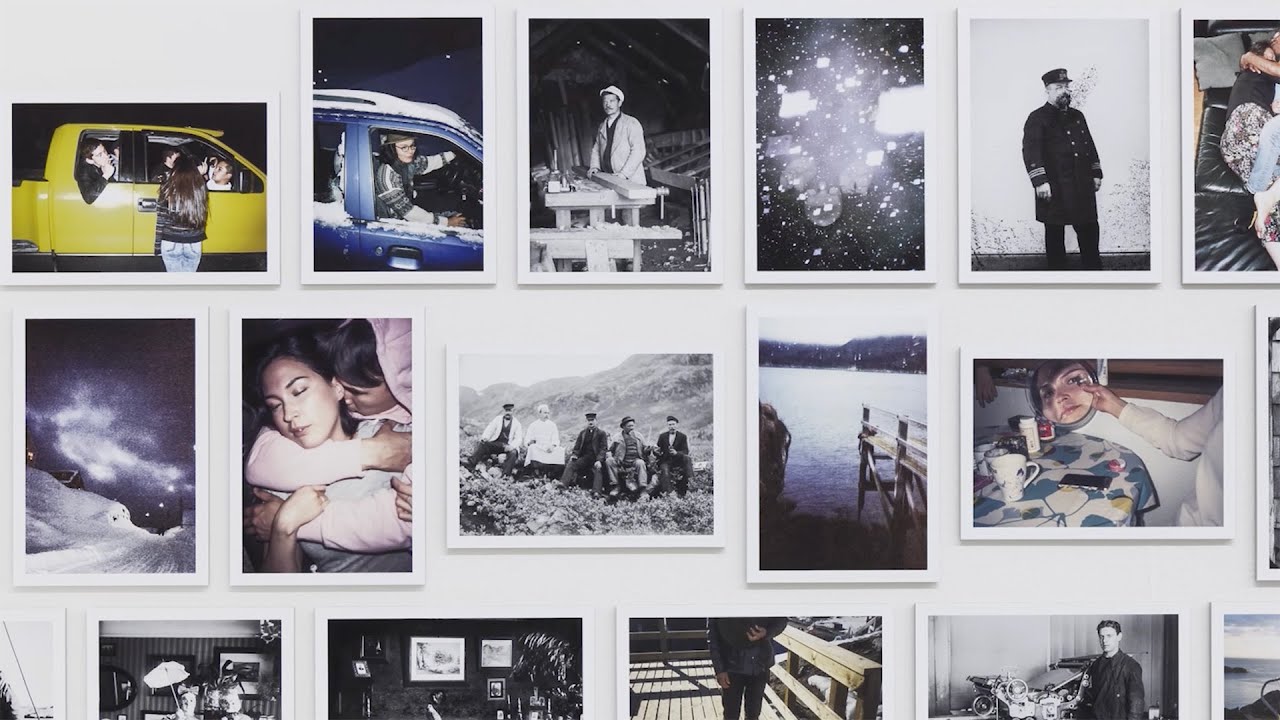
Inuuteq Storch, a Greenlandic photographer, uses found images to narrate Greenland's history from a local perspective, challenging colonial narratives.
Jacob Aue Sobol, a Danish Magnum photographer, captures the essence of human connection through intimate black-and-white portraits that evoke vulnerability and empathy.
Jacob Holdt's photographic work captures the lives of marginalized communities in America, revealing their struggles and resilience through a lens of compassion and empathy.
Kirsten Klein, a renowned Danish photographer, captures the essence of nature through evocative black-and-white imagery, emphasizing humanity's connection to the environment.
Danish photographer Marie Hald focuses on marginalized voices and strong women through her intimate, unposed images, challenging societal narratives and norms.
French artist Noémie Goudal explores the intricate relationship between humans and nature through staged installations that merge photography, film, and scientific inquiry.
Rob Hornstra, a Dutch documentary photographer, emphasizes the power of photography as a medium for connection and storytelling, challenging societal prejudices through his work.
Stephen Shore, a pioneering photographer known for transforming everyday scenes into art, explores the American landscape through innovative drone photography.
German photographer Thomas Struth reflects on his artistic journey, emphasizing the importance of personal vision and the transformative power of images in life.
At the 2019 Storytellers Summit hosted by National Geographic, photographers like Maggie Stever and Jim Brandenberg share impactful visual stories and engage in workshops.
Phyllida Barlow explores the transient nature of sculpture, reflecting on its emotional impact and the significance of fallen monuments in contemporary society.
Pope.L., an influential American artist, explores themes of commitment and social commentary through diverse mediums, including performance art and provocative installations.
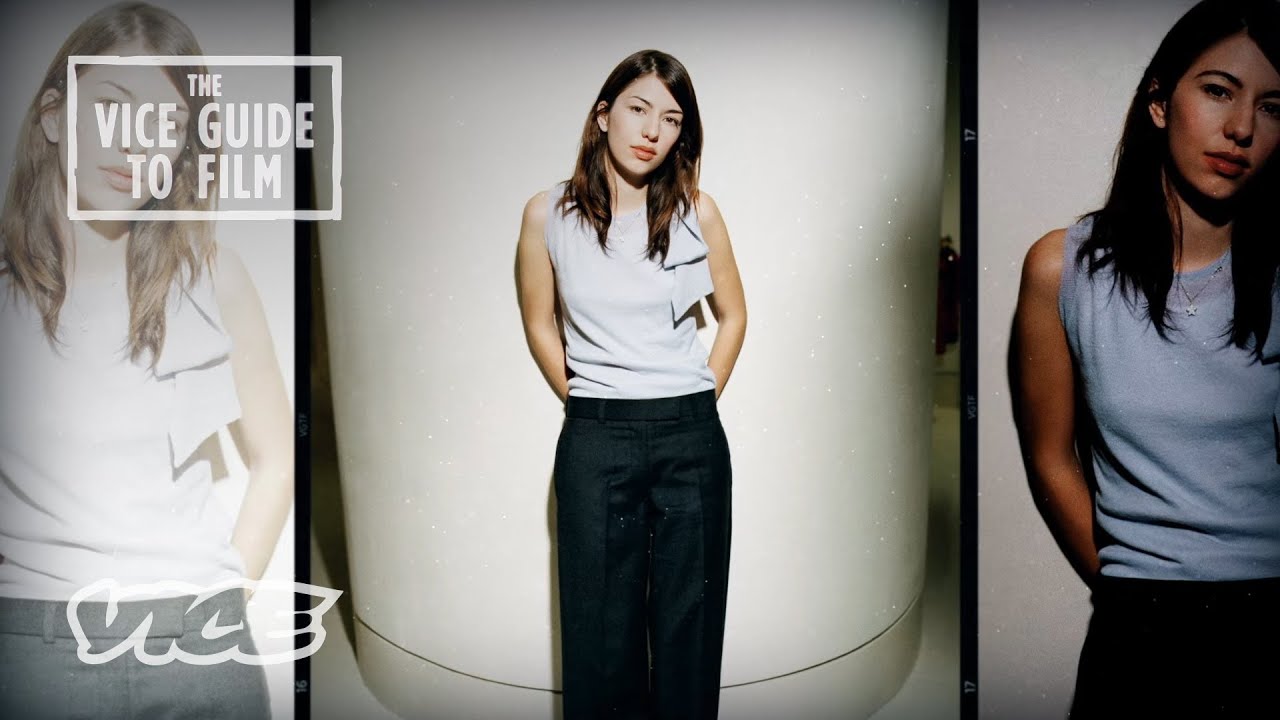
Kirsten Dunst and Giovanni Ribisi discuss Sofia Coppola's films and unique storytelling style.
Ragnar Kjartansson, an Icelandic performance artist, explores the interplay of art and authenticity through his relationship with his actress mother, Guðrún Ásmundsdóttir.
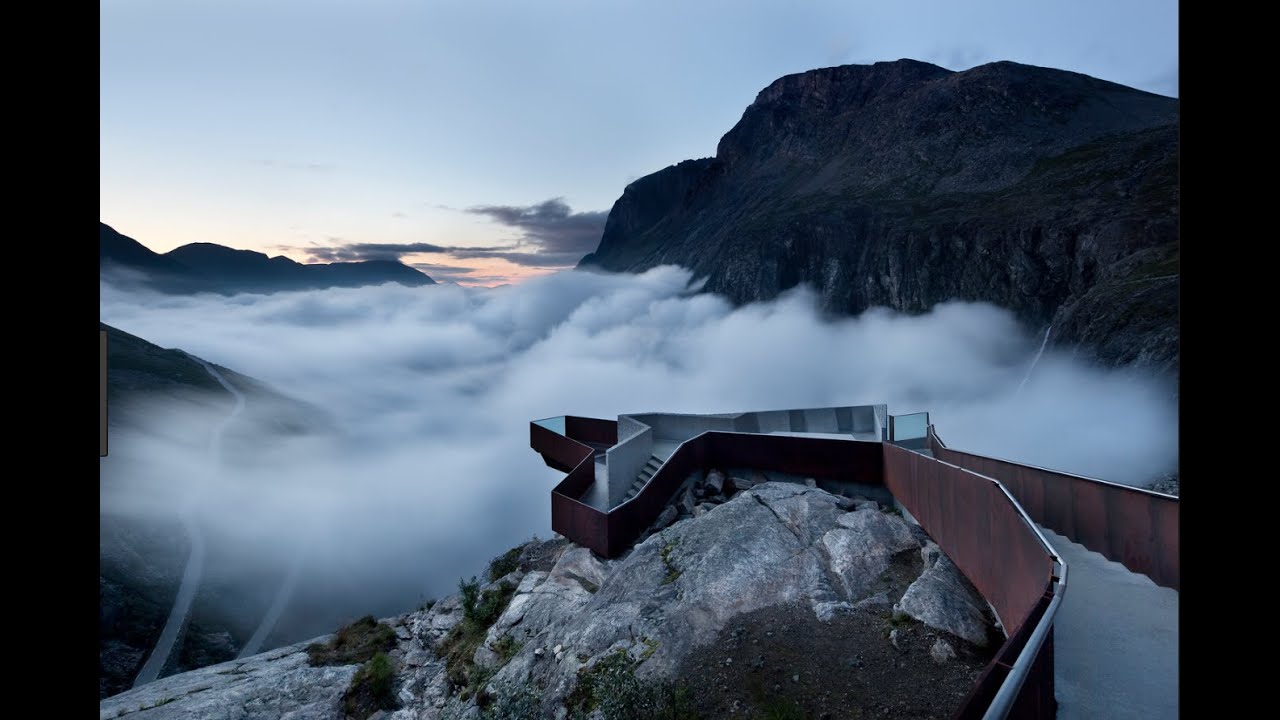
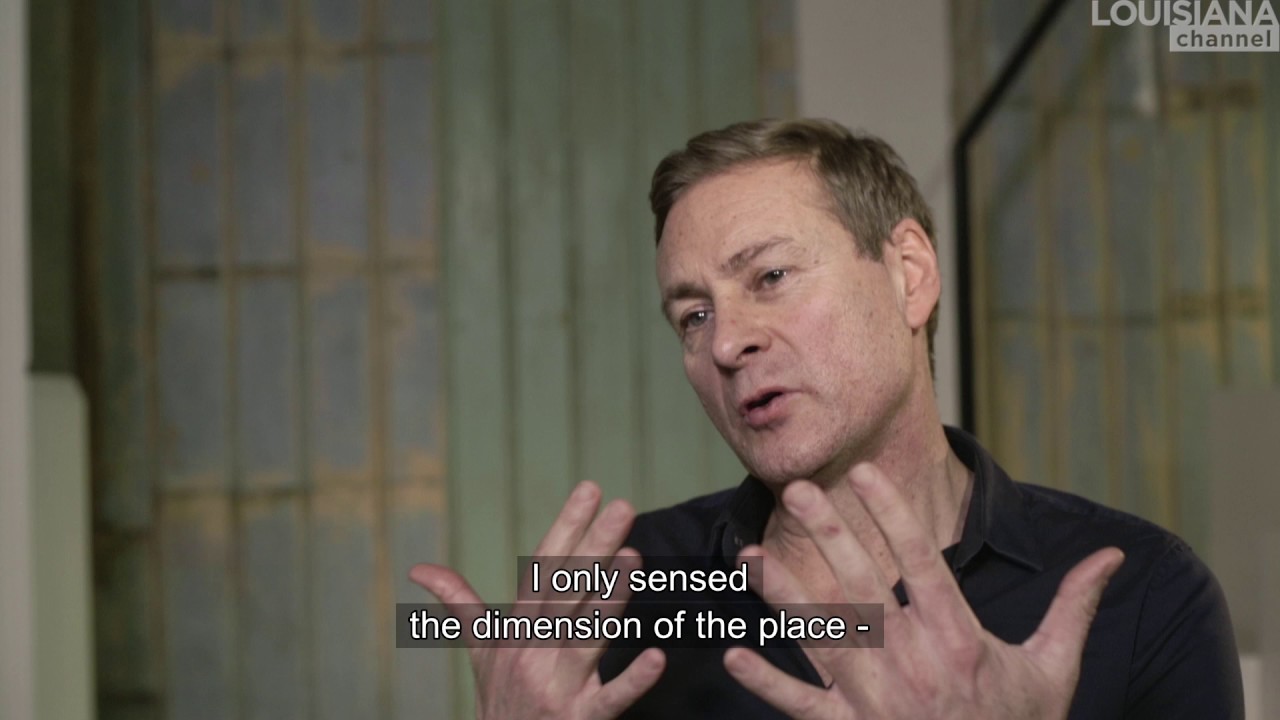
Reiulf Ramstad, founder of Reiulf Ramstad Architects, emphasizes the importance of location and community in architecture, advocating for designs that respond to their environment.
Reiulf Ramstad, founder of Reiulf Ramstad Architects, emphasizes the importance of location and community in architecture, advocating for pragmatic designs that respond to climate challenges.
Rem Koolhaas discusses his work and the Barbican Art Center's exhibition on OMA's 35 years.
Richard Brody leads a discussion with Miranda July, Alex Karpovsky, Kenneth Lonergan, and Terence Nance.
Richard Brody discusses his film criticism work for The New Yorker and his viewing habits.
Andrew Dickson interviews Richard Wright, the 2009 Turner Prize winner, about his art.
Robert Crumb and Aline Kominsky-Crumb share insights about their unconventional relationship and collaborative comic work, reflecting on nearly fifty years together.
Robert Rodriguez discusses funding films through clinical drug trials and plans for a Latino James Bond.
Roni Horn explores the multifaceted nature of water through a poignant monologue, intertwining personal reflections with themes of identity, loss, and allure.
Rotraut Klein-Moquay, a German-French artist, expresses her profound connection to outer space through her captivating artwork, inspired by the energy of the Moon.
Ryan Trecartin, a pioneering video artist, discusses his innovative approach to filmmaking as a "safe space" for exploring complex ideas and evolving human behavior.
Sally Rooney discusses the complexities of love and human relationships in her acclaimed novel 'Conversations with Friends', emphasizing their essential role in our lives.
Hiroshi Sambuichi, a renowned Japanese architect, explores the interplay of sun, water, and air in his captivating installation at an underground reservoir in Copenhagen.
Sammy Baloji, a Congolese artist, uses photography to challenge colonial narratives and explore the complex relationship between past and present in his homeland.
Sarah Sze discusses her June 2011 installation at the High Line in Manhattan, highlighting its role in transforming urban space into a meditative experience.
Sayaka Murata, a prominent Japanese writer, reflects on her unconventional experiences and literary inspirations that shaped her acclaimed works, including Convenience Store Woman.
Larissa Sansour and Søren Lind, a Palestinian-Danish artist duo, use science fiction to explore trauma, identity, and political discourse surrounding Palestine.
Sebastian Diaz Morales, an Argentine video artist from Patagonia, explores the interplay of reality and fiction in his work, shaped by his unique upbringing and environment.
Bob Mankoff discusses his Harvard Lampoon induction and proposes a secret cartoonists' society.
Shirin Neshat, an acclaimed Iranian artist, discusses her experiences as a female filmmaker, the socio-political landscape of Iran, and the resilience of women in her work.
Brian Eno conducts a public a cappella choir in Copenhagen, emphasizing the communal experience of singing and its power to foster empathy among participants.
Kjetil T. Thorsen, co-founder of Snøhetta, discusses the architectural philosophy and societal impact behind iconic structures like the Alexandria Library and the 9/11 Memorial Pavilion.
Sophie Calle engages in a thought-provoking conversation with a nameless Danish writer about the contrasting motivations behind arranging one's own funeral.