From over 100,000 films, discover the handful you'll love.
Free or premium access to the world's largest documentary library.
3208 films(Page 63 of 67)
Jason Reynolds, a New York Times bestselling author and 2024 MacArthur Genius Grant recipient, discusses his life experiences and the impact of storytelling on young readers.
Jean Nouvel emphasizes the importance of architecture reflecting Arab identity and culture, advocating for a contextual approach that respects local history and values.
Jean-Michel Basquiat's profound impact on contemporary art is explored through the insights of five artists who reflect on his legacy and cultural significance.
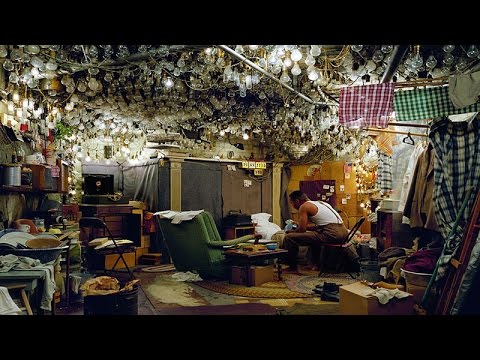
Jeff Wall, a Canadian photographer, shares insights into his meticulous compositions and the poetic nature of his work, emphasizing the interplay between reality and illusion.
Jeff Wall, a pioneering Canadian photographer, discusses his artistic process and the nature of performance in art during a conversation with Thierry de Duve.
Jeffrey Eugenides humorously reads a passage from his novel, highlighting the complexities of love and mental health among college seniors in the early 80s.
Jenny Offill and Chris Kraus engage in a thought-provoking discussion on the intersection of humor, feminism, and the complexities of art in literature.
Joan Jonas, a pioneering American artist, shares insights on her innovative video installations that explore themes of feminism and environmental change.
Søren Johansen and Sebastian Skovsted, founders of Johansen Skovsted Architects, emphasize a minimalist approach to architecture that balances contemporary design with contextual relevance.
Søren Johansen and Sebastian Skovsted, architects of Johansen Skovsted Arkitekter, reflect on Jørn Utzon's profound impact on architecture and human experience.
John Giorno, a pivotal figure in contemporary performance poetry, reflects on the transformative power of poetry and its evolution during his influential career.
John Lahr converses with playwright Lee Hall about The Pitmen Painters and Billy Elliot: The Musical, exploring themes of art and identity in mining communities.
John Smith, a deaf comedian, highlights his experiences in stand-up comedy and the significance of British Sign Language during a performance in Preston.
Jon Rafman critiques the evolution of the internet from a free space to one dominated by surveillance, exploring its impact on identity and society.
Jonathan Meese, a provocative German artist, shares insights about his creative process and lifelong collaboration with his mother, Brigitte, in this intimate interview.
Jonathan Safran Foer discusses his innovative book Tree of Codes, a sculptural novel created by carving out words from Bruno Schulz's The Street of Crocodiles.
Joyce Carol Oates reflects on her writing process, emphasizing the complexity of family dynamics and the evolving nature of storytelling in contemporary society.
Kareem Abdul-Jabbar reflects on Gordon Parks's nuanced portrayal of Black life, his encounters with Muhammad Ali, and the influence of Colin Kaepernick.
German artist Katharina Grosse discusses her artistic evolution, the significance of travel, and her commitment to social responsibility in a candid interview.
Jesse Eisenberg and Todd Haynes explore Kelly Reichardt's impact on indie cinema.
Kenneth Goldsmith, a conceptual poet known for his uncreative writing, challenges traditional notions of poetry by using copied texts and engaging with philosophical ideas.
Kerry James Marshall discusses the significance of placing the black figure at the center of art, addressing themes of visibility, identity, and social transformation.
Famous children's author Brad Meltzer and illustrator Chris Eliopoulos engage with kids about their "Ordinary People Change the World" series and interactive drawing activities.
Kiki Smith, a prominent American artist, reflects on her upbringing, artistic philosophy, and the societal perceptions of the body in a candid interview at her New York home.
Kim de l’Horizon, a Swiss writer and performer, discusses the interplay of language, identity, and cultural categories in shaping human understanding and connection.
Kim Hyesoon, a prominent South Korean poet, discusses her acclaimed work 'Autobiography of Death', reflecting on societal marginalization and the Sewol ferry disaster.
Nigerian architect Kunlé Adeyemi emphasizes the need for innovative architecture that adapts to rising water levels and enhances social experiences in urban environments.
Kate Orff, a pioneering landscape architect, emphasizes the vital connection between humans and nature, advocating for biodiversity and community stewardship in her work.
Larry David discusses his creative process at The New Yorker Festival Q&A session.
Lars von Trier shares his complex relationship with literature and dramaturgy, revealing how reading influences his creative process and filmmaking philosophy.
Lauren Greenfield explores the impact of consumerism and media on identity and aspirations, highlighting the commodification of women and the corruption of the American dream.
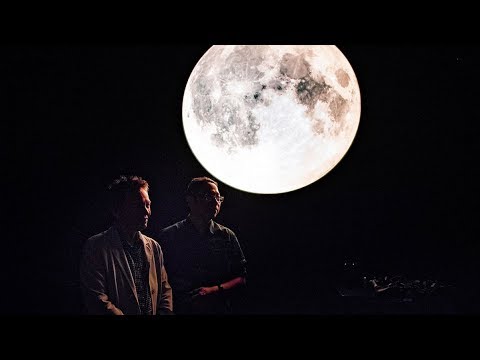
Laurie Anderson and Hsin-Chien Huang explore the transformative potential of virtual reality in their immersive work 'To the Moon', inviting audiences to experience new perspectives on existence.
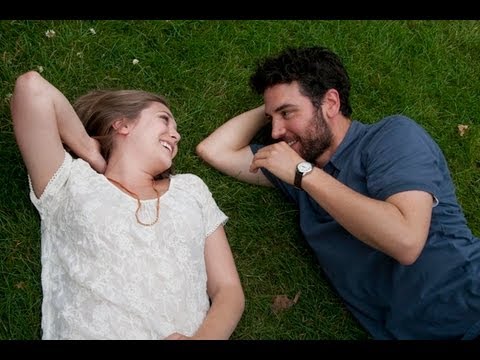
Xan Brooks and Peter Bradshaw review Liberal Arts in The Guardian Film Show episode.
Barbara Kasten, a pioneering American artist, explores the interplay of light and abstraction in her innovative photography, utilizing diverse materials and techniques.
Lilibeth Cuenca Rasmussen, a performance artist of Danish-Filipino descent, explores identity and cultural values through her transformative art and personal experiences.
Lise Sarfati captures the emotional depth of women like Christina and Sasha in her photography.
Pola Oloixarac, an acclaimed Argentine writer, explores the interplay of pain and pleasure in literature, emphasizing the visceral connection between writing and the human experience.
Liu Xiaodong, a prominent Chinese painter, emphasizes the role of artists in transcending national boundaries and inspiring broader perspectives through their work.
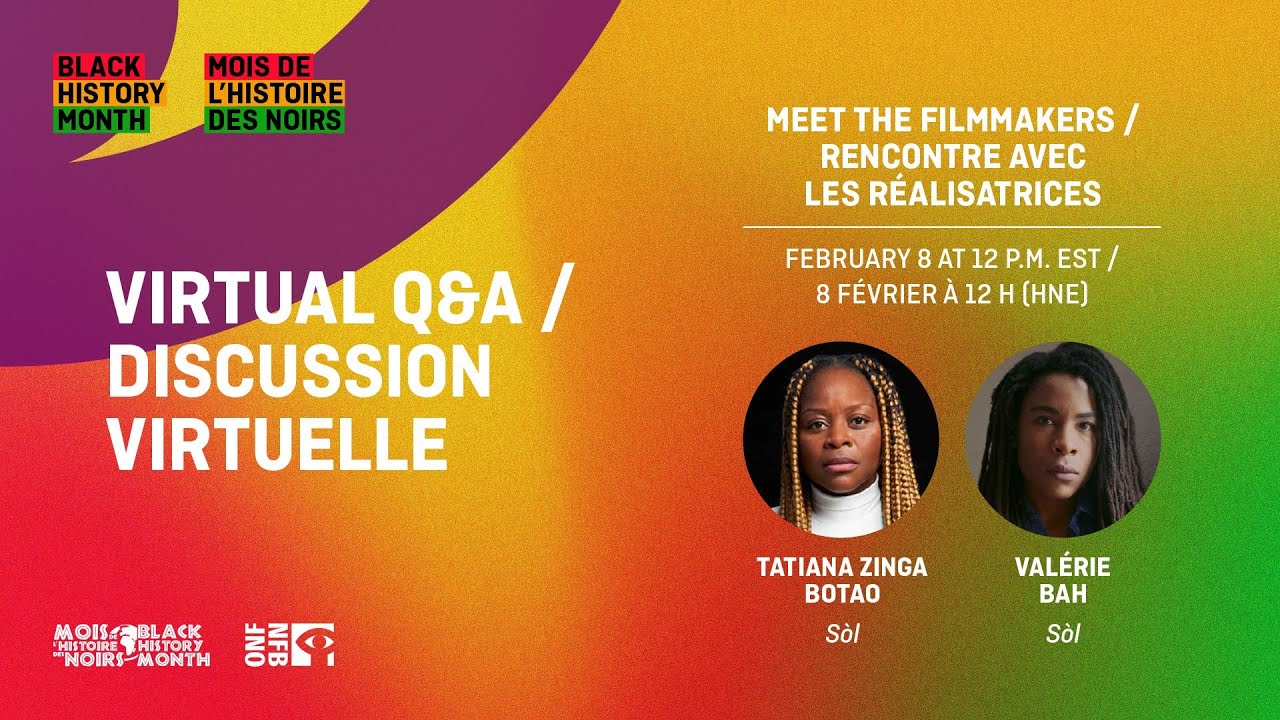
Valérie Bah and Tatiana Zinga Botao participate in a Q&A moderated by Magalie Boutin and Osas Eweka-Smith to discuss their short film SÒL and future projects.
Douglas Latchford, a key figure in Cambodian art, exploited the Khmer Rouge's chaos to loot the nation's cultural heritage, aided by Western art elites.
Bob Mayhawk discusses Valentine's Day cartoons from The New Yorker at Soto.
Terence Nance discusses love and Black culture at The New Yorker Festival 2013.
Acclaimed writer Lydia Davis reflects on her observations of three cows, exploring their simplicity and existence in contrast to her busy life.
Lydia Davis reads her ongoing piece "Goodbye Louise, Or Who I Am," a humorous exploration of mistaken identity and self-invention at the Louisiana Literature festival.
Madame Nielsen, a multifaceted Danish artist and author, candidly discusses her transformation, creativity, and the interplay of depression and beauty in her life.
Mamma Andersson, a prominent Swedish painter, shares insights into her creative process, the vulnerability of artistry, and the parallels between painting and personal growth.
Carl Frode Tiller, an acclaimed Norwegian author, explores the transformative power of crisis in his writing, emphasizing the importance of experimentation and conflict.
Manal Al Dowayan, a Saudi Arabian artist, explores the power of words in her art, emphasizing their role in shaping identity and engaging viewers.