From over 100,000 films, discover the handful you'll love.
Free or premium access to the world's largest documentary library.
3208 films(Page 40 of 67)
In Chipewyan Prairie Dene First Nation, a father teaches his child the art of creating a caribou drum, highlighting cultural reclamation and traditional knowledge.
Projections on the Brooklyn Bridge celebrate the 50th anniversary of the Stonewall Riots, highlighting LGBTQ+ rights and community resilience.
Windscreen wipers, coat hangers, instant soup, and Gore-Tex jackets are examined for their design, functionality, and impact on daily life.
The $69 million sale of a digital artwork by Beeple highlights the rapid rise and complexities of the NFT market in 2021.
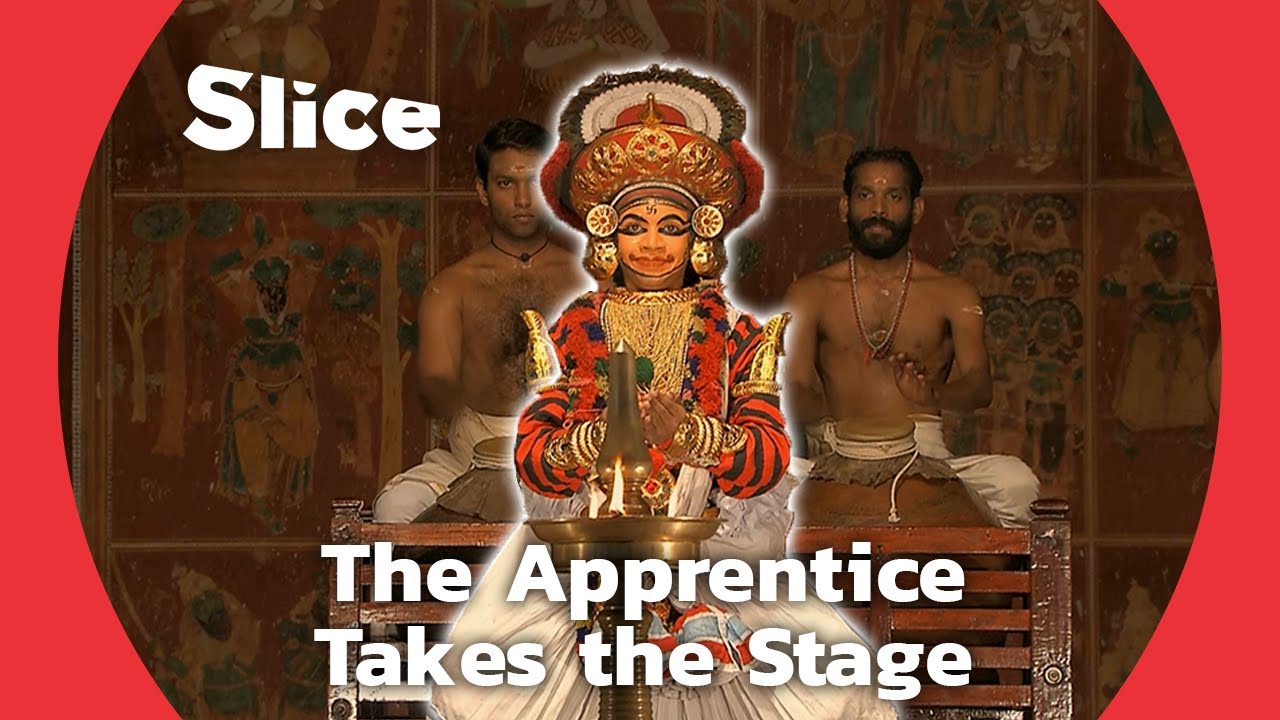
Fifteen-year-old Vipin prepares for his Kutiyattam debut, mastering over 400 gestures under the guidance of renowned guru Rama Chakyar in Kerala.
Orson Welles reflects on his debut performance at Dublin's Gate Theatre in 1955, sharing insights on the challenges that shaped his illustrious career.
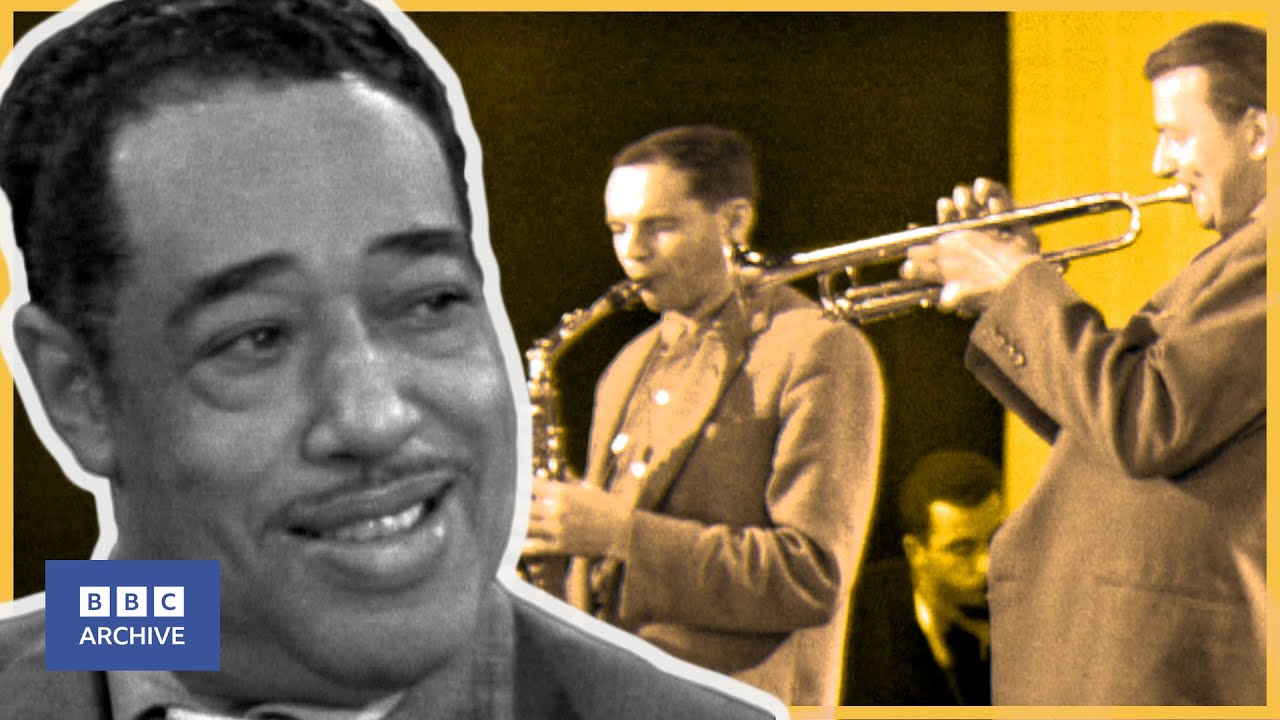
Duke Ellington shares insights on his jazz style, big band dynamics, and the role of critics in a conversation with British musicians Johnny Dankworth and Humphrey Lyttelton.
Joan Littlewood's Theatre Workshop at the Theatre Royal in Stratford revolutionized stage production with its focus on realism and innovative acting techniques.
Shelagh Delaney, a 21-year-old dramatist, reflects on her life in Salford and the impact of her acclaimed play A Taste of Honey on her literary works.
Jayne Mansfield invites Robert Robinson to explore her lavish Beverly Hills home, showcasing the glamour of Hollywood in a classic 1960 television clip.
Hampstead, one of London's oldest areas, is portrayed through the lens of playwright John Mortimer, highlighting its vibrant community and culture.
Sir Tyrone Guthrie, a pioneering theatre director, significantly shaped the landscape of British theatre and established notable institutions in Canada and the U.S.
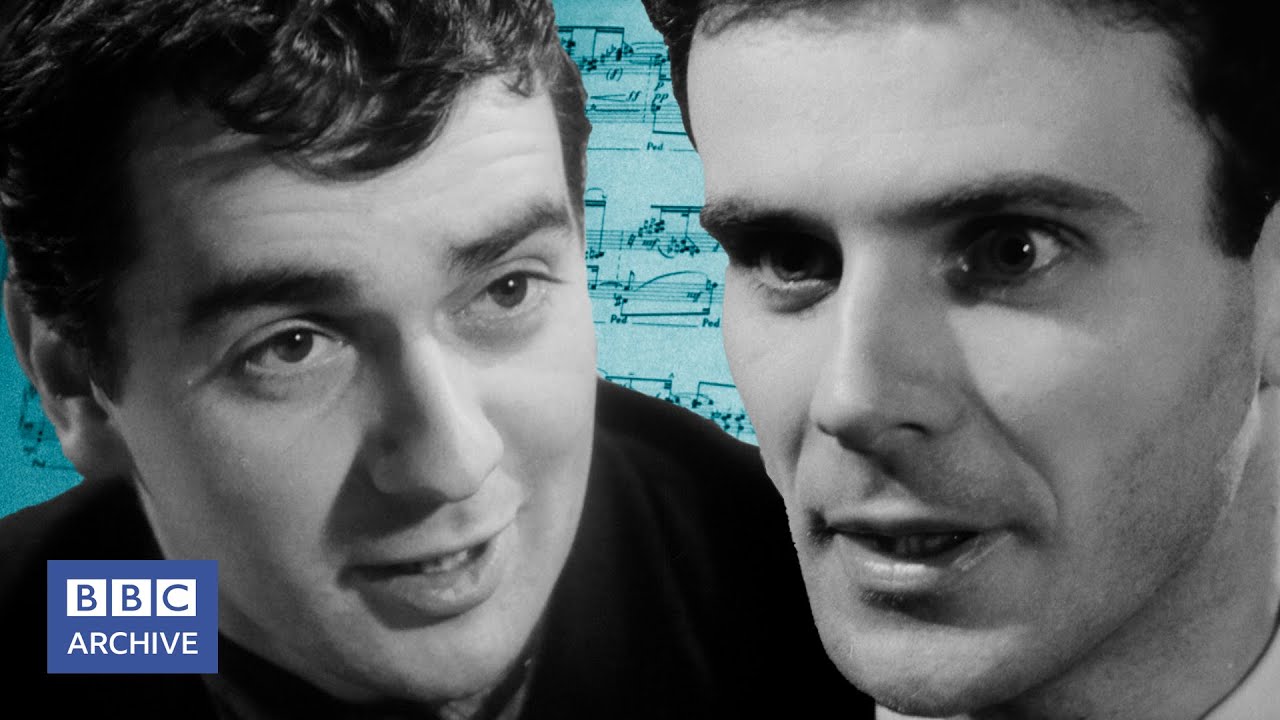
Dudley Moore and Peter Maxwell Davies, both 26, represent contrasting musical worlds, with Moore's accessible jazz and pop clashing against Davies' complex compositions.
John Whiting explores the setting and characters of his play The Devils, set in the historic French town of Loudun, featuring notable performances from 1961.
Barry Bucknell demonstrates innovative dry lining techniques to transform a Victorian house into modern homes while maintaining his signature clean appearance.
Spike Milligan's unpredictable humor transforms a serious interview with Huw Wheldon into a chaotic and entertaining exchange, showcasing his comedic genius.
Alfred Hitchcock shares insights on his cinematic approach to creating pleasurable terror, discussing his iconic thrillers and the art of storytelling in film.
Serge Danot, creator of The Magic Roundabout, discusses the show's unexpected adult appeal and its English adaptation during a 1966 interview.
Performers in Ilfracombe's Star Time end-of-the-pier show share their dreams and ambitions, hoping for a breakthrough in the competitive entertainment industry.
Clough Williams-Ellis shares his vision for Portmeirion, an Italianate village on the Welsh coast, emphasizing its design as "the architecture of pleasure."
The first-ever television play, an adaptation of Pirandello's work, was recreated by original cast members using John Logie Baird's pioneering equipment.
Woman magazine's 1971 fashion awards showcased high street trends, with Style editor John Taylor offering candid commentary on the collections and their wearers.
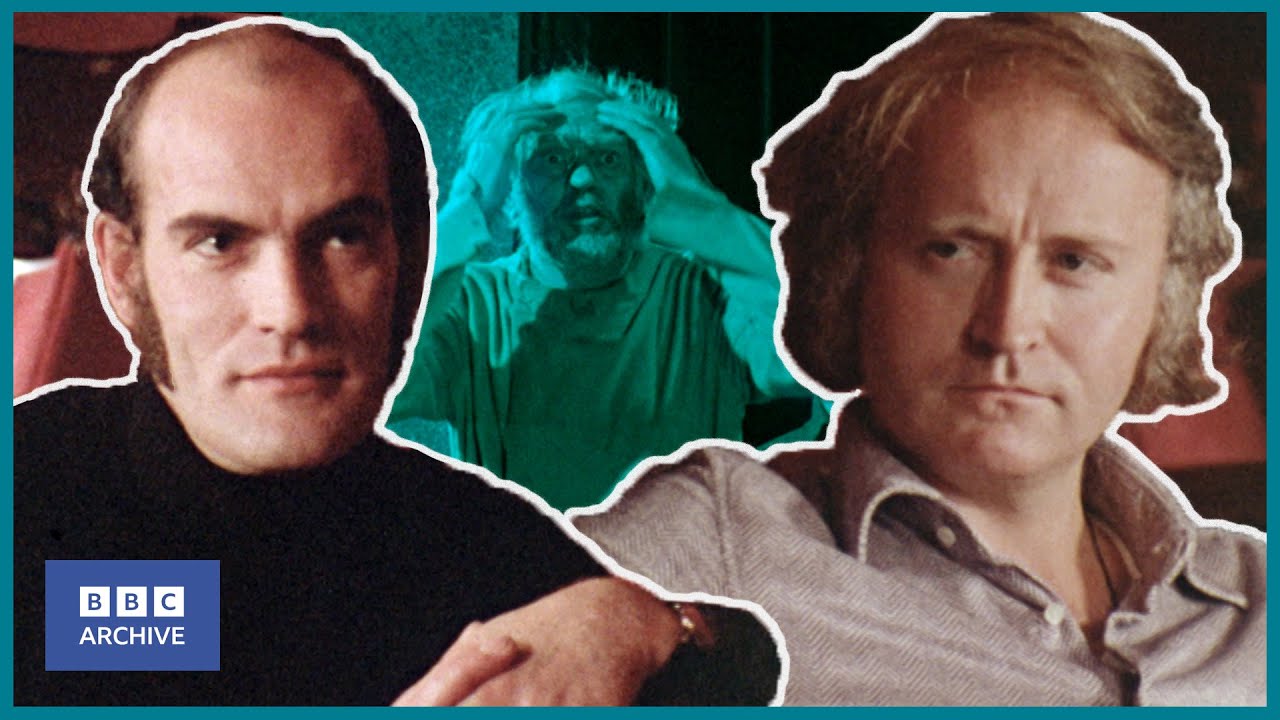
Edward Bond critiques the philosophy of acceptance in Shakespeare's King Lear through his new play, Lear, in a conversation with David Jones.
Eartha Kitt shares her poignant experiences of childhood abandonment and poverty in a heartfelt interview, culminating in a beautiful performance of a Welsh song.
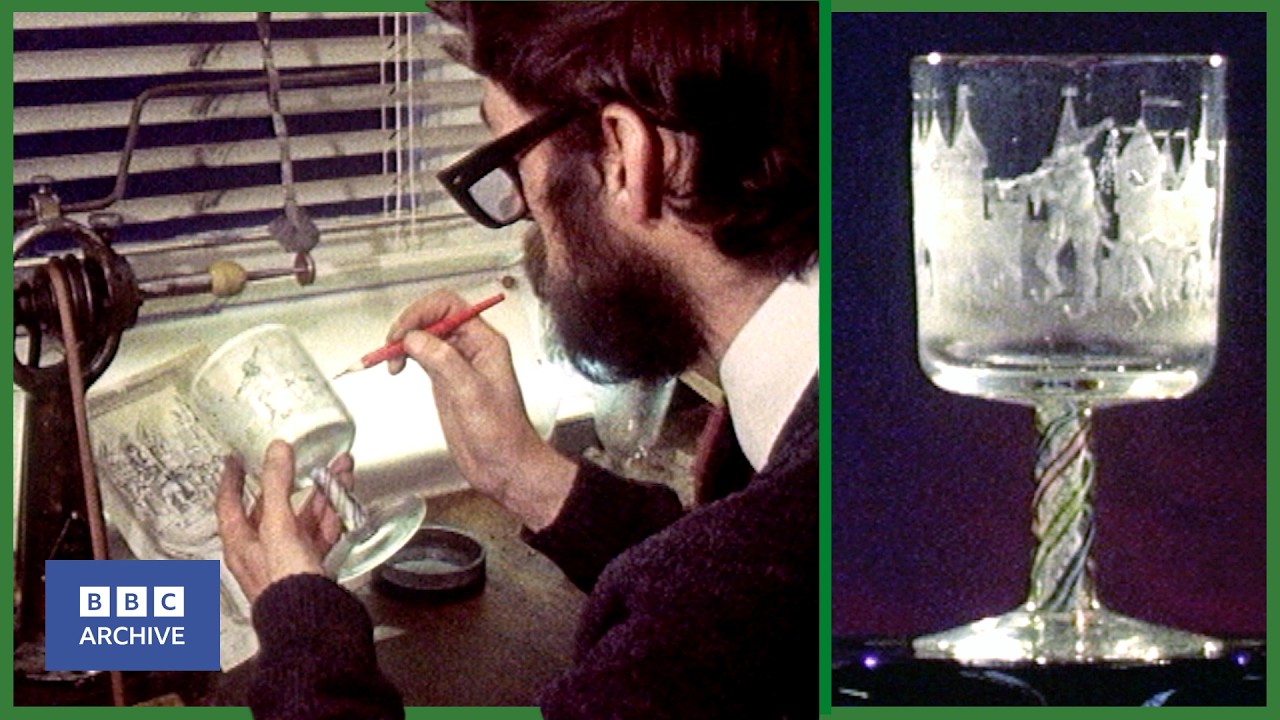
Caithness Glass factory in Scotland showcases the intricate art of handmade glassware, featuring expert engravers who craft designs with precision.
Roger McGough reflects on the profound impact of Reverend Joseph Parker's 1972 interview about his son's death during Bloody Friday, which inspired his acclaimed poem, The Identification.
Labi Siffre reflects on his musical influences, challenges stereotypes of black artists, and critiques the impact of cover versions on songwriting.
Fred and Arthur Gandolfi, South London brothers, craft exquisite handmade plate cameras in their Peckham workshop, continuing a family legacy since 1888.
Ron Geesin shares his expertise in creating and syncing sound effects, using everyday items and creativity in this engaging masterclass from 1974.
Terry Gilliam shares his innovative cutout animation techniques, demonstrating how to create impactful Monty Python sketches with minimal effort.
Glam rock band The Sweet showcases their outrageous style and musical prowess during a day of recording and preparation at BBC Television Centre.
Danny La Rue, a top entertainer in 1970s Britain, shares his passion for performance and critiques the high tax rates and labels like drag and camp.
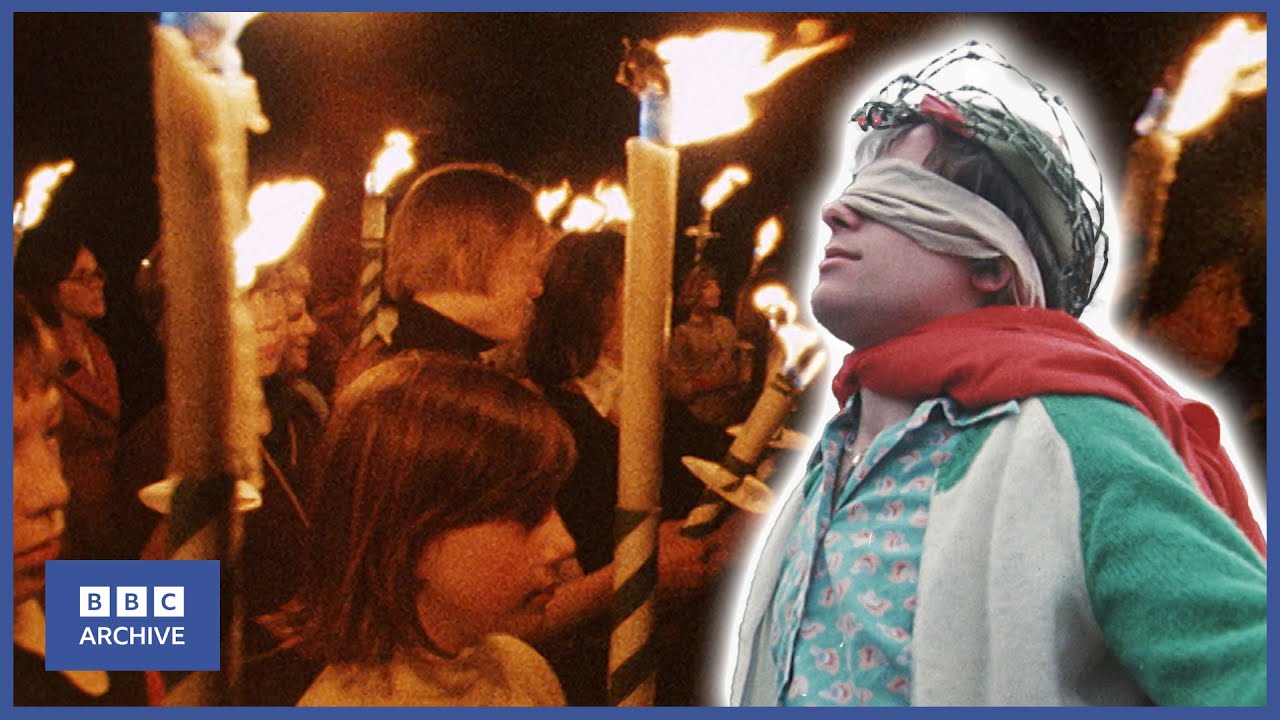
A 1976 street play in the East End features Tony as Jesus, blending local culture with a poignant re-enactment of the crucifixion amid community resistance.
Gene Wilder shares insights on acting, his collaborations with Mel Brooks, and the challenges of playing a romantic lead alongside a sheep.
Roger Limb, studio manager of the BBC Radiophonic Workshop, showcases techniques for creating electronic music and sound effects for radio and television.
James Herriot shares insights about his dual career as a veterinarian and bestselling author, revealing his writing habits and enduring love for rural Yorkshire.
Behind the scenes of Doctor Who in 1977 reveals the creative challenges faced by the cast and crew, showcasing the artistry of production on a modest budget.
Tessa Fuchs, a passionate potter, showcases her technique in creating an ornamental ceramic oak tree while sharing insights about her artistic process.
Oliver Reed shares his passion for restoring Broome Hall, his expansive Victorian home in Surrey, while discussing his love for horse breeding and the estate's history.
Kate Bush, at just 20 years old, prepares for her highly anticipated first tour, balancing intense dance rehearsals with the challenge of live vocal performance.
The Who's return to the stage at the Rainbow Theatre in 1979, following drummer Keith Moon's death, is explored through interviews with band members and insights into their evolving interests.
Robin Cousins, a prominent figure skater from Bristol, trains under Olympic coach Carlo Fassi in Colorado while preparing for the 1980 Lake Placid Olympics.
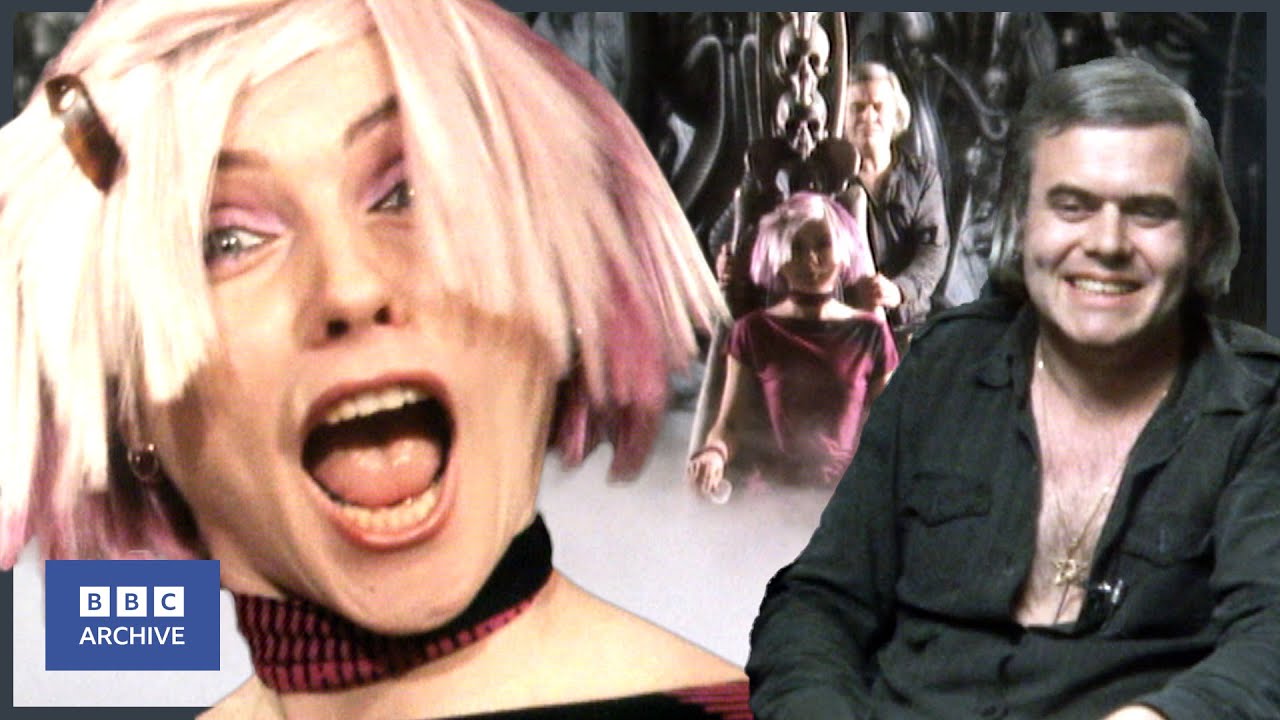
Debbie Harry collaborates with visual artist H R Giger for her debut solo album cover, sparking controversy with its provocative imagery.
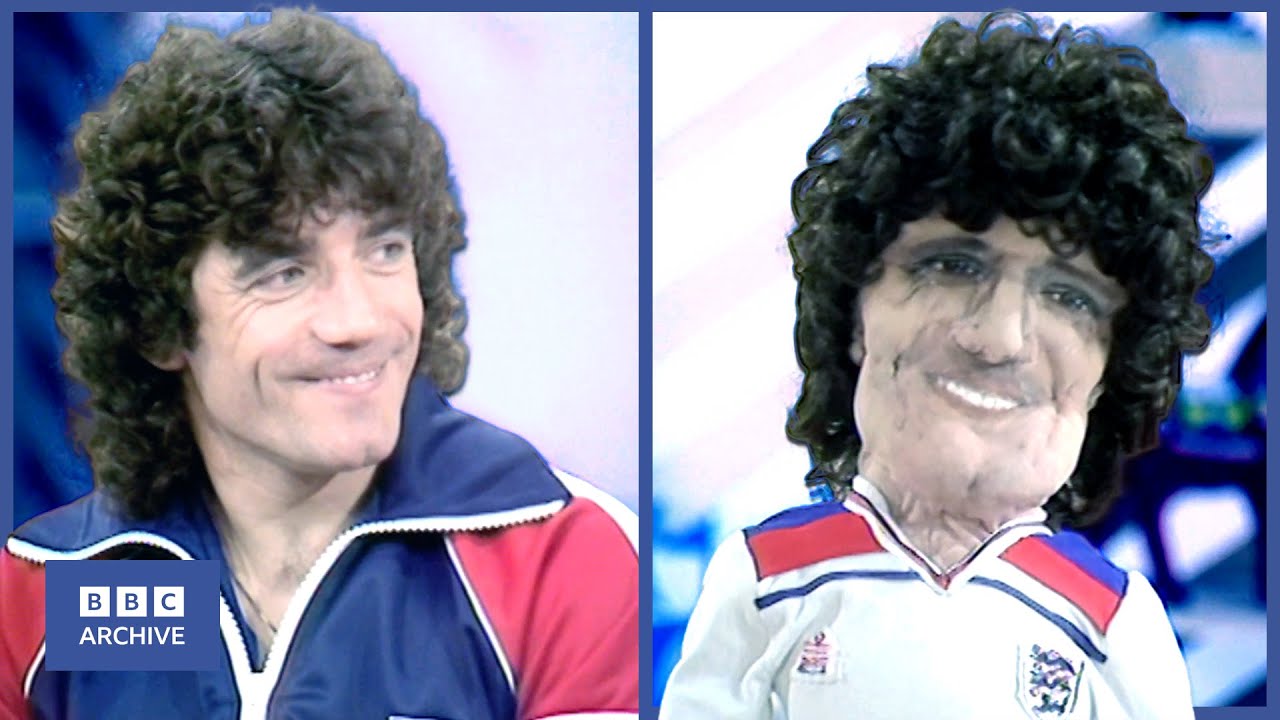
Kevin Keegan shares his thoughts on a lifelike fabric portrait of himself while discussing football, his career choices, and training drills with Simon Groom.
Noele Gordon reflects on her iconic role in Crossroads and her emotional exit in 1981, highlighted by a heartfelt performance and audience ovation.
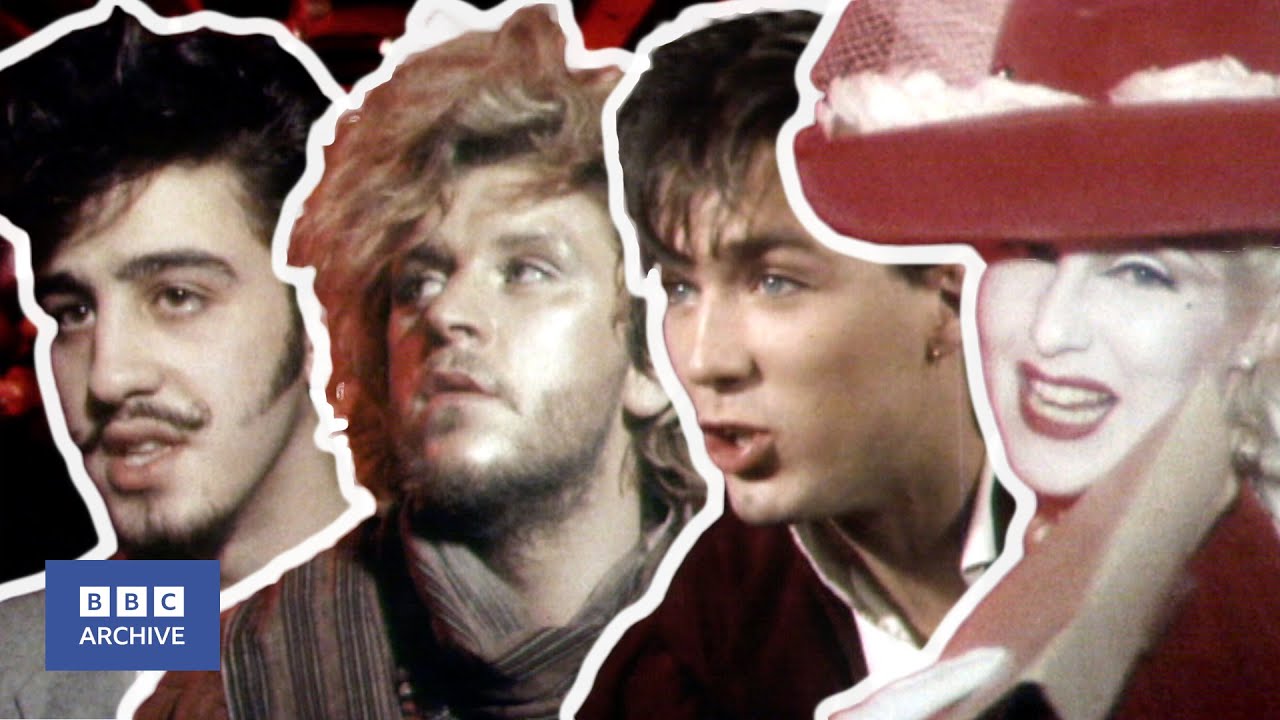
New Romantics, a vibrant youth subculture emerging in the early 1980s, emphasizes style and creativity, contrasting sharply with the punk movement.
Bob Hoskins critiques the impact of greed-driven development on London's South Bank during a riverside walk with Barry Norman, expressing deep concern for the city's future.
Peter Howell reimagines the iconic Doctor Who theme for the 1980s using advanced synthesizers, showcasing his innovative techniques and engaging with young students.