
Over half of the Titanic's passengers perished due to a series of preventable human errors, as revealed by the official inquiry and new evidence.
“NGC reconstructs the story from the point of view of those involved, and debunks the many myths surrounding the sinking of the Titanic.”
Synopsis
Over half of the Titanic's passengers perished due to a series of preventable human errors, as revealed by the official inquiry and new evidence.

Synopsis
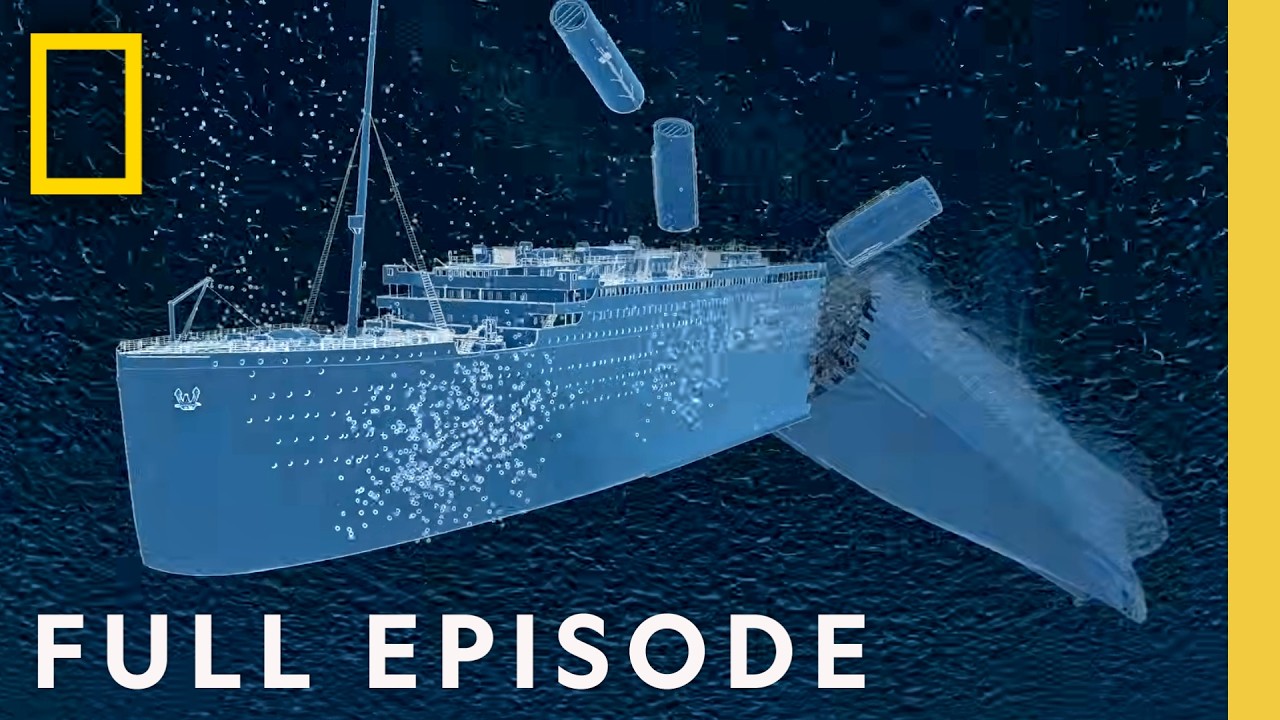
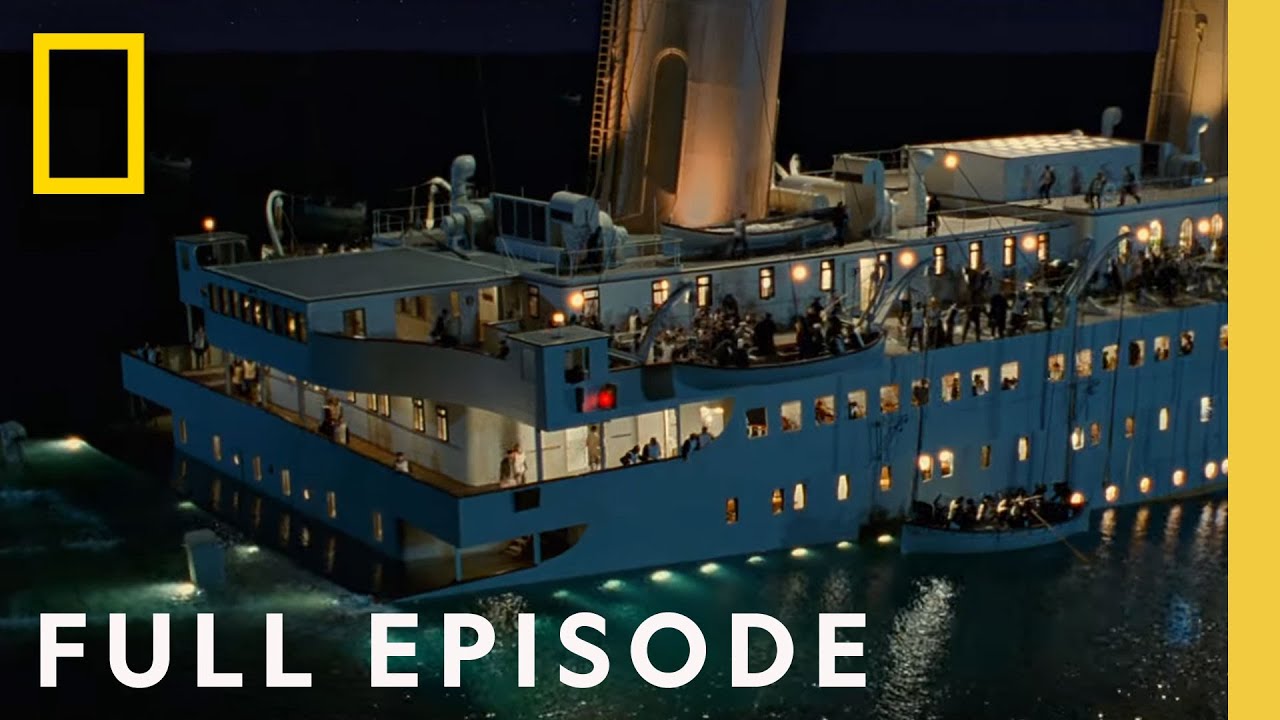
On April 15, 1912, the Titanic sank after striking an iceberg, resulting in the loss of over 1,500 lives. National Geographic's 'Titanic: How It Really Sank' investigates the series of human errors that contributed to this maritime disaster. The documentary draws from the official inquiry held after the sinking and incorporates new findings from the wreck's discovery in 1985. It details the decisions made by the crew and builders, addressing the question of accountability in this historical tragedy.
Deep Dive
Why Watch
- Find out how human errors caused the Titanic disaster.
- See new evidence from the Titanic wreck discovery in 1985.
- Meet the crew and builders behind the Titanic's design.
Did You Know
- Over half of the Titanic's passengers were lost in the disaster.
- The official inquiry into the sinking was conducted immediately after the event.
- New evidence emerged after the Titanic wreck was discovered in 1985.
- The documentary runs for 50 minutes and was released in 2009.
Perfect For
Frequently Asked Questions
What caused the sinking of the Titanic?
The sinking of the Titanic was caused by a series of preventable human errors, as revealed in the official inquiry conducted after the disaster.
When was the Titanic wreck discovered?
The wreck of the Titanic was discovered in 1985, which led to new evidence about the sinking.
How many passengers were lost in the Titanic disaster?
Over half of the Titanic's passengers lost their lives in the disaster.
What are people saying?
Play More Like This







Related Films
Is this your film?
If you made this film or hold the rights to it, we'd like to talk. We can license it and pay you a share of what it earns.
Comments