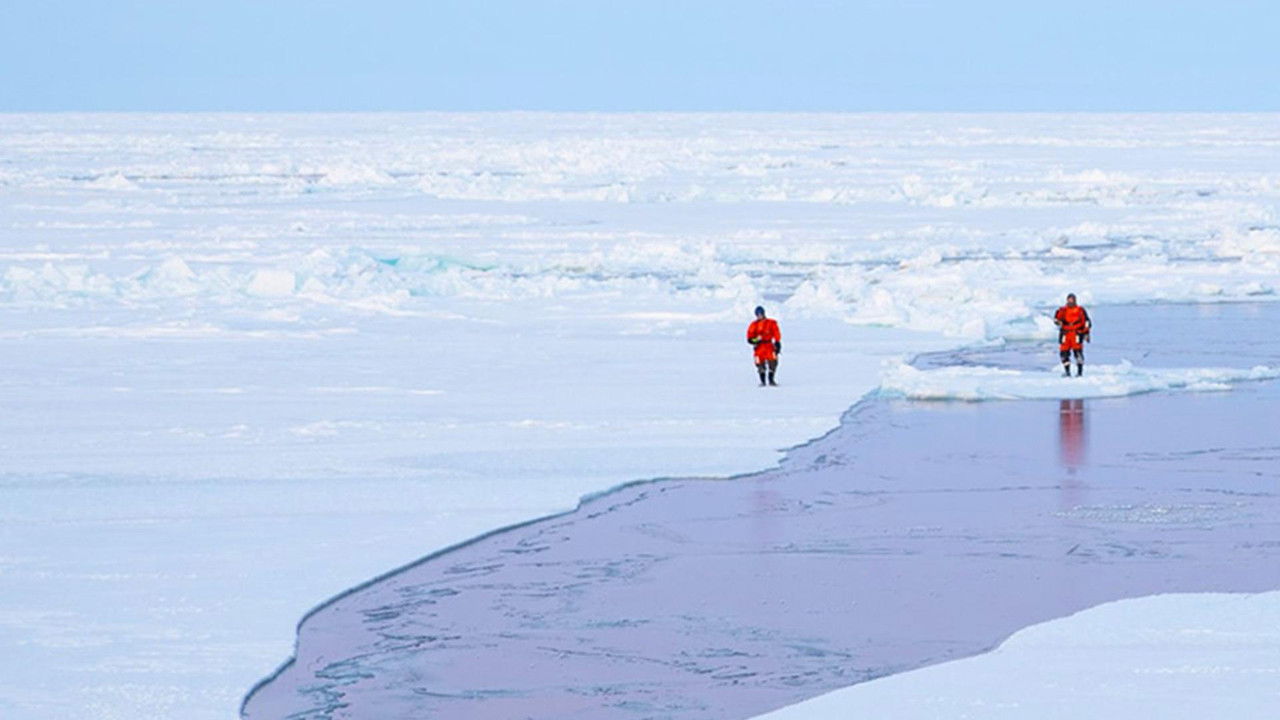
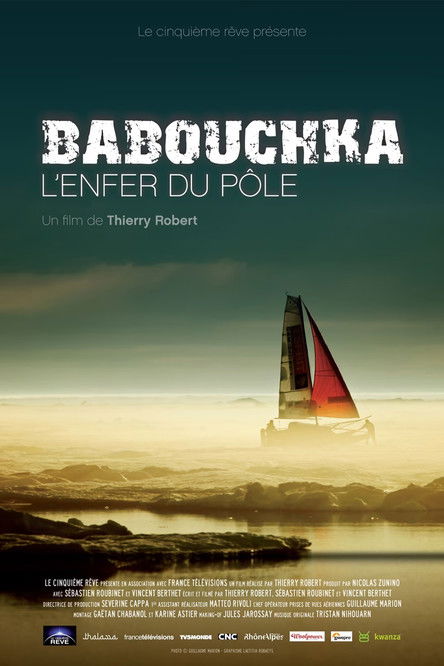
A prototype boat named "TiBabouche" enables an expedition to cross the Arctic Ocean from Alaska to Spitsbergen via the North Pole.
Synopsis
A prototype boat named "TiBabouche" enables an expedition to cross the Arctic Ocean from Alaska to Spitsbergen via the North Pole.

Synopsis
Sébastien Roubinet and Rodolphe André set out to cross the Arctic Ocean from Alaska to Spitsbergen in 2010. They travel via the geographic North Pole aboard TiBabouche, a unique boat designed by Roubinet. This prototype can sail on both ice and water. CNRS engineer Hervé Le Goff joins the team to calibrate the Cryosat satellite. Cryosat is the first satellite capable of measuring ice thickness. The expedition combines adventure with scientific research in the Arctic.
Deep Dive
Why Watch
- Follow Sebastien Roubinet's Arctic expedition.
- See the innovative 'TiBabouche' boat in action.
- Meet Hervé Le Goff, the engineer behind the technology.
- Find out how 'Cryosat' measures ice thickness.
Did You Know
- Sebastien Roubinet invented a boat called 'TiBabouche' for the expedition.
- The documentary was released in 2010 and has a duration of 52 minutes.
- Hervé Le Goff is a CNRS engineer who developed the technology for the boat.
- The 'Cryosat' satellite is the first capable of measuring ice thickness.
Perfect For
Frequently Asked Questions
Who are the main participants in the Arctic Ocean expedition?
The main participants are Sebastien Roubinet and Rodolphe André.
What is the name of the boat used in the expedition?
The boat used in the expedition is called 'TiBabouche'.
What technology is being calibrated during the expedition?
The expedition aims to calibrate the satellite 'Cryosat', which measures the thickness of ice.
What are people saying?
Play More Like This








Related Films
Is this your film?
If you made this film or hold the rights to it, we'd like to talk. We can license it and pay you a share of what it earns.
Comments