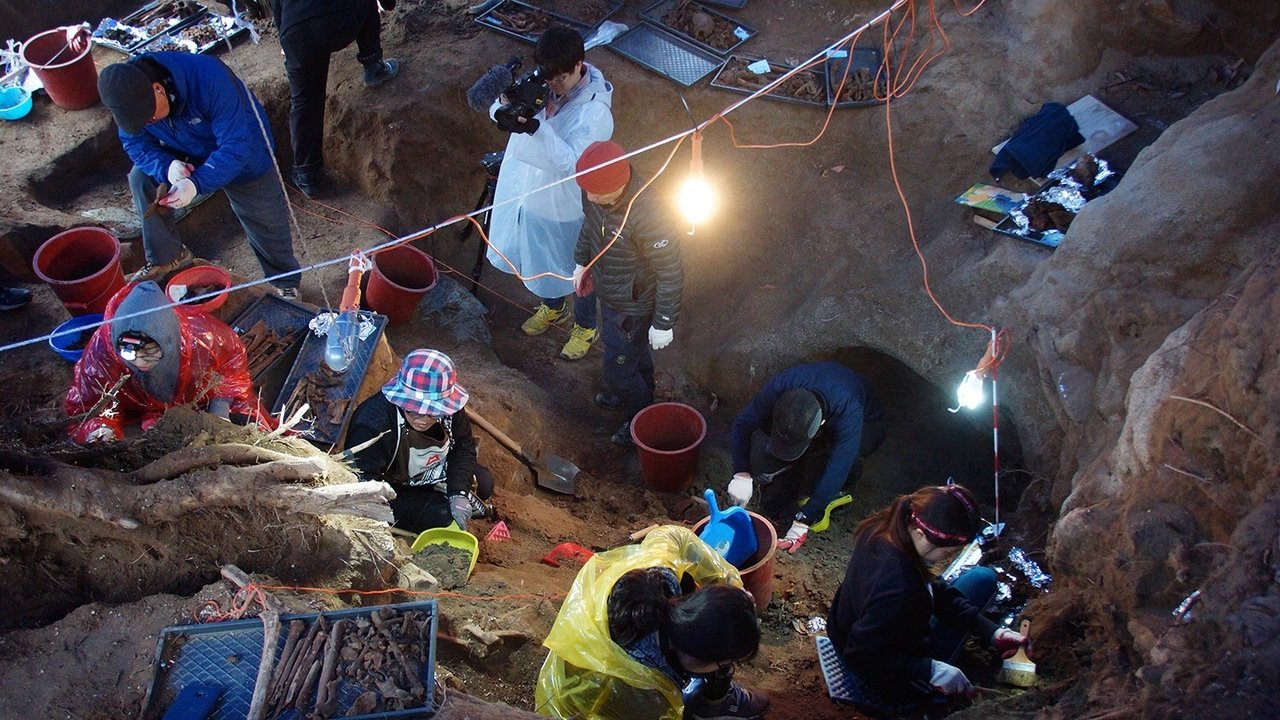
78% of South Koreans favored socialism in a 1946 survey, while Rhee Syngman’s regime responded with massacres during the Jeju 4.3 uprising and the Korean War.
Synopsis
78% of South Koreans favored socialism in a 1946 survey, while Rhee Syngman’s regime responded with massacres during the Jeju 4.3 uprising and the Korean War.
Synopsis
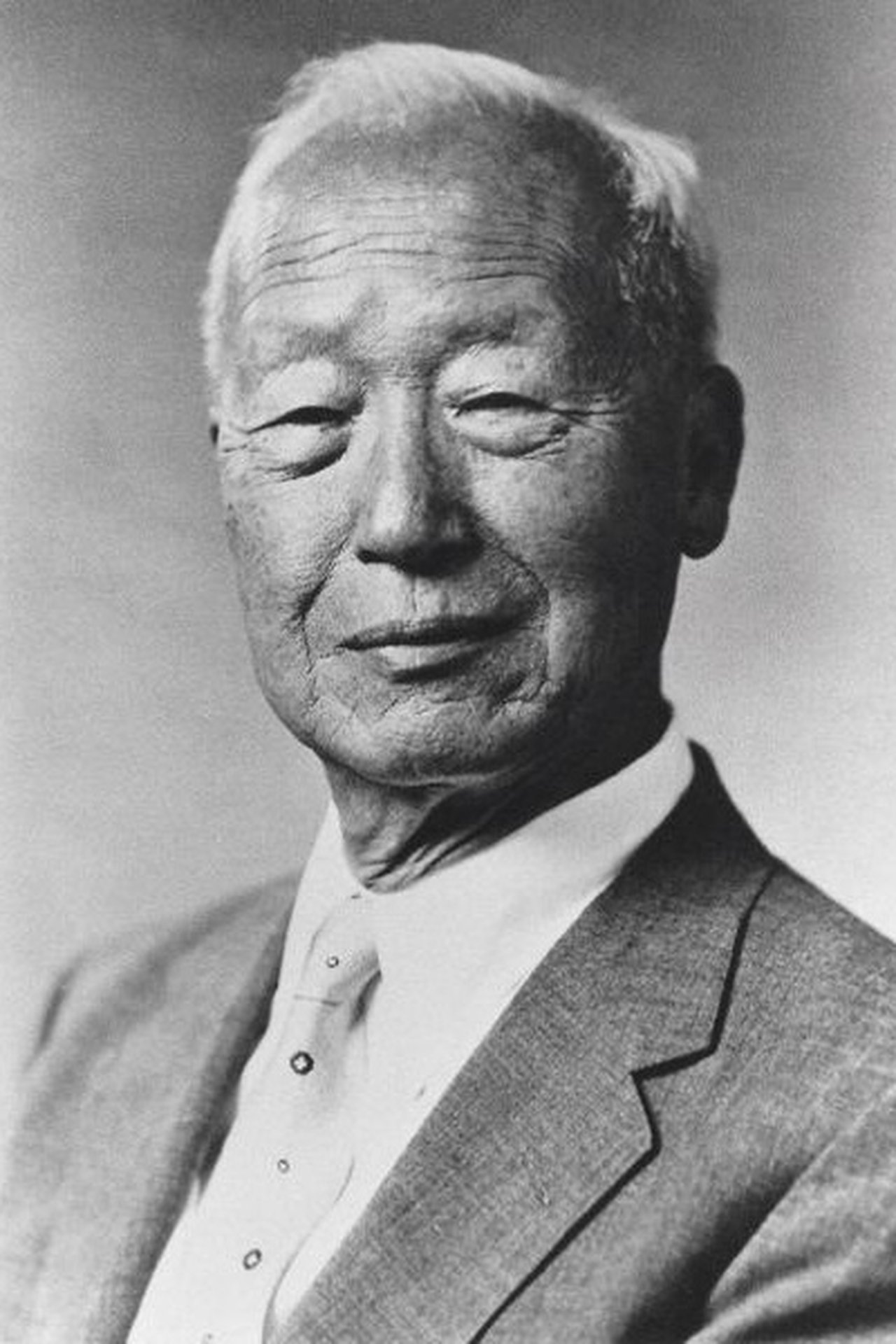
Rhee Syngman, South Korea's first president, faced widespread opposition after the U.S. military government’s 1946 survey revealed that 78% of the population favored socialism. To consolidate power, Rhee appointed pro-Japanese collaborators and rightists, leading to violent crackdowns on dissent. The Jeju 4.3 uprising in 1947 and the Yeosun incident in 1948 marked the beginning of systematic civilian massacres. As the Korean War erupted, these atrocities became increasingly normalized, reflecting a dark chapter in South Korea's history.
Deep Dive
Why Watch
- See the impact of the Jeju 4.3 uprising on South Korean history.
- Find out how Rhee Syngman's regime handled political dissent.
- Meet the civilians affected by the Korean War's violence.
Did You Know
- In 1946, 78% of South Koreans preferred socialism according to a survey.
- Only 14% of the population supported capitalism in the same survey.
- The Jeju 4.3 uprising occurred in 1947, leading to significant violence.
- The Yeosun incident took place in 1948, marking another violent suppression.
Perfect For
Frequently Asked Questions
What percentage of South Koreans wanted socialism in 1946?
According to a survey by the U.S. military government in 1946, 78% of the South Korean people wanted socialism.
Who was responsible for the civilian massacres during the Jeju 4.3 uprising?
Rhee Syngman, who appointed pro-Japanese collaborators and rightists, was responsible for the civilian massacres during the Jeju 4.3 uprising.
What events led to regularized civilian massacres in South Korea?
The Jeju 4.3 uprising in 1947, the Yeosun incident in 1948, and the outbreak of the Korean War led to regularized civilian massacres.
What are people saying?
Play More Like This


Explore Haewon
Where else to watch





Related Films
Is this your film?
If you made this film or hold the rights to it, we'd like to talk. We can license it and pay you a share of what it earns.
Comments