Film Lens
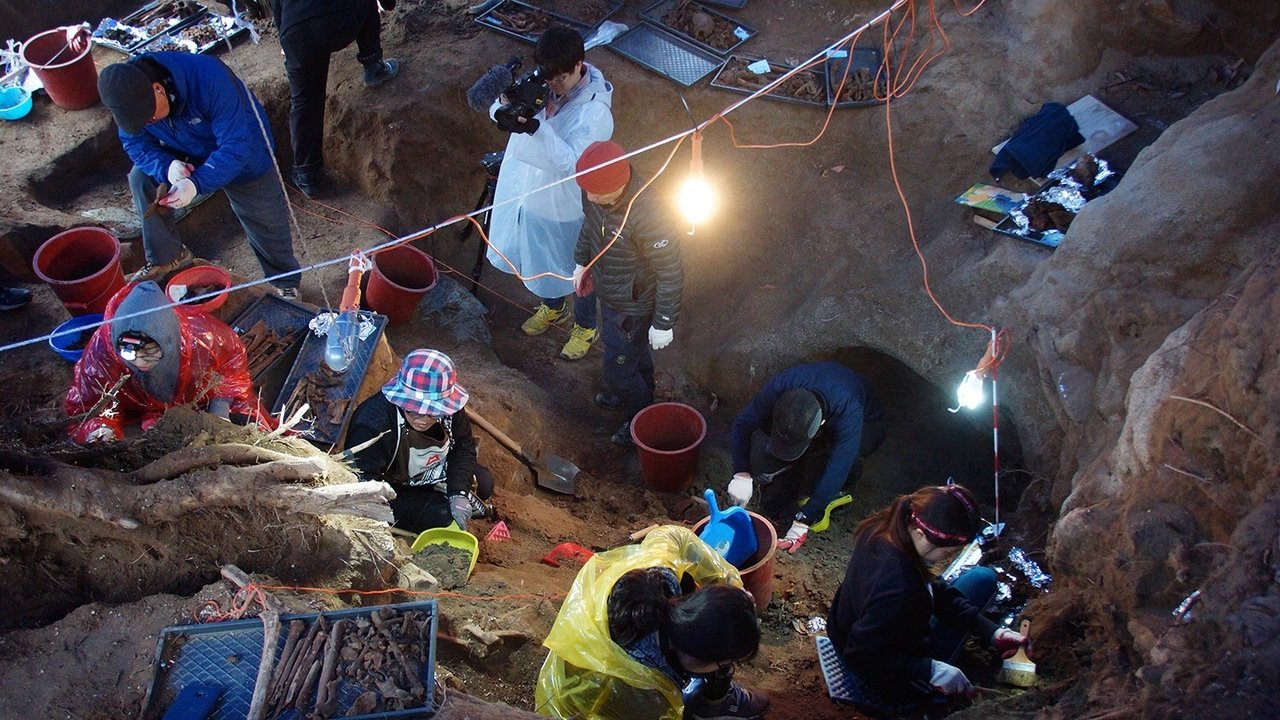
The film 'Haewon' addresses the political climate in South Korea during the late 1940s, focusing on the aftermath of World War II and the rise of authoritarian rule under Rhee Syngman. It details the 1946 survey indicating that 78% of South Koreans favored socialism over capitalism, reflecting the public sentiment of the time. The film presents the violent suppression of dissent, particularly through events like the Jeju 4.3 uprising in 1947 and the Yeosun incident in 1948, illustrating how the government dealt with opposition through massacres.
Through these historical events, the film portrays the regularization of civilian massacres during the Korean War, emphasizing the brutal tactics employed by Rhee Syngman's regime against political adversaries and civilians. The narrative is grounded in historical facts, providing a critical examination of the socio-political landscape that shaped modern South Korea.
Why Watch
- •See the impact of the Jeju 4.3 uprising on South Korean history.
- •Find out how Rhee Syngman's regime handled political dissent.
- •Meet the civilians affected by the Korean War's violence.
Did You Know
•In 1946, 78% of South Koreans preferred socialism according to a survey.
•Only 14% of the population supported capitalism in the same survey.
•The Jeju 4.3 uprising occurred in 1947, leading to significant violence.
•The Yeosun incident took place in 1948, marking another violent suppression.
Perfect For
Korean War historySouth Korean politicsSocialism in Asia