From over 100,000 films, discover the handful you'll love.
Free or premium access to the world's largest documentary library.
57 films(Page 1 of 2)
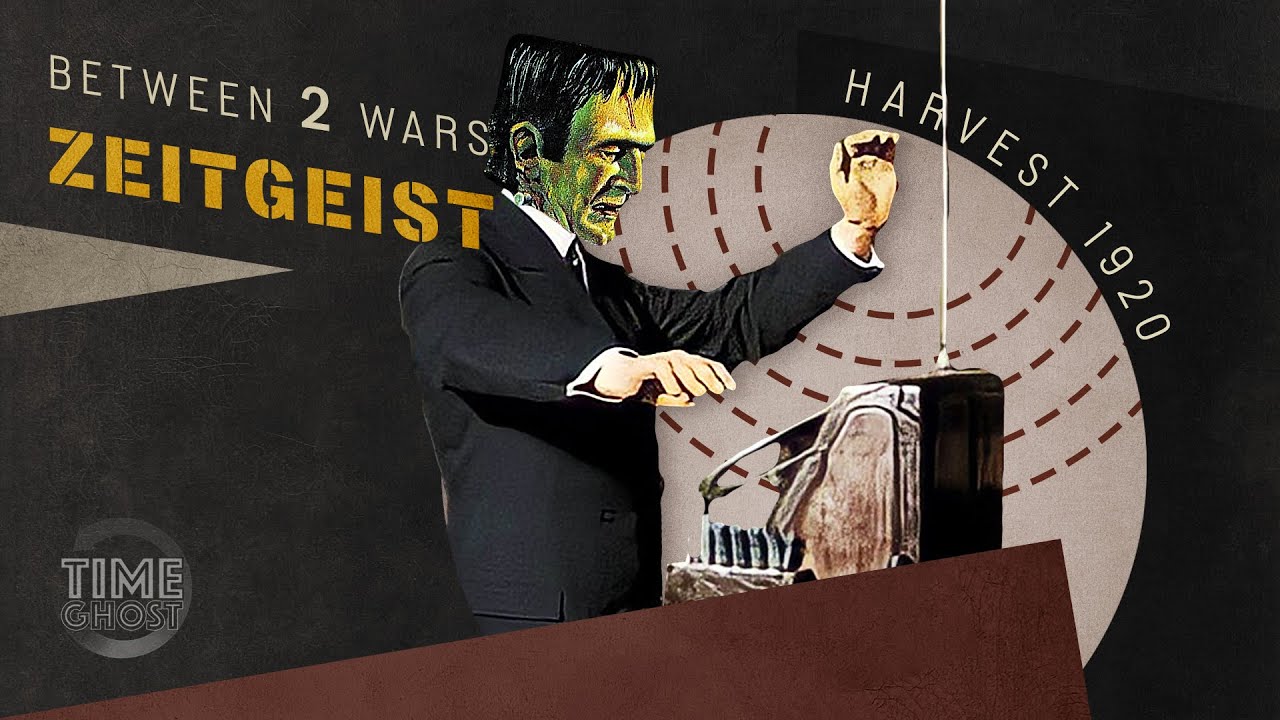
The connection between sci-fi films and the technological policies of Soviet Russia reveals the socialist origins of electronic music and its cultural impact.
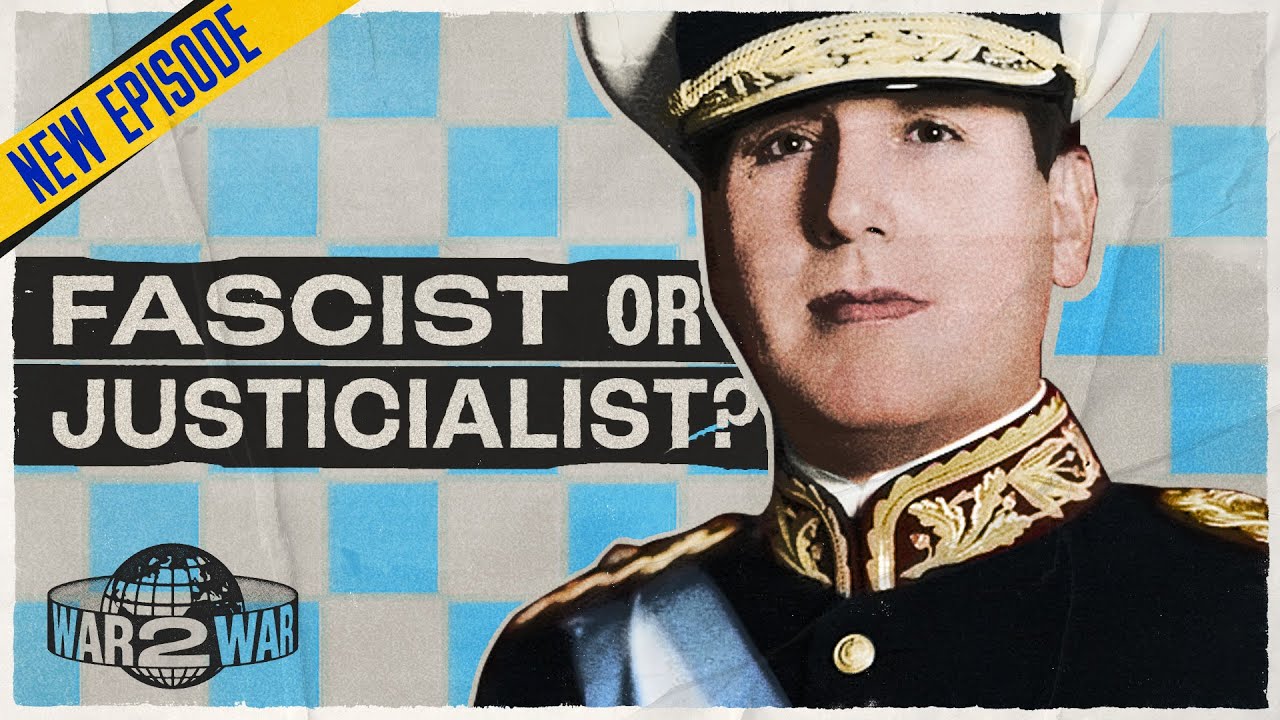
Juan Perón's regime in post-World War II Argentina blended elements of fascism and socialism, creating a unique form of authoritarian populism amid Cold War tensions.
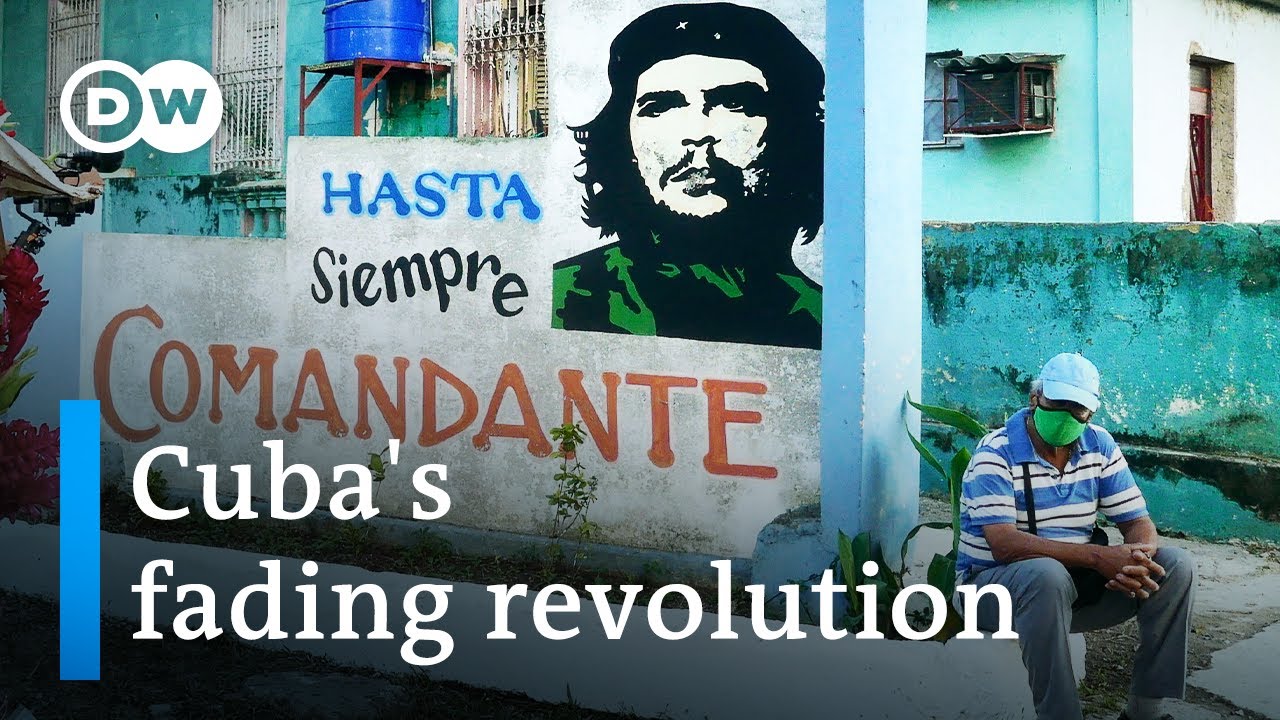
Real wages in Cuba fell despite nominal wage increases, leading to a significant decline in purchasing power for the population.
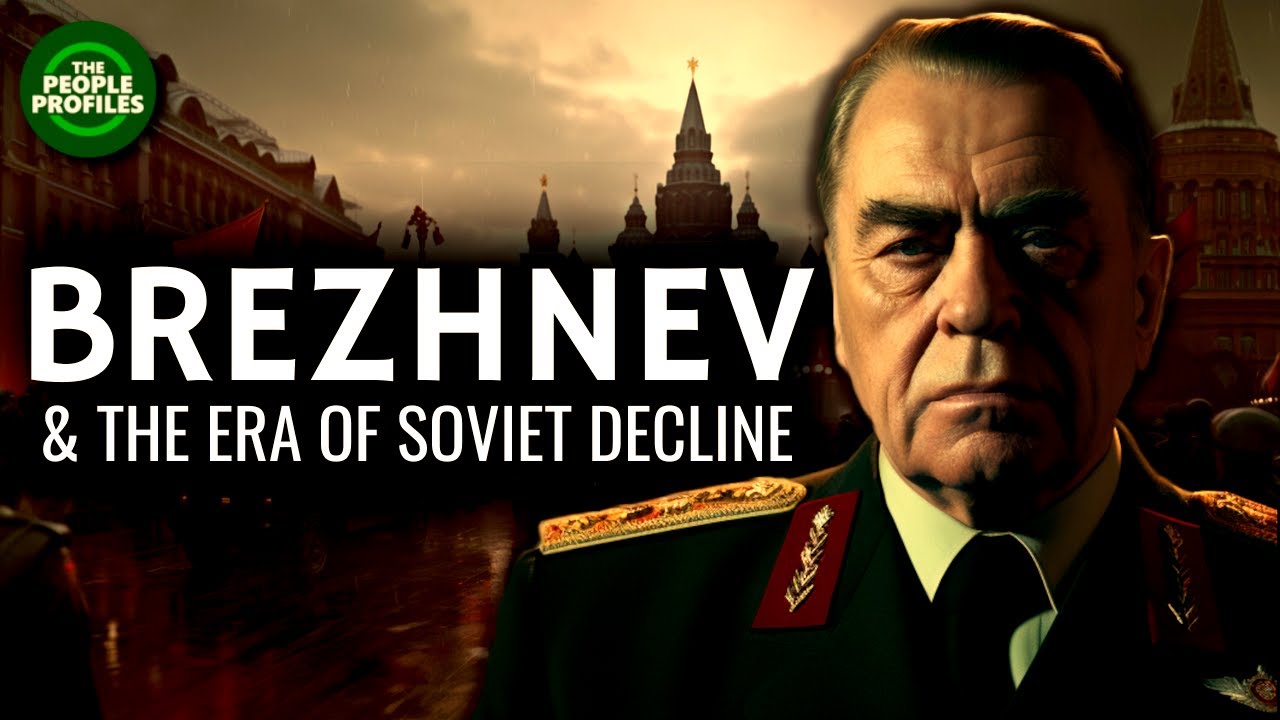
A 69-minute examination of Leonid Brezhnev's leadership reveals how his policies contributed to the Soviet Union's decline and eventual dissolution in 1991.
Karl Marx was born on May 5, 1818, in Trier, Germany, where his affluent family owned vineyards and engaged with Enlightenment ideas.
Benito Mussolini was born on July 29, 1883, in the northern Italian town of Predappio, where his mother worked as a school teacher.
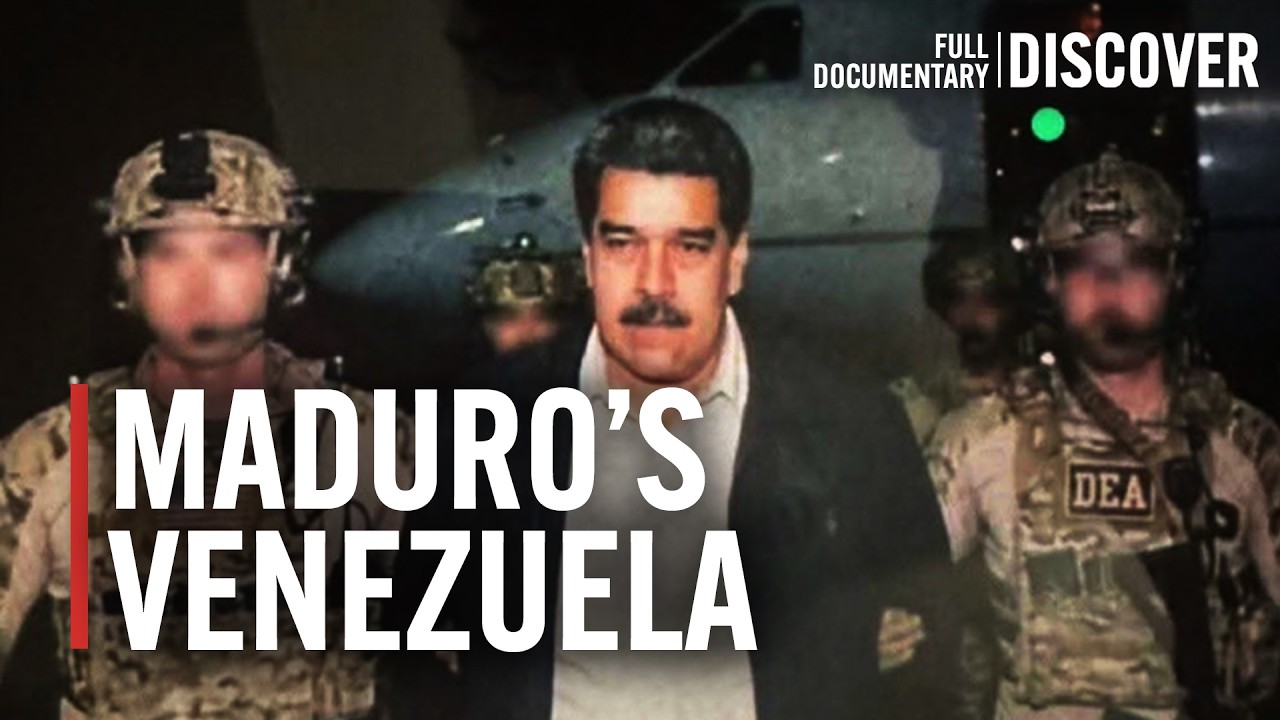
Venezuela produced 3 million barrels of oil a day at its peak, but today, Nicolás Maduro's regime faces severe political and economic challenges.
Five million people died during the famine caused by Stalin's forced collectivization policies in the early 1930s.
Noma, a restaurant in Copenhagen, was named the world's best restaurant for three consecutive years from 2010 to 2012 by Restaurant magazine.
Edith Thompson and Frederick Bywaters were sentenced to death in 1923 for the murder of Thompson's husband, a case that shocked Britain and influenced views on capital punishment.
Milwaukee's 'Sewer Socialists' implemented socialist policies in the early 1900s, showcasing both successes and failures in American governance.
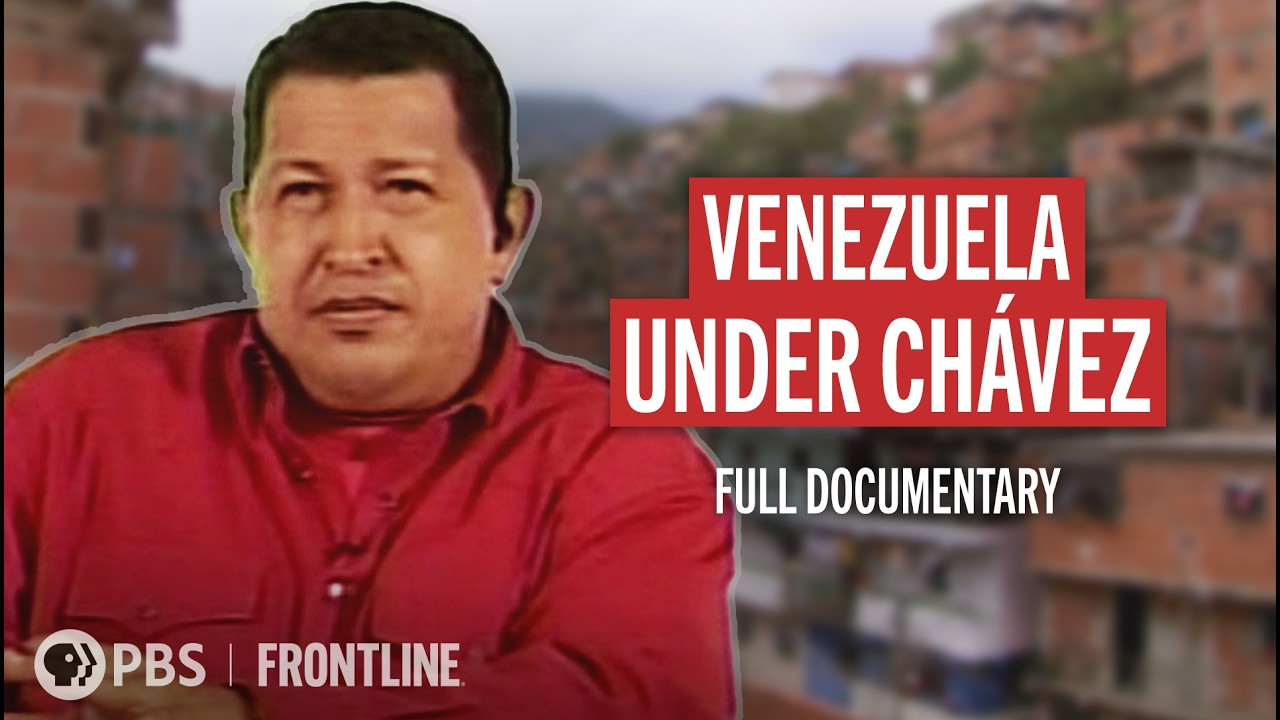
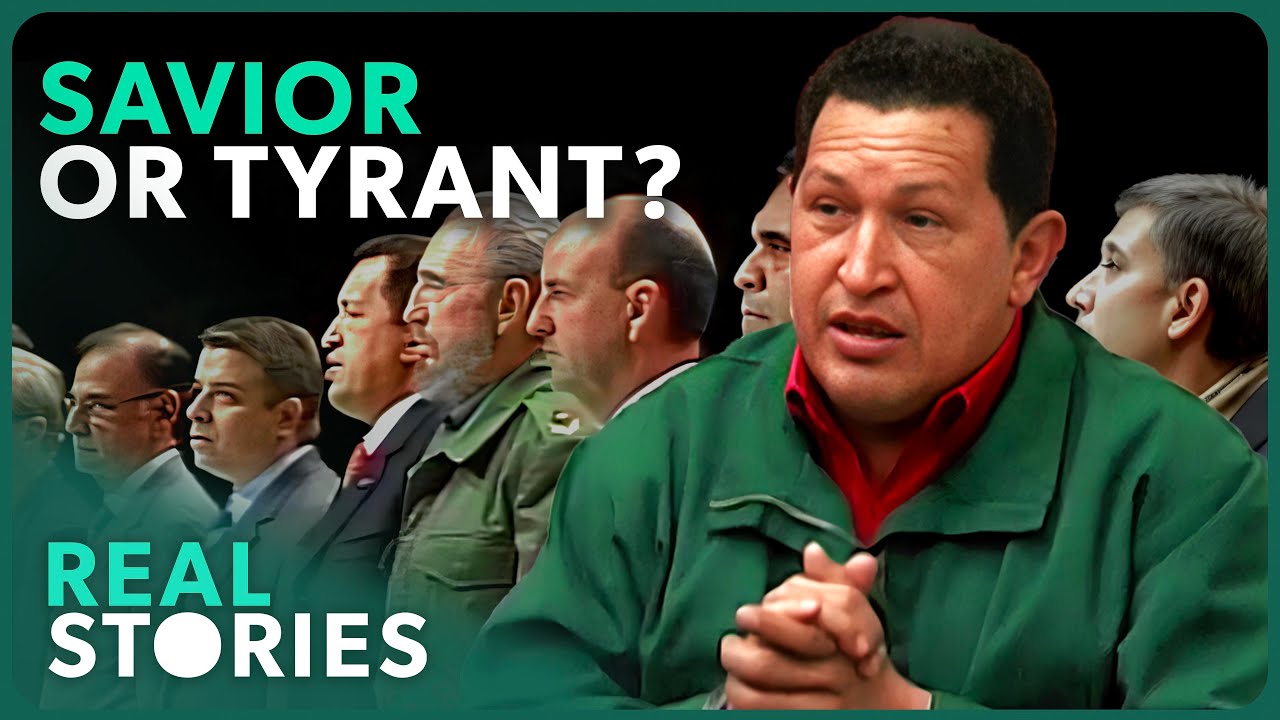
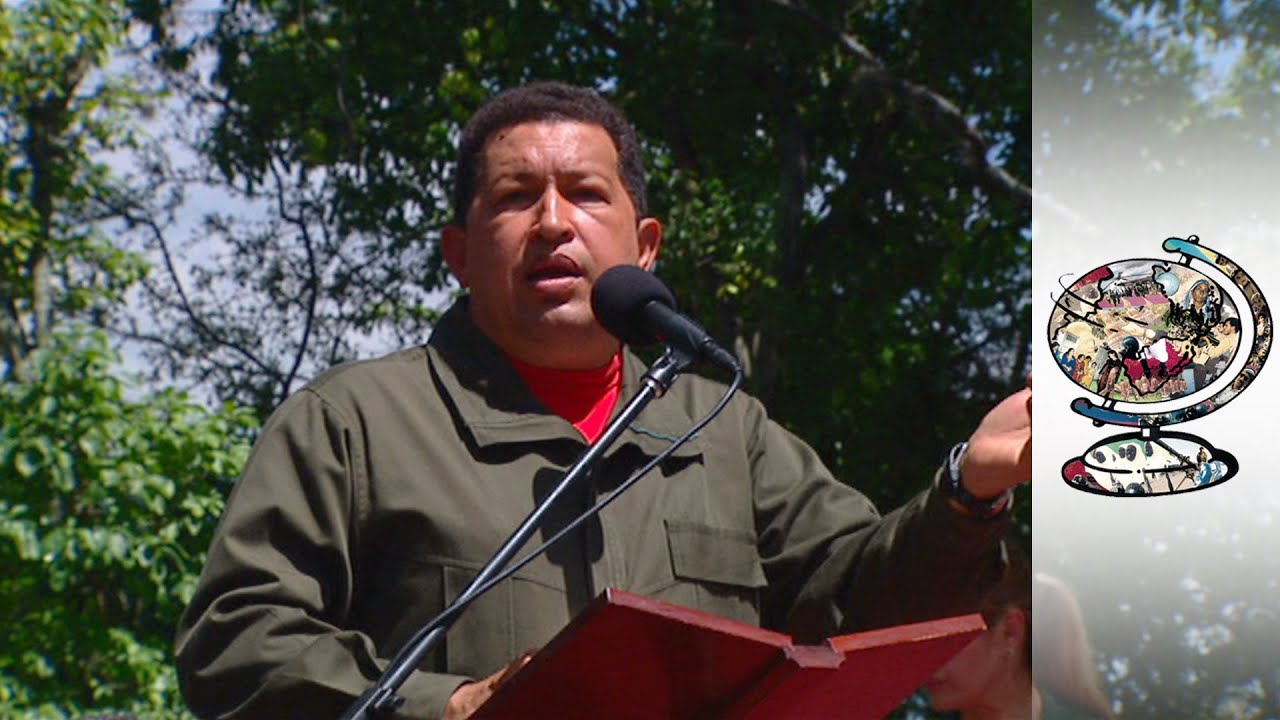
Hugo Chávez, Venezuela's controversial former president, used his televised show to communicate directly with citizens while promoting his vision of "21st-century socialism."
Nicolas Maduro, a former bus driver turned authoritarian leader, clings to power in Venezuela amid economic ruin and international sanctions, leveraging the country's vast oil reserves.
Siblings Rena and Nadine return to the largest American utopian socialist commune of the 1970s, confronting their hidden past and its historical significance.
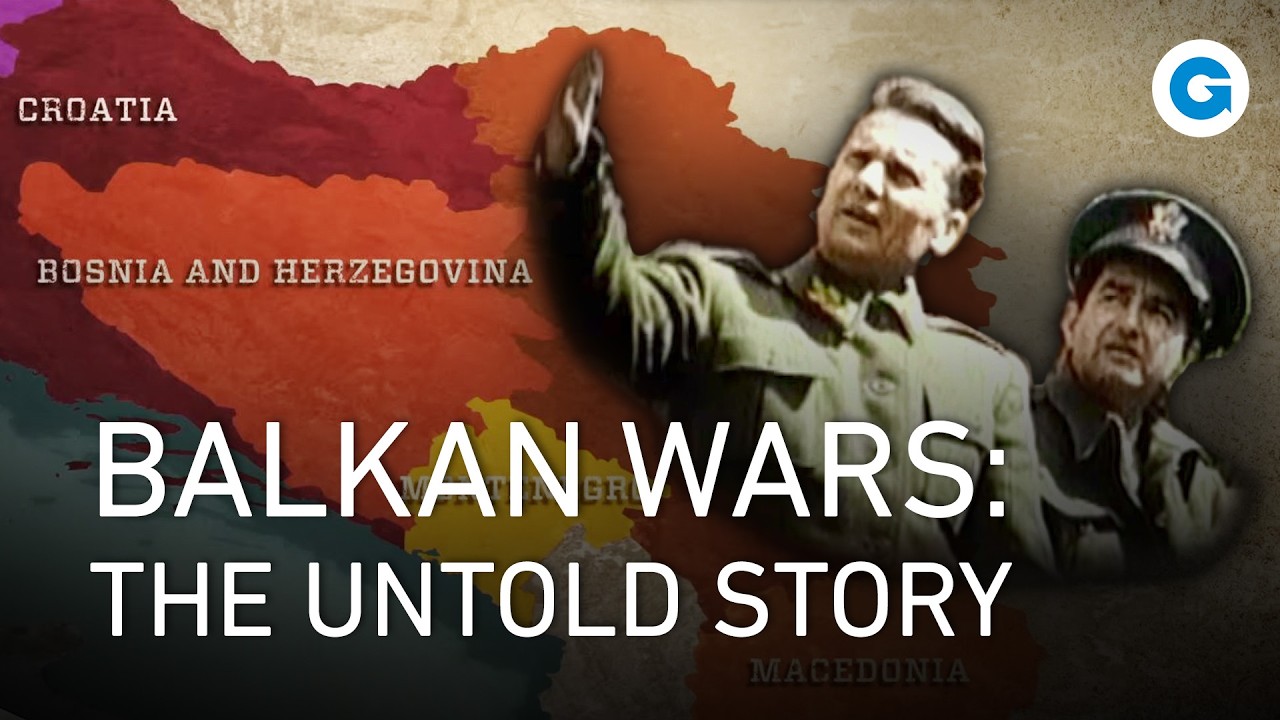
Yugoslavia's disintegration after Tito's death highlights the historical roots of nationalist conflicts that led to devastating wars from 1991 onwards.
Hugo Chávez's political life, from his 1992 rebellion to his presidency and social reforms, reshaped Venezuela's political landscape and societal dynamics.
Nicolás Maduro's leadership in Venezuela is characterized by a struggle for power amid economic collapse, authoritarianism, and the challenges of international sanctions.
Kazakov, a former companion of Lenin, faces a generational clash with his daughters at a family dinner, revealing starkly different views on Soviet history.
Hugo Chávez, a polarizing figure in 21st-century politics, rose from a failed coup in 1992 to become Venezuela's president, championing socialism and anti-American sentiment.
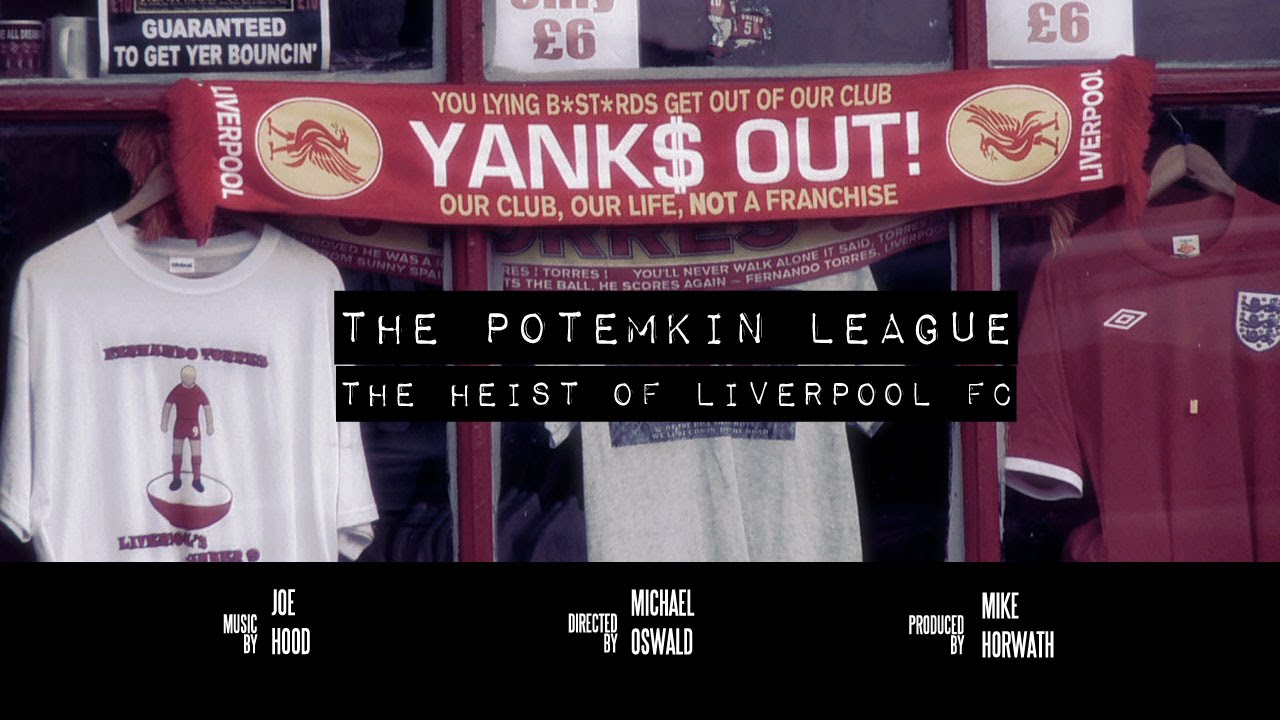
Liverpool Football Club's ticket prices in the 1960s ranged from 3 to 4 shillings, reflecting the club's deep connection to its supporters and community.
A film crew from Canada waits in Cuba for an audience with Fidel Castro, hoping to document his views on U.S.-Cuba relations.
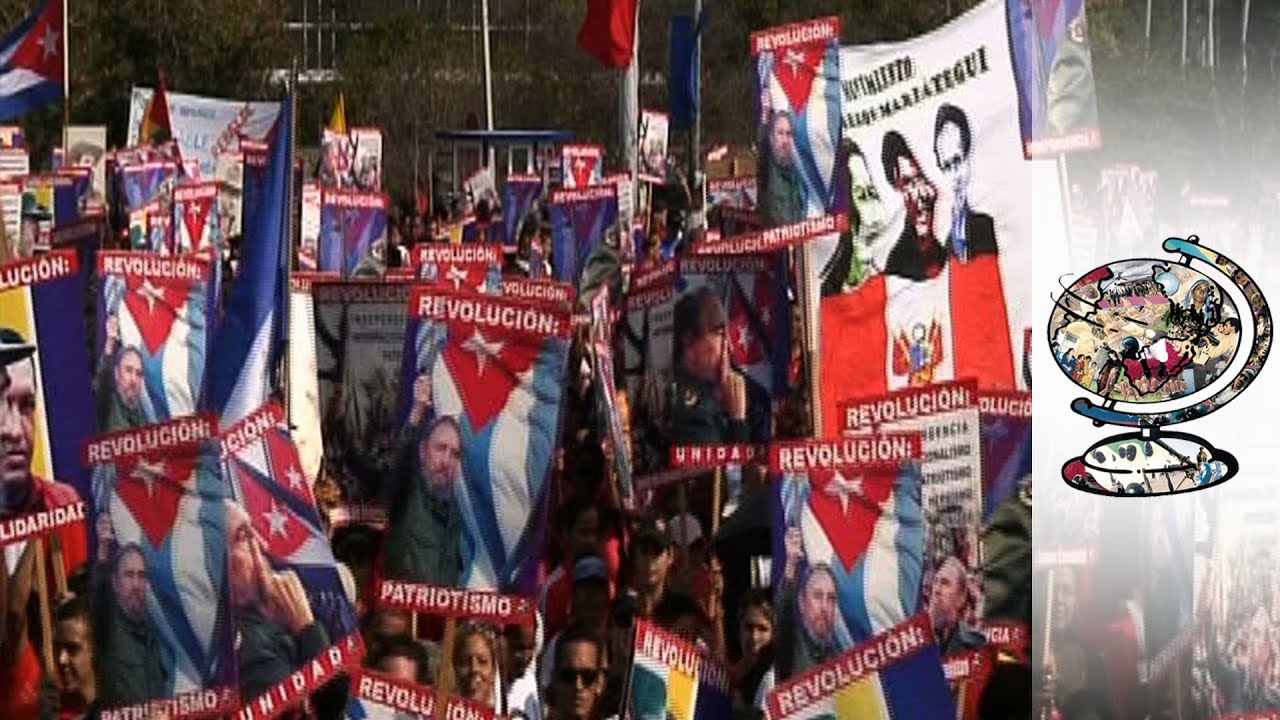
Life in Cuba under Fidel Castro's regime reveals a complex reality of state control, economic challenges, and a push for an energy revolution amidst discontent.
Epipo, a Hungarian summer camp in the 1980s, masked a predatory environment behind its enchanting facade, leaving lasting trauma on its former campers.
Cuban musicians, from state-supported icons to underground dissidents, reflect the nation's shifting political landscape as it navigates a new capitalist era.
In the months leading up to the 2010 Midterm elections, Americans express diverse opinions about Barack Obama, reflecting hope and disappointment across the nation.
Two opposing ideologies clash as Nick Gillespie and Bhaskar Sankara debate the future of the American economy in a comedy club setting.
Boris Johnson and Jeremy Corbyn debate key issues before the UK general election in Maidstone.
Cuba, Jamaica, and the Dominican Republic are experiencing significant geopolitical transformations influenced by the decline of socialism, U.S. interventionism, and China's growing interest.
Forty countries participate in Libya's International Trade Fair, signaling a shift in the nation's economic strategy under Gaddafi's regime.
Eighteen-month-old Neri is carried to a dormitory in Kibbutz Baram, the last community in Israel still practicing the old kibbutz way of raising children separately from their parents.
Ten cents can fill a tank in Caracas, but many middle-class residents are leaving Venezuela for better opportunities abroad.
The final day of Jeremy Corbyn's first conference as labor leader in Brighton sees the party celebrating its largest membership increase in years.
Momentum hosts an alternative event during the Labour Party conference in Brighton.
Barack Obama's visit to Havana marked the first time a sitting US president traveled to the city in 88 years.
Nelson Mandela discusses the ANC's anti-socialism stance in 1992's The Last Mile.
Satellite dishes are officially banned in Syria, yet many citizens ignore the prohibition and prefer news from unofficial Arab channels like Al Jazeera.
François Hollande, the socialist president of France, faces political challenges and personal scandals, including a lightning strike on his inauguration day and tumultuous relationships.
A constituency that once had a Conservative majority of 500 now boasts a 9,500 majority for the Labour Party, reflecting a significant political shift.
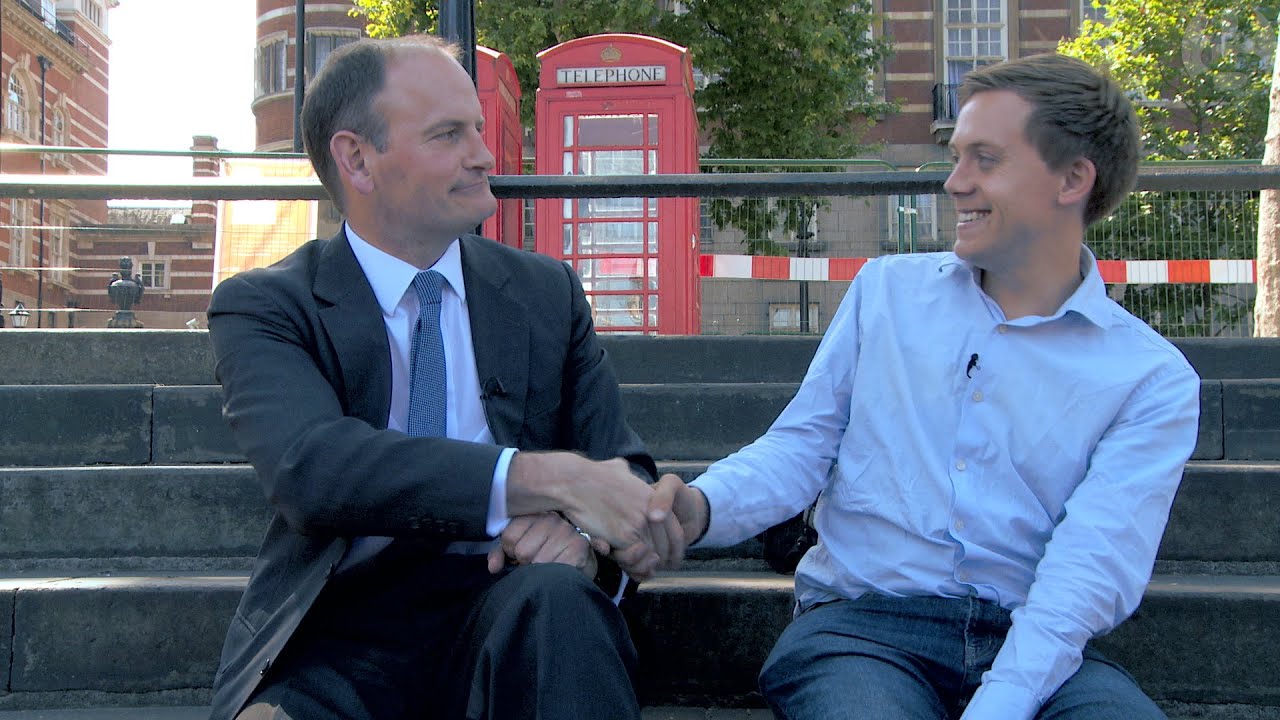
Douglas Carswell, the sole MP from UKIP, discusses his views on the NHS and competition in healthcare during an interview with Owen Jones.
John Lansman ran Jeremy Corbyn's leadership campaign and founded the left-wing group Momentum, playing a key role in the Labour Party's shift to the left.
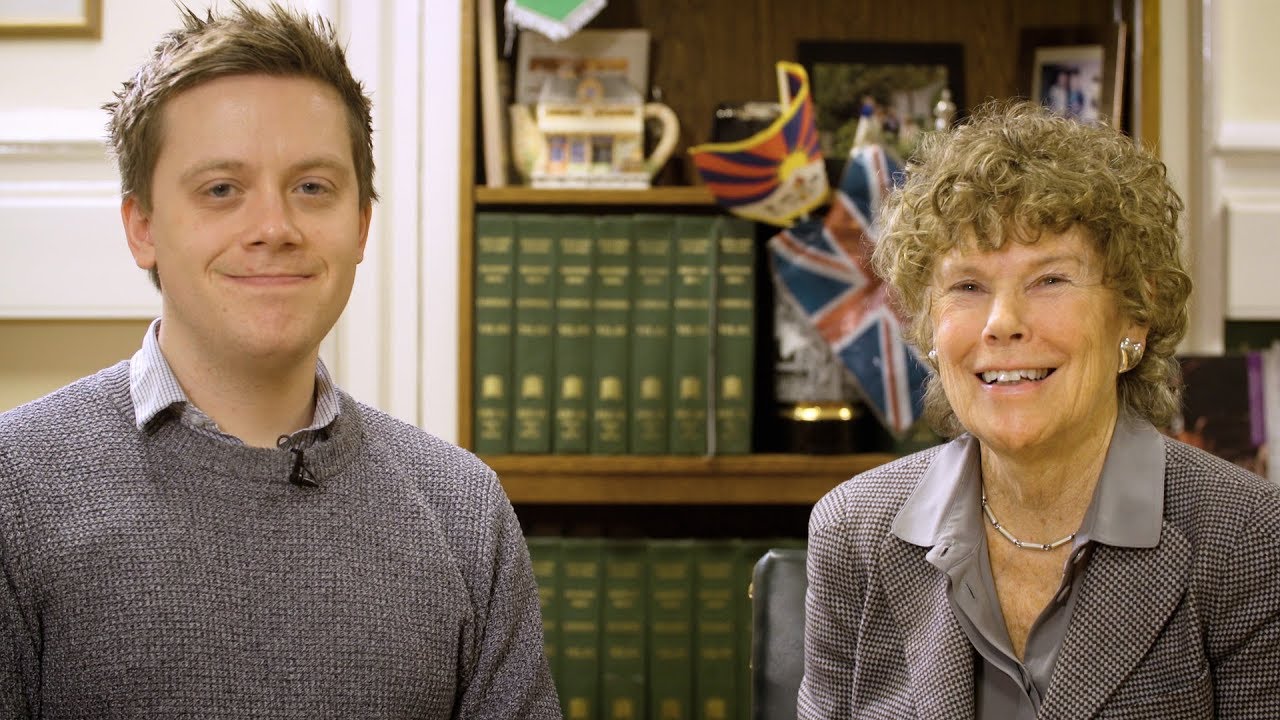
Kate Hoey, a Labour MP, discusses her political evolution, support for Brexit, and critiques of social democracy in a conversation with Owen Jones.
Paloma Faith discusses her fears for Britain's future and the impact of Brexit.
Yanis Varoufakis resigned as Greece's finance minister after the government accepted austerity measures imposed by the European Union.
More than 32 million people in Venezuela face a collapsing economy, with citizens queuing daily for government food rations amid widespread shortages.
Seventeen former samurai commit ritualized suicide in Edo, Japan, on March 20, 1703, as part of a revenge plot for their lord's death.
Michael Moore's second appearance on The Sean Hannity Show on October 9, 2009, continues the contentious debate that polarized Fox News viewers.
Every night, 3,000 children in Ulan Bator seek shelter in manholes to escape temperatures that can drop to minus 40 degrees Celsius.
Insurrectionists at the Capitol reject socialism and call for extreme measures during protests.