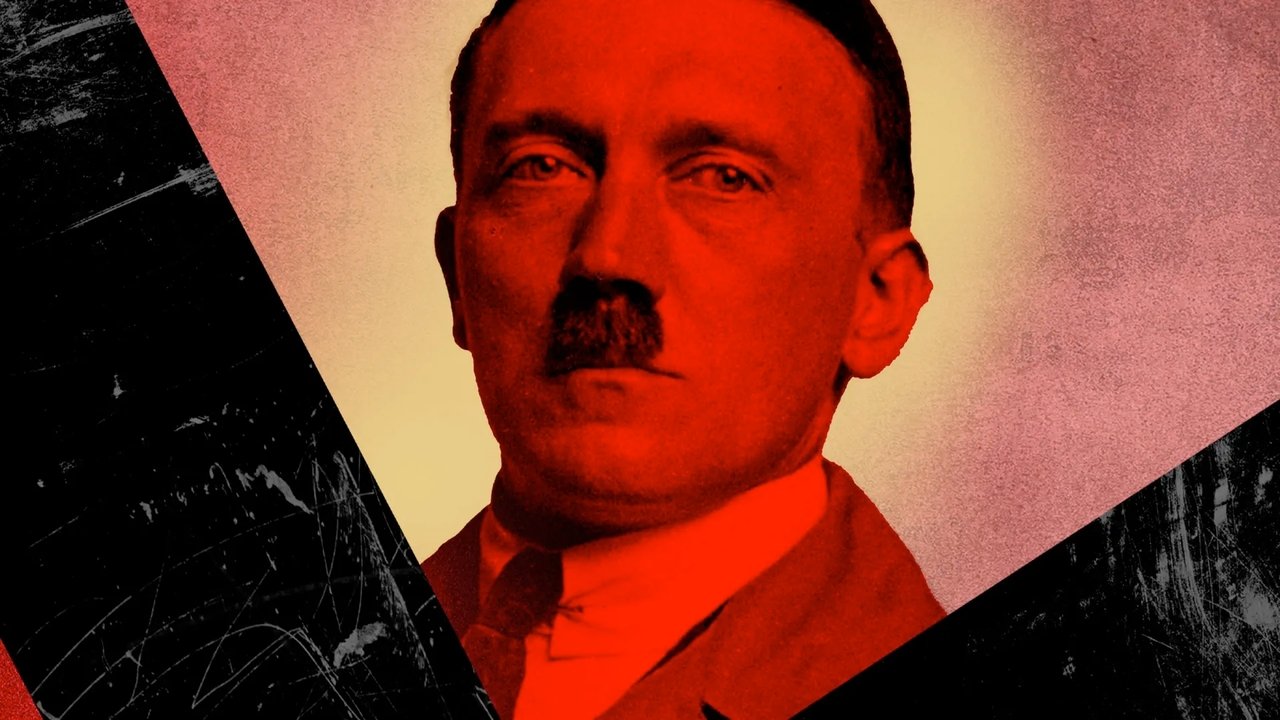
After World War I, Germany experienced a 50% unemployment rate, contributing to the rise of radical ideologies and the Nazi regime's consolidation of power.
Synopsis
After World War I, Germany experienced a 50% unemployment rate, contributing to the rise of radical ideologies and the Nazi regime's consolidation of power.

Synopsis
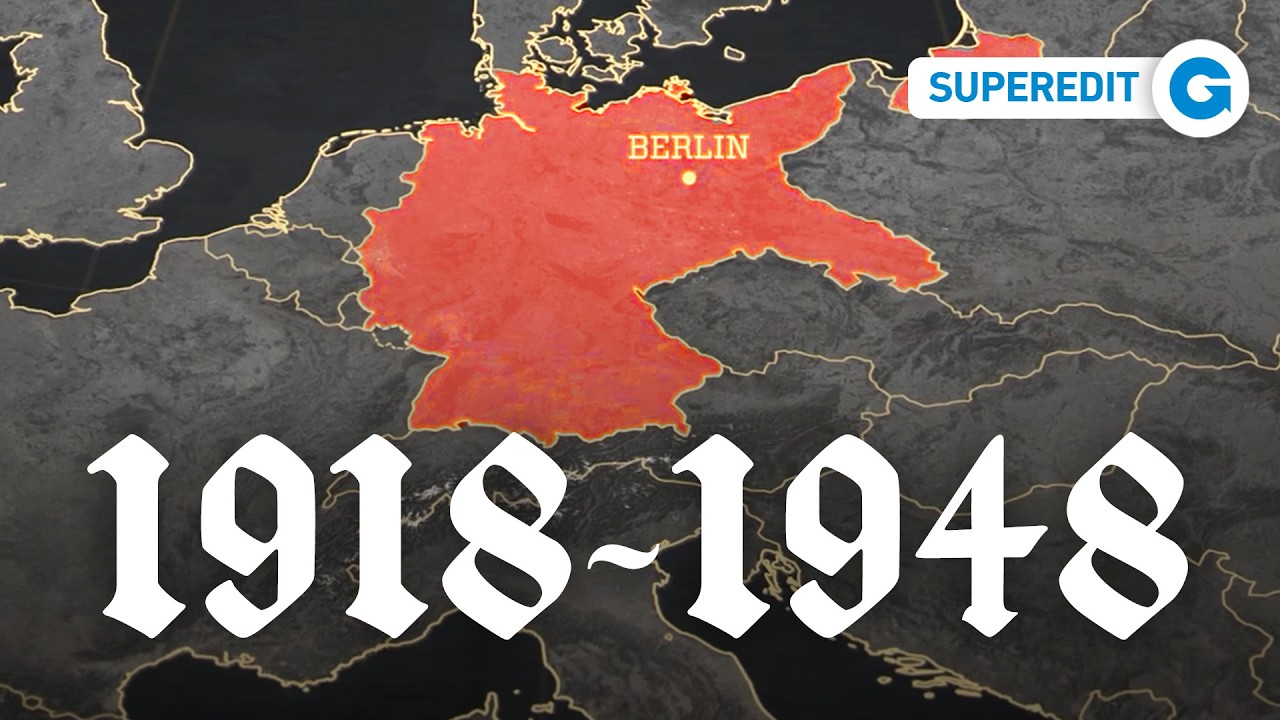
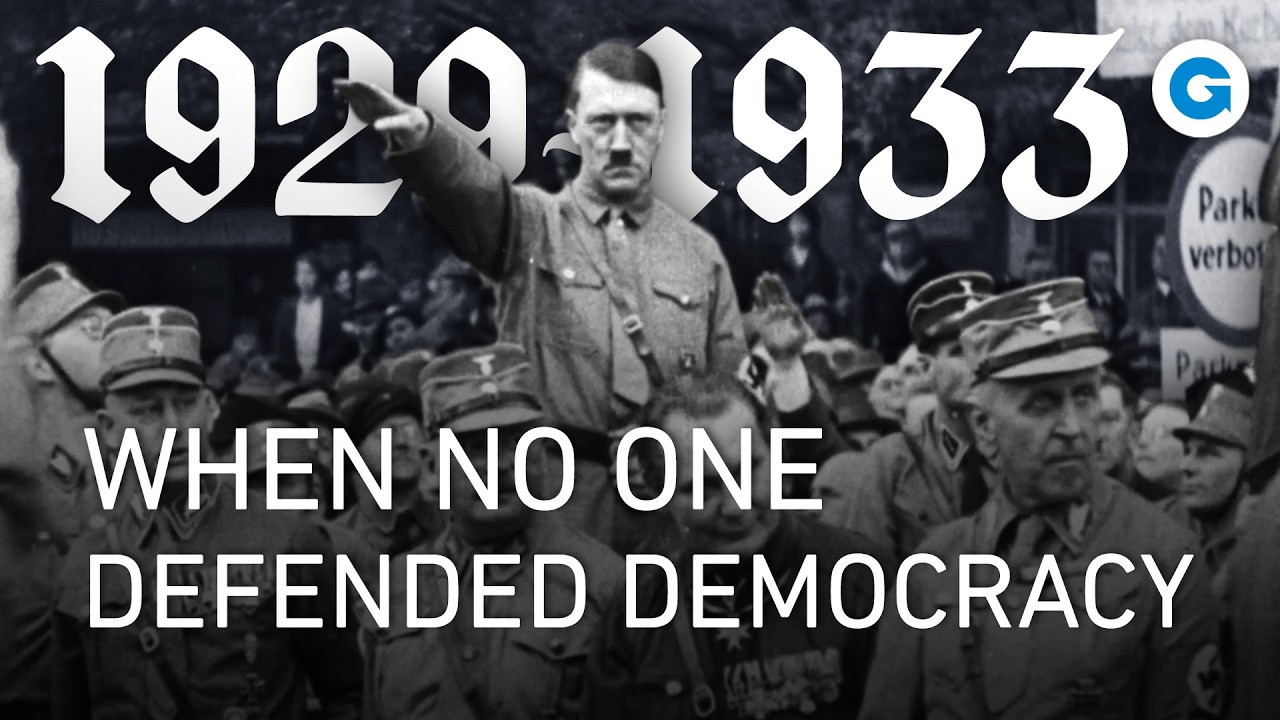
Berlin in the early 1920s was a city marked by political turmoil and economic despair. The Weimar Republic struggled to maintain order as hyperinflation and social unrest gripped the nation. Amid this chaos, Adolf Hitler and the Nazi Party began to rise from the fringes of German politics. The series details the critical events and propaganda that facilitated their ascent, culminating in the establishment of a totalitarian regime. It examines how Germany transformed from a fragile democracy into a state defined by tyranny and oppression.
Deep Dive
Why Watch
- See how World War I shaped Germany's political landscape.
- Find out about the rise of Adolf Hitler and the Nazis.
- Meet key figures who influenced Germany's descent into tyranny.
Did You Know
- The Weimar Republic faced economic collapse after World War I.
- Adolf Hitler rose to power in a politically unstable environment.
- Radical ideologies flourished due to widespread social unrest in Germany.
Perfect For
Frequently Asked Questions
What led to the rise of Adolf Hitler in Germany?
Germany faced economic collapse, political instability, and social unrest after World War I, creating conditions for radical ideologies to flourish.
What was the Weimar Republic?
The Weimar Republic was Germany's fragile democracy established after World War I, which ultimately succumbed to the Nazi regime.
How did the Nazis consolidate power in Germany?
The Nazis emerged from the fringes of politics and consolidated power through pivotal events, propaganda, and policies that reshaped Germany into a totalitarian state.
What are people saying?
Play More Like This

















Related Films
Is this your film?
If you made this film or hold the rights to it, we'd like to talk. We can license it and pay you a share of what it earns.
Comments