From over 100,000 films, discover the handful you'll love.
Free or premium access to the world's largest documentary library.
35 films
After Adolf Hitler discovered Obersalzberg in 1923, it became a key meeting place for him and his inner circle, including Eva Braun.
Unemployment in the United States exceeded 20 percent in 1932 as Franklin D. Roosevelt implemented policies to address the Great Depression.
Millions of letters from German Catholics urged Pope Pius XI to take a clear stand against the rise of Nazism during the 1930s.
More than 30 attempts to eliminate Adolf Hitler failed, with key figures like Georg Elser and military officers risking their lives to stop him.
Wilhelm Keitel was born on September 22, 1882, at the family estate in Helmscherode, Germany, and later became Chief of the Wehrmacht during World War II.
Karl Dönitz joined the German navy in 1910 at the age of 18, rising through the ranks to become a key naval commander during World War II.
Coco Chanel was born on August 19, 1883, in a poorhouse in Saumur, France, as Gabrielle Bonheur Chanel, before becoming a prominent fashion designer.
Hundreds of sick people mysteriously disappeared from Hartheim Castle between 1939 and 1944, as it became a site for Nazi extermination efforts.
Four gold medals were won by Jesse Owens at the 1936 Berlin Olympics, challenging Nazi propaganda and expectations.
Hermann Göring ranked fourth in the Nazi hierarchy of evil, bearing enormous responsibility for the regime's crimes and the suffering of millions.
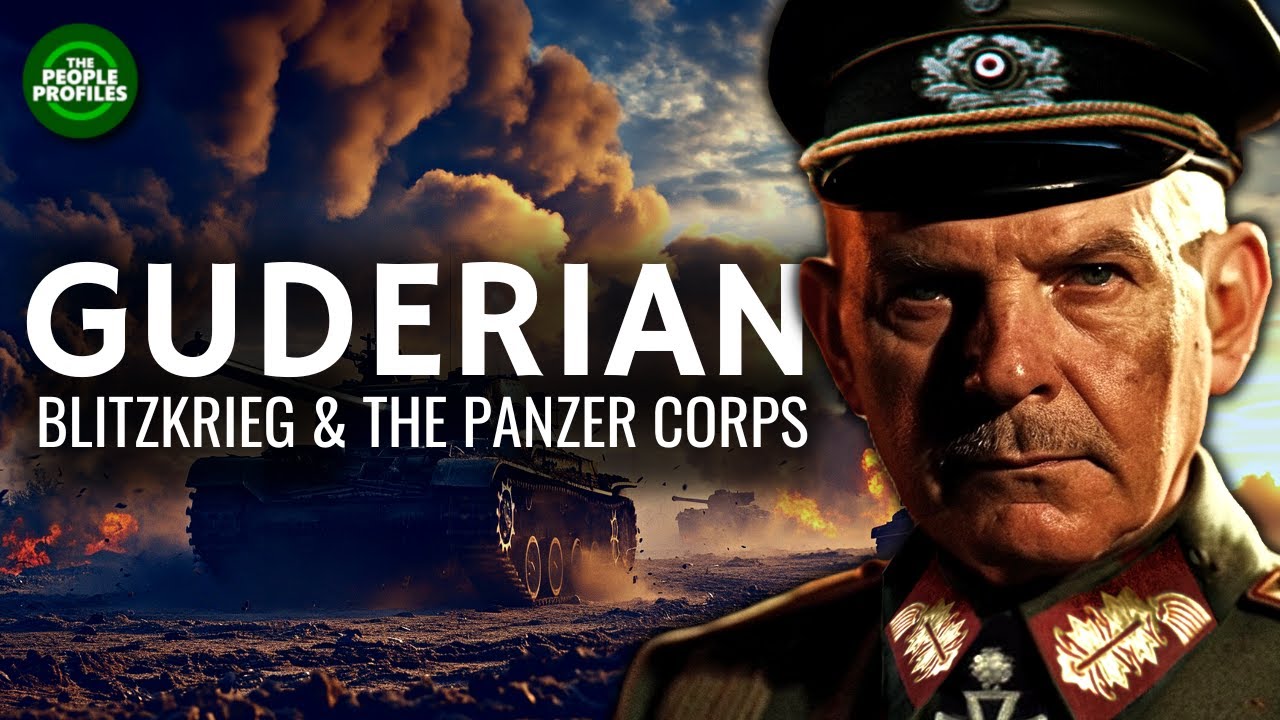
Heinz Guderian was born on June 17, 1888, in Kulm, West Prussia, and became a key figure in the development of Blitzkrieg tactics during World War II.
Heinrich Himmler and the Nazi high command sought the origins of the Aryan race, believing it linked to Atlantis and leading them to Tibet.
An estimated 6 million Jews were exterminated in Nazi camps, a grim reality that began to surface for the Allies in the summer of 1944.
At 2:39 a.m. on May 7, 1945, German General Alfred Yodel signed the unconditional surrender of Nazi Germany, marking a significant moment in history.
Heinrich Himmler, the second most powerful figure in Nazi Germany, was responsible for the genocide of millions and the establishment of death camps.
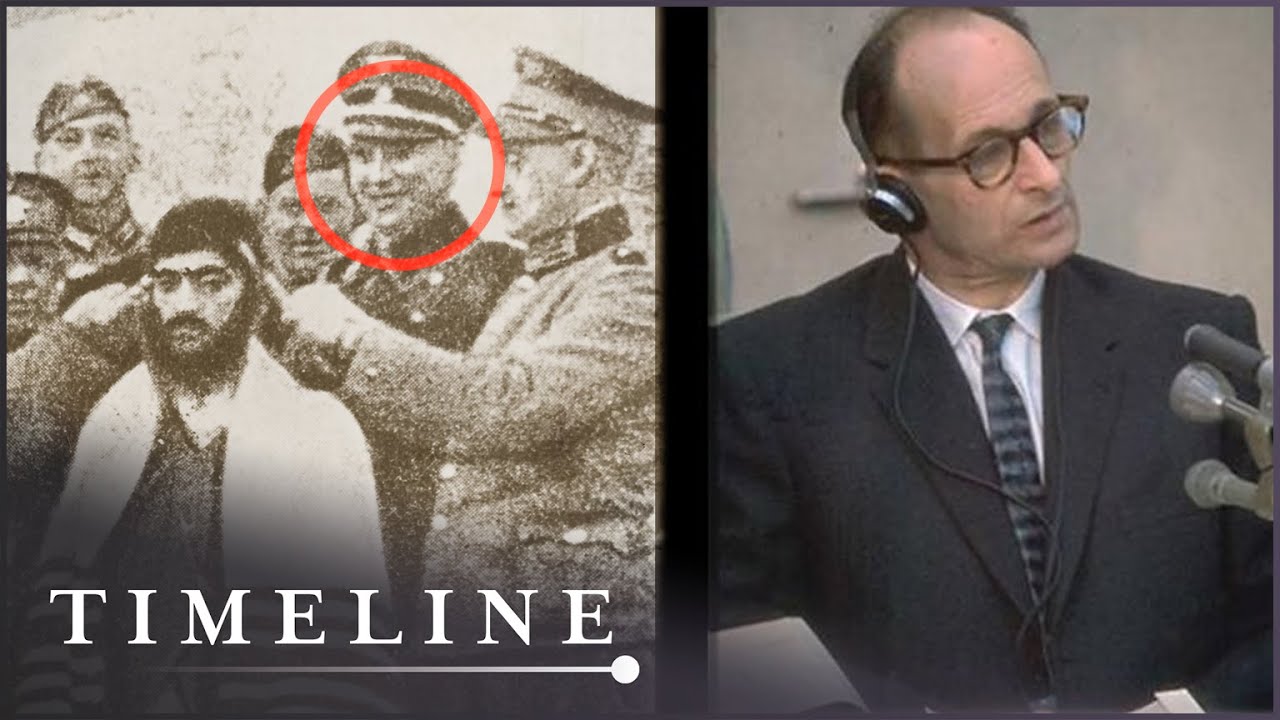
Adolf Eichmann, a Nazi bureaucrat, evaded justice for 15 years before his trial, where he claimed to be a middle manager with no blood on his hands.
Adolf Hitler's Ardennes Offensive marked a critical moment in World War II, leading to the intense and brutal fighting known as the Battle of the Bulge.
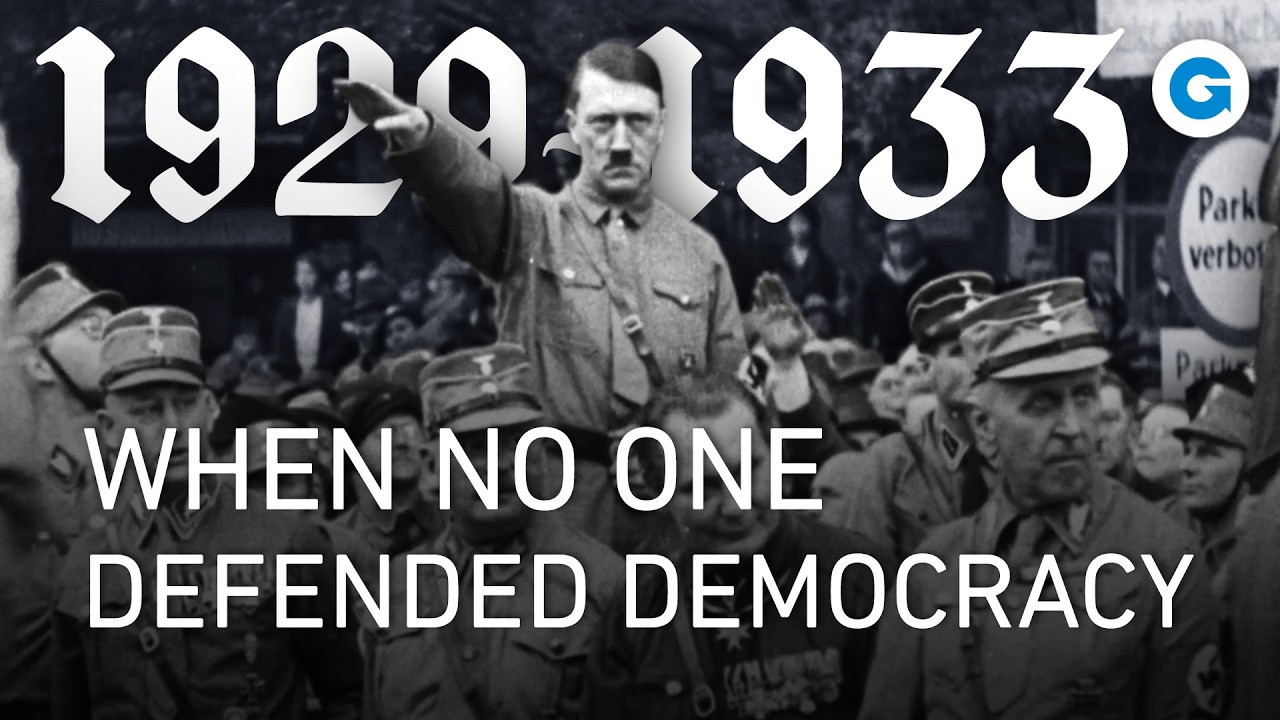
In 1933, Adolf Hitler became chancellor of Germany, allowing the Nazi regime to seize complete power and begin its rapid ascent.
In August 1944, Hitler ordered the destruction of Paris by blowing up bridges and monuments as the city faced liberation from Nazi occupation.
Over 1,300 people were left homeless after a heavy bombing attack on Berlin on January 4, 1945, as the city faced the final days of World War II.
In 1943, Max Fronenberg dug a secret underground tunnel for a year, enabling his escape and the rescue of fifteen fellow prisoners from a Warsaw camp.
Over 20,000 German soldiers are commemorated at a cemetery in Le Combe, many of whom were conscripted schoolboys caught in Hitler's plans.
A team of experts investigates the implications of a German victory in World War II and the potential outcomes if Hitler had died early.
Four children in Germany attend a class that covers 33 key events related to the Holocaust, reflecting on their country's history and its impact today.
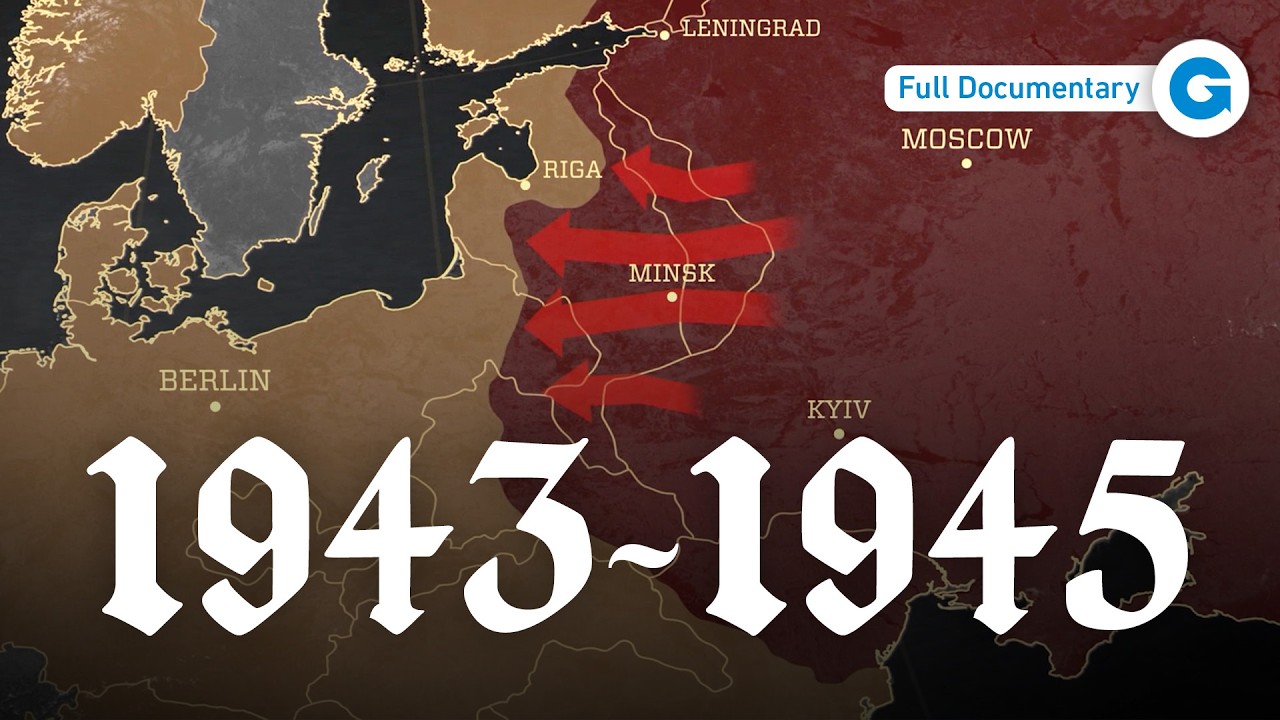
In Nazi Germany from 1943 to 1945, the regime's collapse is marked by internal terror, the Holocaust's death marches, and the suppression of resistance by the Gestapo.
Half of all of Germany's dead in the Second World War occurred in the last ten months of the war, marking a devastating period of loss and destruction.
In April 1945, as the Red Army closes in on Berlin, Hitler's inner circle disintegrates amid power struggles and treachery among key Nazi leaders.
A single Ohio class submarine carries 24 ballistic missiles, each capable of striking with little or no warning under extreme stealth.
In July 1944, Hitler's inner circle faces a crisis as the Allies land in Normandy and the German army suffers severe losses and fuel shortages.
In February 1941, social democrat Rudolf Hildding was arrested in France and died in a Paris prison under unexplained circumstances.
Over 400,000 children from occupied Europe were forcibly taken from their parents and sent to Germany to be raised as loyal Nazis.
On March 12, 1938, German tanks roll into Austria, greeted by civilians as Adolf Hitler begins a series of aggressive expansions that lead to World War II.
On the 12th of March 1938, German tanks rolled into Austria, marking the beginning of a series of aggressive actions that would lead to World War II.
24 high-ranking Nazis were charged and tried in Nuremberg for their roles in the Holocaust, marking a historic moment in international law.
Only 400 of the 10,000 prisoners at Buchenwald survived the death march as they awaited liberation by American soldiers on April 11, 1945.