
Explosive Gas Unleashed!
Synopsis
Once zirconium fuel rods are exposed to air, they can react with steam to release explosive hydrogen gas, leading to catastrophic fires and radiation leaks.
Synopsis
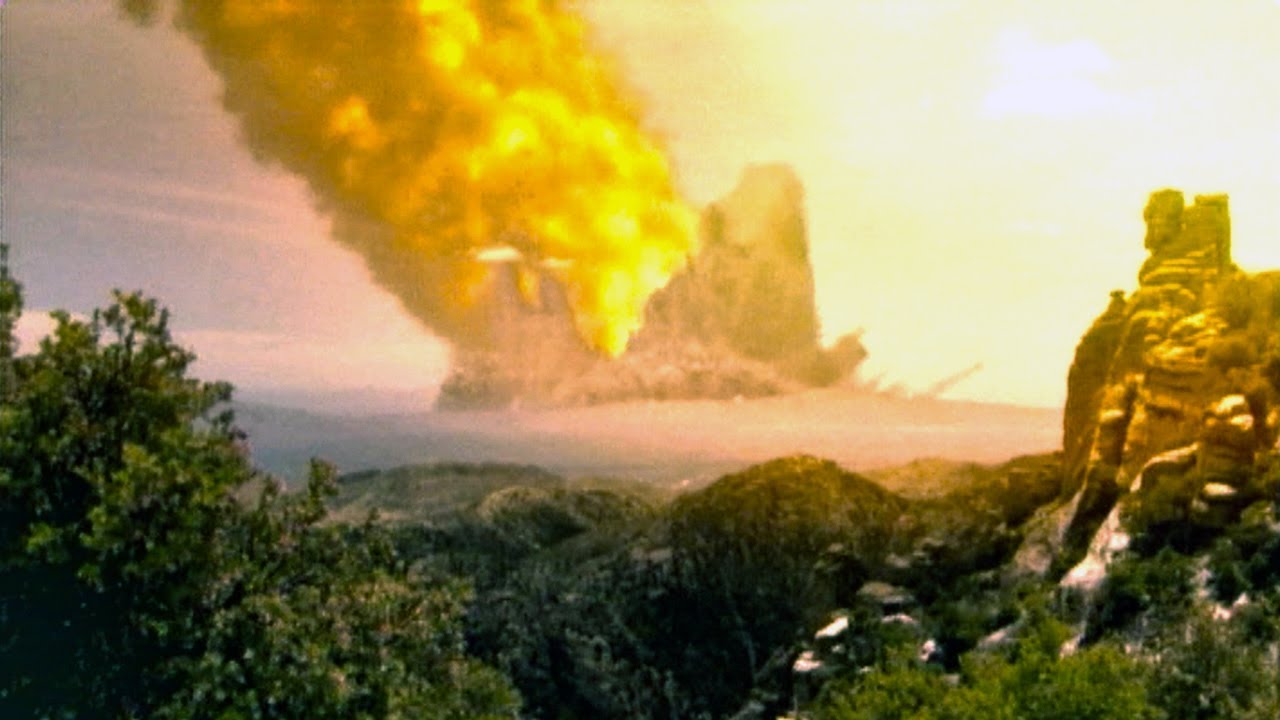
Fuel rods stir in a nuclear power plant, signaling a potential disaster. As water in the cooling pools begins to evaporate, the zirconium coating on the rods becomes exposed to air. This exposure leads to a chemical reaction with steam, releasing hydrogen gas. The video details how this gas can ignite, causing catastrophic explosions. Once a fire ignites in a spent fuel pool, it becomes nearly impossible to extinguish, with smoke carrying radioactive material for hundreds of miles.
Deep Dive
Why Watch
- Find out how fuel rods become dangerous when exposed to air.
- See the catastrophic effects of a chemical explosion at a power plant.
- Learn about the risks of hydrogen gas in nuclear facilities.
Did You Know
- Hydrogen gas is what caused the Hindenburg to explode.
- Once a fire starts in a spent fuel pool, it's nearly impossible to stop.
- The smoke from a fire can carry radioactive material hundreds of miles.
Perfect For
Frequently Asked Questions
What happens to fuel rods when exposed to air?
When fuel rods are exposed to air, the zirconium coating can react with steam, releasing hydrogen gas.
What is the danger of hydrogen gas in this context?
Hydrogen gas is explosive and can cause catastrophic damage when it ignites.
What can happen if a fire starts in a spent fuel pool?
Once a fire takes hold in a spent fuel pool, it is nearly impossible to stop and can carry radioactive material hundreds of miles.
What are people saying?
Play More Like This

















Related Films
Is this your film?
If you made this film or hold the rights to it, we'd like to talk. We can license it and pay you a share of what it earns.
Comments