From over 100,000 films, discover the handful you'll love.
Free or premium access to the world's largest documentary library.
36 films
An autopsy revealed that a seven-year-old girl, initially diagnosed with a malignant brain tumor, was cancer-free at the time of her death.
Georges Lemaître, a priest and theoretical physicist, proposed a theory in 1927 that would shape modern understanding of the expanding universe.
Nikola takes two days to drive 50 kilometers to his job at a power plant in one of the most isolated villages in the Carpathians.
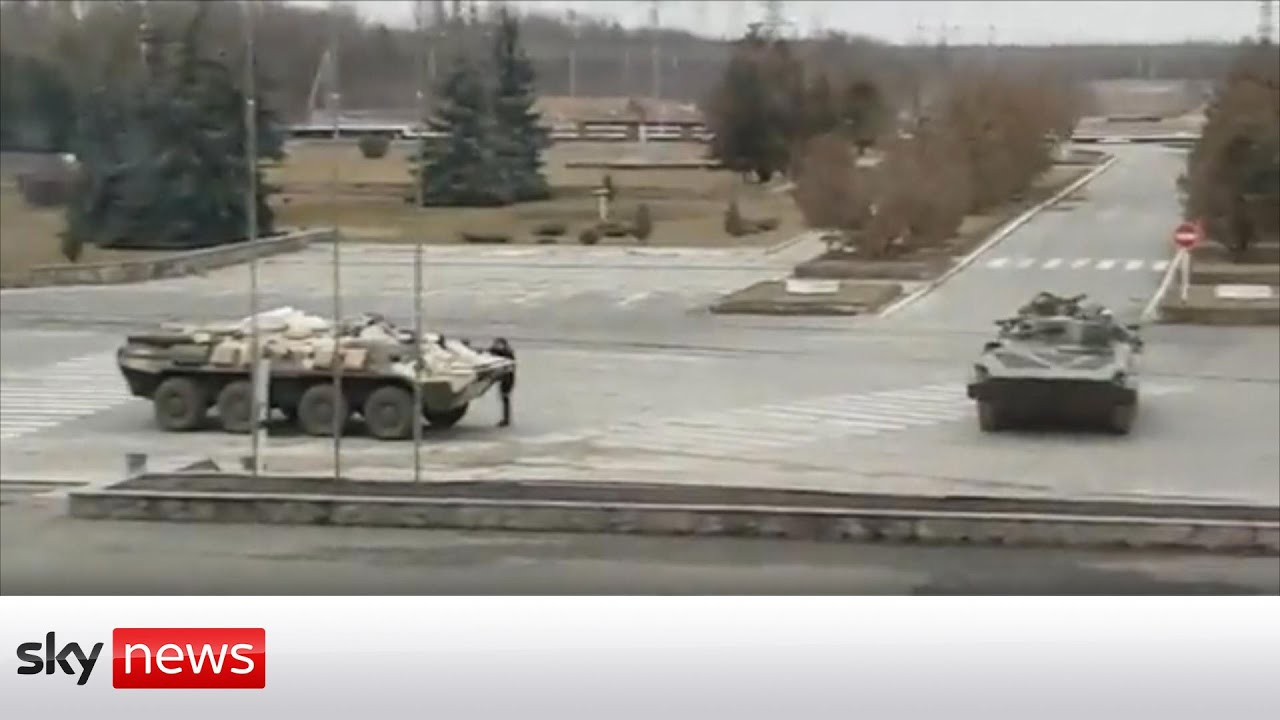
Russian forces take control of Europe's largest nuclear power plant amid ongoing conflict in Ukraine.
Microwave radiation levels in some areas are reported to be approximately 1 million billion times above natural background levels from 50 years ago.
Sellafield, Britain's most controversial nuclear facility, reveals its secrets through nuclear physicist Professor Jim Al-Khalili's exploration of radiation and atomic power.
Over 200 robotic probes have been sent into space since the 1950s, providing critical data about Mars and Saturn's moon Titan.
Since 1995, astronomers have discovered more than 100 planets orbiting distant stars, raising hopes for finding a new home for humanity.
More than a million chemicals have entered the environment since 1945, with unknown total impacts on human health and ecosystems.
X-rays, once a mysterious discovery, have evolved from a medical curiosity to a powerful tool for treating illnesses and exploring ancient civilizations and the cosmos.
Over 100 times more radiation was released during the Chernobyl nuclear accident than the atomic bombs dropped on Hiroshima and Nagasaki.
An Armenian gangster, identified as "Sacko," was brutally murdered and linked to his killers through forensic evidence and isotopic analysis of his remains.
Earth's weakening magnetic field, generated in its molten core, raises concerns among scientists about the potential loss of protection from harmful space radiation.
Radiation levels in a Moscow embassy are reported to be approximately 1 million billion times above natural background levels, raising health concerns among staff.
Technicians move a massive roof over Chernobyl's No 4 reactor to contain radiation.
Radiation levels in some areas are reported to be approximately 1 million billion times above natural background levels from 50 years ago.
Chernobyl's region, nearly two decades post-disaster, has transformed into a tourist hotspot, attracting thousands despite lingering radiation concerns.
Five modern-day samurais in Fukushima confront the ongoing challenges of radiation exposure and the preservation of the SOMA NOMAOI tradition following the 2011 disaster.
Montreal has recorded over 100 murder victims in a crime war linked to underworld drug runners, as reporter Jason Brady investigates industrial pollution's impact on children.
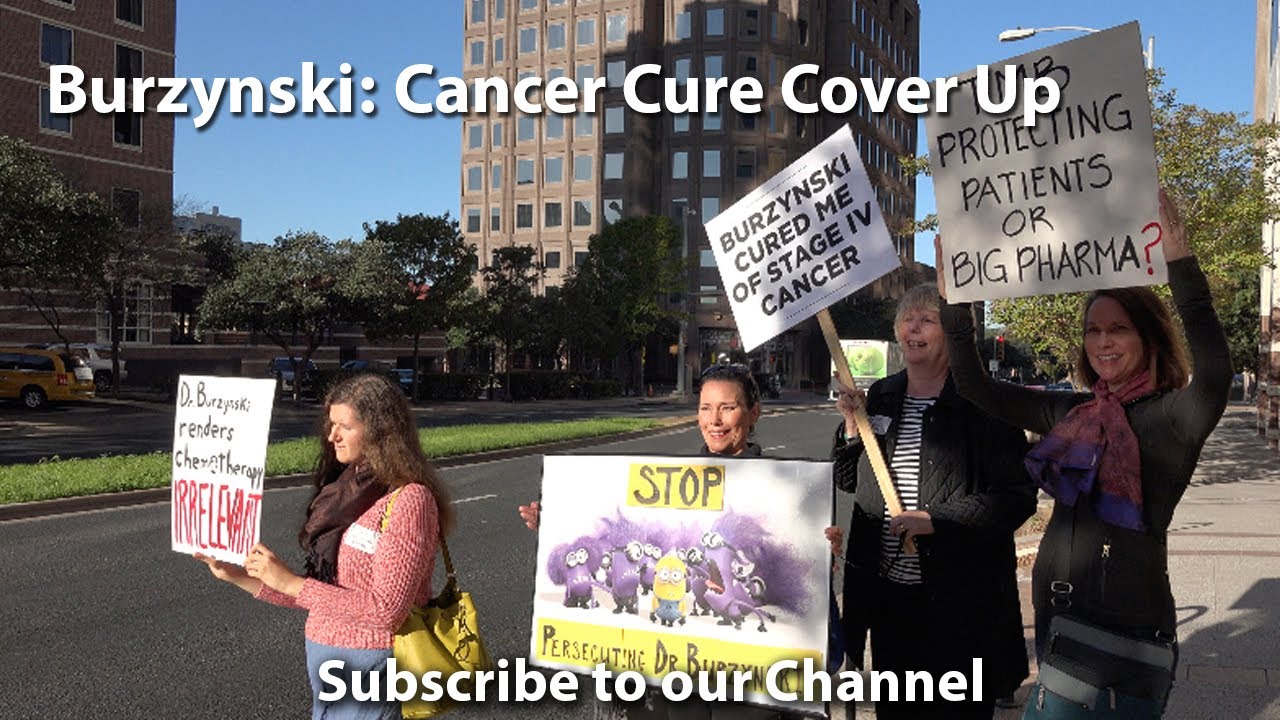
Dr. Stanislaw Burzynski's treatment led to one patient being declared cancer-free after 18 months, despite facing significant regulatory challenges.
Chernobyl's transformation into a tourist destination highlights a booming industry that attracts thousands, despite lingering radiation concerns and ethical debates.
Dr. Stanislaw Burzynski's Antineoplastons have faced scrutiny for nearly 50 years, as he fights against legal challenges to provide cancer treatment.
Residents return to Okuma near Fukushima Daiichi for the first time since the March disaster.
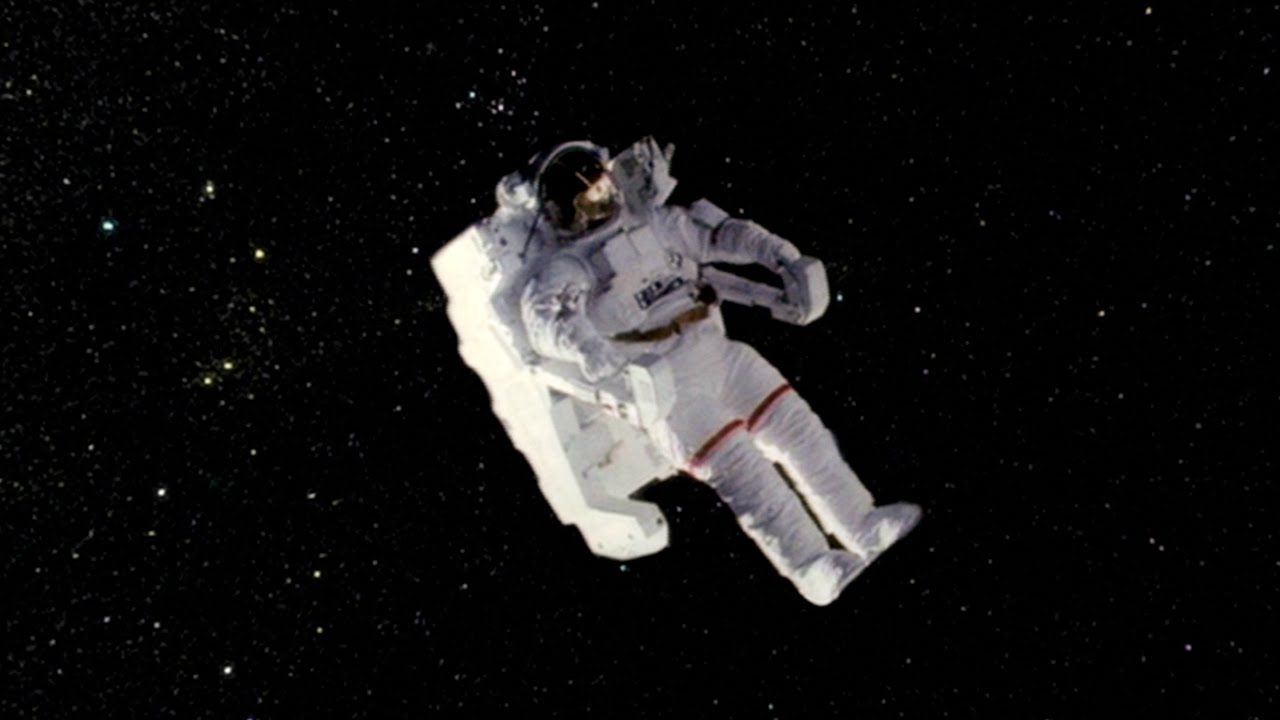
The video discusses raising children outside Earth's atmosphere for future living in space.
Russia's actions in Ukraine threaten nuclear safety at Chernobyl and Zaporizhzhia power plants.
Cosmic rays pose significant challenges for human space travel as Earth faces potential threats like ice ages and pollution, necessitating the search for new habitats.
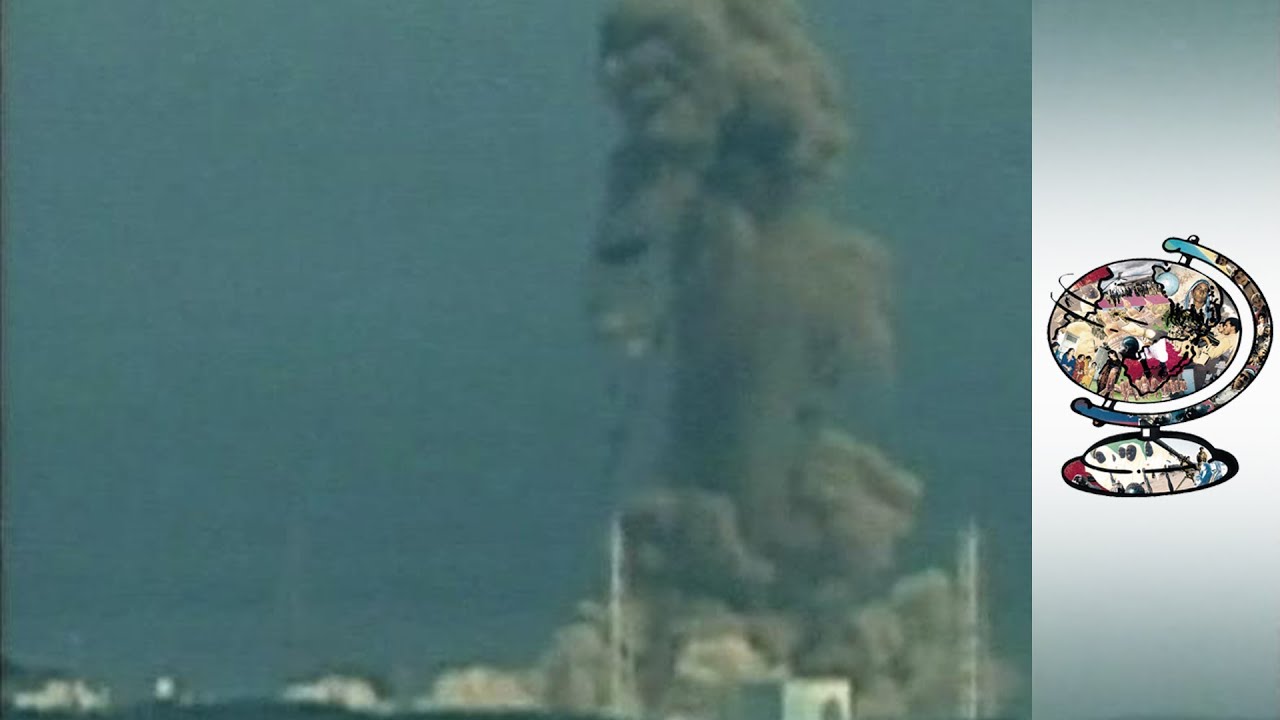
Once zirconium fuel rods are exposed to air, they can react with steam to release explosive hydrogen gas, leading to catastrophic fires and radiation leaks.
Fukushima Daiichi's radiation and leaking water raise Olympic concerns for Tokyo's 2020 bid.
Less than 20% of Namie's former residents plan to return to their homes after the Fukushima disaster, despite government efforts to promote safety.
NASA’s Parker Probe Plus is exploring the Sun's outer atmosphere to enhance understanding of its power and the effects on Earth.
Fukushima Now shows the ongoing clean-up of Japan's worst nuclear disaster at Fukushima.
Nuclear meltdowns at Three Mile Island and Fukushima have raised public fears, yet the increasing demand for energy may lead to a renewed interest in nuclear power.
Residents in Japan refuse to leave the radiation zone after the Fukushima disaster.
Neutrons, discovered in 1932, can invade atomic nuclei and produce isotopes for medicine, but they also pose significant hazards to living organisms.
Worrying claims of a childhood cancer cluster emerge around Fukushima's radiation zone.
Russian troops enter Chernobyl's exclusion Zone, risking radiation exposure and contamination.