
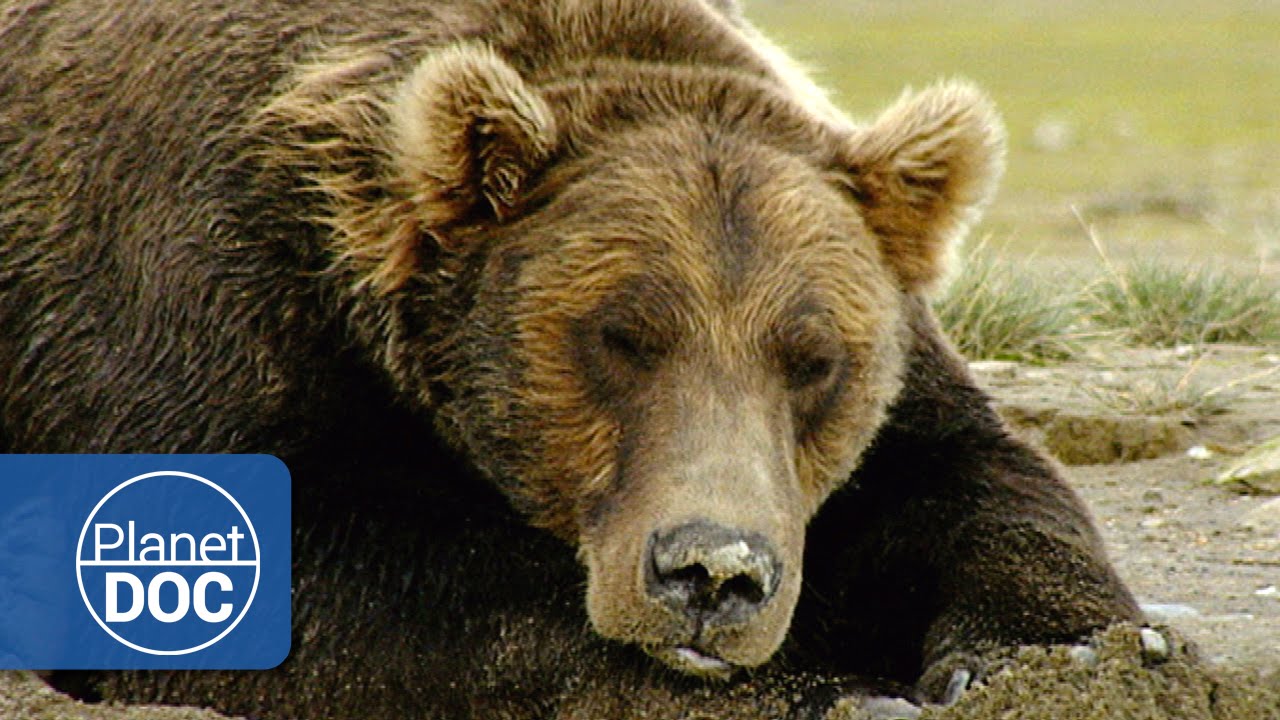
National Geographic's CRITTERCAM allows researchers to study Alaskan brown bears in their natural habitat without disturbing them.
Synopsis
National Geographic's CRITTERCAM allows researchers to study Alaskan brown bears in their natural habitat without disturbing them.
People

Synopsis
LaVern Beier studies Alaskan brown bears in their natural habitat. These bears, the largest predators in southeastern Alaska, face increasing threats from urban development. As human encroachment grows, encounters between bears and people rise. Beier uses National Geographic's CRITTERCAM to observe the bears without disturbing them. This technology allows him and his team to follow the bears into remote areas. The film addresses the challenges of conservation as the bears' territory continues to diminish.
Deep Dive
Why Watch
- See LaVern Beier's innovative use of CRITTERCAM technology.
- Meet the majestic Alaskan brown bear up close.
- Find out how urban development affects wildlife.
Did You Know
- LaVern Beier uses CRITTERCAM technology to study bears safely.
- The Alaskan brown bear is the largest predator in southeastern Alaska.
- The documentary has a runtime of 52 minutes.
- Urban development is shrinking the bears' natural habitats.
Perfect For
Frequently Asked Questions
What technology does LaVern Beier use to study brown bears?
LaVern Beier uses National Geographic's CRITTERCAM to study brown bears in their natural environment.
What is the main threat to Alaskan brown bears according to the documentary?
Urban development encroaching on their habitats is the main threat to Alaskan brown bears.
Who directed the documentary 'Bear Island'?
The documentary 'Bear Island' was directed by Mike Cahill.
What are people saying?
Play More Like This







Browse more like this












Related Films
Is this your film?
If you made this film or hold the rights to it, we'd like to talk. We can license it and pay you a share of what it earns.
Comments