From over 100,000 films, discover the handful you'll love.
Free or premium access to the world's largest documentary library.
41 films
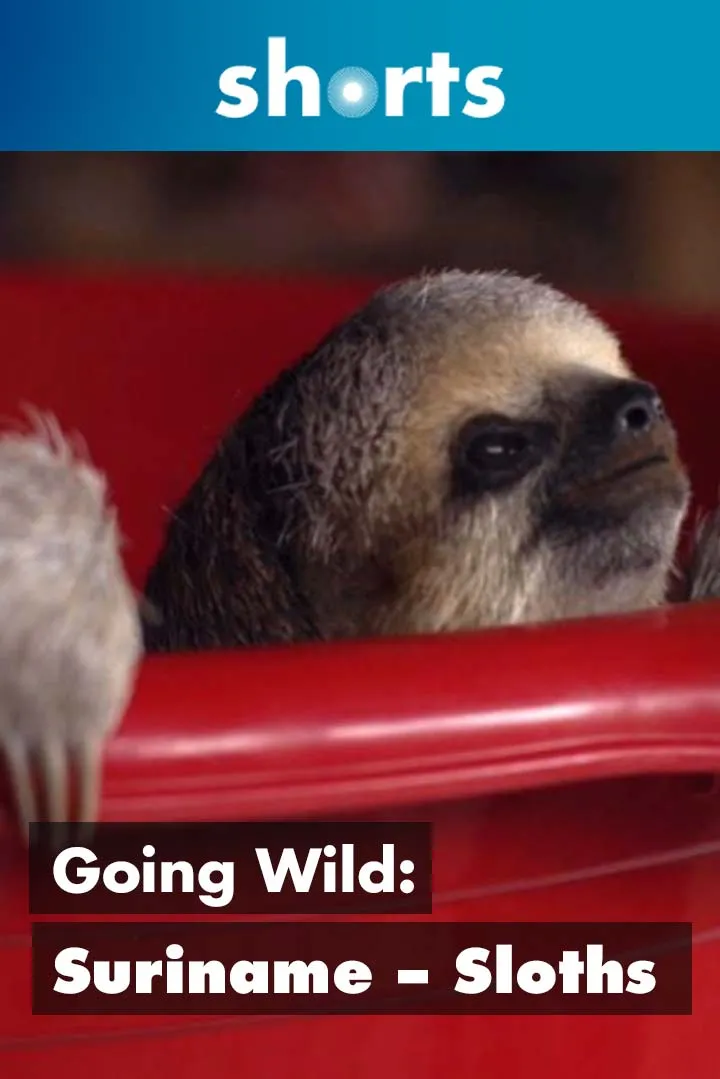
Three-toed sloths spend between 15 and 20 hours of each day fast asleep, while the Amazon rainforest faces threats from deforestation and environmental change.
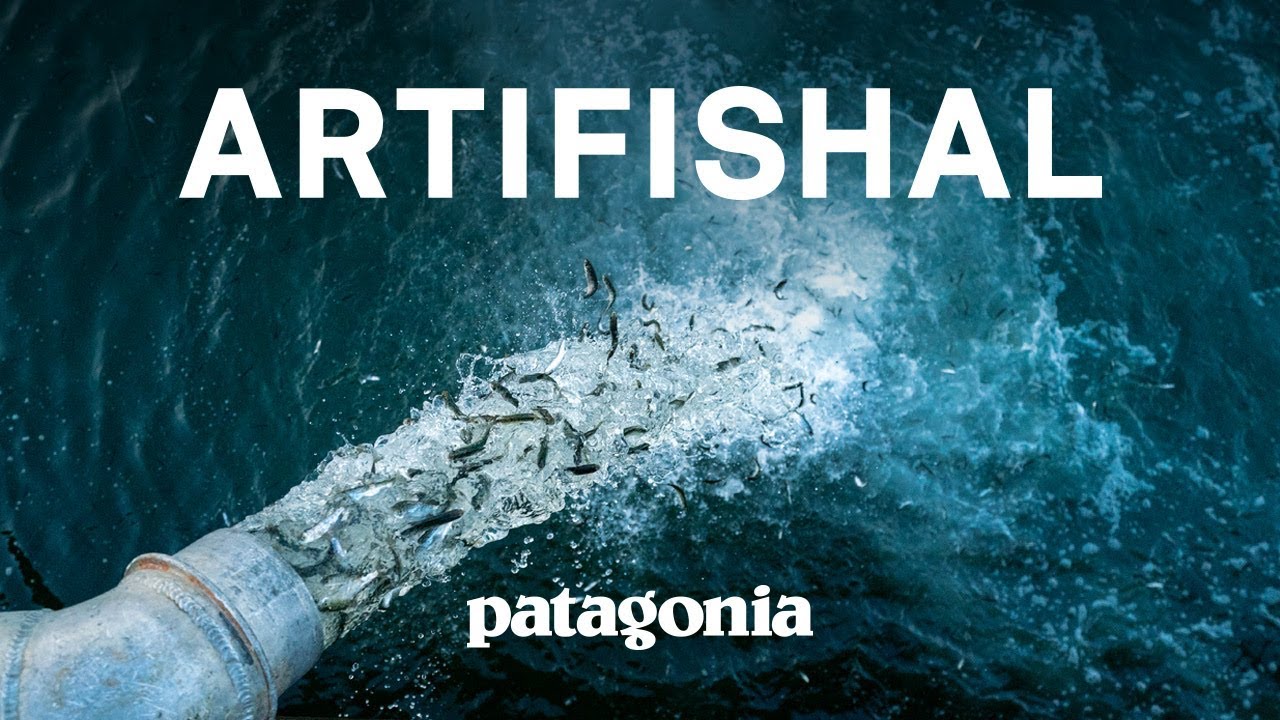
Workers at the Pullman National Fish Hatchery release 12 million salmon each year to compensate for habitat loss caused by the Shasta Dam.
Fabiola Baeza-Tarin monitors the Florida Grasshopper Sparrow population, which dwindled to just over 100 birds in the wild.
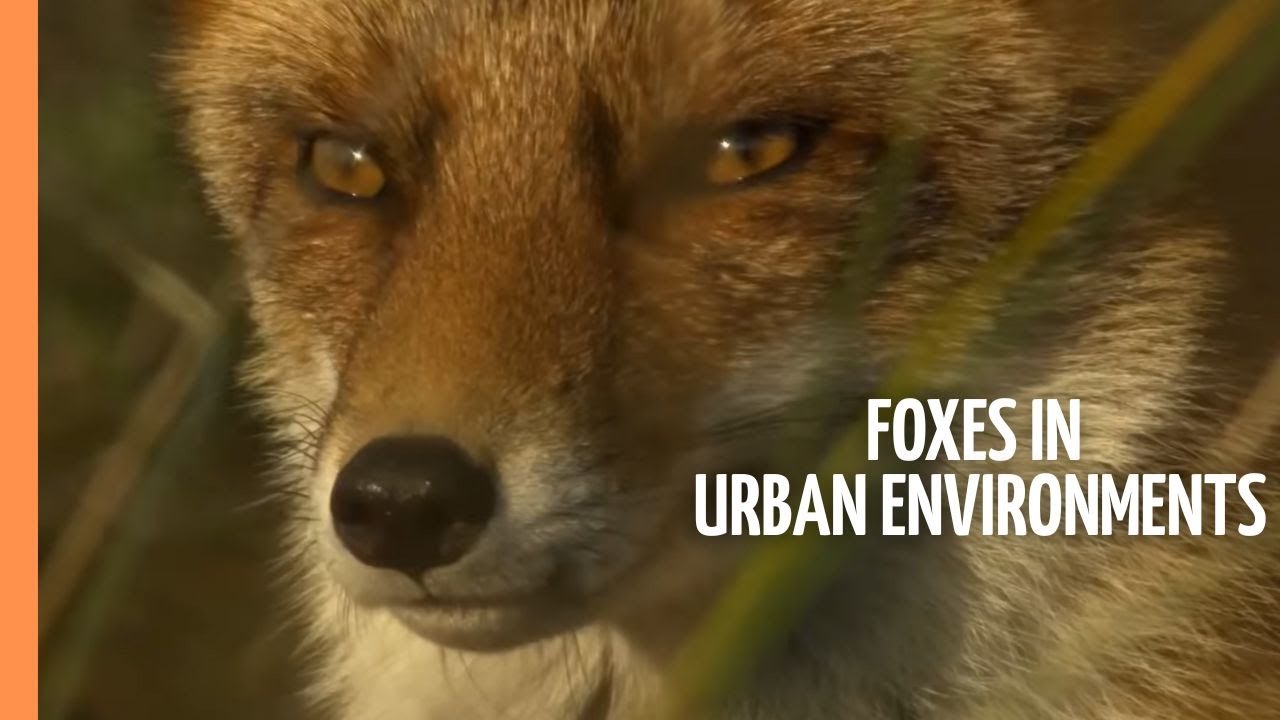
Roughly 8 million rats and an equal number of mice inhabit Berlin, providing urban foxes with ample food sources in the city.
9,000 to 10,000 bird species are thought to exist globally, with new research suggesting that number could easily double.
Indri lemurs can leap up to 10 metres in a single bound, but their rainforest habitat in Madagascar is rapidly shrinking due to human encroachment.
Two million wrinkly bats emerge from their cave at dusk, while raptors wait to prey on them, illustrating the region's rich biodiversity.
Over 16,000 species worldwide are considered vulnerable, with many wild cats in Africa facing threats from habitat loss and climate change.
Home to over 200,000 known venomous species, the natural world features creatures that use venom to paralyze prey and defend against predators.
A black stork pair successfully raised three chicks in the forests of Germany, marking a significant return of the species to its natural habitat.
Only 3,200 tigers remain in the wild today, down from 100,000 a century ago, primarily due to habitat loss and poaching.
Roughly 8 million rats inhabit Berlin, creating a virtual paradise for urban foxes that adapt to city life and thrive in the government district.
In the rare grasslands of the Chilcotin in British Columbia, declining Bighorn herds are examined alongside the filmmakers' reconnection with nature over two years.
Around 2,000 kilometres north of Anja, the dry deciduous forest of Kirindy hosts unique species that have adapted to Madagascar's harsh conditions.
Estimates suggest there are fewer than 3,000 pygmy hippos left in the wild, primarily due to habitat loss, pollution, and hunting.
In the Arctic tundra, resilient species like lemmings, musk oxen, and Arctic foxes navigate a fragile ecosystem threatened by climate change.
Europe's raptors, including the Goshawk and Golden Eagle, showcase their hunting prowess while facing challenges from human-induced environmental changes.
A mother fox gives birth to six cubs, each weighing no more than 100 grams, in the Vienna Woods of Austria.
Orangutans face imminent extinction due to the destructive palm oil industry, which devastates their rainforest habitat and contributes significantly to carbon emissions.
Zoologist Chris Humfrey cares for over 2,000 animals at his private zoo in Victoria, Australia, focusing on conservation and the protection of endangered species.
Hippopotamuses can spend up to 16 hours a day submerged in water, yet they are responsible for more human deaths in Africa than any other large animal.
Historical climate shifts, such as the Permian-Triassic extinction event, reveal complex interactions between biodiversity and environmental changes.
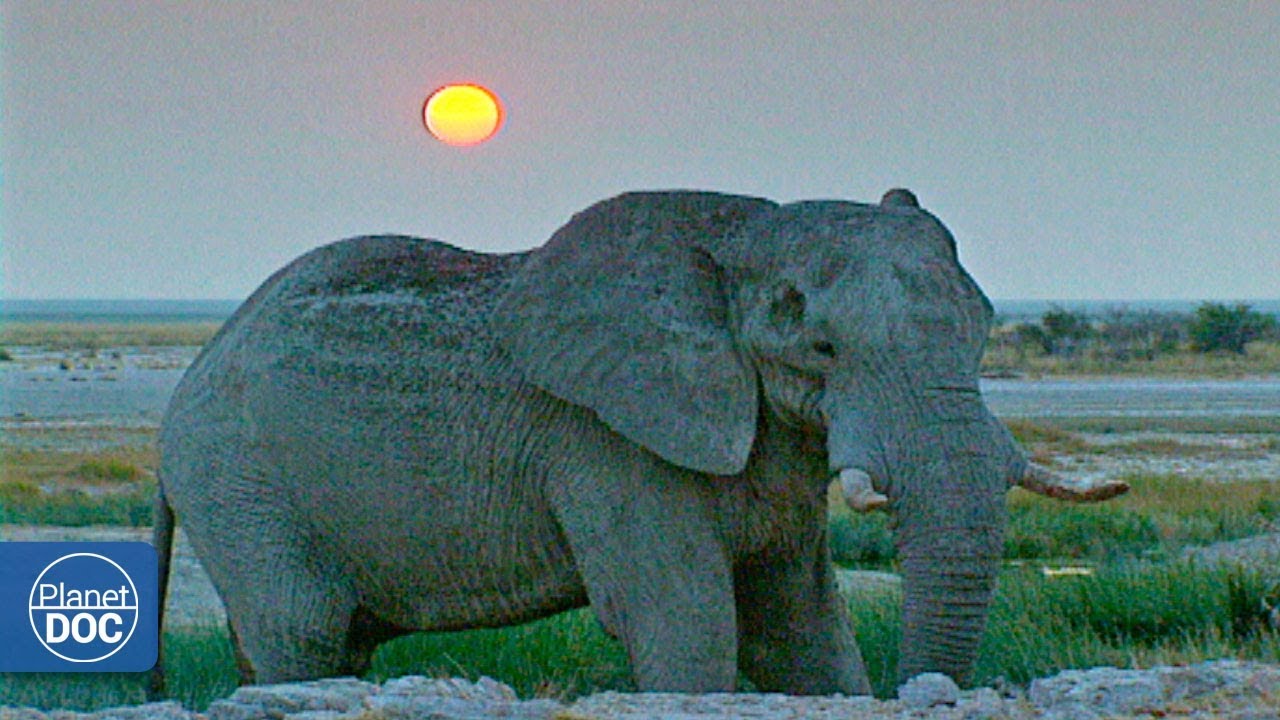
Elephants are viewed as competitors for land in Africa, where habitat loss and poaching threaten their survival and could lead to extinction within 50 years.
Endangered manatees and dugongs face critical threats from human activity and environmental challenges, prompting urgent conservation efforts to prevent their extinction.
Deforestation in Sumatra threatens the survival of the endangered Sumatran tiger, with over sixty percent of Riau's forests cleared for industrial plantations.
In Suriname, conservationist Monique Pool works to rehabilitate Kesha, a two-fingered sloth, amid the threats of illegal wildlife trafficking and habitat loss.
46 million kangaroos roam Australia, with the Red Kangaroo capable of leaping over six meters in a single bound.
Adult pandas can eat between 10 to 40 kg of bamboo daily, depending on the season and availability.
Rapid global biodiversity decline is examined through case studies from the Amazon rainforest and Great Barrier Reef, highlighting threats and conservation efforts by organizations like the World Wildlife Fund.
Elephant populations in Africa have plummeted from millions at the beginning of the century to close to 500,000 due to poaching and habitat loss.
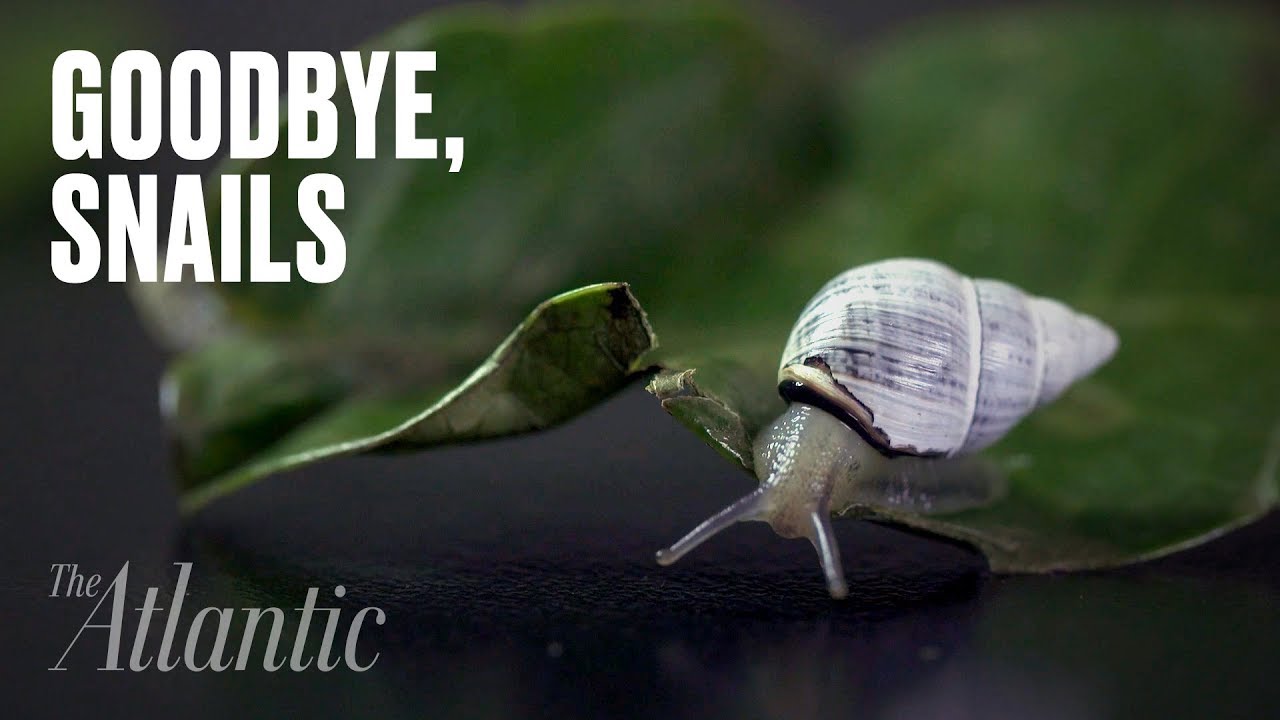
Three thousand individual snails from 38 species are housed in chambers, all either extinct in the wild or close to extinction.
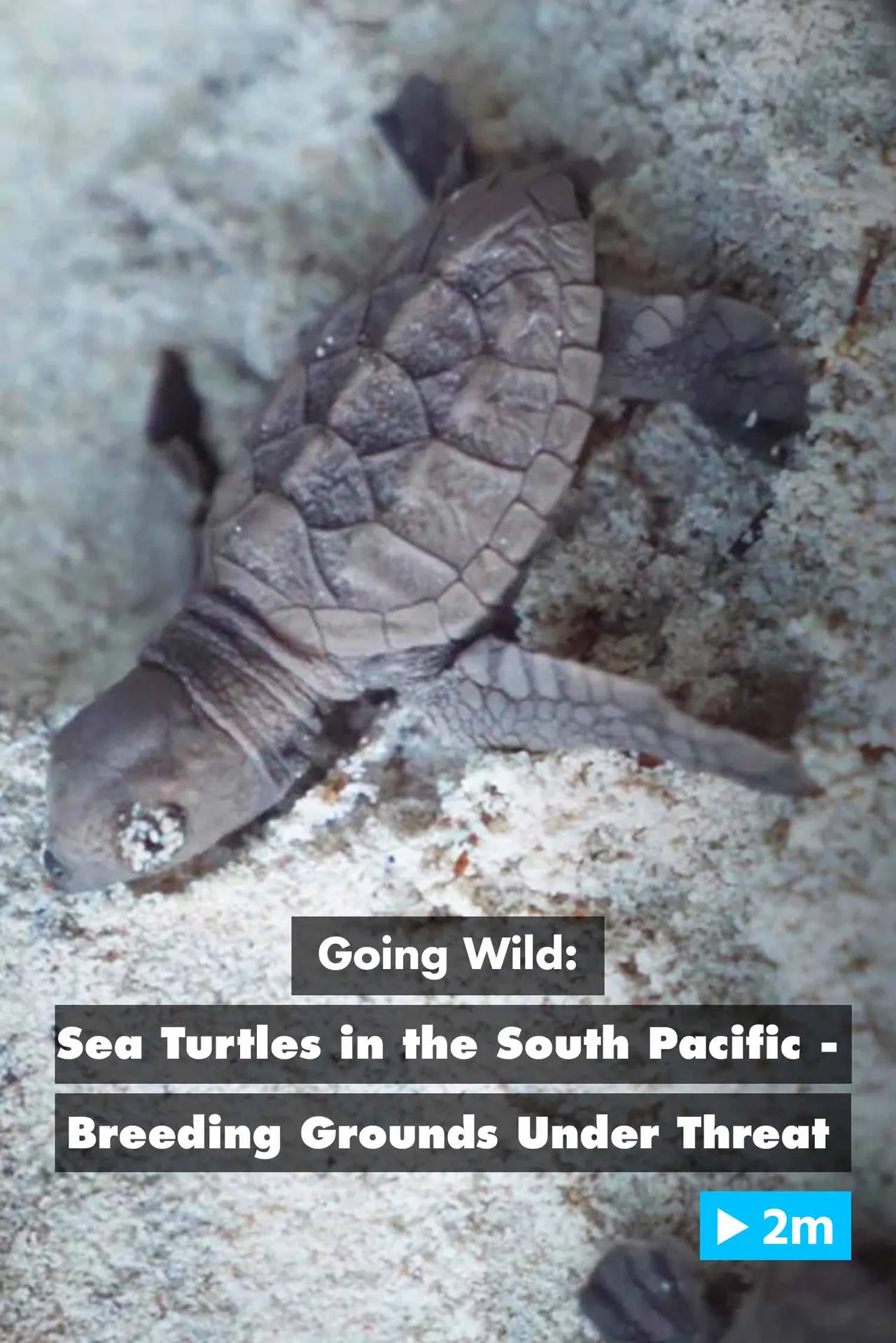
In the Solomon Islands, hawksbill turtles hatch in their thousands. But the tiny creatures have many enemies. See for yourself
More than 90% of the territory of Suriname is virgin rainforest. But the paradise is under threat from logging. Also endangered by the diminishing habitats is the sloth.
One in three species could face extinction if global warming continues, as many animals struggle to adapt to changing habitats and food sources.
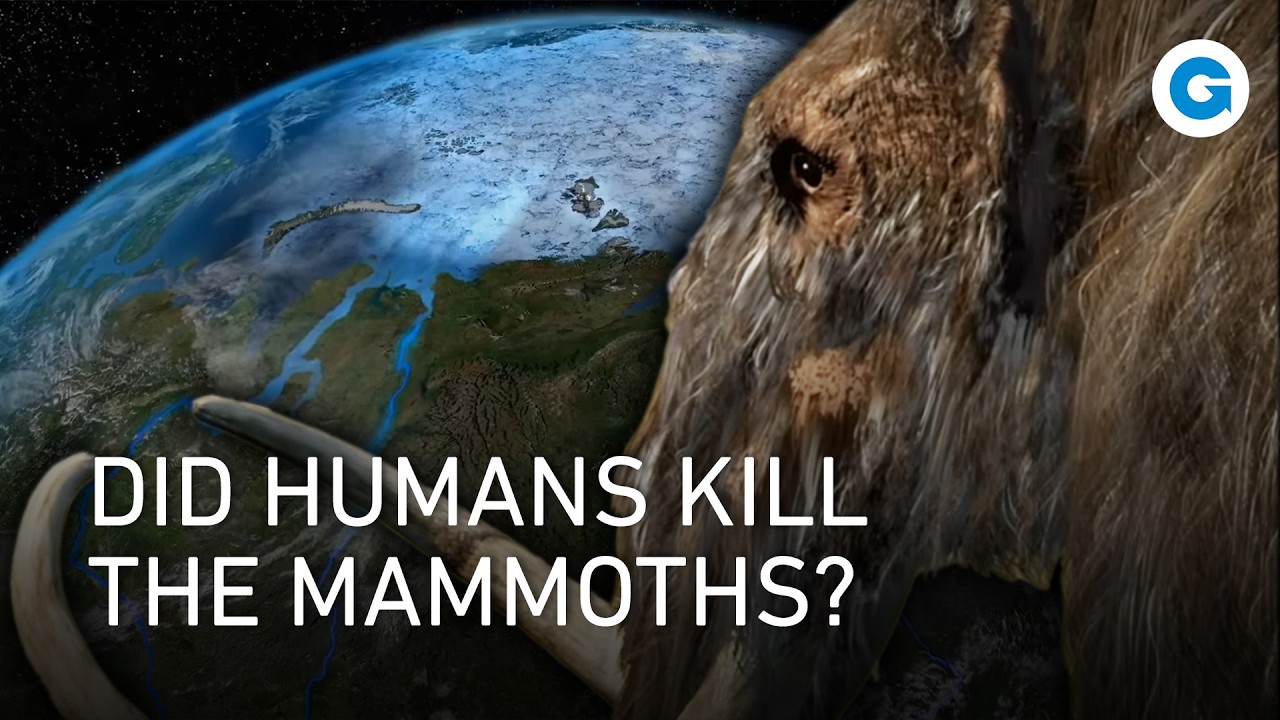
Over 1,000 mammoths died at a site in Predosti, suggesting human involvement in their extinction during the late Pleistocene epoch.
Black Bears in Yellowstone National Park are displaying cannibalistic behavior, a significant shift in their natural interactions.
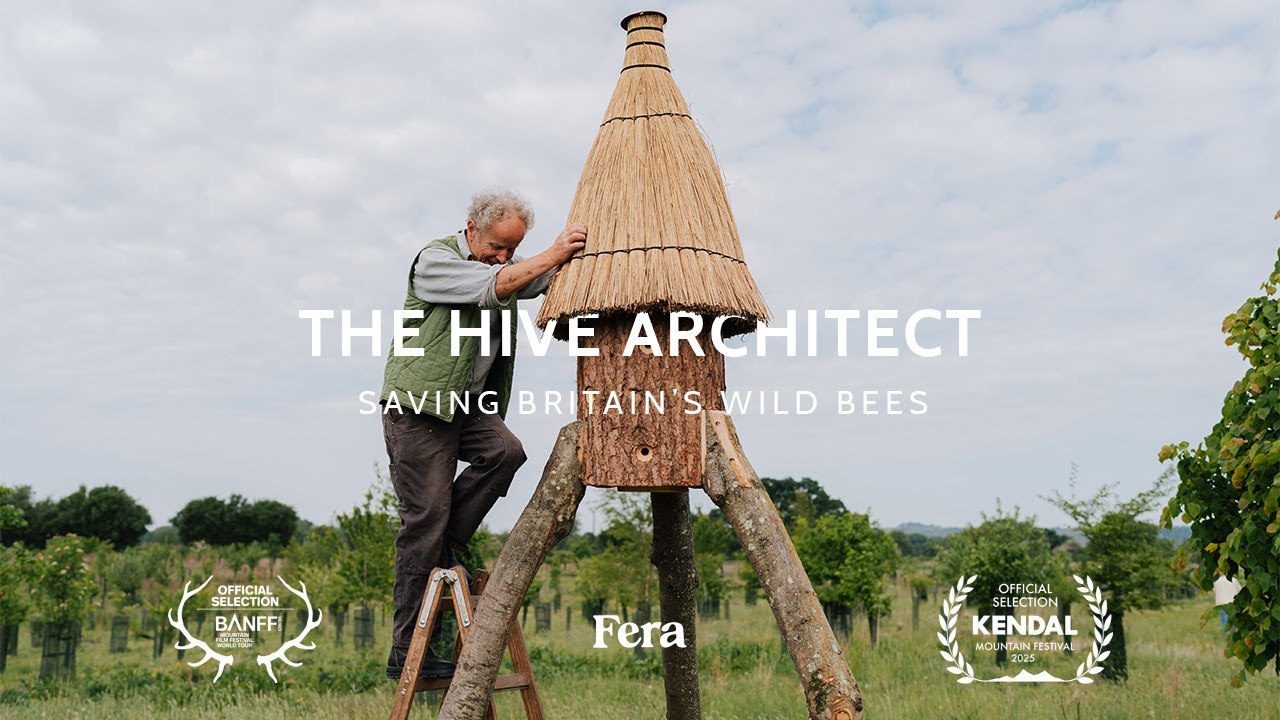
Matt Somerville's innovative approach to creating log hives for free-living honey bees challenges the belief that British honey bees rely solely on domestication by beekeepers.
Gorillas, known for their complex social structures and impressive physical capabilities, are examined through the lens of biology and conservation efforts.
Seahorses, known for their unique reproductive role where males carry young, are examined for their biology, habitat, and conservation challenges.
Giant pandas, native to China, struggle to survive due to their reliance on bamboo, low birth rates, and ongoing habitat destruction.
Nick Kleer and Kristina Perlerius-Kleer forge deep connections with wild cheetahs in South Africa, aiming to combat habitat loss and genetic decline.