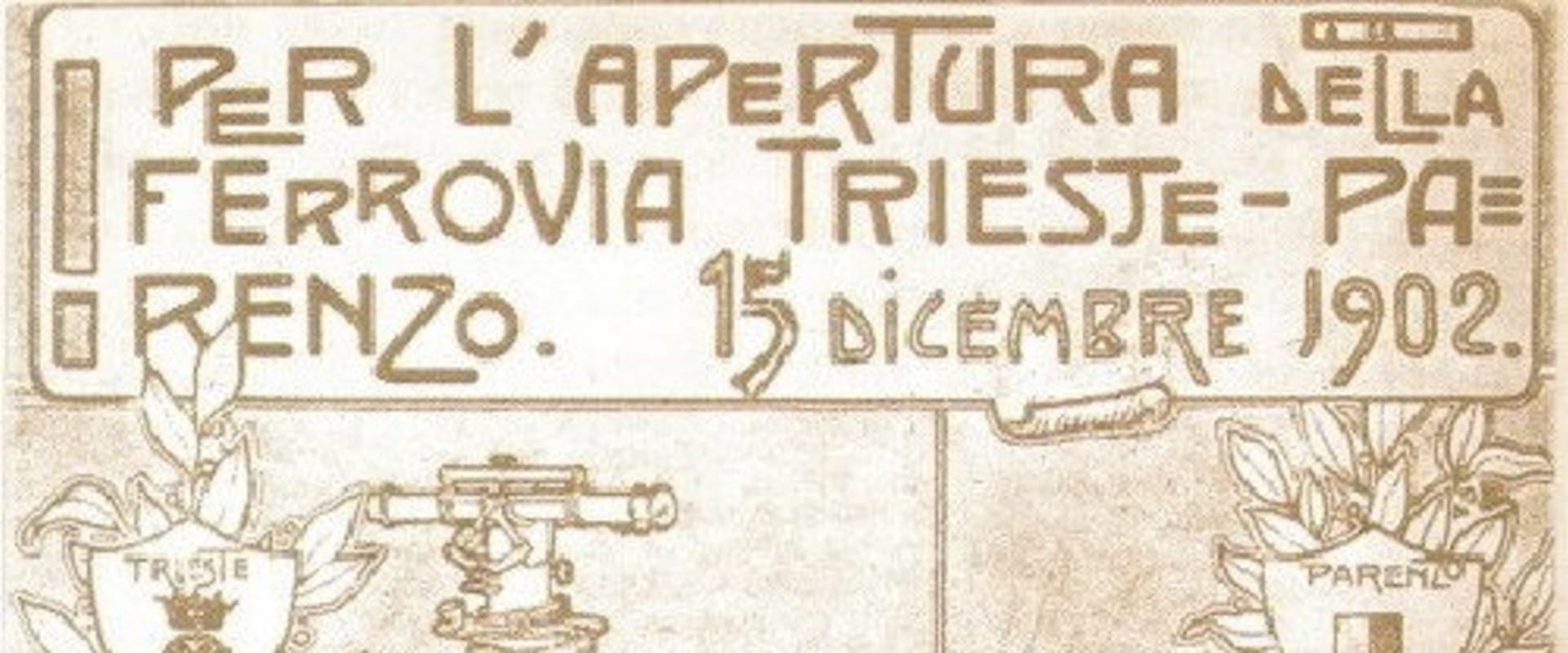
Tracks from the former railway route “Porečanka,” dismantled in 1935, were intended for Mussolini’s war in Abyssinia but sank in the Mediterranean.
Synopsis
Tracks from the former railway route “Porečanka,” dismantled in 1935, were intended for Mussolini’s war in Abyssinia but sank in the Mediterranean.
People

Synopsis
Karpo Godina takes viewers along the former railway route known as “Porečanka,” which connected Trieste and Poreč from 1902 until its dismantling in 1935. The railway tracks were repurposed for Mussolini’s military campaign in Abyssinia, but they ultimately sank in the Mediterranean Sea. This documentary reflects on the irony of history through the lens of a forgotten transportation line, blending nostalgia with a touch of humor. The film runs for 17 minutes and was released in 1999.
Deep Dive
Why Watch
- See the historical significance of the Porečanka railway.
- Find out about Mussolini's military plans in Abyssinia.
- Meet Karpo Godina's unique storytelling style.
Did You Know
- The Porečanka railway operated from 1902 to 1935.
- Mussolini's war in Abyssinia led to the dismantling of the railway.
- The railway tracks sank in the Mediterranean during transport.
Perfect For
Frequently Asked Questions
What was the railway route Porečanka used for?
The Porečanka railway route connected Trieste and Poreč from 1902 until 1935.
What happened to the railway tracks after 1935?
The tracks were dismantled and intended for use in Mussolini's war in Abyssinia, but they sank in the Mediterranean.
Who is the director of the documentary Abyssinia?
Karpo Godina is the director of the documentary Abyssinia.
What are people saying?
Play More Like This










Related Films
Is this your film?
If you made this film or hold the rights to it, we'd like to talk. We can license it and pay you a share of what it earns.
Comments