From over 100,000 films, discover the handful you'll love.
Free or premium access to the world's largest documentary library.
250 films(Page 1 of 6)
Wildfire crisis threatens communities, but innovative fireproofing methods offer hope for safeguarding landscapes and preventing destruction.
Timothy Olson aims to run 2,650 miles in 50 days, averaging over 51 miles daily, while preparing for the birth of his daughter.
126 crew members faced life-threatening conditions during the Deepwater Horizon oil rig disaster on April 20, 2010, in the Gulf of Mexico.
An earthquake of magnitude 8 or higher releases as much energy as a billion tons of TNT, threatening millions living near major fault lines.
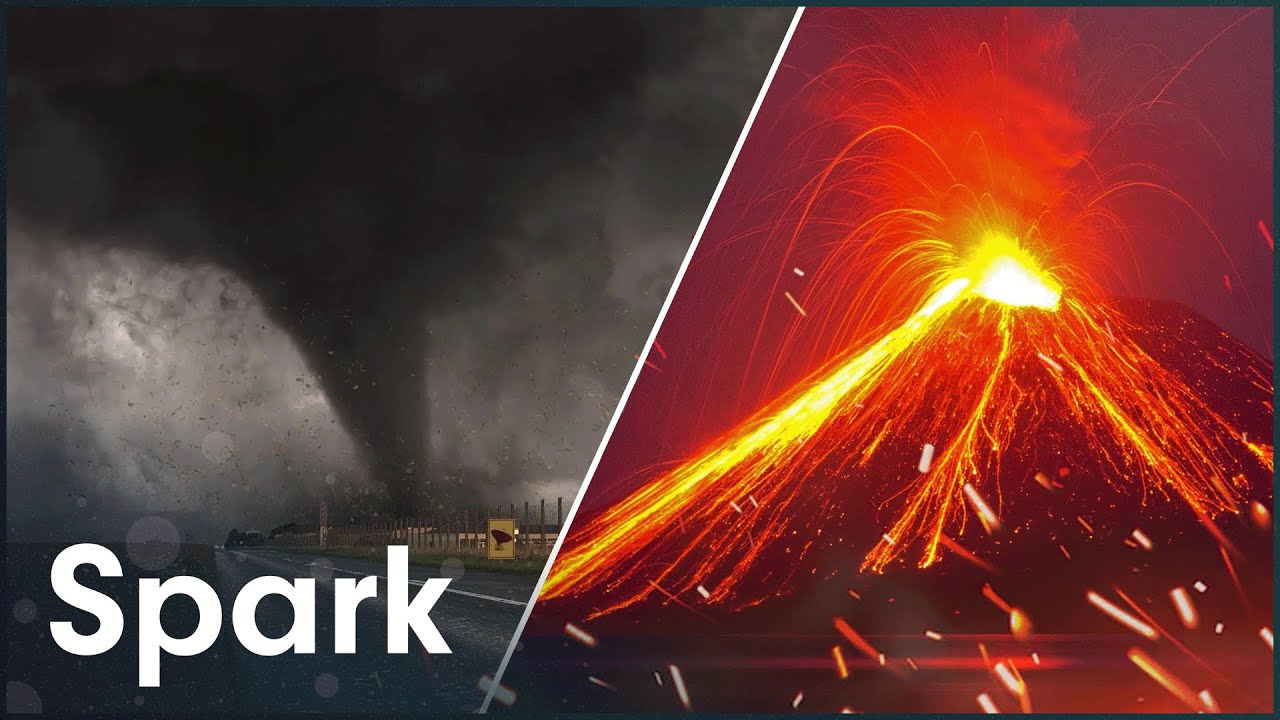
Extreme weather events in the U.S. are multiplying, with meteorologist John Morales stating, "I don't think meteorologists have lived through an era that's worse than this."
On April 27, 2011, 62 tornadoes touched down in Alabama, resulting in 252 fatalities and widespread destruction across the region.
Fire ants are several species of Solenopsis known for their painful sting and ecological impact.
Up to a quarter of the population in 18th century Edinburgh relied on water caddies, who carried over 30 kilos of water on their backs for hours.
Between 50 and 60 volcanoes erupt each year, with 20 active at any given moment, posing risks to nearby communities and ecosystems.
88,000 residents of Fort McMurray, Alberta, were forced to evacuate as a massive wildfire engulfed the city on May 3, 2016.
After crashing in the Rocky Mountains, pilot Justin Kirkbride endures a perilous trek for help while facing a second helicopter crash during his rescue.
Wind causes large scale air movement, reshaping landscapes and causing billions in damage.
In Oymyakon, one of the coldest inhabited places on Earth, families endure extreme winter temperatures while adventurers navigate the dangers of the Chinese jungle and communities adapt to living in cemeteries.
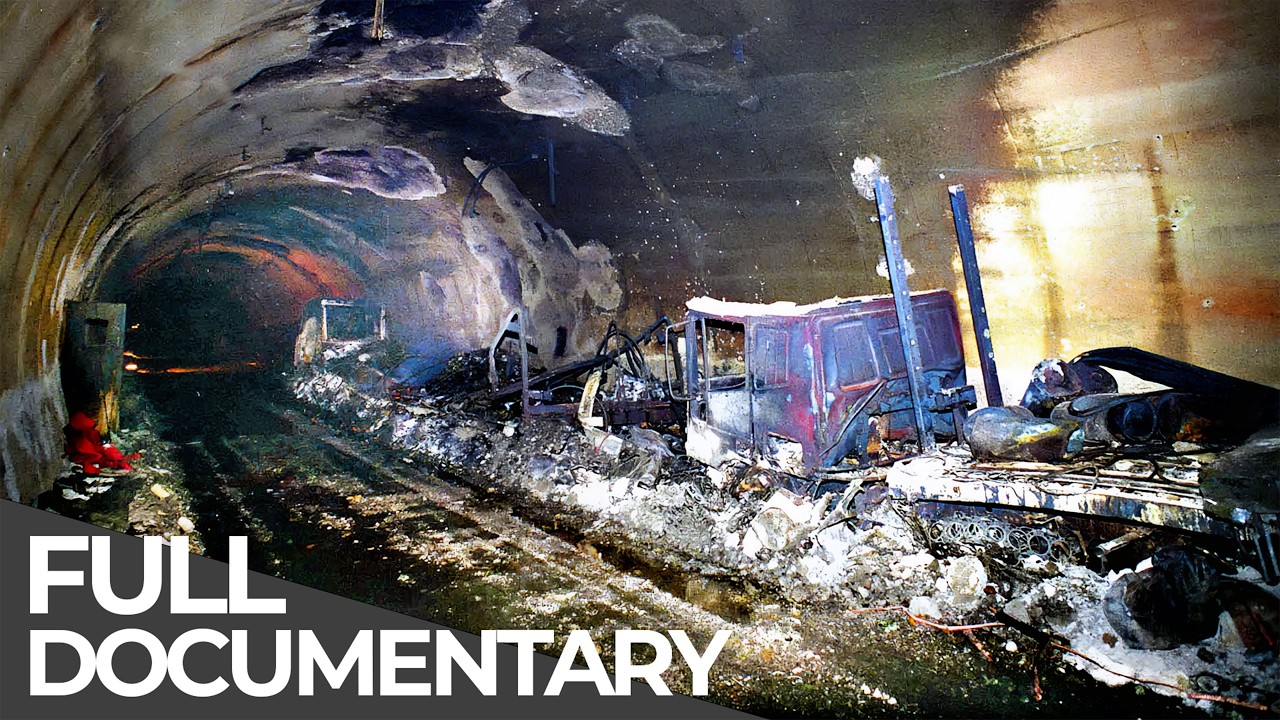
Thirty-nine people died in the Mont Blanc Tunnel fire of March 1999, leading to significant changes in tunnel safety regulations across Europe.
Up to 1,836 people died during Hurricane Katrina in August 2005, which caused widespread flooding and destruction in New Orleans and along the Gulf Coast.
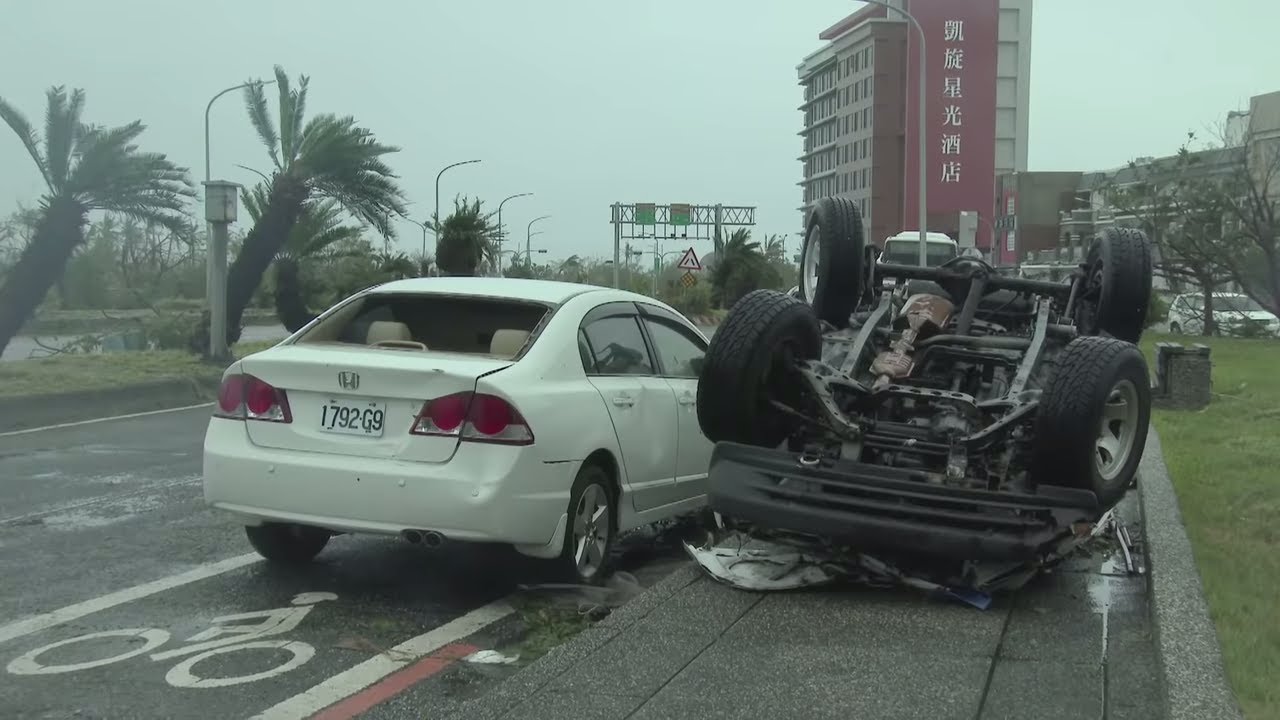
A hurricane can unleash as much energy in a day as 10,000 nuclear bombs, causing catastrophic damage to low-lying areas when they make landfall.
The 2016 Disaster Diaries captures La Nina's powerful impact on global weather in Ultra High Definition.
A series of landslides in Venezuela buried an estimated 30,000 people and destroyed a 100-kilometer stretch of coastline.
On April 27, 2011, Alabama experienced its worst tornado outbreak on record, with 62 tornadoes touching down and 252 fatalities in less than 24 hours.
In the Klamath Basin, Indigenous groups are reviving traditional cultural burning practices to manage wildfires exacerbated by climate change.
Wildfires rage in Southern California every year, fueled by the hot, dry Santa Ana winds that sweep down from the desert.
Chernobyl's radioactive fallout has caused an estimated 200,000 deaths across Russia, Belarus, and Ukraine since the disaster in 1986.
Los Angeles wildfires devastate the city, featuring firefighters and residents in crisis.
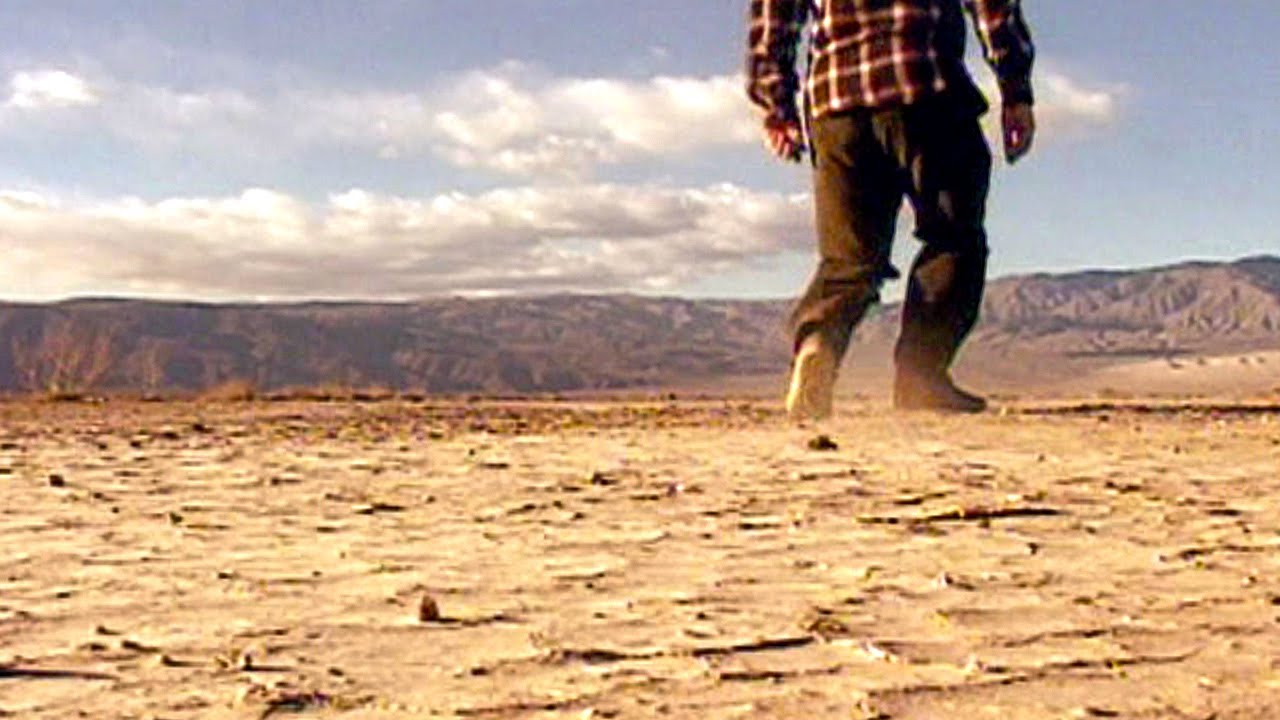
Twelve survivalists face 35 days in a barren, dry environment with no natural resources and extreme tension among team members.
Extreme heatwaves cause thousands of deaths in Russia and Europe, highlighting deadly disasters.
167 workers died in the Piper Alpha disaster in 1988, leading to new safety regulations for the offshore oil and gas industry.
850 kilovolts of simulated lightning zap a volunteer, demonstrating the extreme conditions the human body can endure during severe weather events.
Wildfires are deadly disasters that create extreme conditions and devastating impacts on communities.
Koalas eat leaves from fewer than 50 of the over 700 eucalyptus species, relying on these trees for their survival in Australian forests.
A Westland Wessex 3 helicopter, 19 years old and prone to engine failures, plays a critical role in a rescue mission during the 1982 Falkland War.
Life around Masaya Volcano in Nicaragua re-emerges from volcanic ashes and harsh conditions.
80 smoke jumpers based in Boise, Idaho, respond to wildfires across 220 million acres in the western United States during the summer fire season.
More than 20 homes were burned to ashes as bushfires engulfed suburbs in Queensland, Australia, amid catastrophic drought-like conditions.
Over 2,000 people are killed or injured each year in Britain due to snow-related incidents, turning a winter wonderland into a dangerous environment.
Blizzards affect mankind, paralyzing regions from Canada to Northern China every winter.
Hailstorms in the Austrian Alps can cause millions of dollars in damage within minutes, echoing the biblical plagues described in ancient texts.
Firefighting aviation becomes crucial as wildfires grow in intensity across Colorado and beyond.
Firefighters in the Bouches du Rhone prepare to combat wildfires using a fleet of 330 all-terrain vehicles designed for rugged terrain and emergency response.
Extreme weather events, including powerful hurricanes and unprecedented wildfires, are intensifying due to accelerated climate change, posing significant threats to life on Earth.
Innovative firefighting strategies in Portugal, developed after the catastrophic megafires of October 2017, aim to mitigate future wildfire risks and offer lessons for Europe.
More than 350 million hectares of land are consumed by fire each year, equivalent to one third of Europe’s total area.
300 firefighters conduct intense training exercises in Provence as they prepare for a summer fire season marked by increasing threats from wildfires.
Wildfires in British Columbia's Okanagan Valley prompt Indigenous voices, firefighters, and evacuees to share their experiences and insights on fire stewardship and resilience.
Ten flowers from the mandre plant can cause bloody vomiting and diarrhea, with enough to kill a human being.
231 miles per hour is the wind speed recorded on Mount Washington, one of the windiest places on Earth, where Richard Hammond investigates extreme weather.
In Santa Rosa, volunteers use fire to restore deforested areas and train new recruits.
Fire has played a crucial role in human evolution, influencing social interactions, technological advancements, and cultural practices throughout history.
Six young Canadians in Fort McMurray face the aftermath of wildfires that destroyed homes and disrupted their lives in a city reliant on oil.