From over 100,000 films, discover the handful you'll love.
Free or premium access to the world's largest documentary library.
833 films(Page 4 of 18)
Fearless journalists and activists expose Vietnam war crimes and government corruption.
The 2006 Valencia subway disaster, which resulted in 43 deaths, is examined alongside the subsequent media blackout and political cover-up during the Pope's visit.
The rise of the Nazi Party, key battles on the Eastern and Western fronts, and the liberation of concentration camps are examined through rare archival footage and survivor accounts.
In post-World War II Germany, a surge of violent crime, including the 1947 murder of Zenta Hausner and serial killings by Willi Kimmritz, highlights societal collapse.
Josef Mengele, the notorious "Angel of Death," evaded capture for decades after World War II, living in South America while being pursued by Nazi hunter Simon Wiesenthal.
Three young models from Russia and Ukraine, Tanya Chudnovskaia, Valeriia Karaman, and Daniel Nikiforow, face the challenges of pursuing their dreams in Berlin amid the war.
Adolf Eichmann, a key Nazi SS officer, played a central role in orchestrating the Final Solution, reflecting his transformation from a middle-class German to a fervent Nazi.
In Jaffna, the aftermath of a brutal battle reveals the emotional toll on families and the deepening ethnic struggle between Tamils and Sinhalese in Sri Lanka.
The final days of World War II in Europe are chronicled through rare color footage and firsthand accounts, highlighting the Battle of Berlin and Germany's surrender.
Nazi concentration camps on British territory, such as Alderney's Sylt and Norway's Flastad, reveal a hidden history of forced labor and brutal conditions during World War II.
Rezso Kasztner, known as the Jewish Schindler, negotiated with Adolf Eichmann to save 1,700 Jews, but faced condemnation and assassination in Israel.
Sobibor, alongside Treblinka and Majdanek, was a key site in Operation Reinhardt, a Nazi campaign that resulted in the murder of nearly two million people from 1942 to 1943.
In 1944, Nazi Germany faced significant military defeats on the Western and Eastern fronts, alongside internal crises including the July 20th Plot and the liberation of Majdanek.
On June 4, 2638, the starship Seylla landed on a new planet after two factions on Earth reached a truce to explore the habitable world beyond a wormhole.
At the end of World War II, Allied forces uncovered vast treasures, prompting experts like Robert Edsell and James Holland to investigate Hermann Göring's stolen art collection.
On December 2, 1943, a German air raid devastated the port of Bari, revealing a cover-up involving the USS John Harvey and its secret cargo of mustard gas.
Heinrich Himmler's rise from a middle-class youth in Munich to the head of the SS illustrates his role in orchestrating terror, genocide, and brutal occupation policies during Nazi Germany.
Nazi Germany's systematic art theft during World War II, driven by Hitler and Göring's ideology, led to a decades-long recovery effort by the Allied Monuments Men.
Nazi Germany's camp system evolved from political incarceration to systematic genocide, with Operation T4's medical murders serving as a blueprint for the Holocaust.
Around 300 to 350 detainees were initially held at a makeshift POW camp in Lebanon after the Israeli invasion in June 1982.
Access to Eva Braun's personal photograph album reveals the final days of Adolf Hitler in his underground lair and explores escape possibilities for his inner circle.
An indictment claiming Robert E. Lee was guilty of treason and war crimes went missing for 72 years before being rediscovered.
Witold Pilecki, a Polish officer, voluntarily spent 947 days in Auschwitz to document the atrocities, while the "Auschwitz Sketchbook" reveals hidden truths.
Eva Schloss, Anne Frank's stepsister and Auschwitz survivor, reflects on their shared experiences of displacement and loss during the Holocaust.
Three former "comfort women" from South Korea, China, and the Philippines confront their traumatic past and seek justice from the Japanese government decades after World War II.
David Pratt's photographic archives and personal accounts highlight over 40 years of conflict in Afghanistan and Iraq, revealing the complexities of modern warfare.
In spring 1945, Allied forces, including Patton's US Third Army, encountered Nazi concentration camps like Auschwitz and Bergen-Belsen, revealing the Holocaust's grim reality.
Karl Dönitz's brief leadership of the Flensburg Government following Adolf Hitler's suicide in April 1945 highlights the chaotic surrender of German forces in Europe.
Operation Crossroads, the Japanese surrender, and the Tokyo Trials are examined in three episodes highlighting lesser-known aspects of the Pacific War's conclusion.
Bruno Lohse, appointed by Hermann Göring, played a key role in the theft of over 30,000 artworks from French Jews during World War II.
In Jerusalem, filmmaker Danae Elon faces hostility from both Jewish and Arab communities while documenting the complexities of the Israel-Palestine conflict.
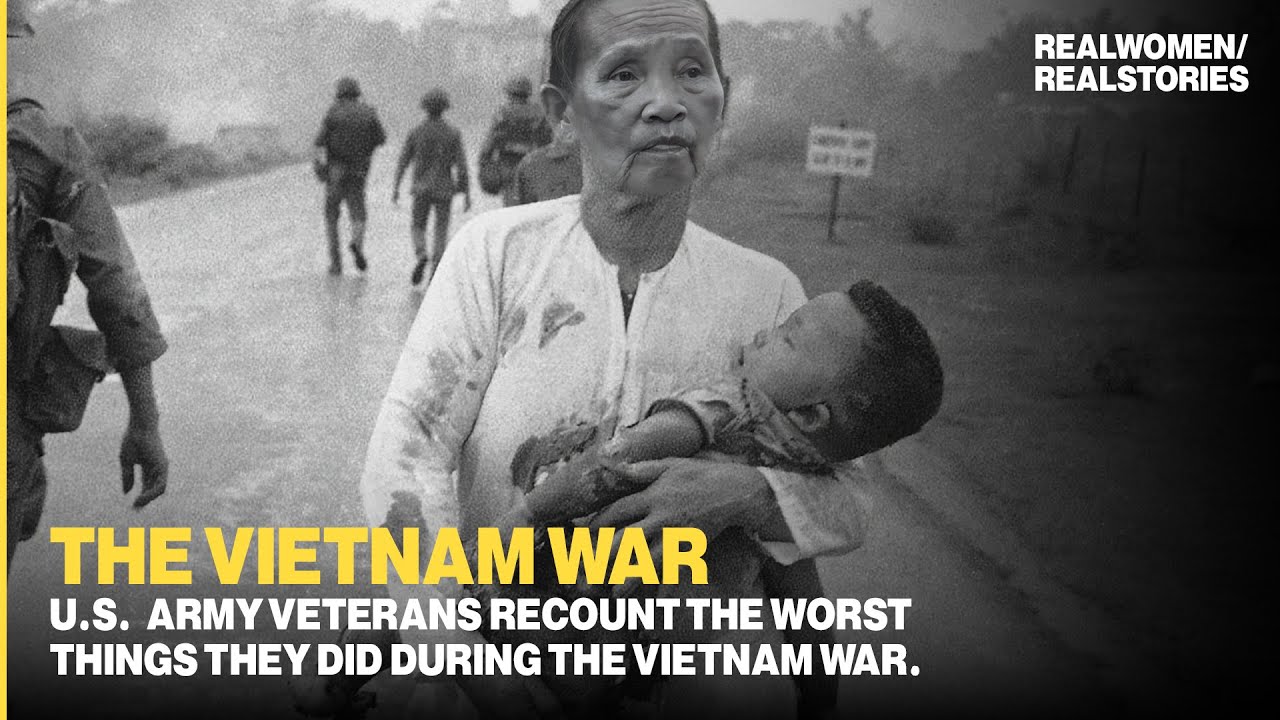
First-person accounts from American and Vietnamese veterans highlight the complex history and enduring impact of the Vietnam War on both sides of the conflict.
Three Americans are held as political hostages for more than two years after being captured by the Iranian government in July 2009.
More than 15,000 sound recordings from the World War II era are held at the National Archives, providing insight into the conflict's impact on society.
Inigo Gilmore returns to Gaza to document families rebuilding after the conflict's one year anniversary.
Derek Jarman's 1989 film interprets Benjamin Britten's orchestral masterpiece through a visual narrative that highlights the futility and devastation of war, featuring Tilda Swinton and Laurence Olivier.
After the failed assassination attempt on Adolf Hitler, the SS detains the families of the conspirators as potential bargaining chips or targets for execution.
In 1942, 80 men participated in a daring air raid led by Lieutenant Colonel Jimmy Doolittle against Japan, which resulted in the capture and torture of two crews.
Over 150 hours of interviews with individuals involved in the Abu Ghraib events form the basis of Erol Morris's latest project.
In June 1940, two young doctors in occupied Paris navigate the catacombs to create a strategic map for Charles de Gaulle and the Resistance during World War II.
In early 1945, as Hitler's regime crumbled under the pressure of advancing Russian and US forces, the documentary examines the catastrophic consequences of his totalitarian vision, the deaths of key figures like Goebbels and Himmler, and the legacy.
Hitler's campaign against "degenerate" art is examined through the lens of looted masterpieces by Picasso, Matisse, and Chagall, highlighting the Gurlitt case.
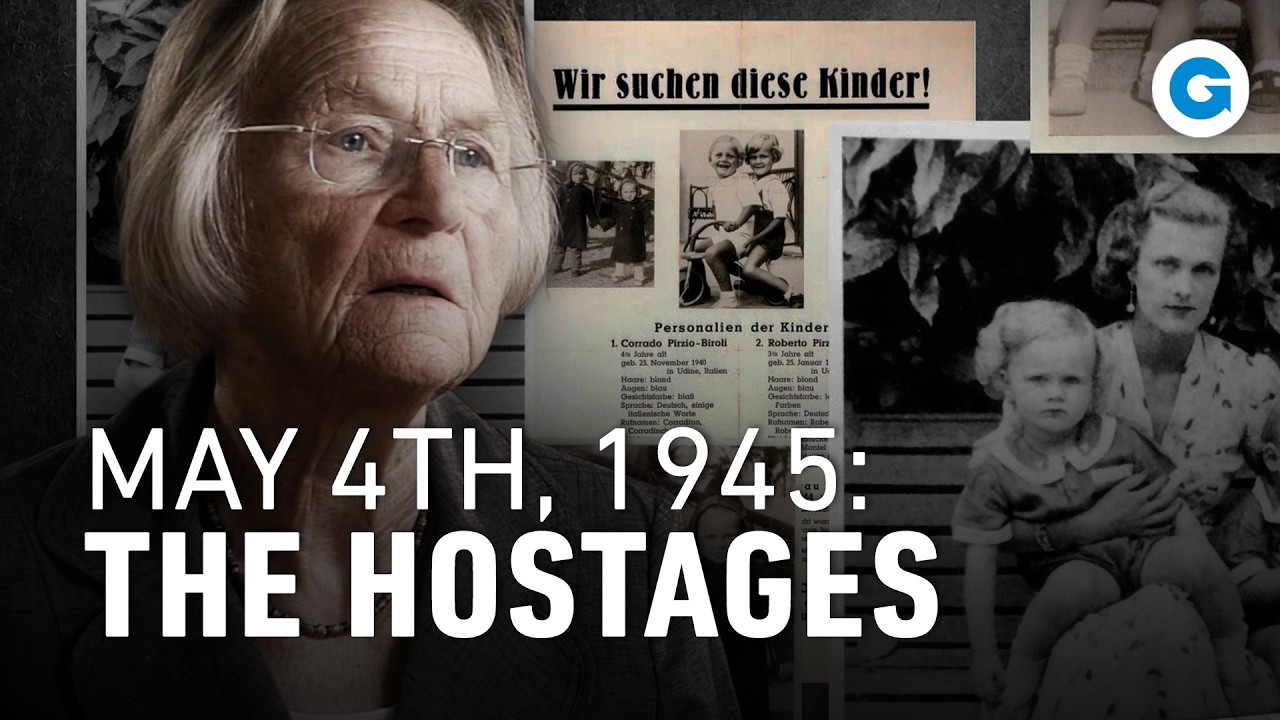
On April 28, 1945, hostages in Niederdorf blend with locals as SS control wanes, leading to heightened danger until the US Army arrives on May 4.
Colour footage from the D-Day landings in Normandy and life under the Nazi regime reveals a stark contrast to the black-and-white images of World War Two.
Rudolf Vrba and Fred Wetzler escaped from Auschwitz in 1944, providing crucial evidence that helped save 120,000 lives through the Vrba-Wetzler Report.
Mauthausen concentration camp, established by the Nazi regime in 1938 in Austria, became a site of forced labor and mass murder, resulting in over 120,000 deaths.
Aristides de Sousa Mendes, the Portuguese Consul General in Bordeaux, issued visas in June 1940, saving thousands from Nazi persecution.
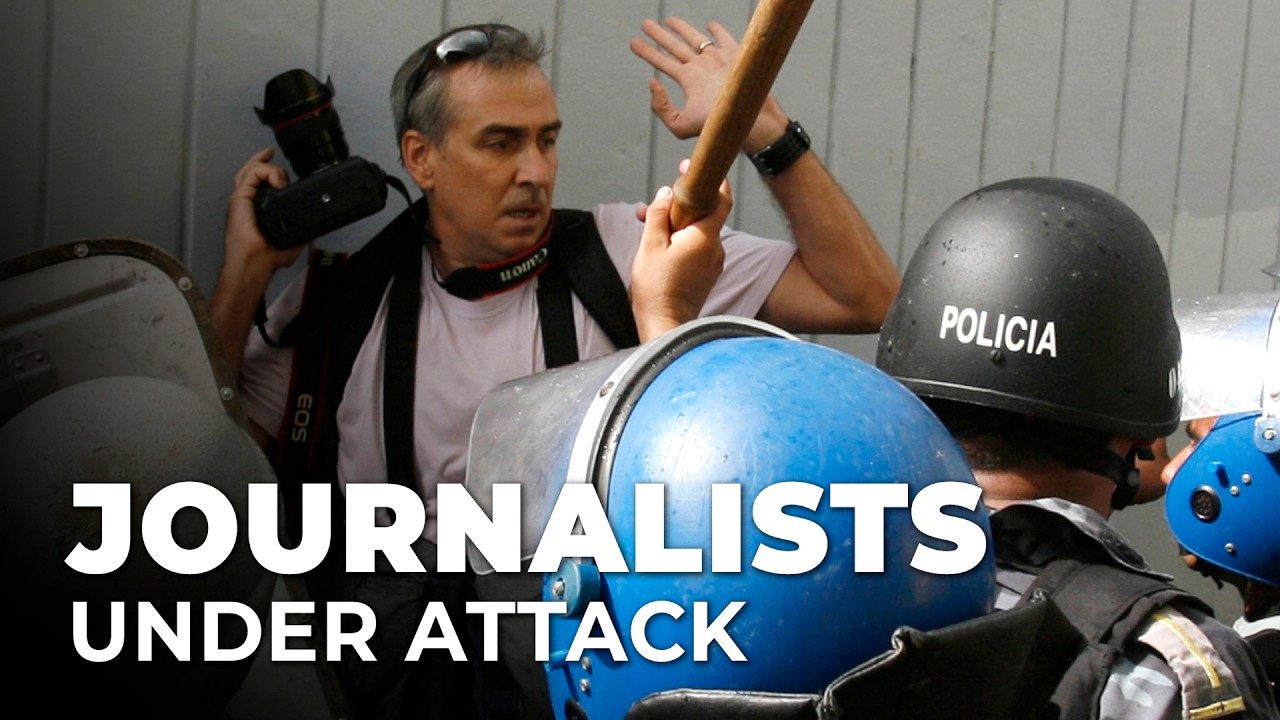
Journalists in Mexico, Russia, Iraq, Afghanistan, and Syria share harrowing accounts of violence, intimidation, and the high stakes of reporting in dangerous environments.