From over 100,000 films, discover the handful you'll love.
Free or premium access to the world's largest documentary library.
833 films(Page 2 of 18)
At least one million Armenians were killed during the Ottoman Turks' campaign of extermination in 1915, with many bodies buried in the Syrian desert.
In 1945, historian Dr Stefan Hördler analyzes 207 unpublished photos from a looted SS album to reveal the transformation of Kurt Shriber and his comrades at Lichtenberg.
Germany's invasion of Poland in September 1939 is examined through political context, including the Molotov-Ribbentrop Pact, and the brutal realities of warfare.
Nazi ideology, particularly the focus on the Aryan dream, significantly distracted Hitler from essential military strategies during World War II, contributing to the regime's downfall.
Adolf Eichmann, the architect of the Holocaust, lived incognito in Buenos Aires under the alias Riccardo Klement before being hunted down by Israeli agents in 1960.
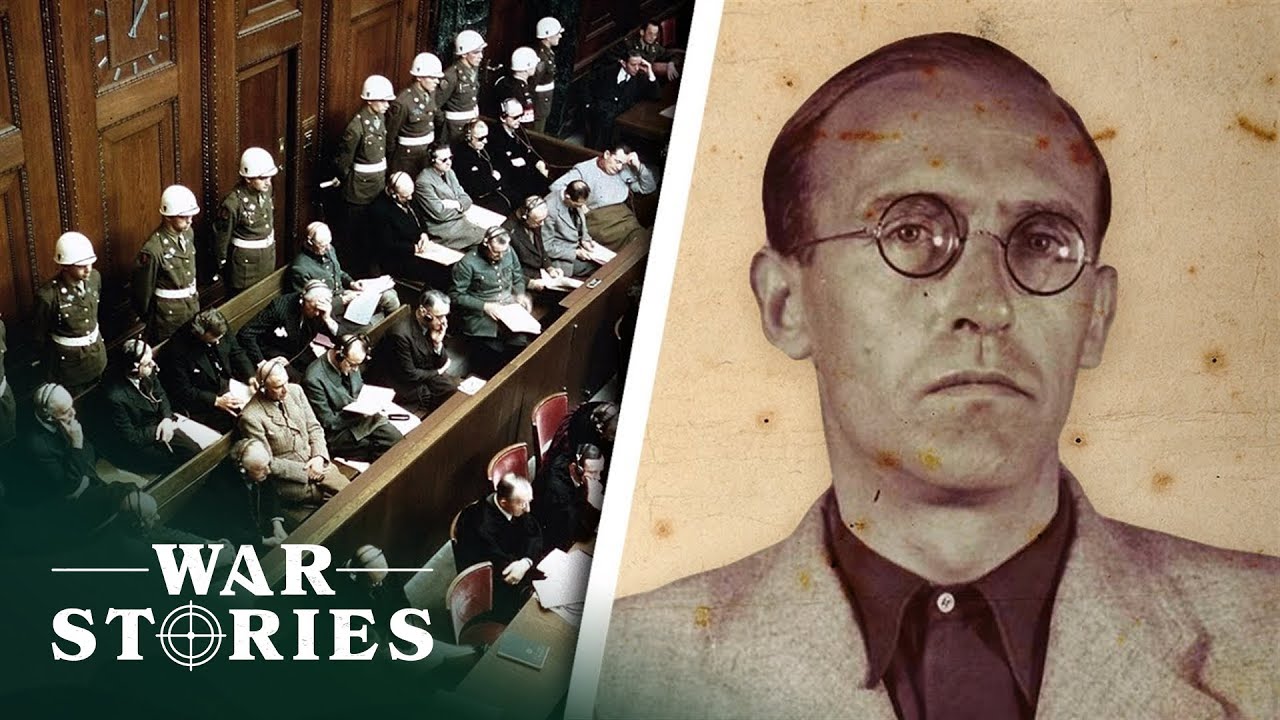
The aftermath of World War II saw the establishment of war crimes trials, including the Nuremberg Trials, which aimed to prosecute Nazi war criminals and set legal precedents.
Pol Pot, born Saloth Sâr in 1925, led Cambodia as General Secretary of the Communist Party, overseeing a regime responsible for the deaths of 1.5 to 2 million people during the Cambodian genocide.
Nuremberg, once the heart of Nazi ideology, became the site of the landmark trials where leaders like Hermann Göring and Rudolf Hess were sentenced for war crimes.
Seven Bolivian soldiers are killed and 12 taken prisoner as revolutionary Che Guevara seeks to destabilize South America and threaten U.S. interests.
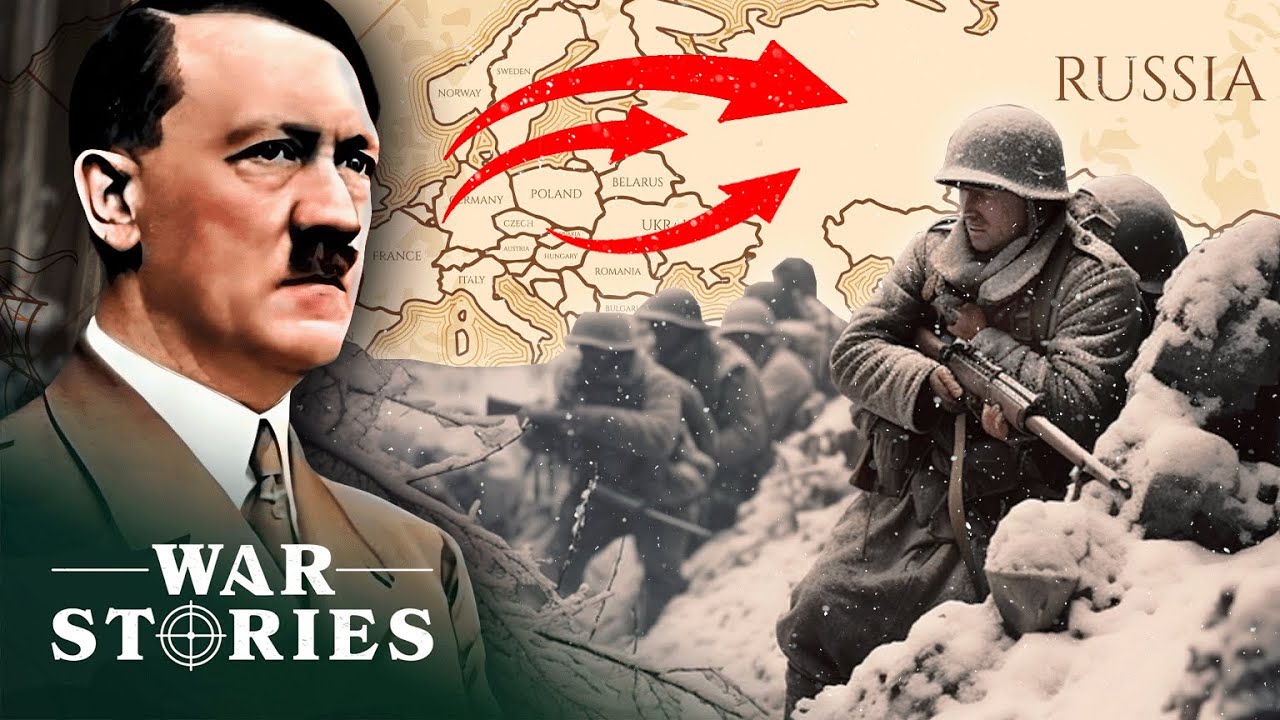
Operation Barbarossa marked Hitler's 1941 invasion of the Soviet Union, involving three million German troops and resulting in significant suffering and destruction.
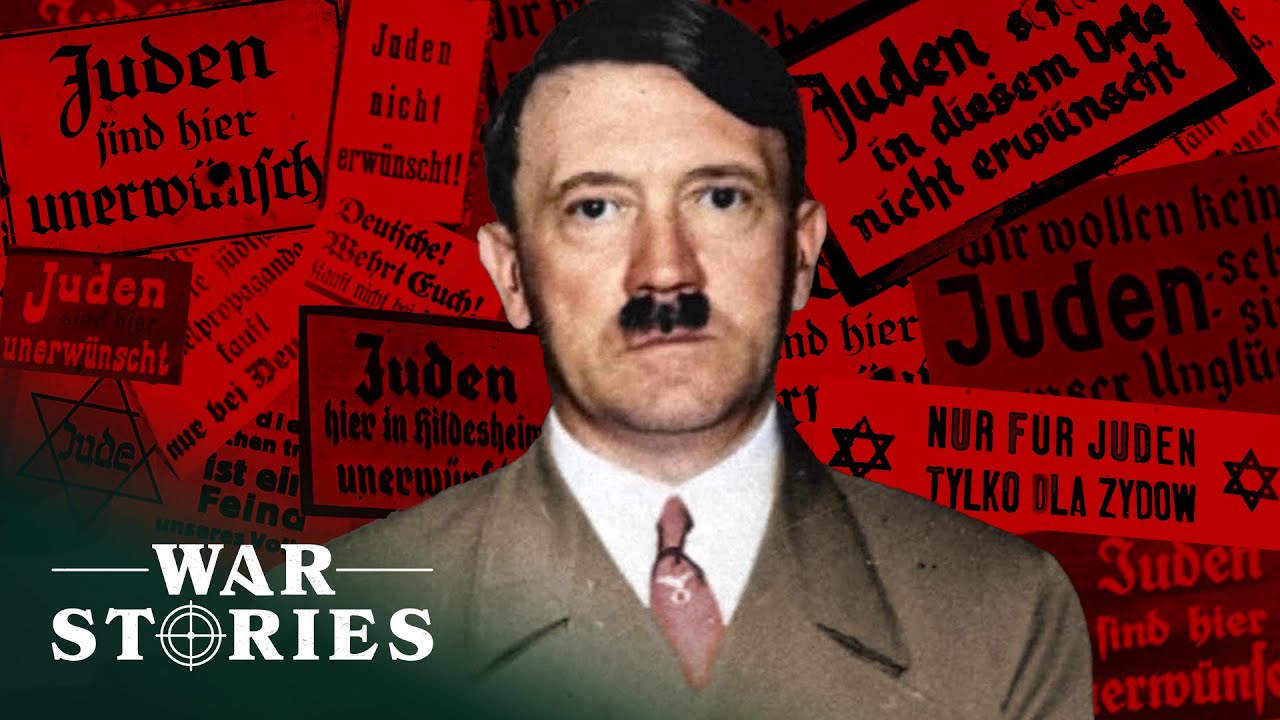
Hitler and Goebbels initiate a pogrom against the Jews while Hitler hides Eva Braun in Obersalzberg.
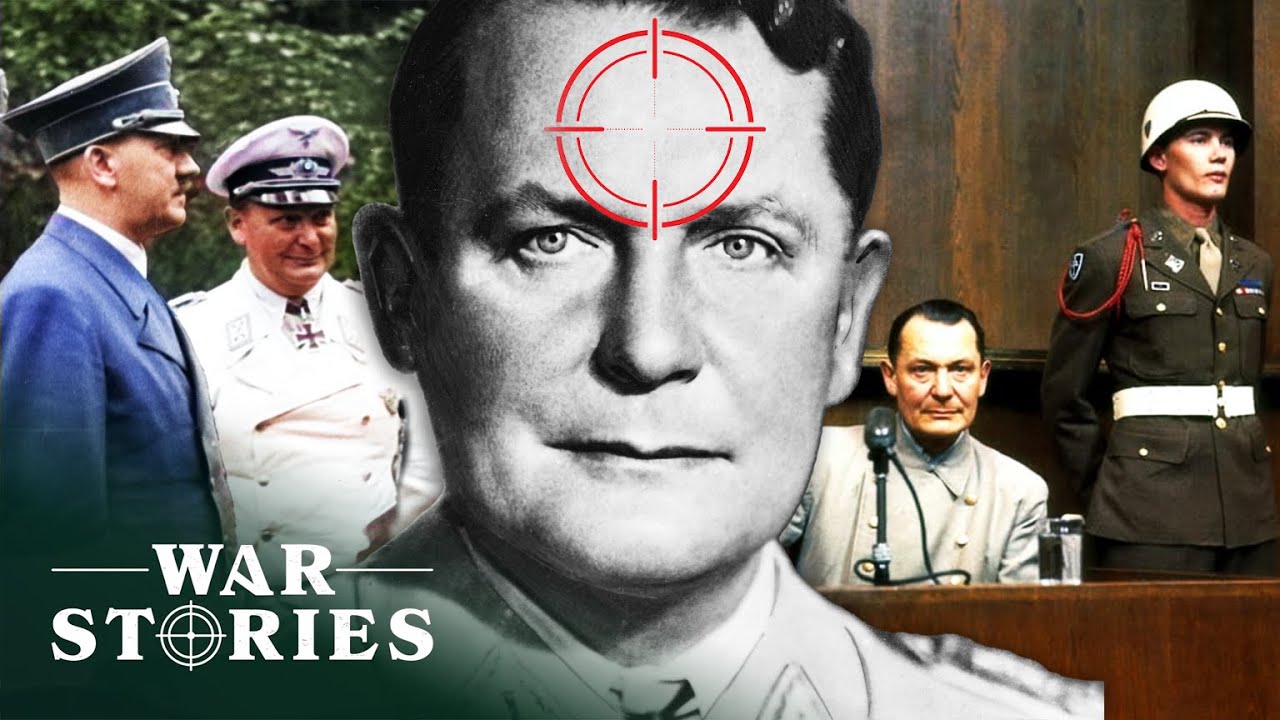
Hermann Goering's life is examined through secret footage, highlighting his rise as Hitler's second-in-command and his eventual capture and trial at Nuremberg.
At least 26 civilians were abducted and executed by the IRA in the last six months of the Anglo-Irish War, often on flimsy evidence.
Hitler’s private bunker in East Prussia, known as the Wolf's Lair, is explored through its ruins and historical significance during World War II.
Victor Arajs led the Arajs Kommando in Latvia, collaborating with Nazis to carry out mass executions, including the Rumbula massacre, and facing post-war justice efforts.
In Syria, filmmaker Sargon Saadi examines the severe consequences of ISIS violence on the Assyrian community amidst ongoing conflict since 2011.
Adolf Eichmann, the architect of the Holocaust, was captured by Mossad agents in Argentina in 1960 and tried in Israel, where he was sentenced to death.
In the Sobibor death camp, Leon Feldhendler orchestrates a daring escape plan to liberate himself and hundreds of fellow prisoners from Nazi control.
On April 29, 1945, Karl Wolff signed the surrender of German and Italian forces in Southern Italy, marking a significant act of treason against Hitler.
Reinhard Heydrich, a high-ranking SS officer and key architect of the Final Solution, was assassinated by Czech resistance fighters in 1942.
The Bataan Death March involved the forced transfer of 60,000-80,000 American and Filipino prisoners of war following the surrender of Bataan to Japan in 1942.
More than 200,000 Jewish and 11,000 Roma children were murdered in the gas chambers of Auschwitz, as personal accounts reveal the camp's horrors.
Michael Wittmann, Germany's highest-scoring Panzer ace, met his end in the 1944 Normandy battlefield, with investigations into who was responsible for his demise.
Nazi scientists conducted brutal experiments while zoologists attempted bizarre trials to create an Aryan master race during World War II.
Amon Göth, the commandant of the Kraków-Płaszów concentration camp, is examined for his role in mass murder and corruption during the Holocaust.
In April 1945, as Germany faces defeat, the crew of one of the last U-Boats operates off the coast of Canada, targeting Allied supply ships.
Hermann Göring's life is examined, detailing his rise as a decorated World War I ace and key Nazi leader, culminating in his trial as a war criminal at Nuremberg.
Martin Bormann, Adolf Hitler's deputy and a key figure in the Holocaust, evaded capture after World War II, prompting a 30-year manhunt led by Simon Wiesenthal.
Adolf Hitler's recruitment strategies for Nazi high command are examined through the roles of key figures like Heinrich Himmler and Joseph Goebbels in shaping the regime.
James Cromwell presents a documentary on the War on Terror and its impact on civil liberties.
Hitler's invasion of the Soviet Union, the Holocaust, and the Allies' denazification efforts highlight the brutal final acts of Nazi Germany and its aftermath.
Arthur Seyss-Inquart enacts brutal policies in Nazi-occupied Netherlands during WWII.
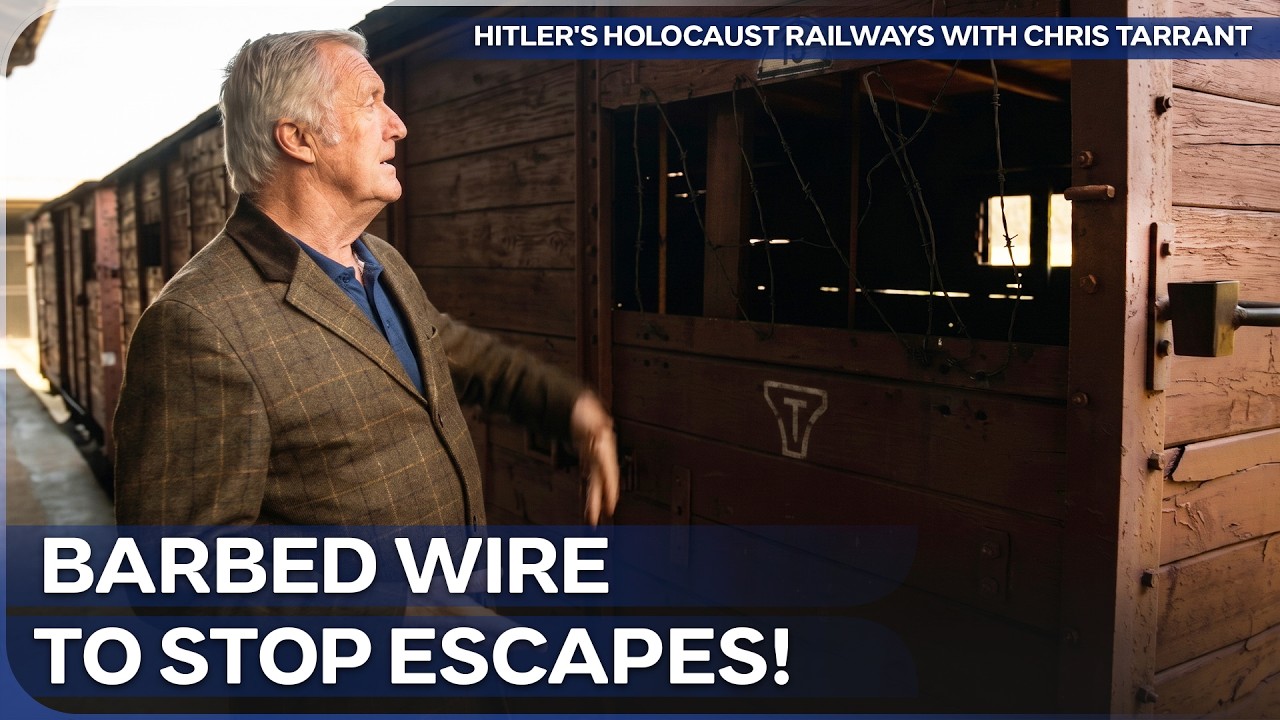
During World War II, railway networks in Germany, the Czech Republic, and Poland facilitated the transport of millions to ghettos and concentration camps, as recounted by survivors and historians.
The Battle of Normandy in June 1944 marked a pivotal moment in World War II, showcasing the brutal realities of armored warfare against Germany's Tiger and Panther tanks.
In the Führerbunker, Adolf Hitler and his closest allies struggled to maintain power for 105 days as the Red Army advanced on Berlin during World War II.
In January 1945, Allied bombers attacked Berlin, resulting in 12 deaths, 23 injuries, and leaving 1,324 people homeless in the city.
An estimated 75 million lives were lost in World War II, with American pilots facing life-and-death situations during aerial missions over enemy territory.
More British and Canadian soldiers died in the Battle of the Somme in 1916 than in all of World War II, marking a significant moment in military history.
Rudolf Höss, the commandant of Auschwitz, oversaw the systematic murder of over a million people during the Holocaust, reflecting his chilling efficiency and lack of remorse.
The SS Cap Arcona, once a symbol of German luxury, became a floating prison for concentration camp survivors before its tragic sinking by the RAF in 1945.
On December 17, 1944, near Malmedy, Belgium, the SS-led Panzer Division under Joachim Peiper executed over 80 American soldiers from the 285th Field Artillery Observation Battalion.
Hermann Goering, a World War I fighter ace and key figure in the Nazi regime, rose to power as a politician and Luftwaffe leader before his eventual downfall.
Heinrich Müller, the head of the Gestapo, played a crucial role in Nazi Germany's repression and the Holocaust, with his fate after 1945 remaining a mystery.
Chile's dark history under dictator Augusto Pinochet is examined through testimonies of survivors and new evidence of secret extermination camps.
More than 3 million German soldiers launched an invasion on June 22, 1941, marking a significant escalation in World War II.
Anton Mussert, Ioannis Rallis, and Finnish Marshal Gustaf Mannerheim exemplify the complex moral choices faced by collaborators during World War II.
Private motion pictures of Adolf Hitler and Eva Braun, seized by the US Army in 1945, showcase their life at Berghof and interactions with notable figures.
Albert Speer, chosen as Hitler's personal architect, designed the monumental structures that embodied the Nazi regime's vision for the Third Reich.