From over 100,000 films, discover the handful you'll love.
Free or premium access to the world's largest documentary library.
207 films(Page 2 of 5)
In Indonesia's remote islands, a three-part series explores unique wildlife, including the Komodo dragon and ancient ecosystems shaped by volcanic activity.
A fissure eight miles long opened during the 2002 eruption of Nyiragongo, destroying 4,500 houses and displacing 400,000 people in Goma City.
Hawaii is 5 million years old and is home to volcanic landscapes, dense rainforests, and the fourth-largest island, Kauai, known as the Garden Island.
Siberia spans over 5 million square miles, larger than the United States and Europe combined, with about 10 people per square mile.
Chris Horsley investigates a dangerous fracture in Congo after Mount Nyiragongo's eruption.
Vatnajökull National Park in southeastern Iceland, home to Europe's largest glacier and active volcanoes, showcases the interplay of natural beauty, scientific research, and local mysticism.
Fabio discusses the legend of sirens while enjoying the beach in Naples' Gulf.
The eruption of Vesuvius in 79 A.D. buried Pompeii under ash, leading to a significant reconstruction effort and crisis management by Roman emperors.
A group of ravens returns to the Canary Islands after decades, finding food and competing for survival in harsh, high-altitude conditions.
Yellowstone has experienced three super eruptions, with the largest releasing thousands of cubic kilometers of material over the past 2.1 million years.
The May 18, 1980, eruption of Mount St. Helens in Washington's Gifford Pinchot National Forest is recounted through reenactments and personal recollections.
Sumba is one of the last places on Earth where people build tombs in the form of dolmens, honoring their ancestors through ritual and ceremony.
Chernobyl's radioactive fallout has caused an estimated 200,000 deaths across Russia, Belarus, and Ukraine since the disaster in 1986.
Colin Devey visits a Stone Age cult site on Lewis Island, where stones have stood for 3,000 years, reflecting the ancient history of Europe.
Iceland sits on the world's most active hotspot, where scientists observe the formation of the planet in real-time.
Chris Horsley investigates Mount Etna's heightened volcanic activity and its implications.
In September 2021, the volcanic eruption on La Palma, Spain, forced the evacuation of thousands as lava destroyed homes and reshaped the landscape.
In a Mediterranean valley known as the 'Divine Source,' a ten-million-year-old bird thrives in a unique ecosystem, highlighting the fragility of such environments.
Yellowstone's supervolcano last erupted 640,000 years ago and is now overdue, with the next eruption expected to be the largest natural explosion in Earth's history.
In 1994, a volcano on New Britain erupted, forcing residents to flee as ash rained down and reshaped their environment.
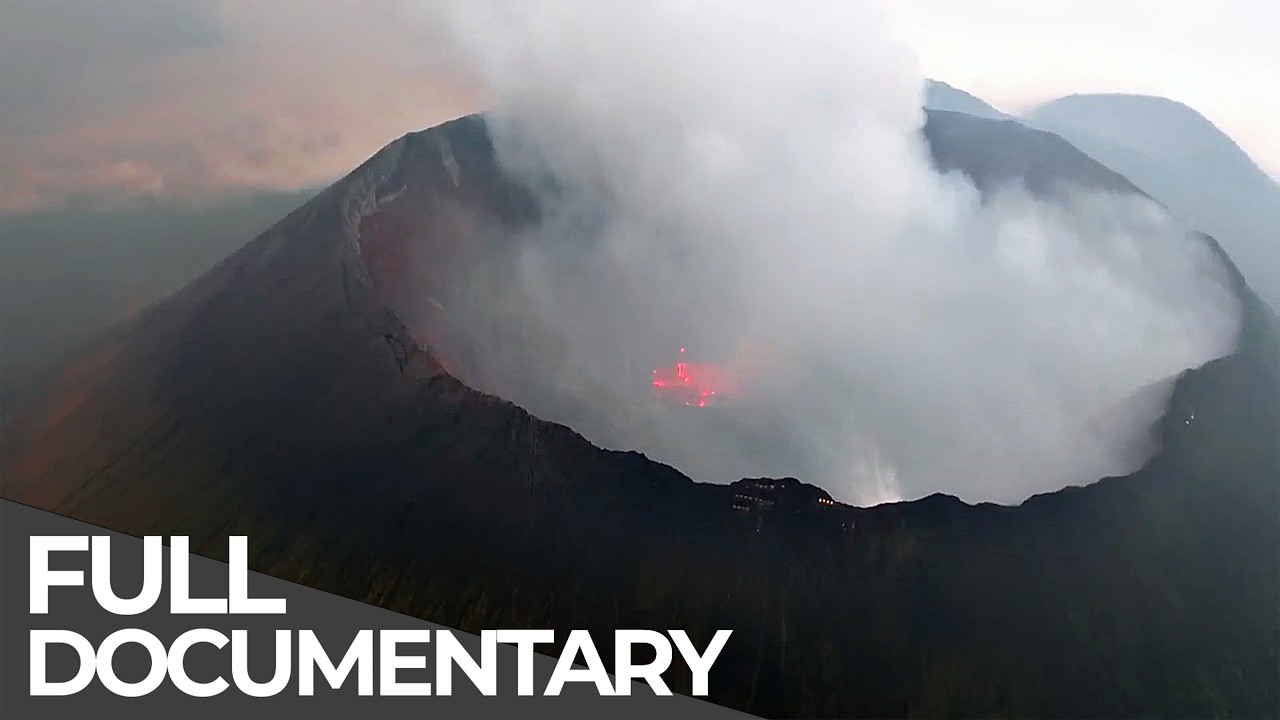
Mount Nyiragongo erupts in Congo, destroying Goma and claiming thirty-three lives.
Over 500 million people live near active volcanoes, relying on volcanologists to monitor seismic activity and predict potential eruptions.
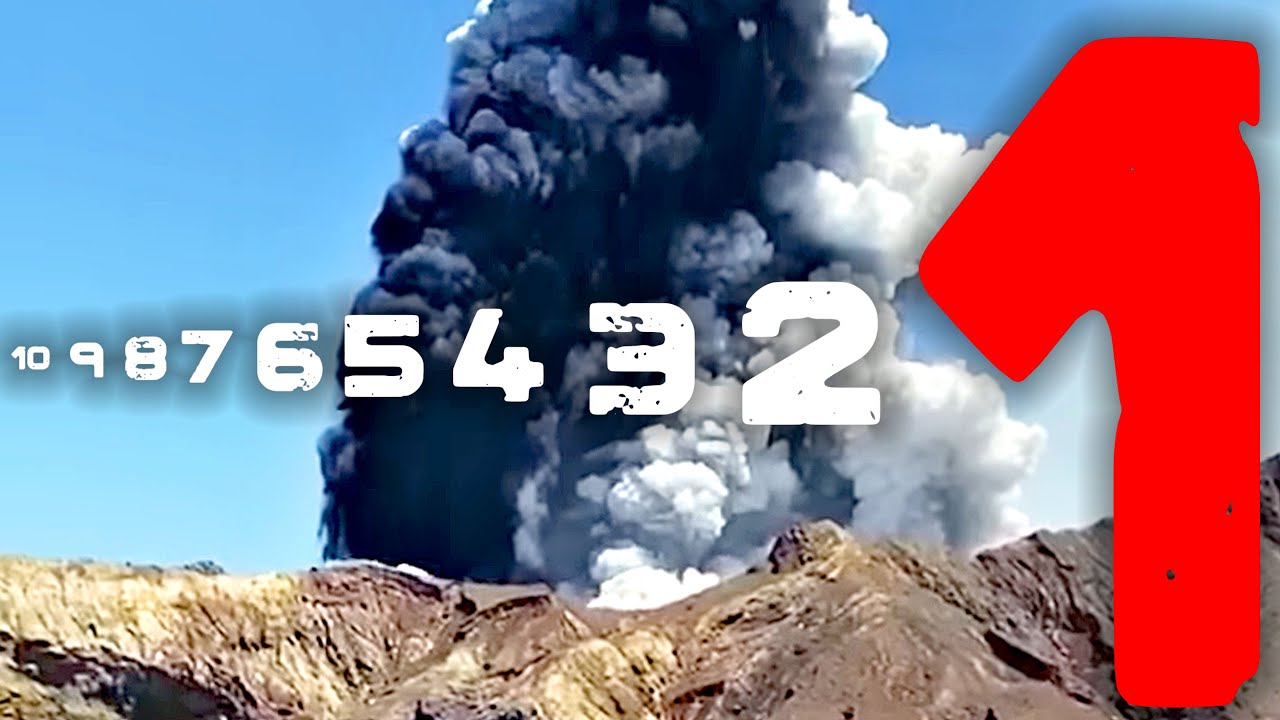
The 2019 eruption of White Island in New Zealand resulted in 22 fatalities, featuring survivor accounts, rescue efforts, and scientific analysis of volcanic activity.
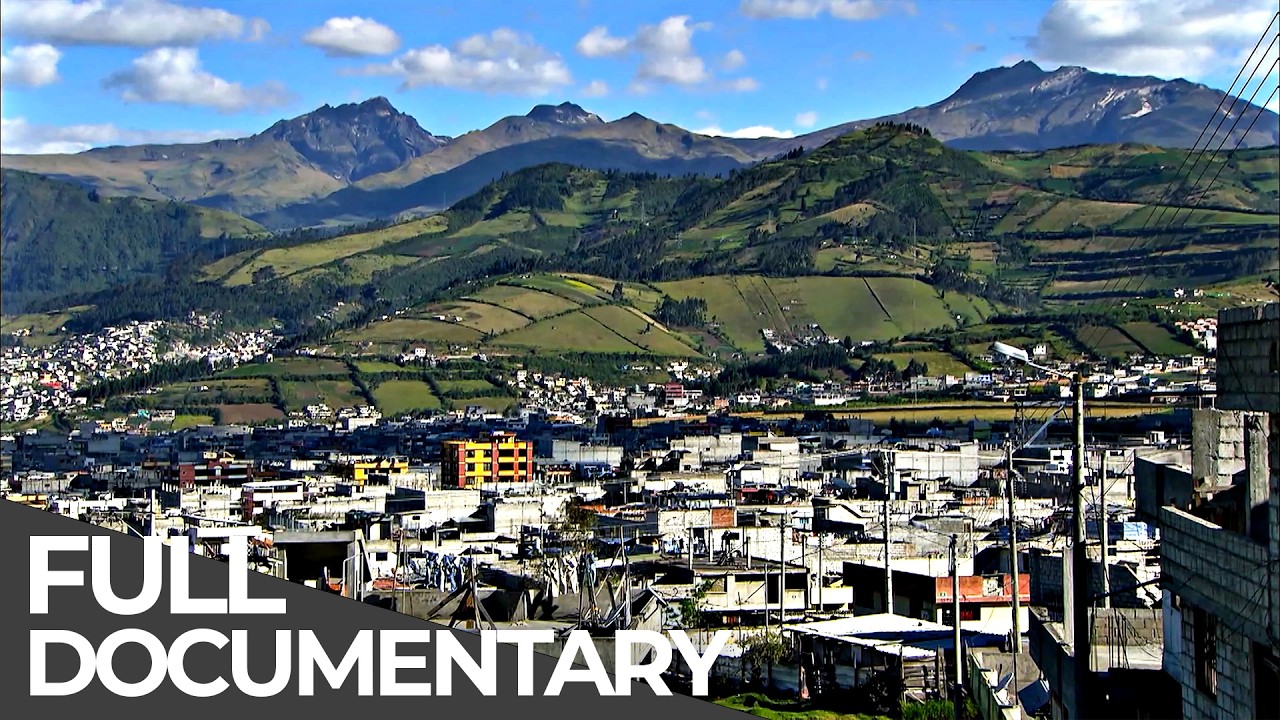
Cotopaxi, one of Ecuador's most iconic volcanoes, poses a significant threat to Quito due to potential eruptions that could trigger devastating landslides.
Life around Masaya Volcano in Nicaragua re-emerges from volcanic ashes and harsh conditions.
An eruption from Yellowstone released an estimated 1,000 cubic kilometers of ash and rock, far surpassing the output of Mount St Helens and Mount Pinatubo.
Geological forces such as volcanic activity, erosion, and tectonic shifts have shaped iconic landscapes like the Grand Canyon, Hawaii's islands, and the Rocky Mountains.
Chris, a volcano access specialist, explores volcanic regions in Congo, the Canary Islands, and Iceland, sharing insights on their unique landscapes and activity.
Over three feet of land near Rabaul harbour rose before the volcano erupted in 1994, forcing residents and wildlife to adapt to the ash-filled environment.
Toba's eruption 74,000 years ago released nearly 3,000 cubic kilometers of ash and rock, causing a volcanic winter that may have nearly wiped out humanity.
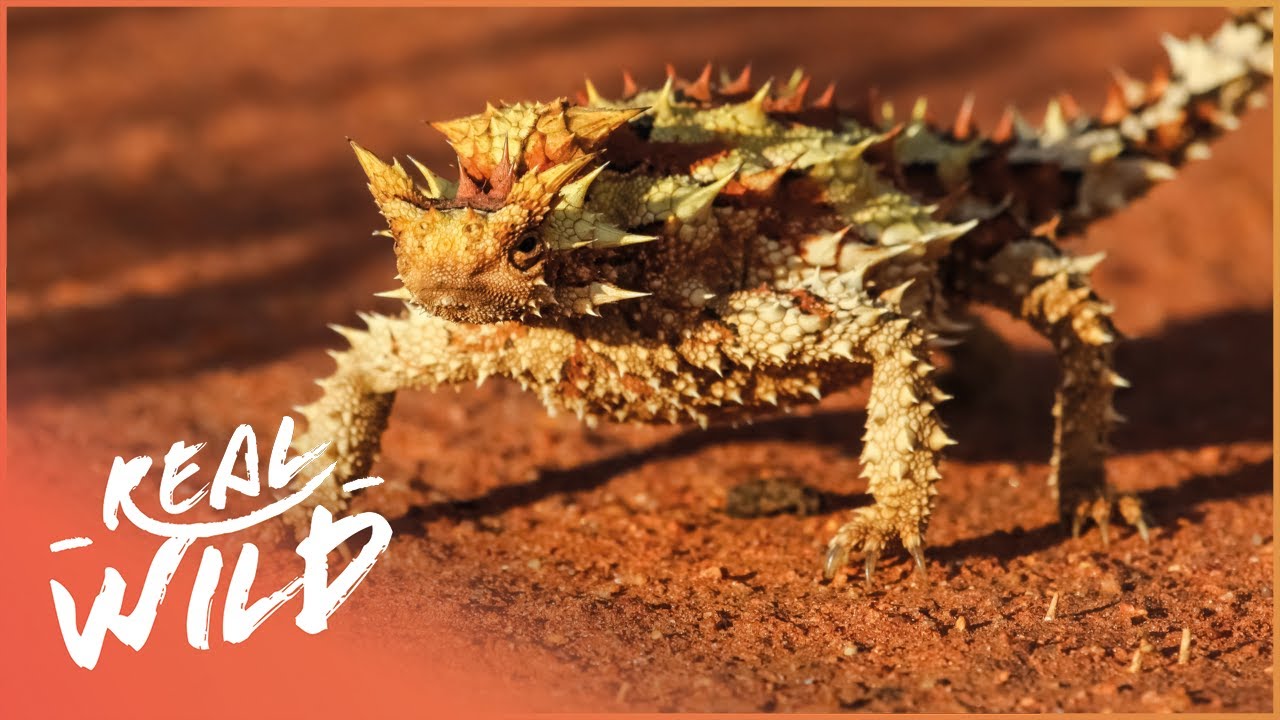
In New Zealand, wildlife such as the Thorny Devil and intelligent parrots must adapt to survive in environments shaped by volcanic activity and earthquakes.
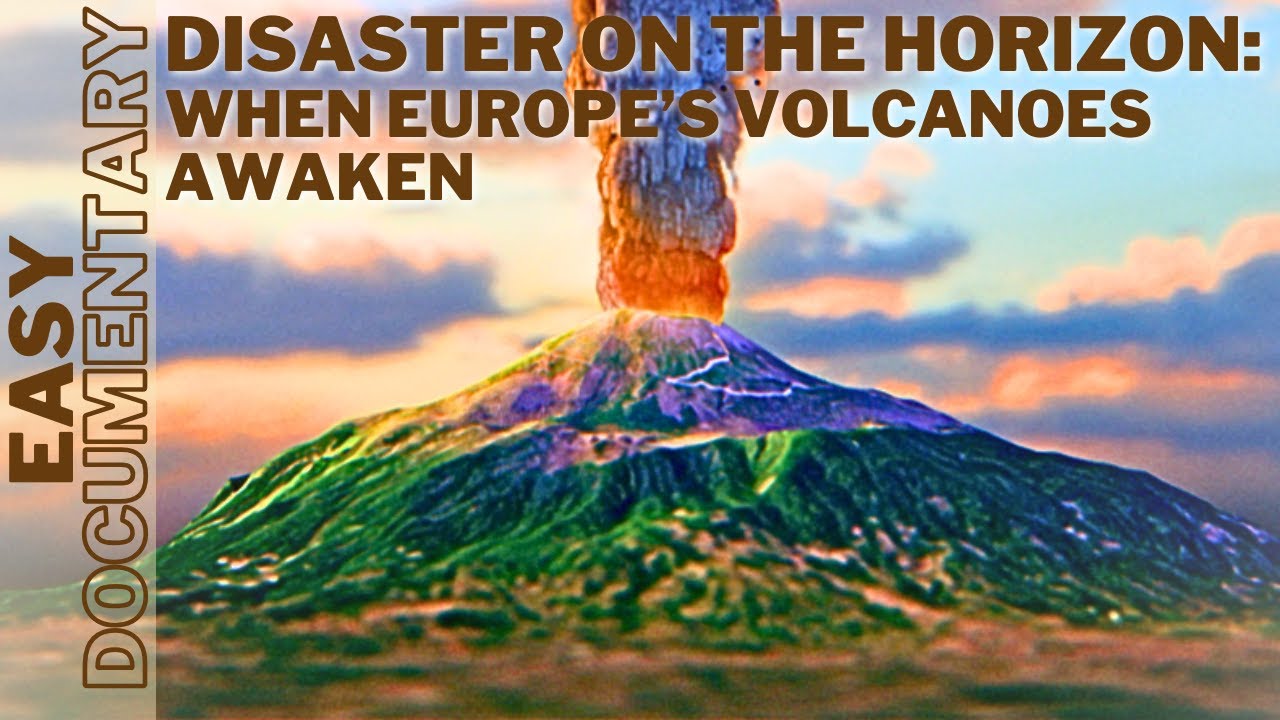
Europe's active volcanoes, including Mount Vesuvius and those in the Eifel volcanic zone, pose significant risks of eruption, threatening densely populated areas.
In Clermont-Ferrand, the Puys volcano range, a UNESCO World Heritage site, poses a significant risk of eruption, with potential lava flows threatening the surrounding region.
Remote Atlantic islands, from Iceland to Antarctica, are formed by volcanic activity along the mid-Atlantic Ridge and host unique wildlife found nowhere else.
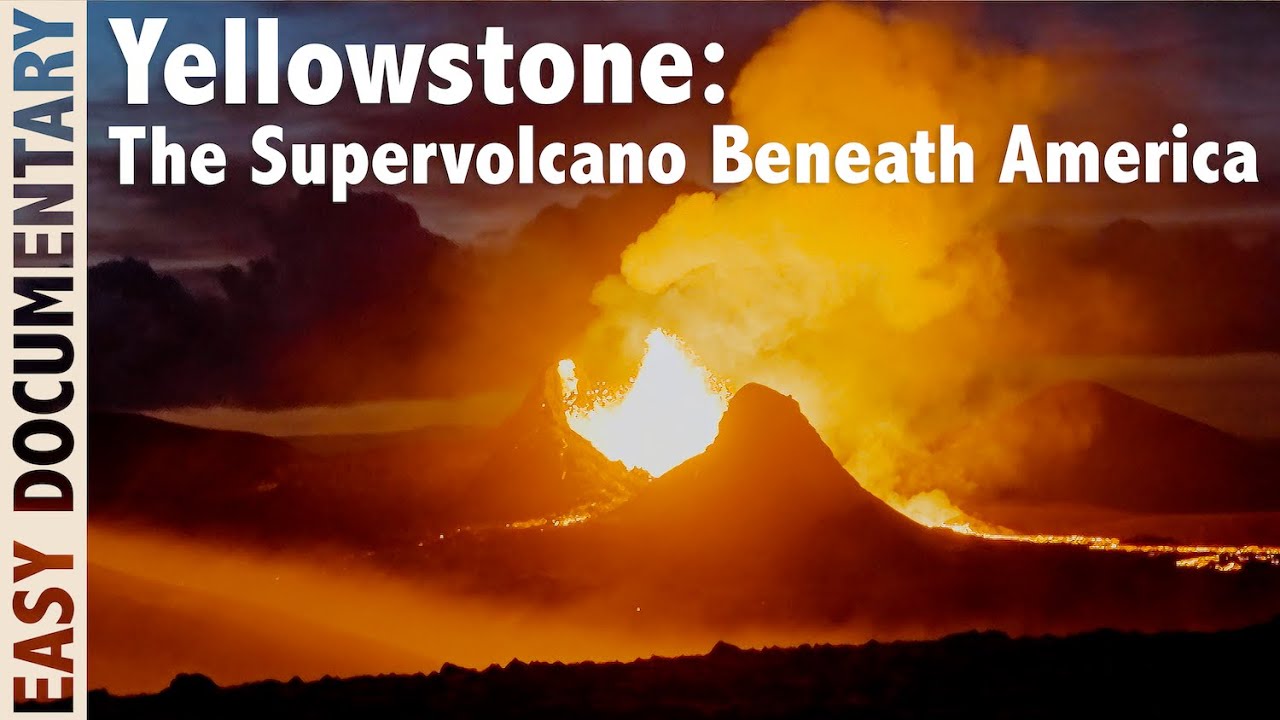
Yellowstone, home to the largest magma reservoir on Earth, poses a significant threat of eruption that could have catastrophic global consequences, as studied by volcanologists and NASA engineers.
A million years ago, Italy was a battlefield of erupting volcanoes that shaped the land and created new ecosystems for plants and animals.
Mount Tambora's catastrophic eruption in 1815 triggered the Year Without a Summer, leading to global famine and significant social unrest.
In France's Caribbean and Indian Ocean territories, approximately 850,000 residents live in proximity to active volcanoes like La Soufrière and the submerged volcano in Mayotte, facing constant eruption risks.
With 13,000 active volcanoes worldwide, experts assess the imminent threats posed by Mount Rainier and Mount Vesuvius, focusing on eruption predictions and potential impacts.
Eighteen volcanic eruptions have occurred in the Canary Islands over the last 500 years, shaping the land and affecting local ecosystems.
Kilauea, one of the world's most active volcanoes in Hawaii, experiences a sudden collapse of its crater floor, leading to a significant lava drainage and new exploration opportunities.
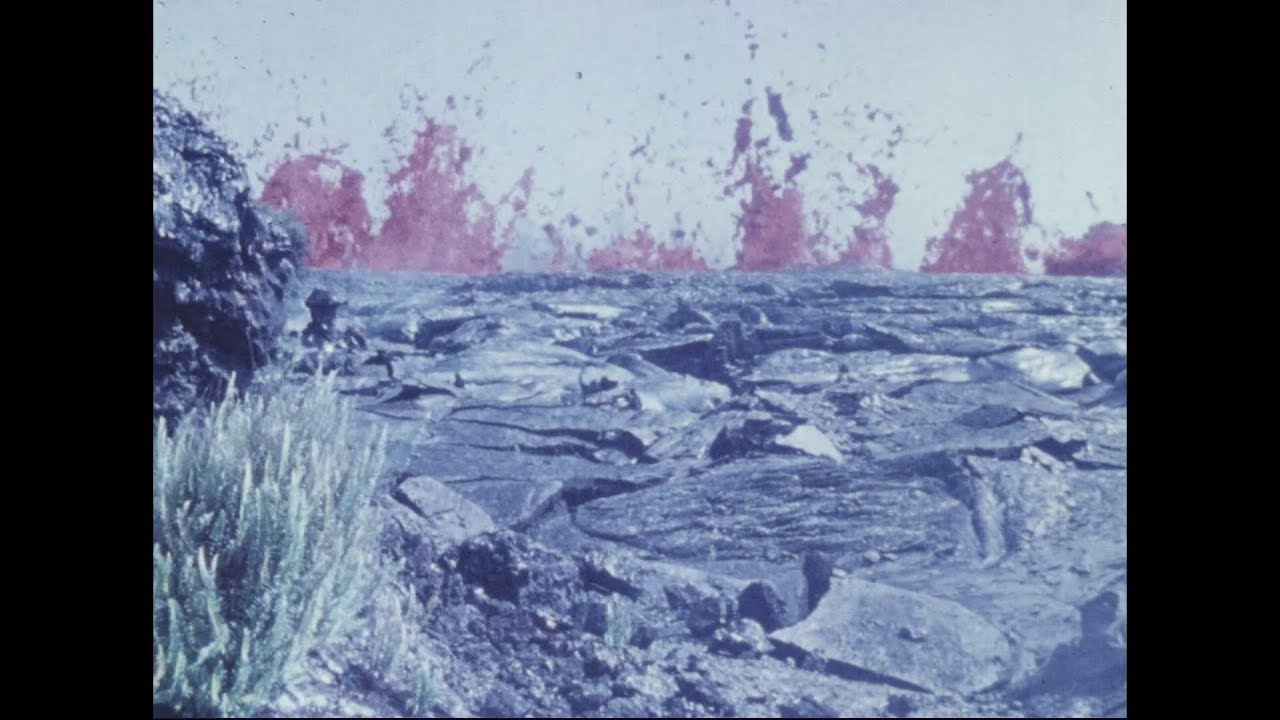
Hawaii Volcanoes National Park showcases the 1979 eruption of Pauahi Crater, highlighting the geological activity of Kilauea and Mauna Loa.
Yonaguni, a small island of 29 square kilometers, is home to a community that practices ancestor worship and maintains unique cultural traditions.
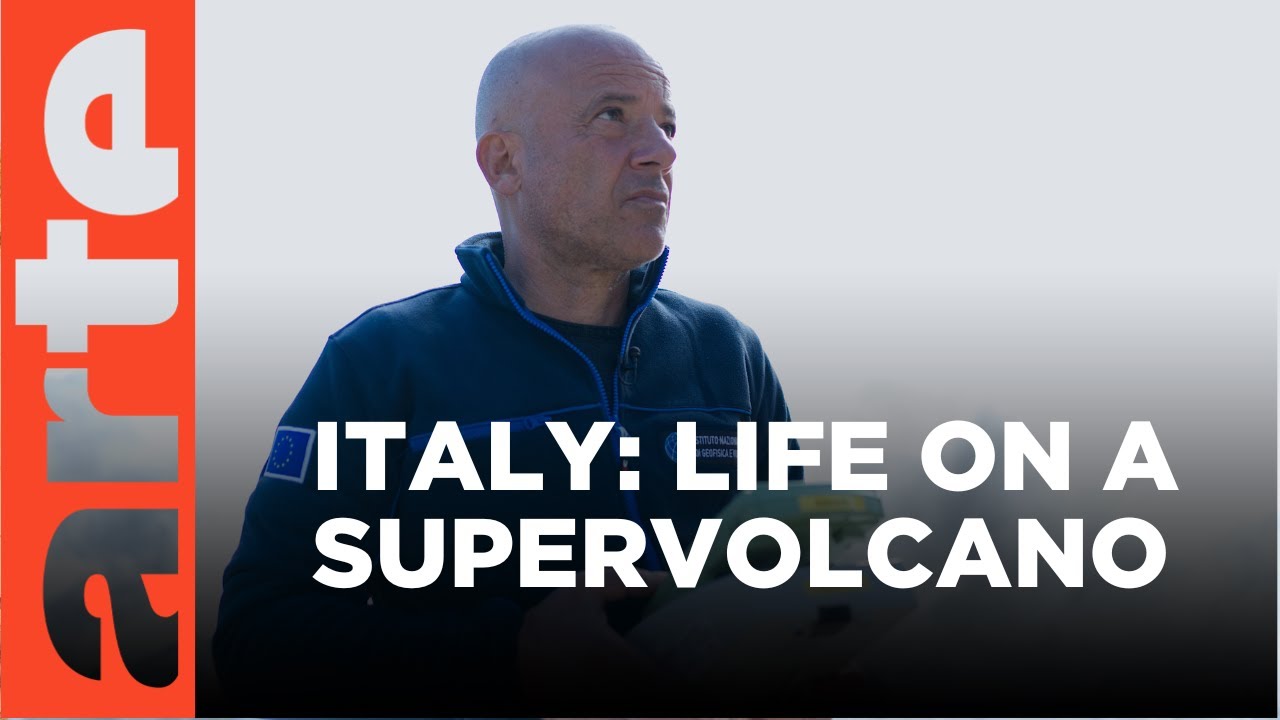
Campi Flegrei, a 20 km wide caldera near Pozzuoli, poses a significant volcanic risk to densely populated areas around Naples, despite its last eruption in 1538.
Adventure filmmaker Peter Rowe climbs and films 19 volcanoes across locations such as Iceland, the Congo, and Indonesia, engaging with local communities.
Phlegrean Fields, a volcanic region near Naples, experiences increasing seismic activity and uplift, threatening the safety of local residents in Pozzuoli.
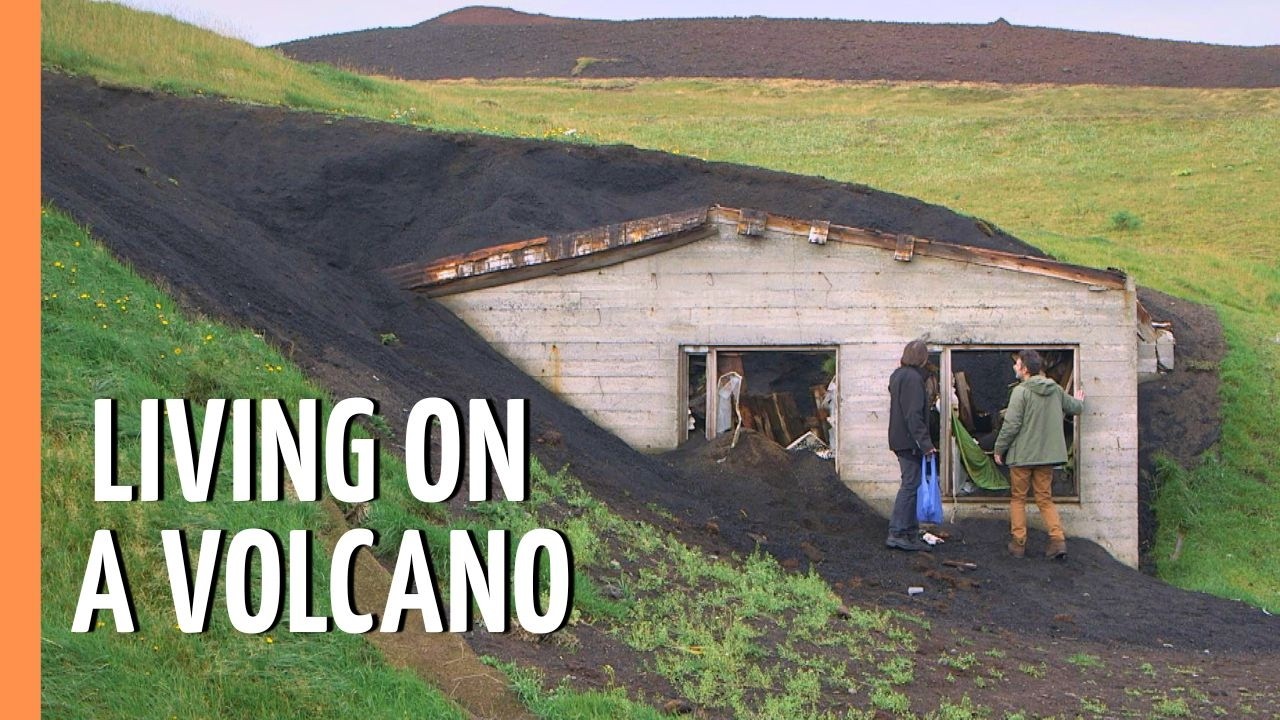
Heimaey, the only inhabited island in the Vestmann Islands of Iceland, is home to 4,500 residents who choose to live alongside the ever-present threat of volcanic eruptions.
Grindavik, a town in southern Iceland, faces ongoing challenges as residents choose to remain despite the dangers posed by six volcanic eruptions and government evacuation orders.