From over 100,000 films, discover the handful you'll love.
Free or premium access to the world's largest documentary library.
342 films(Page 3 of 8)
Extensive solar farm development in Andalucía raises concerns among local residents and activists about environmental and social implications of renewable energy production.
Argentina's lithium reserves face threats from mining, impacting Indigenous communities and ecosystems.
Now President Biden must decide on a battery dispute affecting American automakers.
Oil production in Eddy and Lea counties generated approximately $3.5 billion in 2019 and 2020, making the industry vital to New Mexico's economy.
Cobalt from The Democratic Republic of Congo raises ethical concerns for renewable technologies.
In Ciudad Real, Spain, Eberdrola's green hydrogen plant utilizes solar energy to produce hydrogen and ammonia, aiming to support a net-zero future.
Norway's Sovereign Wealth Fund has grown to about $900 billion, equating to roughly $170,000 for each citizen, raising questions about the future of its oil dependency.
Carbon capture and storage (CCS) is examined for its potential to help industries like steel and cement achieve net zero emissions amid ongoing climate challenges.
New mining operations are being established around Australia to extract critical minerals.
Demand for lithium is projected to surge by 75-fold, with the lithium-ion battery market expected to exceed $100 billion by 2027.
Gasoline-powered passenger cars contribute approximately 17% of global carbon dioxide emissions, prompting a shift towards electric vehicles supported by President Biden's 2030 goal.
Elon Musk's promotion of electric vehicles through Tesla has significantly impacted environmental discussions, raising questions about the sustainability of battery materials like nickel and cobalt.
Gavin Newsom, the mayor of San Francisco, discusses his environmental policies, including a goal of zero waste and initiatives to combat plastic pollution.
Hawaii aims for 100% renewable energy by 2045, focusing on solar and Tesla battery systems.
Steel production was responsible for 3 billion tons of CO2 emissions last year, making heavy industry a major contributor to global greenhouse gas emissions.
Three percent of global greenhouse gas emissions come from shipping, making it a significant contributor to climate change.
Demand for cobalt in the Democratic Republic of Congo drives illegal mining and worker exploitation.
Countries around the world phase out diesel cars, raising concerns about electric vehicle production.
Bolivia's lithium reserves may boost its economy or become a lost opportunity.
Advocates debate if capitalism is compatible with climate action and economic growth.
Local ranchers and tribal leaders oppose the Keystone XL pipeline in South Dakota.
Bolivia's Salar de Uyuni salt flat holds the world's largest lithium deposit, crucial for the growing demand for electric vehicle batteries.
Militant activists attack scientists and destroy labs while questioning the peak oil crisis.
An £18 billion nuclear power plant project at Hinkley Point in Somerset receives government approval, prompting local youth to discuss their future careers.
More than 250 additional turbines are planned for installation in Scotland's My Gen project, which aims to harness tidal energy for over a quarter of a million homes.
Spain's coal industry faces closure as miners transition after an October agreement.
Students at a university construct a solar-powered plane from scratch in an effort to set a national endurance record, highlighting renewable energy's potential.
21% of employees at a municipal utility entered their passwords after a phishing attack, exposing vulnerabilities in the power grid's cybersecurity.
Kazakhstan aims for 50 percent renewable energy by 2050, despite its rich reserves of oil, gas, and coal that have fueled its economy for decades.
Over 350 jobs will be lost due to the temporary suspension of operations at the Mount Lyell mine in Queenstown, Tasmania.
A German Court allows cities to ban heavily polluting diesel cars, affecting Stuttgart and automakers.
New York's congestion pricing contrasts with Helsinki's freeway demolition for urban renewal.
California dismantles San Onofre Nuclear Power Plant amid rising fossil fuel use and emissions.
Thousands of wind turbine blades in Germany will be shredded next year as the country may close more wind farms than it opens annually.
Europe has lithium resources but relies on imports from China for electric vehicle batteries.
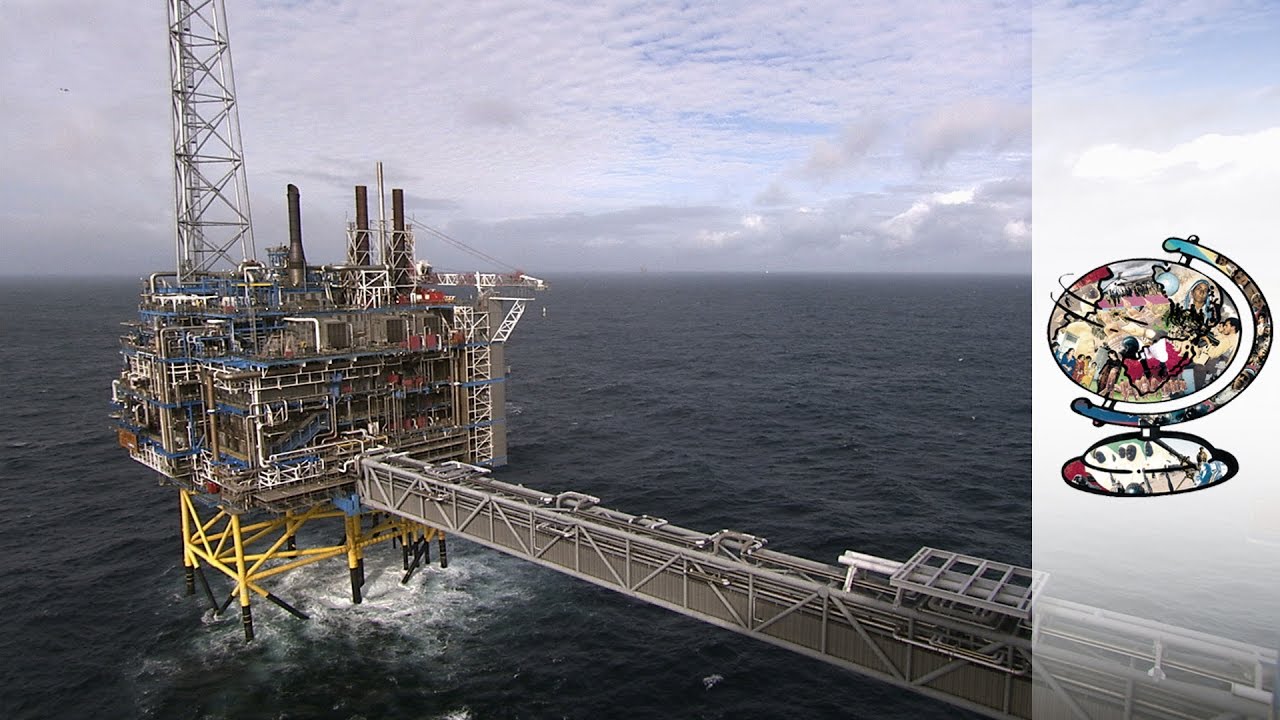
A time-lapse captures the nine-month dismantling of a North Sea oil rig, highlighting the precision and safety challenges of this massive operation.
Only around 4% of agricultural space is currently used for biomass energy crops, despite the potential for organic waste to generate electricity and heat.
In 2021, bitcoin mining consumed more electricity than the entire country of Thailand, raising concerns about its environmental impact.
The aviation industry faces a crisis, with Covid offering a chance for a green reset through hydrogen technology.
To become carbon neutral, the International Energy Agency states the world needs to triple renewable energy capacity by 2030 and increase storage batteries fourteenfold.
Cars have significantly contributed to the growth of the American economy while also influencing the culture and popularity of golf across the nation.
Scientists at NASA Goddard observe solar waves that reveal energy movement in the sun's corona.
SpaceX's Starlink technology aims to provide uninterrupted internet access globally, connecting remote areas and enhancing communication capabilities.
With virtually free energy, machines could convert seawater into fresh water, enabling food production in deserts and supporting unlimited population growth.
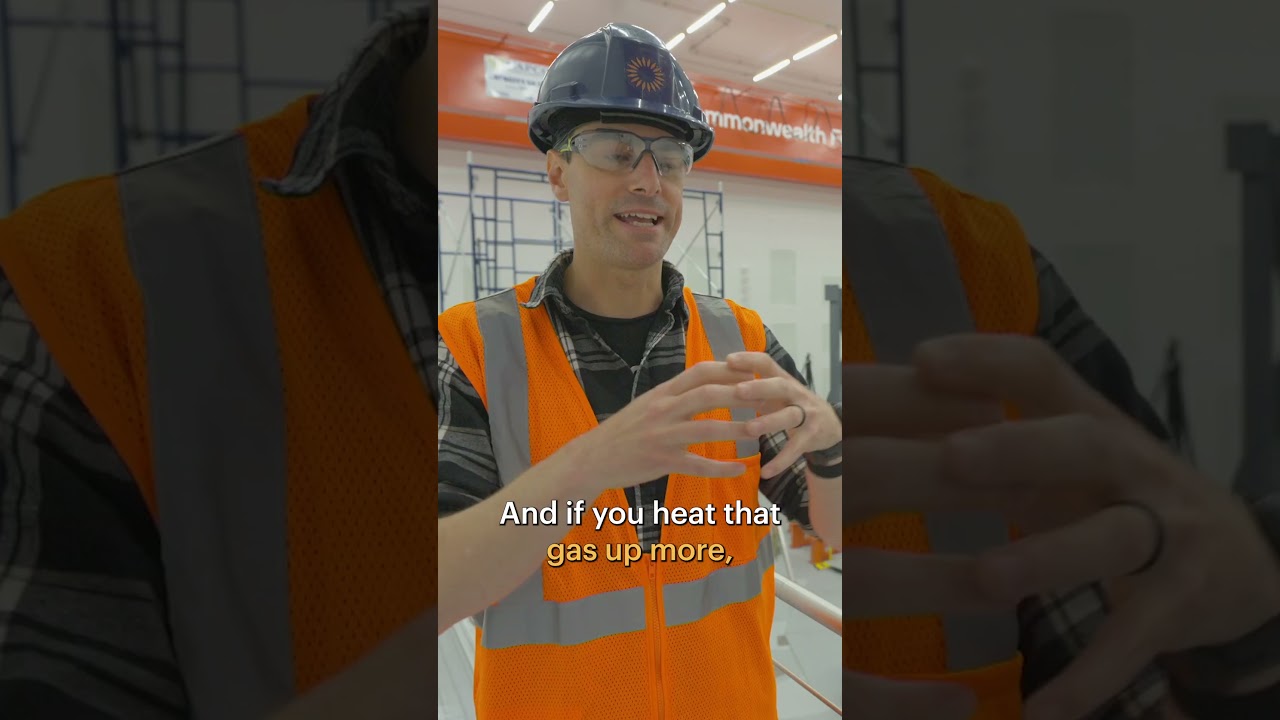
Scientists at Commonwealth Fusion Systems work on Spark to revolutionize nuclear energy.
Geothermal energy could provide 50,000 times the energy of all oil and gas resources combined, yet much of it remains untapped due to various challenges.
Modern life relies on huge amounts of energy, primarily from fossil fuels, impacting climate change.
A heat pump in Mannheim can push through 800 liters of river water per second to provide heat for 3,500 households year-round.