From over 100,000 films, discover the handful you'll love.
Free or premium access to the world's largest documentary library.
342 films(Page 2 of 8)
Digital data travels an average of 15,000 kilometers at the speed of light, relying on energy sources that significantly impact the environment.
Episode 4 features the export of wind turbine towers and heavy transport logistics in Scotland.
Director Guillaume Lenel discusses asteroid mining as a solution for rare metals from disposable electronics.
Sea levels are currently rising at a rate of 3.6 centimeters a decade, putting 3 million people at risk of annual coastal flooding.
Denmark leads in wind technology, exploring energy solutions for Europe and beyond.
Professor Brian Cox witnesses a total solar eclipse in India and explores the sun's power.
The Nature of Life presents solutions to Global Climate Change and promotes sustainable living.
Researchers, including Hakeem Oluseyi and Dennis Whyte from MIT, explore the potential to recreate stellar fusion on Earth for clean energy generation.
A 320-ton magnet is transported over 100 kilometers through southern France for the world's largest nuclear fusion reactor, set to begin operations in 2025.
Every minute, 150 cars are built, reflecting humanity's deep dependence on this invention and its significant impact on modern life.
In the 1970s, scientists in Iceland realized they had harnessed only a tiny fraction of the country's geothermal energy potential.
Circularity is the only hope for survival, as it mimics how nature operates and promotes sustainable practices across various systems.
70 percent of Iceland's power comes from clean and renewable sources, primarily geothermal energy harnessed from deep underground steam reservoirs.
The Pearl River Tower in Guangzhou, China, is one of the greenest structures on earth.
After decades of work and billions of dollars spent, the environmental movement has failed to protect the planet, according to a group of lifelong environmentalists.
A 52-foot steel-hulled schooner named Apollonia sails the Hudson River, offering a carbon-neutral alternative to traditional freight shipping.
A logistics team navigates complex routes and extreme weight loads to transport the world's heaviest wind turbine, showcasing modern engineering challenges.
Germany aims for 50% of its energy to come from renewable sources by 2050, driven by the landmark EEG law mandating above-market rates for renewable electricity.
Streaming has transformed media consumption since the 1990s, raising concerns about its carbon footprint and environmental impact as digital emissions approach those of automobiles.
231 miles per hour is the wind speed recorded on Mount Washington, one of the windiest places on Earth, where Richard Hammond investigates extreme weather.
Hydrogen is examined as a sustainable energy source, exploring production methods, environmental impacts, and applications with insights from the International Energy Agency.
23 days is the total time former NASA astronaut Dr. Catherine Sullivan spent in space, discussing the future of human life on Mars and the Moon.
Researchers in the Netherlands use Martian soil to grow crops for Earth and space research.
Nano research highlights the potential of flexible batteries and semitransparent solar cells to revolutionize energy generation and building integration.
The manufacturing process of giant wind turbines is explored, detailing the assembly of components and logistics involved in delivering renewable energy solutions.
Elon Musk's ambitious projects, including SpaceX's reusable rockets, Tesla's electric vehicles, and plans for Mars colonization, showcase groundbreaking innovations in space, energy, and transport.
Refurbished wind turbines are reshaping Europe's renewable energy landscape, as companies like Nordex and Siemens Gamesa repurpose older models to meet sustainability goals.
Iceland's Hellisheidi geothermal plant, led by foreman Markus and geologist Gretar, exemplifies the country's ambition to eliminate fossil fuels by 2050.
In downtown Guangzhou, the Pearl River Tower, designed by Roger Frechette of SOM, aims to be one of the world's greenest skyscrapers, relying solely on wind and solar energy.
Jim and Mica demonstrate how living life to the fullest is possible for disabled RVers, while John and Peter highlight the benefits of solar power on the road.
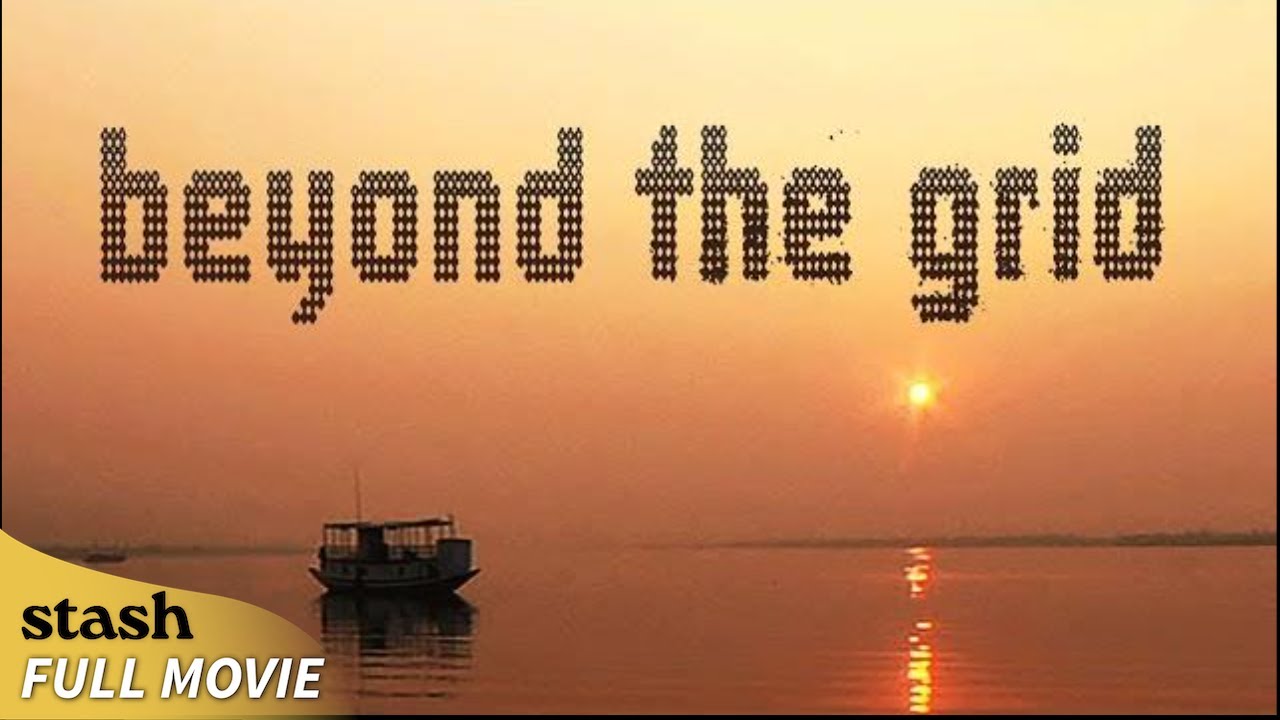
An off-grid island village transitions from fossil fuels to sustainable energy sources, featuring commentary by Noam Chomsky on the importance of this transformation.
The Passive House movement offers innovative building technologies aimed at reducing energy consumption and addressing climate change challenges.
Solar panels, bananas, axes, and platinum rings are examined for their production processes and the science behind their functionality.
Host Jim Al-Khalili traces the evolution of energy concepts from Gottfried Leibniz's 17th-century inquiries to modern understandings that shape our lives.
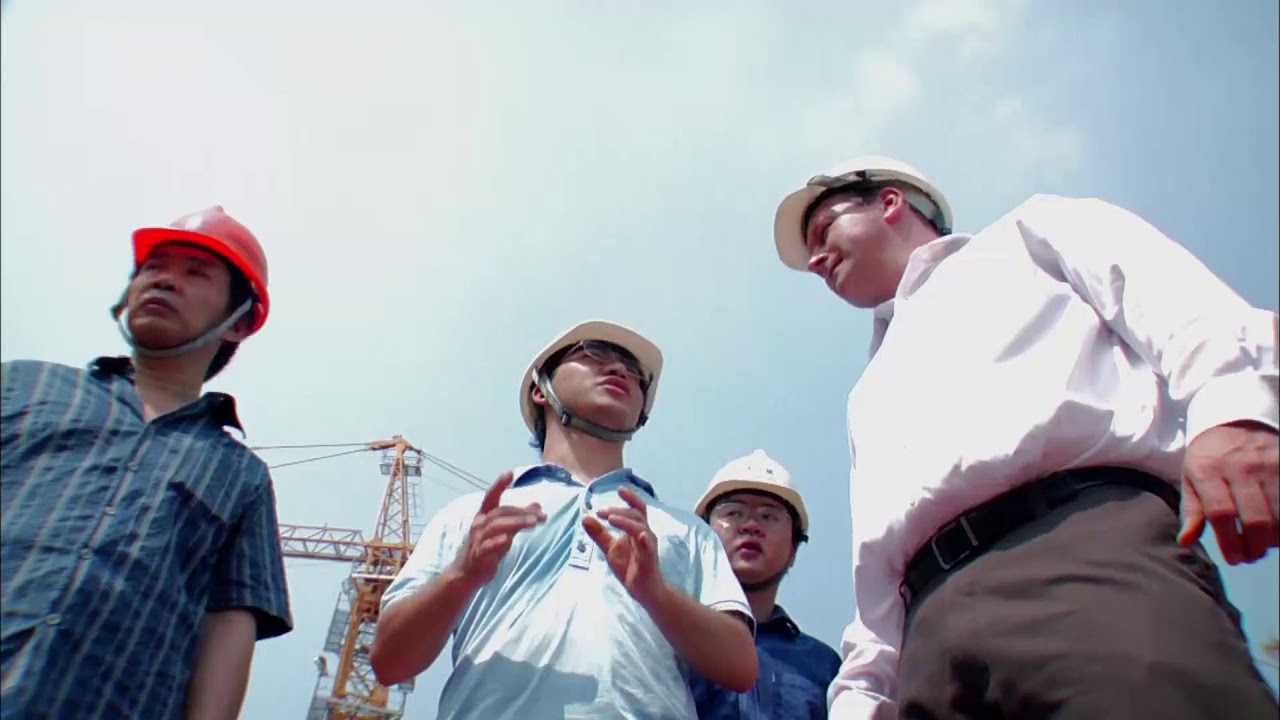
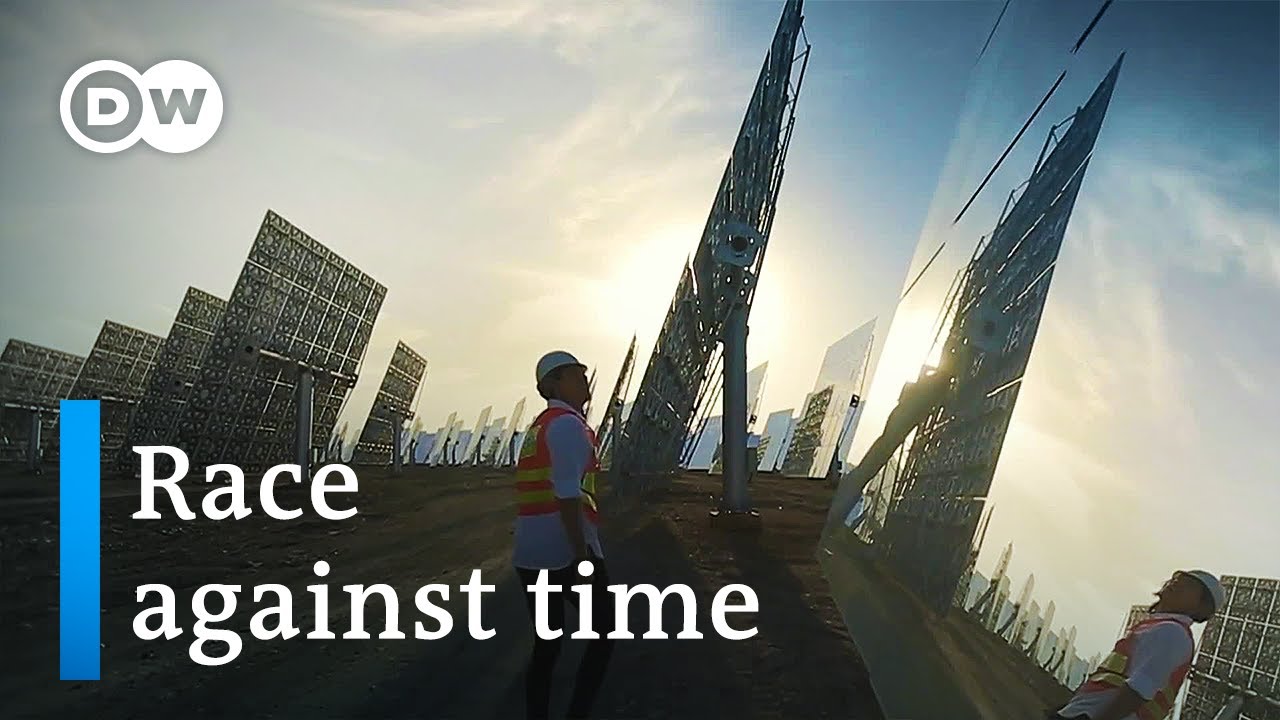
A solar energy project in China's Tengger Desert will supply electricity to over two million homes, marking a significant shift towards renewable energy.
Seventy percent of copper must be extracted from mines, with the largest operations located in South America, particularly Chile and Peru.
One third of the world's fish catch is used as fish meal and animal fodder, raising questions about sustainable food production and resource use.
Saudi Arabia's modernization efforts under Crown Prince Mohammed bin Salman contrast sharply with its ongoing human rights violations and oppressive governance.
Approximately 4,000 oil fields are currently in production, but half of the global oil supply relies on just 120 giant fields.
Each morning, Casadi Kasango descends 30 meters into a poorly secured mine shaft in the Democratic Republic of the Congo to extract cobalt for electric vehicles.
97% of the world's supply of rare earths is mined in China, which has become the dominant player in this critical market for modern technology.
97% of the world's rare earth minerals are mined in China, which has significantly reduced production by about two-thirds, affecting global prices and availability.
RES delivers noise data to Mike Hulme in Devon after a High Court victory regarding the windfarm.
Around 25,000 people protested in Belgrade in August 2024 against the reopening of a lithium mine in Serbia's Jadar Valley by Rio Tinto.
Mike Hulme fights for noise data from Rachel's company regarding a wind farm's impact.
Rachel Ruffle appeals a local authority's denial of the Den Brook Windfarm in Devon.
The global electric commercial vehicle market was valued at $71.04 billion in 2023 and is projected to reach $145.01 billion by 2031.
Ten key developments that will change lives include artificial intelligence, gene therapy, and the arrival of flying cars.