From over 100,000 films, discover the handful you'll love.
Free or premium access to the world's largest documentary library.
79 films(Page 1 of 2)
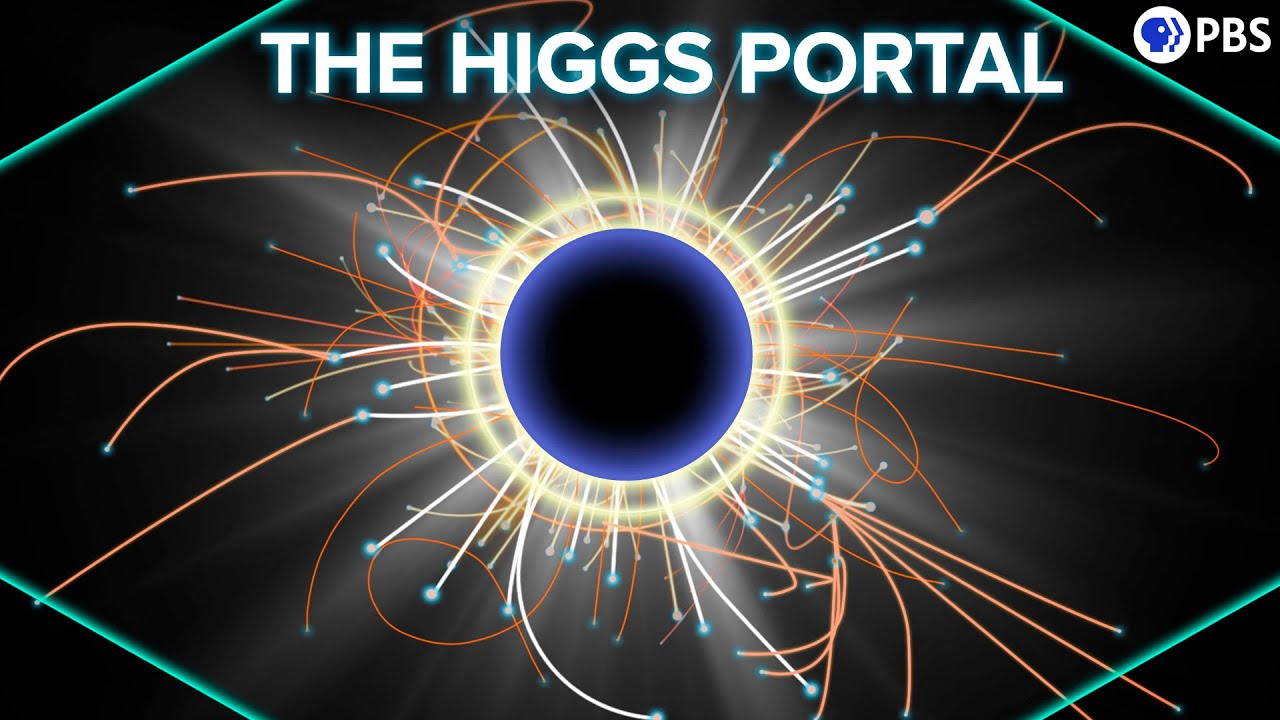
The Higgs boson's discovery confirms the standard model but leaves dark matter questions unanswered.
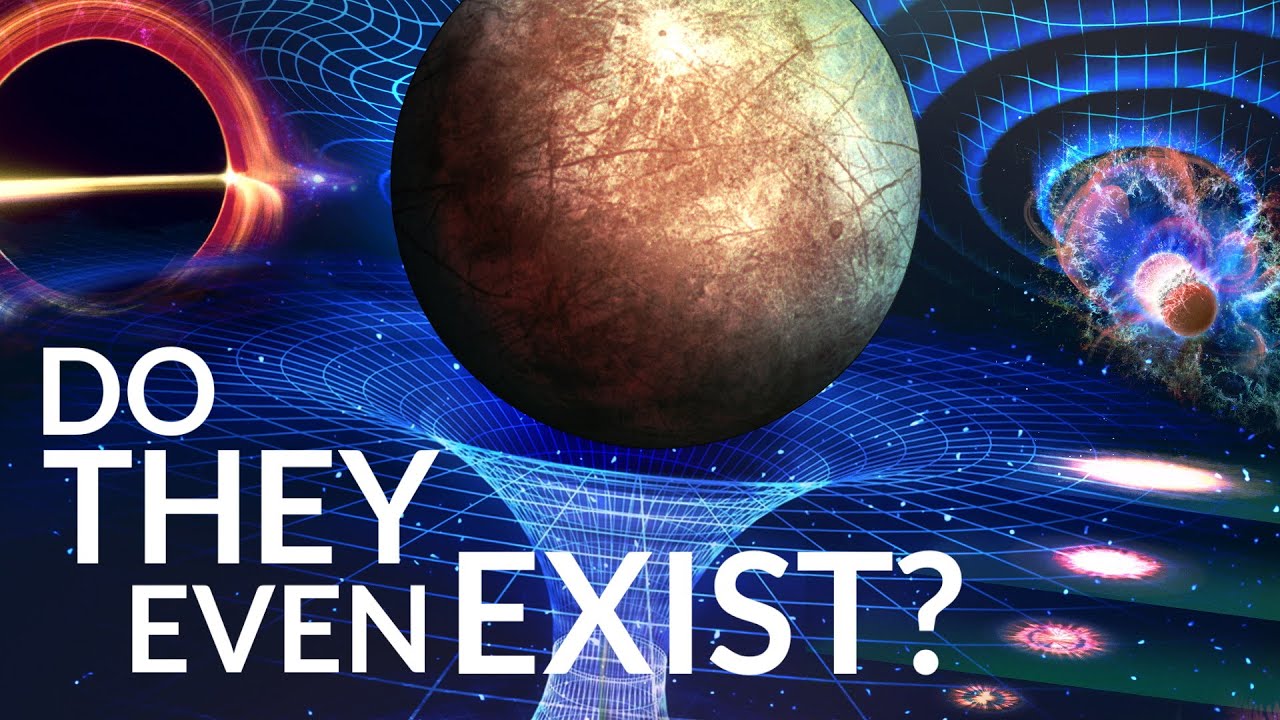
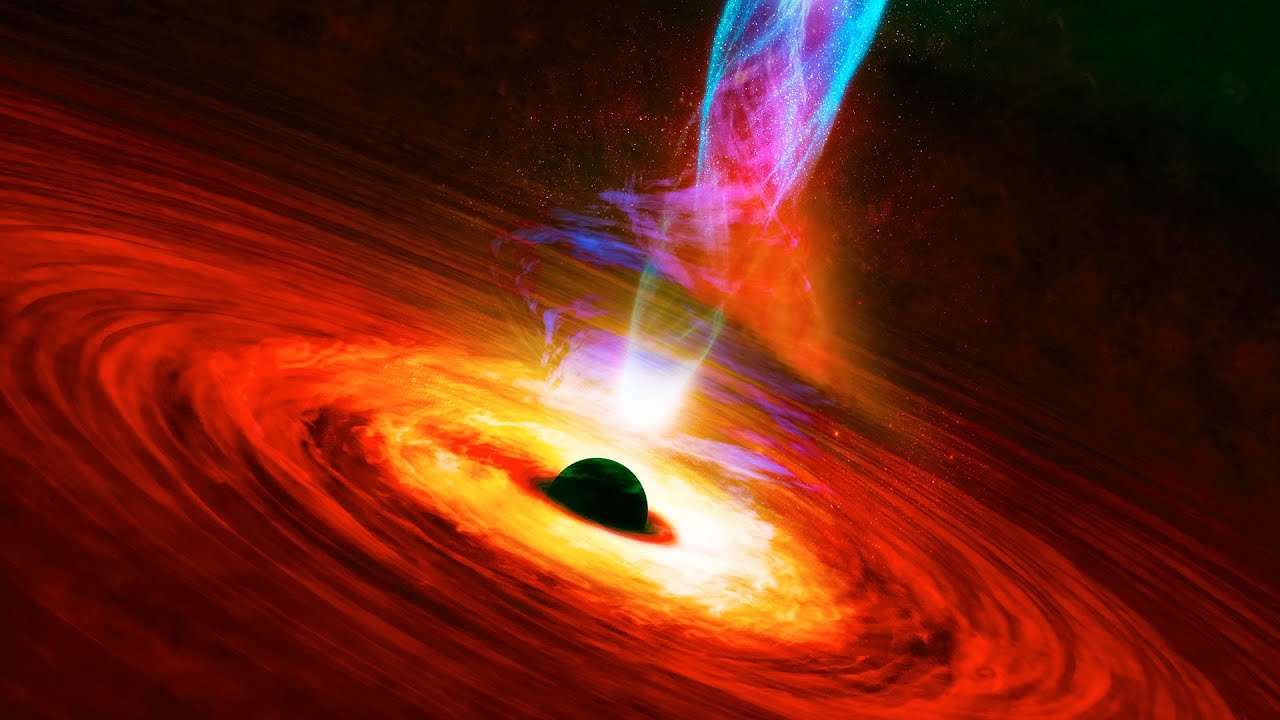
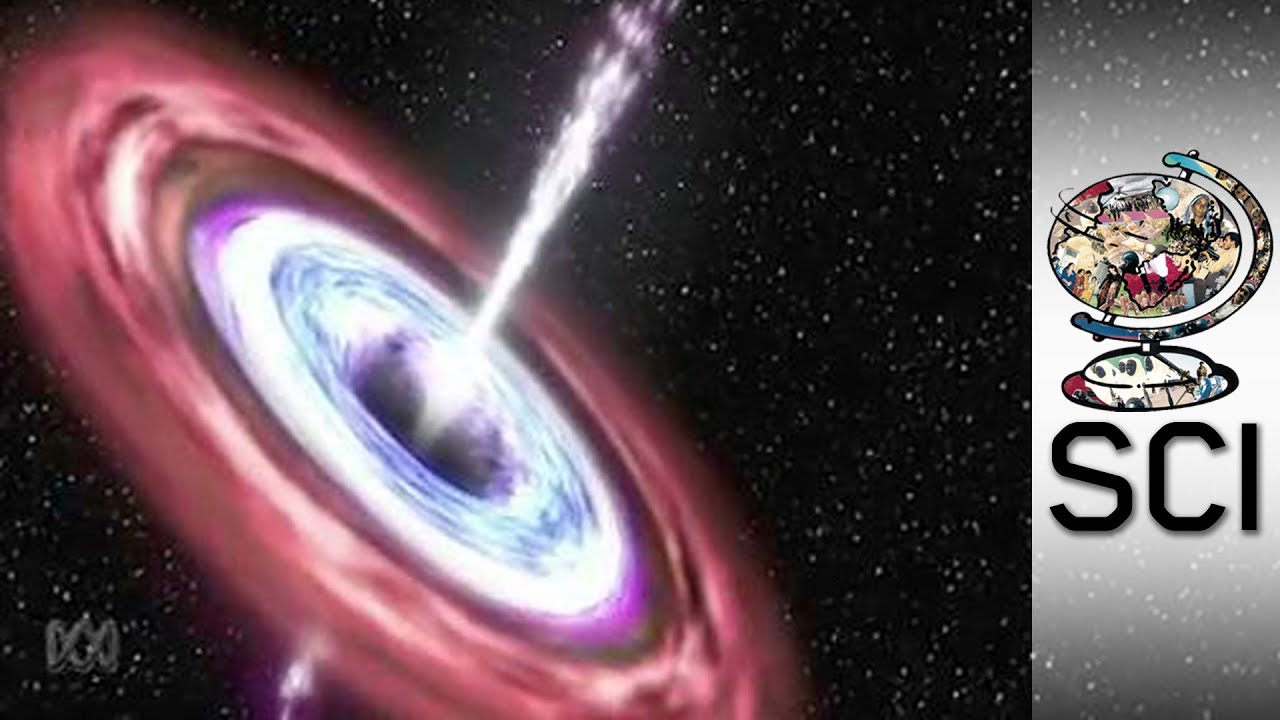
A civilization constructs a shell around a black hole using materials from dismantled planets and asteroids as the universe faces inevitable decay.
The fine structure constant, a number close to one divided by 137, remains one of the greatest mysteries of physics, puzzling scientists since the 1940s.
Light's behavior is examined through Quantum Mechanics, highlighting its wave-particle duality and making complex scientific concepts accessible to a broad audience.
In 1900, Max Planck tackled the mystery of heated filaments at the Physicalisch-Technische Reichsanstalt in Berlin, leading to the birth of quantum mechanics.
In 1900, scientists faced a mystery about the light bulb: why did the color of light change with temperature, leading to the birth of quantum mechanics.
Countless trillions of humans may one day live across the Milky Way, but a fundamental difference in matter and anti-matter could prevent true contact with other civilizations.
300 miles off the coast of West Africa, physicists set up an experiment to test quantum entanglement, a concept Albert Einstein dismissed as impossible.
2000 miles is the distance barnacle geese travel each winter to reach a Scottish river, guided by quantum mechanics in their navigation.
The search for a unified Theory of Everything spans decades, exploring concepts like string theory, hidden dimensions, and the holographic principle.
Scientists consider the possibility of building a real-time machine for time travel.
Alpha Centauri, located 4.37 light years from Earth, is identified as a potential target for humanity's first interstellar mission to a habitable world.
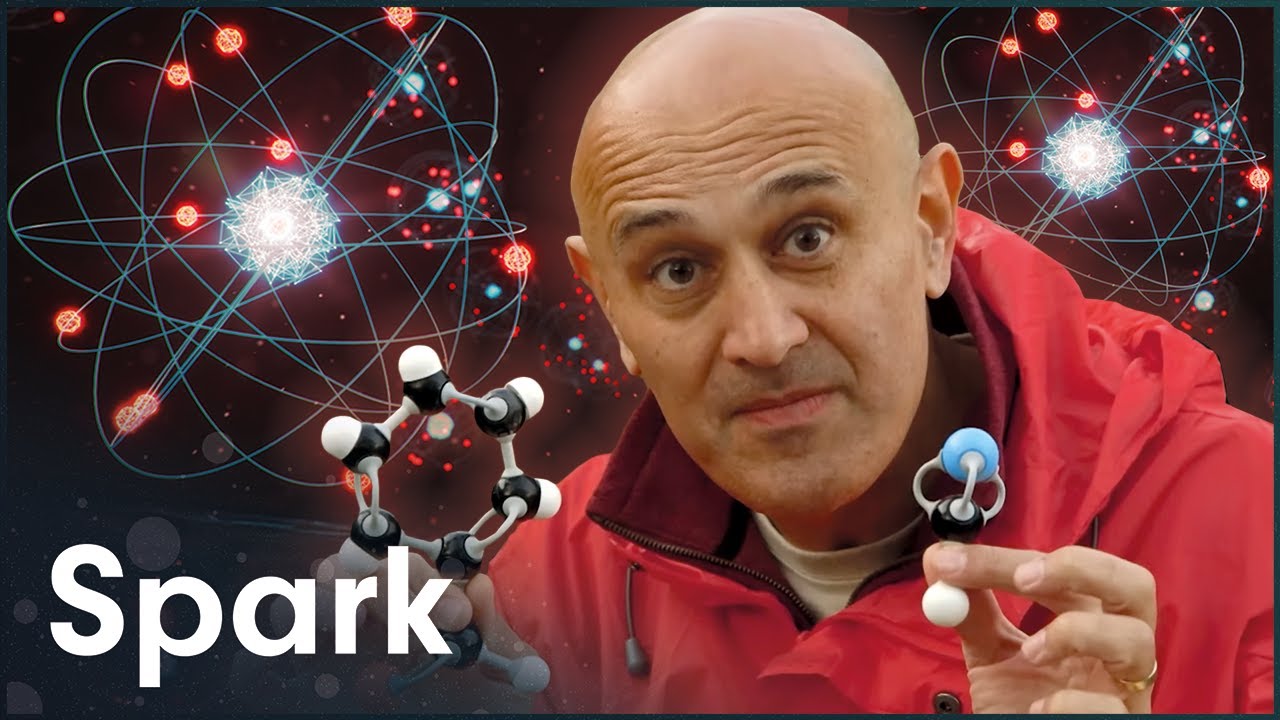
Physicist Jim Al-Khalili connects quantum mechanics to biological mysteries in nature.
Scientific thought has evolved from Isaac Newton's laws of gravitational attraction to Einstein's General Relativity, revealing insights into the universe's expansion.
In 1900, Max Planck tackled the mystery of why a heated light bulb filament changes color, sparking the birth of quantum mechanics.
The James Webb Space Telescope, launched by NASA in December 2021, captures images of the Cosmic Dawn, revealing insights into the universe's early history.
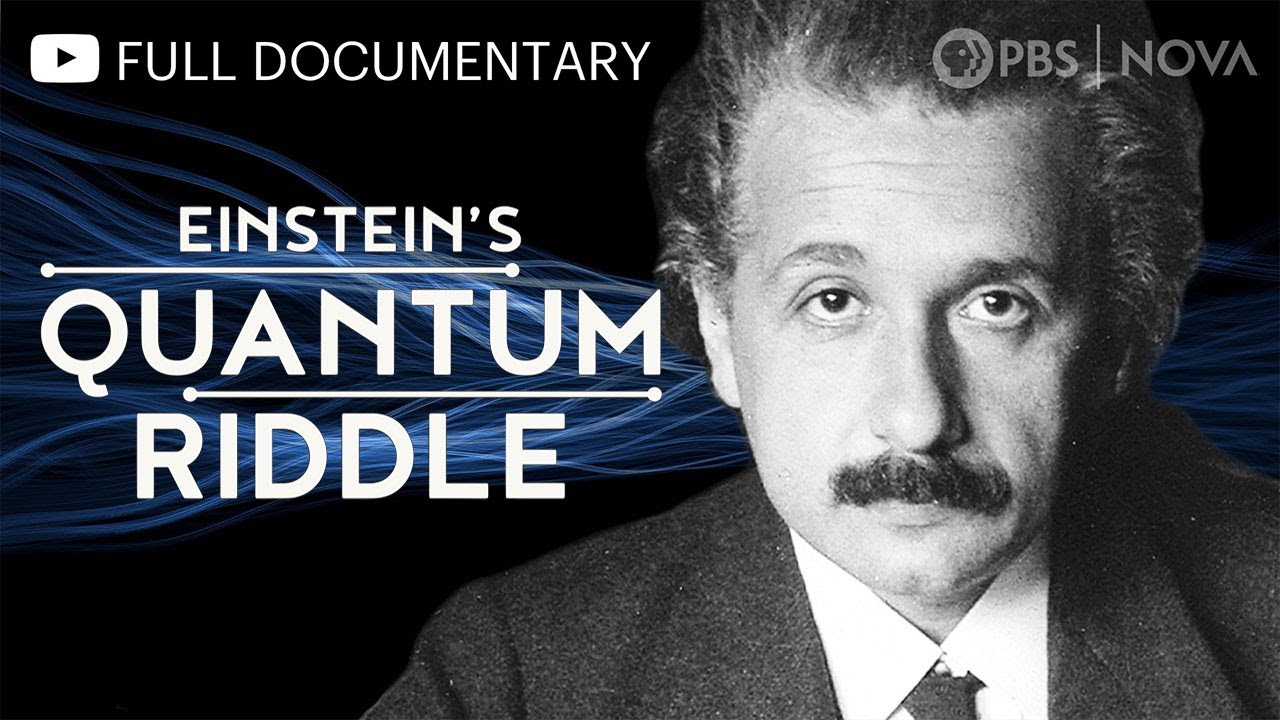
Einstein's theory of general relativity, quantum mechanics, and the concept of a holographic universe are examined through groundbreaking scientific breakthroughs.
The universe is 13.8 billion years old, and understanding its origins requires knowledge of elementary particles and quantum processes.
Professor Jim Al-Khalili traces the development and significance of quantum physics, highlighting its profound impact on modern scientific understanding.
Alan Lightman examines modern scientific findings to explore humanity's place in the cosmos, featuring insights from astronomer Dan Snow.
A project to build the first real-time machine has just begun, with scientists aiming to master time itself within this century.
An informal group of nearly a dozen physicists in the San Francisco Bay Area in the 1970s, known as the Fundamental Fysiks group, influenced quantum physics.
Parallel worlds and multiverses are explored through discussions with leading thinkers, examining the possibility of intelligent life beyond Earth.
Quantum physics challenges traditional notions of reality by exploring subatomic particles, quantum teleportation, and their implications for technology and philosophy.
The quest for an unbreakable code in cryptography examines historical milestones and the implications of quantum computing on data security.
Professor Jim Al-Khalili explores the profound relationship between "everything" and "nothing," examining the universe's structure and the implications of quantum physics.
The concept of infinity is explored through the vastness of the universe, examining both the infinitely large and the infinitely small.
Trillions of atoms, each less than a millionth of a millimeter across, form the building blocks of everything in the universe, from stars to human beings.
Victor Hess's discovery of cosmic rays and Paul Dirac's antimatter theory at Caltech illustrate the foundational advancements in modern physics and radioactivity.
Canadian astronaut Chris Hadfield describes the experience of weightlessness in space, where movement becomes effortless and the body floats freely.
Ten key developments that will change lives include artificial intelligence, gene therapy, and the arrival of flying cars.
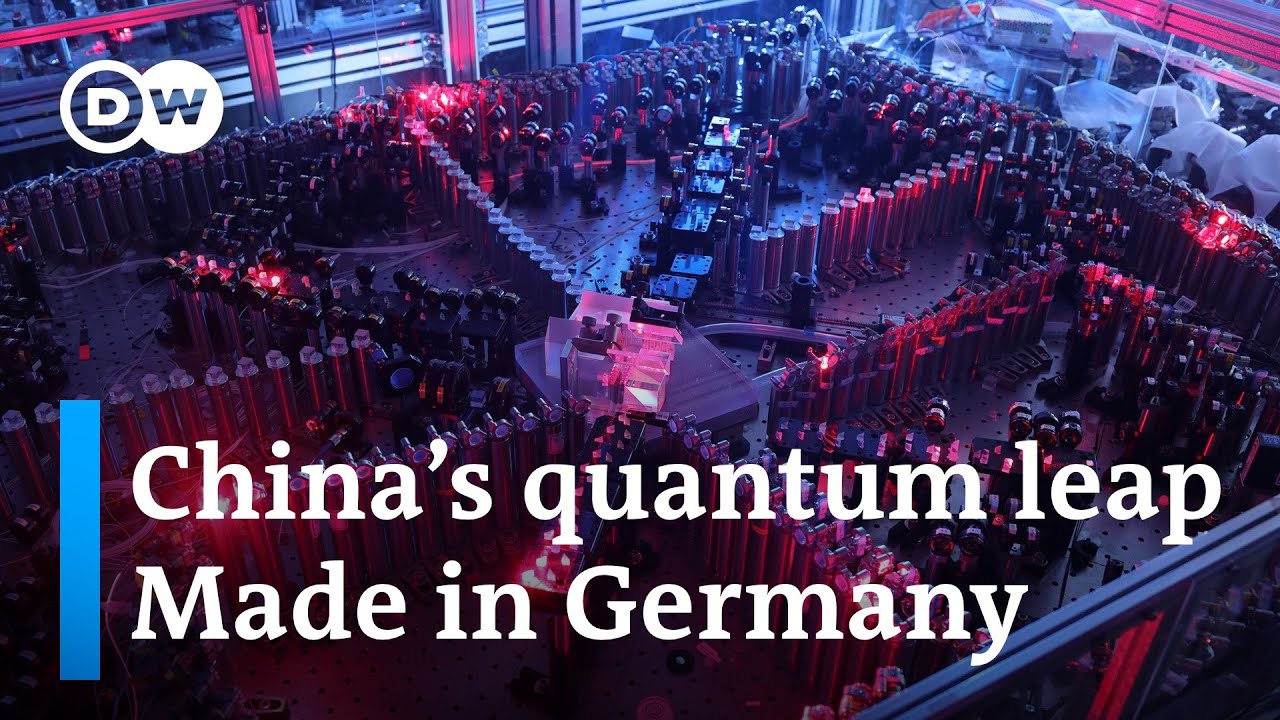
Heidelberg University has collaborated with Chinese physicist Pan Jian-Wei on quantum research for two decades, raising concerns about academic freedom and national security.
China plans to invest at least $10 billion in quantum technology over the next three years, significantly outpacing U.S. government spending on research.
Eminent astrophysicist Fred Hoyle stated that it looks like a super intellect has manipulated physics to allow for intelligent life in the universe.
The ancients looked into the night sky and thought the universe revolved around Earth.
The video discusses Alam Ghaib and its connection to Indonesian culture and science.
Professor Jim Al-Khalili explains how we could be smelling through vibrations in quantum physics.
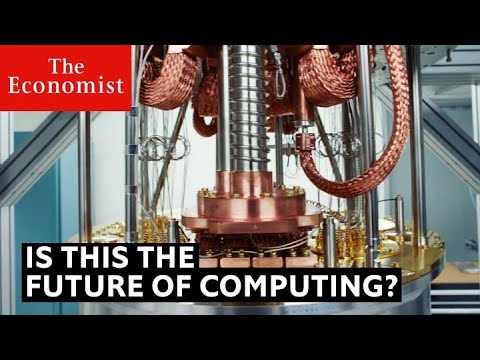
Quantum computing may crack encrypted networks and solve global challenges, says The Economist.
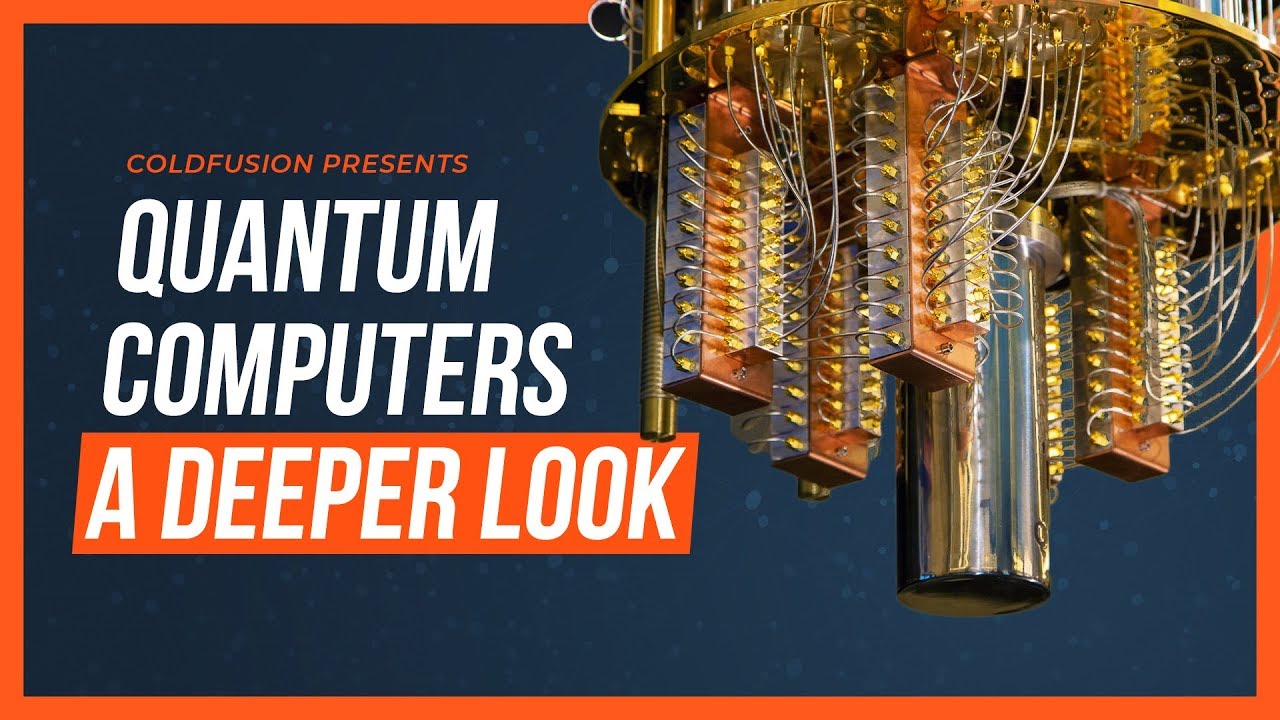
Quantum computers operate on principles of quantum mechanics, enabling unprecedented processing power and efficiency compared to classical computers.
Superconductors have the potential to transform technology and energy efficiency dramatically.
A quantum computer could solve problems in seconds that would take a classical computer millennia to figure out.
Vlatko Vedral explains to Aleks Krotoski that reality is fundamentally information.
Dr. J. from EsoCast discusses the runaway universe discovery and its implications.
For seven decades, chemists searched for element 43, which was eventually created in 1937 by Italian physicist Emilio Segrè using a particle accelerator.
Alice must carry a quantum bit into a black hole, where it either crosses the event horizon or vanishes forever during evaporation.
A crew of astronauts boards the space shuttle Endeavor for its 134th flight, carrying the alpha magnetic spectrometer to study antimatter in the universe.
Every radio telescope on Earth receives a massive data dump containing instructions for building a faster-than-light propulsion device from an advanced alien species.
Dark matter, which makes up about 80% of the universe's mass, is examined for its potential connection to black holes and their gravitational effects.