From over 100,000 films, discover the handful you'll love.
Free or premium access to the world's largest documentary library.
162 films(Page 3 of 4)
Eight million tons of plastic waste end up in the ocean each year, yet many major food companies fail to meet their sustainability commitments.
Innovative companies are creating sustainable packaging solutions from algae and mushrooms to combat the growing plastic waste crisis.
Chemical recycling, particularly through methods like pyrolysis, offers potential solutions to the escalating global plastic waste crisis.
Engineers use the Interceptor to clean the Klang River in Malaysia and prevent ocean plastic pollution.
Currently, bioplastics make up about one percent of all plastics, but their market is growing as consumers seek more eco-friendly options.
Daily choices lead to the consumption of 70,000 to 120,000 microplastic particles each year.
Unifi recycles plastic soda bottles into new polyester fiber in Yadkinville, North Carolina.
Nine in ten Europeans worry about plastic's environmental impact and waste management practices.
Ghost farms in Greece, some abandoned since 1993, contribute to marine pollution by releasing microplastics and plastic debris into the ocean.
A catamaran made from recyclable plastics is designed to sail across the Pacific Ocean, with a prototype achieving speeds of around 8 knots.
Roughly 40% of litter consists of single-use plastic, despite a European Union ban on many of these items since 2021.
Germans produced 38 kilograms of plastic packaging waste per person in 2016, significantly higher than the EU average of 24 kilograms.
30 million pounds of trash are targeted for removal from the ocean by a robot and a team of volunteers in a competition against time.
Microplastics have been found in human bodies, linking them to serious health issues.
Global plastic production is projected to reach 350 million tons annually by 2060, with 11 to 14 million tons entering the ocean each year.
Less than 9% of all plastic ever produced has been recycled, revealing the failures of the global plastic waste management system.
Overfishing and pollution threaten the livelihoods of the Bajo people in Southeast Sulawesi, Indonesia, as they fight to preserve their traditional fishing practices.
Barea aims to keep over 70,000 pounds of discarded fishing nets out of landfills and oceans by transforming them into products like hats and surf fins.
A team of researchers has engineered an enzyme capable of breaking down plastic waste, offering a potential solution to the global plastic pollution crisis.
Benedict Cumberbatch and Valentina Gottlieb discuss ocean noise pollution and education.
In remote Alaska, a team of scientists and artists from investigates marine debris from the Pacific Ocean's gyres to create awareness through art.
Three billion people rely on the ocean for food, yet human activities like overfishing and pollution threaten its health and future.
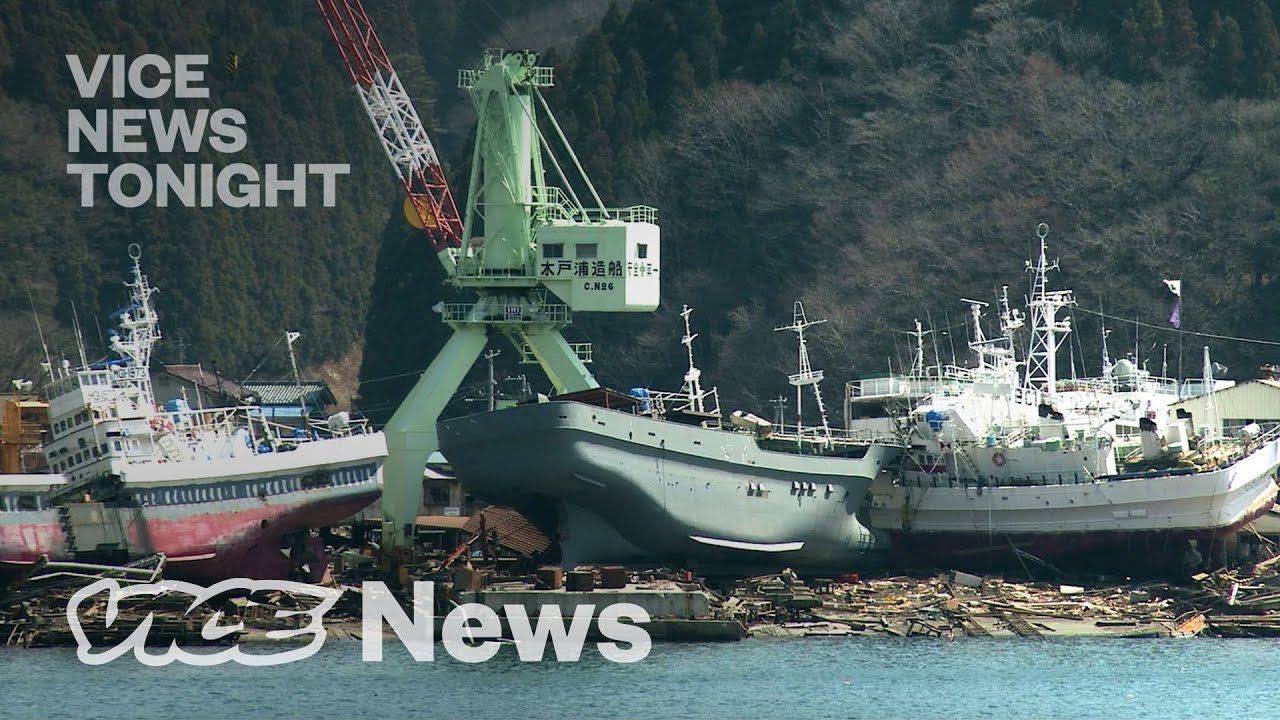
An entire Japanese fisheries dock, over 60 feet long and weighing 180 tons, washed ashore in Newport, Oregon, covered with more than a hundred tons of marine organisms.
A set of stairs from old machinery fits perfectly into a composting toilet project, demonstrating the potential of repurposing discarded materials.
Lake Baikal is large enough to supply fresh water for half a century and hosts many seals.
Surfistas buscan las olas más grandes en la isla de Alejandro Selkirk y descubren tesoros.
450,000 plastic bottles have been collected on Prince IPE Island as part of efforts to achieve a plastic-free environment by 2020.
Only 1% of the plastic that enters the ocean is visible, while the remaining 99% remains unseen, impacting even the remote Galápagos Islands.
One shoe is made from three months' worth of collected K-Cups and cat food pods, demonstrating a method for recycling difficult plastics.
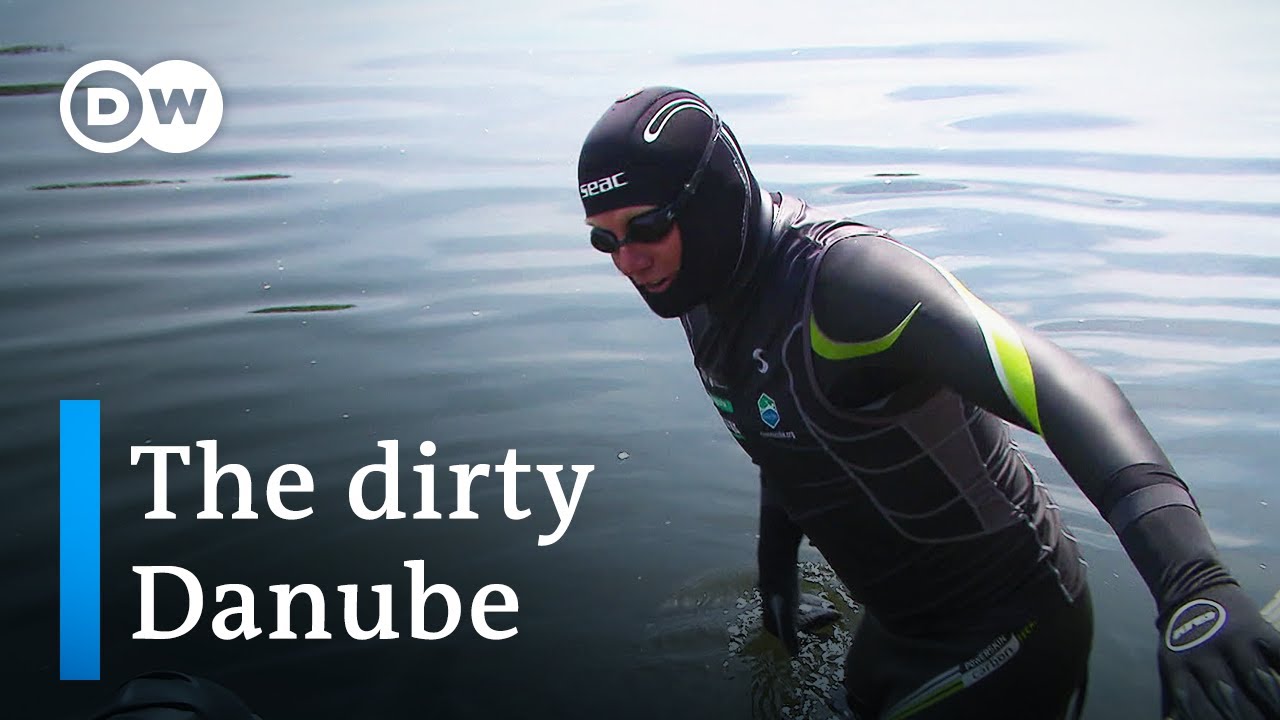
Four tons of microplastics flow daily from the Danube into the Black Sea, prompting chemistry professor Andreas Fath to swim the river's entire 2,700 kilometers.
A raft made from 800 plastic bottles carries six friends 2,300 miles down the Mississippi River, one of the most polluted rivers in the world.
Innovative research at the University of Queensland demonstrates the potential of converting plastic waste into sustainable jet fuel.
209 residents near a viscose plant in Madhya Pradesh report health problems potentially linked to pollution from the textile industry.
Only 15% of materials placed in recycling bins are actually recycled due to contamination and inadequate infrastructure in waste management systems.
Plastic pollution affects every aspect of modern life, with John Oliver highlighting its environmental impact and the inadequacy of recycling as a solution.
A slimy floating mass of yellowish white sea snot threatens Turkey's marine life and fishing industry.
Spain's worst drought forces locals to creatively maintain biodiversity amid water scarcity.
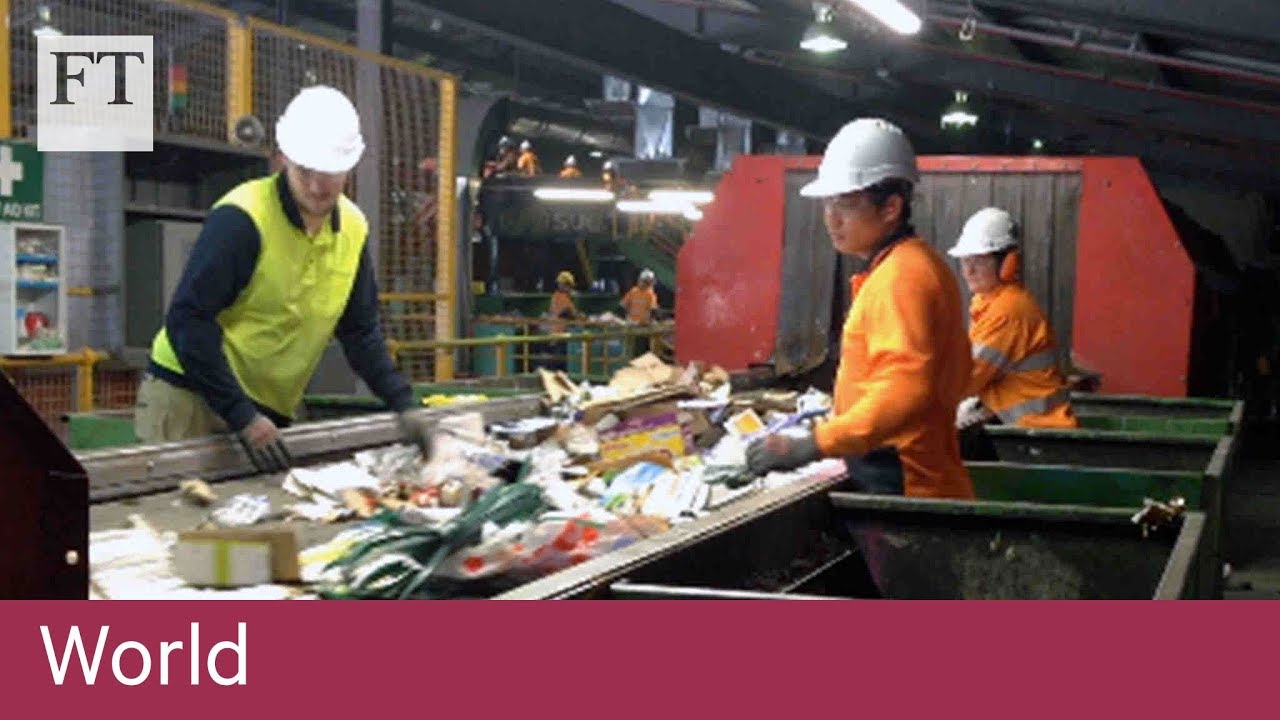
Australia struggles with a trash problem due to China's import ban on waste materials.
Banksy's artwork in Port Talbot highlights local pollution and attracts thousands of visitors.
Nestle commits to sustainable packaging, aiming for 100% recyclability by 2025.
Oil production in Nigeria raises critical safety concerns, highlighting the risks of explosions and environmental damage while calling for improved practices.
People are warned to avoid Poole Harbour due to a significant oil leak incident.
Fashion's environmental impact worsens as China enforces stricter pollution controls.
Sara Wulf and Melena launch a supermarket in Berlin to reduce plastic waste in shopping.
Umicore in Belgium leads efforts to recycle electronic waste and recover valuable materials.
Watch this to see how scientists track BP's Deep Water Horizon oil slick toward the Gulf Coast.
Over a million tons of munitions in the North Sea pose a serious environmental danger.
Romania's landfill fails to recycle waste, despite EU funding and regulations.