From over 100,000 films, discover the handful you'll love.
Free or premium access to the world's largest documentary library.
636 films(Page 2 of 14)
A man recalls the emotional difficulty of leaving his family in the Philippines to work in Happy Valley-Goose Bay, Labrador, for better opportunities.
Brooks, Alberta, evolved from a predominantly white community to a diverse hub as immigrants and refugees united during the first strike at Lakeside Packers.
Ariel Nasr reflects on his Afghan heritage while young Afghans like Rana broadcast radio from Canada, aiming to inspire their peers in Kandahar amid ongoing conflict.
Camerún es una isla de paz en un continente socavado por incesantes guerras civiles y religiosas.
In 2016, an 18-year-old first-time voter felt that Donald Trump represented a change in American politics from the traditional establishment.
German-speaking refugees fleeing famine, disease, and religious persecution between 1618 and 1748 established a significant camp in London amid political turmoil.
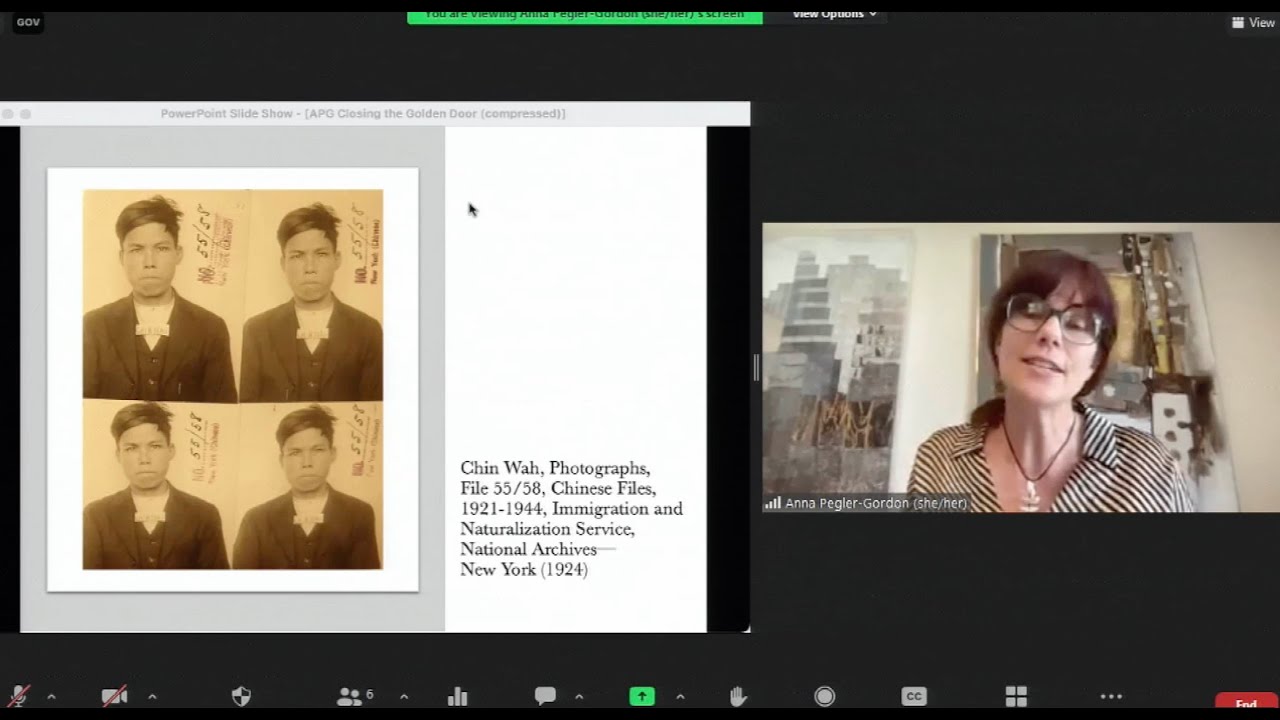
Gabrielle Hutchins, Ph.D., presents federal records that document the history and evolution of migrant farm workers in U.S. labor programs from 1942 to the present.
Elva, a small mountain village in Piedmont, Italy, utilizes a €20 million EU post-COVID reconstruction fund to revitalize its community and heritage under Mayor Marco Borrelli.
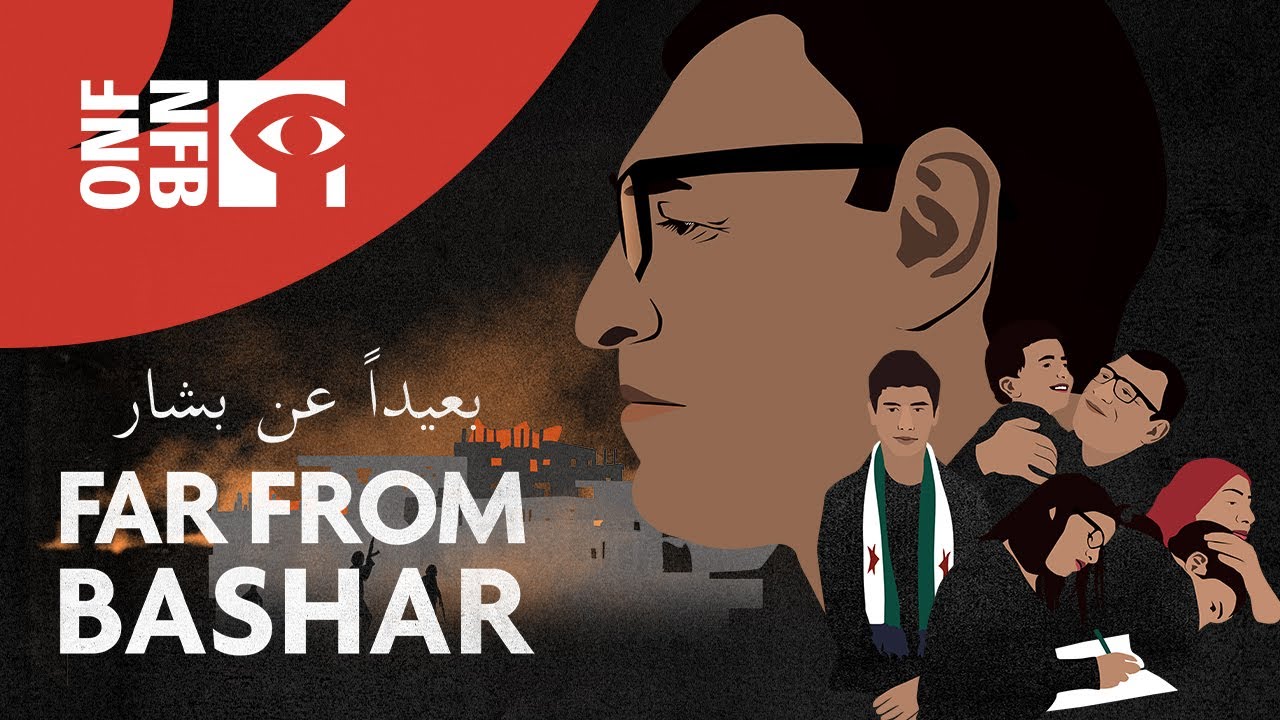
In Montreal, the al-Mahamid family navigates the challenges of life as Syrian refugees, grappling with the ongoing impact of the war led by Bashar al-Assad.
Cambodians return home in 1992 after surviving war and refugee camps, facing societal tensions.
In 1844, tens of thousands of Irish immigrants arrived in Philadelphia, sparking violent riots fueled by nativist sentiments against their presence.
Monteviasco, a remote Italian village with only five residents since the cable car's closure in 2018, faces challenges of isolation and community survival.
After two years apart, an Italian immigrant family reunites in Canada, facing the challenges of a new culture and the warmth of neighborly gestures.
Ellis Island, operational from 1892 until World War I, primarily processed European immigrants while Asian individuals faced significant exclusion and detention.
In 1789, George Washington laid out his itinerary for a tour of the United States, which included stops in Savannah, Georgia, and other key locations.
After 20 years away, Arinze Eze returns to Canada, grappling with his cultural identity and the expectations of his Nigerian parents during their visit.
Jewish identity in Ukraine and Germany is explored through the experiences of commander Ilya Shpolyansky and author Daniel Arkadij Gerzenberg amid cultural memory and conflict.
115 years before John F. Kennedy addressed the Irish Parliament, his great grandparents left Ireland for America in search of a better life.
Five men discuss their experiences of statelessness and identity while getting haircuts at a barber shop in Canada.
Five asylum seekers fleeing homophobic violence navigate the challenges of integration and the threat of deportation in Canada.
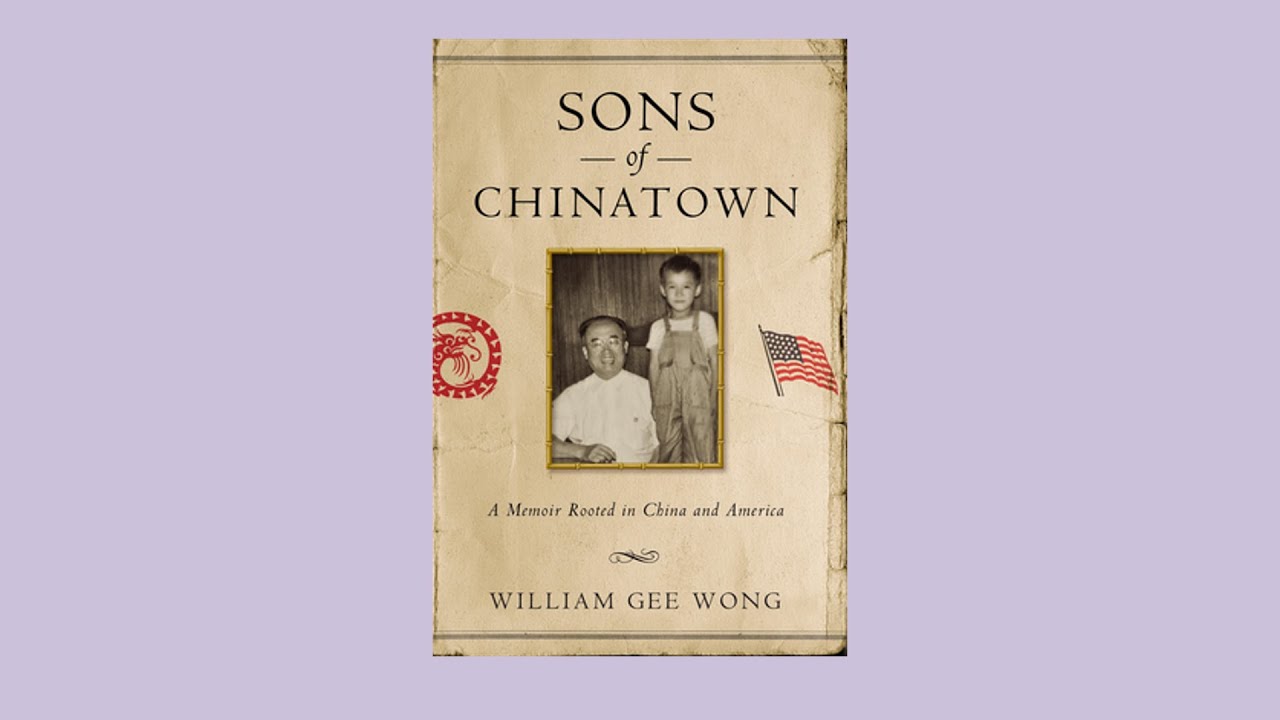
William Gee Wong began his family history project in 2011 to commemorate the 100th anniversary of his father's arrival in America in 1912.
In Kippenheim, Germany, Jewish villagers faced a dire struggle for American visas during the Nazi regime, with only one in four escaping to safety.
In 2010, the National Archives in Washington, D.C. hosted a naturalization ceremony, welcoming new American citizens from diverse backgrounds.
German emigration in the 19th century led over one million individuals to the USA and Brazil, where their legacy was complicated by World War I and Nazi affiliations.
Experiences of the Pakistani diaspora in Britain, including community members like DJ Ahad and entrepreneurs Mahi and Irfan, are explored alongside initiatives supporting South Asian women.
Genetic research and DNA analysis reveal how nations construct narratives about their historical connections to ancient peoples and ancestral lineages.
German-speaking emigrants who left for North America by 1750 faced hardships as indentured servants and significantly contributed to U.S. industrialization.
Pablo, a Chilean emigrant and ex-professor, navigates the challenges of working in a Montréal steel mill while grappling with language barriers and isolation.
Hispanic Americans have played a significant role in the U.S. Congress from 1822 to 2012, as presented by Matthew Wasniewski at the Center for Legislative Archives.
Mohammad 'Mo' Rabie returns to Syria after the civil war to search for his missing brother Ahmad and assess his future between Syria and Germany.
In Jerusalem, 11-year-old Russian immigrant Asya navigates cultural, political, and religious diversity while adapting to her new life and making friends.
Gwen Granados from the National Archives at Riverside, CA, discusses locating Japanese relocatees in records beyond the War Relocation Authority during the 2017 Virtual Genealogy Fair.
Refugee children in Quebec face significant challenges integrating into the school system due to the trauma of violence they have endured, as explored by psychologist Hélène Magny.
Juan Pablo Roque, a defector from the Cuban military, vanished after his wife discovered him speaking Russian in secret.
A 1500% increase in visa applications from Americans relocating to Spain since 2016 highlights the impact of Donald Trump's presidency on expatriation trends.
Rasmus Paladin's Koran desecration in Copenhagen's Fredericksburg district sparks tensions, highlighting Denmark's struggle with far-right sentiments and migrant policies.
In 2017, a typical apartment in Shenzhen cost 41 times the average annual salary, reflecting the severe housing crisis in China's urban centers.
Each year, thousands of North Koreans attempt to escape, risking their lives to avoid being sent back to prison camps if caught.
Honduran families face extortion demands of up to 6 euros per week from gangs, forcing many to flee the country in search of safety and better lives.
More than 100,000 people have died in the long-running conflict in Mindanao, where the Islamic State seized Marawi in 2017 for five months.
1,500 Russian soldiers remain deployed in Transnistria, a breakaway region in Moldova that operates under Moscow's influence and support.
Up to 10,000 people crossed the U.S.-Mexico border daily at the height of the immigration crisis in recent months.
121 individuals have been picked up in raids, as families face the challenges of seeking asylum in the United States amid a complex immigration system.
3,000 people from 15 nations live in a camp in Tunisia, waiting for a chance to reach Europe while facing dire conditions and police brutality.
Sweden confronts rising gang violence amid challenges of integration with Muslims and a strong welfare state.
Matamoros became home to the largest refugee camp on the U.S.-Mexico border as asylum seekers waited for years under the 'Remain in Mexico' policy.
Latvia's Russian-speaking population faces increasing government restrictions and integration challenges amid rising socio-political tensions linked to the Ukraine conflict.
1,700 Cambodian legal permanent residents in the U.S. face deportation orders under policies enacted during the Trump administration.