From over 100,000 films, discover the handful you'll love.
Free or premium access to the world's largest documentary library.
293 films(Page 3 of 7)
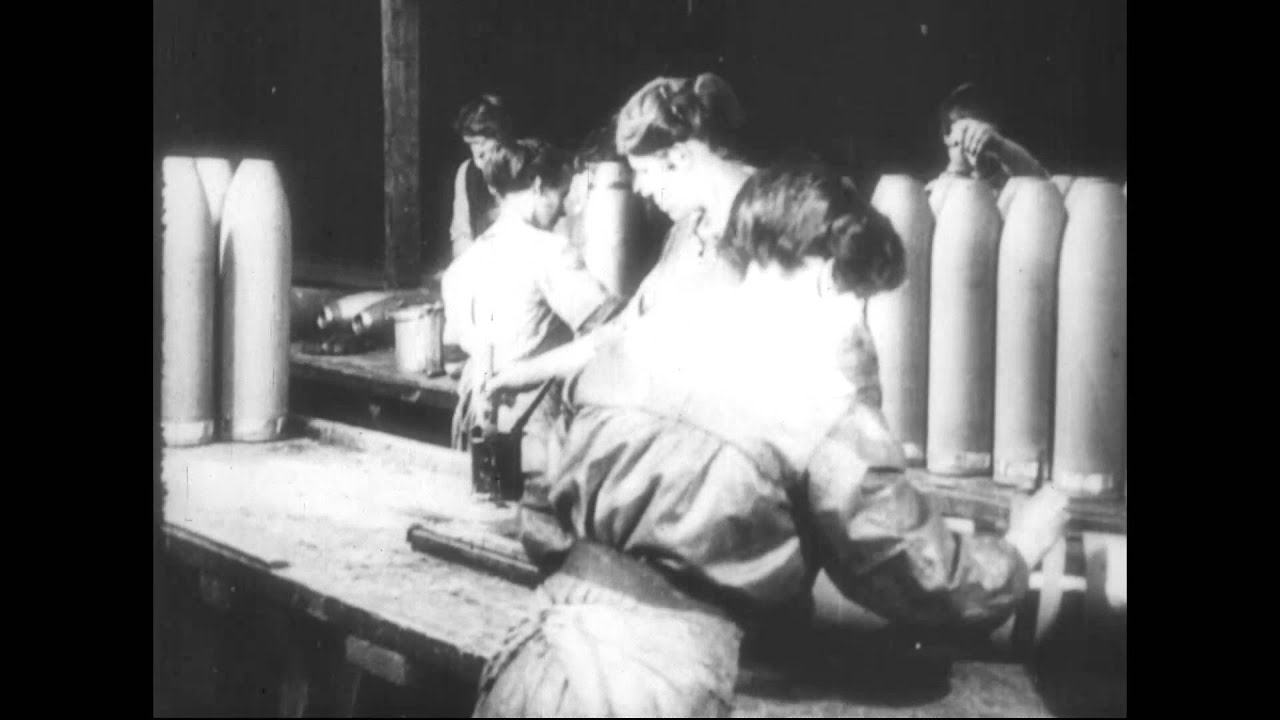
In 1918, munitions production processes are documented, showcasing the forging, milling, and assembly of artillery shells and aircraft by the U.S. Army.
Two and a quarter million pounds were spent to restore the Flying Scotsman, which completed nearly 7,000 miles without a major fault in its first year of operation.
This video provides a detailed look at building the John Deere T670 combine harvester.
Henry Ford's legacy illustrates how the automobile transformed North American society, shaping culture and infrastructure from the Model T to the Ford dynasty's influence.
In 1960, enthusiastic youngsters cleared the way for the inaugural trip on the Bluebell Railway, showcasing the essential backroom operations of steam locomotive maintenance.
Hamilton, known as the Pittsburgh or Birmingham of Canada, is depicted through its steel mills and surrounding landscapes, highlighting the city's industrial and natural contrasts.
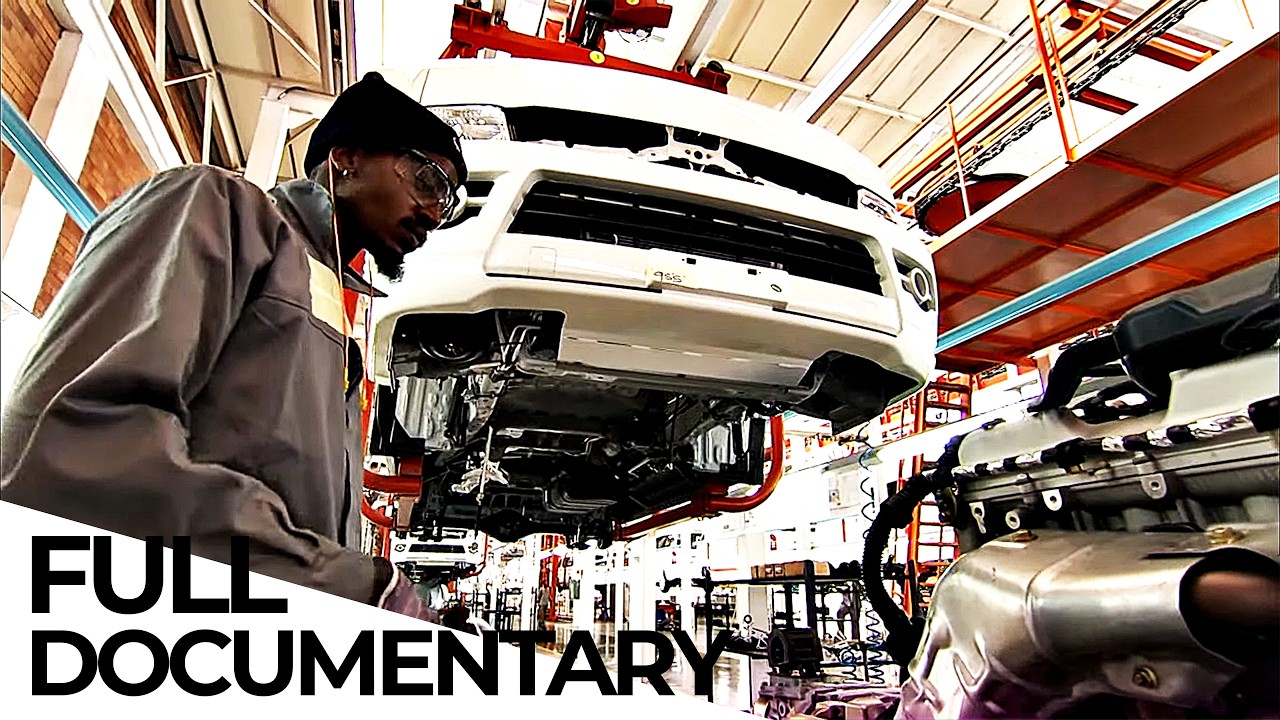
At the largest Volvo truck factory in America, a semi-truck is constructed every 10 minutes, showcasing advanced technology and skilled craftsmanship.
Desar Molnar, a free spirit and inventor, works on his first flying car while surrounded by the remnants of a depleted Earth in 2047.
315 meters long and 65 meters high, the Meraviglia weighs 80,000 tons and can accommodate several thousand passengers as a self-sufficient floating city.
The manufacturing process of giant wind turbines is explored, detailing the assembly of components and logistics involved in delivering renewable energy solutions.
Billund, a small town in Denmark, is the birthplace of LEGO and has transformed into a global hub of creativity, housing the company's headquarters and the first Legoland theme park.
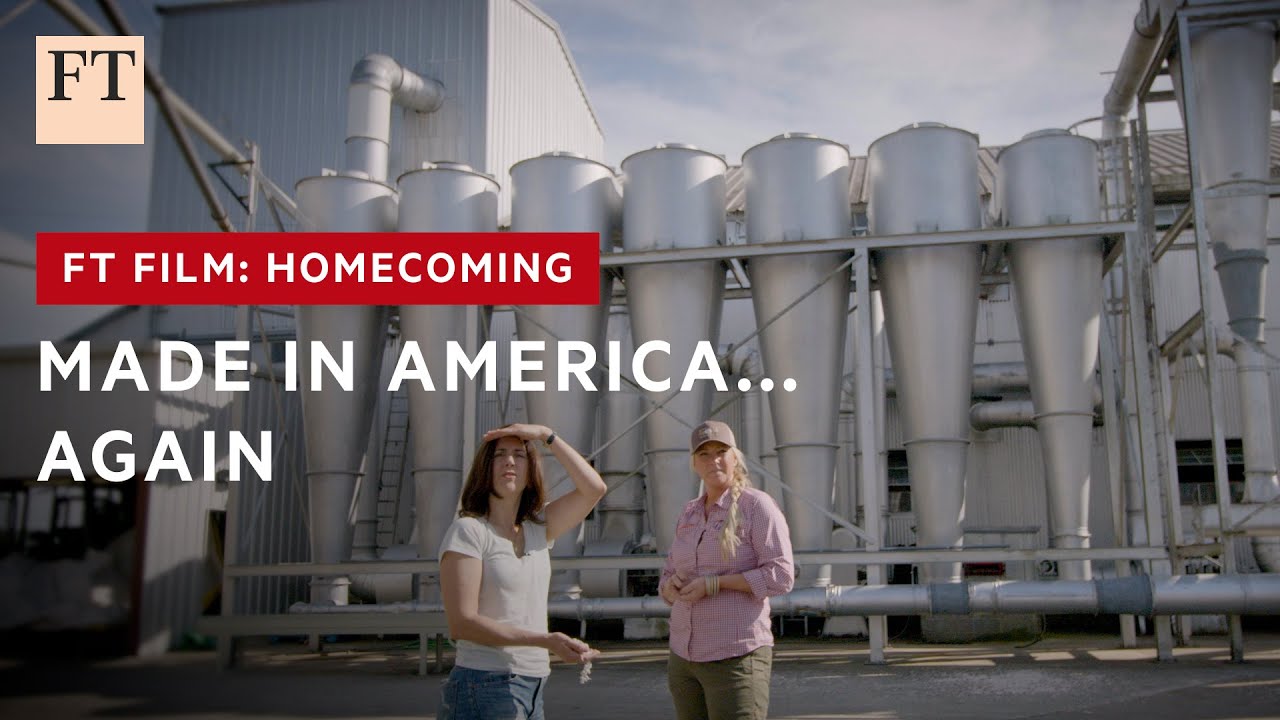
Thirty-two cities are visited in thirty-two days as filmmakers promote their documentary about U.S. manufacturing and its role in the economy.
Ridership on the Harrisburg to Philadelphia rail line increased from under 900,000 to 1.2 million annually after improvements were made.
Queensland Rail mechanics face a challenging week as they work to hoist a six-tonne V12 engine from the "Spirit of Queensland" locomotive.
Mobile phones, bamboo scaffolding, rice production, and wood-burning stoves are explored for their roles in modern life and technology.
Tudor Norwich, shaped by the wool trade and marked by Kett’s Rebellion, reveals its medieval landmarks and the impact of the Reformation on its history.
Football, samurai swords, sweetcorn, and books are explored in terms of their functions, history, and cultural significance in this informative episode.
By 2022, over half a billion people in China will belong to the middle-income group, significantly increasing their spending power and leisure activities.
Computer recycling, bikini production, pasta manufacturing, and wind turbine technology are explored in this episode, highlighting various industrial processes.
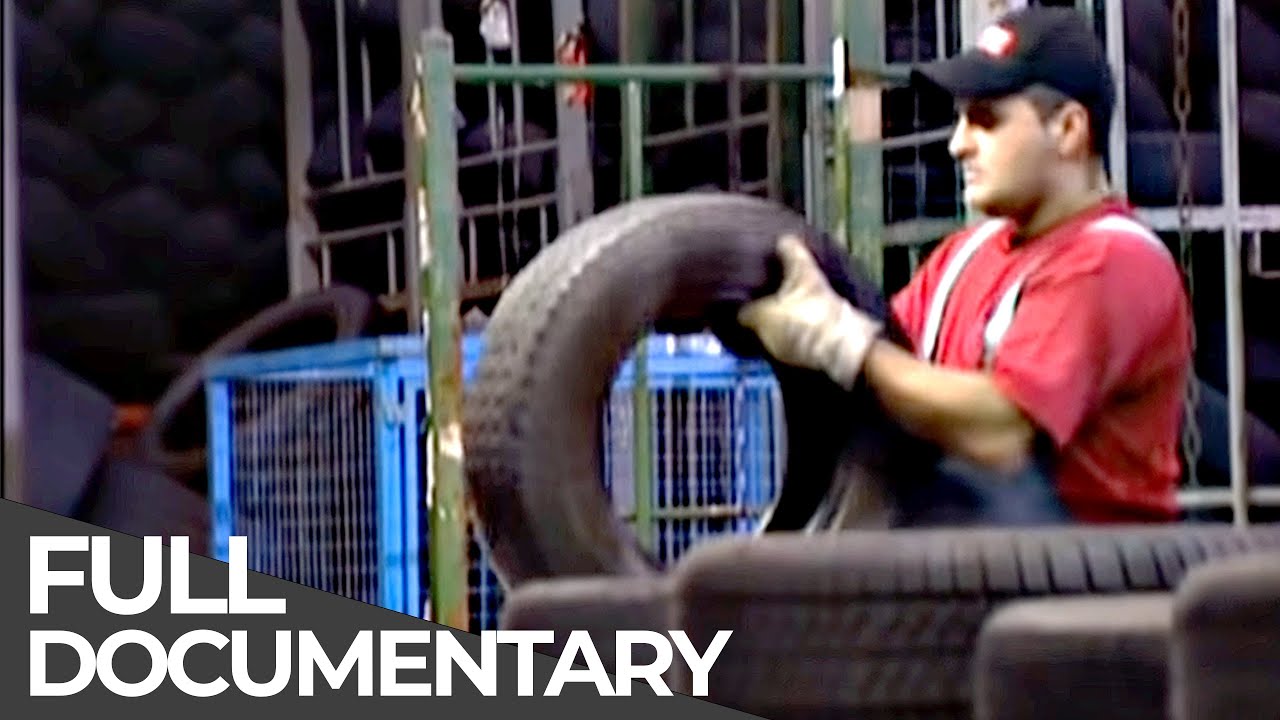
Tyre recycling processes, sugar production methods, doormat manufacturing, and LPG conversion techniques are explored in this informative episode.
British Airways is investing £300 million in a major overhaul, including upgrades to Club World seats and preparations for a royal visit.
Electric toothbrushes, sushi preparation, charcoal production, and rubber glove manufacturing are explored in this informative episode.
After traveling 3.7 million kilometers, the Sapsan undergoes a complex R3 revision that requires engineers to separate the train into two halves for maintenance.
UPS Worldport in Louisville serves as the largest automated package handling facility globally, processing up to four million packages daily, even amid operational challenges.
Solar panels, bananas, axes, and platinum rings are examined for their production processes and the science behind their functionality.
Paper recycling saves 17 trees per ton, while mobile cranes can lift 3,000 tons and cost up to 6.3 million pounds, highlighting industrial efficiency.
A British Airways flight takes off every 90 seconds, as the airline prepares to introduce its new Boeing 787 Dreamliner to passengers.
Contact lenses, Belgian chocolates, runway resurfacing, and leather tanning processes are explored in this informative episode.
Corks, mountain bikes, instant coffee, and socks are examined for their manufacturing processes and the technology behind their production in this episode.
The Peter Pan, a gigantic car ferry operated by TT-Line, undergoes a complex lengthening process at German Dry Docks in Bremerhaven, extending from 190 to 220 meters in just 58 days.
Cowboy hats, aluminum suitcases, lawn mowers, and tortilla chips are examined for their manufacturing processes and cultural significance in Episode 16.
An all-American supply chain for clothing company American Giant operates within 120 miles of its North Carolina cotton field.
A market capitalization of approximately $1.8 billion positions Atlas Iron as a key player in Australia's billion-dollar iron ore industry.
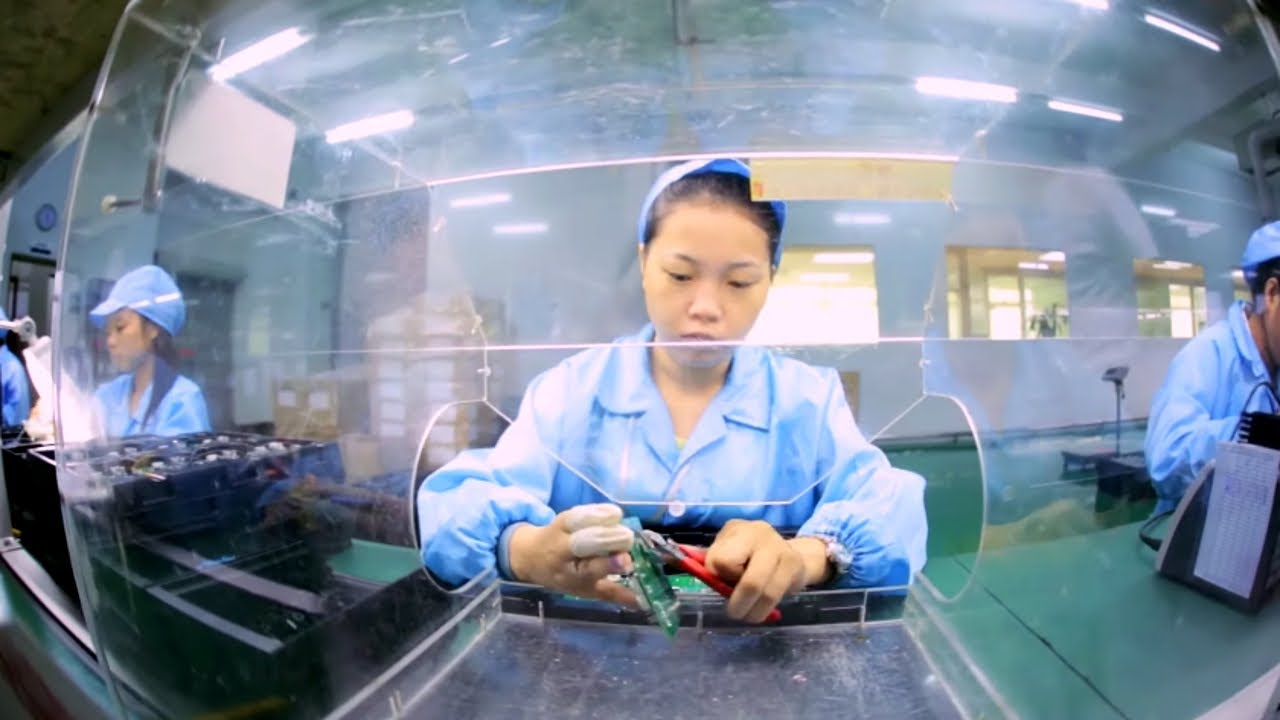
Yi Yeting fights for better conditions in China's electronics industry while battling leukemia.
Small business bankruptcies are rising across Europe, with Stoke-on-Trent's ceramics industry and German enterprises facing significant closures and economic challenges.
On October 20, Holden built its last car in Australia, marking the end of an era for local manufacturing and the automotive industry.
2,000 factories in Dongguan have closed, leaving many workers without jobs and forcing them to return to their villages amid a struggling economy.
In Detroit, over 15,000 individuals face homelessness amid an economic crisis, raising questions about the potential of Kerbside Entrepreneurs to revitalize the city.
More than 15,000 people are homeless in Detroit, where vacant houses and abandoned buildings mark the decline of a once-thriving city.
General Motors reported a loss of $2 billion in the first three months of 2009, marking a significant downturn for Detroit's auto industry.
One-third of the American workforce is now made up of Millennials, reflecting significant changes in job structure and participation over recent generations.
In July, a new management team took over Yaroslavl's tire factory, transforming it from paying workers with tires to offering regular salaries.
Ford's market share has decreased significantly, dropping from 18 million units to 8.5 million units during the economic downturn.
Cao Dewang opens a factory in Moraine, Ohio, bringing jobs and discussing U.S.-China worker differences.
Up to 30 million Chinese are now jobless as factories in Dong Guan close, leaving workers without compensation and local governments to pay their wages.
China and the US lead in Technologies, while Europe invests in semiconductors and Quantum Computing.
70 million people use technology to improve their lives, including those with disabilities who seek greater independence through innovation.
Sixty percent of South Africa's commuters rely on taxi transport, a sector increasingly dominated by Chinese automaker Beijing Auto Works.