From over 100,000 films, discover the handful you'll love.
Free or premium access to the world's largest documentary library.
949 films(Page 6 of 20)
In contemporary society, four men share their experiences and evolving relationships with women, highlighting the changing role of masculinity.
Ten Muslims from diverse backgrounds in the UK engage in a ten-day social experiment to explore differing beliefs and values within their community.
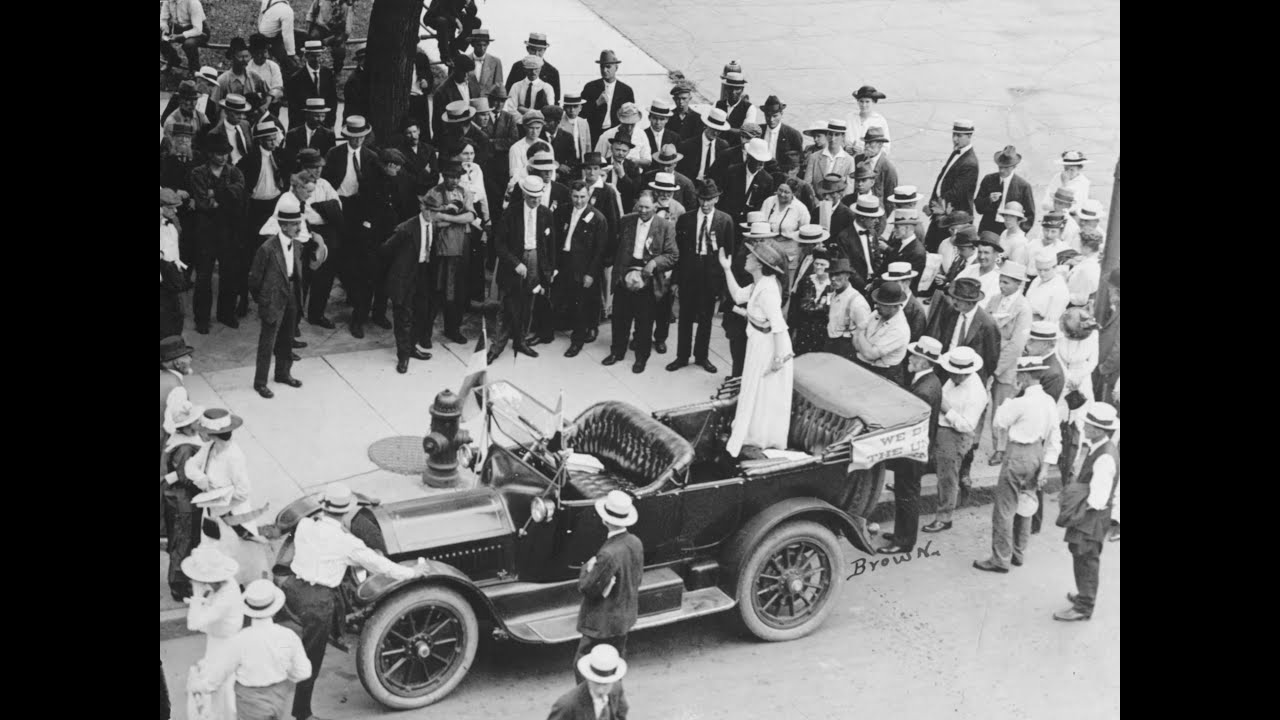
On August 18, 1920, Tennessee's legislature ratified the 19th Amendment, granting women the right to vote and altering the American electorate.
Alice Paul, Ida B. Wells, Susan B. Anthony, and other suffragists are portrayed through music and dance in a performance celebrating the 19th Amendment.
In 1999, MIT admitted to discriminating against women faculty, leading to a significant shift in discussions about gender equity in science.
An 1888 petition from the National Women's Christian Temperance Union called for a Prohibition Amendment to the United States Constitution.
The Equal Rights Amendment was proposed over 1,100 times and introduced in every session of Congress from 1923 to 1972, but it failed to gain ratification.
Remarkable women such as Amelia Earhart, Eleanor Roosevelt, and Rosa Parks are highlighted for their significant contributions to politics, sports, and the arts in the 20th century.
729 women have argued before the United States Supreme Court, presenting a total of 1,448 cases since 1880.
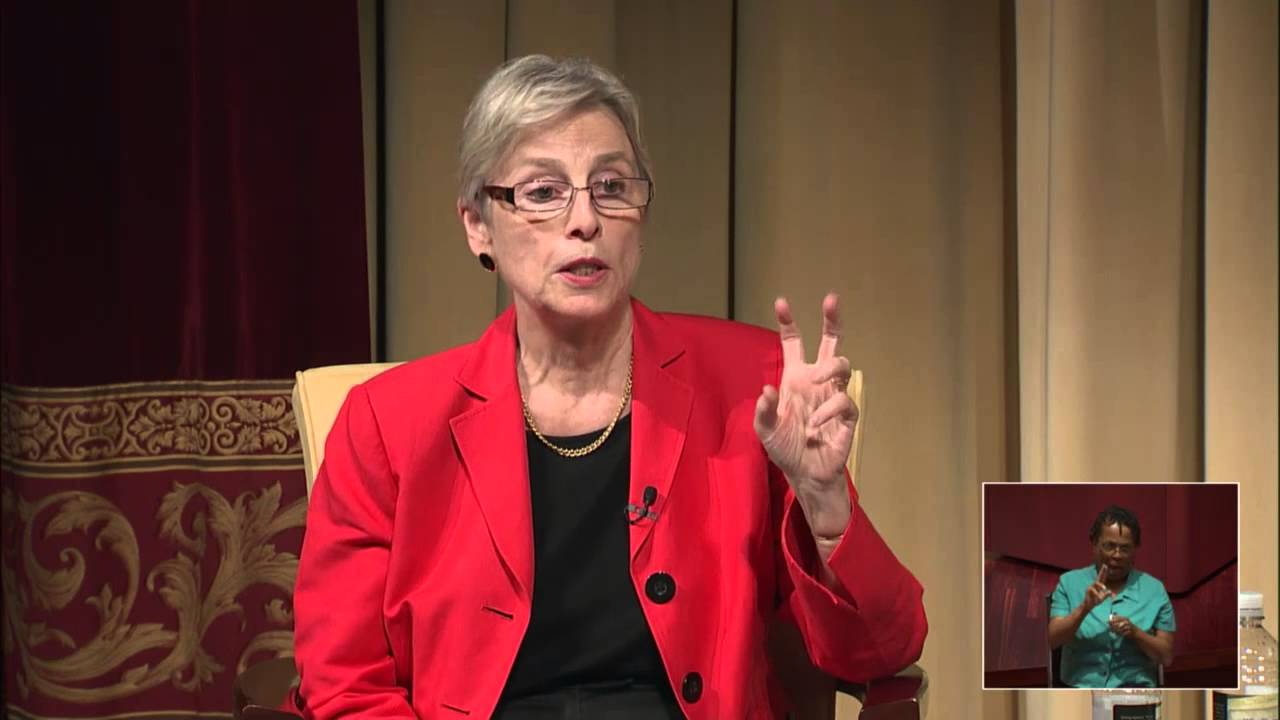
General Pat Foote reflects on her military career, the integration of women in the Army, and her advocacy for equal opportunities during her service.
Misogyny within the Christian faith is critically examined through the insights of Reverend Stephany Taylor, Reverend Karen A. King, and Reverend Jaye Lynn Peabody.
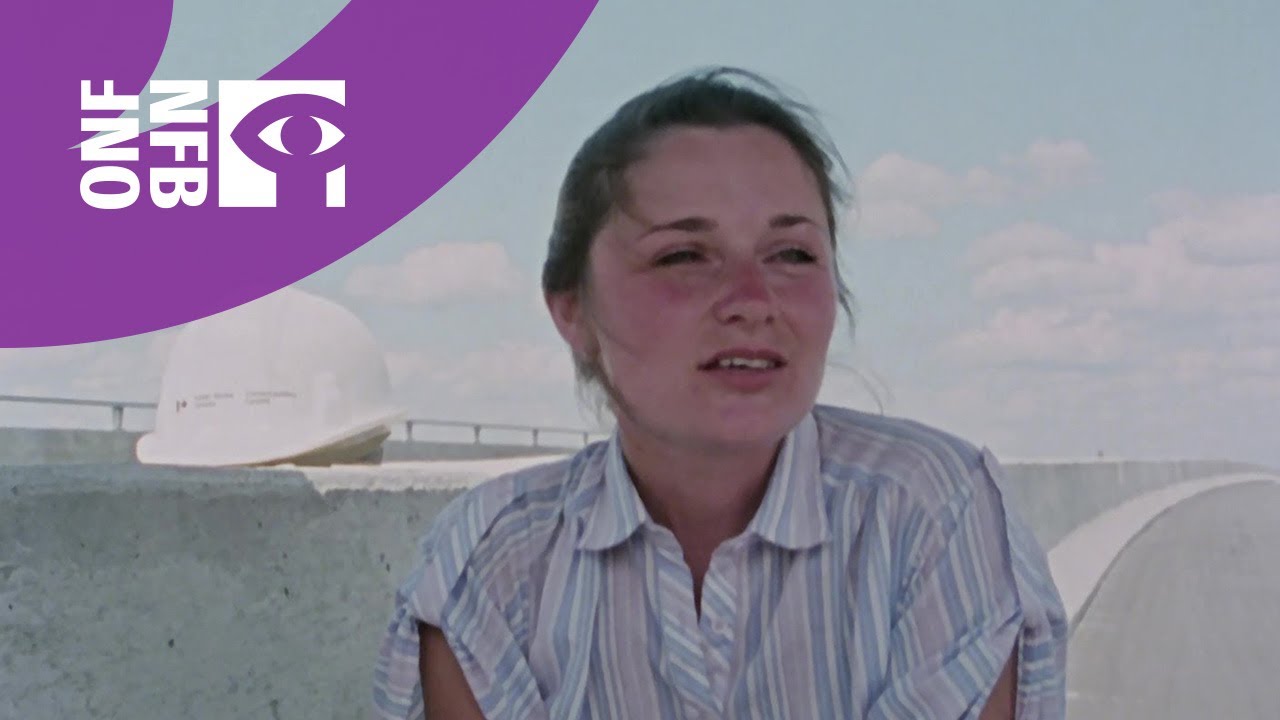
A 23-year-old site engineer in New Brunswick recounts her experience managing a ferry ramp project while facing challenges related to concrete quality.
American women's fight for the right to vote is explored through the stories of diverse activists who protested for full citizenship across the nation.
The 19th Amendment, which granted women the right to vote, was passed by the Senate in June 1919 and ratified in August 1920.
Graham, a small-town boy, struggles with his identity as he transitions to Ashleigh, grappling with the desire for acceptance and the fear of being labeled transgender.
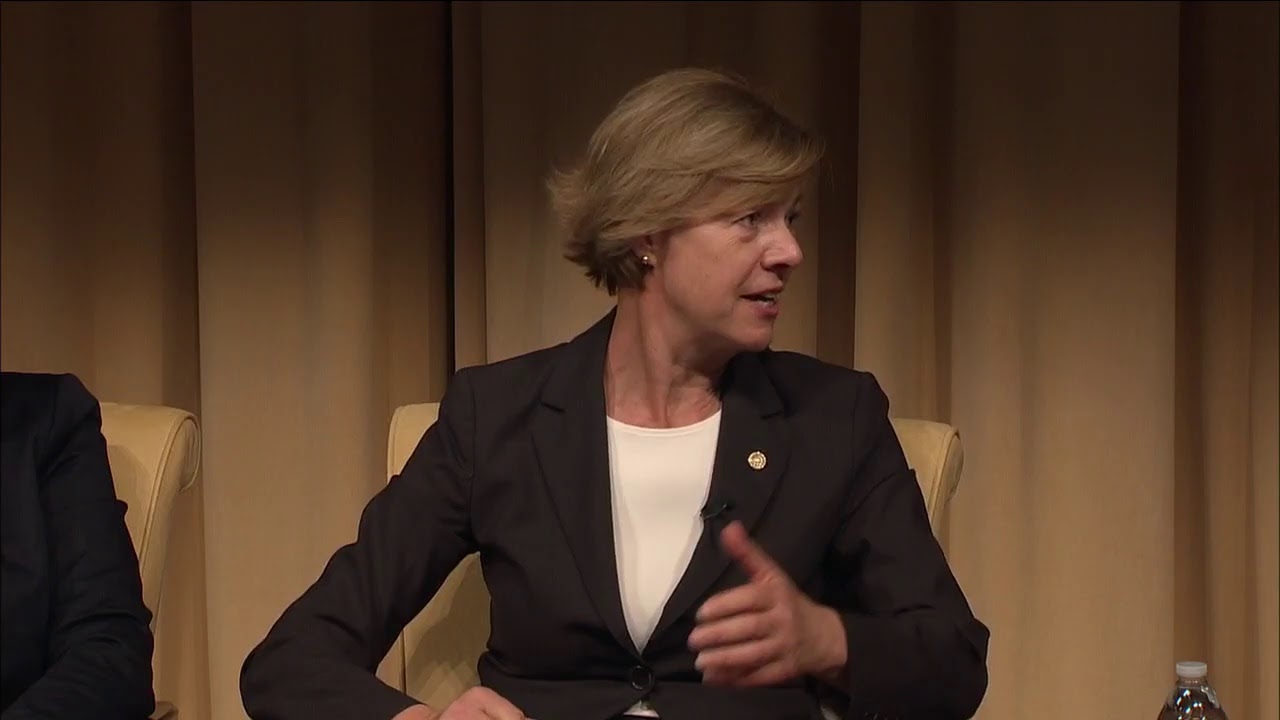
In 2019, the 116th Congress saw a record 102 women in the House and 25 in the Senate, prompting discussions on their impact and future roles in governance.
Sarah Childress Polk, First Lady during James K. Polk's presidency, played a significant role in American politics and feminism, often overshadowed by contemporaries.
In 1932, Maureen Perry Stafford became the first woman to carry the Society of Women Geographers' flag on an expedition to Greenland.
The U.S. State Department played a key role in controlling the Pan-American Commission on Women's Rights during the early 20th century.
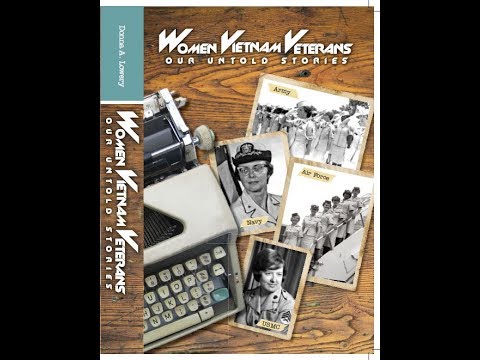
American military women, including SGM Donna Lowery, served in various roles during the Vietnam War, contributing significantly from 1962 to 1973.
The Diamond Dreams exhibit at the National Baseball Hall of Fame traces women's roles in baseball from the 19th century to the present day.
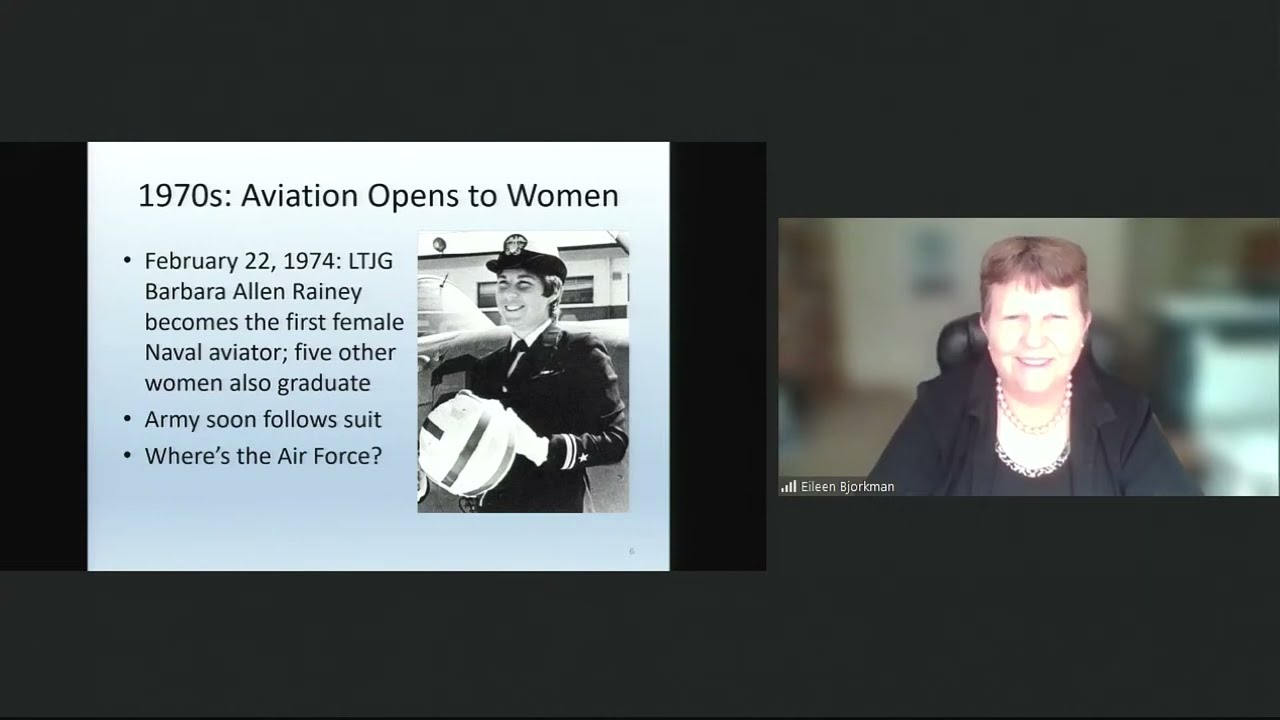
In 1993, Jeanie Levitt became the first female combat pilot in the U.S. Air Force, marking a significant milestone for women in military aviation.
Monika Kraus, a German citizen in post-revolution Cuba, becomes a prominent state sex educator advocating for women's rights and contraception amid a patriarchal society.
Infidelity is examined in 40 countries, revealing how cultural norms, laws, and personal experiences shape attitudes toward cheating.
In Brussels, single-parent families, predominantly led by women, face significant poverty challenges, but the Single Parents' House provides essential support.
In 1849, Elizabeth Blackwell became the first woman in America to earn an M.D., later co-founding the New York Infirmary for Indigent Women and Children with her sister Emily.
In London, British Muslim woman Mehreen Baig explores the complexities of being an independent woman while adhering to Islamic beliefs, engaging with diverse perspectives on women's rights within the religion.
Barbie, the iconic doll created by Ruth Handler in 1959, has influenced perceptions of womanhood and career aspirations while facing criticism for promoting unrealistic standards.
Iceland’s 1975 women’s strike and evidence of ancient matriarchal societies challenge the conventional narrative of gender equality throughout human history.
Nadia Nadim, an Afghan girl who fled to Denmark after the Taliban executed her father, has risen to prominence as an international football star.
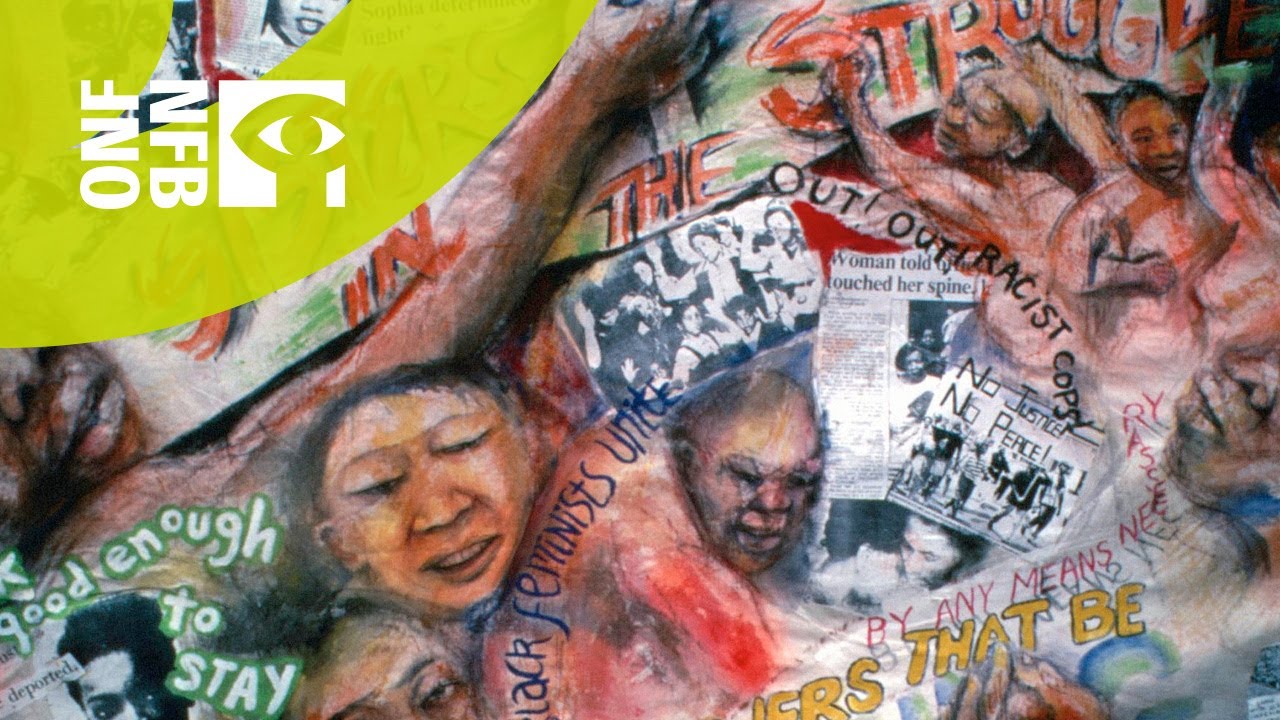
Over 49 minutes, Black women share their experiences of fighting against racism and sexism in various social movements across Canada.
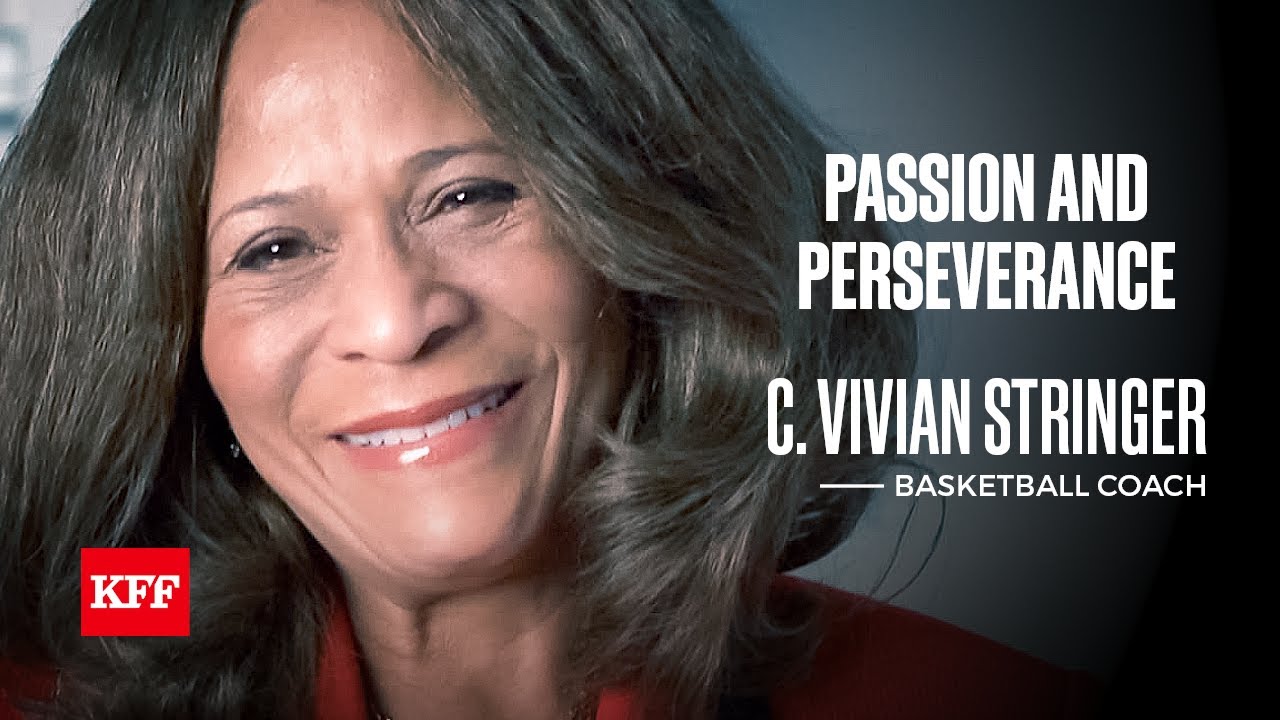
C. Vivian Stringer reflects on her groundbreaking career in women's basketball, highlighting her achievements at Cheyney University, the University of Iowa, and Rutgers University.
Authors Winifred Conkling, Marjorie Spruill, and Elaine Weiss discuss their books on women's suffrage, including the fact that women in France did not gain the right to vote until 1945.
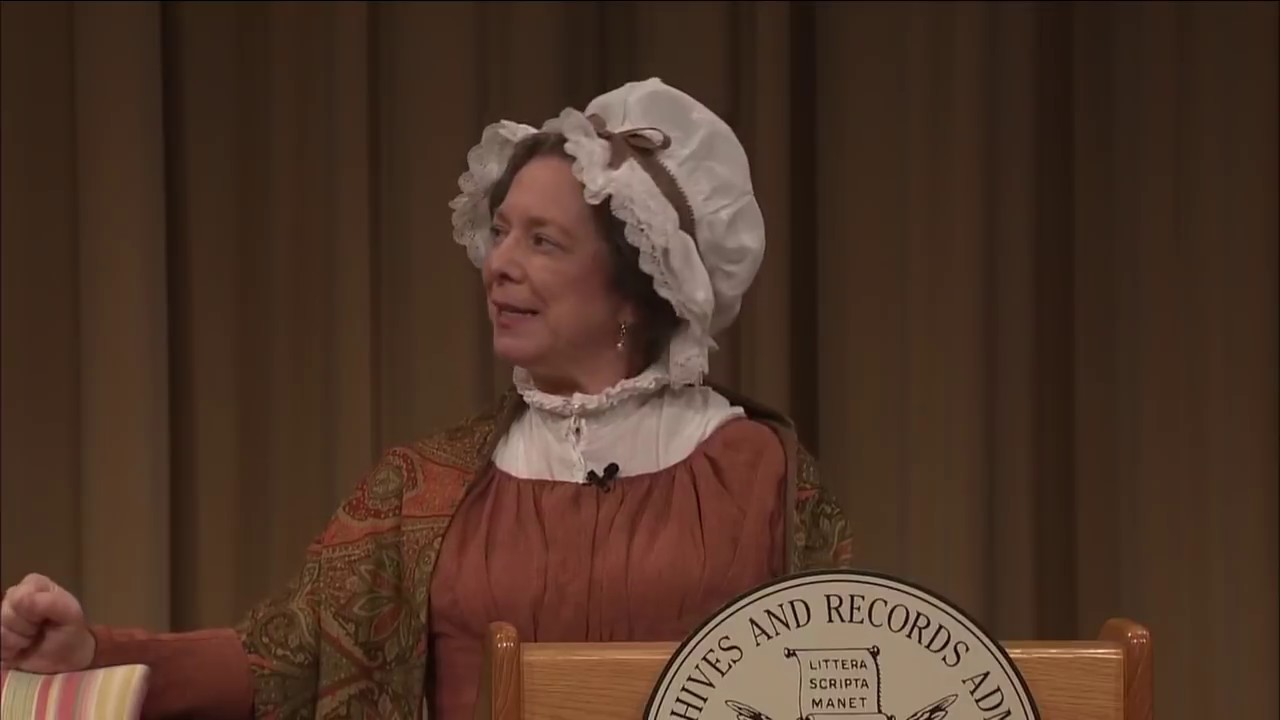
Abigail Adams and Thomas Jefferson engage in a spirited debate on women's rights, immigration, and presidential powers, reflecting on American Independence and the Constitution.
Women in World War II were not allowed to serve in the same theater as their spouses, reflecting military policies on marriage and service.
Women in the U.S. Armed Forces have gradually gained access to combat roles and leadership positions, culminating in the 2015 policy change allowing full participation.
Two First Ladies, Melania Trump and Michelle Obama, shaped American perceptions of femininity and leadership during their time in the White House.
Women of various ages share the contents of their handbags, revealing personal insights and reflections on their identities and contemporary challenges.
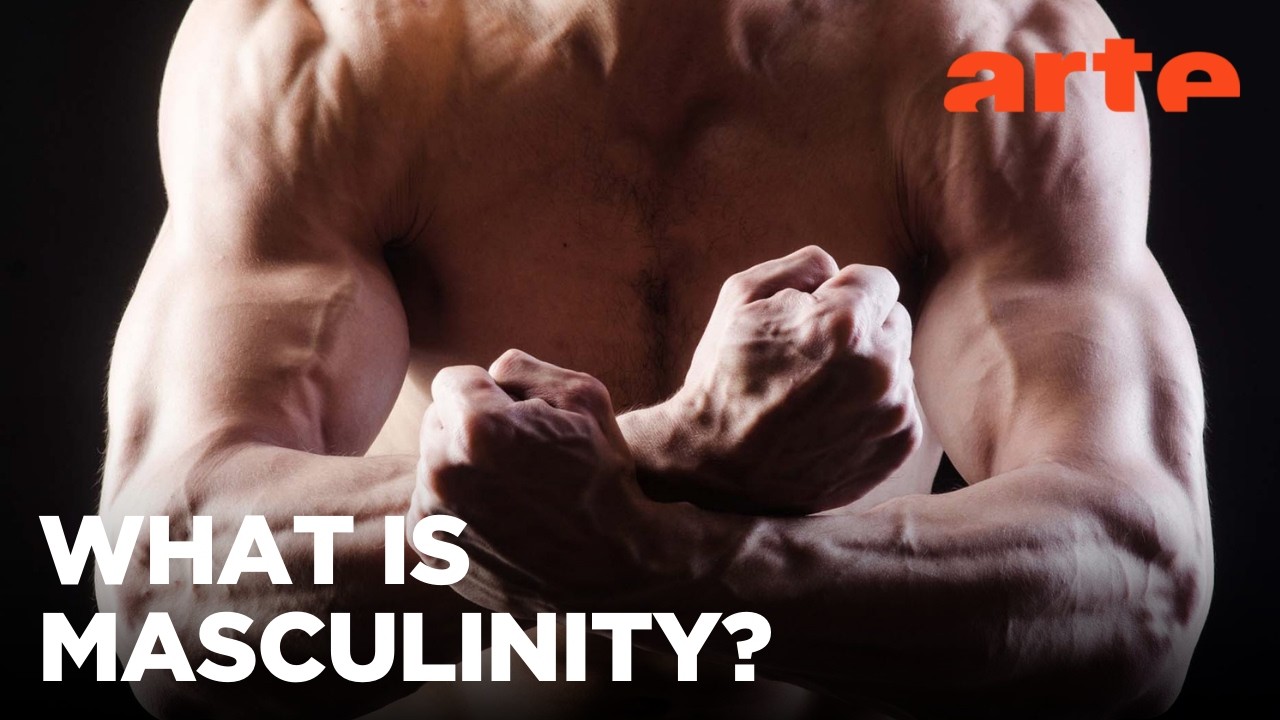
Masculinity influencers promote the alpha male archetype as dominant and desirable, prompting an exploration of its origins and relevance in both human society and the animal kingdom.
Women organized a boycott that cut England's exports to the American colonies by one-third during the American Revolution.
Accomplished athletes Monica Abbott, Bethany Donaphin, and Patricia Mangan share their experiences in sports and inspire young girls to pursue their dreams at a panel hosted by Play Like a Girl.
In 1977, Congress granted veteran status to the Women Airforce Service Pilots, who had served in non-combat roles during World War II.
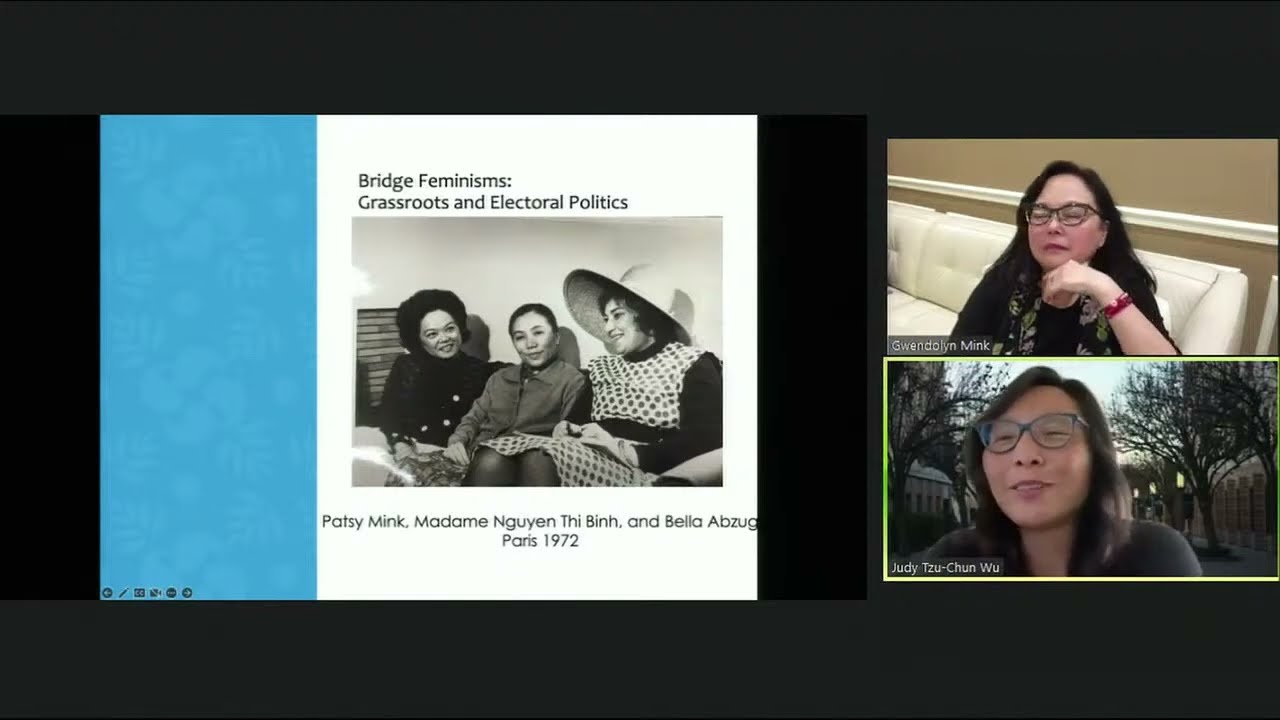
Patsy Takemoto Mink was the first Japanese American female lawyer in Hawaii and served in Congress from 1964 until her death in 2002.
A safe abortion costs $250 on the black market in Colombia, where many women face life-threatening conditions after illegal procedures.
Tens of thousands of petitions related to women's suffrage are housed in the National Archives, revealing the activism that led to the 19th Amendment.
Intimate partner violence in the United States claims the lives of at least four women daily, as highlighted through the experiences of survivors seeking justice.
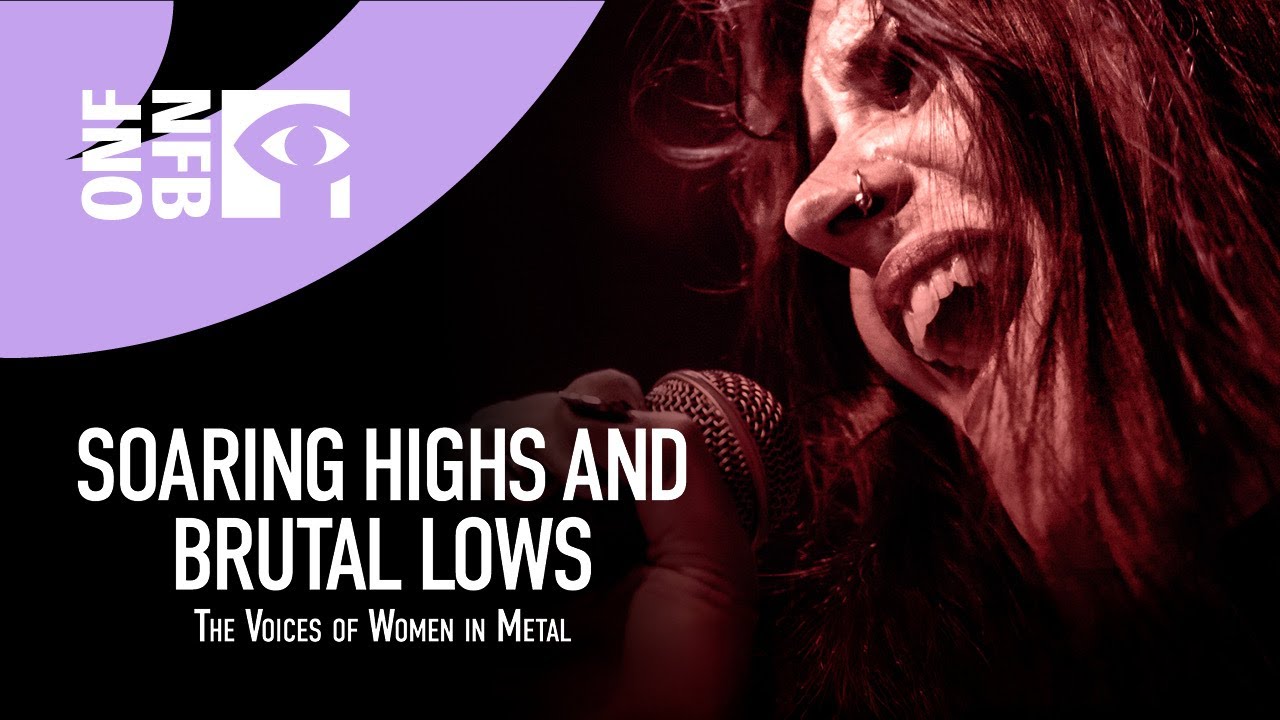
Eight female vocalists in heavy metal share their personal stories, challenges, and achievements in a genre often dominated by men.
Dr. Ruth Patrick received the National Medal of Science in 1996 for her work on freshwater ecology and the effects of pollution on river systems.