From over 100,000 films, discover the handful you'll love.
Free or premium access to the world's largest documentary library.
949 films(Page 14 of 20)
In the 1890s, the bicycle craze in America provided women with a reliable means of travel, challenging societal norms and influencing fashion choices.
Francine Hughes killed her husband by pouring gasoline under his bed and lighting it, after enduring thirteen years of abuse.
Male escorts in the UK can earn an hourly rate of up to 450 pounds, reflecting a shift in societal views on sex work and masculinity.
Hundreds of women secretly join the Union and Confederate armies during the Civil War.
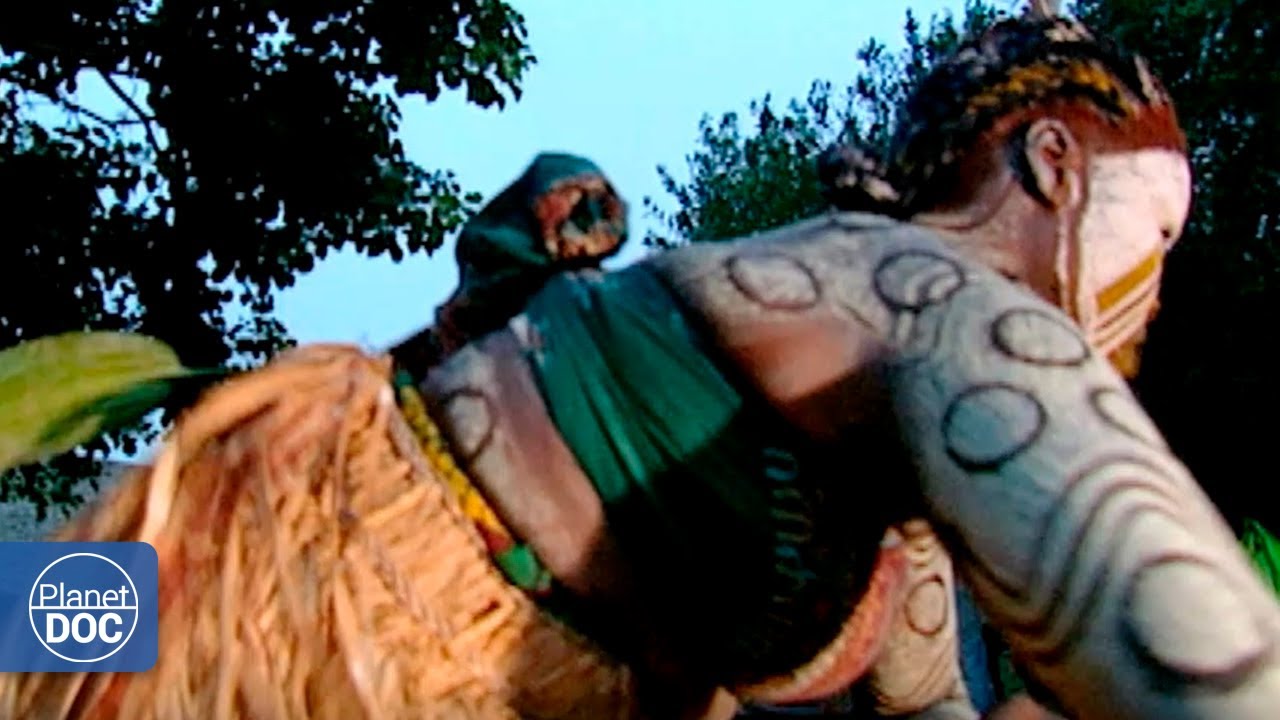
Female genital mutilation (FGM) persists in various cultures despite widespread awareness of its harmful effects and calls for legal action against the practice.
Della tests societal reactions by wearing face tattoos in a social experiment.
Queer Indigenous people in Canada reclaim their identities against colonial history's legacy.
A woman struggles with a rope in a tense moment on Gold Rush, prompting debate about gender roles in physically demanding jobs and viewer concerns about her strength.
Ragnar's love triangle with Lagertha and Aslaug reveals Viking societal norms and personal struggles.
Ellen Johnson Sirleaf discusses the need for more women in leadership roles worldwide.
In 1961, archaeologists in southern Israel uncovered documents that reveal the significant social status and agency of Nabataean women in first-century Petra.
Women face societal pressure regarding motherhood, yet many choose not to have children.
In September 1995, Hillary Clinton delivers a speech at the United Nations conference on women in Beijing, declaring that human rights are women's rights.
A female aviator on The USS Enterprise considers herself just one of the squadron's pilots.
Wyoming was the first state to allow women to vote in 1870, defying Congress's threats.
In Saudi Arabia, Zanny Minton Beddoes assesses the implications of the kingdom's social revolution on women's rights and societal norms during a road trip around Riyadh.
The contentious debate over parenting styles in America, often referred to as the "mommy wars," stems from a long-standing societal misunderstanding of women's roles in the workforce.
Inside a shelter, participants in a talking circle share their experiences of intimate partner violence to regain dignity and strength in a supportive environment.
Eight to eleven-year-old girls in Oakland form the Radical Monarchs to address social justice issues and advocate for their community.
Laila Paattinen, a determined woman in Canada, overcomes workplace resistance to establish her own dry-wall application business after completing a specialized training course.
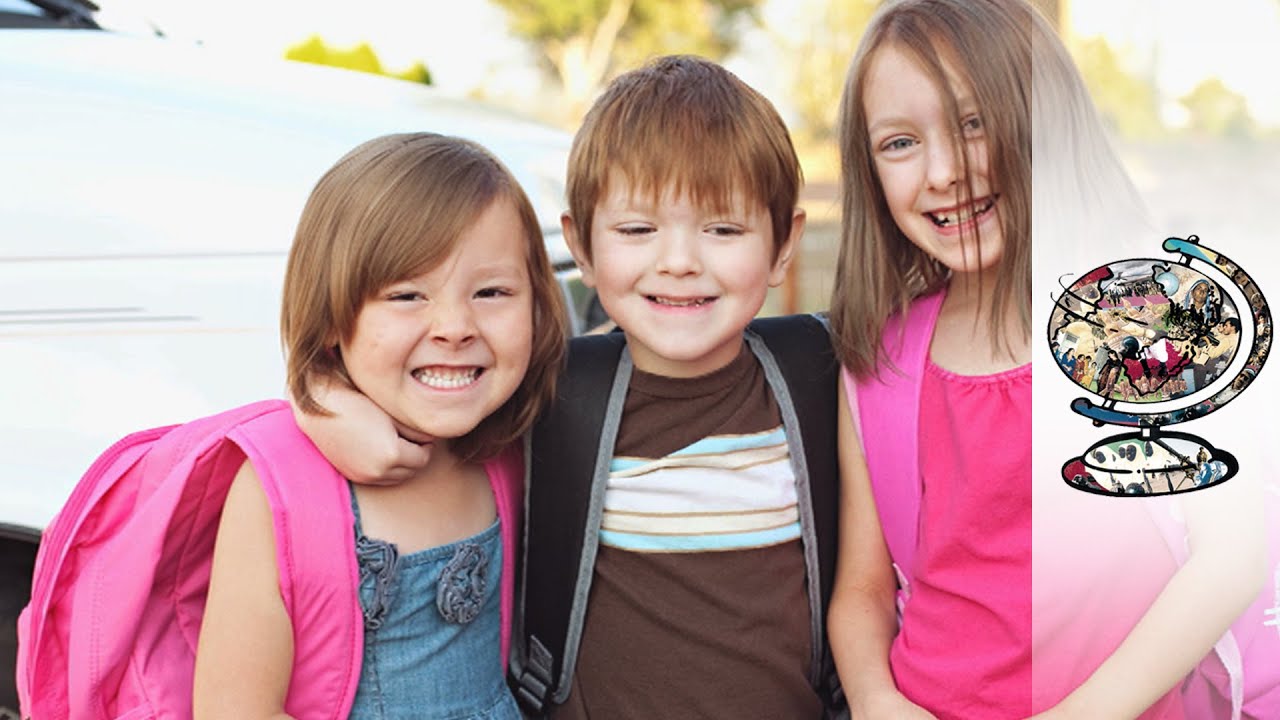
Five children share their experiences of being bullied, with one recalling a moment when peers laughed at them during a race.
Four women in Newport, Wales, share their experiences in the sex trade, discussing issues of choice, loneliness, and the challenges of finding stable employment.
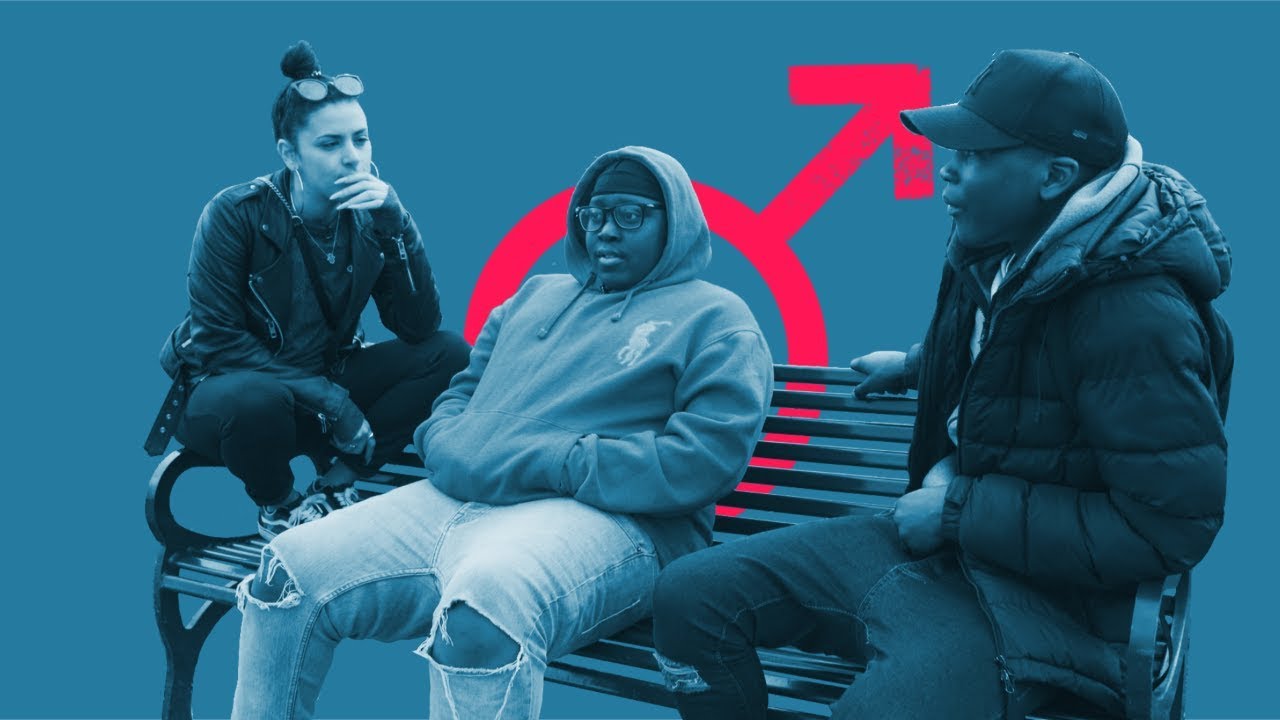
A 14-year-old says being a man means protecting family and being happy, not following stereotypes of strength seen in media.
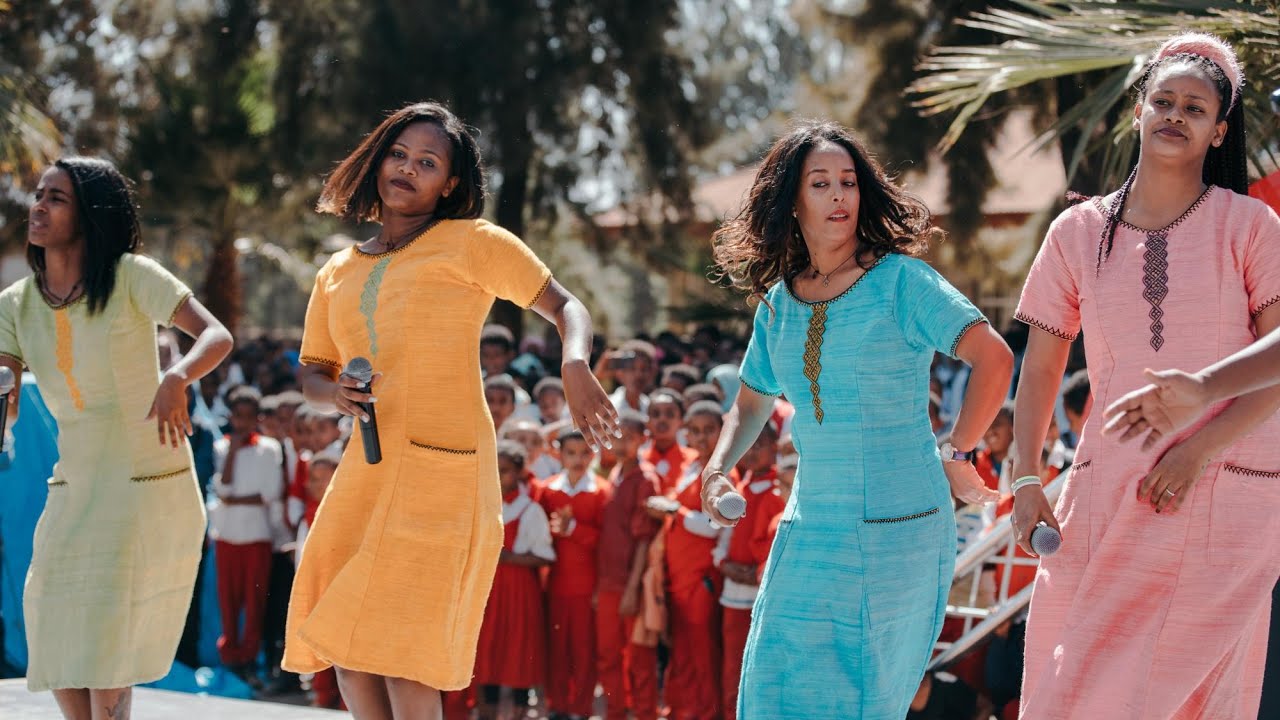
Yegna empowers Ethiopian girls to pursue education and reject child marriage despite funding loss.
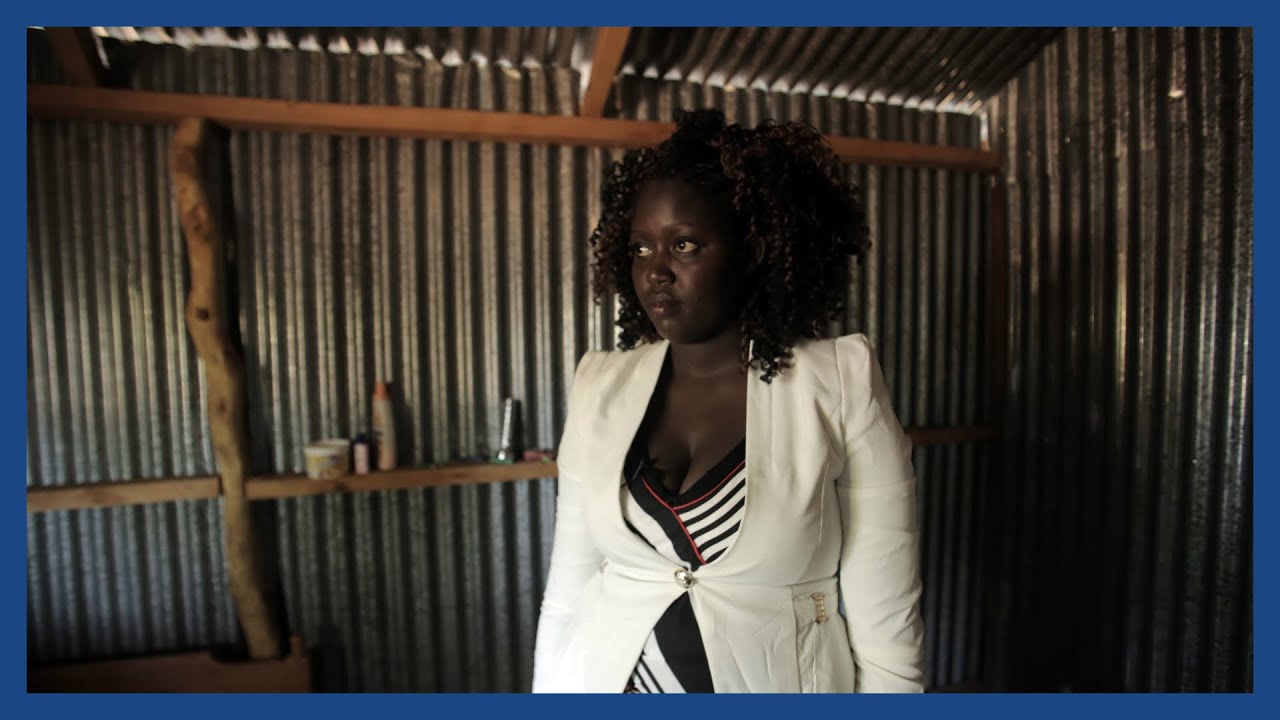
A young Kenyan woman reflects on her experience with female genital mutilation (FGM) and her commitment to educate others to challenge harmful cultural norms.
Melody advocates for men to engage in conversations about healthy masculinity and the impact of the #MeToo movement on male behavior and accountability.
Suzann Braun Levine, Noreen Farrell, and Stephanie Toti discuss their involvement in feminist issues during the National Conversation on #RightsAndJustice event.
Somalian Hoda Ali, a survivor of female genital mutilation (FGM), shares her painful experiences and advocates for the protection of girls affected by this practice.
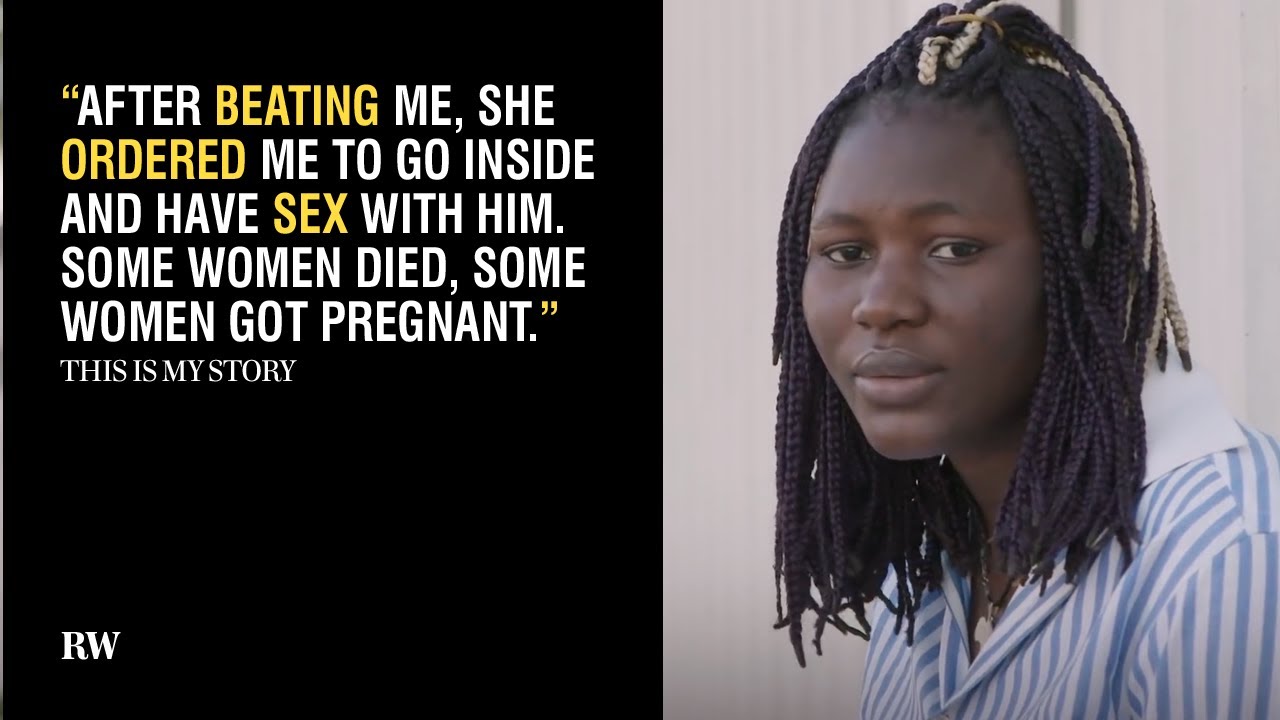
Caroline, a Nigerian human trafficking survivor, recounts her harrowing experiences of exploitation and sexual violence while attempting to reach Europe.
Emma Sutton shares her personal struggle with identity and the importance of authenticity in a society that often pressures individuals to conform.
Dr. Holly Andersen, an Attending Cardiologist at New York-Presbyterian Hospital, highlights how women often misinterpret heart disease symptoms, leading to delayed treatment.
Vanessa Noel experienced a heart attack despite having no traditional risk factors, highlighting the under-diagnosis of heart disease in women, particularly African American women.
40,000 Afghans live in London after fleeing their homeland, a stark contrast to the vibrant society depicted in 1970s film footage.
Interviews with rape victims, police officers, and rapists provide practical advice for women on reducing the risk of sexual assault and navigating potential attacks.
Liz Montague, a New Yorker cartoonist, talks about drawing social change through her art.
Aar or both true. 44 years after losing her home, Wasfia Nazreen became the first Bangladeshi to climb the highest mountain on each continent.
13 women cycle 3,480 kilometers along the Tour de France route one day ahead of the men, demanding equal recognition in the sport.
Women's rights are examined globally, highlighting advancements in Saudi Arabia and Rwanda alongside setbacks in Afghanistan and the rollback of abortion rights in Europe and the U.S.
An eight-year-old tells their mother, 'I'm not a girl,' in Aurora Brachman's 'Joychild.'
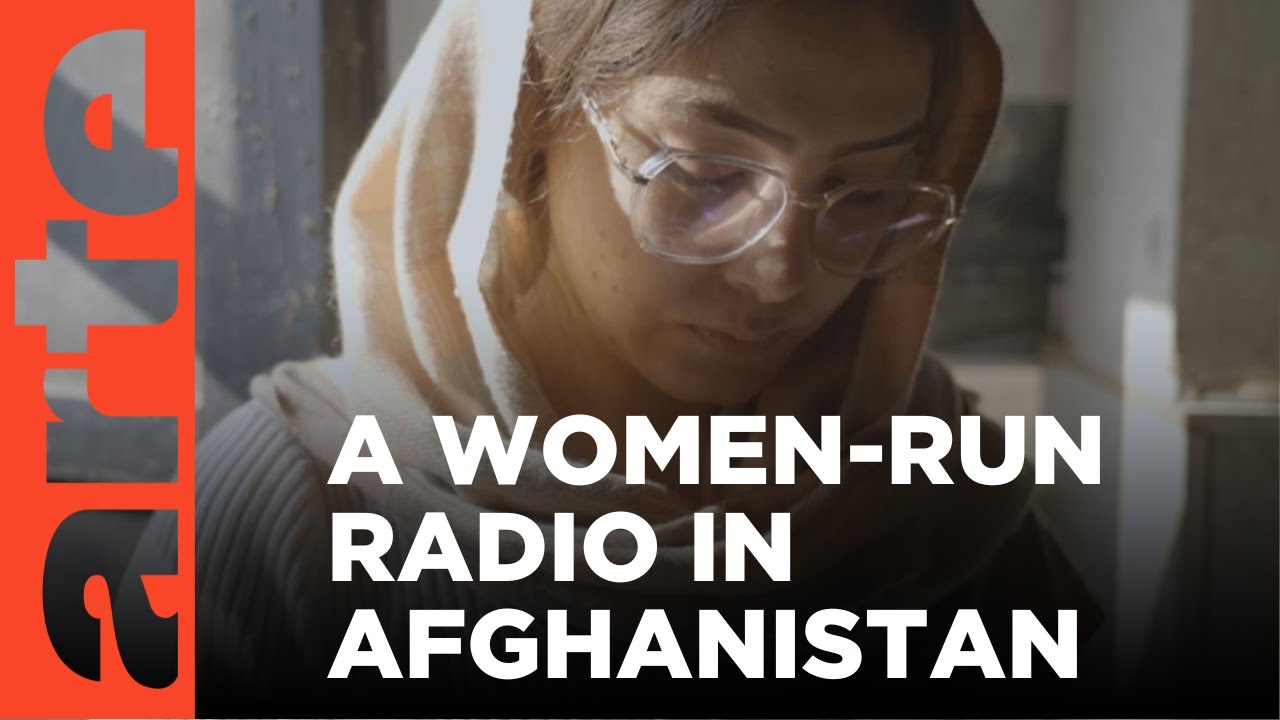
Nearly three million Afghan women lack access to secondary education, prompting the creation of a radio station that broadcasts lessons to secret schools.
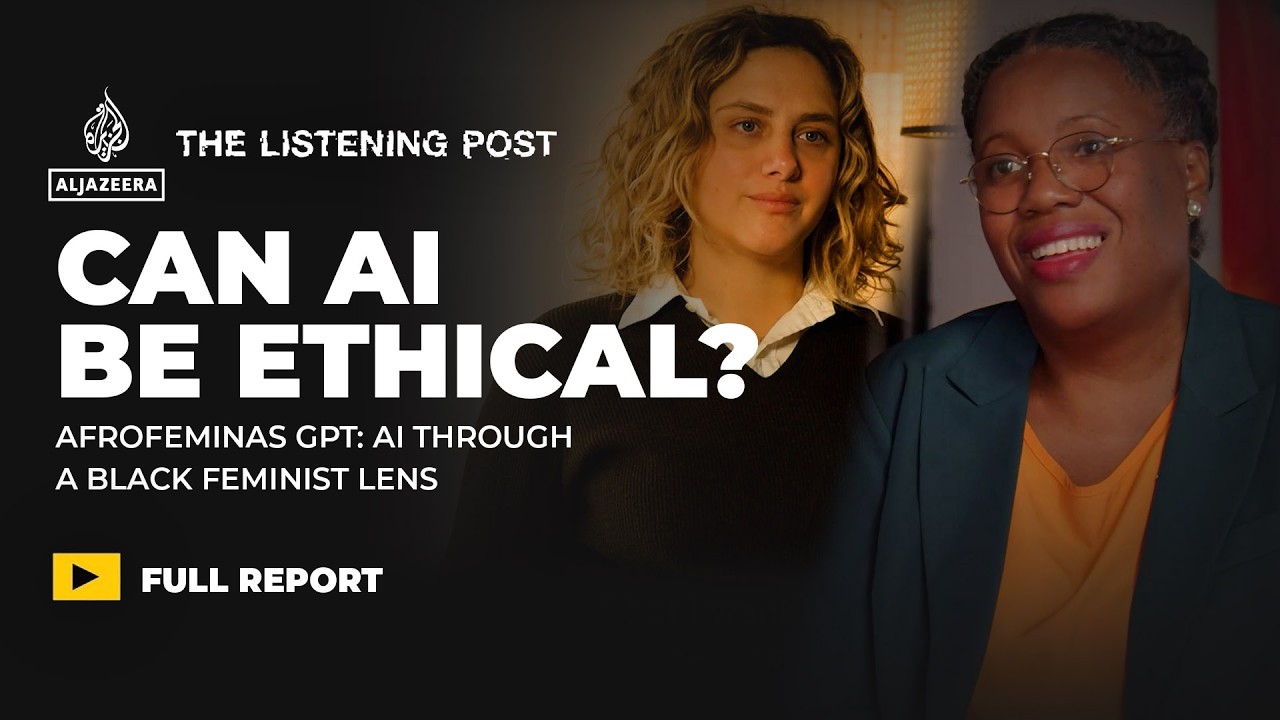
In Spain, AfrofeminasGPT, a chatbot trained on Black feminist and decolonial thought, aims to challenge AI discrimination and bias.
Elaine Harrington is one of almost 3,000 women serving in the Royal Canadian Air Force, where she operates radar stations to protect against air attacks.
Four unproven survivalists attempt a 21-day challenge in the wilds of South Africa, divided into teams of men and women.
A seven-year-old named Coy Mathis, born a boy, lives openly as a girl after transitioning socially and facing significant challenges at school.
Anastasia Taylor-Lind captures the lives of women in isolated communities, including Siberian supermodels and Cossack military trainees.
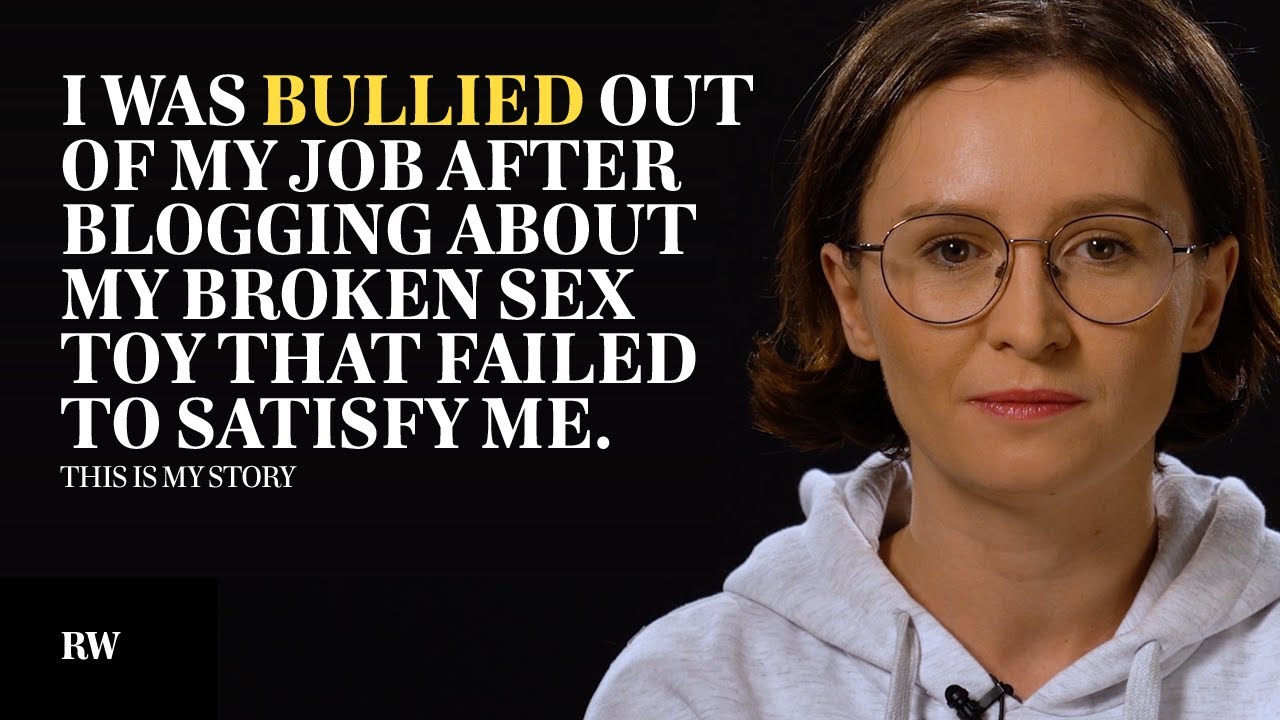
Angela Eremenko, a political scientist in Ukraine, faced backlash and lost her job after discussing her broken vibrator on social media, highlighting societal taboos around women's sexuality.
Classroom discussions reveal children using hurtful names like "faggot" and "midget" while learning about the effects of bullying and name-calling.
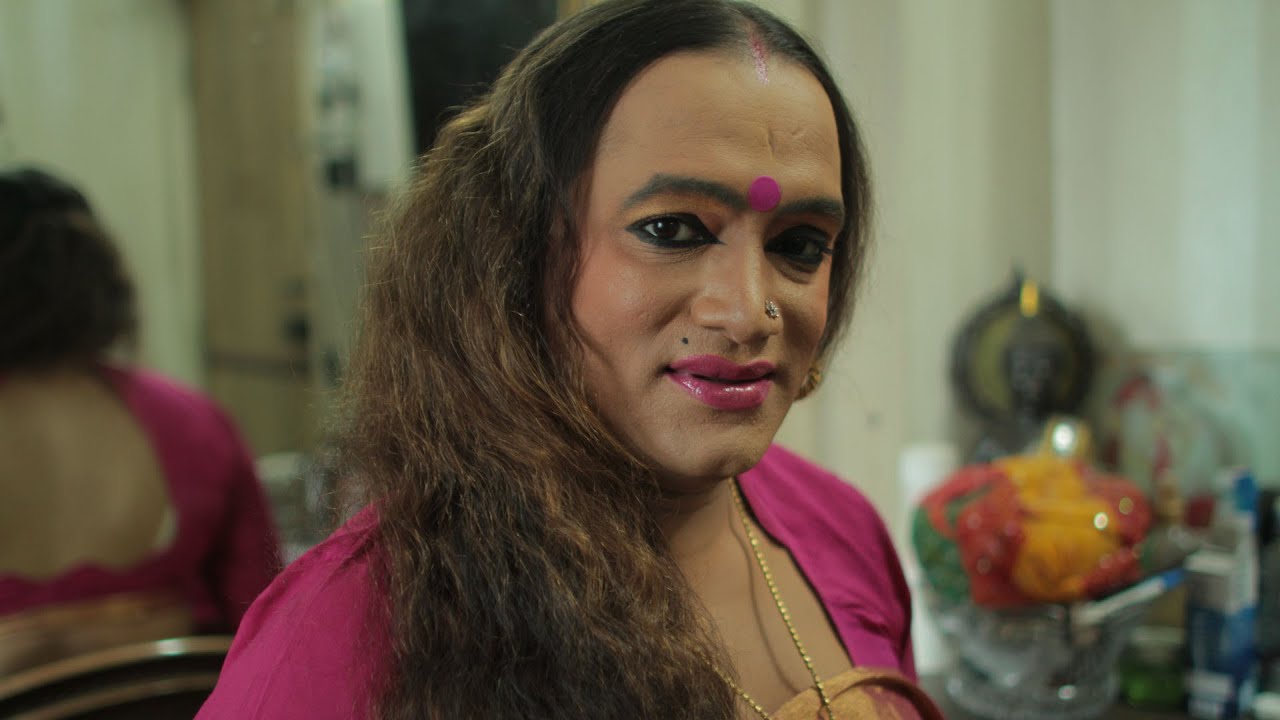
Lakshmi, a member of the hijra community in India, advocates for acceptance and self-love while addressing the challenges faced by transgender individuals.