From over 100,000 films, discover the handful you'll love.
Free or premium access to the world's largest documentary library.
1848 films(Page 5 of 39)
More than 50 million liters of South African wine are consumed annually in Nordic countries, raising questions about the conditions under which it is produced.
Homer G. Phillips Hospital, the largest hospital for African American patients in the world, opened during a time of significant racial segregation in St. Louis.
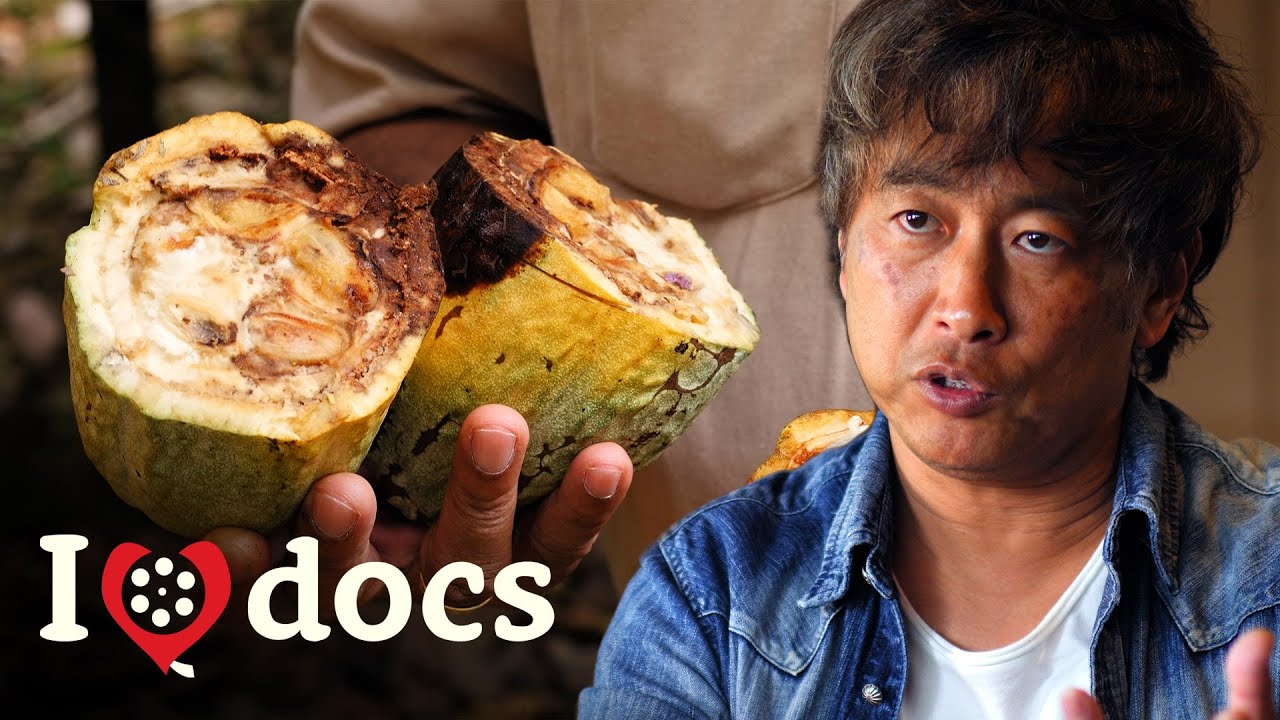
Three renowned chocolatiers-Maribel Lieberman, Susumu Koyama, and Mikkel Friis-Holm-examine the ethical sourcing and social implications of chocolate production.
David M. Rubenstein has spoken with the world's highest performing leaders over the past five years to compile insights into a leadership guidebook.
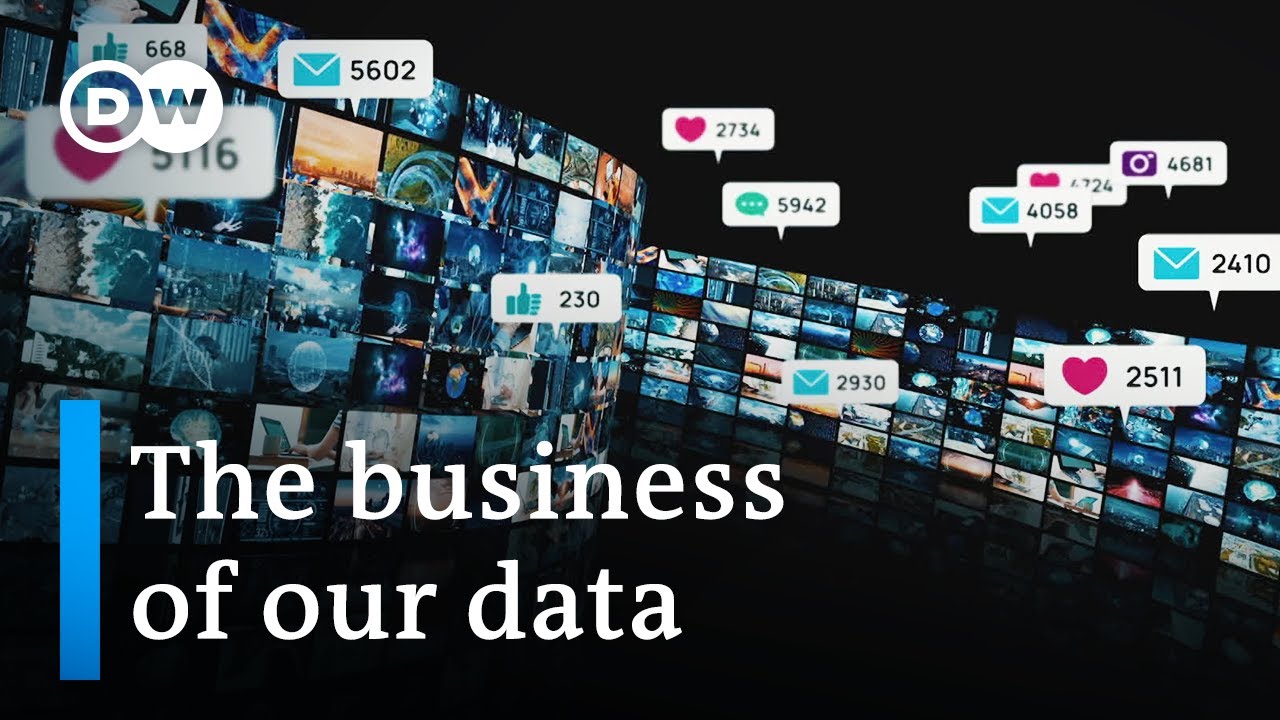
Itamar Rose critiques the deceptive practices of YouTube capitalism and the role of click farms in shaping viral content and ethical dilemmas in social media.
Peter Kalmus reduces his fossil fuel consumption to just 10% of the average American's usage while balancing family life in suburban California.
By 2050, over one-third of people on Earth will live in barrios, favelas, shanty towns, and slums, prompting new approaches to urban planning.
Monsanto's herbicide Roundup faces scrutiny for its health impacts, prompting bans in various countries while the United States remains the largest user.
A man builds a cage for himself, trading personal satisfaction for social acceptability in a competitive corporate environment during the 1950s.
Air travel's contribution to climate change prompts a critical examination of sustainable aviation solutions, including new aircraft technologies and alternative fuels.
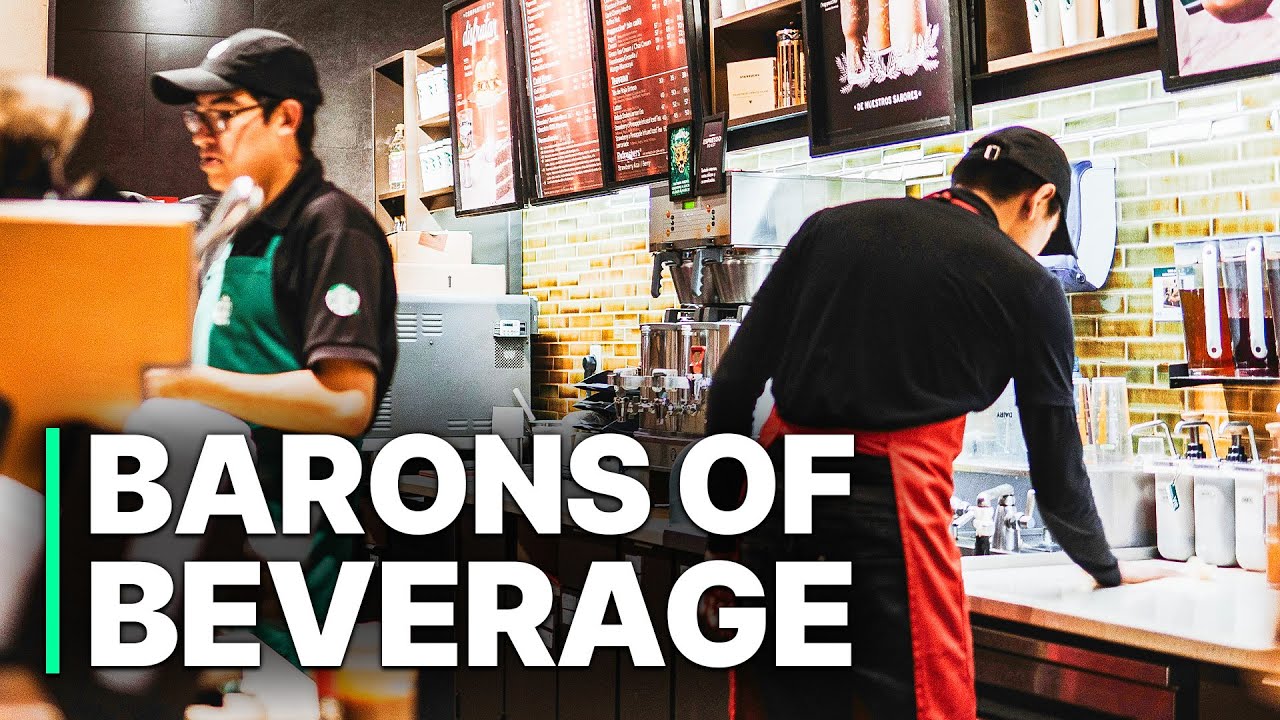
Every year, billions of people buy beverages, making the industry a trillion-dollar market controlled by a few key players like Coca Cola and Starbucks.
In an era dominated by corporate influence and regulatory constraints, personal choices in food, medicine, finance, and media are increasingly limited and manipulated.
Two men at a fictional paper company confront a wall of silence that complicates their professional relationship and communication.
Traditional jewellery production's environmental and social impacts are examined, highlighting sustainable practices in Germany and Sri Lanka, including fair-trade gemstones.
Only 3% of clothing sold in the United States is now made domestically, with the remaining 97% produced in developing countries.
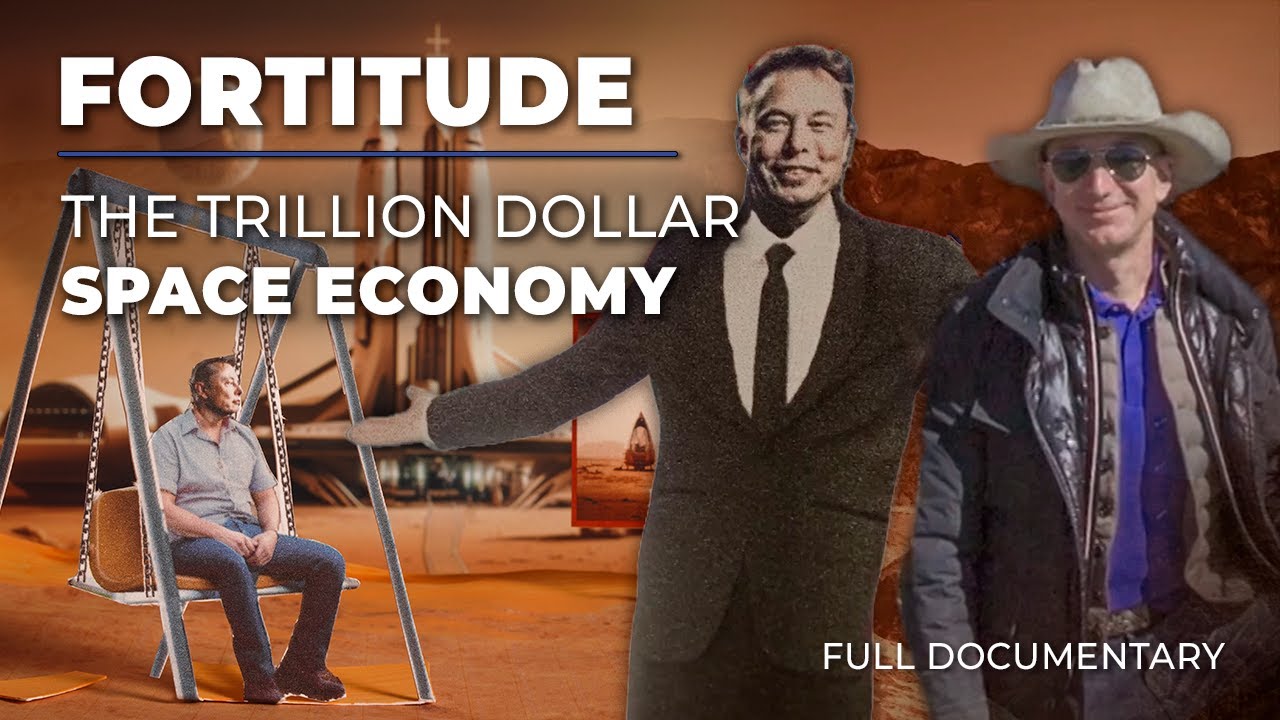
The emergence of a trillion dollar space economy is reshaping industries and addressing global challenges, driven by technological advancements and human ambition.
Gianluca Grimalda, a university researcher, becomes the first employee fired for refusing to fly due to environmental concerns, raising questions about personal sacrifice.
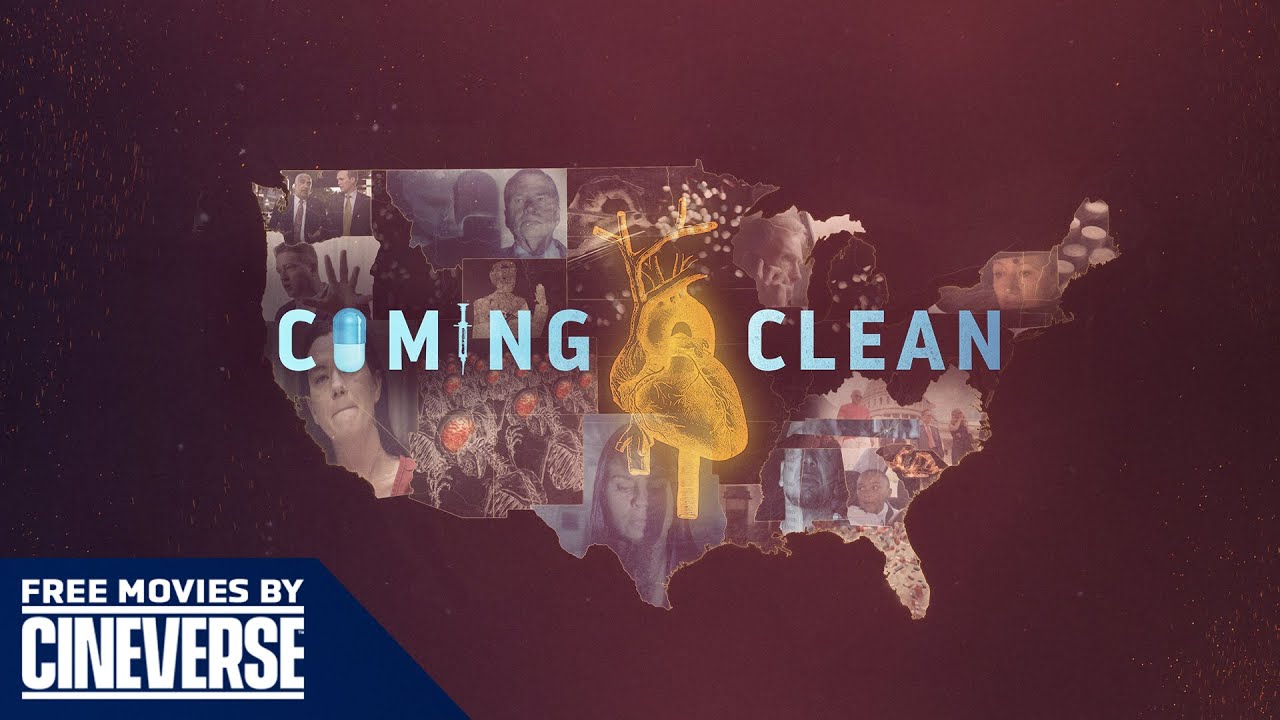
In the wake of the opioid crisis, recovering addicts and political leaders unite to hold pharmaceutical companies accountable for their role in the epidemic.
In Western Australia, citizens of Broome and traditional landowners oppose Woodside's plans to build the world's second largest liquefied natural gas plant.
A $48 billion stimulus program funded 14,000 transportation projects, as discussed by former Secretary of Transportation Ray LaHood in a 2014 interview.
John Jacob Astor pivots from fur to opium, reshaping America’s business landscape.
Thirty years ago, 50 companies dominated American media, but now just six corporations control most of the mainstream outlets in the country.
On June 28, 1914, the assassination of Archduke Franz Ferdinand triggers events that reshape Wall Street and finance during World War I.
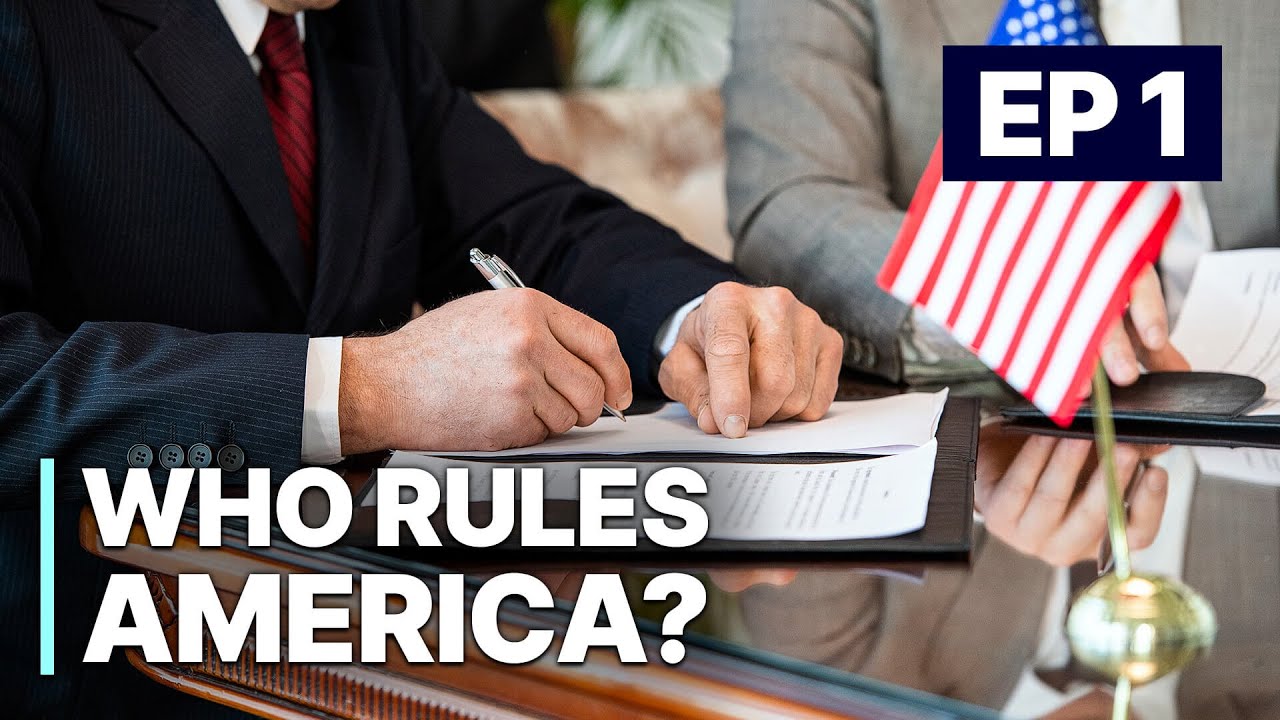
Every four years, Americans participate in a ritual of electing a president, yet unelected financial firms wield significant influence over political decisions.
British Airways' night operations highlight the critical roles of engineers and robots in aircraft maintenance, ensuring timely departures and operational efficiency.
JP Morgan's death marked the end of an era, transforming him from a hero of Wall Street to a demonized figure in just a few years.
7,200 Hilton properties operate in 123 countries and territories, but none are owned by the Hilton family, marking a shift in the family's legacy.
Henry Heinz revolutionized food safety and worker conditions in America, setting new standards in the food industry during the rise of his iconic brand.
Shein's business model has reduced the average unsold inventory level in the fashion industry from 25-40% to single digits.
Anheuser-Busch's evolution from a small brewery in St. Louis to a global beer empire is shaped by Adolphus Busch's vision and family power struggles.
The Art Wars NFT scam exploited stolen artwork, leading to millions in losses for collectors and prompting a Financial Times investigation into the fallout.
In 1981, Ivan Boesky and other ambitious brokers hustled on Wall Street, seeking power and wealth during a time of economic change and deregulation.
Joe Kennedy shapes Wall Street's Roaring 20s with risky investments and stock manipulation.
Wall Street's titans, including Merrill Lynch and JP Morgan, shaped American finance through corporate greed, railroad investments, and pivotal events like Jay Cooke’s Bond Revolution.
A British Airways flight takes off every 90 seconds, as the airline prepares to introduce its new Boeing 787 Dreamliner to passengers.
By 2030, 70% of China's population, approximately 1 billion people, will live in urban areas, reflecting the country's rapid urbanization since the late 1970s.
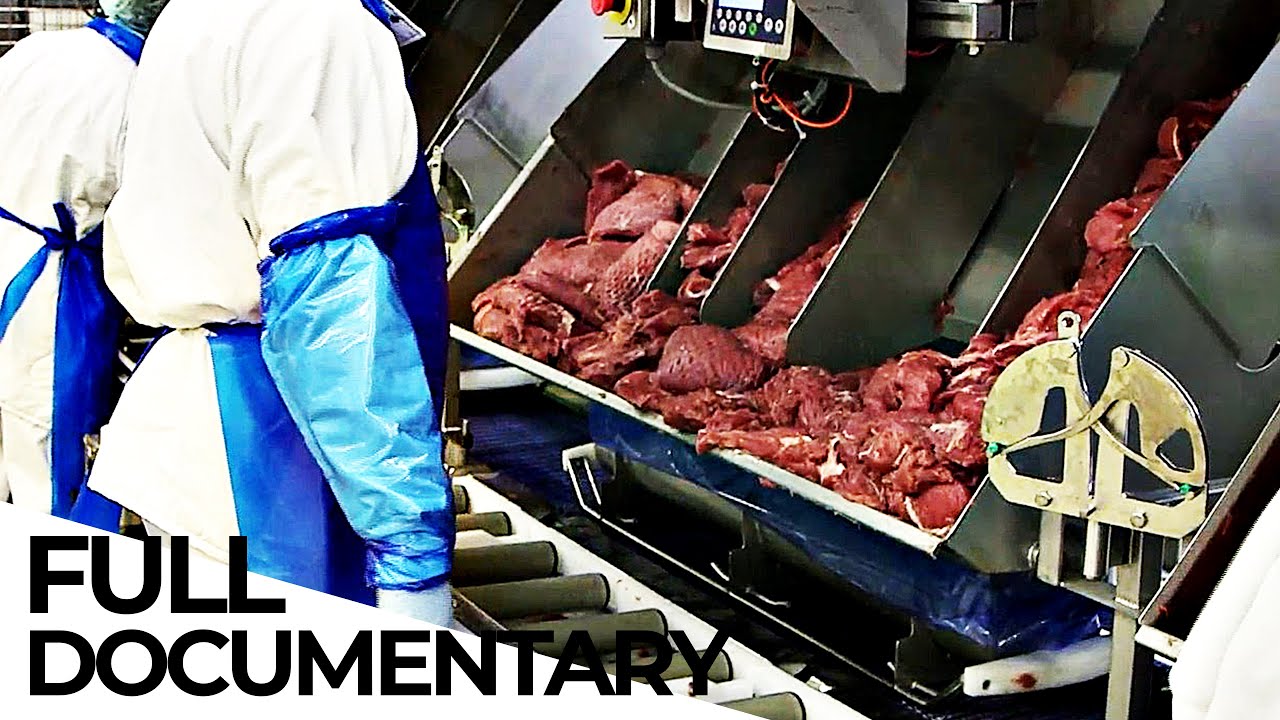
In 2015, the World Health Organization classified processed meats as carcinogenic, prompting an investigation into the meat industry's lobbying tactics.
More than 100 million blood donations are collected each year worldwide, yet much of this blood is sold to private companies for profit.
A new law in Germany requires companies to trace their supply chains, but it does not address the conditions faced by miners in Madagascar.
Over 46.7 million people in the United States live in poverty, despite the creation of more than nine million jobs since the 2009 economic crisis.
Philip Baker, a former hedge fund manager, admits to absconding with $460 million and reflects on the lack of consequences for financial elites after the 2008 crisis.
Food fraud involves horse meat labeled as beef and counterfeit honey and olive oil.
Organ trafficking operates as a global black market, revealing the involvement of unscrupulous surgeons and traffickers in the illegal trade for profit.
Twenty thousand kilos of mercury are legally imported into Georgetown, Guyana, each year, fueling a multi-million dollar black market for the toxic metal.
5.6 million people are projected to die from obesity worldwide by 2020, as junk food consumption rises in countries like India and Brazil.
In 2015, the World Health Organization classified processed meats as carcinogenic, prompting an investigation into the food industry's lobbying tactics.
Apartment prices in Berlin reach between five and ten thousand euros per square meter, reflecting the growing wealth gap in Germany.
As of 2021, around 35,000 homeless people live in Silicon Valley, where the wealth gap has widened alongside the rise of major tech companies.