From over 100,000 films, discover the handful you'll love.
Free or premium access to the world's largest documentary library.
1848 films(Page 16 of 39)
Fish oil, the third most widely used supplement in America, raises safety concerns due to oxidation.
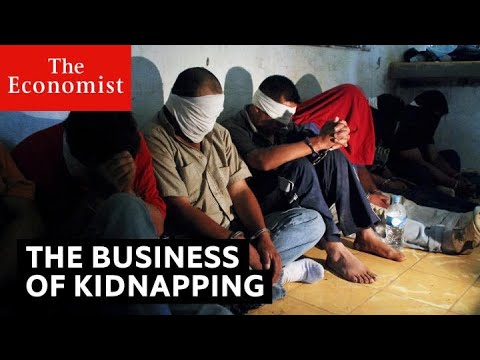
More than 75 percent of Fortune 500 companies have kidnap and ransom insurance policies to protect employees in high-risk areas like Mexico.
ChatGPT's emergence in the consumer market has sparked discussions among experts about its transformative effects on artificial intelligence and potential implications for humanity.
Eight million tons of plastic waste end up in the ocean each year, yet many major food companies fail to meet their sustainability commitments.
Tech giants dominate American markets, prompting calls for antitrust reform led by Amy Klobuchar.
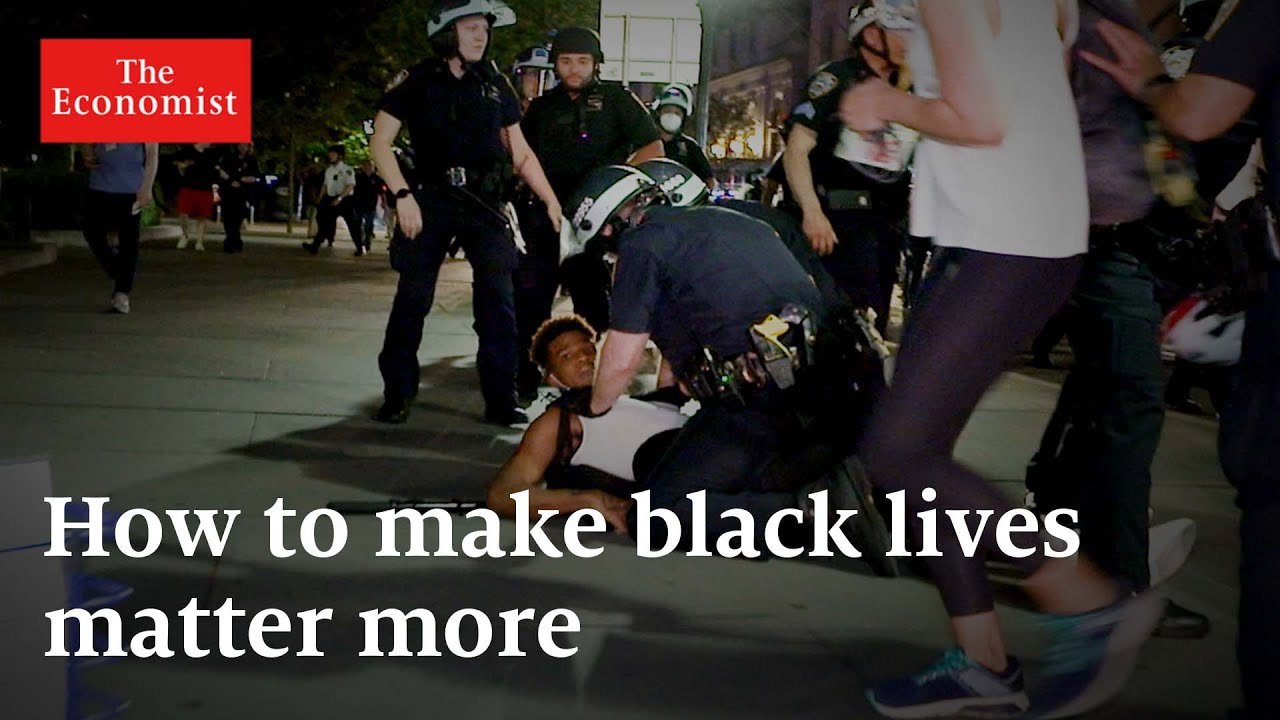
George Floyd's murder in 2020 sparked global protests and discussions on police reform, systemic racism, and improving opportunities for Black individuals.
Middlesbrough has some of the highest poverty rates in the UK, with many residents struggling amid rising prices and a lack of opportunities.
The video examines how an Amazon break up would work amid growing antitrust scrutiny.
Since 2015, over a billion dollars has been invested in femtech, focusing on apps that track women's reproductive health and menstrual cycles.
59% of Americans report they would struggle to pay an unexpected bill of $1,000 or more, reflecting widespread economic anxiety.
Joe Biden won the presidency with a decisive victory, while Donald Trump contested the results, raising questions about potential legal challenges.
Money laundering through diamonds is examined along the San Diego-Mexico border, highlighting smuggling ease and the diamond cartel's regulatory challenges.
NASA's decision to launch the Challenger on January 28, 1986, despite concerns about O-ring failure, exemplifies the normalization of deviance in high-risk environments.
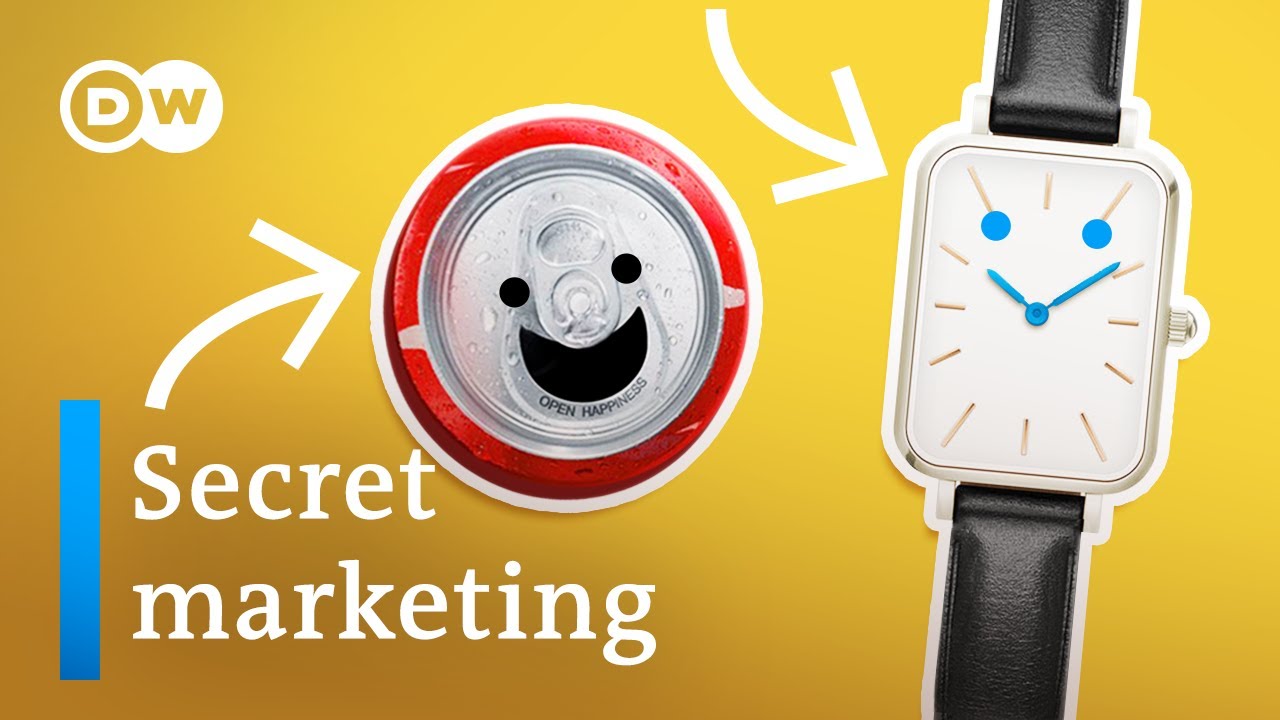
A 9,000-unit sales increase followed the airing of Love Island outfits, demonstrating the show's influence on fashion marketing through social media and apps.
Reid Hastings discusses Netflix's unique management style for its 193 million subscribers worldwide.
Companies use functional magnetic resonance imaging and electroencephalograms to study brain activity and influence consumer purchasing decisions.
Executives from major U.S. investment banks train young professionals at an American-owned business process outsourcing company in Chennai, India.
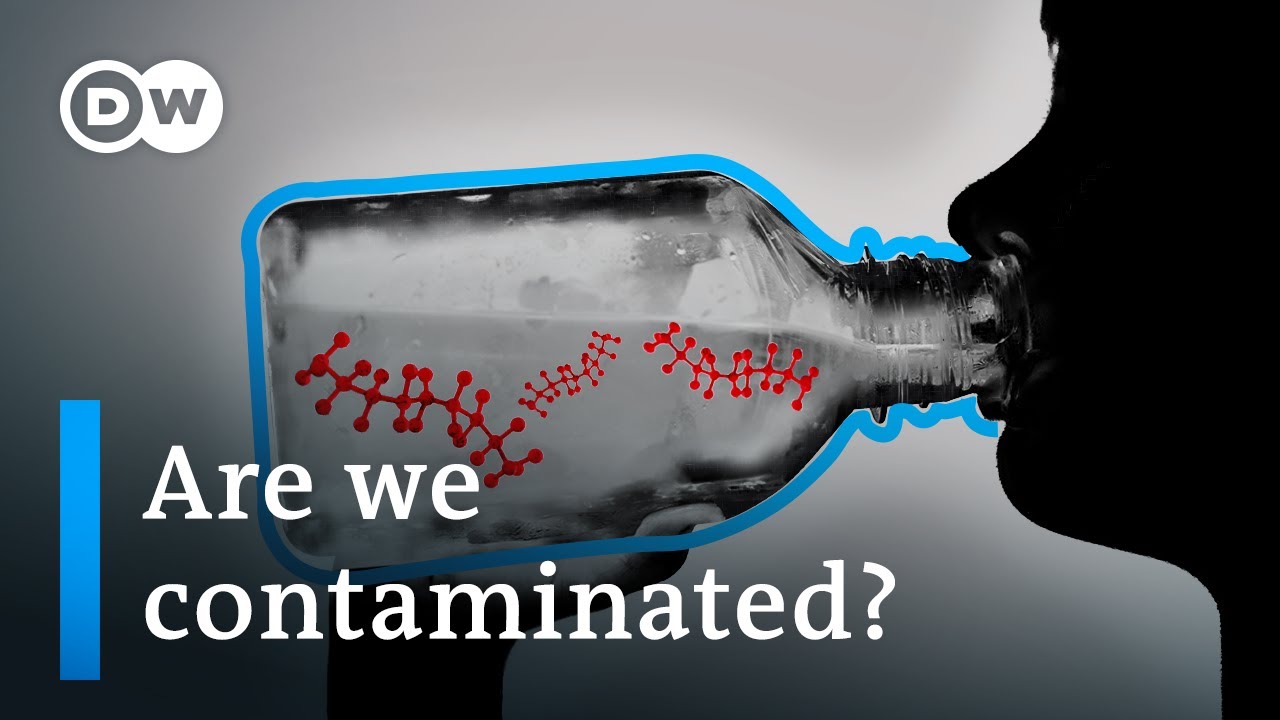
More than 2,000 contaminated sites in the U.S. pollute the drinking water of an estimated 200 million people with PFAS, or "forever chemicals."
Harita Nickel, one of the largest nickel mining companies, contaminated waters on Obi Island with toxic heavy metals while misleading investors during a $660 million IPO.
Virgin Galactic and SpaceX prepare to launch commercial space tourism in 2018, offering flights beyond the stratosphere and around the Moon.
The total value of counterfeit goods in world trade amounts to $500 billion annually, impacting health, safety, and criminal networks.
On August 12, 1873, 19-year-old Jenny Jerome dances with Lord Randolph Churchill, sparking a relationship that alters the British aristocracy's fortunes.
Salaryman reveals the harsh realities of Japan's corporate culture and its impact on workers.
Black hair care represents a multi-billion dollar industry in America, yet societal biases and historical oppression impose hidden costs on black women’s wealth and health.
Today's business leaders weigh in on America's first titans of industry and their traits.
Stella Liebeck's 1992 lawsuit against McDonald's for severe burns from hot coffee sparked a national debate on the nature of frivolous lawsuits and consumer safety.
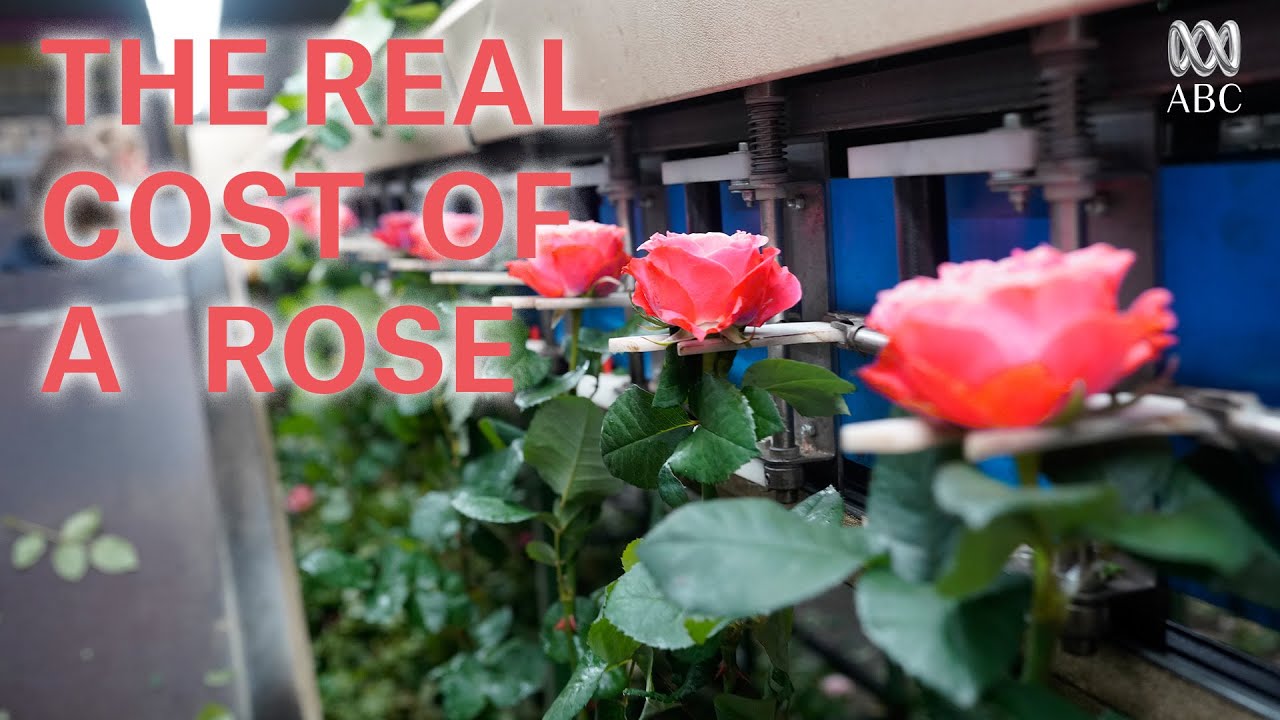
Kenya's flower industry has grown into a billion-dollar business, raising questions about the environmental and human costs behind the global floral trade.
Harvey Ball's smiley face, originally created for an insurance company in the 1960s, evolved into a global symbol of optimism and corporate branding.
The food industry utilizes scientific techniques to create snacks with optimal levels of sugar, salt, and fat, contributing to rising obesity rates, especially in children.
Julia Schmidt, a German-born inventor, transformed the American condom industry with mass production techniques, paralleling Henry Ford's innovations in automotive manufacturing.
William Levitt revolutionizes suburban housing for Americans in the 1950s with Levittown.
Vaping is marketed as a safer alternative but raises concerns about hidden dangers.
Jamie Dimon, CEO of JPMorgan Chase, states that the Sino-US relationship is the most complex since World War II.
Tobacco companies profit immensely despite declining smoking rates and health claims.
The Brazilian Amazon's cattle industry drives deforestation and illegal ranching for leather.
One in three American marriages now begin online, reflecting a significant shift in how couples meet and form relationships.
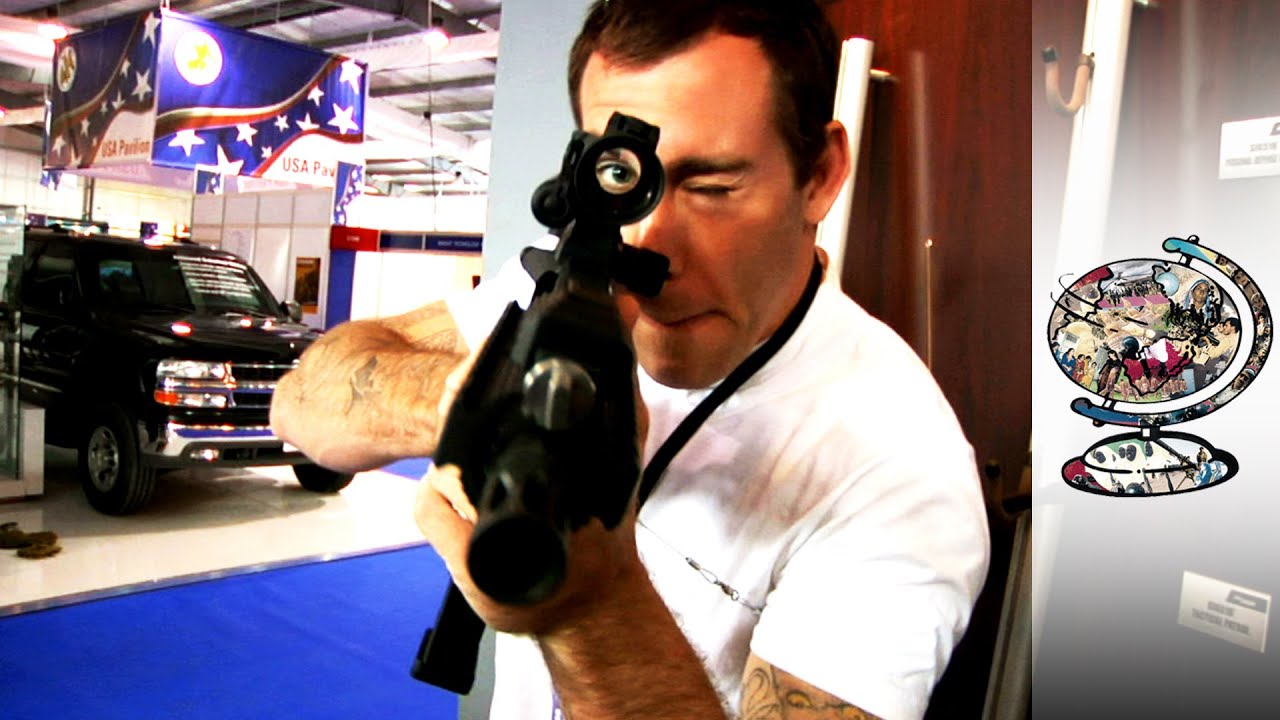
$400 billion is projected to be spent on global security over the next four years, reflecting the booming arms market and its implications for conflict.
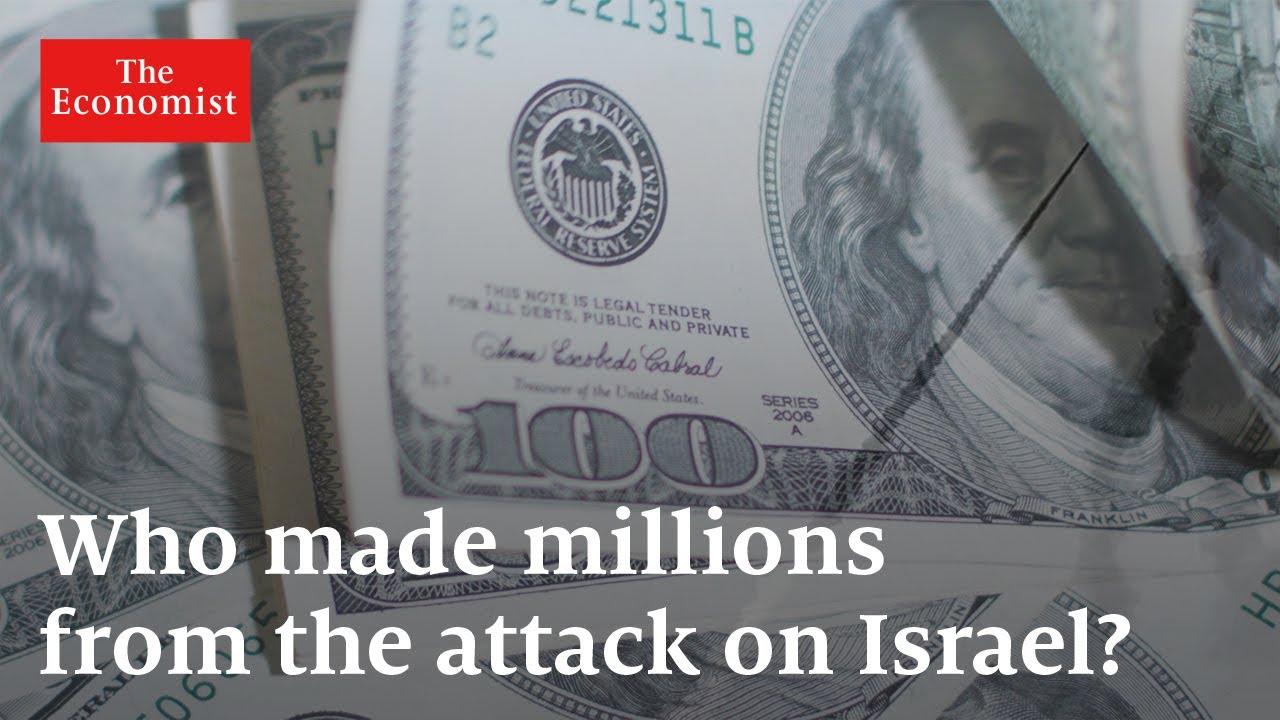
Unusual trading before the October attack on Israel raises questions about insider knowledge.
Experts discuss climate change responsibility among governments, businesses, and individuals.
California's Coachella and Glastonbury show how festival costs have skyrocketed over the years.
$100 million was spent by BP to market the concept of carbon footprints, shifting focus from corporate emissions to individual responsibility.
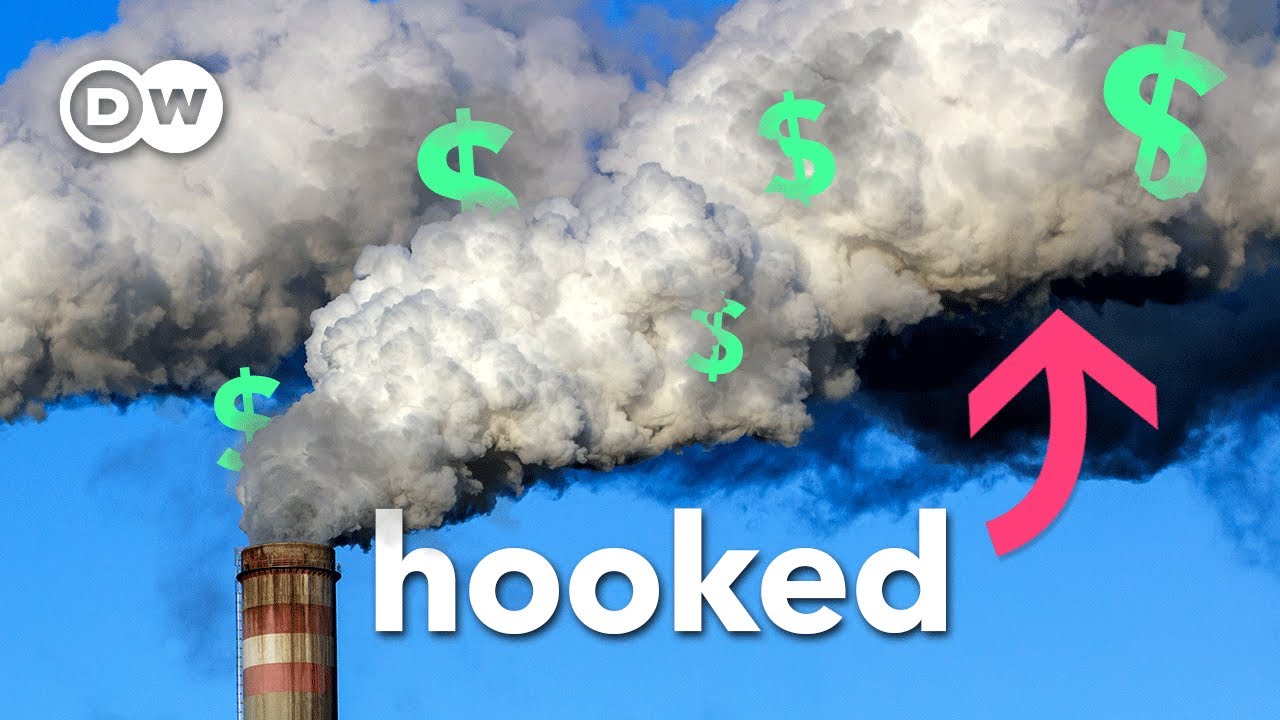
Trillions of dollars are invested in the fossil fuel sector each year, despite widespread commitments to reduce carbon emissions.
A 25% reduction in greenhouse gas emissions by 2020 was mandated by the Dutch Supreme Court in a landmark climate litigation case.
Emma risks her life during surrogacy, a fast-growing global trade that is reshaping traditional family structures and raising questions about regulation.
Xi Jinping rules China with an iron fist, reshaping global power dynamics.
Zimbabwe celebrates the fall of Robert Mugabe, but faces challenges under Emmerson Mnangagwa.
In Muzo, Colombia, emerald miners endure perilous working conditions for a meager salary, raising ethical concerns about the human and environmental costs of the industry.
Smartphones have rapidly evolved into the fastest growing industry in history, showcasing remarkable advancements and surprising statistics about their capabilities.