From over 100,000 films, discover the handful you'll love.
Free or premium access to the world's largest documentary library.
199 films(Page 2 of 5)
Twenty-four individuals named David share their diverse experiences, ranging from a cosmologist to a recycler, across three continents.
The concept of the self-made man in America emphasizes the importance of freedom and divine blessing while advocating for minimal state interference in the economy.
Growth is the fundamental principle of capitalism, but Karl Marx warned that it could eventually lead to the system's collapse.
Artificial intelligence has transformed various sectors, raising critical questions about its societal impact, economic implications, and the need for effective regulation.
Luxury yachts, from Gdansk to Cannes, are examined through the perspectives of owners, manufacturers, and environmental activists highlighting their ecological impact.
The gig economy, exemplified by platforms like Uber and DoorDash, is examined through personal stories of workers and insights from experts such as Alexandrea Ravenelle.
Climate change is addressed through the actions and solutions proposed by individuals around the world, highlighting positive initiatives rather than negative outcomes.
Ancient Egypt's economic systems are examined to trace the evolution of capitalism, featuring insights from experts like Dr. Julianne Malveaux and Dr. Leonard Jeffries.
In Salt Lake City, Oklahoma, and Texas, individuals confront the complexities and injustices of the American death penalty through personal stories of loss and survival.
Bitcoin's origins, societal impact, and potential future implications are examined through various perspectives and expert insights in this exploration of digital currency.
Jensen Huang warned his team in 1996 that they had only 30 days of oxygen left before Nvidia faced bankruptcy.
In Brussels, 15,000 lobbyists operate within a complex network of PR firms and think tanks, influencing European Union policies and political elites.
More than 100 million blood donations are collected each year worldwide, with a significant portion sold to pharmaceutical companies for profit.
Camillo Castiglioni, an influential figure in post-World War I Austria, was a controversial financier known for founding BMW and supporting the Salzburg Festival.
Romance fiction, a billion-dollar industry, is explored through the experiences of three writers and insights from major figures in Toronto and New York.
Itamar Rose critiques the deceptive practices of YouTube capitalism and the role of click farms in shaping viral content and ethical dilemmas in social media.
The rise of the ultra-rich, from 140 billionaires 25 years ago to over 1,200 today, highlights their influence on global wealth and societal change.
Opportunities for profit from death span various sectors, including the weapon industry, religious talismans, and psychotherapy services.
Bitcoin, the world's first decentralized digital currency, challenges traditional financial systems by allowing users to control their own money without banks or governments.
Longacres Race Track, built in just 33 days in 1933, became a significant venue for Thoroughbred racing in the Pacific Northwest.
Ancient empires, from Mesopotamia to Rome, generated immense wealth through trade and the monetization of their resources and treasures.
An 88-year-old inventor created the floppy disk and a popular aphrodisiac while Japan seeks to revive its robotics sector.
Bitcoin represents a potential alternative to traditional currencies, challenging the practices of central banks and the debt-driven creation of money.
A.E. Staley, a North Carolina farm boy, built a billion-dollar agribusiness and owned the team that became the Chicago Bears, shaping American business.
The top 0.1% of earners in the United States control as much wealth as the bottom 90%, illustrating the stark economic divide faced by many.
Amsterdam's cycling infrastructure, contributing approximately €19 billion annually to the economy, exemplifies a strategic response to urban space limitations and environmental challenges.
In an era dominated by corporate influence and regulatory constraints, personal choices in food, medicine, finance, and media are increasingly limited and manipulated.
Percy and Beverly Evans, once part of Milwaukee's middle class, now struggle to survive on $8 an hour after losing stable jobs due to the city's industrial collapse.
Scandinavia's readiness for Bitcoin serves as the focal point of a road movie exploring the implications of blockchain technology and digital currency.
In Norway, social experiments reveal the complexities of inequality, while insights from capuchin monkeys and case studies in Costa Rica and Ferguson, Missouri, explore the multifaceted nature of fairness.
Corruption, politics, and pharmaceutical greed are examined through the insights of Matthew Perry, Jonathan Davis, Ron Paul, and Dennis Kucinich in America's prescription medication crisis.
Today, 25 percent of international finance is conducted on British territory, with nearly half of the world's offshore wealth hidden in its jurisdictions.
Japan has 1.5 million retail traders known as "Mrs. Watanabe," who began speculating in the foreign exchange market after the 1990s financial crisis.
Moconomy® provides a platform for streaming documentaries focused on various topics related to economy and finance, including global economic trends and investment strategies.
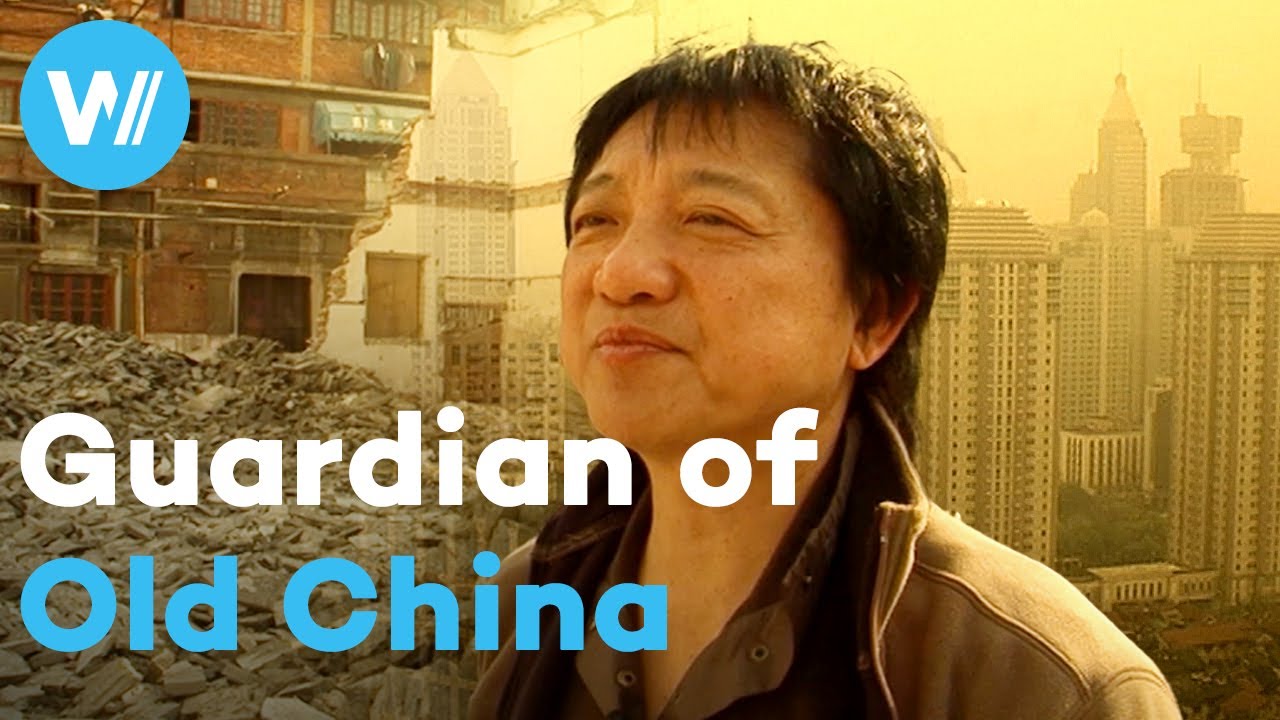
Jeoffrey Wong, a Chinese Canadian businessman, aims to preserve Shanghai's historical architecture amidst rapid urban development and cultural erosion.
Economic inequality in Canada is shaped by geography, history, and access to opportunity, highlighting the divides between urban and rural regions and Indigenous communities.
A new Space Renaissance is emerging, driven by private companies like Rocket Lab and Exolaunch, as they create a trillion-dollar off-world industry.
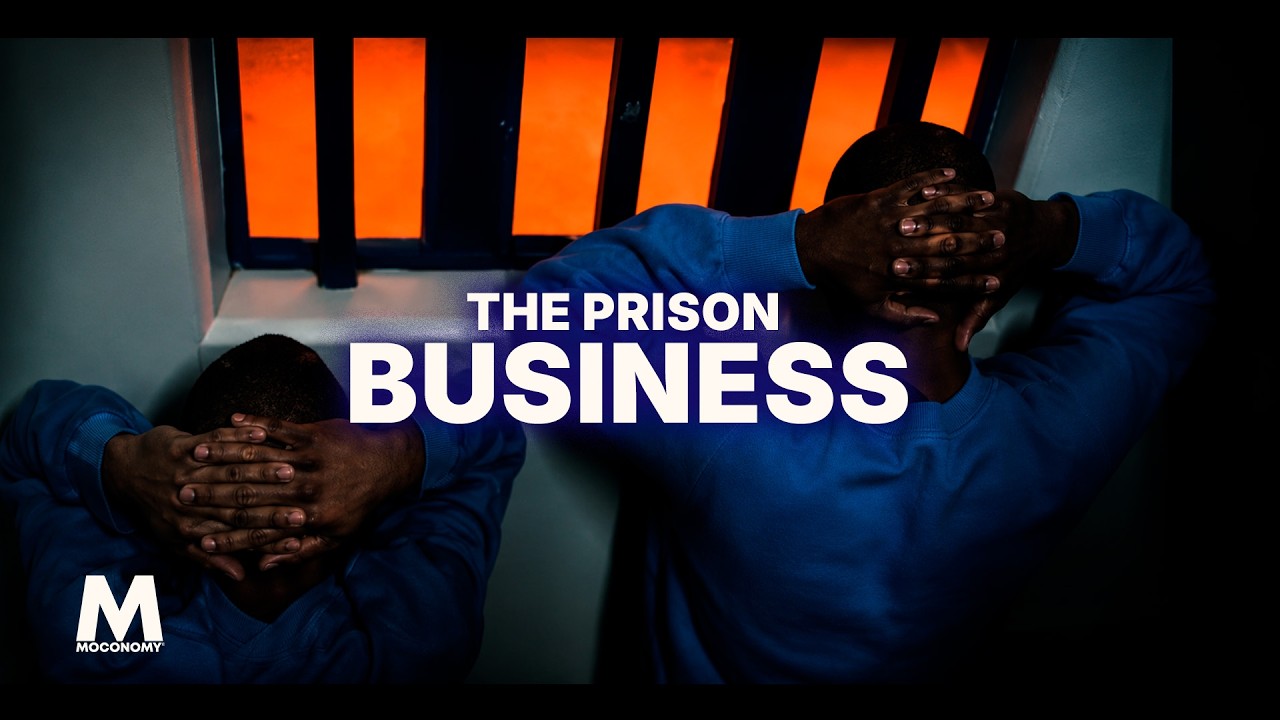
Mangaung Prison in South Africa exemplifies the troubling dynamics of the private prison industry, where profit motives often overshadow inmate welfare and rehabilitation efforts.
Global economic systems are examined through the lens of power dynamics, financial control, and the influence of major institutions and corporations.
In remote industrial sites, isolated workers contribute to the relentless cycle of production and consumption that fuels modern consumerism.
In Surrey, Jacqueline Gold, CEO of Anne Summers, showcases her £500M empire and exclusive experiences, including a £25K perfume session and access to West Ham United's Chairman's Suite.
Jose proposes to Elizabeth over the phone after losing their mortgage approval, while the film also highlights the struggles of low-wage workers in America.
In Cheshire, host Sally Lindsay explores a £12 million mega mansion featuring an 8,000 square foot mirrored underground garage as part of her luxury sleepover experience.
A driver recounts a $5 fare during the COVID-19 pandemic, which prompts him to stop working for Uber and Lyft after six years in remission from cancer.
In Potosí, Bolivia, Stef Biemans examines the historical and contemporary impacts of silver mining on the lives of its residents, where miners face a life expectancy of just 45 years.
Harrison Ford's rise to fame as a leading man in Hollywood is contrasted by the financial and personal challenges he faced, including a costly divorce.
The booming trade in dinosaur bones, driven by private collectors like Christian Link, poses challenges for natural history museums competing for fossils like the triceratops Cera.
Global shipping routes, from Rotterdam to Los Angeles, reveal the economic complexities and human costs behind the transportation of goods in a consumer-driven world.