From over 100,000 films, discover the handful you'll love.
Free or premium access to the world's largest documentary library.
140 films(Page 1 of 3)
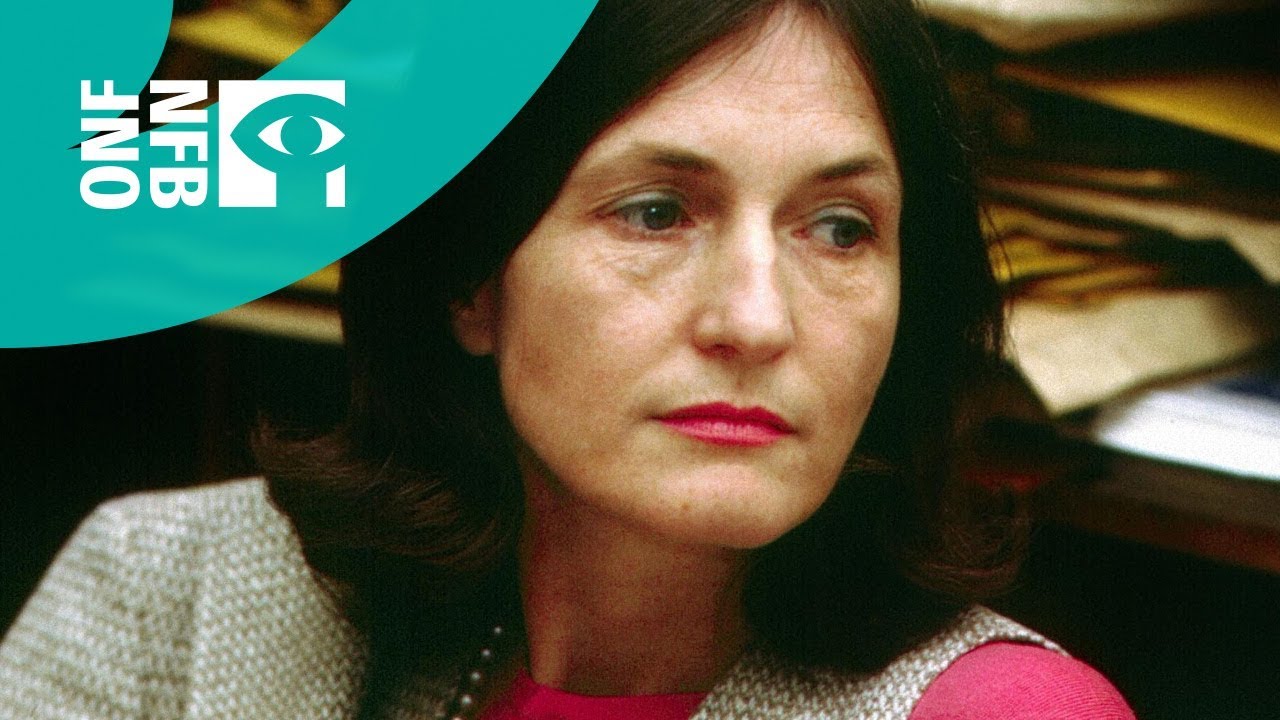
Dr. Helen Caldicott emphasizes the urgent need for nuclear disarmament through a powerful lecture, supported by archival footage of Hiroshima's aftermath.
Children affected by the Chernobyl disaster continue to suffer from severe health issues, with thousands facing cancer and ongoing treatment challenges.
Las Vegas' underground sex trade reveals the harsh realities of the escort industry, highlighting the connections between prostitution, exploitation, and sex trafficking.
Kristallnacht marks a pivotal moment in history, as a nationwide pogrom on November 9, 1938, signifies the devastating end of Jewish life in Germany.
Titanic expert Tim Maltin analyzes the critical moments leading to the RMS Titanic's sinking, questioning whether the disaster could have been prevented.
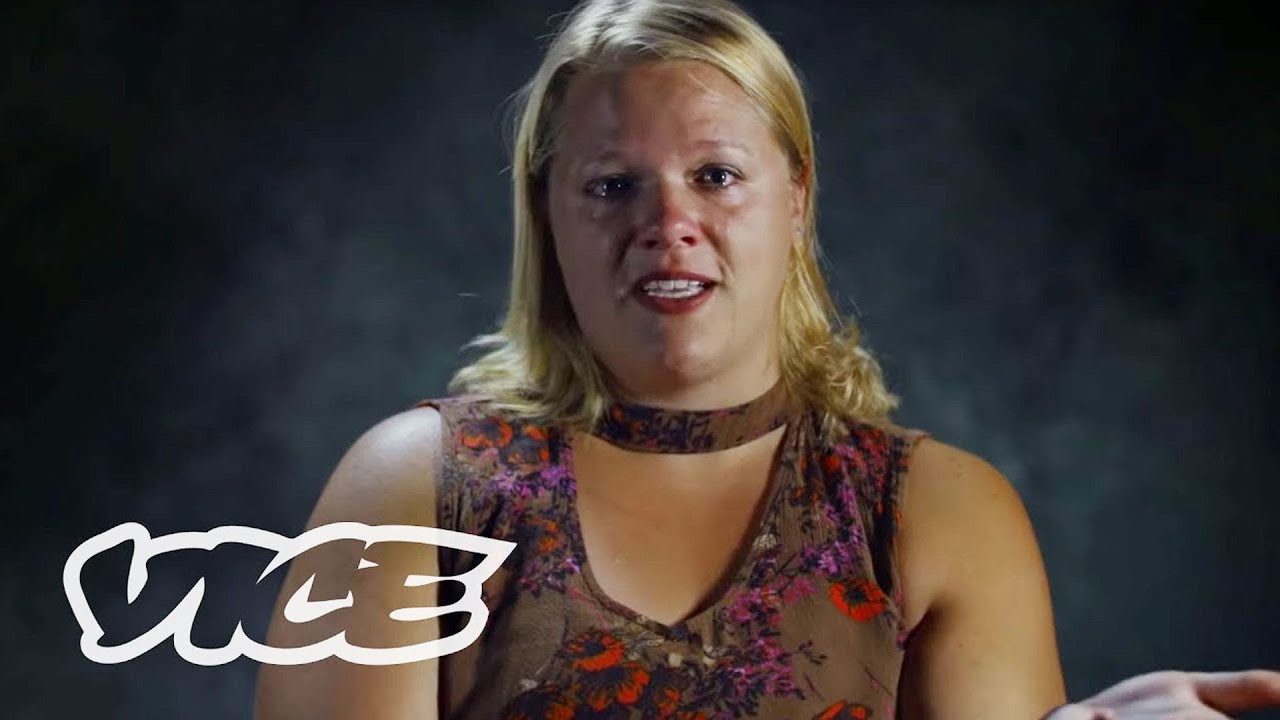
Men who purchase sex confront their harmful behaviors and the societal factors that drive exploitation, highlighting the urgent need to address demand in the fight against trafficking.
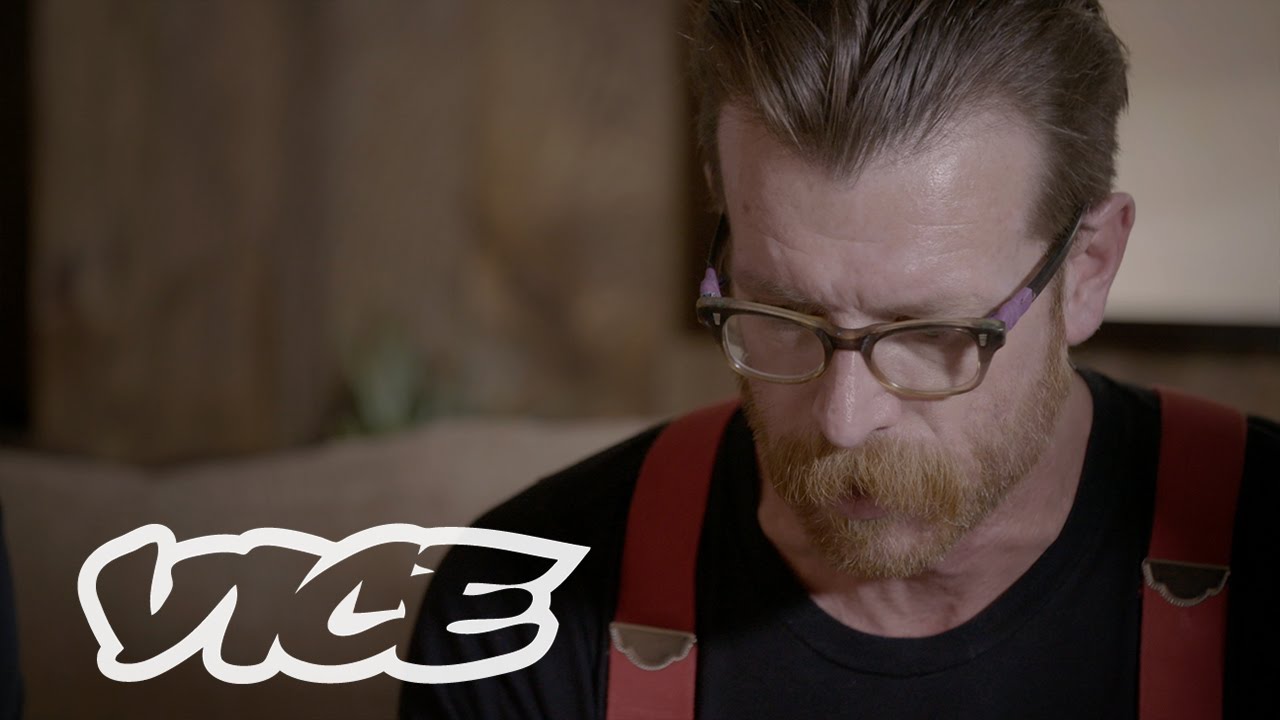
Eagles of Death Metal recount their harrowing experience during the November 13 Paris terror attacks at the Bataclan concert hall, where 90 lives were lost.
Evidence of potential war crimes committed by Russian troops in Ukraine is meticulously documented through original footage, interviews, and verified intelligence.
Rudolf Höss, the Commandant of Auschwitz, lived in a house that now reveals chilling evidence of the atrocities committed during the Holocaust.
Auschwitz's restricted areas, including gas chambers and barracks, reveal the chilling evolution of the largest Nazi death camp during World War II.
September 11th attacks are examined through a detailed timeline, providing a comprehensive account of the events as they unfolded that fateful day.
Anders Breivick's 2011 attack in Norway resulted in 77 deaths and 319 injuries, marked by a car bomb and a mass shooting at a youth camp.
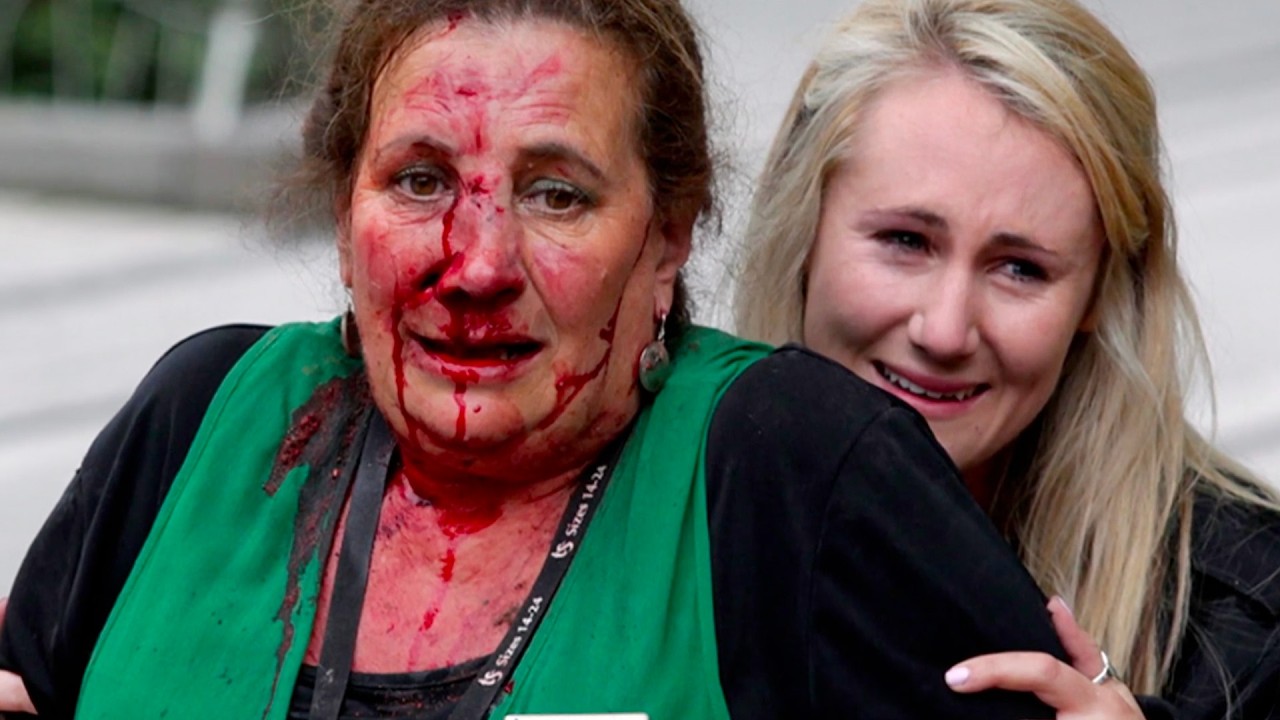
In February 2011, the Christchurch earthquake devastated the city, prompting survivors to share their harrowing experiences of loss, survival, and resilience.
Hurricane Helene serves as a stark warning about America's increasing vulnerability to climate change-related storms and the inadequacies in disaster preparedness.
Chernobyl's exclusion zone has become a dark-tourism hotspot, attracting visitors while highlighting the ongoing health risks and environmental contamination from the disaster.
September 11, 2001, remains a pivotal moment in history, marked by unprecedented tragedy, human courage, and lingering questions about national preparedness.
Bransk, Poland, once home to 2,500 Jews before the Holocaust, becomes the site of reflection for two elderly Polish-American Jews and a local historian.
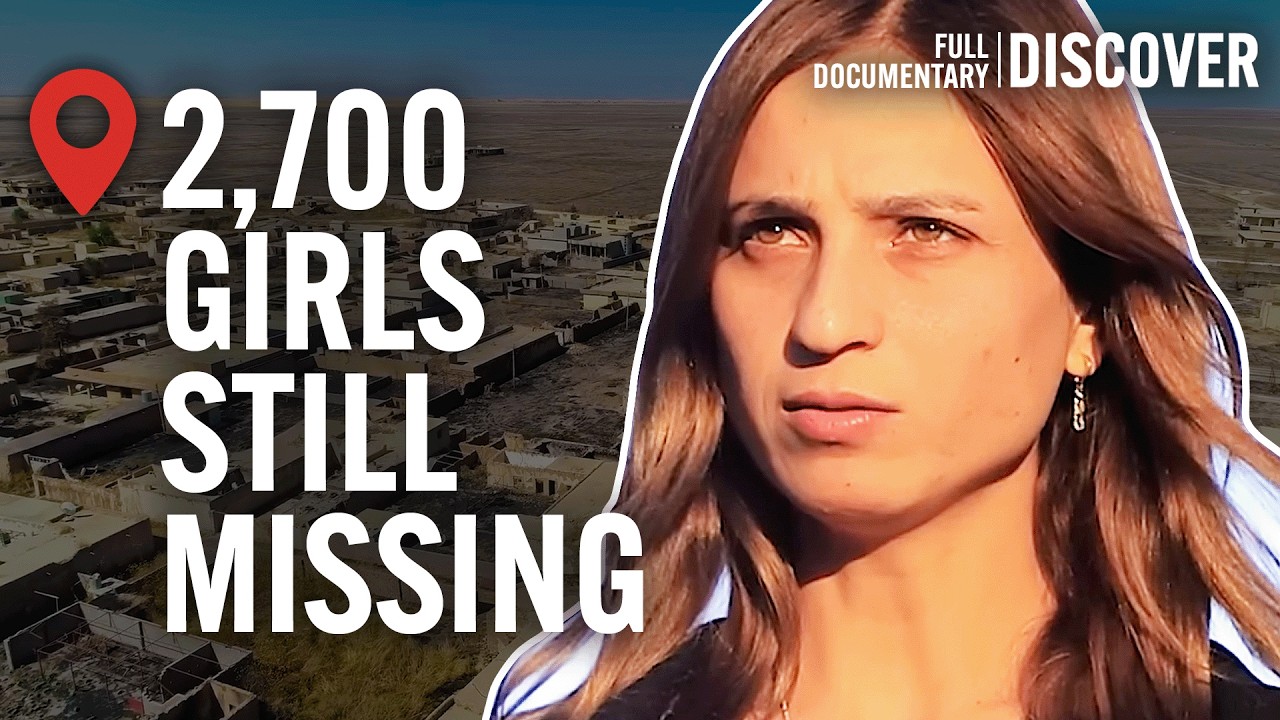
Over 2,700 Yazidi women and girls remain missing ten years after the genocide, highlighting the ongoing struggle for freedom and resilience among survivors.
Elizabeth Peña and Jennifer Ertman became victims of a brutal crime in Houston's T.C. Jester Park, marking a tragic chapter in the city's history.
Yazidi women, abducted by ISIS, share harrowing accounts of their captivity and the underground network that risked everything to help them escape.
Jupiter Yambem, an Indian immigrant and banquet manager, faced unimaginable challenges as he and 170 others were trapped inside Windows on the World during 9/11.
On May 18, 1980, Mount St. Helens erupted in Washington State, resulting in 57 fatalities and raising questions about volcanic monitoring and disaster preparedness.
Convicted predators in Florida navigate strict laws and isolation, raising questions about the effectiveness of the justice system in protecting children and fostering rehabilitation.
Artefacts recovered from the Titanic, including a pocket diary and a possessions bag, reveal the personal stories of passengers lost in the 1912 disaster.
Jared Lee Loughner's violent attack on congresswoman Gabrielle Giffords in Tucson on January 8, 2011, left six dead and raised questions about his motivations.
On July 22, 2011, a far-right extremist killed 69 teenagers on Utoya Island during a political youth camp, marking Norway's deadliest attack since World War II.
A Virginia Tech survivor seeks healing from trauma through ayahuasca therapy, alongside others facing opioid addiction and depression, exploring alternative recovery methods.
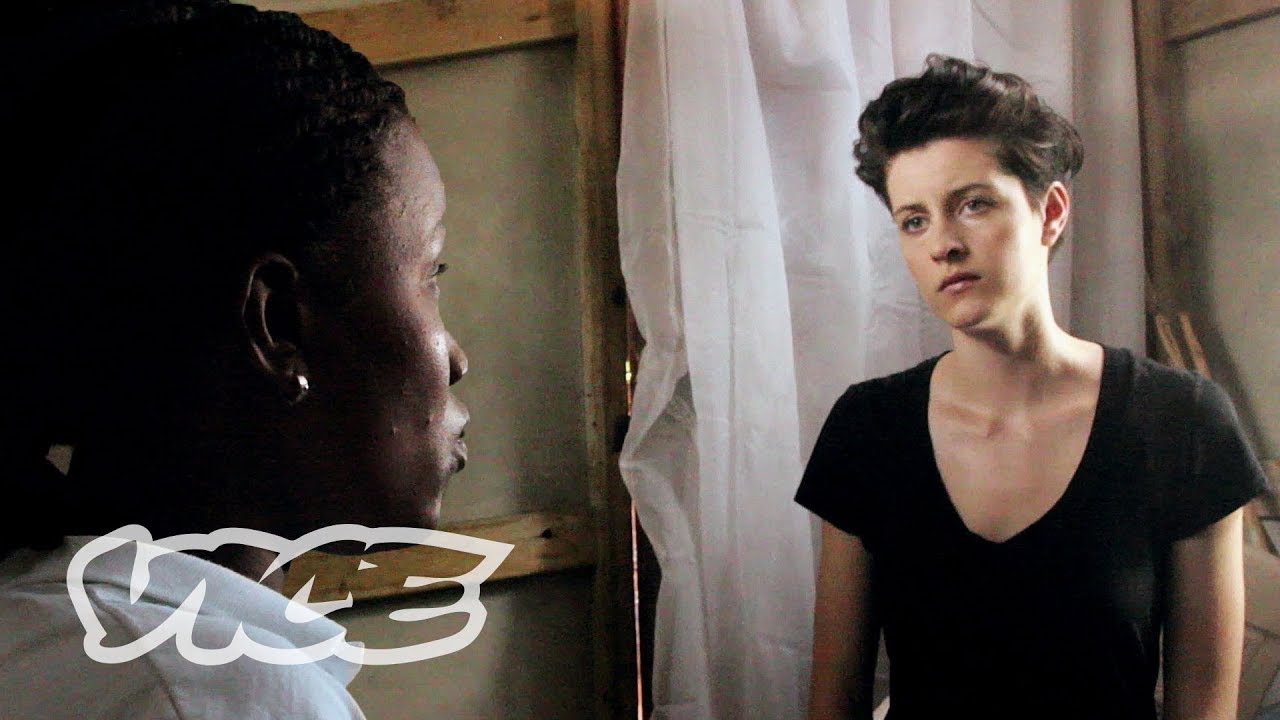
Allegations of sexual abuse by UN peacekeepers against vulnerable women and children reveal systemic failures within the organization meant to protect them.
Columbine and Utoya serve as stark reminders of the devastating impact of mass shootings, exploring the motivations behind the perpetrators and the resilience of survivors.
Ron DiFrancesco, Heather Penney, Giovanni Renteria, and Niels Jorgensen share their personal accounts of survival and heroism during the September 11 attacks.
Mexico's road accident crisis is examined through the experiences of first responders and survivors, highlighting the dangers of reckless driving and poor road conditions.
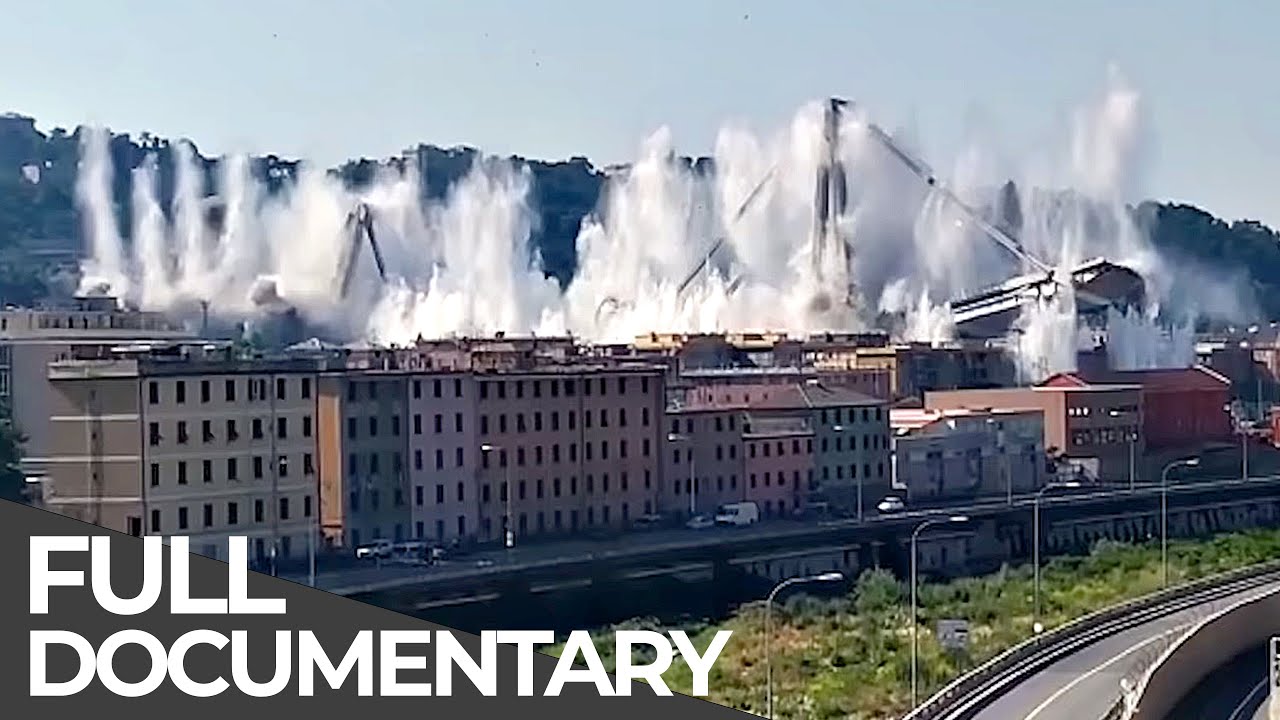
On August 14, 2018, the collapse of the Morandi Bridge in Genoa, Italy, resulted in 43 fatalities, raising critical questions about its design and maintenance.
Costa Concordia's tragic sinking on January 13, 2012, resulted in 32 fatalities, prompting an examination of the events and failures that led to the disaster.
Yazidi women held captive by ISIS face unimaginable horrors, while activist Nareem Shammo fights tirelessly to negotiate their freedom from slavery.
A cruise to the Antarctic during the early days of the COVID-19 pandemic resulted in over half of the 200 passengers falling ill, turning a dream vacation into a health crisis.
Human traffickers exploit women from Latin America, luring them to Spain with false job promises, leading to forced prostitution across Europe, as highlighted by survivor accounts and law enforcement efforts.
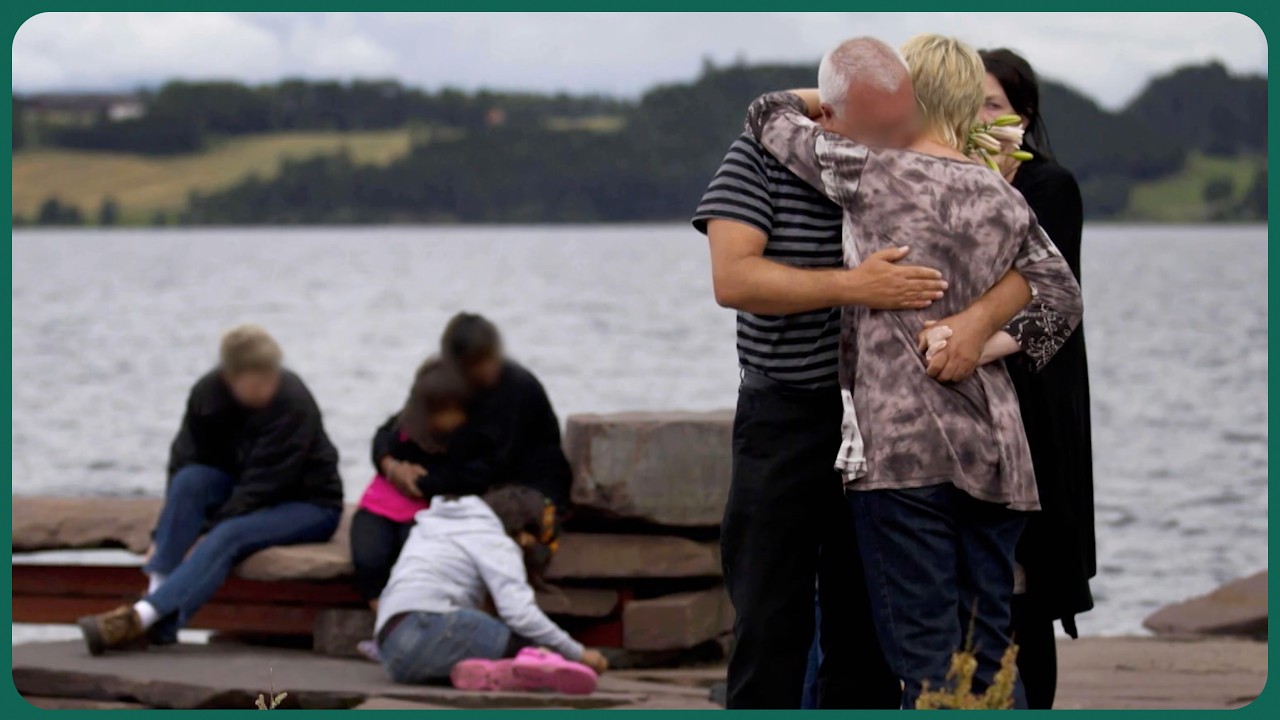
Fifteen years after the Utøya massacre, five survivors share their personal stories and discuss the lasting effects of the 2011 terror attack on their lives.
California's road accident crisis is examined through the experiences of first responders and survivors, highlighting the dangers faced by drivers daily.
Erno "Zvi" Spiegel, a Holocaust hero, risked his life to protect twin boys from Dr. Josef Mengele's brutal experiments at Auschwitz-Birkenau.
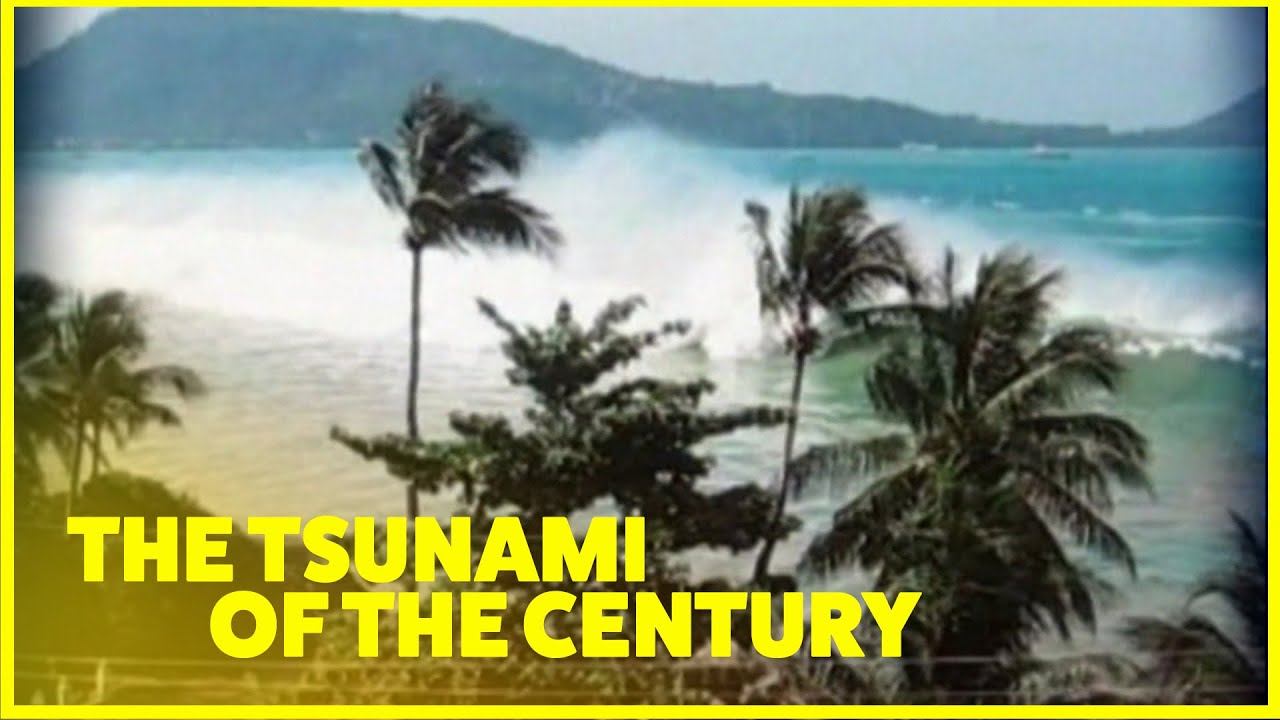
On December 26, 2004, a magnitude 9.3 earthquake triggered a devastating tsunami in the Indian Ocean, prompting insights from seismologists and survivors.
Amon Göth, the commandant of the Kraków-Płaszów concentration camp, is examined for his role in mass murder and corruption during the Holocaust.
Mary Johnson, Debra Hocking, and Kilong Ung share their experiences of loss and trauma in Minneapolis, Australia, and Cambodia, exploring the complexities of forgiveness.
A 20-meter wall of water struck the coast of Thailand on December 26, 2004, leaving hundreds of thousands fighting for their lives.
Teen suicide rates have surged by 70%, prompting a father's urgent quest to understand his son's death and raise awareness about the hidden struggles of modern youth.
Domestic violence affects nearly everyone, from the wife of an estate owner to the daughter of a school teacher, cutting across social and economic lines.
Domestic violence in Russia has surged due to reduced penalties for abusers, leaving countless women without protection and support in their time of need.
Operation Dynamo rescued 338,226 Allied troops from the beaches of Dunkirk between May 26 and June 4, 1940, amid intense enemy fire.