From over 100,000 films, discover the handful you'll love.
Free or premium access to the world's largest documentary library.
65 films(Page 1 of 2)
About 25% of animals in the savanna perish due to water and food shortages during the harsh dry season.
A crocodile can launch itself from the water at speeds of 20 meters per hour, using instincts shaped by a brain that has remained largely unchanged for 200 million years.
Dr. Stanley Patrick Weber, a government doctor, sexually abused Native American boys for decades while the Indian Health Service failed to intervene despite numerous warnings.
Jimmy Savile, an English media personality, exploited his fame and connections to sexually abuse hundreds of children, with systemic failures by institutions like the NHS and police enabling his actions.
A respiratory therapist at a California hospital exploited his position to administer lethal doses of paralyzing drugs, resulting in the deaths of over 200 patients.
In the wild, determined animal mothers engage in intense moments of hunting and rescuing their young, narrated by Sir David Attenborough for BBC Earth.
In the Essequibo River of Guyana, Rainer and Sandy search for the elusive Black Caiman, the largest predator in the South American rainforest.
Eagles, known for their acute eyesight and powerful hunting skills, are followed from hatching to independence in this stunning 4K wildlife documentary.
Brad observes dingoes teaching their pups essential survival skills in Australia.
Remarkable moments in the wild, such as a snake poised to strike and a walrus family protecting its young, are narrated by Sir David Attenborough.
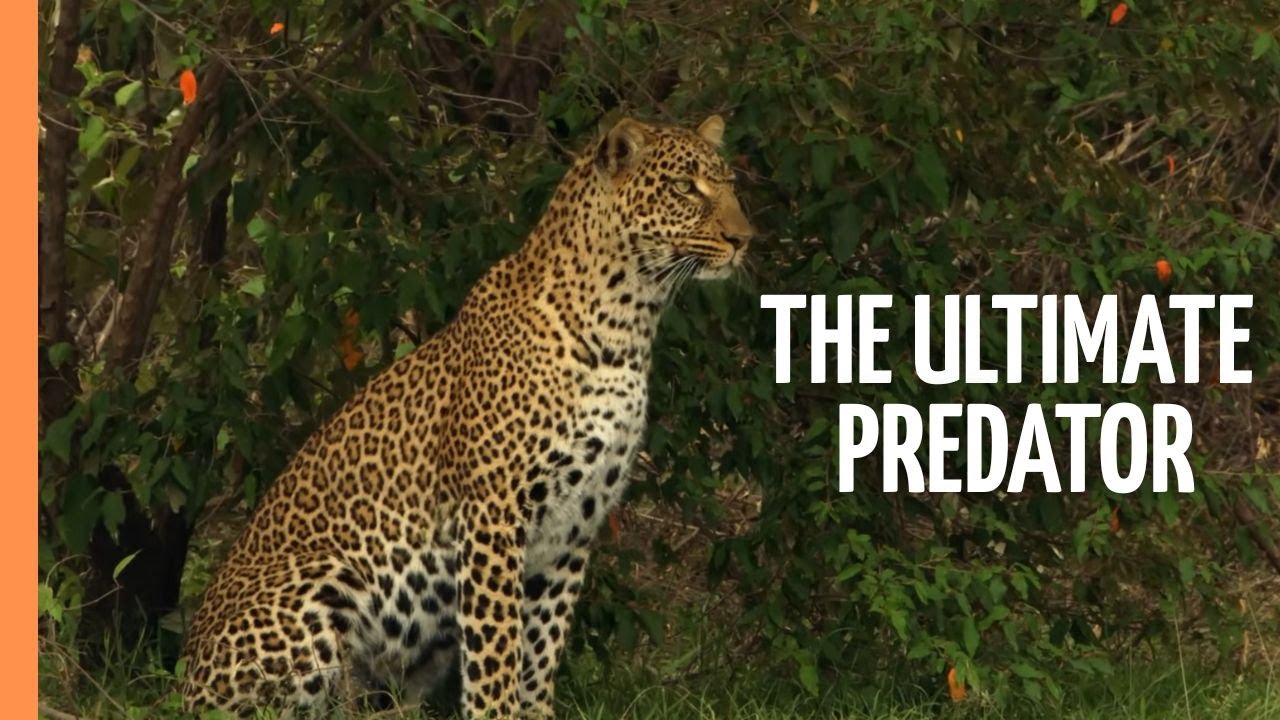
A Leopardess hunts in the Serengeti, almost invisible, to ensure her cub's survival.
A man tracks fresh blood and wolf prints in the snow while searching for food in Alaska's unforgiving wilderness.
BBC Earth presents a compilation of memorable animal moments, showcasing dramatic encounters and heartwarming interactions from the natural world.
The Eurasian water shrew showcases its hunting skills and agility in aquatic habitats.
In the wilds of Africa, various animal species attempt to cross a riverbank while evading territorial predators that threaten their survival.
In the marshes of Australia, wildlife expert Manny confronts some of the world's most dangerous animals, including venomous snakes and crocodiles.
Gray Wolves, once eradicated from the lower 48 states, have sparked intense debate over their conservation and impact on local communities in the West.
Only 7,000 cheetahs remain in the wild today, down from around 100,000 a century ago, as they face threats from predators and habitat loss.
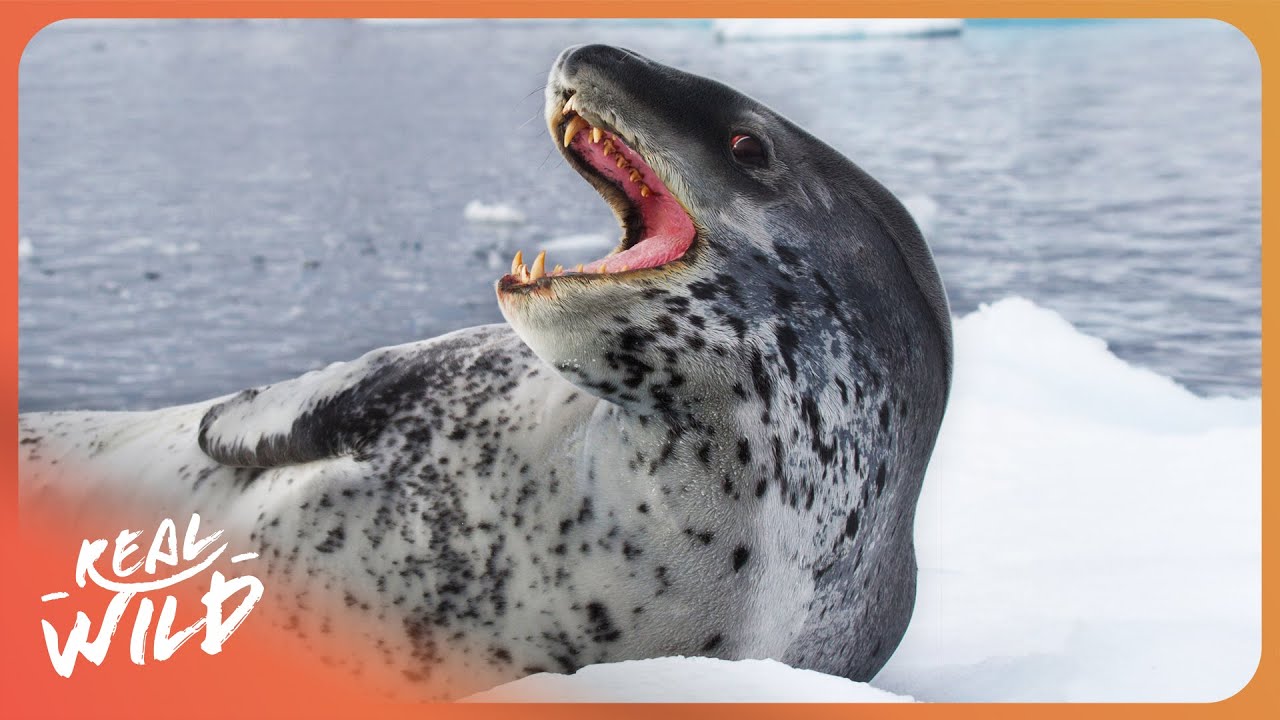
Antarctica covers an area of over 14 million square kilometers, home to leopard seals that hunt penguins in a harsh and unforgiving environment.
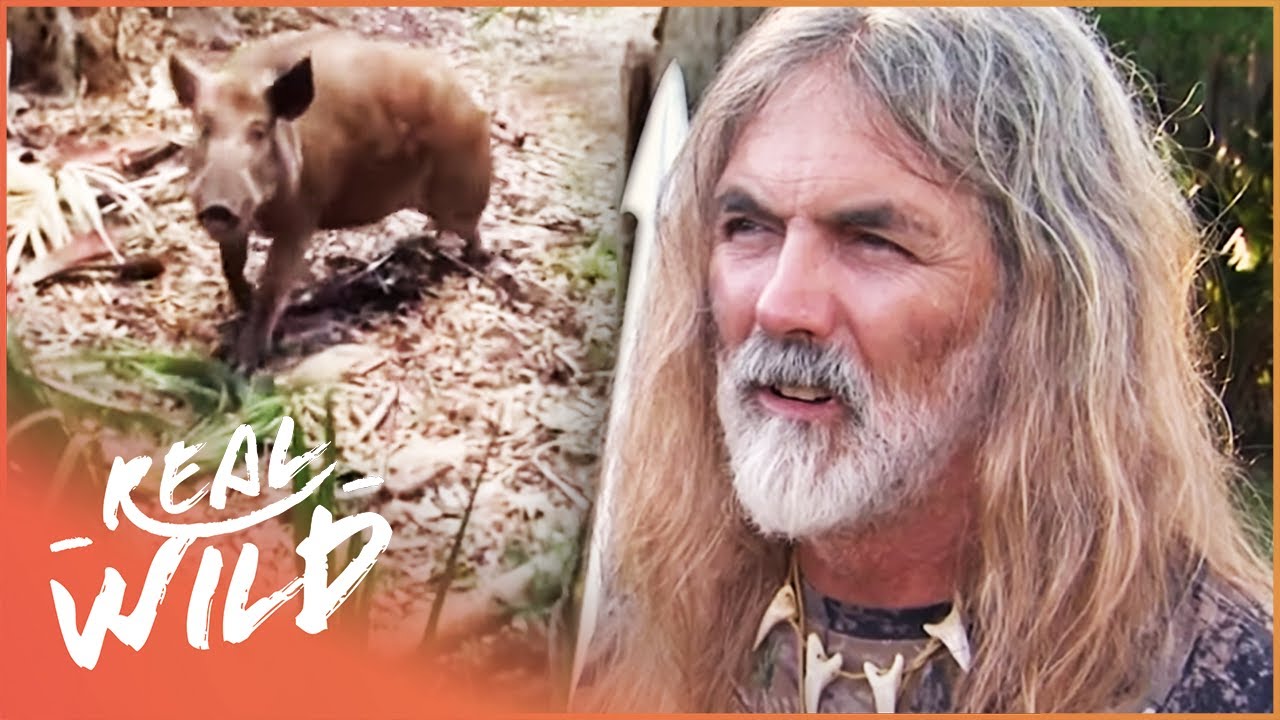
Manny returns to the forest in this episode of Savage Wild to confront the challenges posed by wild boars in their natural habitat.
Epipo, a Hungarian summer camp in the 1980s, masked a predatory environment behind its enchanting facade, leaving lasting trauma on its former campers.
In Kenya's Masai Mara, the annual migration of wildebeest and zebras faces peril as they confront Nile crocodiles lurking in the treacherous Mara River.
Animal confrontations across various habitats highlight the fierce battles for family, food, and territory in the natural world.
Mark Errin Rust, a taxi driver in Adelaide, escalated from exposing himself to women to committing murder, including the killing of a vulnerable Japanese student.
In Thailand's diverse ecosystems, animals engage in a relentless struggle for survival, navigating the challenges of hunting and evading predators.
A wolf fish weighing up to nine pounds, known for its sharp teeth and ability to swallow piranhas whole, is the target of a fishing expedition in the Amazon.
Watch an investigation into a pediatrician accused of sexual abuse on the Reservation.
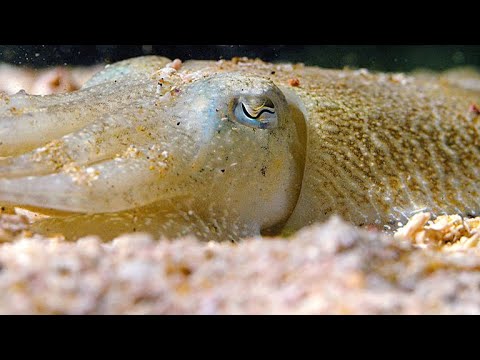
A crafty cuttlefish stalks a school of razorfish in a sandy gully, showcasing its unique hunting techniques in the series Crazy Monsters: Sea Creatures.
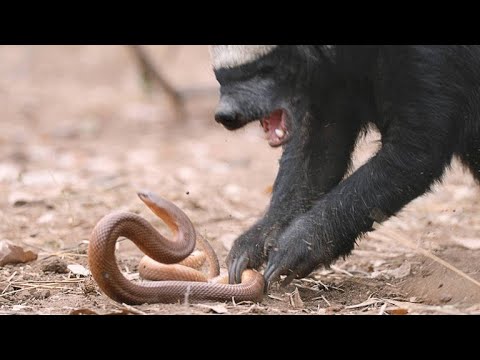
A honey badger locks onto a mole snake's jaws, sealing its fate in a brutal fight that lasts just two minutes.
Keith Stuart reviews the latest Aliens vs Predator game ten years after the original release.
A fisher regularly checks the protagonist's snares, stealing his catches and complicating his struggle for survival in the wilderness.
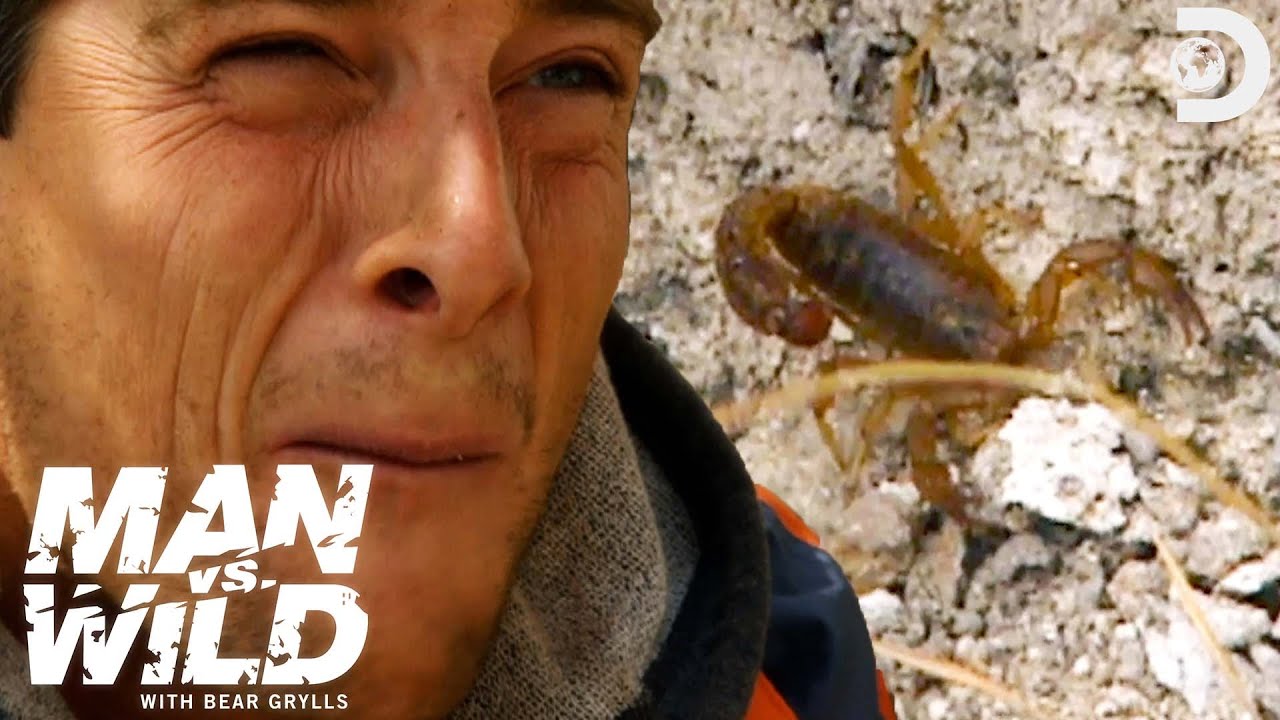
Bear Grylls climbs to 9,500 feet in Copper Canyon, Mexico, where he consumes a venomous scorpion after cutting off its stinger.
Five memorable scenes from the BBC Earth archive highlight the unique behaviors and speed of cheetahs, showcasing their agility and striking spotted coats.
Casey Anderson highlights the ermine's survival tactics during snowy winters in Montana.
The Goliath birdeater, a massive tarantula known for its intimidating size and unique characteristics, exhibits a surprisingly shy nature despite its fearsome reputation.
A trillion miles and a thousand years from home, the Doctor confronts the Daleks, who declare, "we do not release prisoners."
The golden eagle hunts on mountain slopes, targeting prey like rabbits and deer.
The Goliath tigerfish is a terrifying predator, likened to a shark crossed with a piranha.
Hyenas, often misrepresented in popular culture, are family-oriented animals that live in female-dominant clans and exhibit formidable hunting skills.
Jeffrey Dahmer targets vulnerable individuals, exploiting societal norms for his sinister motives.
Juliet Eilperin, an environmental reporter, profiles the historical views of sharks and their crucial role in maintaining healthy marine ecosystems.
The Komodo dragon uses its strongest sensory organ to detect prey from miles away.
A guinea fowl goes about its day, unaware of the lurking leopard in Africa's Predator Zones.
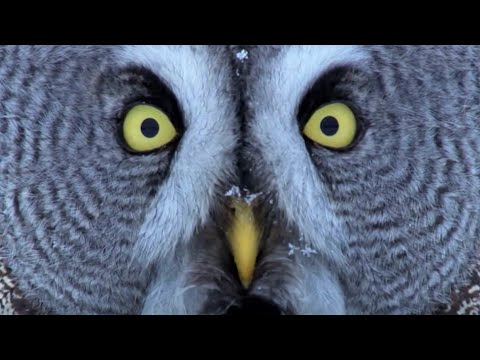
Owls, known for their silent flight and hunting prowess, are showcased in captivating footage from the BBC Earth library, highlighting their unique behaviors and adaptations.
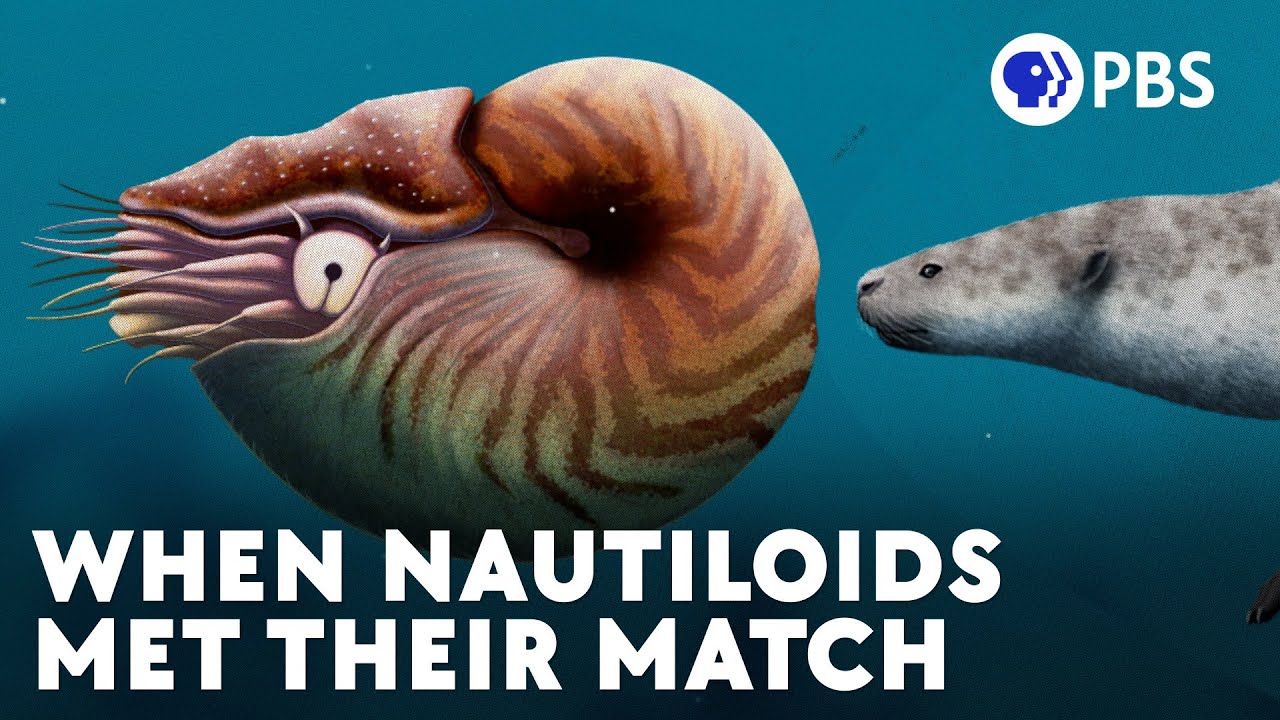
Around 30 million years ago, new predators like seals and whales began to displace nautiloids from their global habitats into a single refuge.
Octopuses utilize their exceptional eyesight and advanced hunting techniques to effectively trap prey in total darkness, showcasing their remarkable adaptations as nocturnal hunters.
In 2009, lionfish reached the coast of Honduras, quickly colonizing the seabed and threatening local marine life within three years.
San Diego Zoo Safari Park showcases the vital relationships between keepers and animals, highlighting the recovery of orphaned mountain lions and a cheetah cub.