From over 100,000 films, discover the handful you'll love.
Free or premium access to the world's largest documentary library.
66 films(Page 1 of 2)
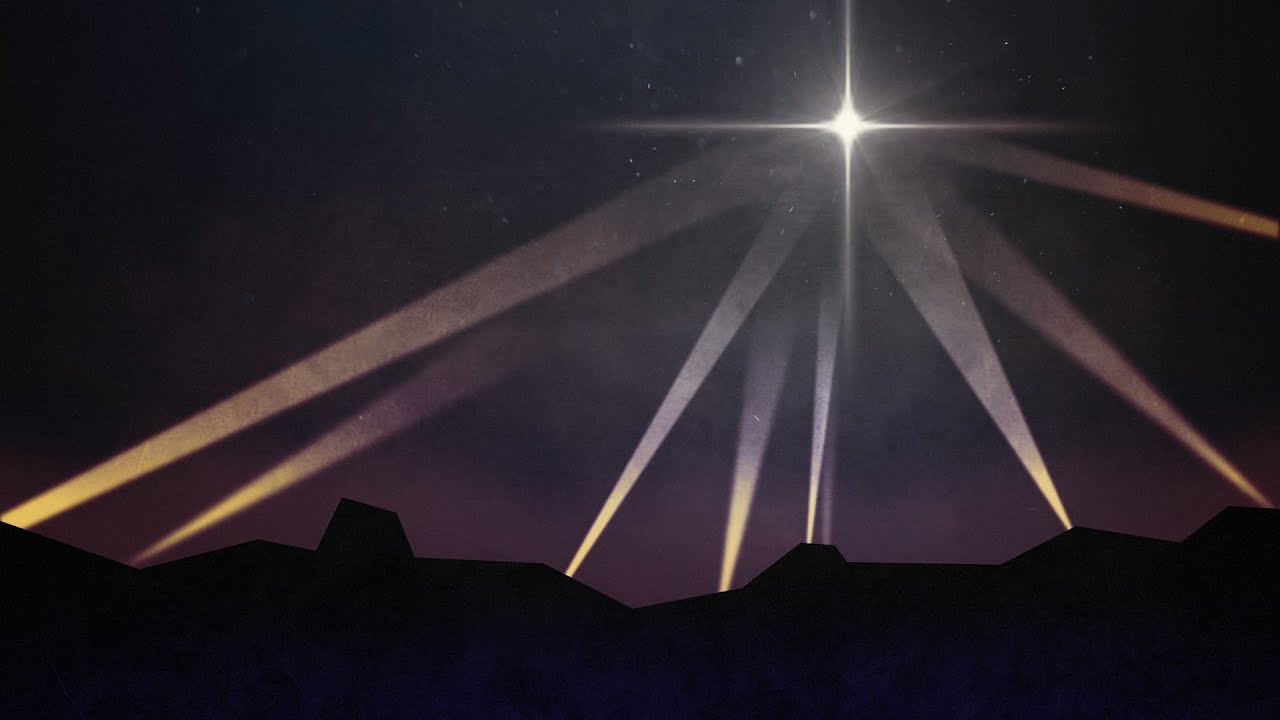
On February 25, 1942, anti-aircraft artillery in Los Angeles fired at unidentified objects, resulting in widespread panic and confusion among residents.
On August 6, 1945, the B-29 Superfortress Enola Gay dropped the atomic bomb "Little Boy," weighing nearly 9,700 pounds, on Hiroshima.
More than 2,400 U.S. soldiers died during the Japanese attack on Pearl Harbor, which marked the start of the Pacific War in December 1941.
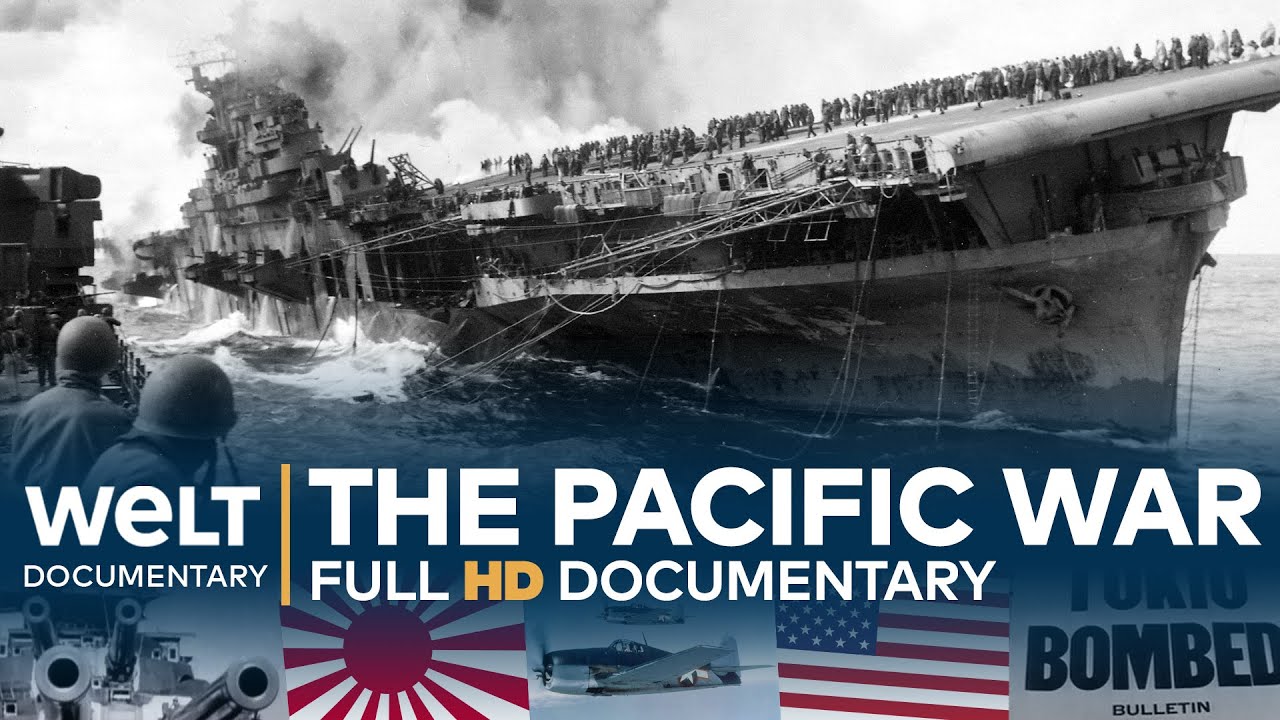
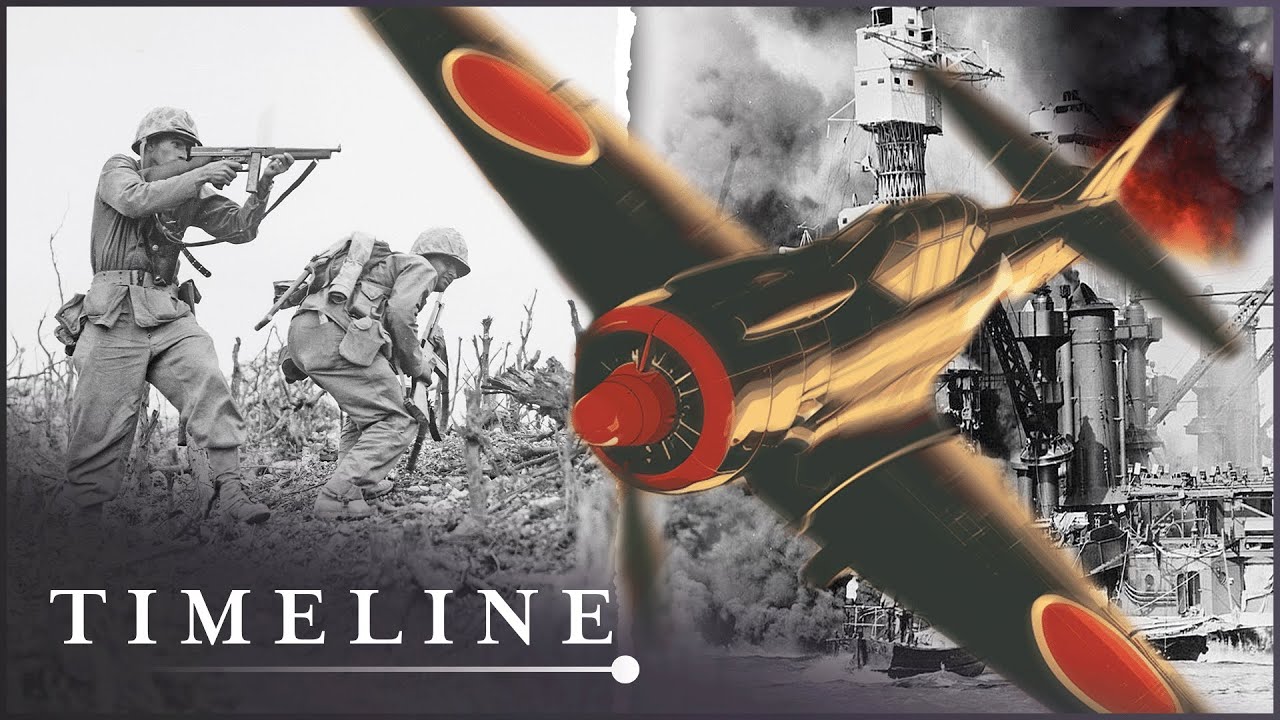
On December 7, 1941, over 180 Japanese warplanes attacked Pearl Harbor, leading to significant losses for the U.S. Pacific Fleet and marking the start of the War in the Pacific.
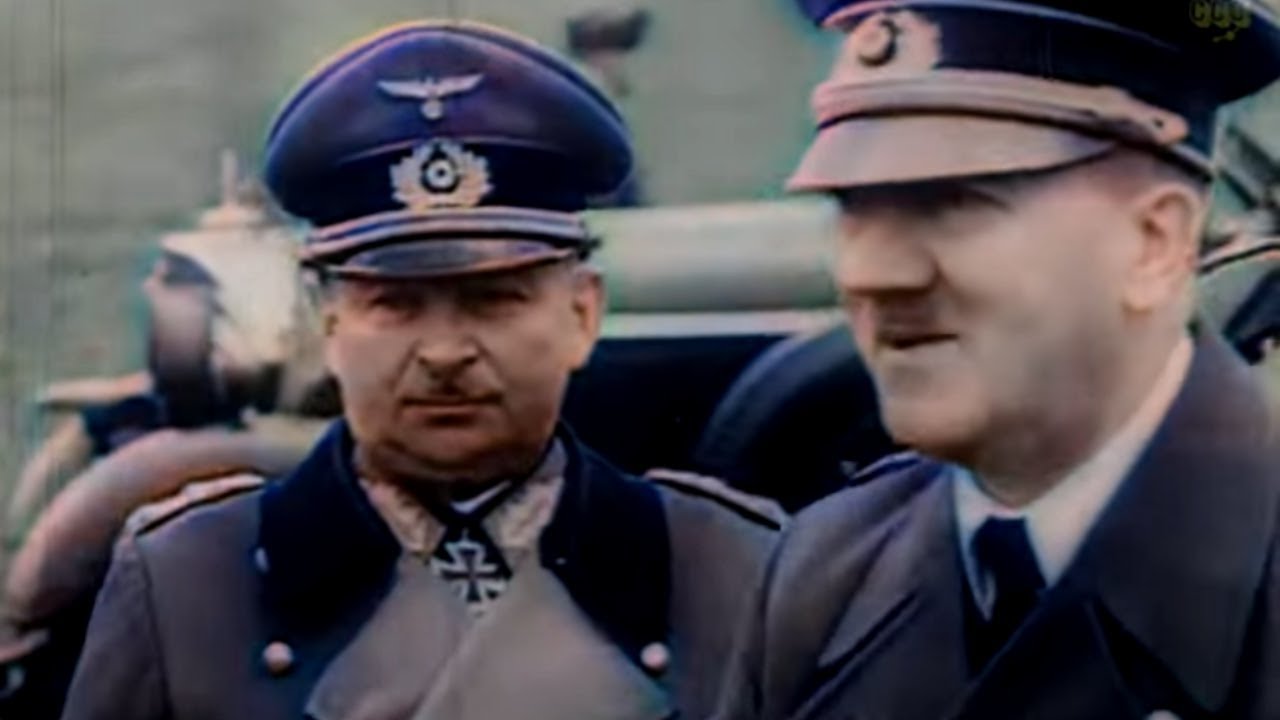
In May 1940, Hitler gambled that a rapid invasion of France would end the war quickly, relying on Erich von Manstein's innovative tactics to bypass the Maginot Line.
At 7:00 a.m. on December 7, 1941, the first wave of 180 Japanese aircraft was approximately 130 miles away from Pearl Harbor, setting the stage for a devastating attack.
3 million combatants died during the Pacific War, which also saw the destruction of 3,000 ships, many of which remain lost beneath the ocean.
Islanders on Tanna have awaited the arrival of John Frum for over 100 years, believing he will bring them cargo from the gods.
On December 7, 1941, the Japanese attack on Pearl Harbor killed thousands of soldiers and marked the end of American neutrality in World War II.
2 million lives were lost during the Pacific Theater of World War II, including 1.74 million military personnel from Japan and nearly half a million Americans.
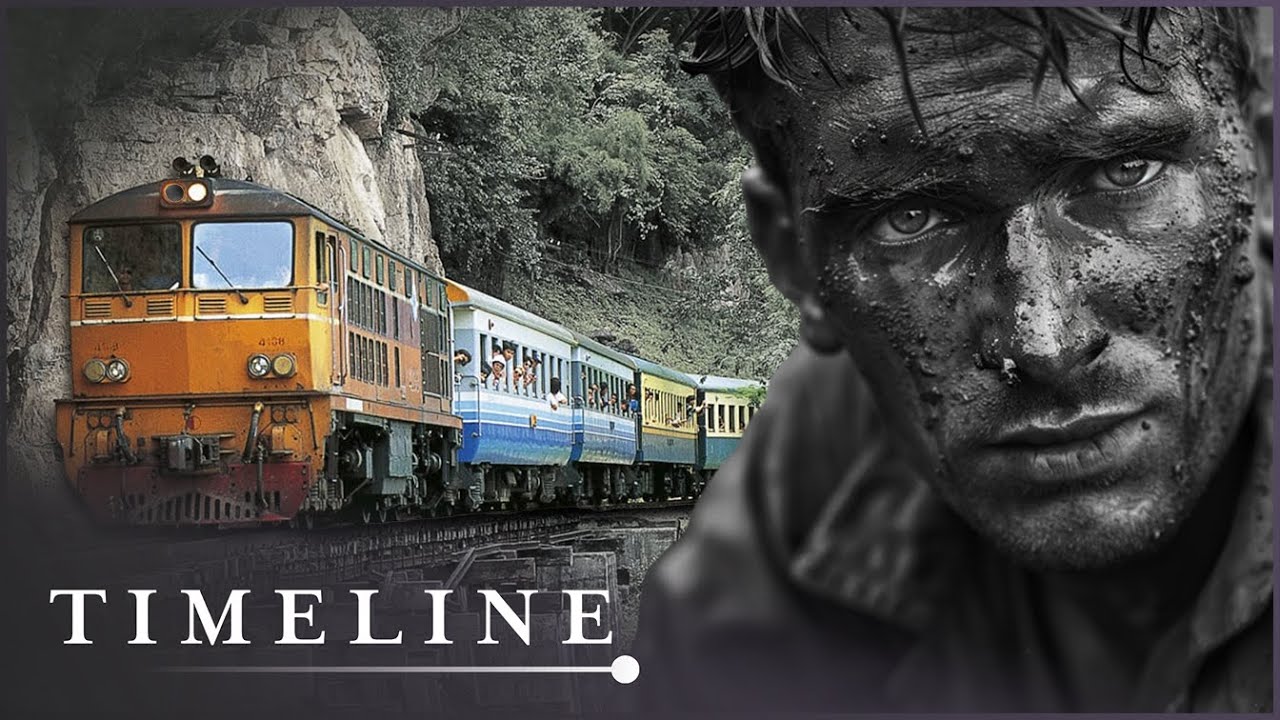
By the time the railway was finished, only 400 of the original 1,700 prisoners of war remained alive to tell their stories.
More than 2,000 men were killed in the Japanese attack on Pearl Harbor on December 7, 1941, prompting the United States to enter World War II.
Nearly 1,200 American servicemen died on the USS Arizona during the attack on Pearl Harbor on December 7, 1941.
In October 1943, Allied leaders met in Tehran to discuss military strategies as the war intensified on multiple fronts.
August 13, 1937 marks the day when China stood up against Japanese militarism in the Battle of Shanghai, a conflict often overlooked in World War II narratives.
1,177 men died on the USS Arizona during the attack on Pearl Harbor on December 7, 1941, which now lies submerged as a war memorial.
188 aircraft were destroyed during the Japanese attack on Pearl Harbor on December 7, 1941, marking a significant escalation in World War II.
Duško Popov drained German intelligence of $85,000 during World War II, significantly impacting the success of D-Day and the Allied war effort.
The Enola Gay, a B29 Superfortress, carried a 9,700 lb uranium bomb named Little Boy on its mission to drop the first atomic bomb in history.
The US military expanded from 1,000 ships to 5,500 in just a few years following the attack on Pearl Harbor.
In May 1940, Hitler gambled that a rapid victory in the West would end the war quickly, but his plans faced unexpected challenges from Allied forces.
In December 1941, the Japanese attack on Pearl Harbor propels the United States into World War II, leading to significant battles in the Pacific and the internment of Japanese Americans.
Hitler declared war on the USA following the Japanese attack on Pearl Harbor, escalating the global conflict during World War II.
In 1942, the Vemork Power Plant in Norway produced 1,000 kilos of heavy water, a crucial component in Nazi Germany's nuclear ambitions.
Churchill, standing at 5 feet 6 inches tall, received thousands of gifts from an adoring American public during his visit to the United States in 1941.
21 ships of the U.S. Pacific Fleet were sunk or damaged during the Japanese attack on Pearl Harbor on December 7, 1941.
On September 1, 1939, Germany invaded Poland, marking the beginning of World War II and prompting a global conflict that lasted six years.
On December 7, 1941, Japanese warplanes launched a surprise attack on the U.S. Pacific Fleet at Pearl Harbor, marking a critical moment in World War II.
354 American aircraft were on the island during the attack on Pearl Harbor, with 188 destroyed and 159 damaged in the initial assault.
22 pilots from a single squadron lost their lives during a key battle, marking a significant moment in the history of naval aviation.
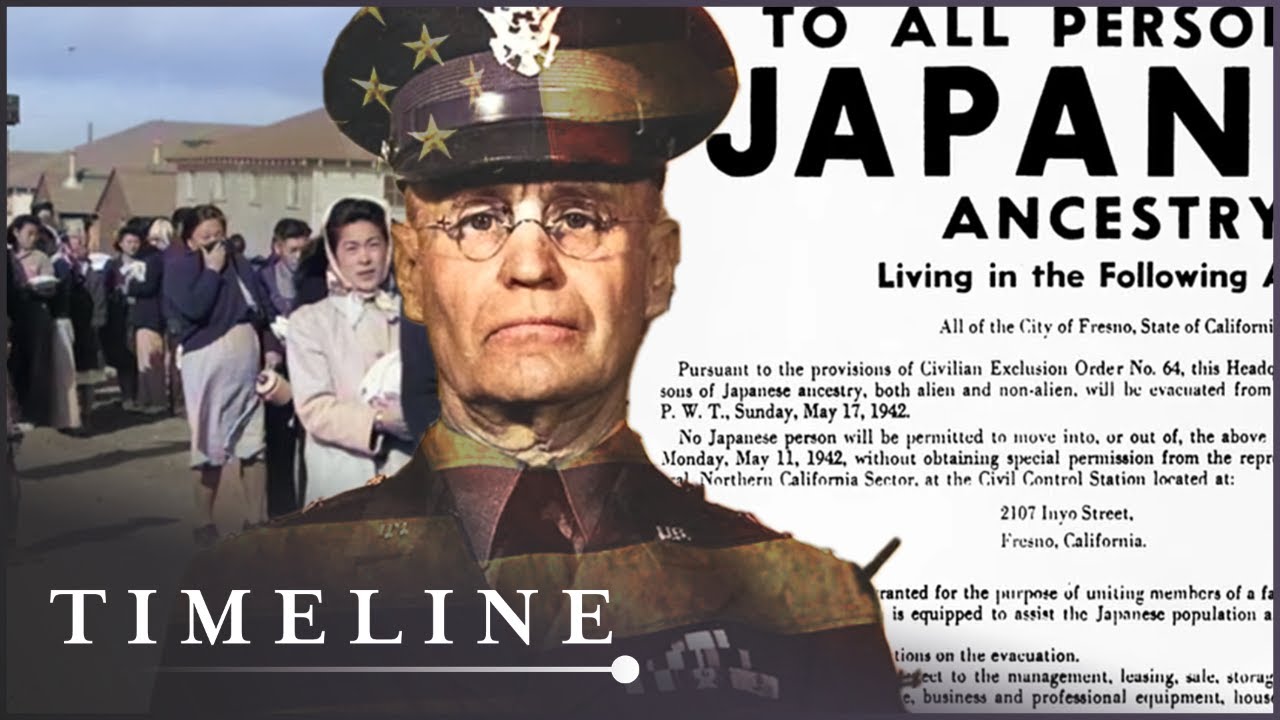
Nearly 120,000 people of Japanese ancestry were imprisoned by the U.S. government during World War II after the attack on Pearl Harbor.
80,000 Britons were taken prisoner in Singapore following its fall to Japanese forces in February 1942, marking a significant shift in World War II.
Nearly 120,000 people of Japanese descent were forcibly removed from their homes and incarcerated in temporary camps during World War II.
One hundred seventy years of freedom is framed as the basis for America's fight against totalitarian regimes during World War II.
On August 6, 1945, the B-29 bomber Enola Gay dropped an atomic bomb, called Little Boy, on Hiroshima, killing over 140,000 people by the end of the year.
The battleship Bismarck, measuring 250 meters long and weighing over 50,000 tons, was launched by Adolf Hitler on February 14, 1939.
Nearly 2,000 tons of bombs were dropped on Rabaul in October 1943 as part of the US Navy's campaign against Japanese forces in the Pacific.
On December 7, 1941, Japanese forces attacked Pearl Harbor, resulting in significant losses for the US Navy and prompting America's entry into World War II.
80,000 Britons were taken prisoner in Singapore and 50,000 in Malaysia following the Japanese invasion during World War II.
1,177 men died aboard the USS Arizona during the Japanese attack on Pearl Harbor on December 7, 1941, marking a significant moment in American history.
On June 6, 1944, Allied forces landed on the beaches of Normandy, marking the beginning of Operation Overlord and the liberation of Western Europe.
Katharine Hepburn won four Oscars and received 12 nominations, while her partner Spencer Tracy was also highly regarded among peers.
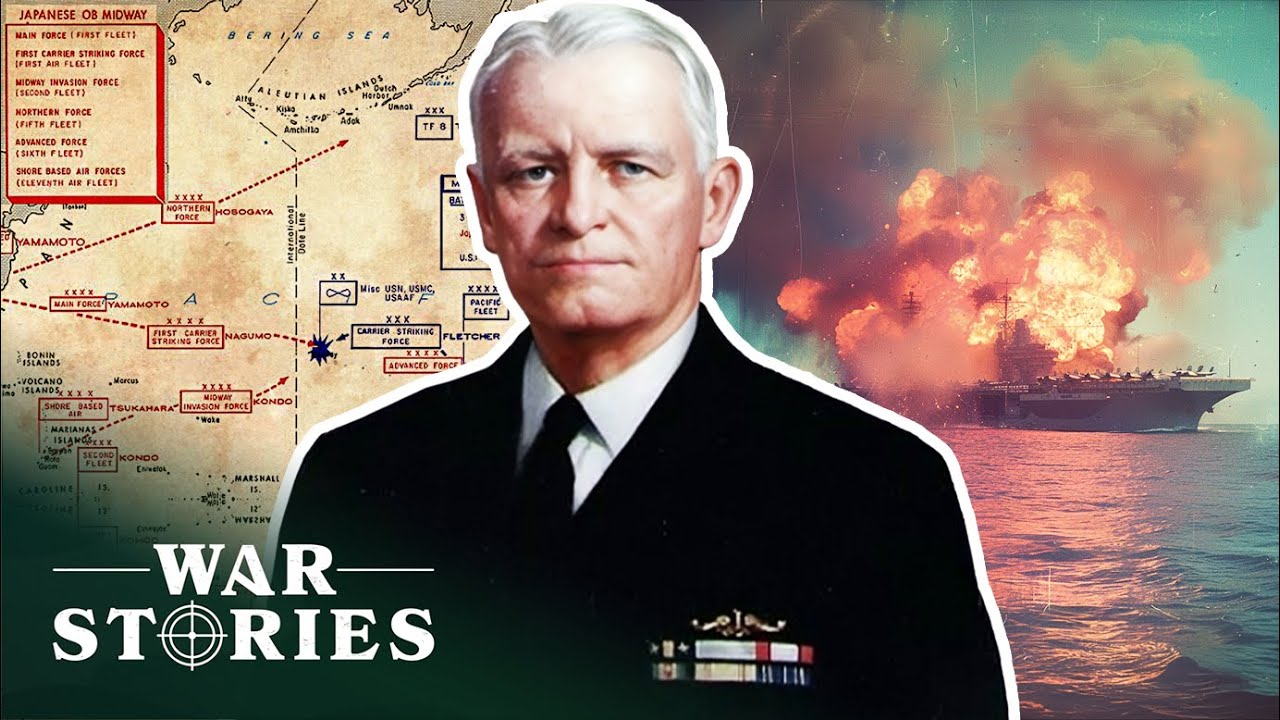
90% of the content focuses on two aviators stranded in the water during the Battle of Midway in World War II.
757 enemy aircraft were destroyed by the Fighting Lady during military operations in the Pacific from 1943 to 1944, including missions over Marcus Island.
More than 11,000 proposed amendments to the Constitution have been recorded, with some narrowly missing ratification, as discussed by a panel at the National Archives.
Two million New Yorkers celebrated in Times Square on August 14, 1945, marking the end of World War II following Japan's surrender.
By the time the railway was completed, only 400 of the original 1,700 British prisoners of war remained alive.
On July 29, 1938, Wah Sun Choy vanished aboard Pan-American Airways flight 229 while secretly transporting millions to support China's fight against Japan.