From over 100,000 films, discover the handful you'll love.
Free or premium access to the world's largest documentary library.
110 films(Page 1 of 3)
At 8:15 a.m. on August 6, 1945, the atomic bomb Little Boy detonates over Hiroshima, killing tens of thousands and destroying the city.
World War Two's conclusion raised questions about the sincerity of the anti-Axis alliance's promises for peace, stability, and human rights.
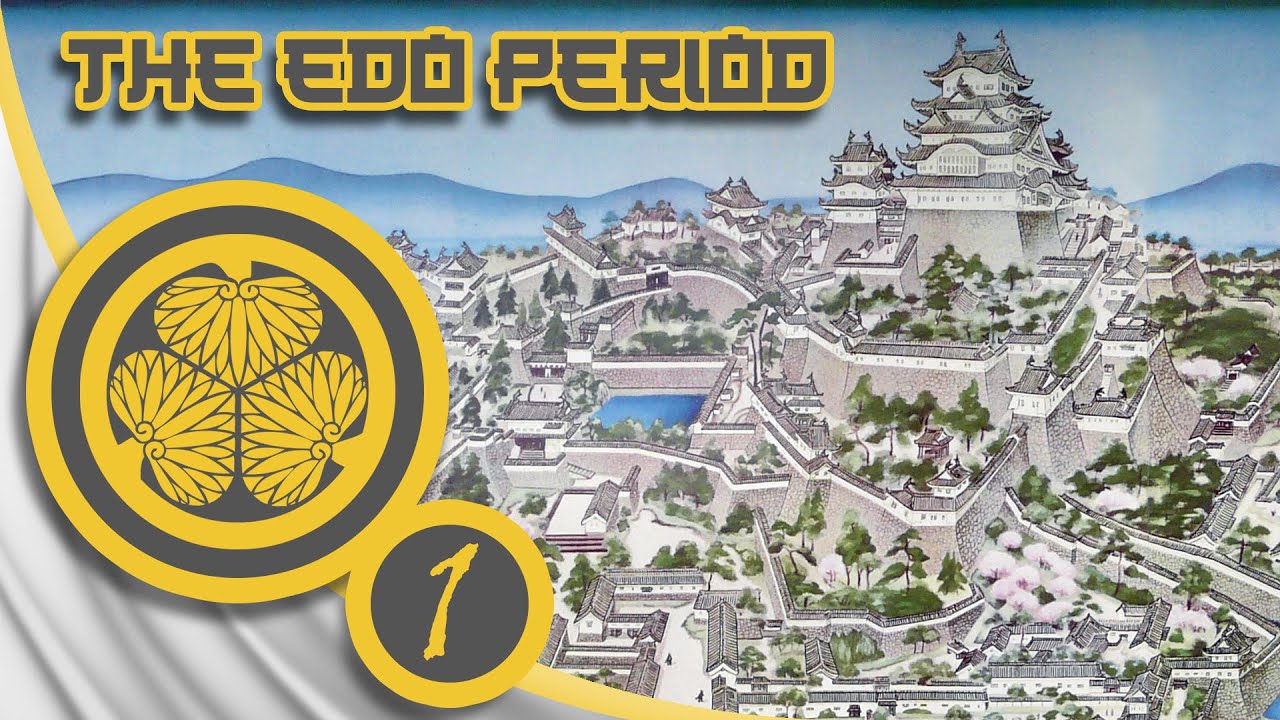
The Edo period marks a transformative era in Japan, characterized by relative peace following the chaos of the Sengoku Jidai and culminating in the Boshin War.
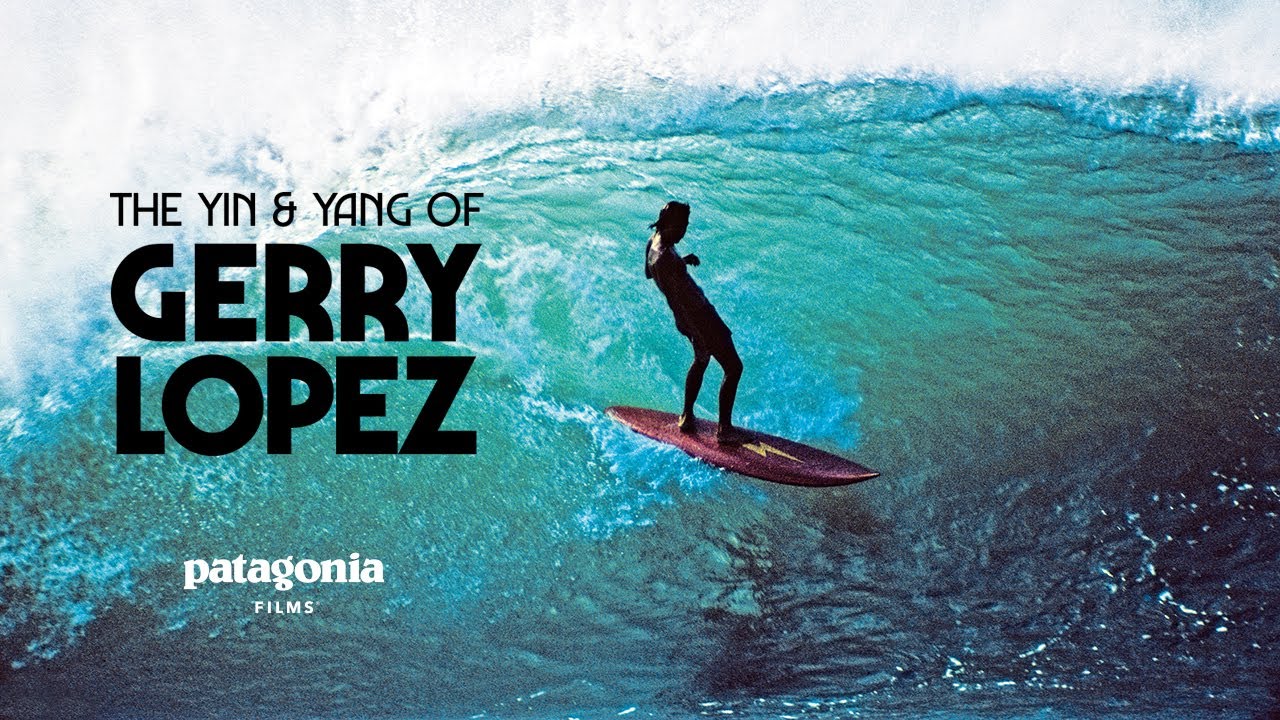
Gerry Lopez spent 30 years surfing Pipeline, where he faced intense waves and natural hazards like landslides and earthquakes.
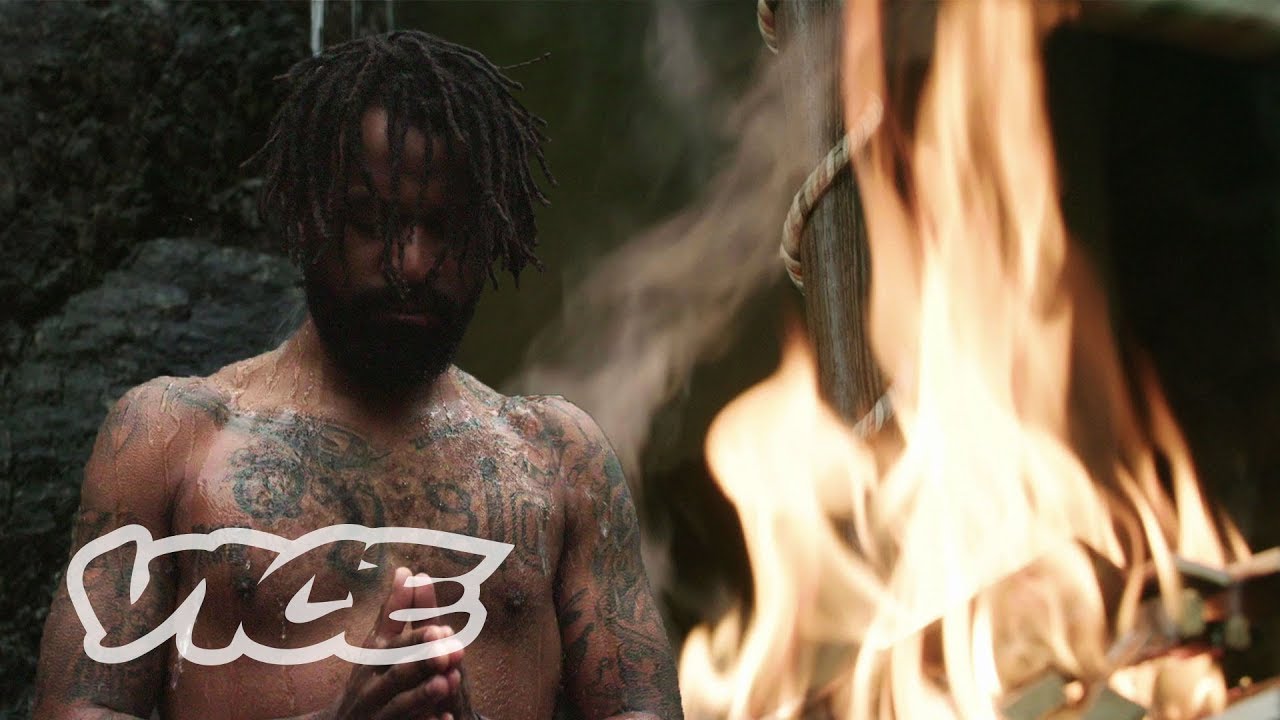
Shugendo, an ancient Japanese practice, emphasizes finding peace through nature by engaging in ascetic rituals like meditation under waterfalls and forest wandering.
The Christmas Truce of 1914 highlights a rare moment of peace between British and German soldiers during World War I, explored through personal letters and historical insights.
20 million Sikhs live in the Indian subcontinent, with many now able to access their holy site in Pakistan through the new Kartarpur Corridor.
Zelenskyy states that the war in Ukraine has lasted longer than World War II, questioning how society has reached this point in the 21st century.
A 13-year-old boy armed with a large assault rifle chillingly states, "we gonna eat their heart," reflecting the brutal realities of the Liberian Civil War.
Oda Nobunaga and Akechi Mitsuhide's dramatic struggle for peace and stability in Japan is central to the narrative of this engaging historical video game.
On April 15, 1900, a World's Fair opened in Paris, drawing 51 million visitors over seven months and featuring the first electric subway line.
Cameroon has had no civil war, major ethnic or religious clashes, or violent coups since gaining independence in 1960.
The Christmas Truce of 1914 saw British and German soldiers temporarily cease hostilities, exchanging gifts and singing carols in No Man's Land.
Ben Griffin, a former British SAS soldier and founder of Veterans for Peace UK, discusses his refusal to participate in the Iraq War and critiques the legality of military actions.
Five miles of un-bloodied sand marked the site of the D-Day landings in Normandy, a key moment in the Allied campaign against Nazi Germany in 1945.
The attack on battleships Oklahoma and California is depicted alongside life in Hawaii, including sugar cane and pineapple cultivation, before and after December 7, 1941.
Jews and Arabs in Israel and Palestine share their experiences of conflict while exploring paths toward coexistence and peace in a divided land.
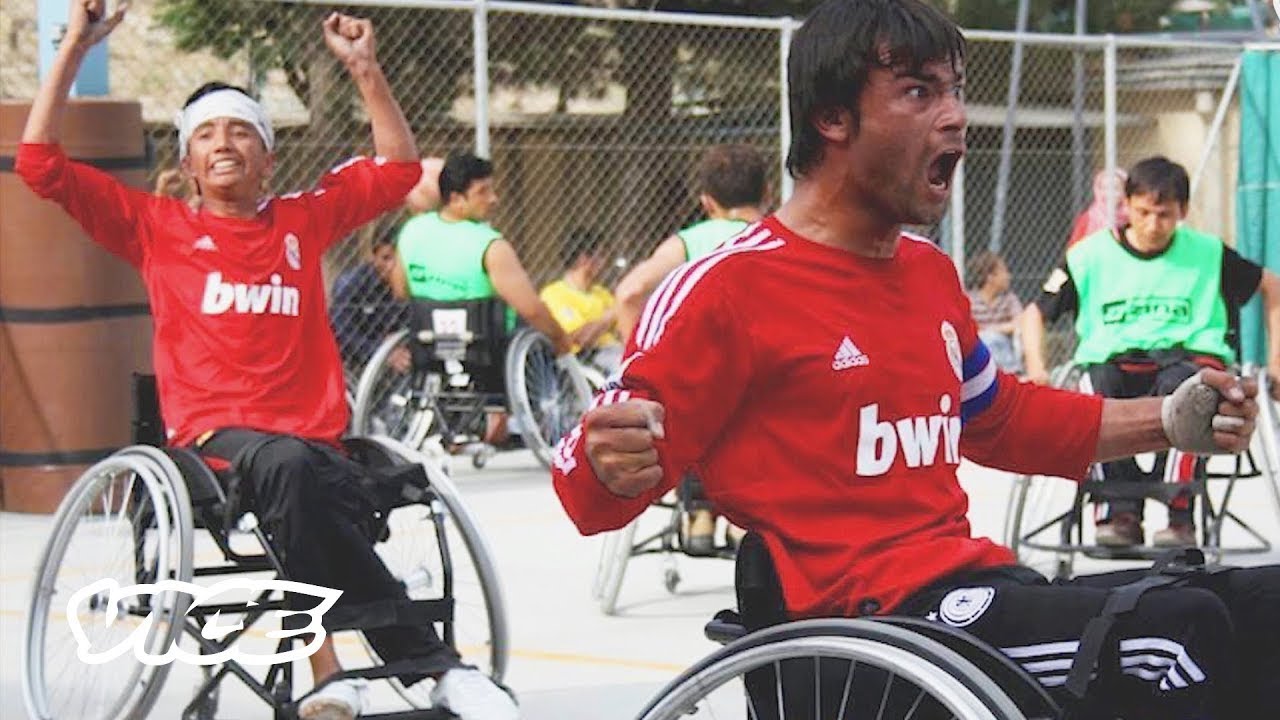
Afghanistan's national wheelchair basketball teams, comprised of both men and women, train to qualify for the 2021 Summer Paralympics in Tokyo.
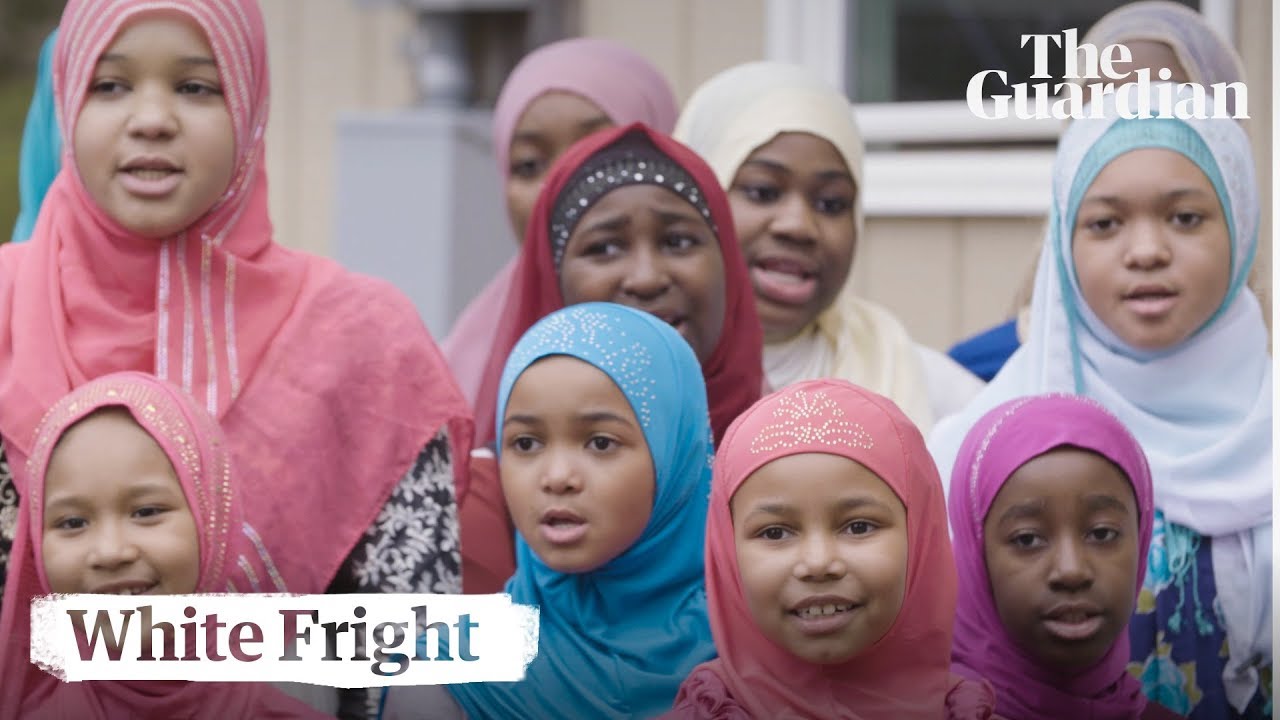
Islamberg, a compound for African-American Muslims, is portrayed as a peaceful community while addressing the media's portrayal of Islamic extremism and its victims.
Around 2003, heavy air strikes in Iraq left many families without food, forcing them to share meager meals amid constant danger.
Abraham Lincoln's assassination and its aftermath highlight the nation's profound loss, turbulent personal life, and enduring legacy of justice and peace.
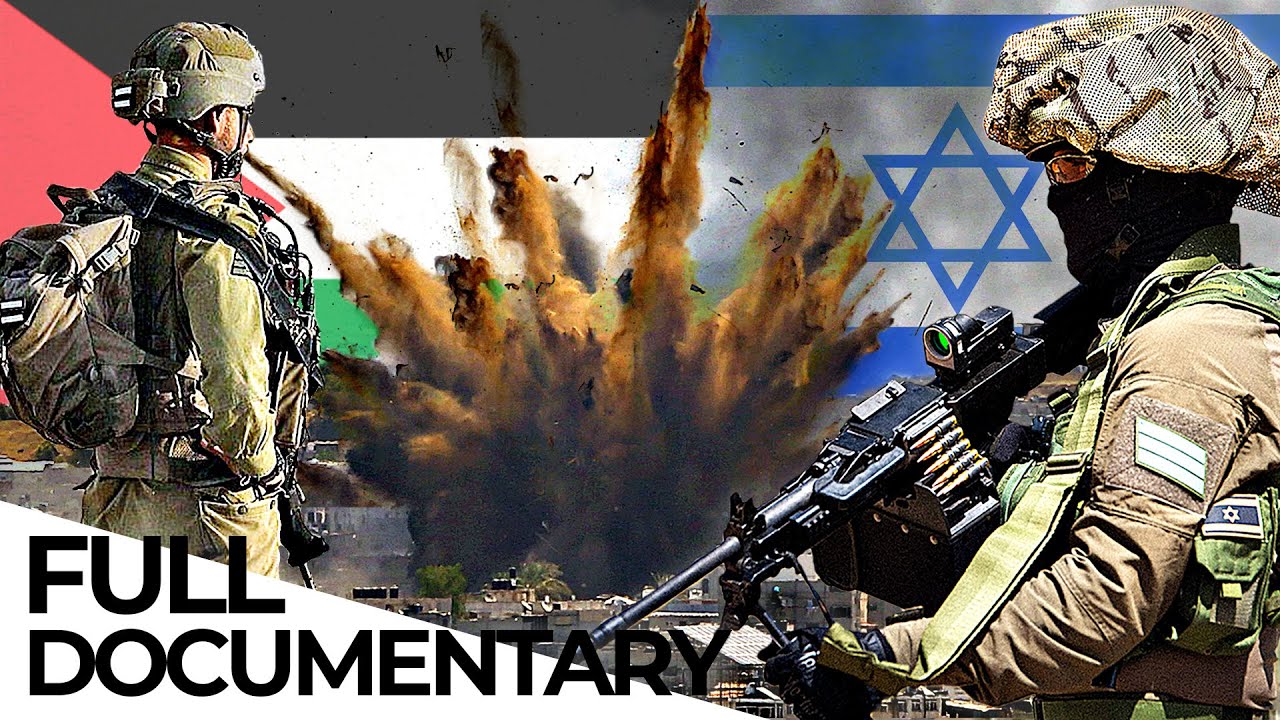
The Israeli-Palestinian conflict is examined through personal narratives and historical context, highlighting the complexities and ongoing challenges to peace.
Women combatants in the Congo fight for survival amid 20 years of ongoing conflict.
Violence and hate are examined through historical, biological, and mythological lenses to question whether they are inherent traits or societal constructs.
Sifa Suljic returns to Bosnia to bury her last missing family member from the Srebrenica massacre while questioning the lasting impact of the 1995 peace agreement.
John Lewis recalls his first arrest during the civil rights movement, describing it as a moment of liberation and a commitment to nonviolent protest.
Ariel Sharon's legacy is examined through contrasting perspectives, focusing on his role in the Sabra and Shatila massacre and its lasting impact on the Palestinian community.
Yoga's rise in the West has transformed ancient concepts like nirvana and karma into mainstream terms, reflecting a cultural shift towards spiritual and physical renewal.
Baghdad faces a harsh reality of violence and chaos, where residents navigate daily dangers while grappling with the elusive hope for peace.
Rwandans are navigating the complex path of reconciliation after the 1994 genocide, balancing forgiveness with the challenges of an overwhelmed justice system.
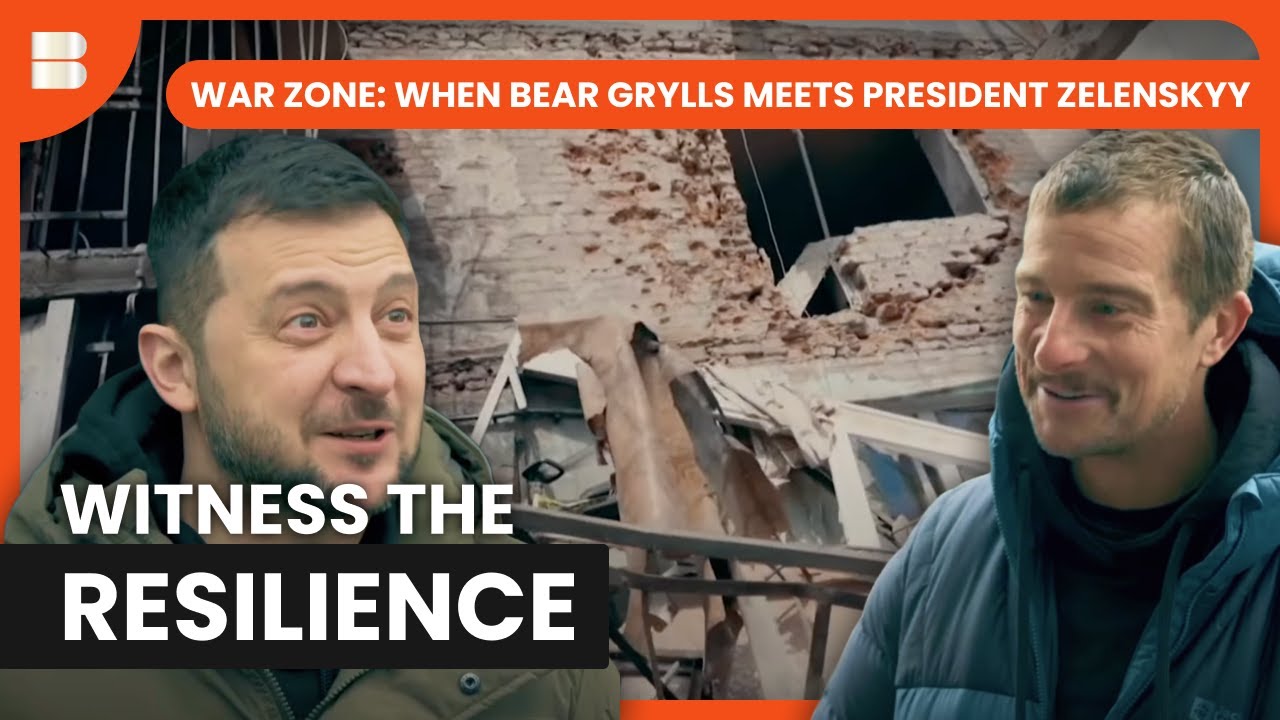
950 kilometers is the distance Bear Grylls travels by car from Poland to Kyiv to meet President Zelenskyy during the ongoing war in Ukraine.
Canada's pivotal involvement in the Korean War shaped the nation's identity and played a crucial role in defending South Korea against Communist forces.
Isabelle Ducret and Yannick Tenet report on the waning hope for peace in Israel-Palestine.
Bob, a 54-year-old man, expresses a desire for fame to share his life story and promote peace, stating, "I want to be like him."
Kenya's post-election violence in 2007 resulted in over a thousand deaths and widespread displacement, raising critical questions about the nation's future stability.
Jimmy and Rosalynn Carter have been married for 76 years, during which they have made significant contributions to peace and human rights.
Apartheid in Israel is examined through parallels with South Africa, highlighting similar oppressive laws while offering a glimmer of hope for peace.
Karrada, once a thriving district in Baghdad, now faces power cuts and constant threats from insurgents, revealing the harsh realities of life for its residents.
Myanmar's 2010 elections, portrayed as a step towards democracy, faced widespread criticism for being manipulated by the military and lacking genuine fairness.
Southern Sudan experiences a hopeful return of refugees and greater autonomy following a peace deal, despite ongoing tensions and challenges with the North.
Ghadeer, a young journalist, returns to post-ISIS Mosul to establish Radio One FM, promoting peace amid political turmoil and financial struggles in Iraq.
Afghanistan's reliance on local warlords for security complicates the pursuit of democracy, leaving citizens caught between fear and instability.
Jalal Talabani, Iraq's president, reflects on his tumultuous path to leadership and the ongoing struggles for unity and peace in a war-torn nation.
At the age of 16, Gena Turgel witnessed the German invasion of Poland and the subsequent confiscation of her family's belongings.
The ongoing conflict in Jerusalem is illustrated through the experiences of the Schwartz family, Israeli settlers, and the Khalaf family, Palestinian residents, highlighting the complexities of their coexistence.
A young woman records her daily thoughts and struggles with Complex Post-Traumatic Stress Disorder on her iPhone, seeking a sense of home and identity.
Tensions between the US and Russia have escalated, particularly due to the conflict in Ukraine, prompting an examination of the new Cold War dynamics.
Richard Gere recites a poem by Mahmoud Darwish that urges listeners to think of others while reflecting on their daily lives and struggles.