From over 100,000 films, discover the handful you'll love.
Free or premium access to the world's largest documentary library.
68 films(Page 2 of 2)
Skandi Arctic, one of the world's most advanced diving support ships, plays a crucial role in ensuring the safety of saturation divers working on Norway's ocean floor.
Le Boreal offers passengers a luxurious 15-day expedition cruise, blending fine dining with the breathtaking landscapes of Antarctica.
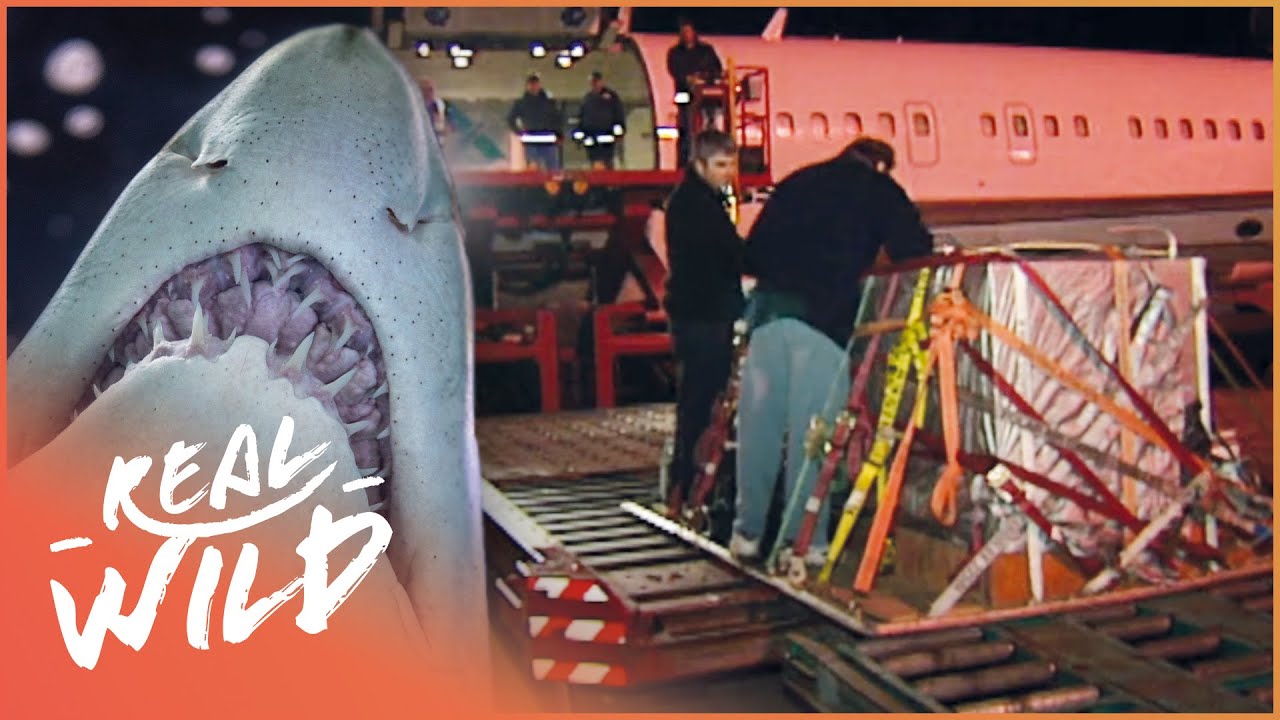
Ian Gordon transports a female grey nurse shark over 1,000 miles by air to Melbourne, Australia, to support the species' declining population.
Two guests share their experiences in marine science, discussing how to pursue a career in shark research without a PhD.
Oceans, covering over 70% of the Earth, contain vast currents that regulate climate and ecosystems, raising concerns about their stability amid climate change.
Mesmerizing deep-sea animals, filmed by MBARI's ROVs, showcase the unique adaptations and behaviors of species from Monterey Bay and beyond.
Annual rainfall on Cocos Island reaches 8,000 millimeters, supporting a unique ecosystem of endemic species found nowhere else in the world.
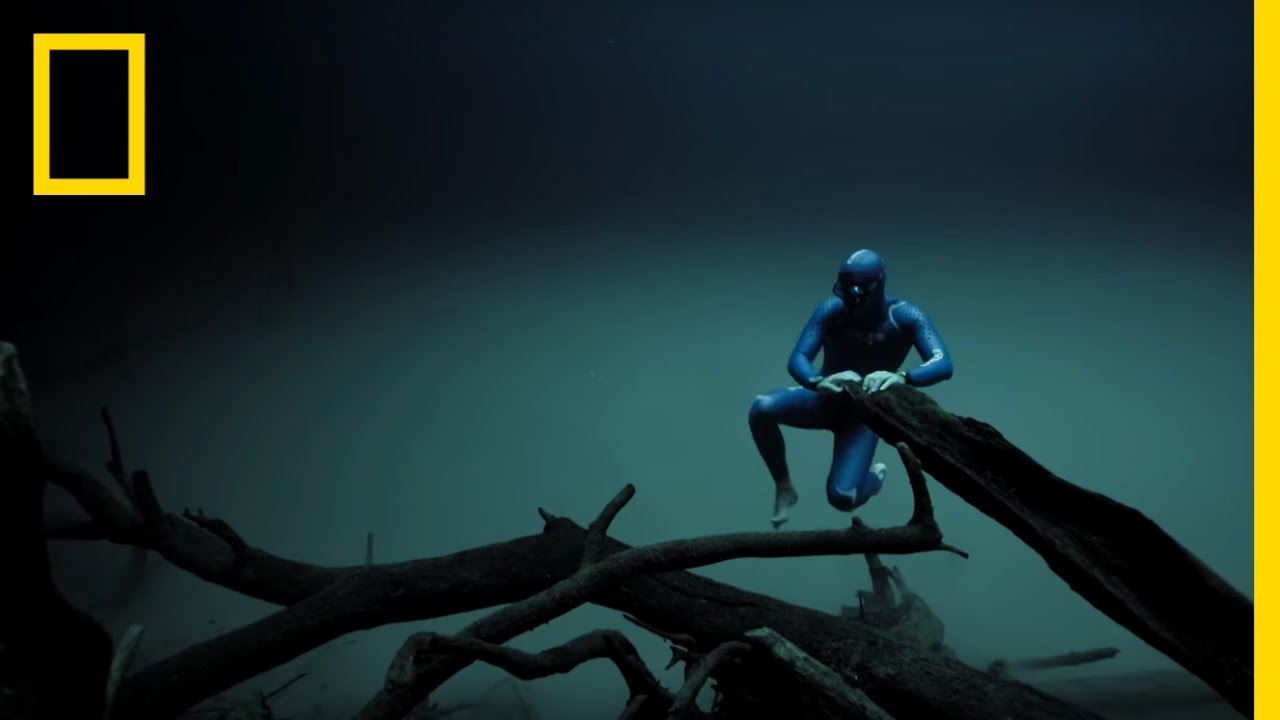
Guillaume Néry showcases free diving techniques in stunning underwater environments, including ice sheets in Finland and the waters of the Philippines, Mexico, and Japan.
Advancements in technology and research reveal the complex interconnections of the deep sea food web, highlighting the roles of photoautotrophs, consumers, and unique ecosystems like whale-falls.
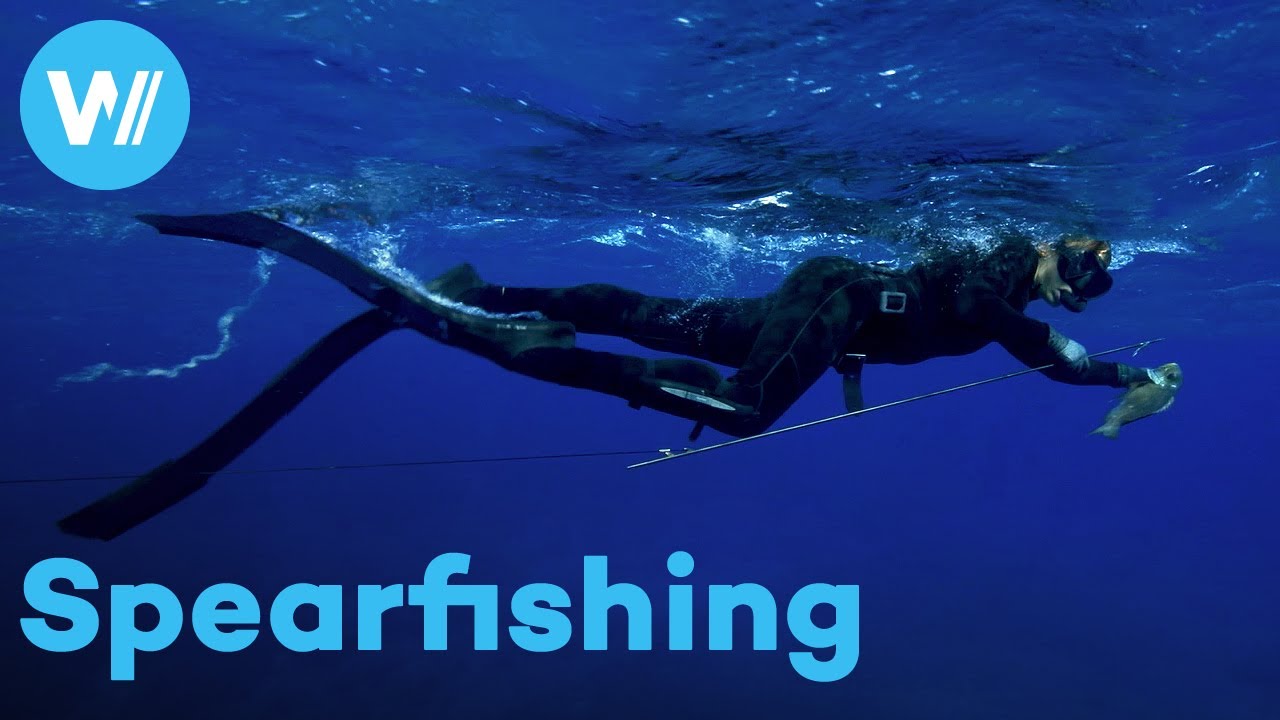
In French Polynesia, Léa Brassy explores spearfishing and apnoea diving while highlighting the environmental challenges faced by local communities.
Octopusy, built in the late 1980s, became the fastest yacht in the world at the time, reaching speeds of 53 knots or 95.4 km per hour.
Water on Earth has a complex history, including a time when it existed in the atmosphere before being lost to space due to solar winds.
Mysterious deep ocean sounds continue to baffle scientists, prompting research from organizations like NOAA and Scripps Institution of Oceanography.
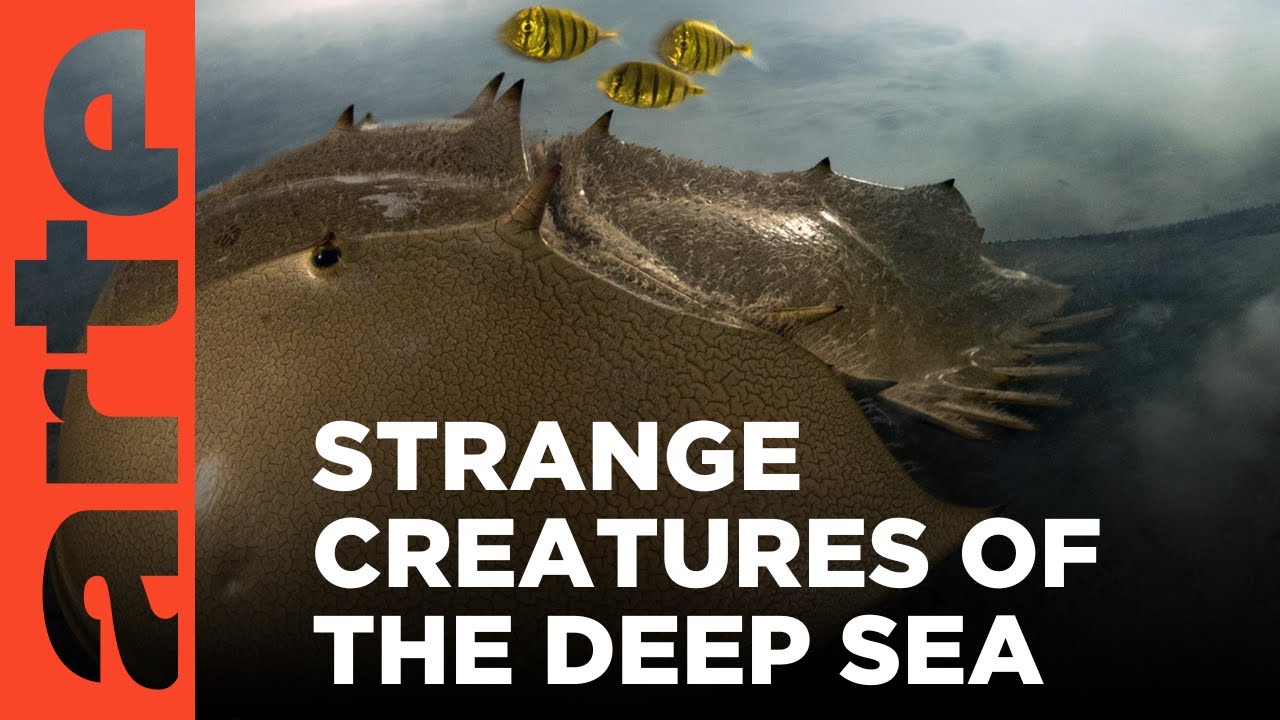
Horseshoe crabs, an ancient species over 450 million years old, are explored in their natural habitat by award-winning photographer Laurent Ballesta.
A team of engineers is designing an innovative submersible to explore the largely uncharted depths of the ocean, where over 80 percent remains unexplored.
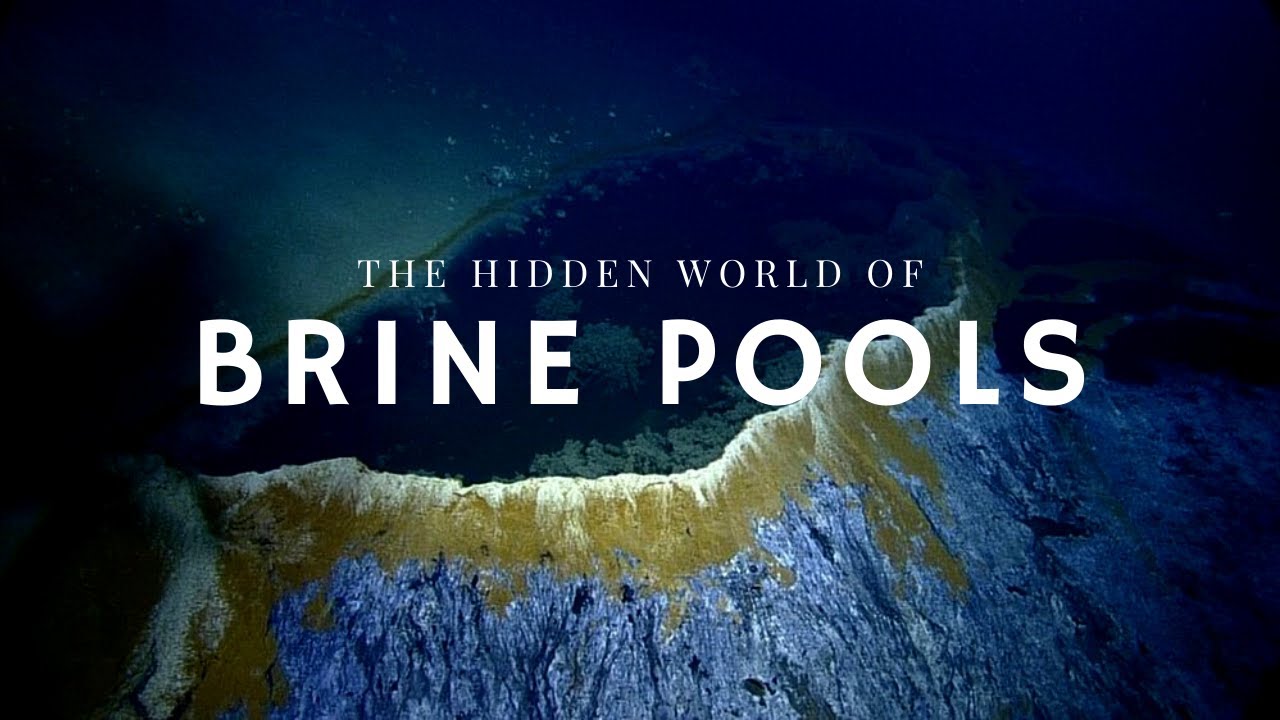
Deep sea brine pools in the Gulf of Mexico serve as unique ecosystems where organisms thrive on chemosynthesis, despite their toxic environments.
Fallen whale carcasses in the deep sea create unique ecosystems, supporting diverse marine life through various stages of decomposition over decades.
Underwater lakes, formed by unique geological processes, challenge our understanding of marine ecosystems and host life forms adapted to extreme conditions.
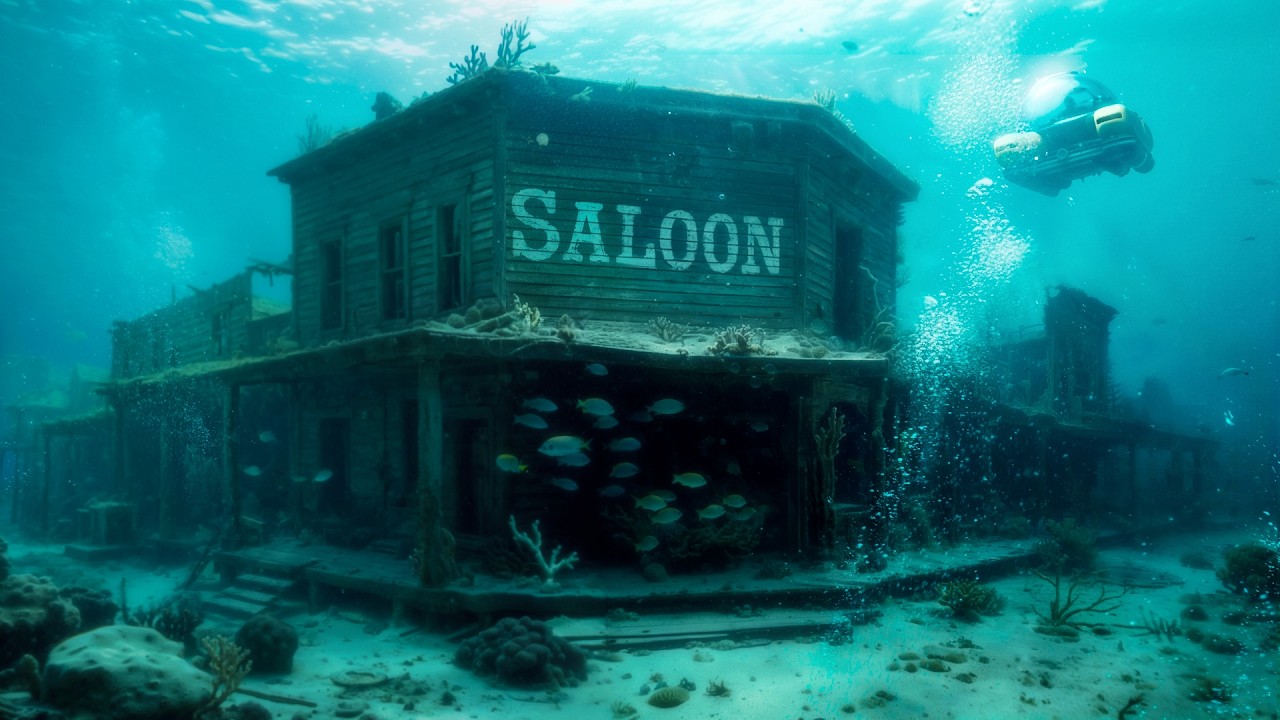
In Lake Lanier, Georgia, advanced scanning technology reveals the submerged remnants of a once-thriving community, highlighting its history and personal stories.
In the depths of the ocean, unique adaptations of marine life reveal how certain species become increasingly bizarre and unsettling as depth increases.