From over 100,000 films, discover the handful you'll love.
Free or premium access to the world's largest documentary library.
68 films(Page 1 of 2)
The existence of a deep-sea reptile challenges current scientific understanding of marine life evolution and adaptation.
A father and daughter recount diving together at depths of up to 60 feet, illustrating their lifelong bond through shared experiences in the ocean.
In 2023, the research vessel Falkor 2 traveled over 39,000 kilometers, mapping 190,000 square kilometers of seafloor and discovering five new hydrothermal vent fields.
A female giant Pacific octopus guards her eggs for over seven months, slowly starving to death while ensuring their safety.
Cold seeps, formed by the subduction of oceanic plates, create unique ecosystems that support diverse chemosynthetic life, including mussels and tube worms.
A filmmaker ventures into the perilous depths of the ocean at night to capture the elusive creatures that inhabit this mysterious underwater world.
Cocos Island rises 640 meters from the Pacific Ocean and spans 25 square kilometers, making it the largest uninhabited rainforest island in the world.
Freediver Frederic Buyle and underwater cameraman Christian Petron dive to depths exceeding 50 meters to study marine life, including great white sharks.
One lifeboat man survived after his crew was capsized by two waves while attempting to rescue victims from a grounded schooner.
Nearly 1,000 sperm whales gather every summer off the Azores, where a team uses advanced technology to study their behavior and interactions with giant squid.
Early submarines evolved from erratic experiments to sophisticated vessels, captivating both explorers and military strategists throughout history.
16 years after his first visit, Anthony Bourdain returns to northern Portugal to revisit the vibrant street and flea markets with his former boss, Jose Meirelles.
The Mariana Trench, Earth's deepest point, reveals a thriving ecosystem of bizarre creatures and unsettling human impact, challenging our understanding of deep-sea life.
Coral reefs worldwide are showcased through underwater footage that highlights their vibrant ecosystems and emphasizes the need for marine conservation.
More people have traveled to the Moon than have ventured to the deep ocean, which remains one of the last unexplored frontiers on Earth.
A 2,000-pound Great White Shark named Bruce challenges misconceptions about his species as scientists interact with him and conduct a groundbreaking experiment.
A sperm whale can dive to depths of 600 meters, relying on echolocation to navigate the dark abyss and hunt for prey.
Whales, having evolved from land mammals over 50 million years ago, exhibit complex communication and hunting techniques, as explored by oceanographer François Sarano.
Iceland sits on the world's most active hotspot, where scientists observe the formation of the planet in real time.
Famous historic ships from the United Kingdom, including HMS Victory and Cutty Sark, are explored through engaging narratives and expert insights.
The Titan submersible tragically imploded during an expedition to the Titanic wreckage, leading to a frantic international search and rescue mission.
SS Ventnor sank in 1902 off Hokianga, North Island, carrying the remains of 499 Chinese gold miners, marking a significant maritime tragedy.
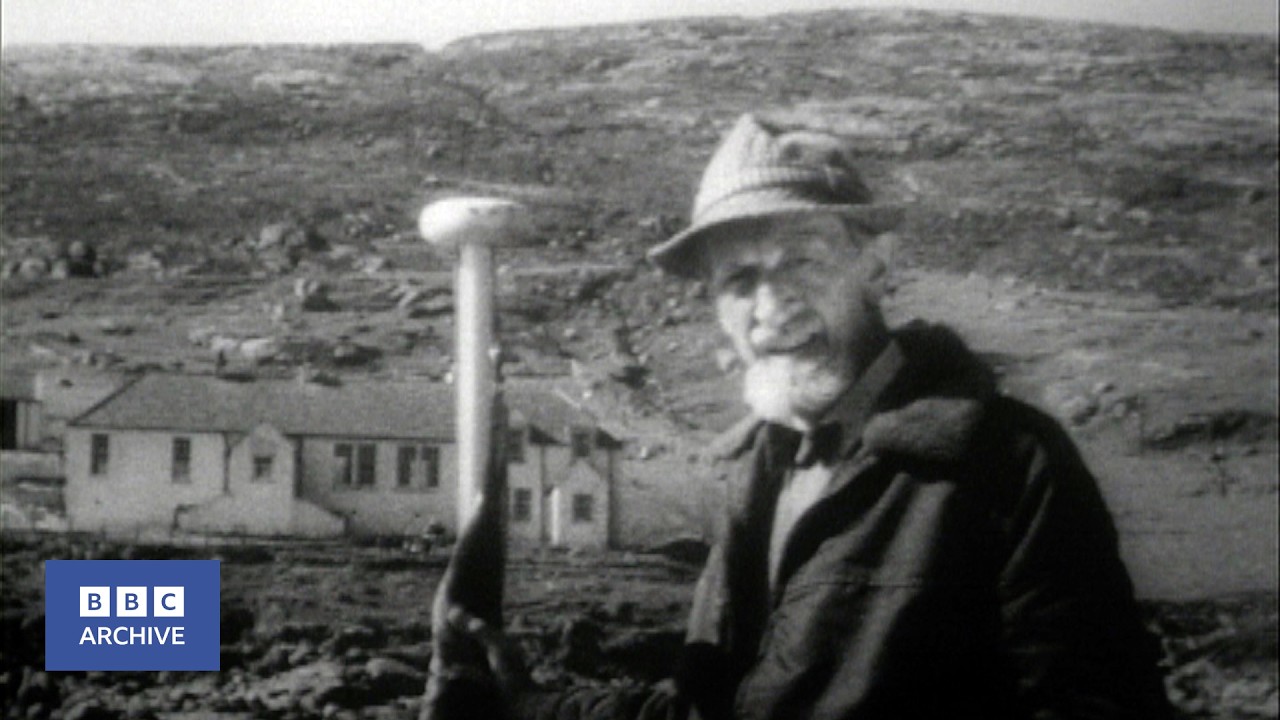
Fyfe Robertson sails through the stunning and remote Hebridean islands, exploring their unique landscapes, culture, and the rich tradition of whisky making.
The Mariana Trench, Earth's deepest point, reveals bizarre life forms and advanced technology used for exploration in its extreme, dark environment.
Octopuses and squids utilize complex color changes and body language to communicate, as explored through high-definition imagery and insights from marine scientists.
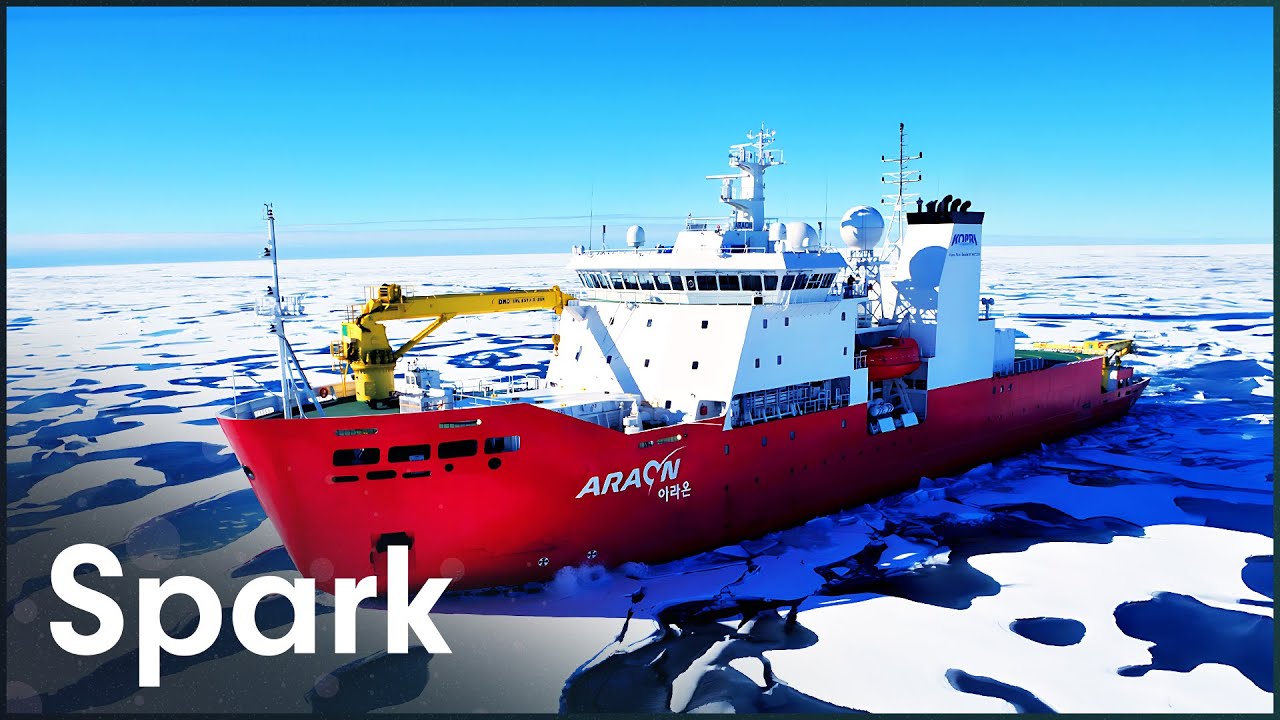
Building the Korean Jang Bogo Antarctic Station involved five years of site investigations and two seasons of challenging construction in extreme conditions.
Hundreds of rusting shipwrecks in the North Sea pose significant threats to modern shipping routes, necessitating urgent underwater cleanup operations.
6,300 WWII shipwrecks, many leaking oil, pose a significant environmental threat, prompting urgent research and monitoring efforts across global coastlines.
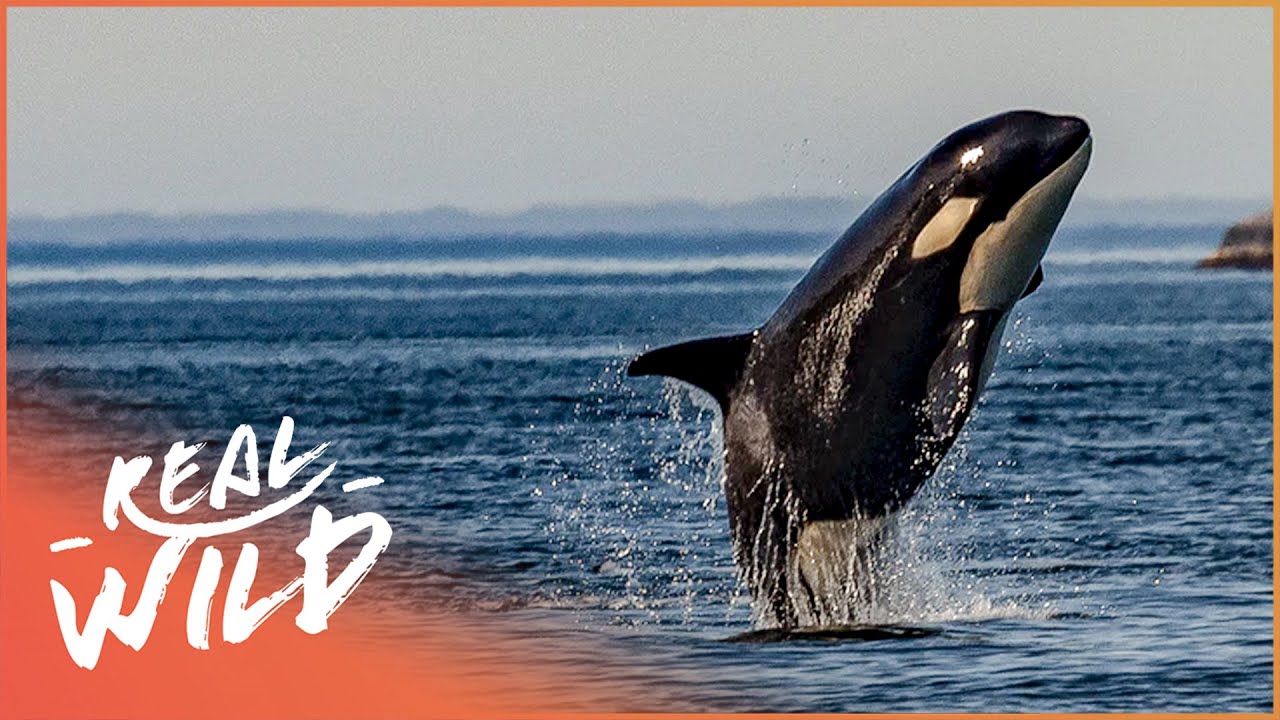
Killer whales along the Pacific coast of North America are facing severe threats from ocean pollution, as ongoing studies reveal alarming impacts on their health and survival.
Iceland sits on the world's most active hotspot, where scientists observe the formation of the planet in real-time.
Underwater archaeology reveals that 3 million shipwrecks, including 3,500 with valuable cargoes, raise questions about the rights to recover sunken treasure in the world's oceans.
Wind Surf, the world's largest sailing yacht, combines luxury with the ability to access secluded harbors and hidden coves.
Since 2008, Enric Sala's Pristine Seas project has established 26 marine preserves, covering a combined area of 6.5 million square kilometers.
Jonathan Bird collaborates with shark researcher Kenesa Duncan to explore various shark species and marine environments, including oil rigs in the Gulf of Mexico.
More than 10,000 hours spent underwater allowed photographer Brian Skerry to capture the beauty and complexity of marine life across three decades.
Cruise ships have transformed from mere transportation vessels into luxurious floating destinations, shaping a multi-billion dollar industry enjoyed by millions.
Shark populations have declined by over 90% globally due to overfishing, yet the Bahamas remains a sanctuary where killing sharks is illegal.
Oasis of the Seas, the largest cruise ship ever built, revolutionizes maritime travel with its innovative design and amenities on its maiden voyage.
Renowned cameramen Jason Isley and Roger Munns capture formidable sharks in the ocean while navigating the challenges of their high-pressure photography mission.
Remote Atlantic islands, from Iceland to Antarctica, are formed by volcanic activity along the mid-Atlantic Ridge and host unique wildlife found nowhere else.
Hammerhead sharks in French Polynesia remain a mystery to researchers, prompting freediver Frederic Buyle and scientist Dr. Johan Mourir to investigate their migration patterns.
A team of free divers, including world champion Frederic Buyle, approaches great white sharks in their natural habitat without diving tanks or safety cages.
A phantom ship, described as the Flying Dutchman, appeared to thirteen witnesses on July 11 at 4 a.m., leaving no trace behind.
MV Solitaire, the world's largest pipe-laying vessel, faces extreme Arctic conditions while connecting a crucial gas well to a subsea network.
Thousands of shipwrecks, including the "Wakashio," "MT Haven," and "Orient Queen," pose environmental threats while passionate divers explore their histories.
Europe’s North and Baltic Seas reveal a rich tapestry of marine life, showcasing orcas hunting, seahorse courtship, and fierce battles among seals.
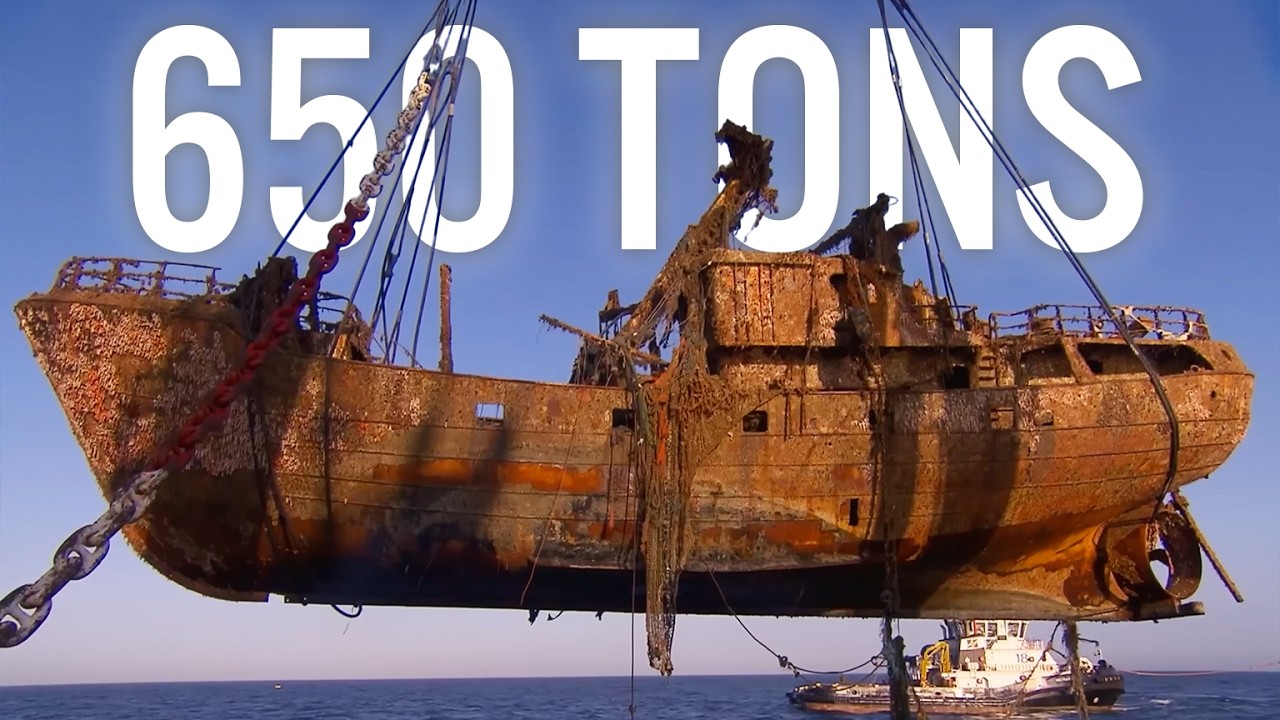
Cabo de Hornos, a 2,000-ton research vessel, was saved from destruction after being thrown ashore by a tsunami through an innovative salvage operation.
Baltic Sea Divers execute a complex underwater engineering project by laying a 600-meter-long protective pipe beneath the seabed using Horizontal Directional Drilling.