From over 100,000 films, discover the handful you'll love.
Free or premium access to the world's largest documentary library.
736 films(Page 1 of 16)
In the Late Carboniferous Period, predatory amphibians and giant arthropods dominated swamps while ancient seed plants and amniotes adapted to drier climates.
Lunar rocks collected by Apollo astronauts provide insights into the unusual origins of Earth's moon, revealing a cosmic history that challenges conventional theories.
The Devonian Period saw the emergence of Tiktaalik, one of the first vertebrates to transition from water to land, amidst a flourishing of plant life and ancient invertebrates.
Tetrapods transitioned into arboreal life primarily due to the availability of leaves, reshaping their evolutionary path on Earth.
Practicing medicine, from the use of medicinal plants to early surgical techniques, may have roots that extend back to before the emergence of modern humans.
In the Rising Star Cave system in South Africa, paleoanthropologists study a chamber containing the bones of the extinct species Homo naledi.
Eons hosts reflect on their survival experiences and answer viewer questions in this final episode before exploring future topics.
In the Cambrian Period, marine life flourished with significant evolutionary advancements, while terrestrial environments remained devoid of vegetation.
The break-up of the supercontinent Pangea led to India's collision with Asia, resulting in a significant shift in evolutionary isolation and biodiversity.
Remote valleys in Appalachia are home to diverse wildlife, including bears and flying squirrels, alongside a rich tapestry of human culture.
1.8 billion years ago, a geological period known as the "Boring Billion" began, marked by minimal evolutionary activity yet crucial for future life on Earth.
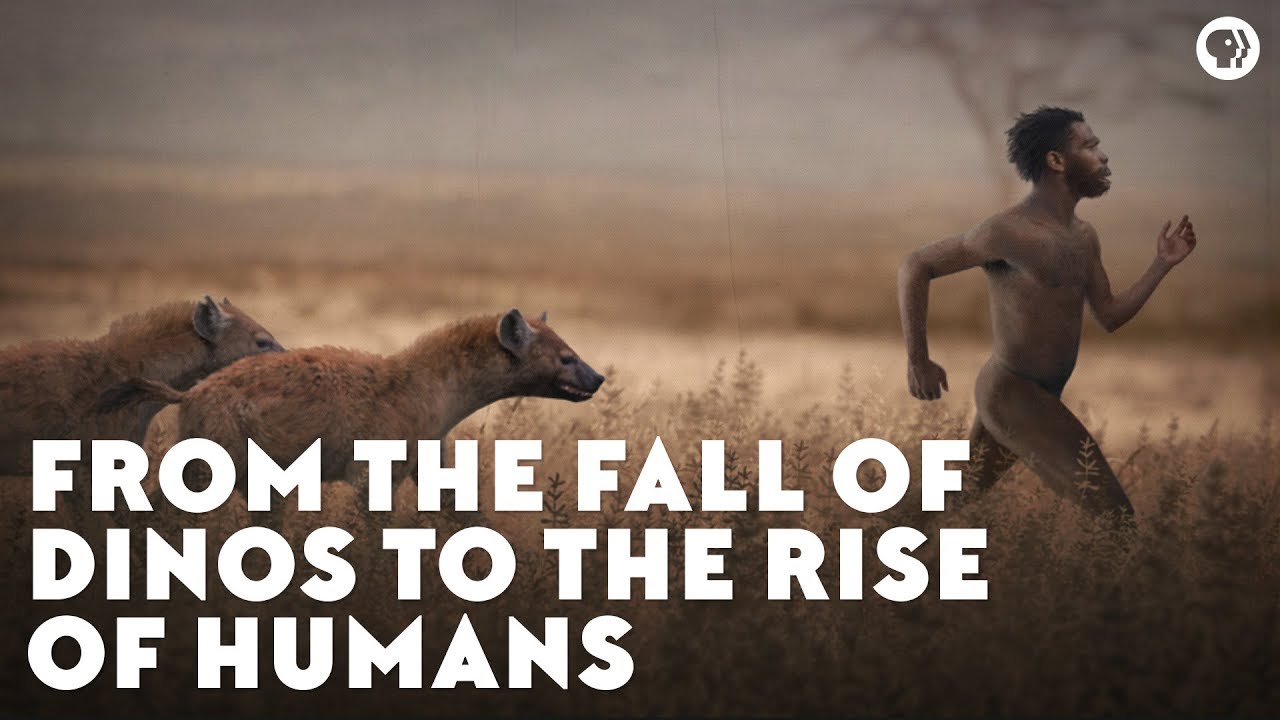
The Cenozoic Era marks a significant period in Earth's history characterized by the emergence of modern mammals and birds, leading to the rise of human-like organisms.
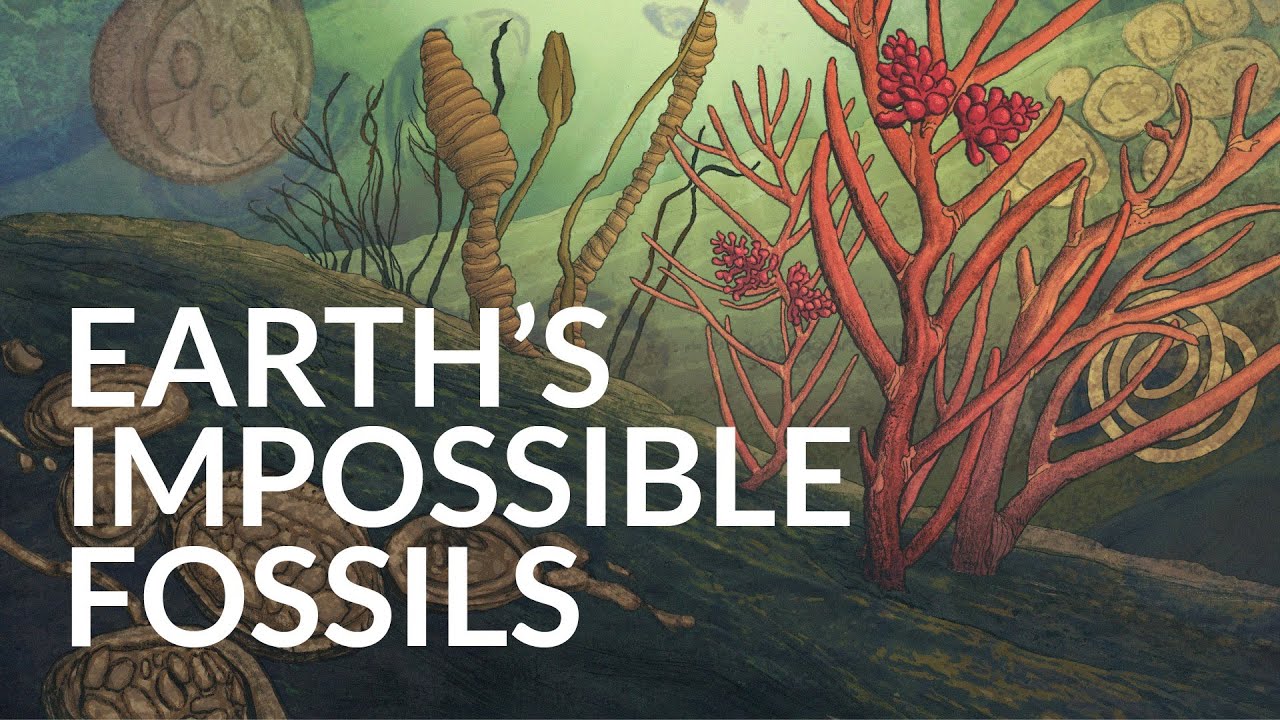
1677 marked a significant year for Reverend Robert Plot, who received a massive crate containing fossils that sparked debate about their origins.
Stefan Lochner's painting "The Last Judgment," created in 1435, depicts the damned being dragged to hell by devils and monsters.
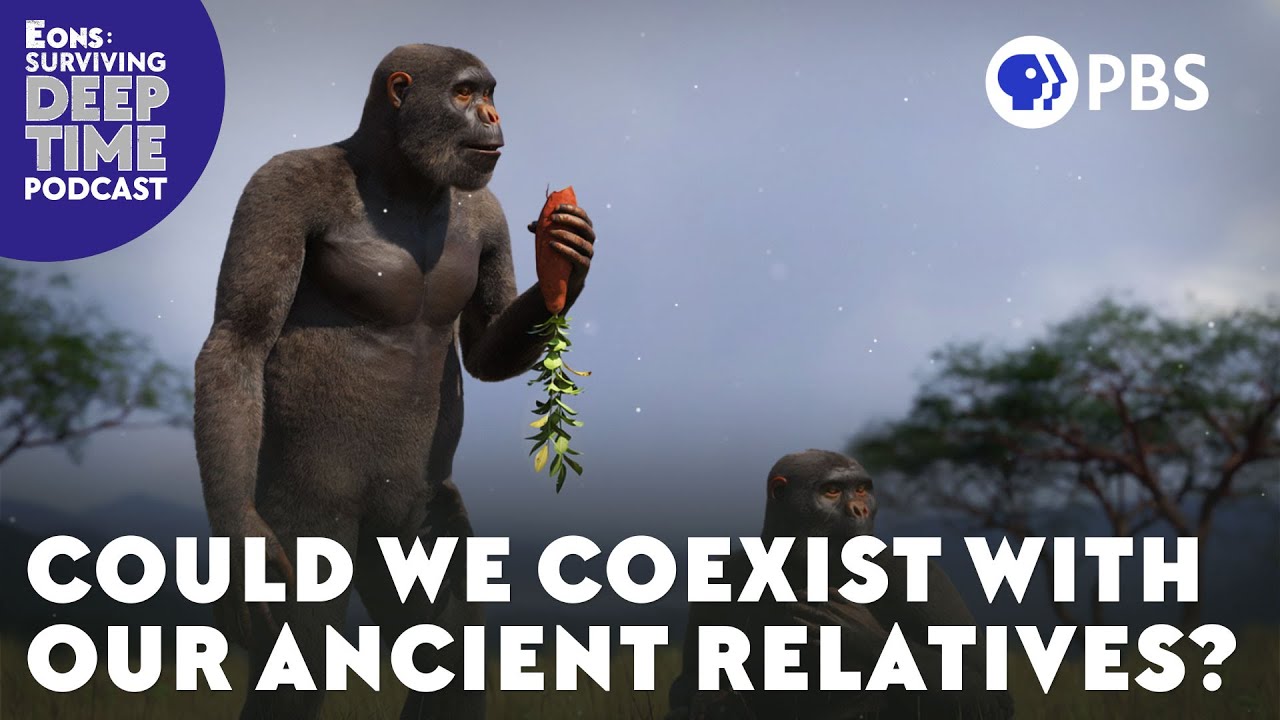
In the Early Pleistocene Epoch, various hominin species coexisted with Homo sapiens, raising questions about survival strategies and social interactions among them.
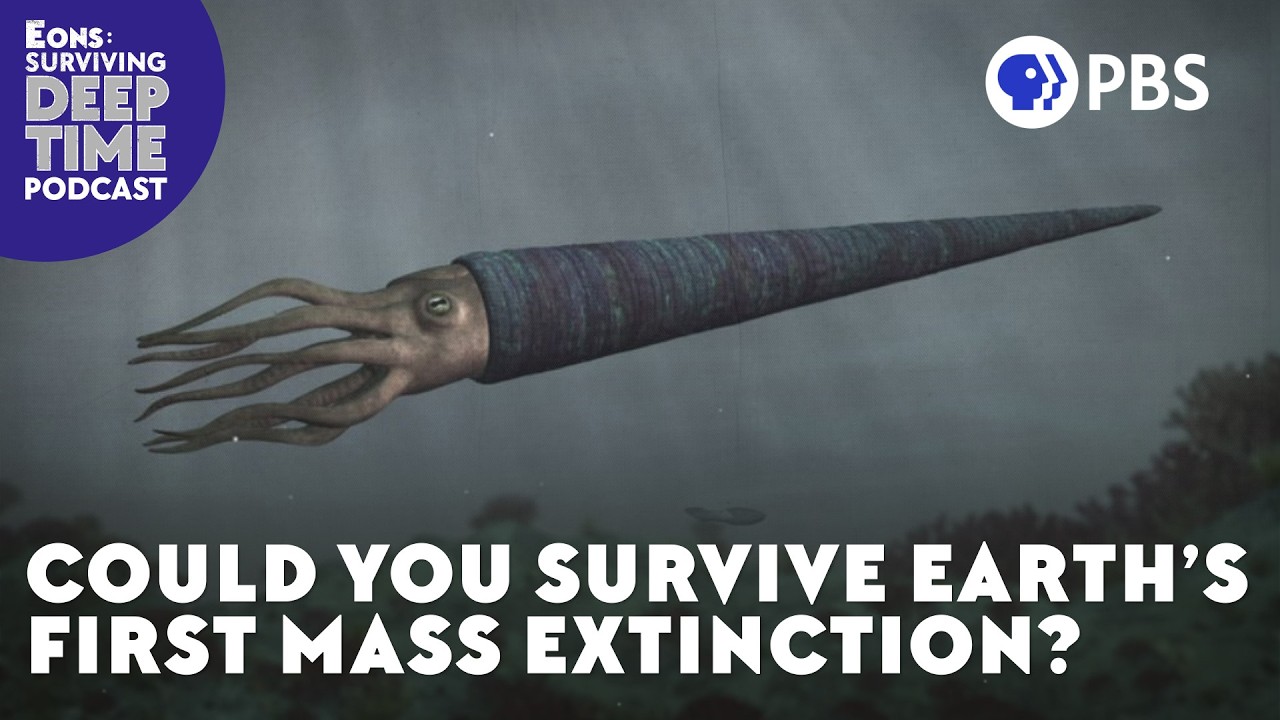
The End-Ordovician Extinction, marking the first of the 'Big Five' mass extinctions, led to the loss of over 80% of marine species on Earth.
In the Late Miocene Epoch, tectonic activity isolated the Mediterranean Sea, transforming it into a vast, salty desert and drastically altering marine life.
In the Late Carboniferous Period, the emergence of amniotes marked a significant evolutionary step as they adapted to life on land amidst giant insects.
In a remote nature reserve in Sumatra, Indonesian tycoon Tomy Winata leads a unique conservation project aimed at rehabilitating and releasing captive-born Sumatran tigers into the wild.
Human perception is examined through the lens of atomic structures and distant galaxies, highlighting advancements like the Hubble Telescope and atomic imaging.
In the Late Cretaceous Period, Hateg Island served as a hunting ground for a giant pterosaur, presenting unique survival challenges for its inhabitants.
The Lembeh Strait in Indonesia's Sulawesi is a marine biodiversity hotspot, showcasing unique behaviors of creatures like Anglerfish and Mantis shrimp through groundbreaking macro photography.
In the Canary Islands, unique microclimates foster the evolution of diverse species, including eccentric birds and majestic whales, shaped by wind and water.
At the end of the Triassic Period, the earliest dinosaurs faced a catastrophic extinction event following the Great Dying and rapid evolutionary changes.
Milos Majda, a ranger at Mala Fatra National Park in Slovakia, works to reintroduce two lynx siblings from a zoo into their ancestral forest habitat.
In the Canary Islands, the survival of unique species like the lizard is intricately linked to the ecosystem, including the role of baby seagulls in preventing extinction.
Extraordinary predators like the land-walking octopus and a super-powered spider showcase their unique hunting skills in various environments.
Sudan's diverse landscapes, from the Nile's swamps to the northern savanna and desert, shape the nomadic lifestyles of its camel-herding tribes.
Bert Dausip, a forest guide in Sabah, Borneo, forms a close bond with the unique pygmy elephants, revealing their gentle nature and advocating for their protection.
In the Sahara desert, the Tuaregs, known as the "Blue Men," navigate their traditional customs and face modern challenges while leading salt caravans through the Tenere.
Central Europe's last wandering sand dunes, located near Kecskemet, rise 600 feet and are shaped by spring storms that create dramatic sand clouds.
In Yunnan Province, China, a team led by photographer Xi Zhinong documents the rare Black and White snub-nosed monkeys and their complex family dynamics.
Poison dart frogs, chameleons, and praying mantises exhibit remarkable survival strategies, showcased through advanced 3D visualization techniques.
Red deer, the largest and most common species in Central Europe, face threats from wolves, bears, and human encroachment while adapting to their changing habitat.
Genghis Khan transformed from a timid herd boy into a formidable general and statesman, as seen through the perspective of his own people.
Dinosaurs, the dominant species of the Mesozoic Era, evolved through diverse adaptations in response to environmental changes and challenges.
Sir David Attenborough's 100th birthday is marked by a celebration of 100 iconic wildlife scenes from his extensive career in natural history broadcasting.
Inland lakes and fens in Europe support a diverse range of wildlife, showcasing unique adaptations of species that thrive in these fragmented ecosystems.
In Costa Rica's rainforest, the Almendro Tree serves as a vital ecosystem provider, supporting numerous species, including the endangered Great Green Macaw.
The Drakensberg Mountains, known as "Dragon Mountains," are a complex ecosystem where survival is shaped by both abundance and harsh conditions.
The Morava River, with its diverse ecosystems and rich biodiversity, serves as a vital ecological link between the Alps and the Carpathians in Central Europe.
Across diverse habitats, bear species are showcased in their natural behaviors of hunting, mating, and survival throughout forests and the Arctic.
Roses, celebrated for their beauty and fragrance, are explored through their cultivation, cultural significance, and ecological roles across various regions.
South America, home to a quarter of all bird species on Earth, showcases its diverse avian life from Patagonia's icy peaks to the Amazon rainforest's vibrant ecosystems.
In south-central Nebraska, paleontologists explore ancient fossils, including a four-tusked elephant, revealing the region's rich prehistoric ecosystem.
Cuba's unique wildlife includes over 80% of its reptiles and amphibians found nowhere else, thriving in pristine reefs due to strict fishing regulations.
A bee colony's life over a year is explored, highlighting their social structure, labor division, nectar collection, and defense against threats.
A Bohemian princess from the 18th century, suffering from a light allergy, became the basis for vampire myths after a gruesome murder in Czech Krumlov.