From over 100,000 films, discover the handful you'll love.
Free or premium access to the world's largest documentary library.
81 films(Page 1 of 2)
The SCP Foundation, a collaborative fiction project, explores a universe filled with anomalous entities and the secret organization that contains them.
Yakushima, Japan's ancient forest island, served as the inspiration for a Studio Ghibli epic, showcasing its breathtaking landscapes and unique flora.
Finding Joe highlights Joseph Campbell's hero's journey through interviews and children's enactments.
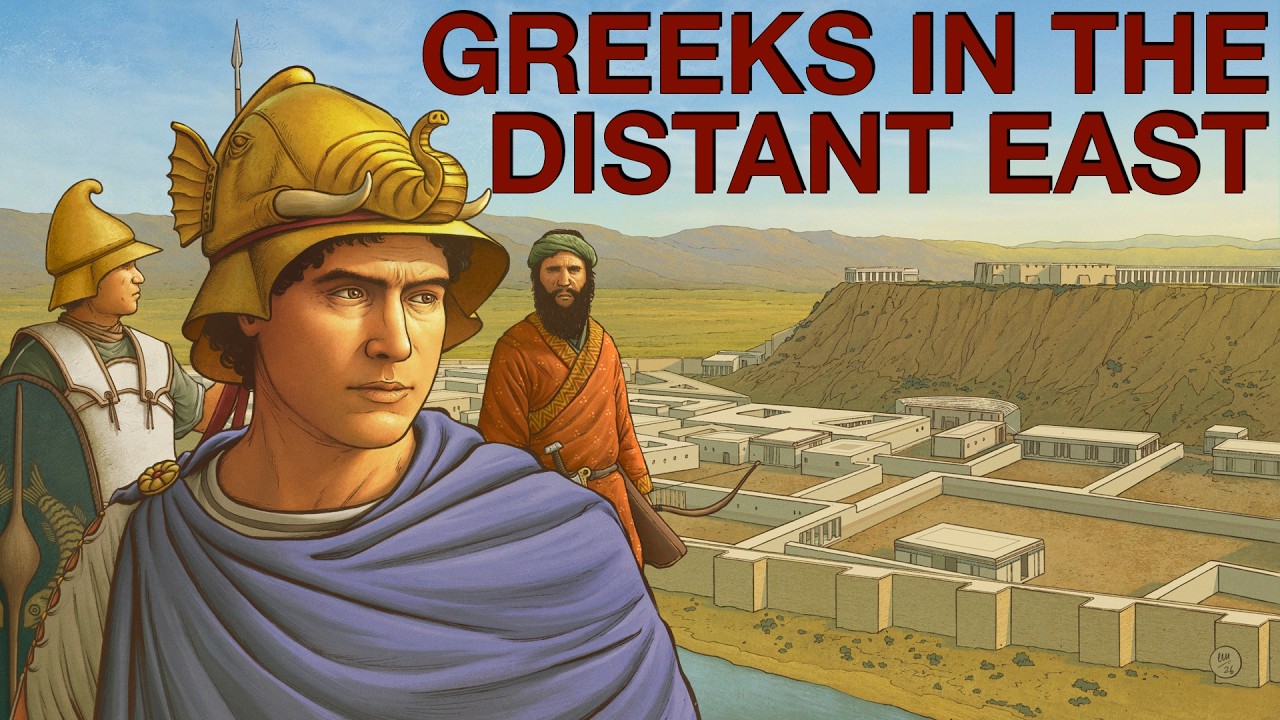
The Greco-Bactrian Kingdom, a significant Hellenistic state in Central Asia, is examined through the expertise of Dr Raoul McLaughlin and historical analysis.
Medieval Historian Hetta Howes answers key questions about King Arthur, exploring his historical existence, legendary tales, and the origins of the Arthurian myth.
The Arthurian legend, shaped by 12th-century cultural clashes, reflects the evolving ideals of kingship in medieval England, as explored by historian Matt Lewis.
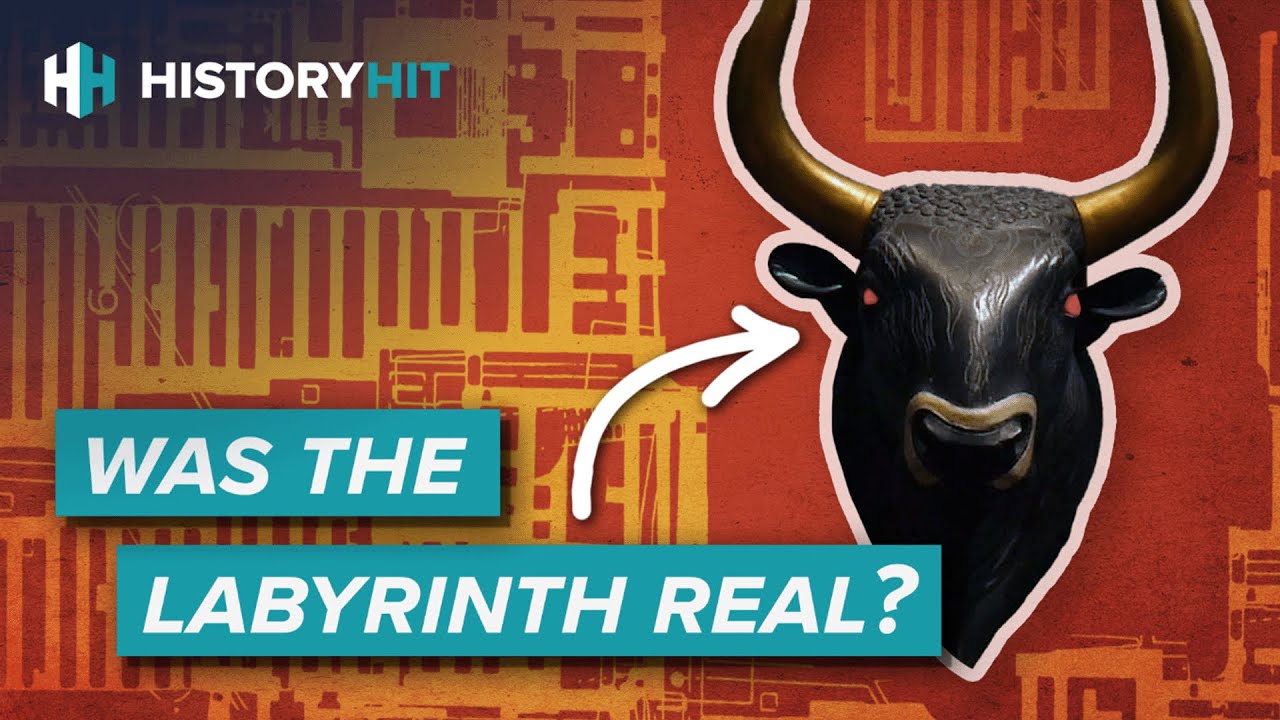
The legend of the Minotaur and its labyrinth is examined through archaeological evidence and ancient artefacts from the Bronze Age settlement of Knossos in Crete.
Homer's epic narrative of Odysseus' return from Troy intertwines with the historical realities of the Late Bronze Age Mediterranean, shaped by archaeological findings and ancient cultures.
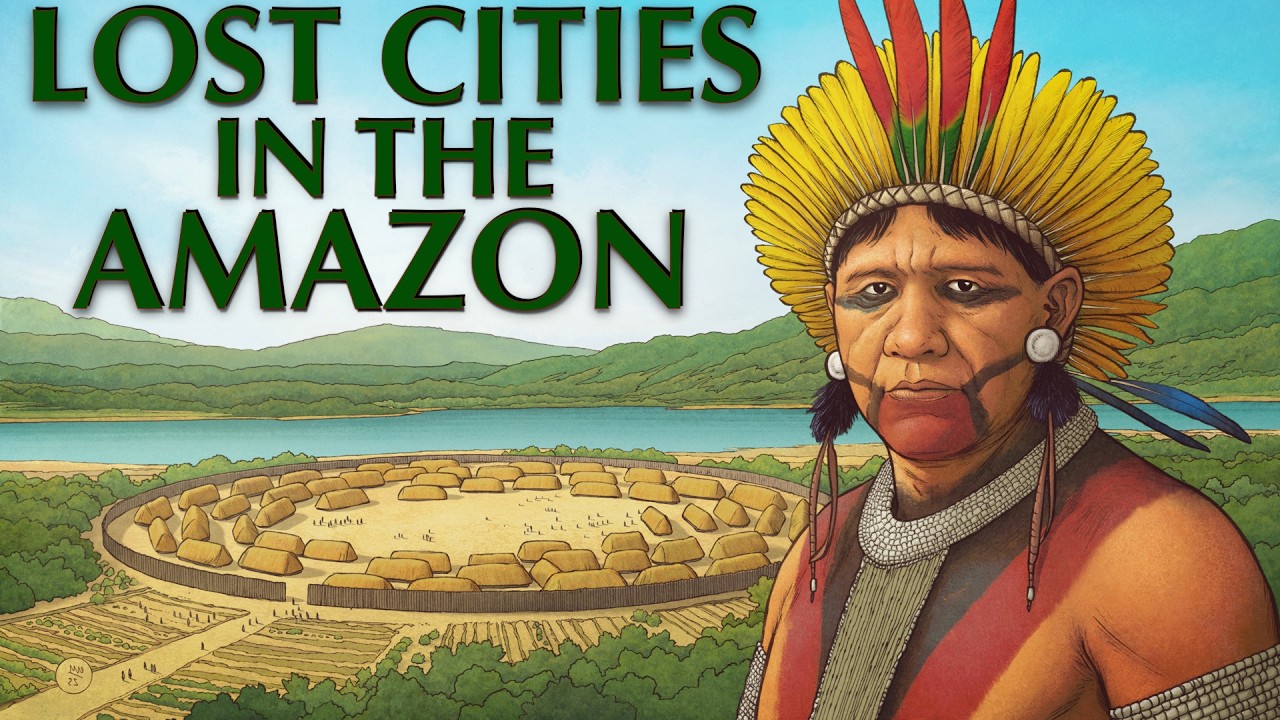
Prehistoric Amazonia reveals the archaeological significance of ancient urbanism and anthropogenic landscapes, highlighting discoveries in the Upano Valley and the Xingu region.
Bettany Hughes explores the historical significance and enduring legacy of the Seven Wonders of the Ancient World, revealing their original grandeur and present-day remnants.
Alexander the Great's early death at 32 sparked numerous myths about his demise, raising questions of illness versus murder and the fate of his empire.
In Anatolia, historians and archaeologists explore the historical basis of the Trojan War, utilizing archaeological findings and Hittite archives from Hattusa.
Ancient civilizations are often linked to alien visitors, prompting a critical examination of these theories and their cultural impact on society.
Sir Isaac Newton predicts a new date for the Apocalypse in Season 1, Episode 5 of The Apocalypse Code.
Delphi, once deemed the center of the world by ancient Greeks, features a walking tour of its historic ruins, including the Temple of Apollo and ancient theater.
Rajis, the river people of western Nepal, rely on fishing and gold dust collection, as they search for the legendary golden mahseer, a fish tied to local mythology.
Extraterrestrial influence is examined through the lens of the recurring power of three in history, mythology, and human civilization, featuring concepts like the Emerald Tablets.
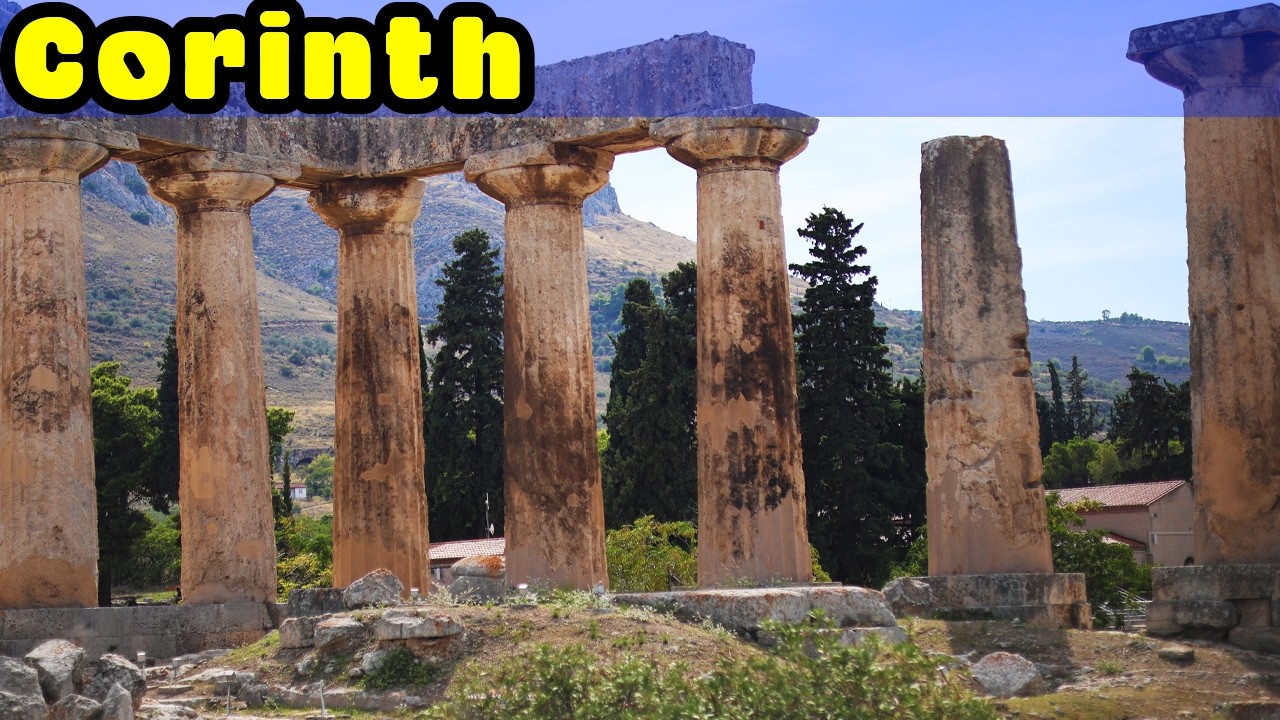
Corinth, a pivotal maritime hub in ancient Greece, evolved from Neolithic origins to a Roman provincial capital, showcasing its rich historical legacy and archaeological wonders.
Mary Beard examines the complexities of identity and citizenship in the Roman Empire through historical, archaeological, and mythological perspectives.
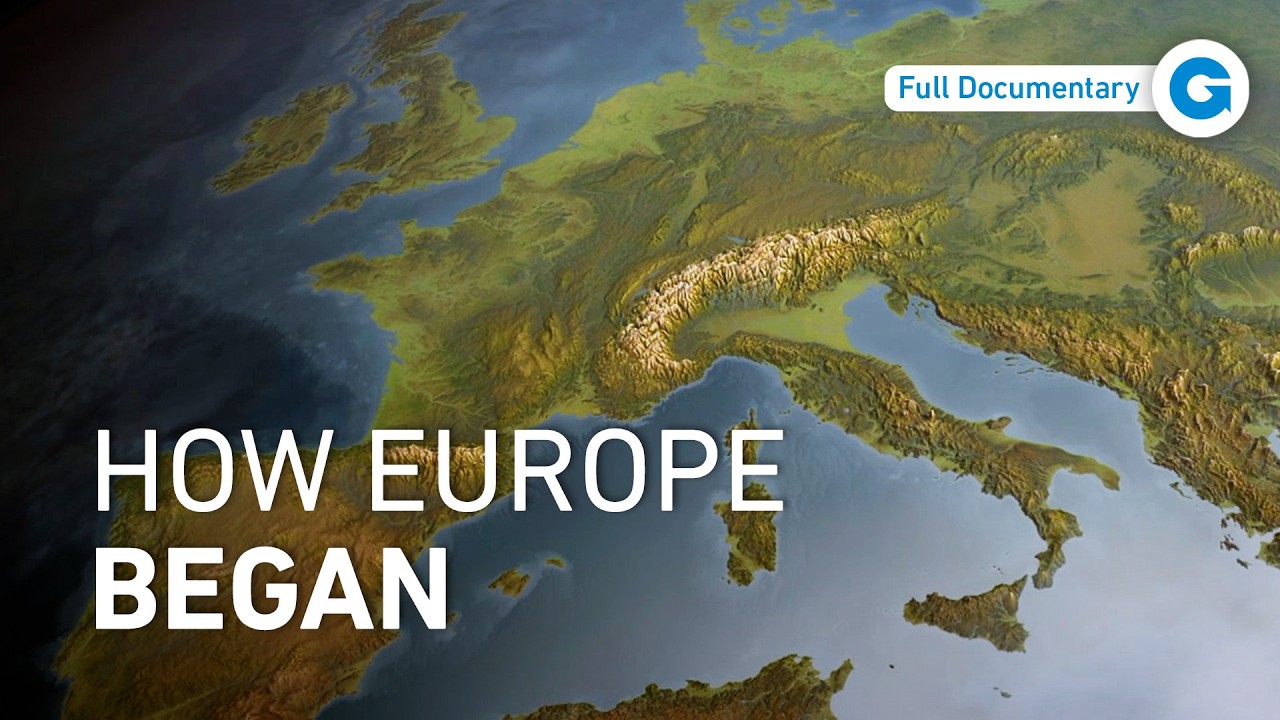
Ancient Greece, particularly Crete, marks the beginning of European civilization, revealing its first high culture and the myth of Europa and Zeus.
Yamis fishermen on Orchids Island honor their ancestors and the sacred flying fish, "Black Wings," during the vibrant celebration of the fishing season.
Ray Mears investigates the historical roots of Robin Hood, exploring landscapes and records to determine if the legendary outlaw was a real person or a symbol of justice.
Aileen Wuornos, America's most infamous female serial killer, is reexamined in a documentary that challenges long-held narratives and reveals unsettling truths.
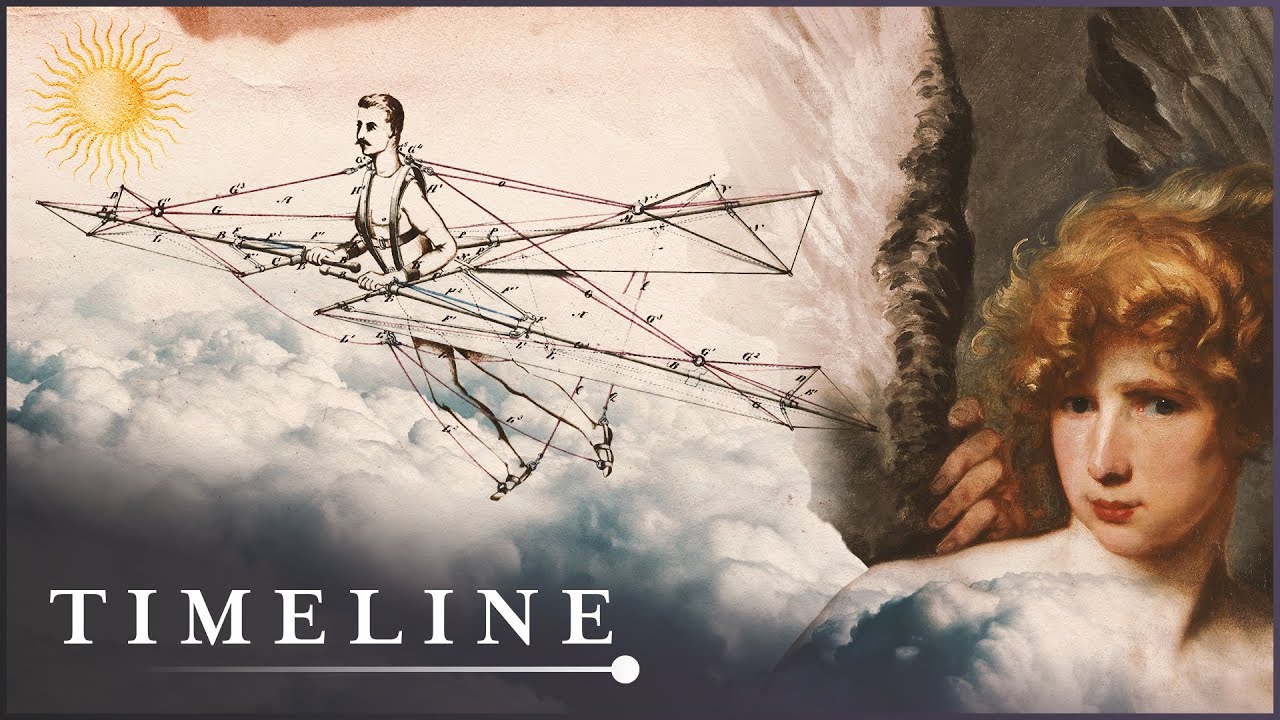
Todd Reichert and his team of young engineers strive to construct and fly a human-powered ornithopter, blending artistry and science in an ambitious challenge.
St. Nicholas evolved from a revered holy man in Turkey into a global symbol of Christmas cheer, blending religion, myth, and marketing.
Encounters with Bigfoot, also known as Sasquatch, have profoundly impacted the lives of those who claim to have seen the elusive creature firsthand.
Captain Kidd's buried treasure, long thought lost, becomes the focus of Richard Knight's quest for high seas adventure and historical intrigue.
It rained for 40 days and 40 nights, flooding the Earth and leading to the survival of Noah, his family, and pairs of every animal species.
The aurora borealis captivates cultures like the Saami and Inuit with its magical legends.
Meenakshi Temple in Madurai, Tamil Nadu, serves as a vibrant spiritual hub where over 15,000 devotees connect with 33,000 deities daily.
Fabio discusses the legend of sirens while enjoying the beach in Naples' Gulf.
Phuntsho Tshering, Bhutan's sole glacier specialist, records video diaries for his daughter while measuring the rapid melting of sacred Himalayan glaciers.
Rajis, the river people of western Nepal, rely on fishing and gold dust collection while seeking the legendary golden masheer, a fish tied to local mythology.
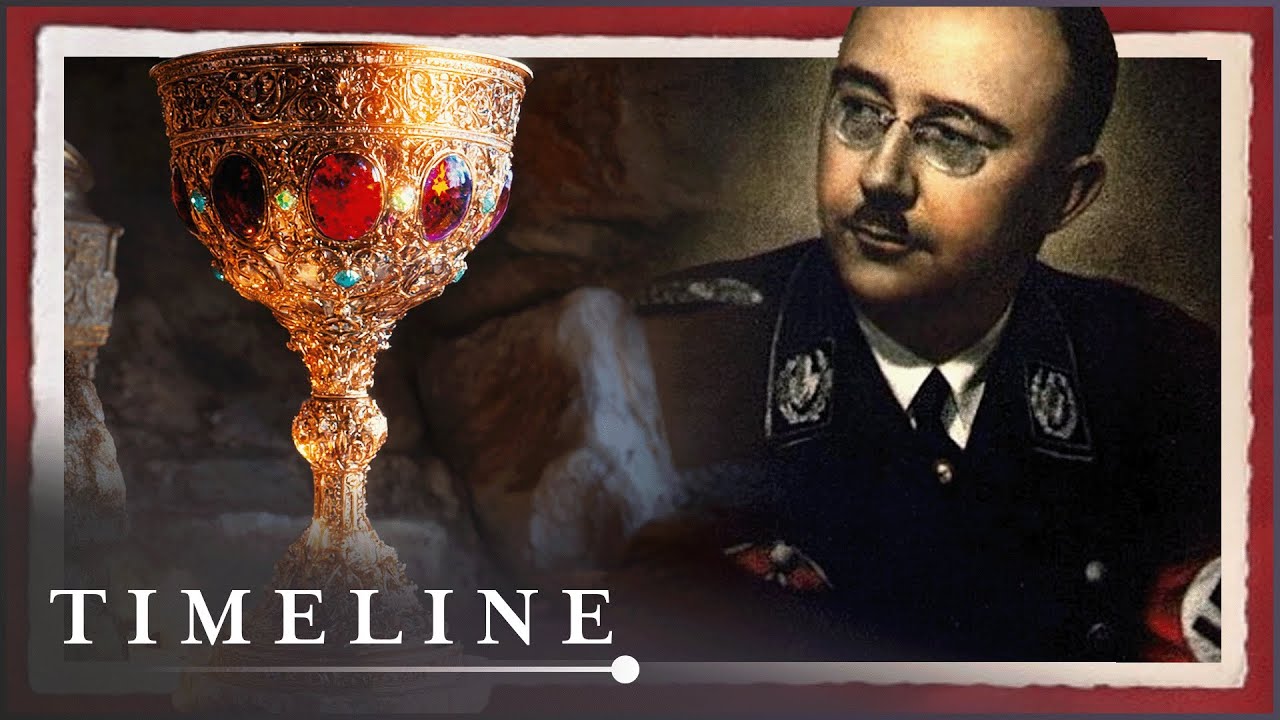
Himmler's obsession with the Holy Grail highlights the intersection of Nazi ideology and the quest for religious artifacts throughout history.
Tlingit folklore reveals the Kushtaka, a shapeshifting Otterman that steals souls.
The Trojan Horse myth is reexamined through archaeological evidence suggesting it may have been a Phoenician ship or siege engine rather than a wooden animal.
Crocodiles play a vital role in the cultures of various tribes across Papua New Guinea, Australia, Mali, and Chad, symbolizing power, identity, and reverence.
In March 1938, Adolf Hitler seized a spear believed to have pierced Christ's side, a symbol of his ambitions for a new German empire.
Wildfires, fueled by climate change and human activity, pose significant dangers, prompting communities to adapt and scientists to study their unpredictable nature.
Violence and hate are examined through historical, biological, and mythological lenses to question whether they are inherent traits or societal constructs.
Snakes evoke a wide range of cultural interpretations, from symbols of evil in Judeo-Christian traditions to sacred figures in various indigenous practices worldwide.
A phantom ship, described as the Flying Dutchman, appeared to thirteen witnesses on July 11 at 4 a.m., leaving no trace behind.
Ancient Greece established the foundations of Western civilization through innovations in democracy, philosophy, and the arts, influencing modern society profoundly.
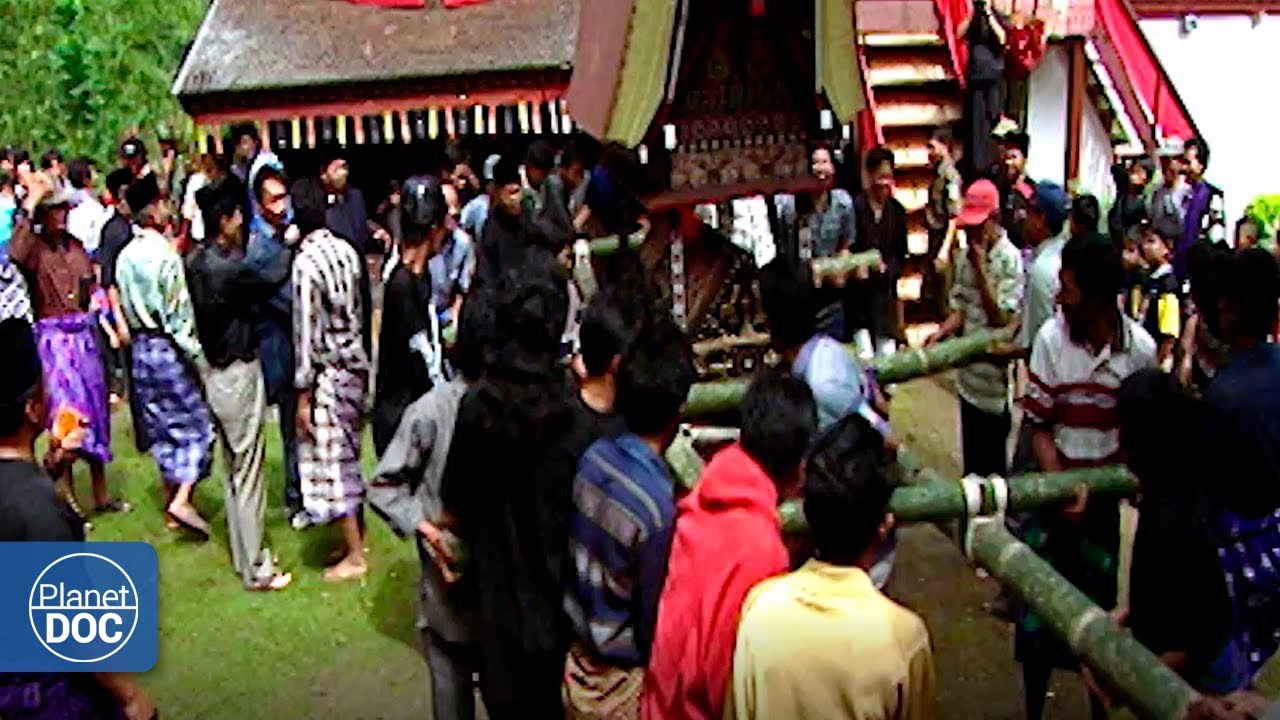
Over 2,000 guests gather for a Toraja funeral, where families must organize elaborate ceremonies and sacrifice more than 40 buffalo to honor the deceased.
Atlantis, a legendary civilization described by Plato, is examined through archaeological sites and underwater structures, questioning its existence as fact or fiction.
Witchcraft, steeped in historical narratives and archaeological findings, continues to captivate modern audiences, revealing its enduring allure and psychological impact.
Over 40 buffalo are sacrificed during elaborate funeral rites in a small village in Sulawesi, marking the return of the deceased to their ancestors.
Two thousand years ago, cats were revered on the island of Cyprus for their ability to control snake populations, challenging modern superstitions about their nature.