From over 100,000 films, discover the handful you'll love.
Free or premium access to the world's largest documentary library.
63 films(Page 1 of 2)
San Pedro Prison in La Paz, Bolivia, is a lawless facility where inmates, including violent offenders and drug lords, exert control over their chaotic environment.
$90 billion is generated annually by the cocaine market, which relies on a complex network from production in Latin America to distribution in Europe.
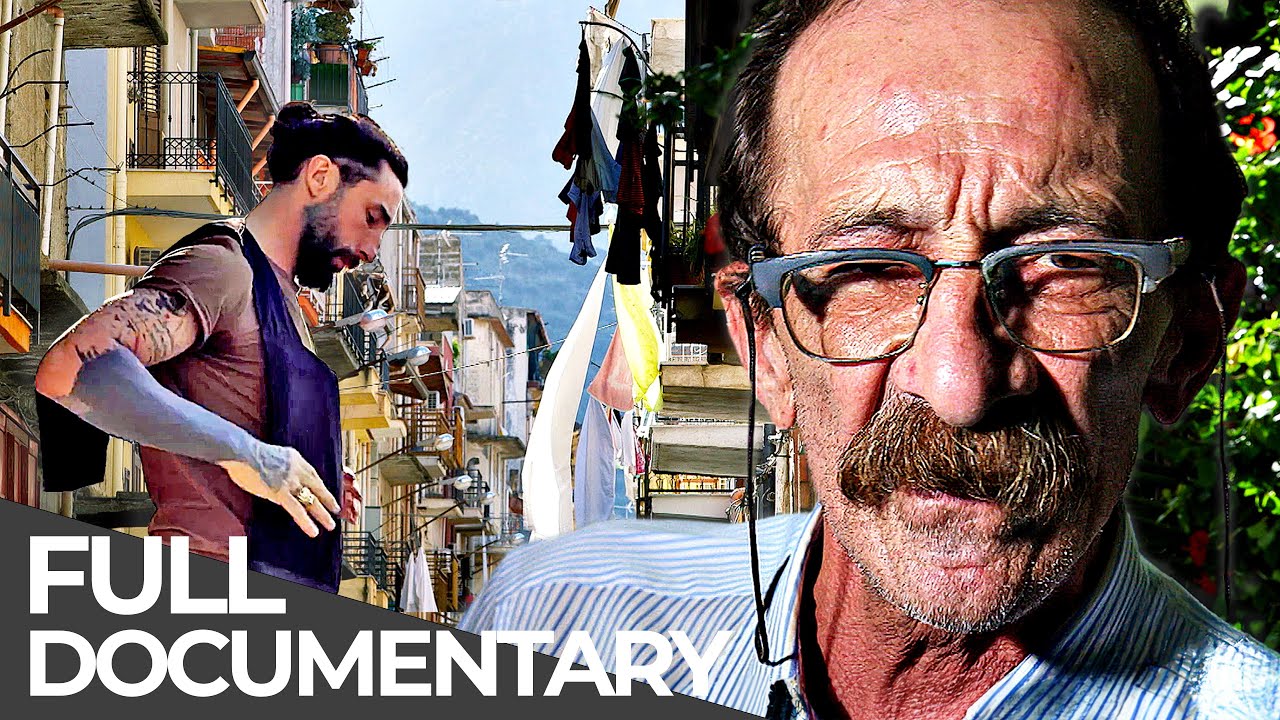
The Mafia infiltrates Italy's food industry, revealing its violent control over production.
Roy DeMeo may have murdered as many as 200 people during a violent spree in the 1970s, evading law enforcement despite numerous missed opportunities to capture him.
Sam Giancana, a notorious mob boss with ties to the Chicago Outfit, rose to power in organized crime before his eventual downfall and assassination.
A 19-year-old woman named Marita Loren was recruited by the CIA in 1959 to assassinate Fidel Castro using poison pills.
Frank Costello was born Francesco Castiglia on January 26, 1891, in Lauropoli, a small town in Calabria, Italy, before emigrating to New York City.
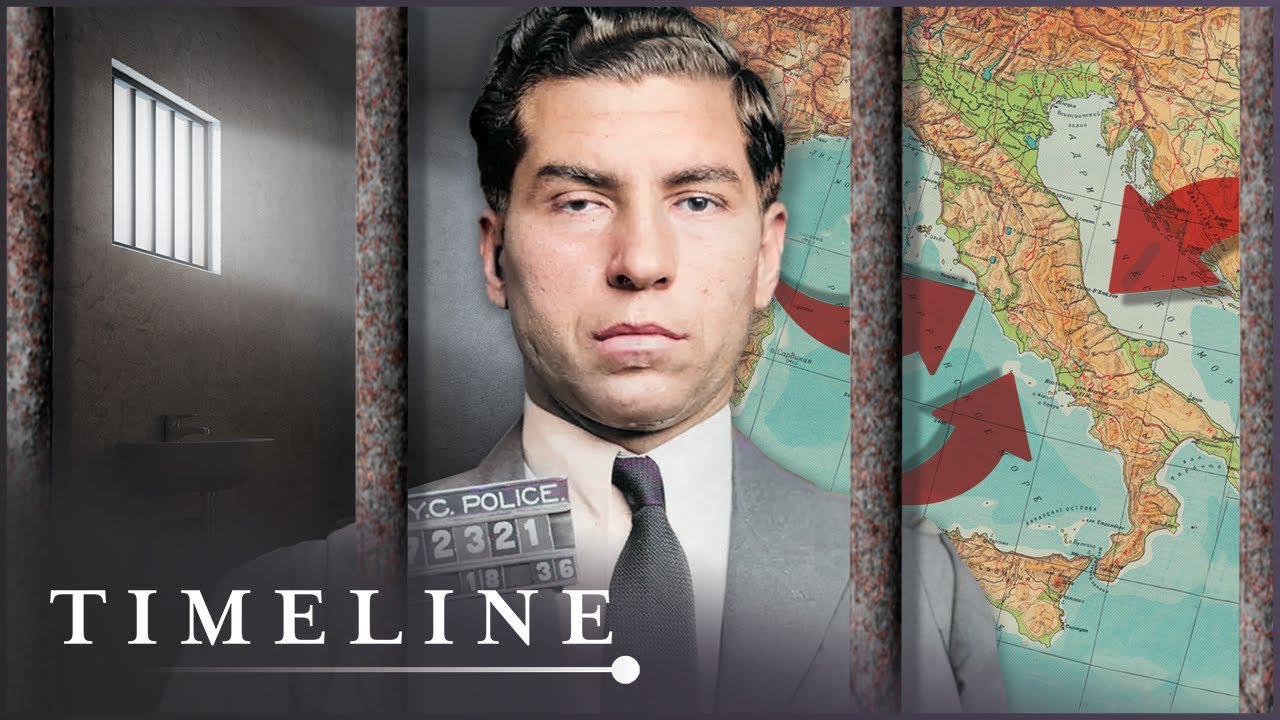
Lucky Luciano played a crucial role in the development of organized crime in America, significantly influencing the structure of the Mafia.
The Quebeca family fights back against the Mafia's garbage racket with FBI help.
Under Charles 'Lucky' Luciano, the mafia generated $40 billion a year, surpassing the revenue of General Motors and reshaping organized crime in America.
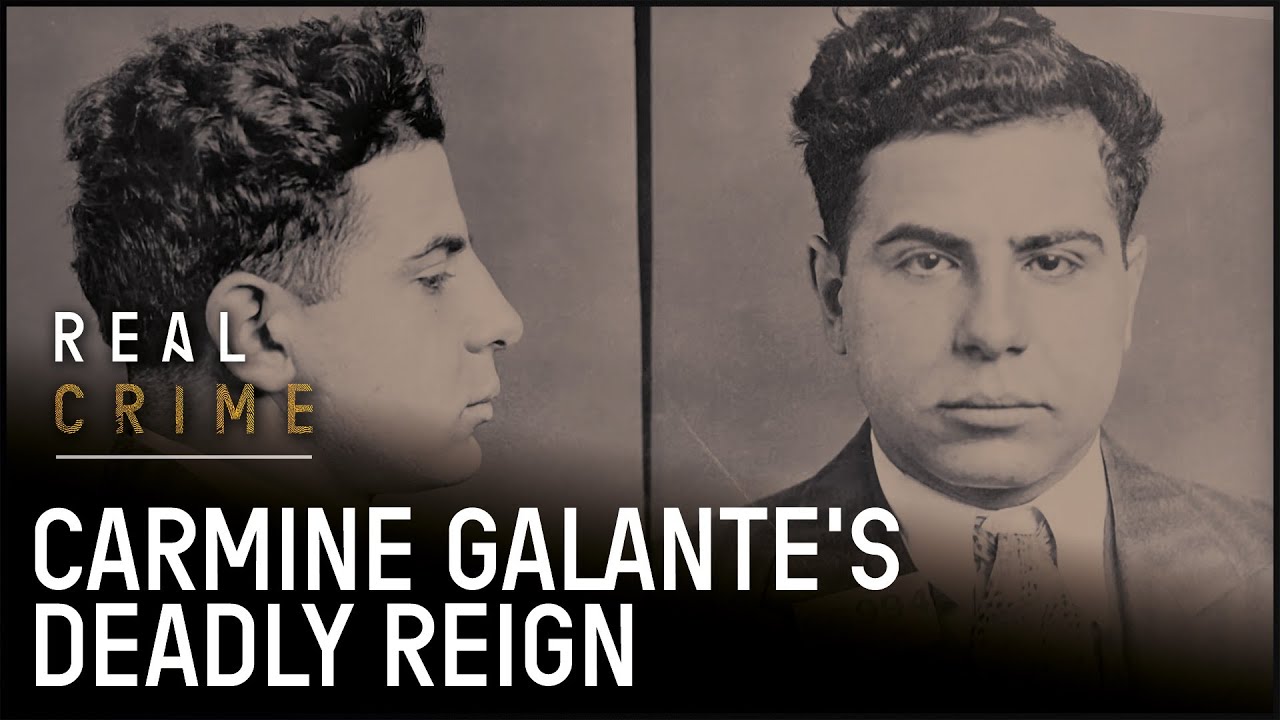
On July 12, 1979, Carmine Galante was shot multiple times while having lunch at Joe and Mary's Restaurant in Brooklyn, marking a notorious mob hit.
Italy faces a new wave of organized crime with the rise of the Baby Mafia after the old guard's arrests.
Over 200 mobsters were convicted due to Joe Pistone's six-year undercover operation as Donnie Brasco within the Bonanno crime family.
A $100,000 bounty was placed on Joe Valachi's head by his mafia boss, but it was never collected after Valachi became the first mob informant.
Three armed assailants attack a man, leaving authorities searching for answers about mafia ties.
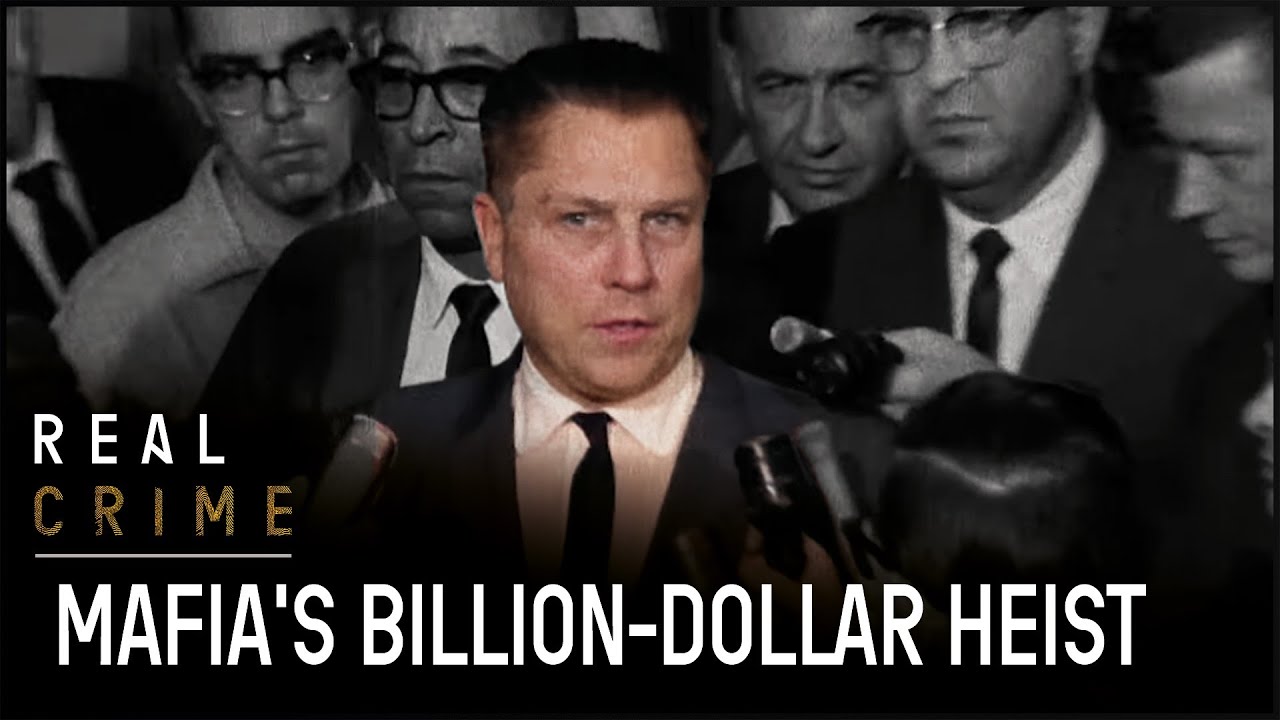
In 1979, the FBI launched a vast electronic surveillance operation targeting Allen Dorfman, a key figure in funding Mafia casinos through the Teamsters Union.
Over 200 mobsters were convicted as a result of Joe Pistone's six-year undercover operation as Donnie Brasco within the Mafia.
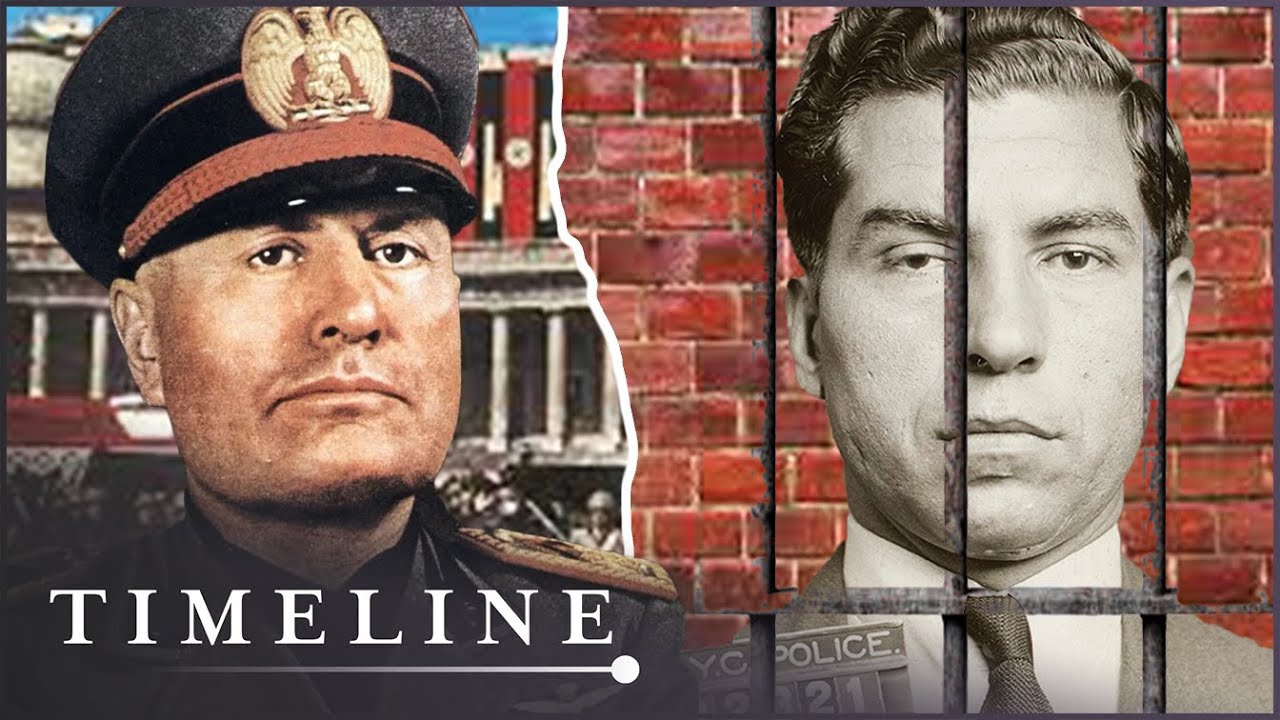
Mafioso, including Charles 'Lucky' Luciano, support American intelligence against Mussolini's regime.
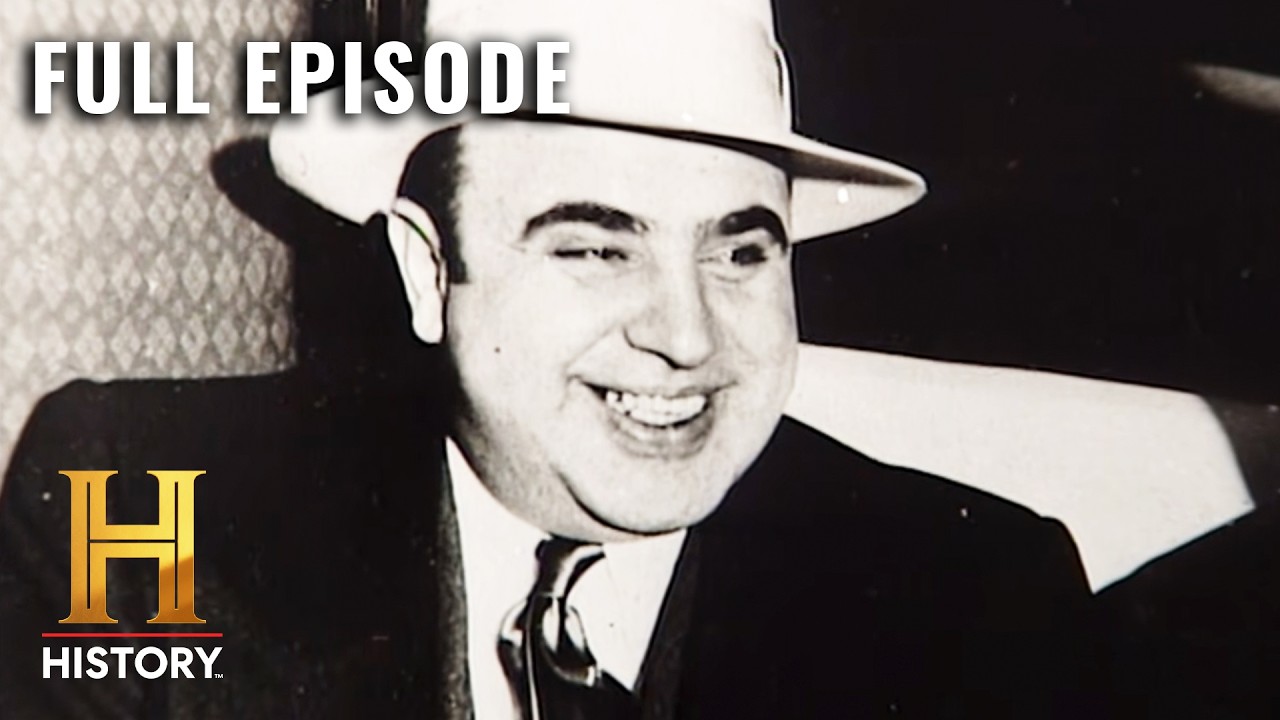
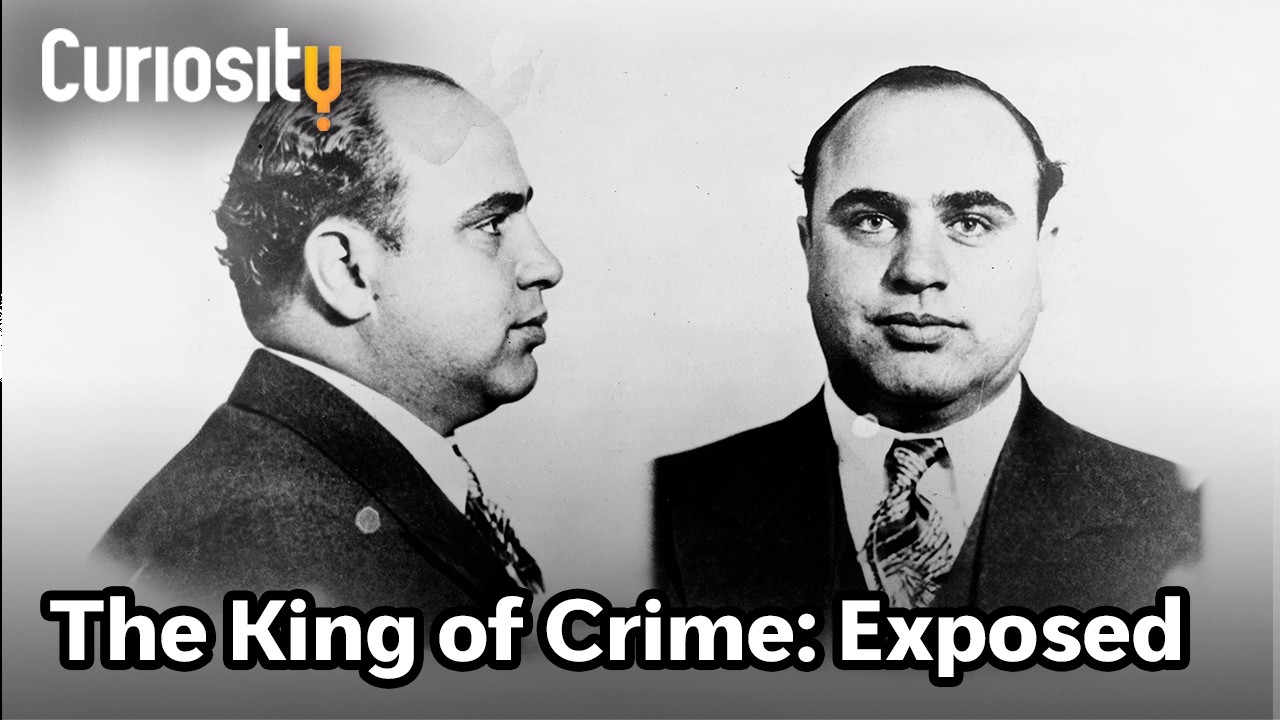
Al Capone's rise to power in Chicago during the Prohibition era highlights his notorious reputation as one of America's most infamous gangsters.
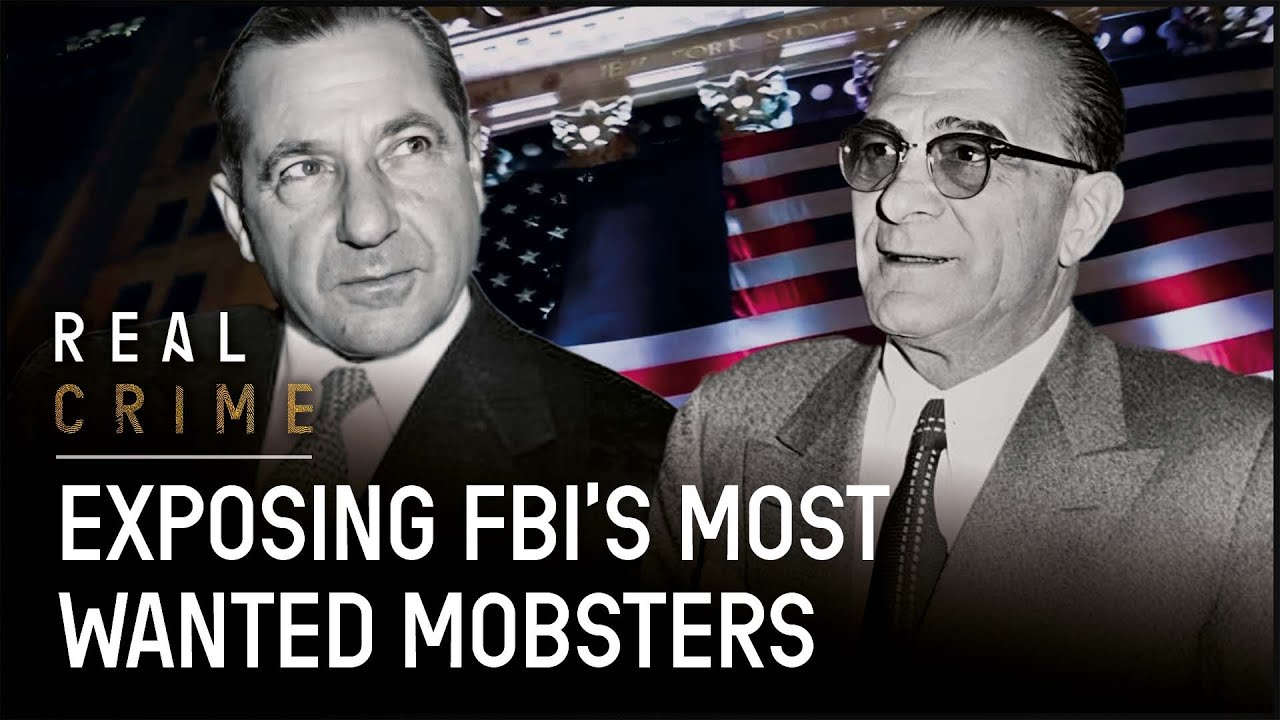
On May 2, 1957, Frank Costello survived an assassination attempt that marked the beginning of Vito Genovese's rise to power in the Mafia.
Charles 'Lucky' Luciano, sentenced to 50 years in prison, negotiated his release after 10 years to aid the US military during World War II.
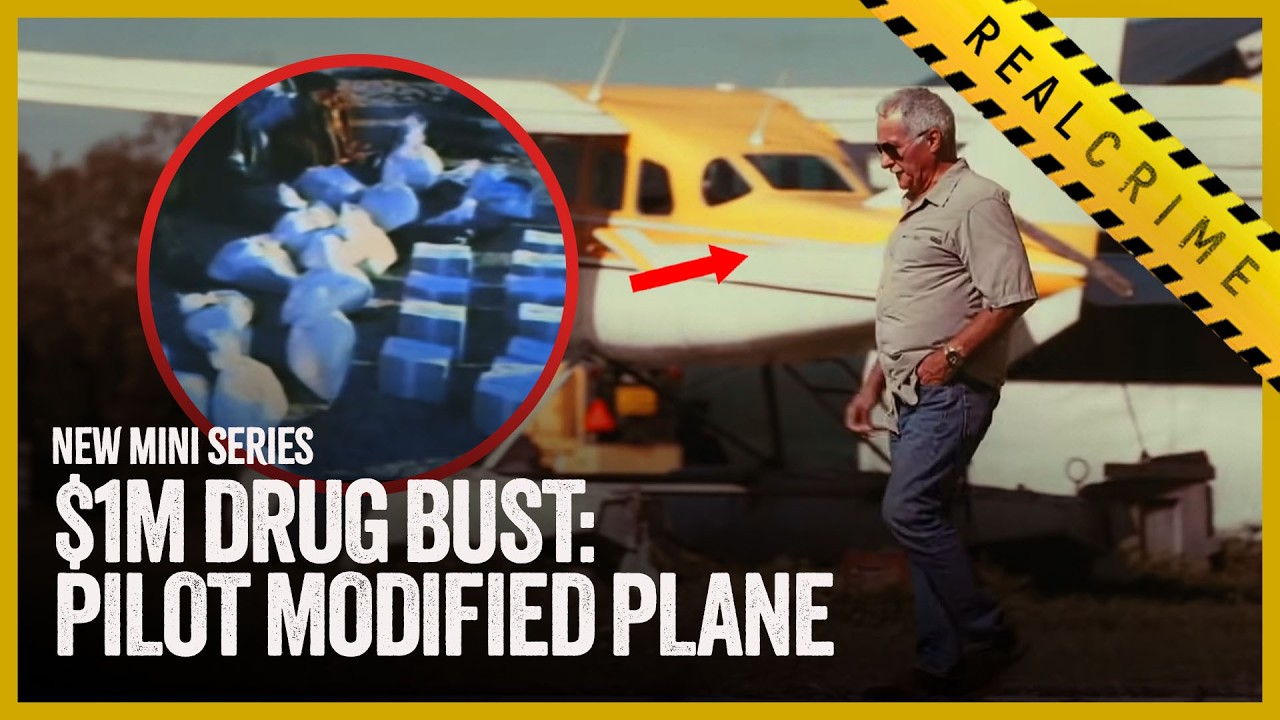
4,000 kilos of cocaine are smuggled from Colombia to Canada in what is described as the largest drug bust in Canadian history.
More than 2,000 violent acts against journalists linked to the mafia have occurred in Italy in the past seven years.
Libera, a nationwide network of 1,600 associations, helps young offenders like Fatima escape from a life of crime before they are recruited by the mafia.
In Italy, the camorra's illegal toxic waste trafficking has led to severe environmental damage and increased child cancer rates in affected regions.
Angelo Lonardo, at 90 years old, reveals the history of the Lonardo crime family, the first Mafia in Cleveland, Ohio, from its rise to its decline.
In 1975, the FBI recruited mobster James Whitey Bulger to help take down the Patriarca crime family, granting him immunity from prosecution.
At 18, Bob Perry achieves a 220 bowling average, ranking among the top bowlers in the United States before facing a life-altering injury.
This series explores women's lives in Italy's mafia and their choices between loyalty and betrayal.
A wild firefight breaks out as special units storm a house in Colombia, leading to the death of drug lord Pablo Escobar on December 2, 1993.
This episode reveals the American Mafia's origins from Southern Italy to the United States.
In Naples, the Camorra's pervasive influence shapes daily life, as a special police force known as 'les Falchi' works to combat organized crime and restore safety.
Gurmeet Dhinsa, a New York gasoline retailer, faces an FBI investigation for rigging gas pumps and employing violent Mafia-like tactics against dissenters.
In the early 1990s, a college student in South Philadelphia owed the mob $1,000, prompting him to become an informant for the FBI.
Pino Maniaci confronts Cosa Nostra in his quest to break the mafia code in Sicily.
Salvatore Giuliano's story has been under state-secret status for more than 60 years, reflecting the hidden complexities of postwar Italian politics.
The United States secretly allies with the Mafia in Sicily during World War II to aid the invasion.
Mafia families battle for arms trade control in crumbling Europe, directed by Albert Pyun.
General Mario Mori led operations that resulted in the arrests of key figures like Totò Riina and members of the Roman Red Brigades over a span of fifty years.
Burton shares his wild study abroad experience with the Russian Mafia in Petersburg Russia.
Nearly 50% of Italians under 25 are unemployed, making youth boxing programs critical for keeping teenagers away from crime and the local mafia.
In June 2005, the Mafia's pervasive influence in Italy is examined through testimonies from gang members, victims, and police officials, highlighting its brutality and connections to the Berlusconi government.
Corsica has a homicide rate seven times that of mainland France, making it the murder capital of Europe amid escalating gang violence.
A former flight attendant reveals the dark realities of working in Asia's airline industry.
In April 1999, The Mafia launders South Africa's stolen gold through Swiss banks like UBS.
Al Capone rules Chicago's underworld as a bootlegger and faces his eventual downfall.
On June 28, 1969, a police raid at the Stonewall Inn ignited protests that became a catalyst for the modern L.G.B.T.Q. rights movement.
The Stonewall riots in June 1969 sparked a significant movement for gay rights in New York City.