From over 100,000 films, discover the handful you'll love.
Free or premium access to the world's largest documentary library.
58 films(Page 1 of 2)
Ancient Mesoamerica developed a sophisticated calendar system that intricately linked their history with astronomical events and cycles.
Poverty Point stands as North America's earliest and largest city during the Archaic period, showcasing advanced societal organization and monumental earthworks.
Schöningen spears, dating back 300,000 years, are the oldest known hunting weapons, revealing early humans' complex social structures and advanced hunting techniques.
Two mysterious sarcophagi found beneath Notre Dame after the 2019 fire prompt archaeologists and historians to investigate their origins and significance.
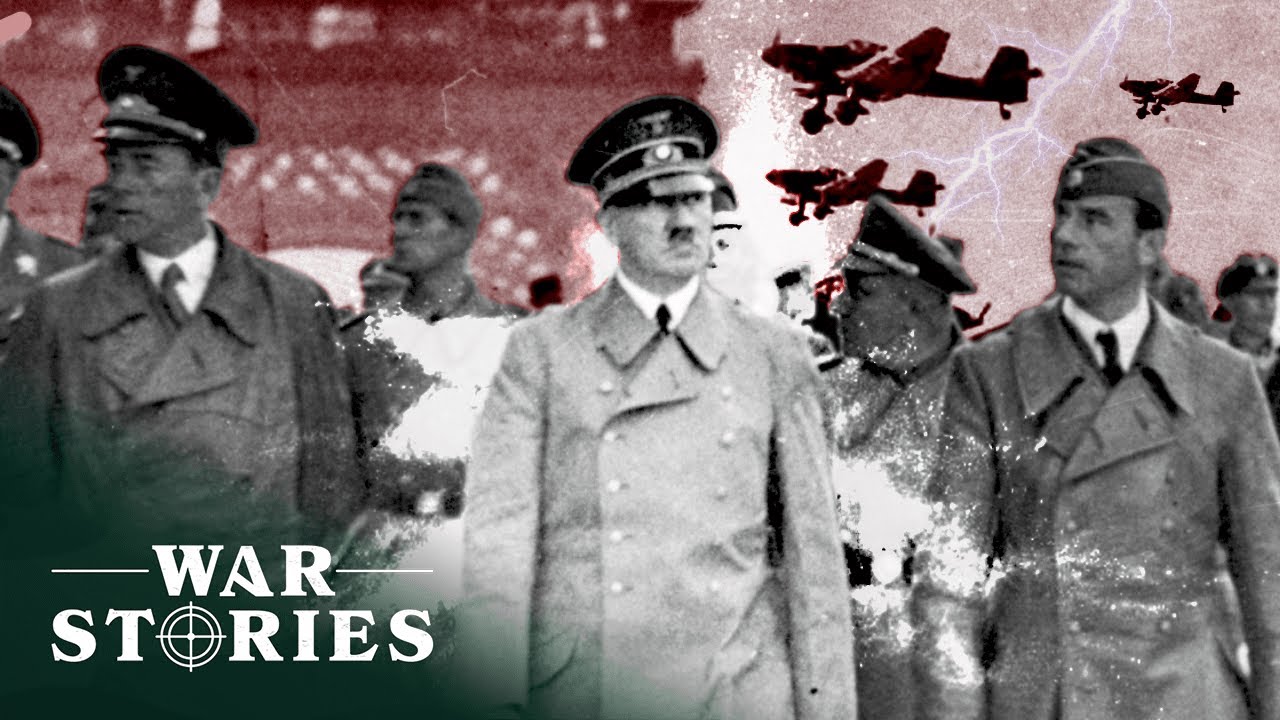
After Adolf Hitler discovered Obersalzberg in 1923, it became a key meeting place for him and his inner circle, including Eva Braun.
Scargill Castle, a 12th-century medieval site in Yorkshire/Durham, is examined by archaeologists Niall and Caroline to reveal its historical significance and original structure.
The Battle of Nagashino in 1575 marked a pivotal clash between Oda Nobunaga and Takeda Katsuyori, transforming Japanese warfare and history.
Simcha Jacobovici explores the significance of the red heifer prophecy and its connection to the Temple Mount in Jerusalem through various historical theories.
On February 15, 1942, Imperial Japanese forces captured Singapore, leading to the surrender of 80,000 British and Commonwealth troops in a significant military defeat.
In Wales, archaeologists reveal a 700-year-old medieval town featuring workshops and fortifications, alongside insights into ritual practices near Stonehenge.
A hidden mosaic of lakes, rivers, forests, and peat bogs lies south of Prague, in the heart of Europe.
Tony and the Team investigate Roman building remnants in Bedford Purlieus Wood, Cambridgeshire.
Grand Central Terminal serves as a vital transportation hub in New York City, showcasing its infrastructure, history, and the people who keep it operational.
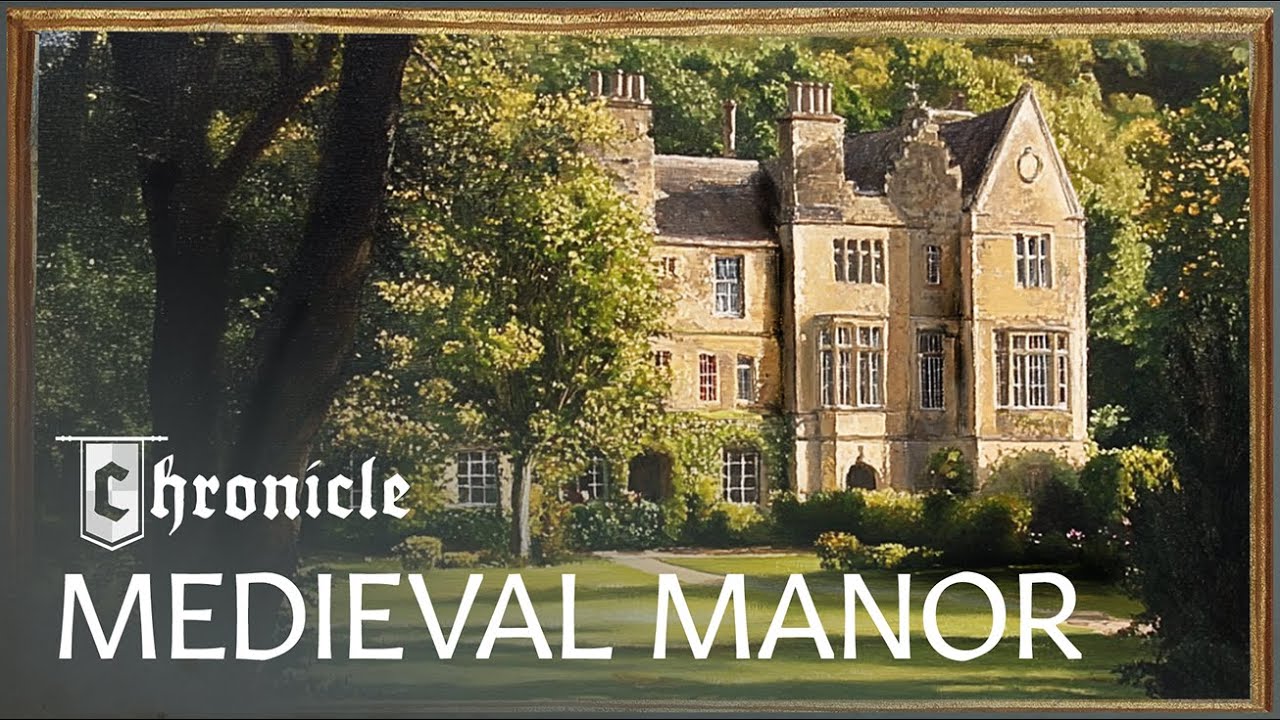
Owlpen Manor in the Cotswolds showcases its architectural history and medieval significance, featuring elements like the Great Hall.
In 1942, United States Marines engage in intense combat on Guadalcanal to halt the advance of Japanese forces following the attack on Pearl Harbor.
The F-117 Stealth fighter, known for its ability to evade enemy radar, gained prominence during the Gulf War in 1991.
The Battle of France marked a pivotal moment in WWII as Hitler's blitzkrieg advanced through Luxembourg and Belgium, leading to the Vichy Government's surrender.
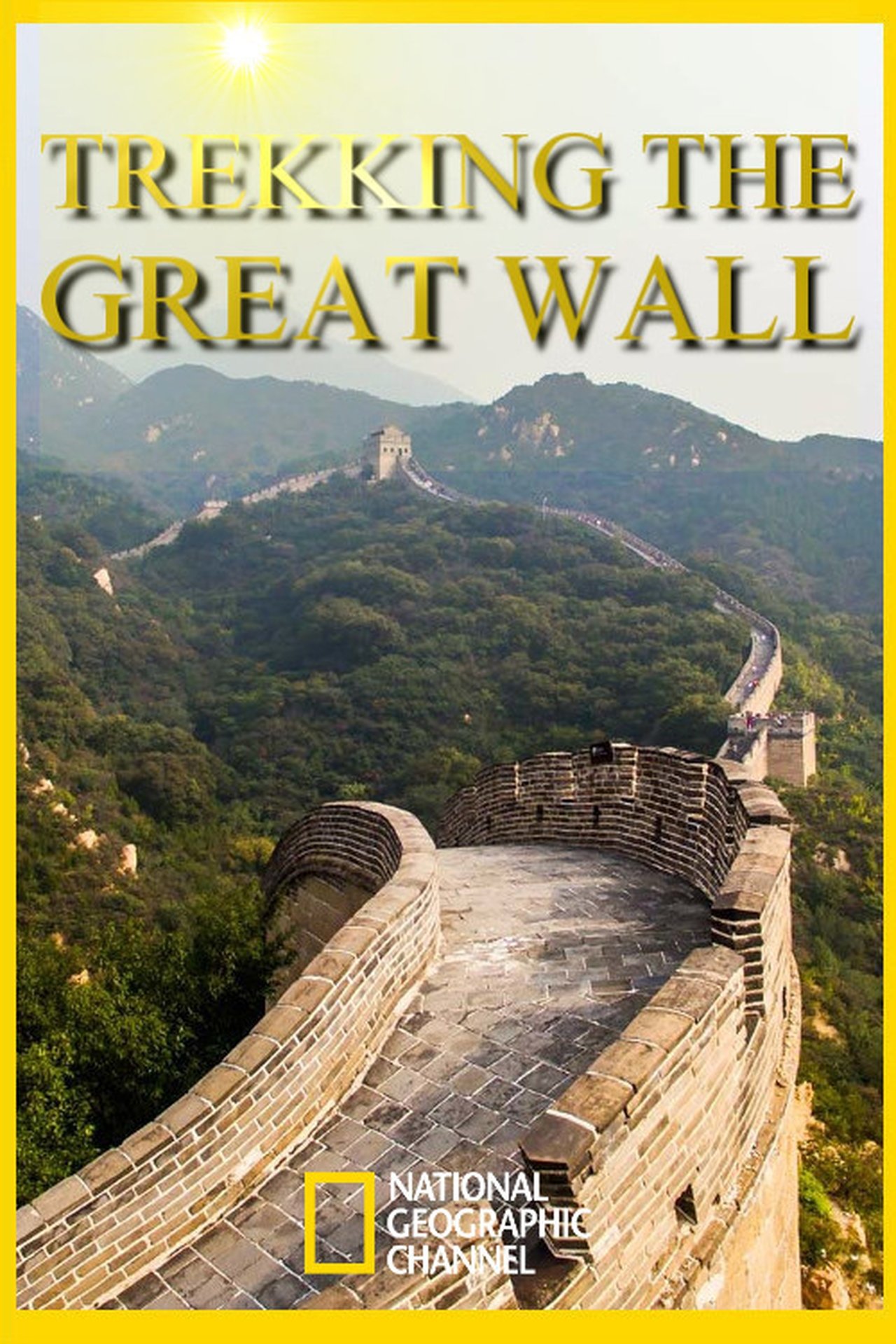
Over 4,000 miles of the Great Wall of China, built over 2,000 years ago, present significant engineering challenges and historical narratives.
Snodhill Castle, a long-overlooked stronghold in the borderlands of England and Wales, reveals a fortified design featuring a double-portcullis and a 14th-century panic room.
Shintoism and Confucianism, foundational belief systems in Japan and China, have ancient origins that continue to influence their societies today.
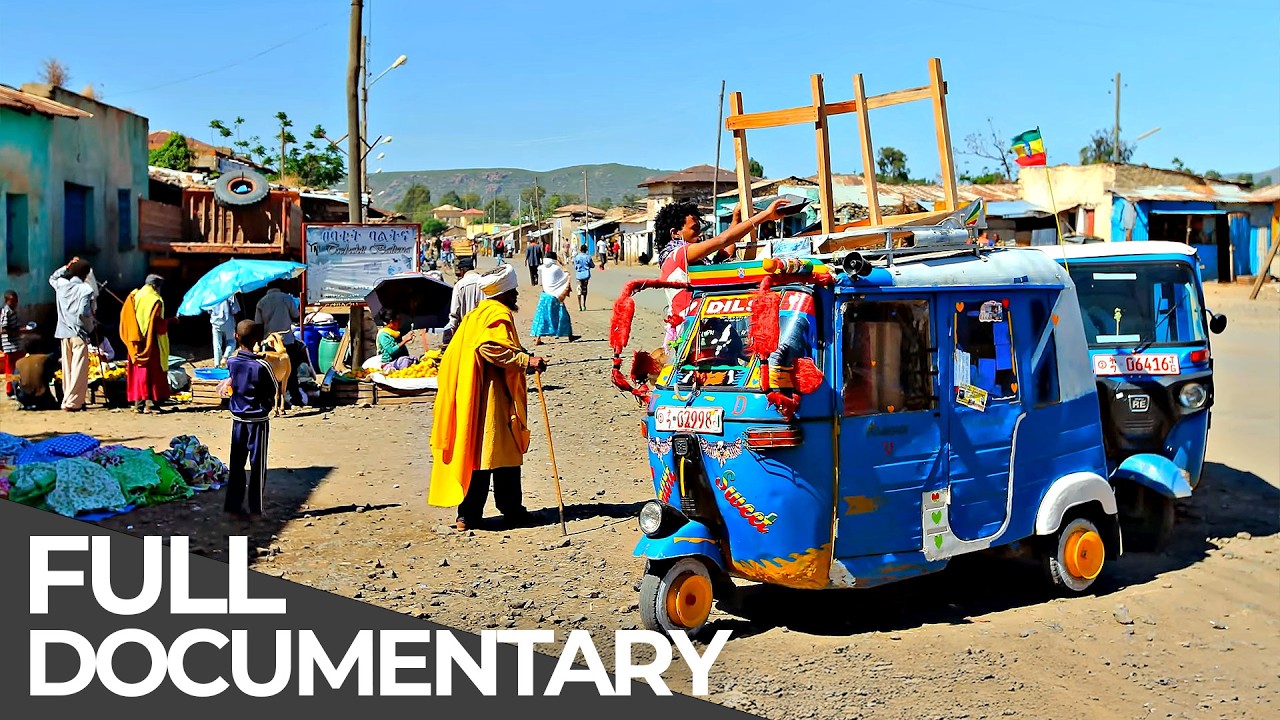
Ethiopia, one of the world's oldest nations, showcases its rich cultural, ethnic, and spiritual heritage amidst a backdrop of historical conflicts and natural beauty.
The Dunkirk evacuation in 1940 saw 338,226 Allied troops rescued from the beaches of France, significantly boosting British morale during World War II.
Ramses Station in Cairo, built in 1892 and named after Pharaoh Ramses II, serves as a vital transport hub, showcasing the complexities of modern logistics and culture.
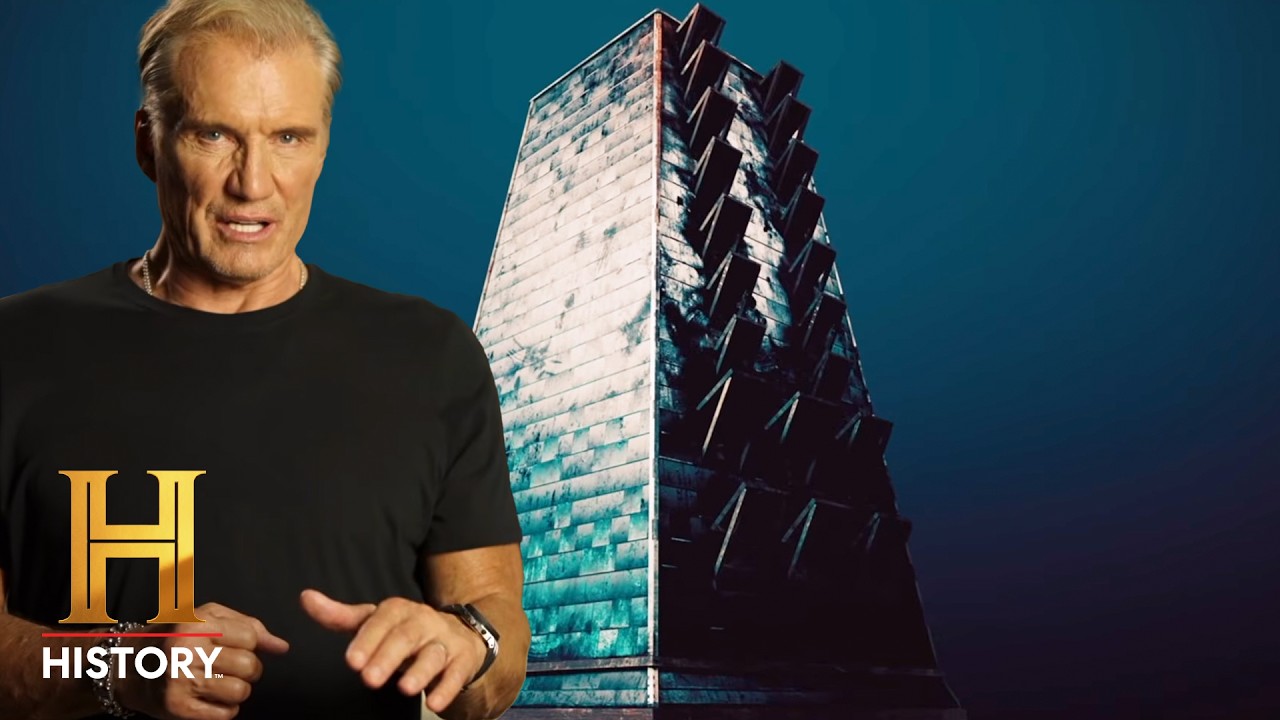
Dolph Lundgren explores the history and engineering of monumental machines, including the Antonov An-225 cargo jet and the WWII Maus tank.
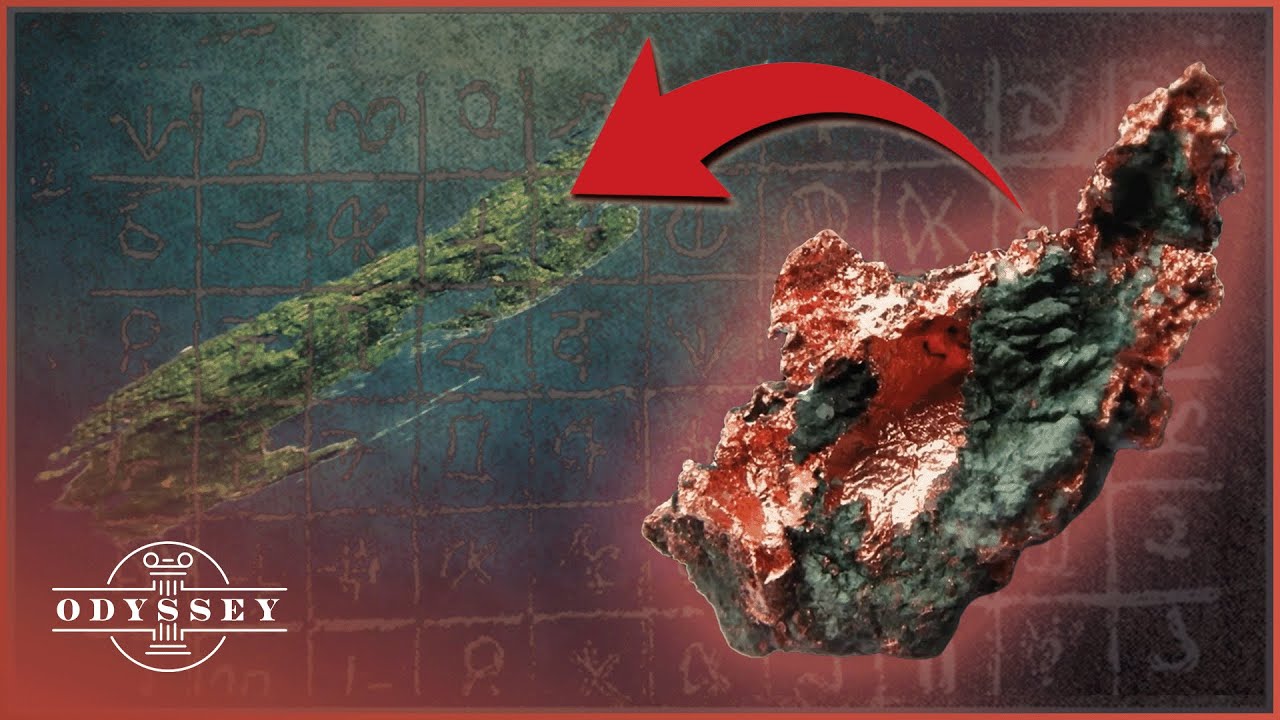
Scott Wolter investigates the significant removal of 1.5 billion pounds of copper from Lake Superior, linking it to a prehistoric civilization and the Bronze Age.
Recent excavations in Pi-Ramses, led by Professor Henning Franzmeier, reveal a palace and treasure room that highlight the legacy of Pharaoh Rameses II.
Groundbreaking inventions such as the electric light, motion pictures, and television are explored for their transformative impact on daily life.
In the Amazon rainforest, explorer Thierry Jamin investigates the legend of Paititi, the Inca Empire's rumored final refuge and its connection to El Dorado.
Vintage carnival games, clown booths, and rare circus memorabilia from America's golden age of the midway are featured by Mike Wolfe and Frank Fritz.
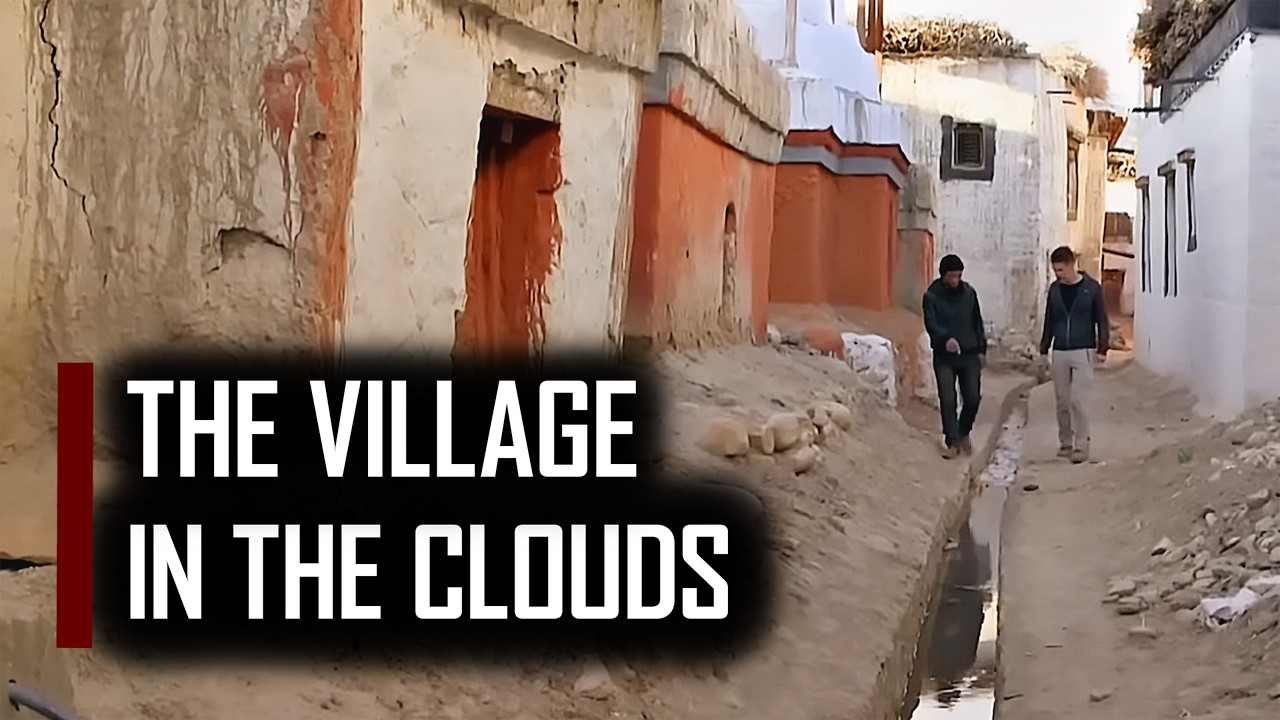
Lo Manthang, a remote walled city in Nepal’s Upper Mustang region, showcases unique mud-brick architecture shaped by Tibetan Buddhist traditions and high-altitude resilience.
On November 11, 2021, Arlington National Cemetery commemorated the 100th anniversary of the Tomb of the Unknown Soldier with a reading by author Jeff Gottesfeld.
South Africa's once-thriving railway network has deteriorated, leaving towns abandoned and the government grappling with the decision to sell or revitalize it.
Juneteenth's significance in American history is explored through the insights of historian Annette Gordon-Reed and Roy Young, CEO of James Madison’s Montpelier.
Jabez's prayer, found in the Old Testament Book of Chronicles, is analyzed for its theological implications and the ongoing debate among biblical scholars.
In Cornwall, a group of explorers investigates the region's forgotten mines, highlighting themes of community and self-discovery amidst their adventure.
The Tsaatan of Mongolia represent one of the last nomadic cultures, maintaining their traditional reindeer herding lifestyle amidst modern challenges.
Peter Monk and his team at the Spitfire Factory work to restore a rare Greek Air Force Spitfire in time for the 75th anniversary of D-Day.
Footage from the National Oceanic and Atmospheric Administration's Pribilof Islands Restoration Project highlights the cultural and environmental significance of the Pribilof Islands.
In June 1919, Admiral Ludwig von Reuter ordered the scuttling of the German High Seas Fleet at Scapa Flow, marking a pivotal moment in naval history and European politics.
Tiwanaku emerged as a remarkable cultural center in the southern Andes during the first millennium CE, showcasing advanced architecture and societal complexity.
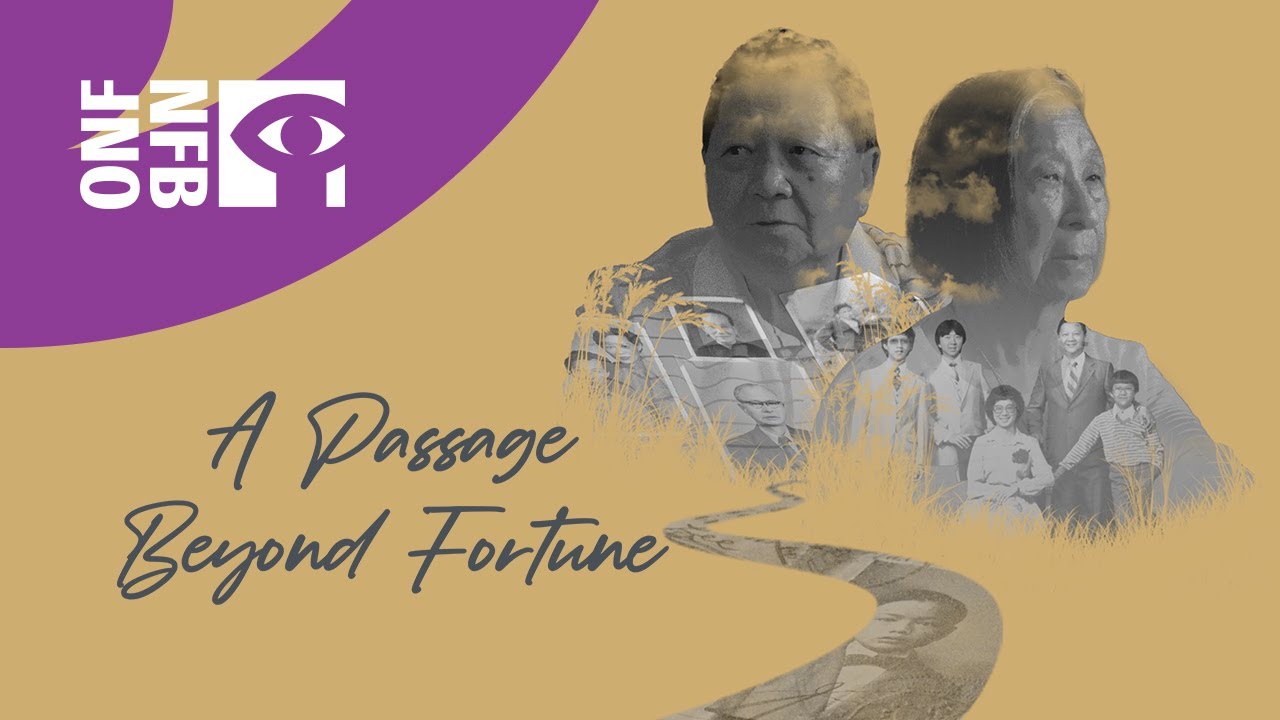
Through an intimate archive of the Chow family lineage, Moose Jaw's Chinese-Canadian communities are honored for their culturally significant yet overlooked history.
The National Archives Museum in Washington, DC, hosts an exhibit highlighting the impact of sports on American identity, featuring curator Alice Kamps and remarks from the Acting Archivist.
Babylon, an ancient city renowned for its cultural and historical significance, continues to captivate modern audiences with its rich legacy and enduring mysteries.
In 1919, Metz held public celebrations featuring parades and military honors for American General John J. Pershing and French General Philippe Pétain.
The "Green Book" listed more than 9,500 places where Black travelers could find safe accommodations during a time of widespread segregation.
Ninety percent of Tunisia's population participated in the country's first free elections, with many waiting hours to cast their votes.
Photographer Alex Iacob explores Romania's abandoned breweries, deserted cinemas, and forgotten spa towns, highlighting their architectural heritage and preservation needs.
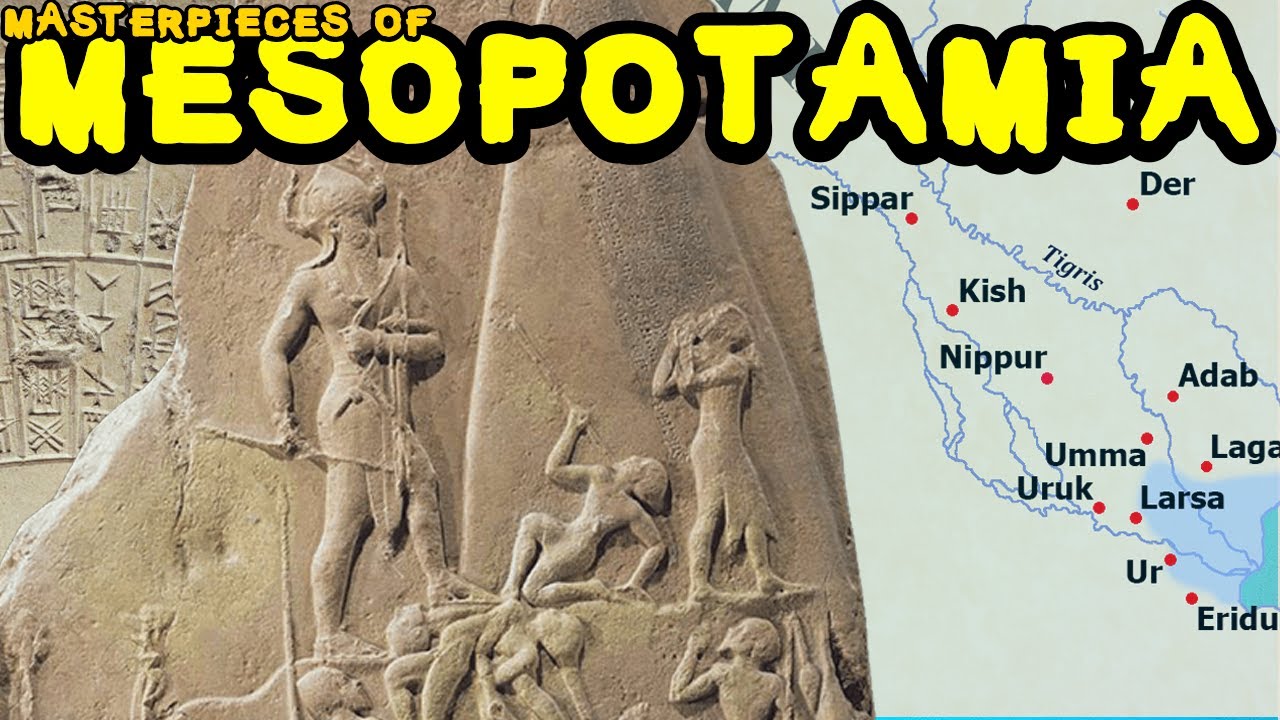
The Victory Stela of Naram-Sin stands as a testament to the artistic and historical significance of the Akkadian Empire in ancient Mesopotamia.