From over 100,000 films, discover the handful you'll love.
Free or premium access to the world's largest documentary library.
101 films(Page 2 of 3)
Oceans, covering 71% of the Earth's surface, are home to diverse life forms, from massive whales to tiny crustaceans, revealing their ecological significance.
Doñana National Park in Andalusia, Spain, features diverse ecosystems and migratory birds.
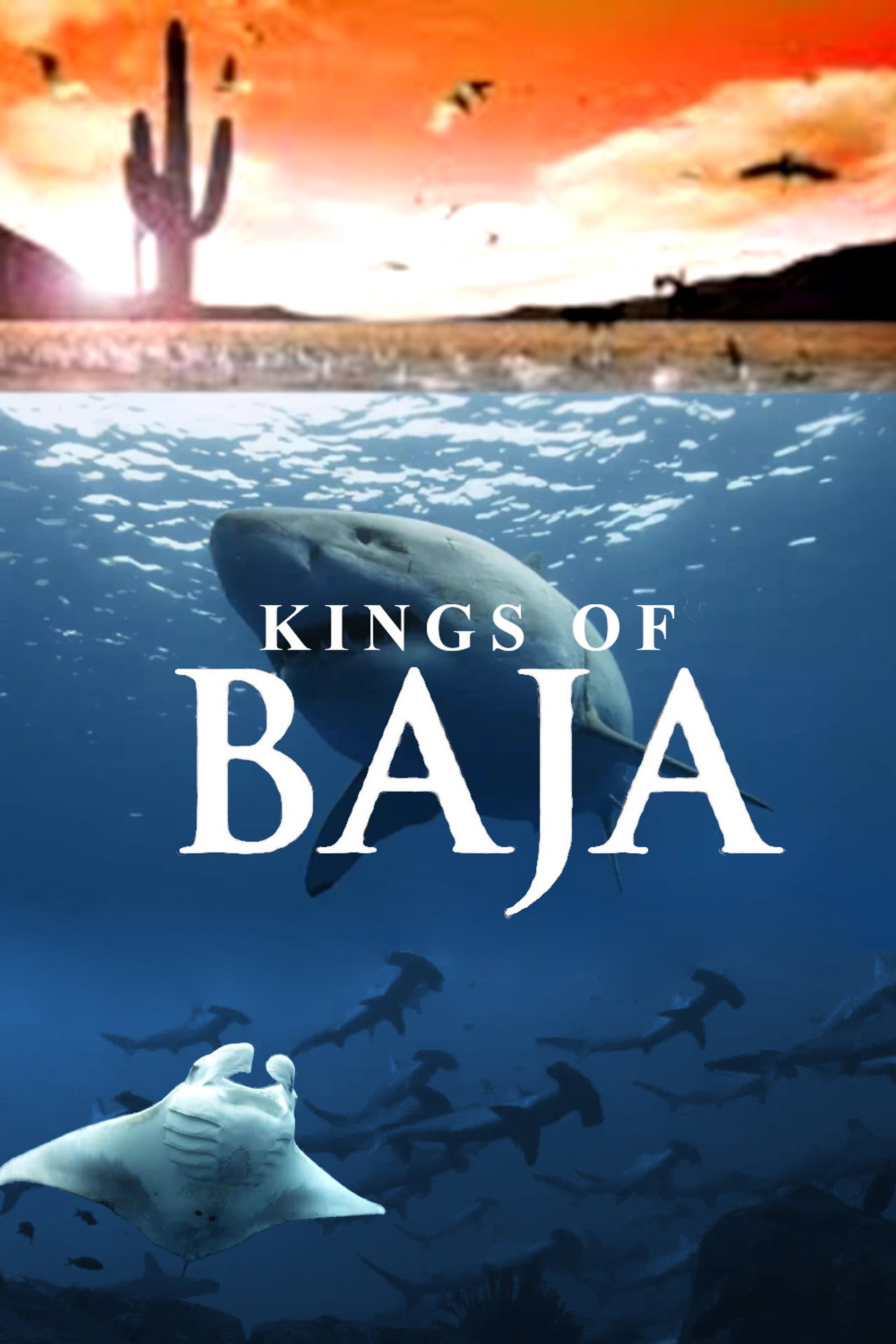
Baja California, Mexico, spans 800 miles and features ecosystems shaped over 10 million years, including the rich marine life of the Sea of Cortez.
Monarch butterflies and Saint Francis' satyr face critical threats from habitat loss and climate change, prompting urgent conservation efforts to protect these vital insects.
Only about 1,100 species of birds live in and around waterways, each with unique adaptations for survival in various aquatic environments.
Only 25% of the Ebro Delta remained untouched by human activity by 1983, prompting the creation of a natural park to ensure its conservation.
North America's diverse wildlife, from Wyoming's bison to Arizona's grasshopper mice, showcases remarkable survival strategies amid harsh environments.
African elephants, along with various record-breaking animals, showcase the extraordinary capabilities of nature's most successful survivors.
Old cars, once seen as mere wrecks, now serve as habitats for diverse wildlife, highlighting the intersection of nature and human-made relics.
Invasive species like raccoons, tiger mosquitoes, and grey squirrels pose significant challenges to agriculture and public health while also offering unexpected benefits in ecosystems.
The BBC Earth team presents 15 minutes of serene footage featuring diverse ecosystems and wildlife from Planet Earth III, showcasing nature's beauty.
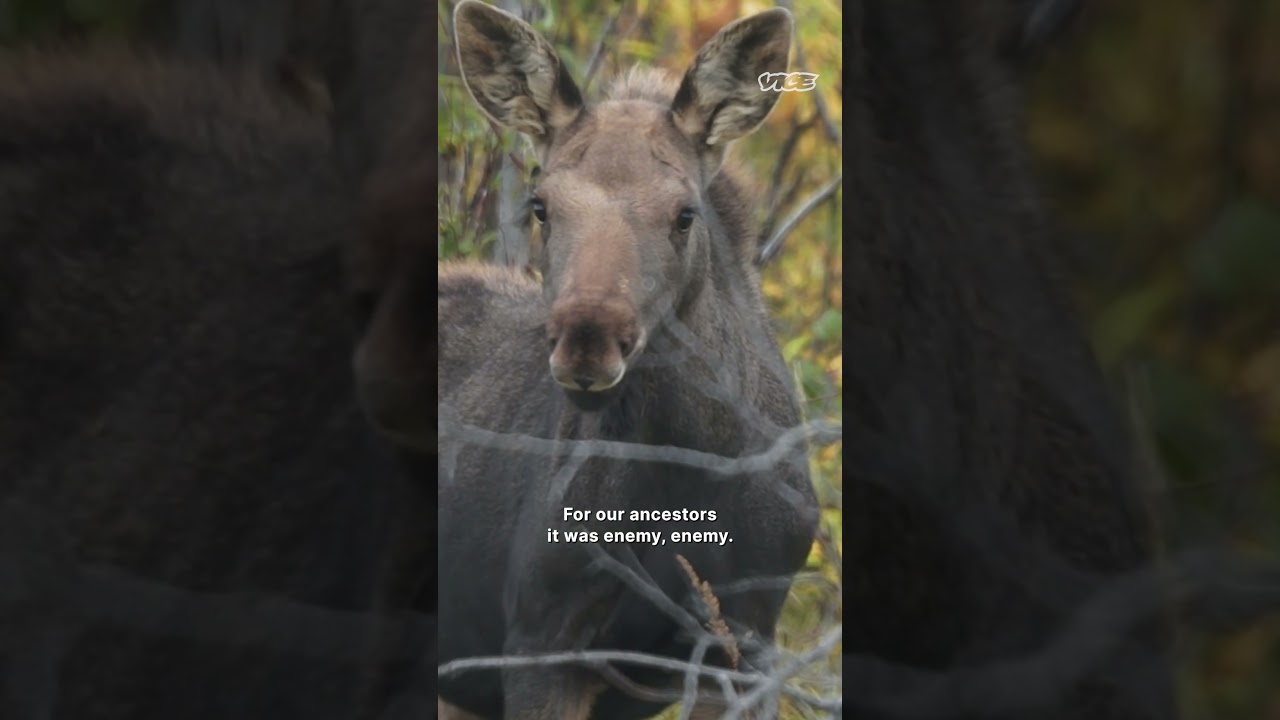
Pleistocene Park in Siberia features a Russian geophysicist's plan to restore Ice Age ecosystems by reintroducing extinct species to combat climate change.
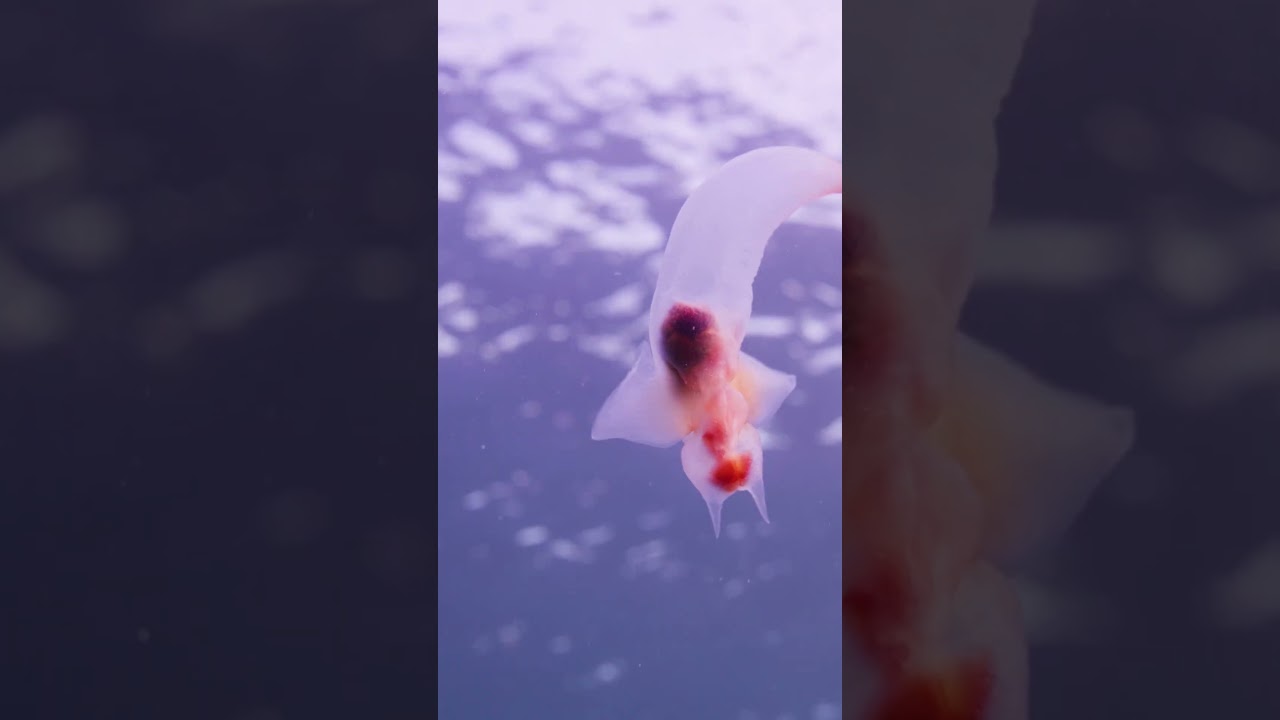
Clione limacina, a unique marine creature, is examined through the expertise of scientists and filmmakers from National Geographic, highlighting its habitat and role in marine ecosystems.
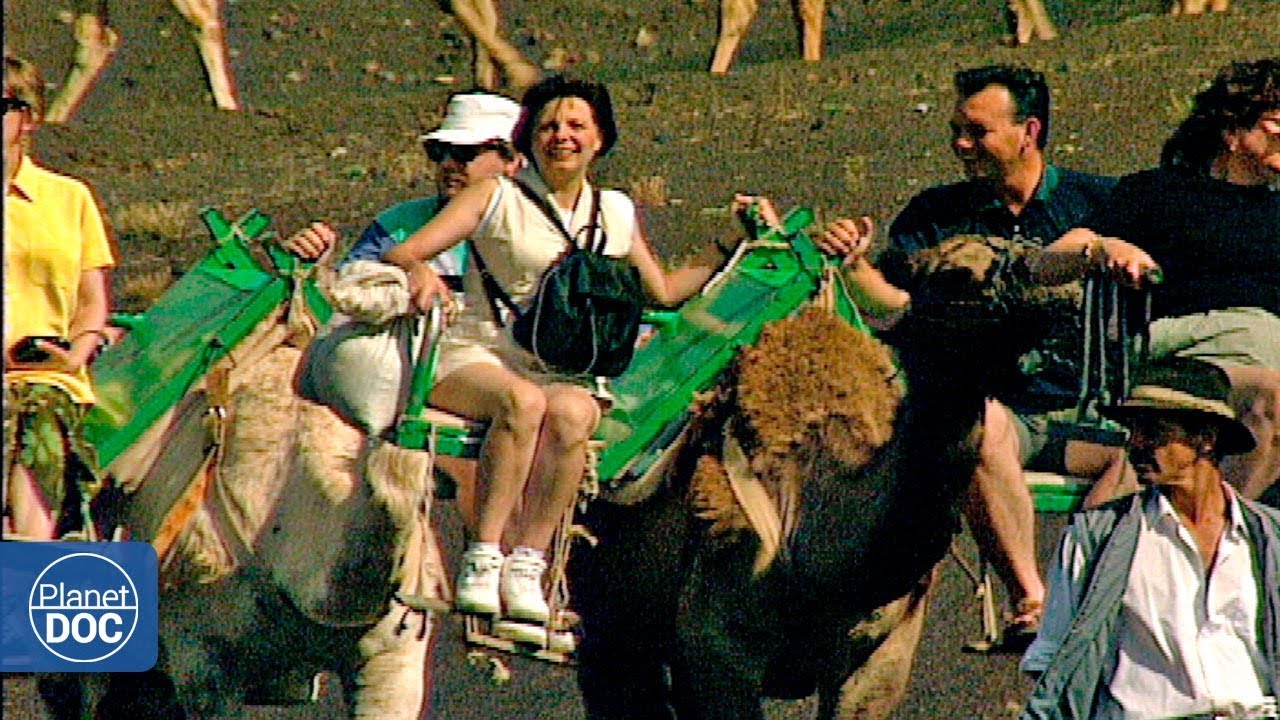
Eighteen eruptions have occurred in the Canary Islands over the last 500 years, shaping the land and creating unique ecosystems.
Coral grows slowly, about six inches a year, facing threats from global warming and pollution.
The Essequibo River in Guyana, one of South America's longest rivers, supports diverse wildlife and plays a crucial role in local ecosystems.
The Rhine's drought leads to low water levels, impacting transport and local ecosystems.
A vast slow-moving river of grass, 60 miles wide and 100 miles long, meanders through South Florida, forming the Everglades' diverse ecosystems.
A single asteroid is known to have caused the extinction of the dinosaurs and triggered mass extinction.
Fungi play a crucial role in ecosystems by feeding on their environment and interacting with other life forms, including humans, as potential hosts.
Illegal logging threatens Indonesia's vital mangroves, impacting local livelihoods and ecosystems.
Over half of the original forests on Earth have been destroyed, with 45% of rainforests now classified as wasteland.
Lake Manyara National Park in Tanzania features a diverse array of wildlife supported by ecosystems formed around the lake, which originated from the Rift Valley's development.
Lake Manyara National Park in Tanzania features a diverse array of wildlife and ecosystems shaped by the lake's formation from the Rift Valley millions of years ago.
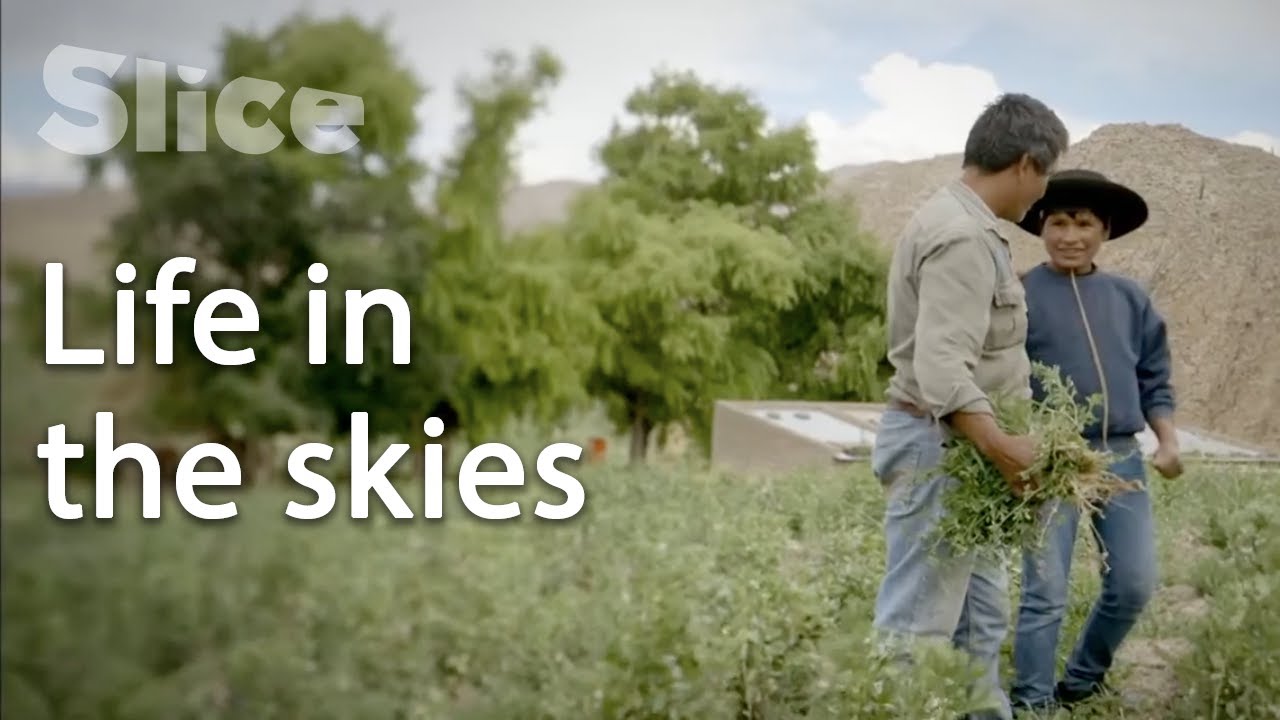
Life thrives above flat Patagonia in the Andes Cordillera, showcasing unique ecosystems.
Madagascar, an island in the Indian Ocean, is home to unique lemurs and diverse ecosystems.
One million of the estimated eight million species on Earth are at risk of extinction, with populations of mammals, birds, and fish declining by 68% on average since 1970.
Invasive species thrive in a world without humans in Season 1, Episode 5 of Life After People.
José Loaiza explains how the Asian tiger mosquito rapidly colonized Panama.
More than 25,000 large mammals inhabit the Ngorongoro Crater during the rainy season, thriving in its unique ecosystems and abundant resources.
More than 25,000 large mammals inhabit the Ngorongoro crater during the rainy season, attracting one of Africa's highest concentrations of predators.
Massive extinctions reshape life on Earth, revealing humanity's role in ongoing species loss.
64,660 hectares of the Picos de Europa National Park in northern Spain protect diverse ecosystems and wildlife, including beech forests and alpine meadows.
In remote forests, the last woodsmen face the dual threats of deforestation and climate change while striving to preserve vital ecosystems.
Between 2000 and 2030, an estimated 30 million hectares of land, equivalent to the size of Poland, will be vacated by farmers.
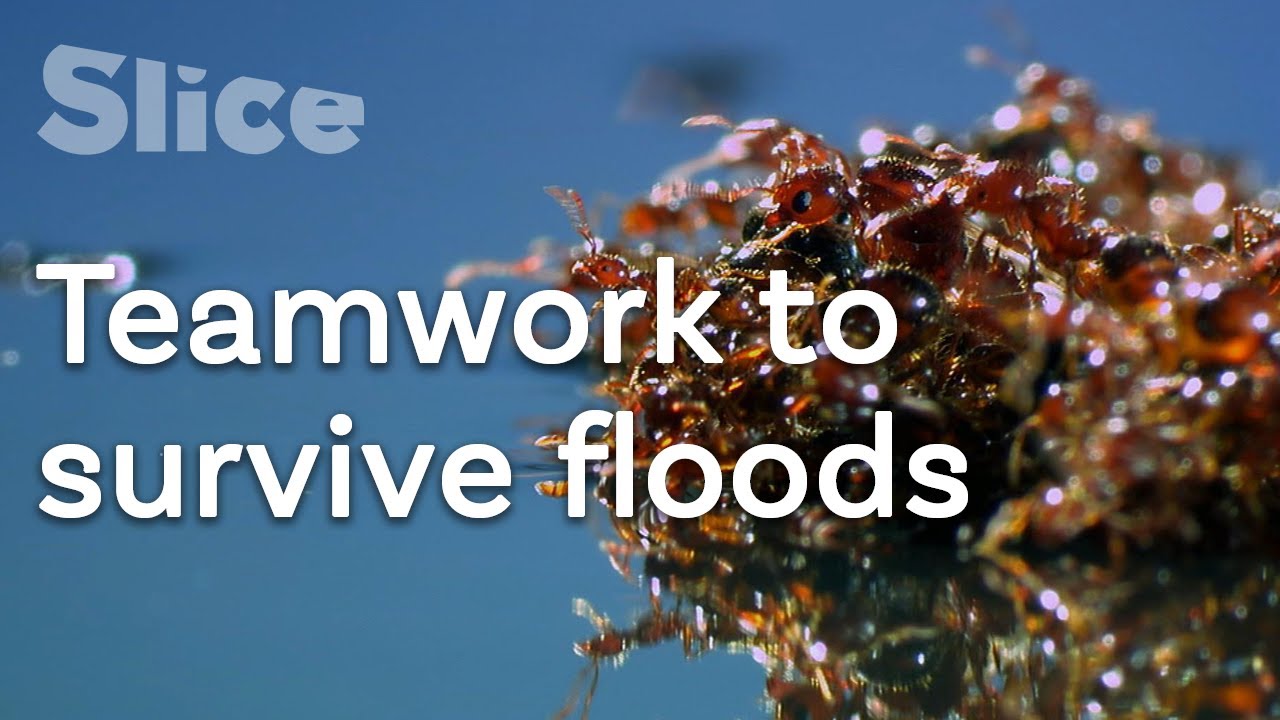
The fire ant, Solenopsis Invicta, ranks among the hundred most devastating invasive species.
Crocodiles have survived for over 230 million years, adapting through multiple extinction events and significant environmental changes.
In the Galapagos Islands, world-class scientists and filmmakers from National Geographic explore unique ecosystems, ancient civilizations, and conservation efforts.
In the Blue Planet archive, BBC Earth revisits the diverse marine life and ecosystems that inhabit the world's oceans, showcasing their beauty and complexity.
Only 25 percent of the Ebro Delta remained untouched by human activity by 1983, prompting the creation of a natural park to ensure its conservation.
1.7 billion years ago, precambrian rock formed in the Colorado Rockies, shaping the land long before life as we know it existed.
Various animal species exhibit intricate behaviors and survival strategies across diverse ecosystems, emphasizing the significance of biodiversity and conservation.
On March 28, 2005, the first litter of Iberian lynx was born in captivity, marking a significant milestone in conservation efforts at Doñana National Park.
Shells serve as protective structures for numerous marine and terrestrial species, influencing food chains and habitats across various ecosystems.
Earth's sixth mass extinction, driven by human activity, threatens biodiversity as up to 58,000 species vanish annually, prompting calls for innovative solutions like De-Extinction.
Steven Fuller has lived in Yellowstone National Park for 50 years, serving as its winter caretaker while facing the impacts of climate change.
Up to 40-pound Asian carp jump out of the water, posing dangers to boaters while local residents compete to catch as many as possible on the Illinois River.