From over 100,000 films, discover the handful you'll love.
Free or premium access to the world's largest documentary library.
101 films(Page 1 of 3)
Over 300 million tons of plastic are produced globally each year, impacting ecosystems and human health across the planet.
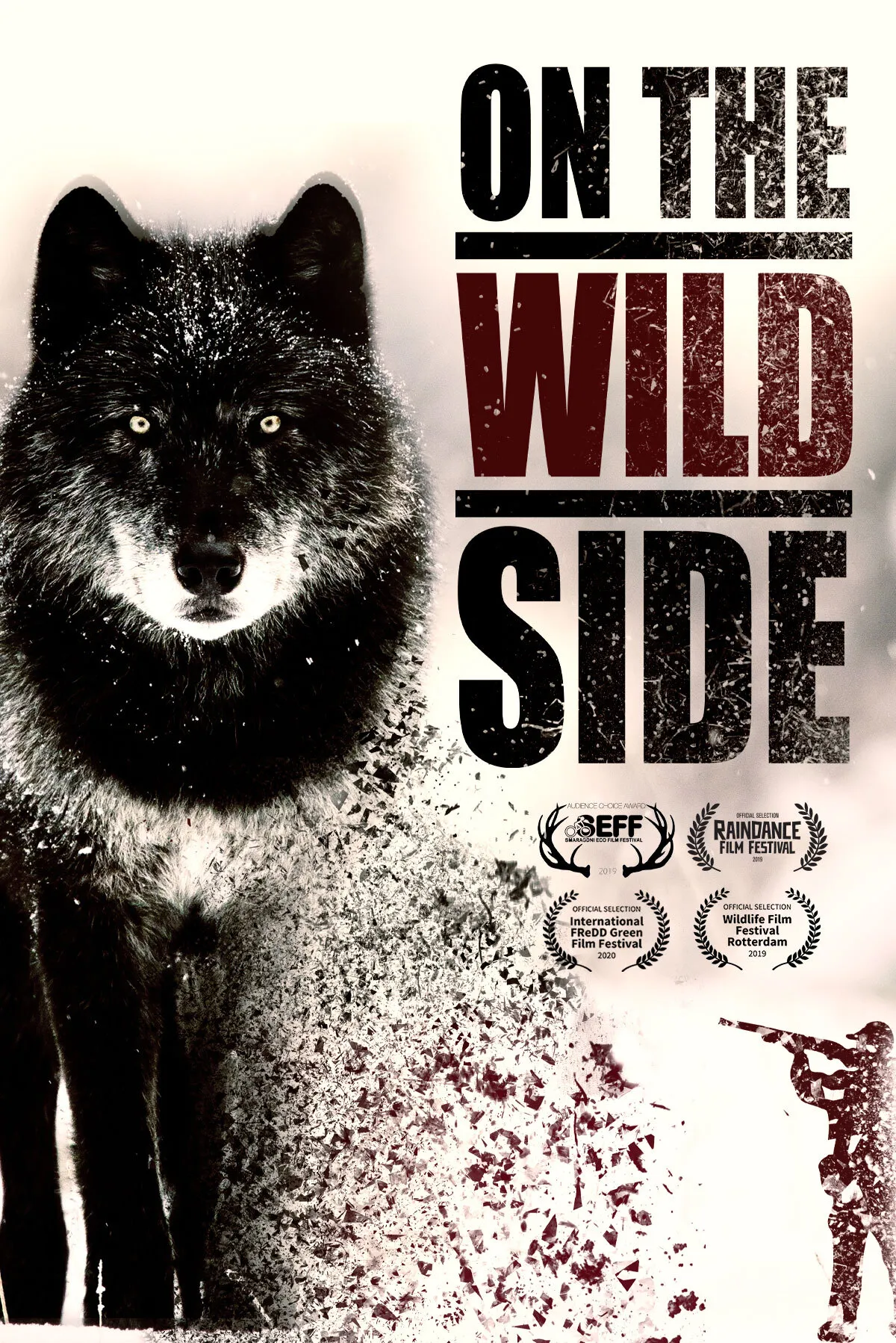
Former hunter Giacomo Giorgi reflects on hunting's impact on extinction and ecosystems, featuring insights from activists and lawmakers in the anti-hunting movement.
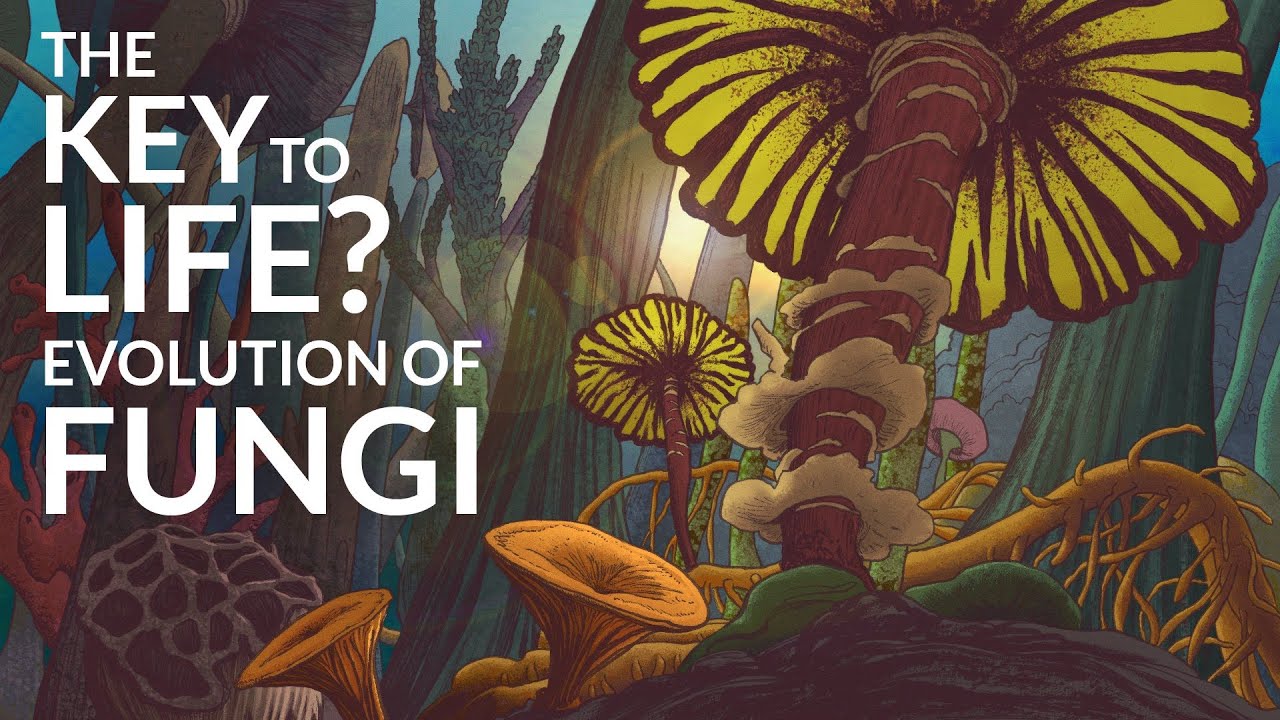
Fungi reached heights of eight meters during the Devonian period, dominating the early terrestrial world with their massive structures.
More than four million visitors each year are drawn to the Greater Blue Mountains, a World Heritage Area spanning over one million hectares.
Everglades National Park spans 1.5 million acres and protects a unique ecosystem that includes the only dolphins known to hunt by creating muddy nets.
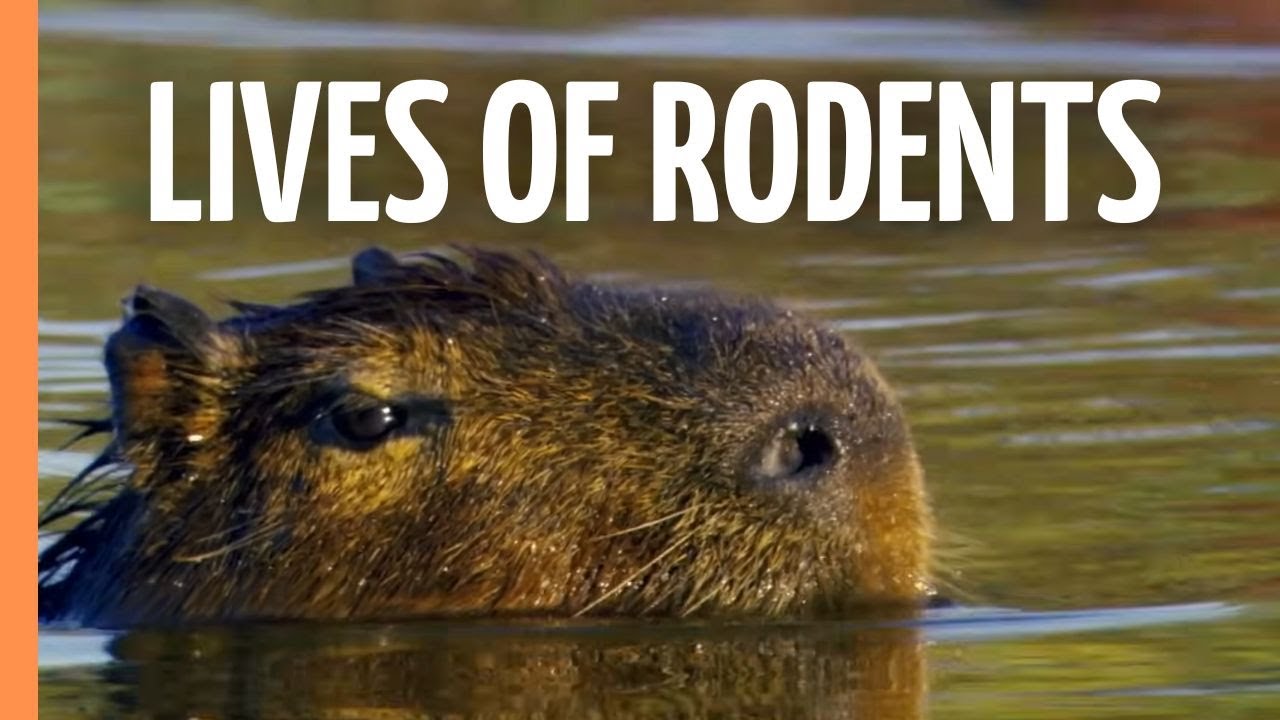
Rodents shape the world around them, surviving extremes and enriching ecosystems.
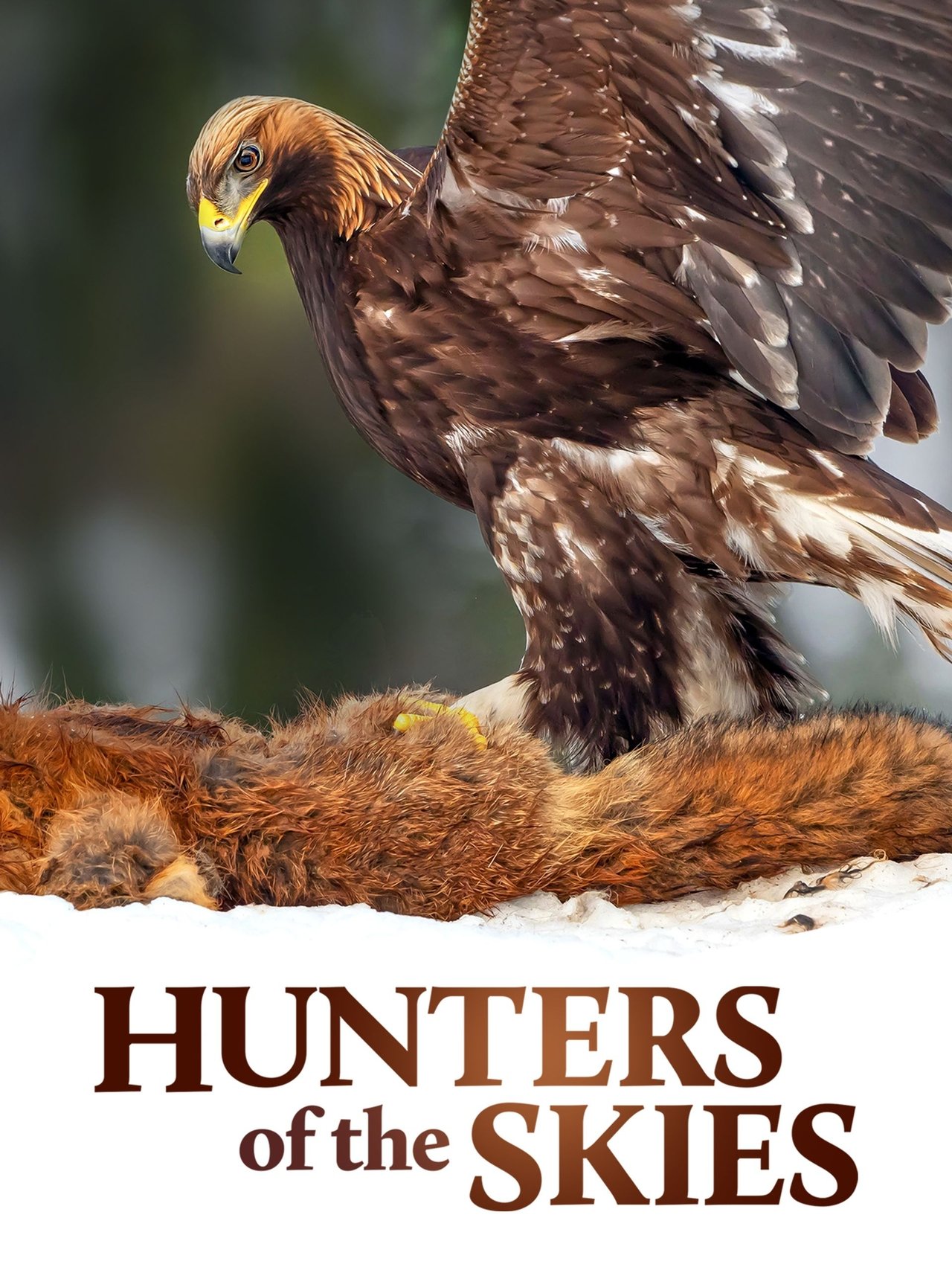
Hawks, buzzards, and eagles adapt to habitats ranging from the Sahara Desert to the Amazon Rainforest, demonstrating diverse hunting techniques.
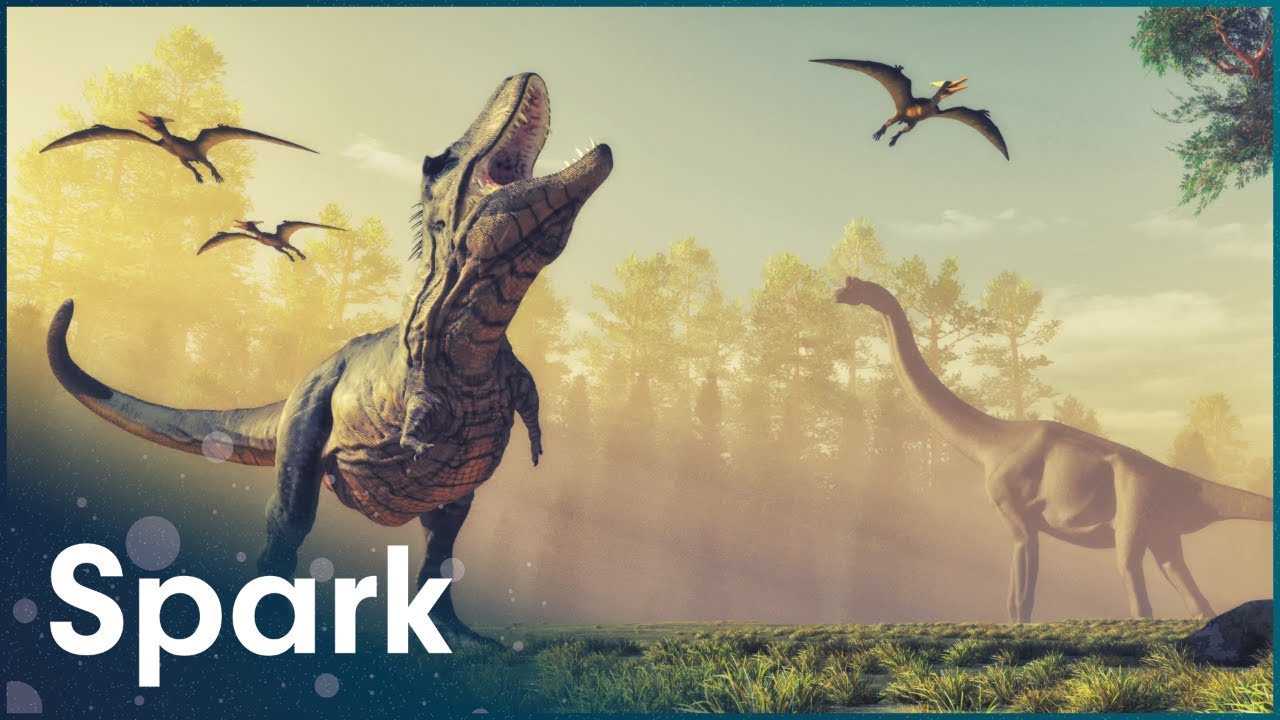
Dinosaurs, the iconic rulers of the Mesozoic Era, evolved through complex processes that shaped their dominance on Earth millions of years ago.
K’gari, the largest sand island in the world, showcases its diverse ecosystems, including rainforests, lakes, and unique wildlife like dingoes and humpback whales.
Fossils trapped in amber provide invaluable insights into the ecosystems of the dinosaur era, preserving ancient plants and animals for scientific study.
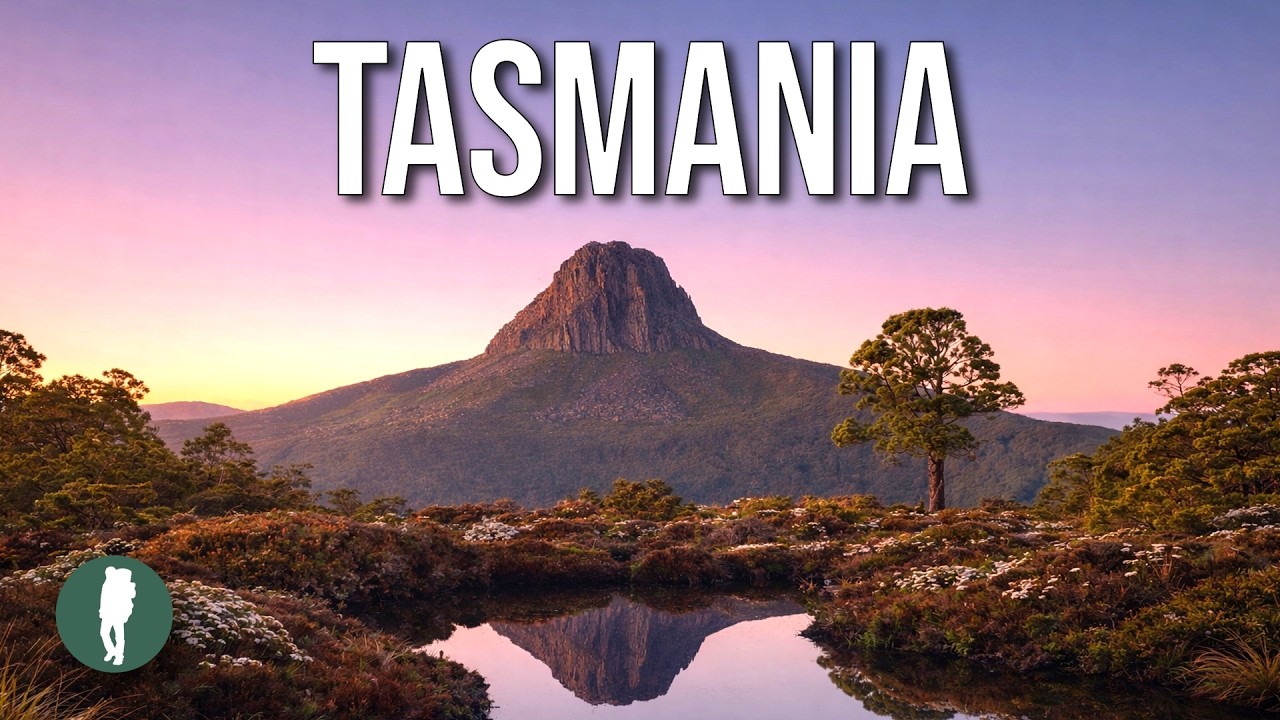
Tasmania's unique wildlife, including Tasmanian devils, white wallabies, and golden echidnas, has evolved over 12,000 years of isolation from mainland Australia.
Caucasus Mountains showcase stunning landscapes and diverse ecosystems, linking Europe and Asia through dramatic peaks, forests, and historical landmarks.
Insects conquer diverse environments, showcasing their unique adaptations and success in nature.
Insects exhibit remarkable behaviors and adaptations, showcasing their complex life cycles and ecological roles in various environments around the world.
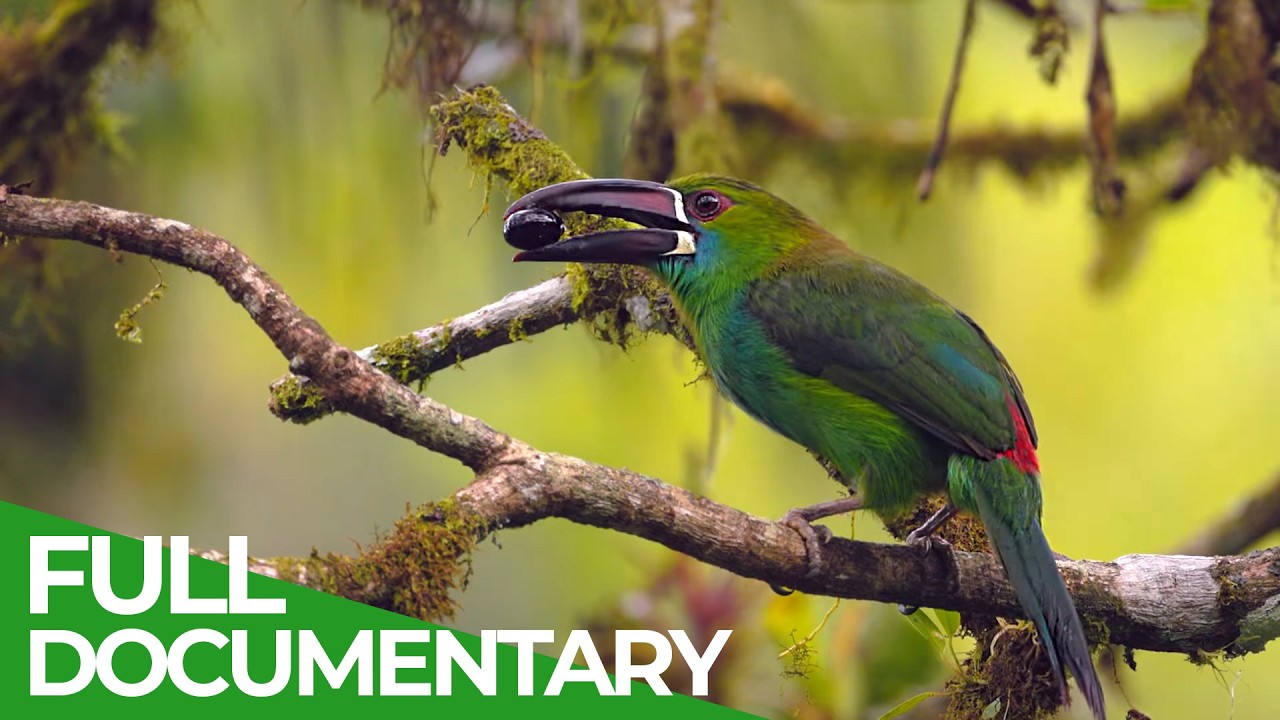
Ecuador's Amazon rainforest covers the eastern third of the country at an average elevation of 300 meters, while the Andes rise to nearly 6,000 meters.
Evolution of life on Earth began with a single cell, leading to an estimated 10 to 100 million species, many of which remain undiscovered!
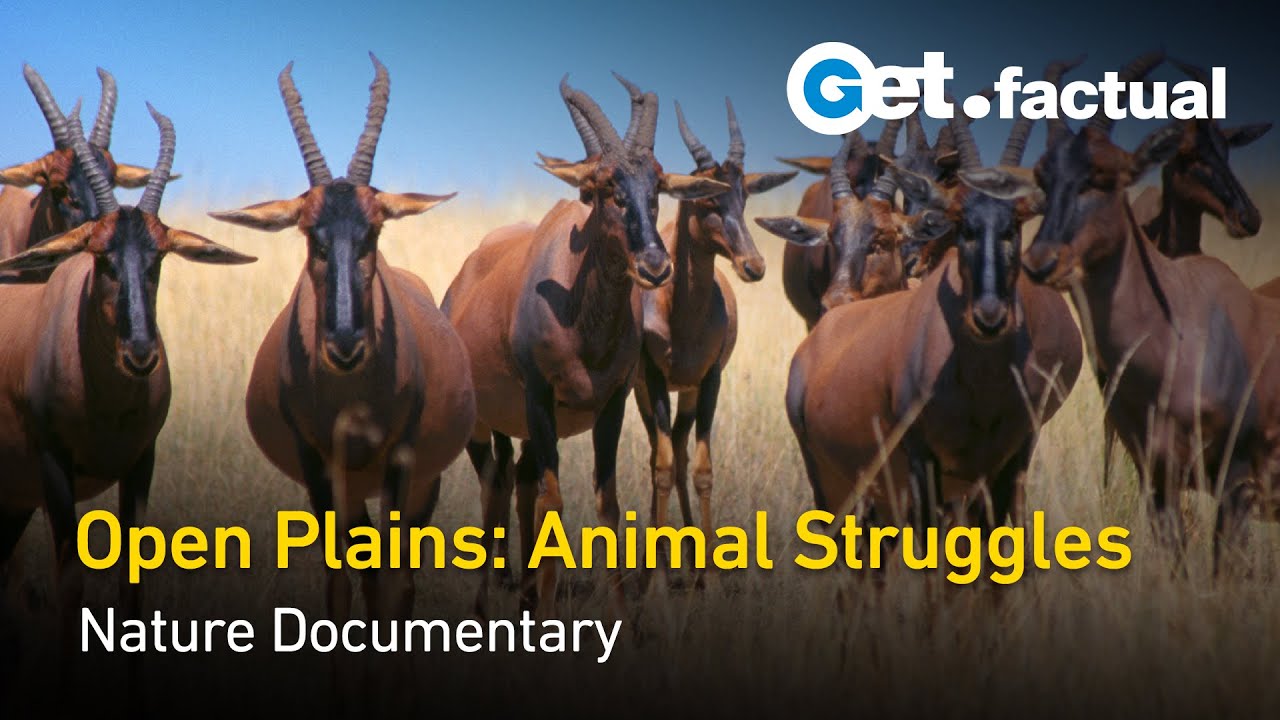
Animals on the plains face predators and must use strategy to survive in open spaces.
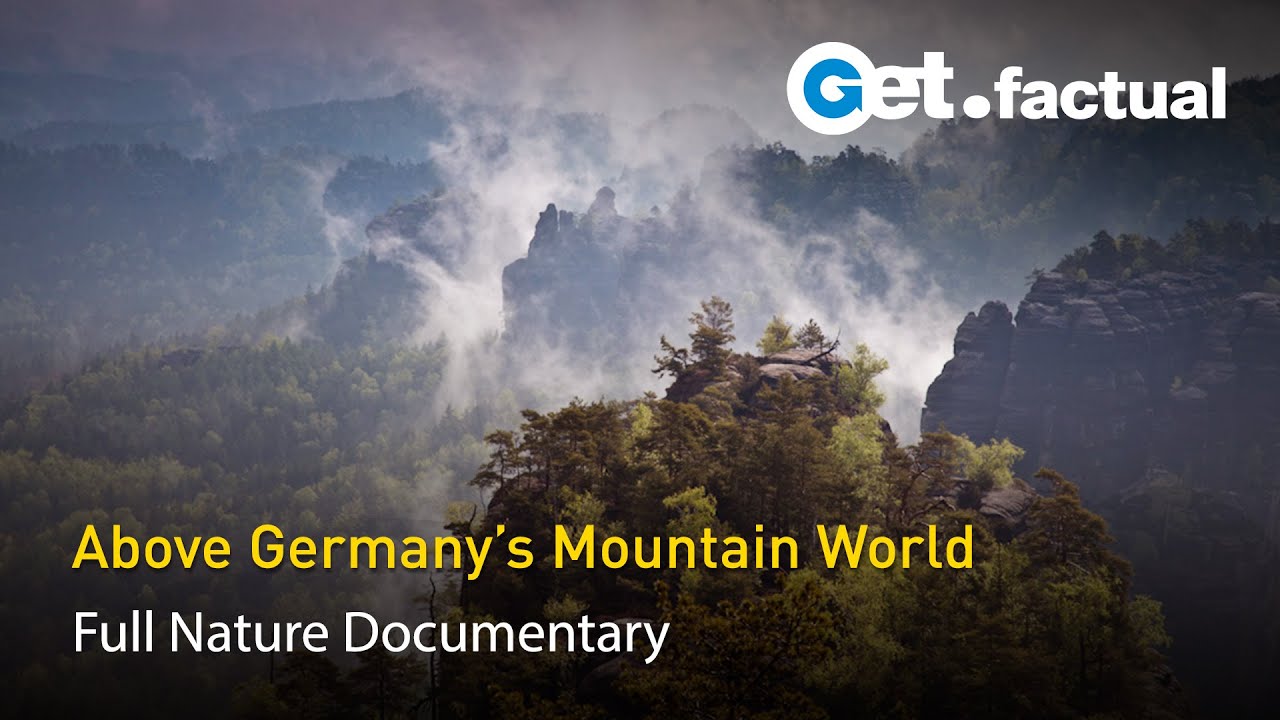
Germany’s mountain regions, including Saxonian Switzerland, the Palatinate Forest, and the Harz, shape local culture and showcase diverse ecosystems and historical significance.
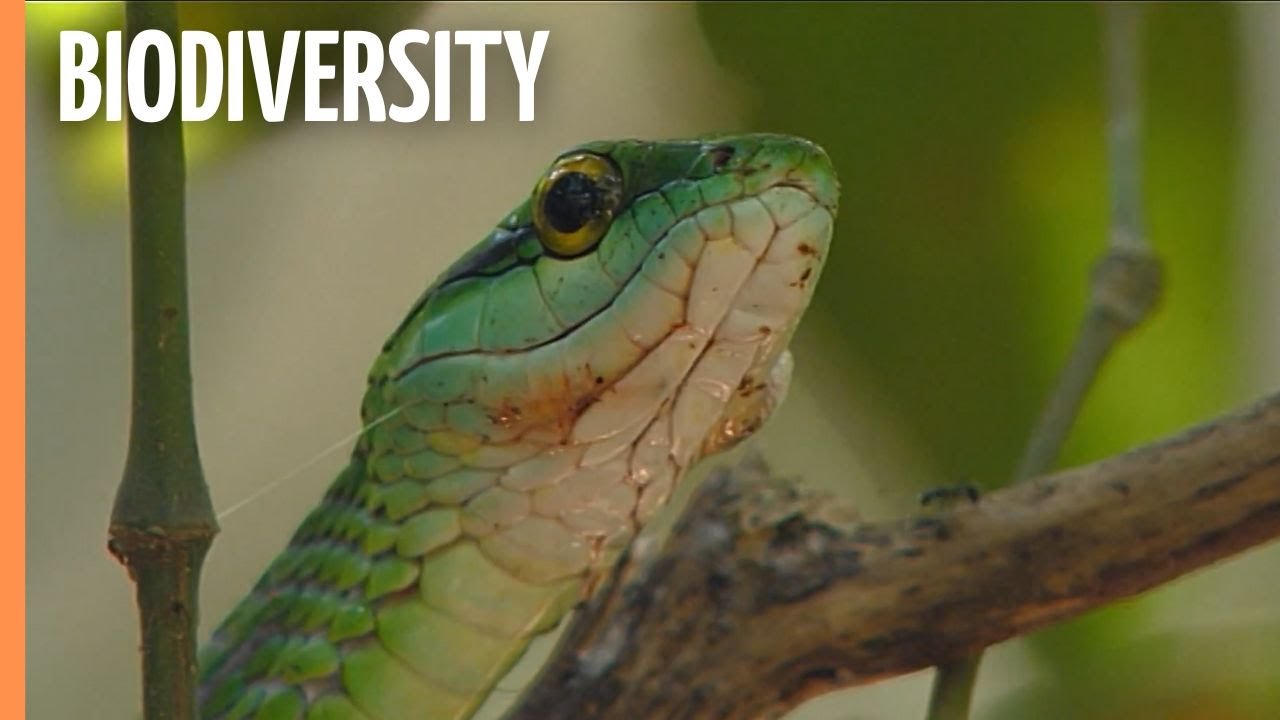
Costa Rica showcases its rich variety of biodiversity and conservation efforts in Corcovado National Park.
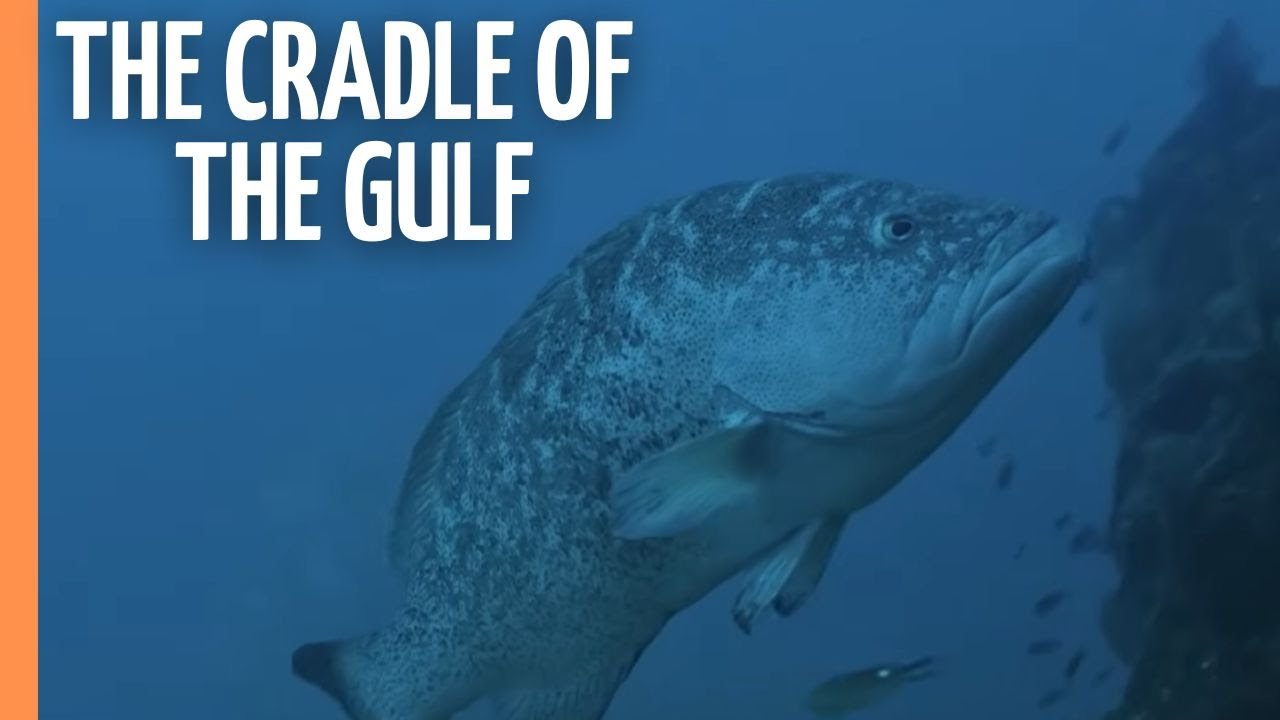
Jacques Cousteau calls this region the 'aquarium of the world' in northwest Mexico.
Bison in North America, giraffes in Africa, and koalas in Australia illustrate the essential roles wild creatures play in maintaining their ecosystems.
Globalisation threatens the tribes of the Omo Valley and their traditional lifestyles.
Mangroves in Brazil's tropical coasts face threats from the shrimp industry today.
Life couldn't survive without water, and creatures here are born to swim and thrive underwater.
Rapidly melting ice sheets in the Arctic and Antarctic reveal critical climate change indicators, prompting scientists to study their ecological impacts and ancient secrets.
The Mediterranean Basin, a biodiversity hotspot, showcases unique ecosystems and highlights the urgent need for conservation amid human impact over 8,000 years.
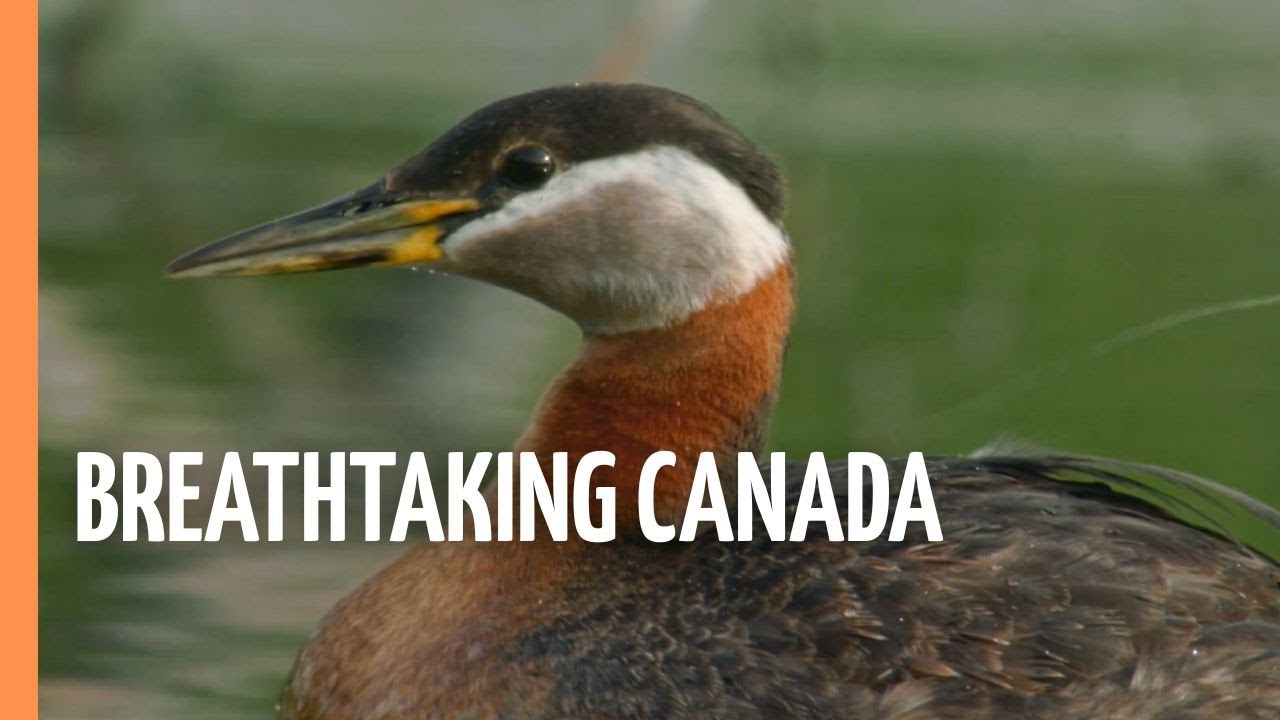
The prairie First Nations of Canada have shaped the landscape for millennia, using controlled burns to maintain habitats for the North American bison.
In Costa Rica, scientists study endangered jaguars using photo-identification while addressing the threat of a deadly fungus affecting local frog populations.
Nearly 40 wild relatives of domestic sheep, ranging from gazelle-like chamois to shaggy muskoxen, showcase remarkable adaptations and behaviors essential to their survival.
Bali's unique ecosystems and their cultural significance are explored through vibrant natural scenes and the daily lives of local inhabitants in Indonesia.
A mother hedgehog cares for her hoglets while a dragonfly hatches, revealing the intricate life in European gardens and forests.
Wolves can reach speeds of up to 60 km per hour while hunting in packs of four to ten members, using teamwork to take down prey.
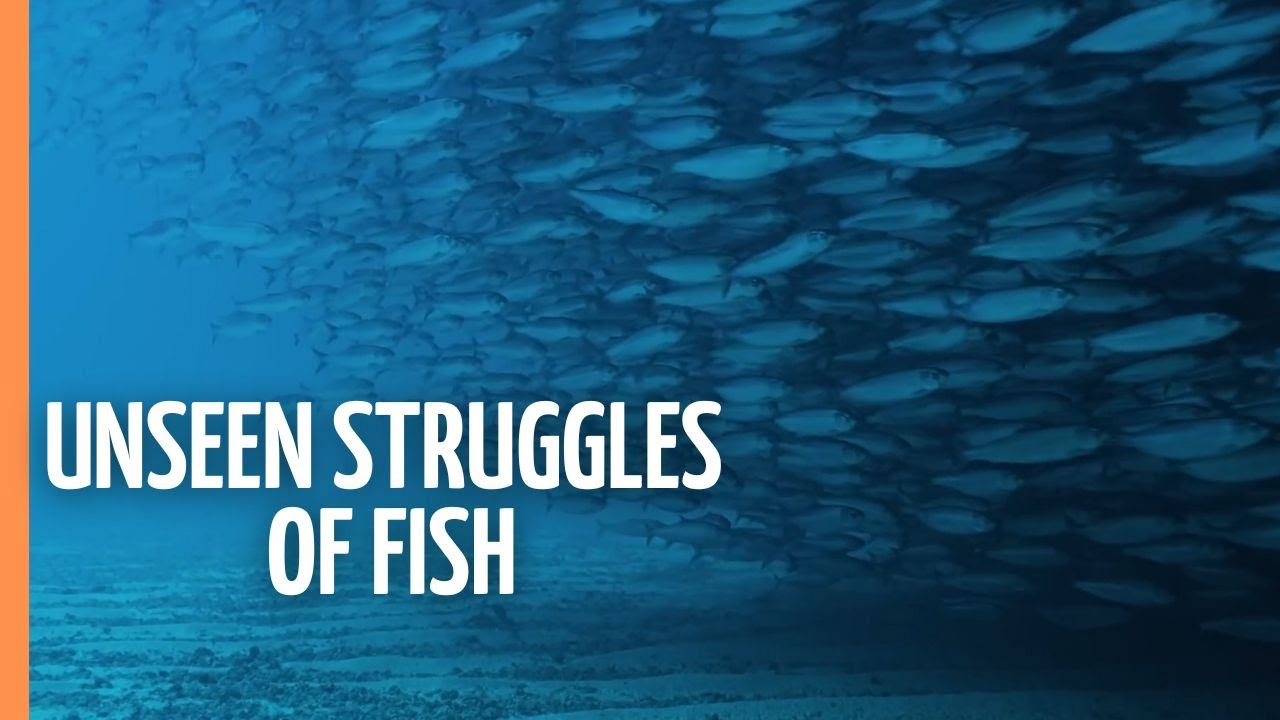
Nearly 40 million tons of fish are harvested every year, but many populations face overfishing and threats to their survival.
A combine harvester can be up to 45 feet wide and weigh 18 tons, fundamentally changing agricultural practices and food production worldwide.
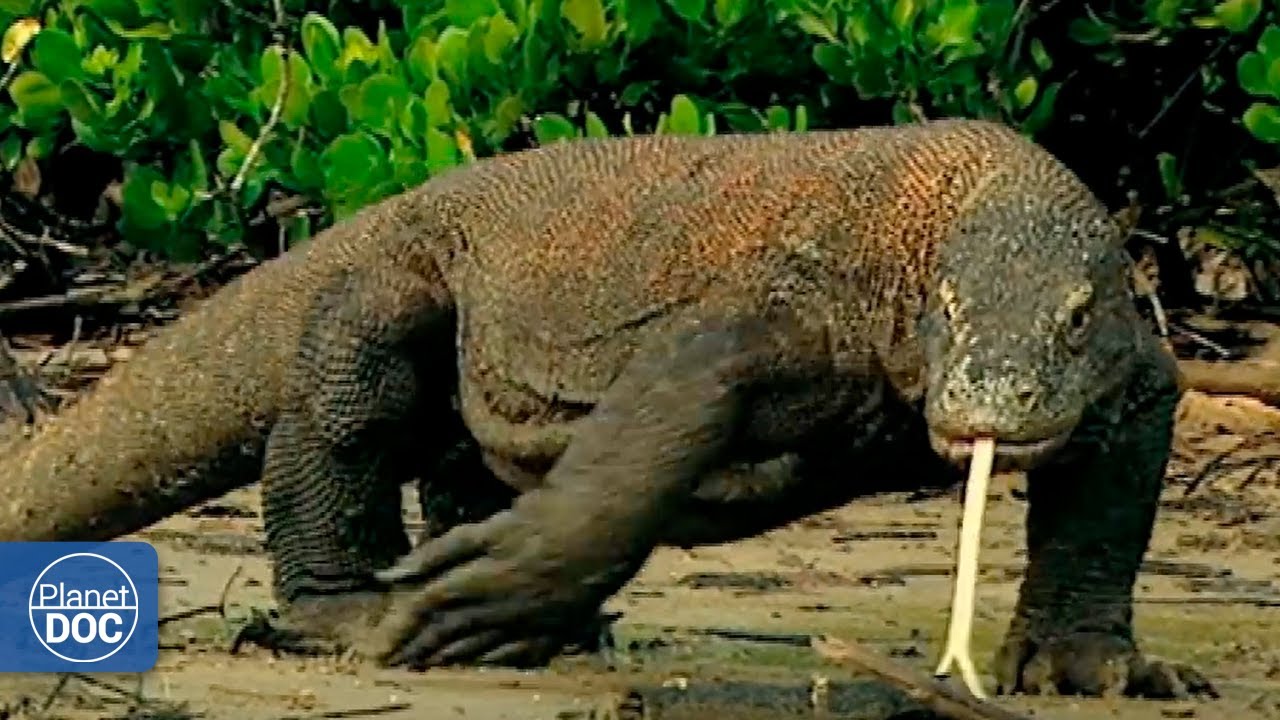
Over 20,000 islands stretch from Asia to Australia, with some harboring the elusive Komodo dragon, a species threatened by habitat loss.
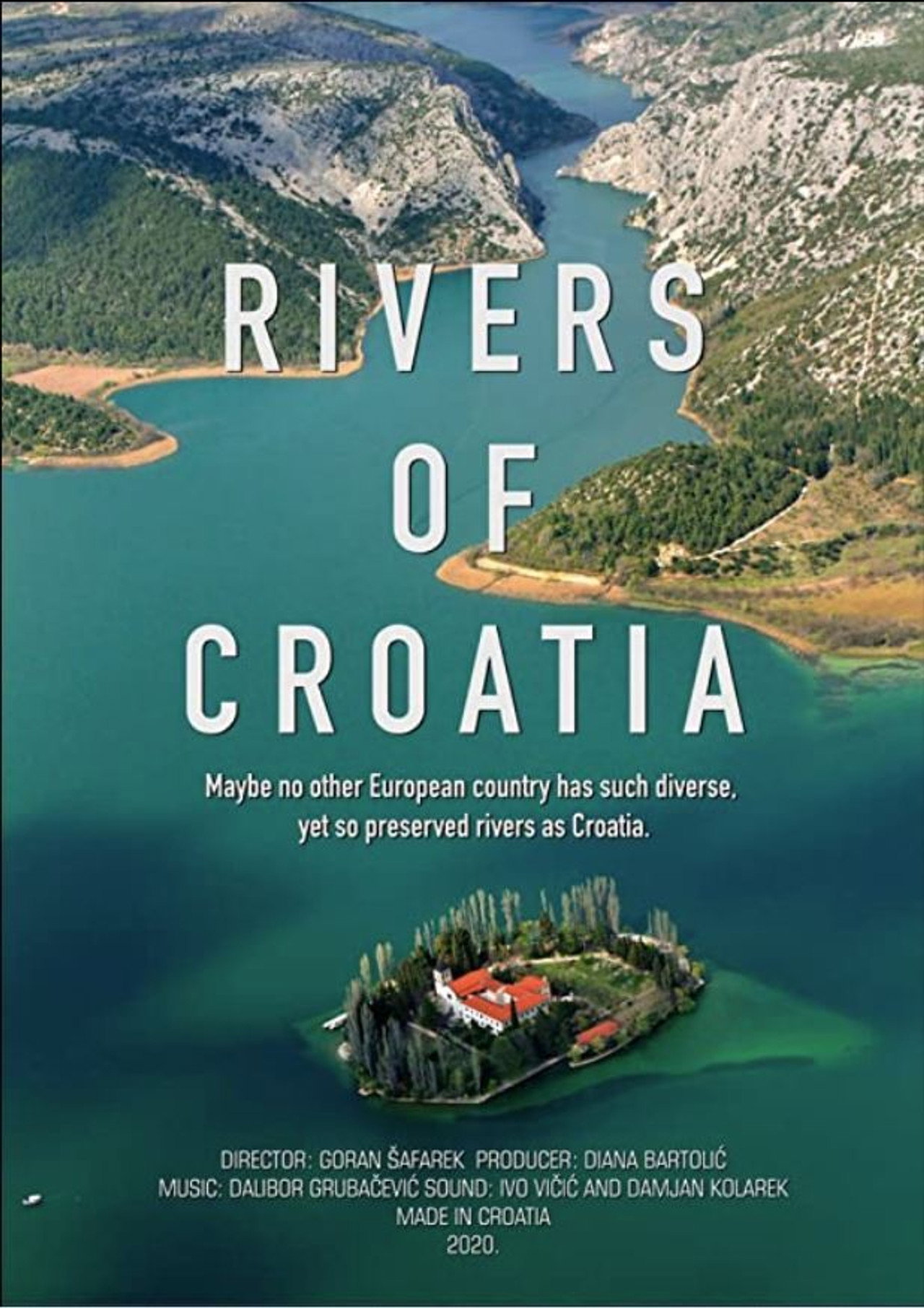
Croatia's rivers support diverse wildlife and maintain ecological stability across Europe, featuring cascading waterfalls and warm limestone springs in the Karlovac region.
In the Galápagos Islands, the Humboldt Current shapes the unique wildlife, including blue whales, sea lions, and marine iguanas, while sustaining extraordinary biodiversity.
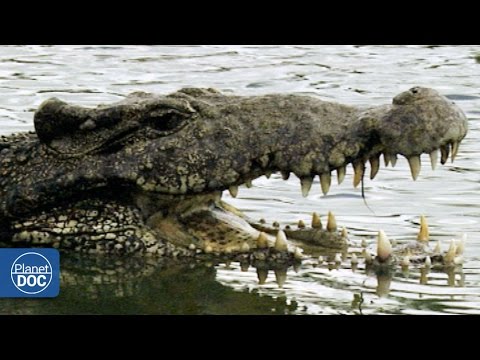
Only 2,500 manatees remain in the West Indies, including Cuba, where the mangrove forest conceals biological mysteries and dangerous wildlife.
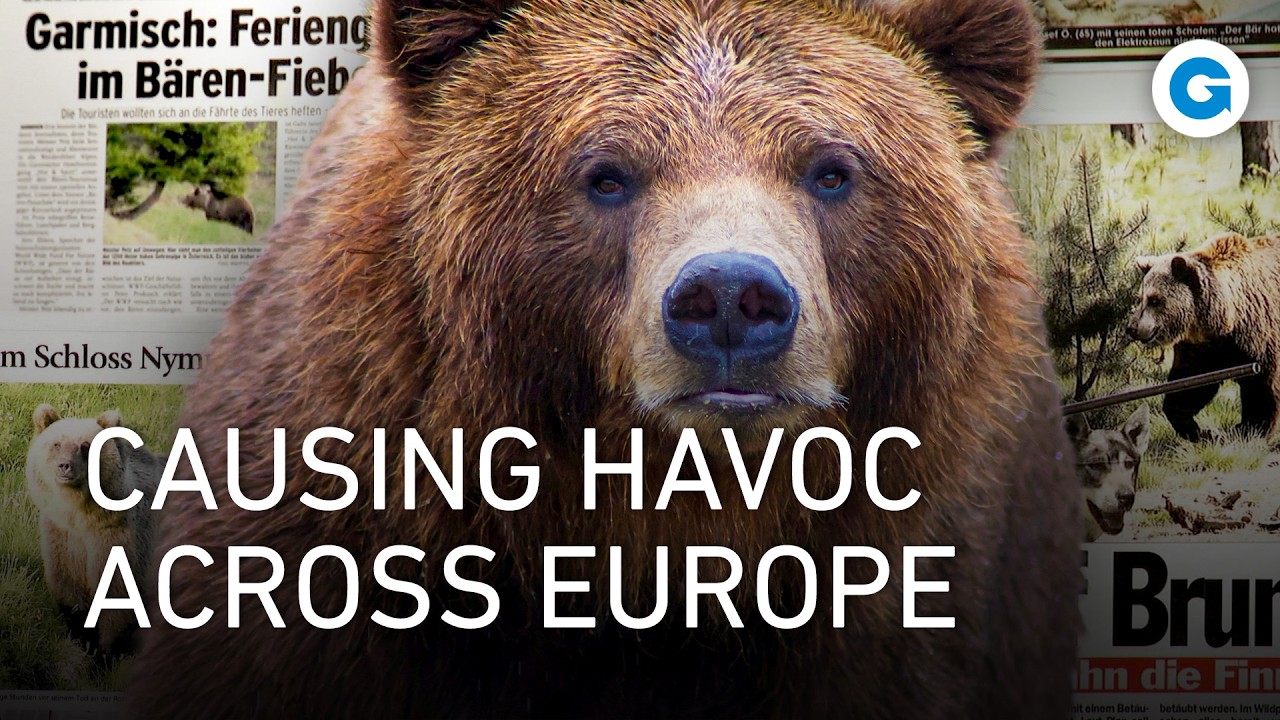
Bears are reclaiming their habitats across Europe, prompting a complex dialogue about coexistence between wildlife and human communities.
Africa's diverse ecosystems, from the Sahara Desert to the Serengeti, showcase iconic wildlife such as elephants and gorillas in their natural habitats.
Forests showcase complex mechanics and strategies for survival in diverse environments.
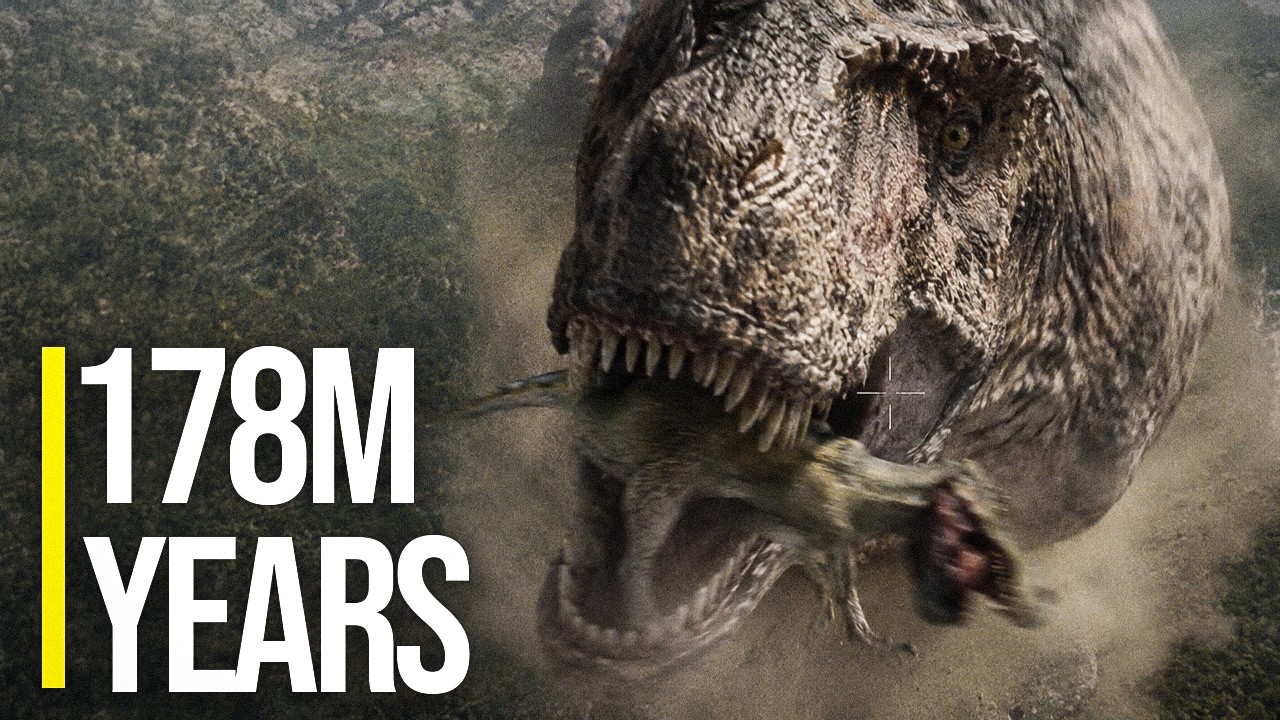
Dinosaurs, which first appeared over 255 million years ago, dominated diverse ecosystems for more than 180 million years, shaping the prehistoric Earth.
Earth contains 330 million cubic miles of water, yet the origins of this vital resource remain one of science's greatest mysteries.
Fish play vital roles in ecosystems and human diets, showcasing their remarkable abilities and contributions to life on Earth over the course of a year.
Forests showcase complex mechanics, where plants need water to adapt and thrive globally.
Snow is vital for ecosystems, but global warming threatens its future in the Alps and United States.
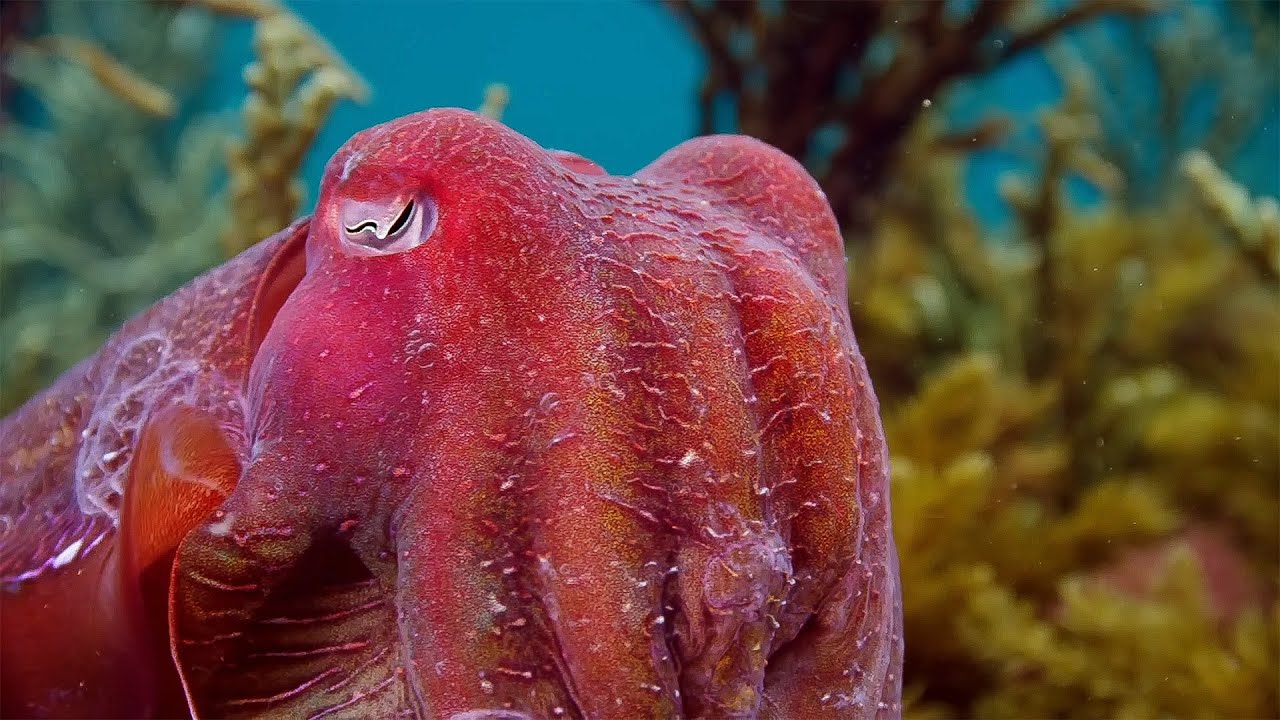
Australia's marine wilderness showcases a vibrant array of life, from sharks and seabirds to giant cuttlefish and whale sharks, highlighting fragile ecosystems.
More than 70 percent of the Earth's surface is covered by water, yet only a small fraction is freshwater available for all living beings.