From over 100,000 films, discover the handful you'll love.
Free or premium access to the world's largest documentary library.
56 films(Page 1 of 2)
Dan Snow reviews six iconic battle scenes, including the D-Day landing in Saving Private Ryan, which depicts one of the most famous military events in history.
130,000 men crossed the English Channel on June 6, 1944, as part of Operation Overlord, facing heavy fire during the Normandy landings.
Less than 50 members of the Black Watch remained after intense battles in World War II, with the battalion suffering the highest casualty list of any regiment.
The D-Day landings achieved great success due to surprise and unprepared German forces.
Three million German soldiers launched Operation Barbarossa on June 22, 1941, marking the largest invasion in history.
Dwight D. Eisenhower, born on October 14, 1890, in Denison, Texas, served as Supreme Commander during World War II and later became the 34th President of the United States.
Over 3,000 Allied soldiers were killed or taken prisoner during a failed raid on the French port of Dieppe in August 1942, shaping future invasion strategies.
Winston Churchill was born on November 30, 1874, at Blenheim Palace in Oxfordshire, England, to a politically prominent but financially troubled family.
7,000 ships and a quarter of a million men participated in the Allied invasion of Nazi-occupied Europe on June 6, 1944.
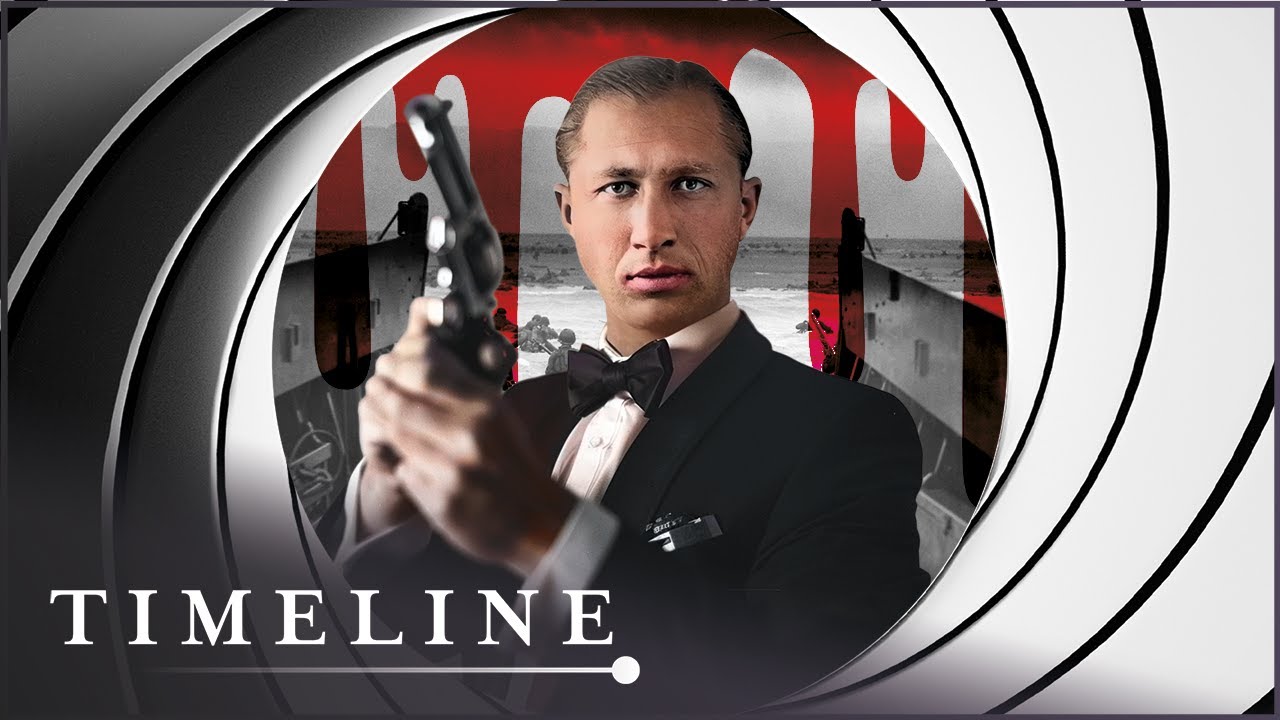
Duško Popov drained German intelligence of $85,000 during World War II, significantly impacting the success of D-Day and the Allied war effort.
On June 6, 1944, the Normandy Invasion, or Operation Overlord, marked a crucial turning point in World War II, leading to significant Allied victories against Germany.
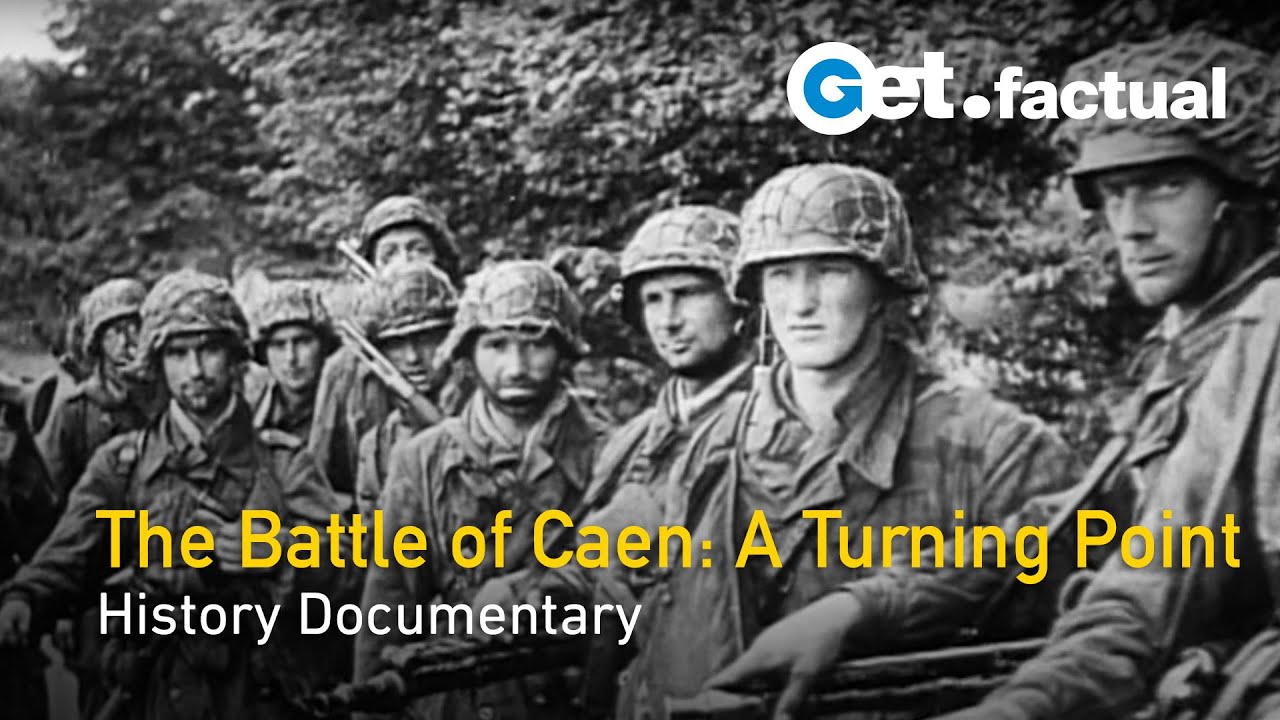
More than 14 days of intense fighting took place as Allied forces struggled to capture the French city of Caen during World War II.
The US 101st Airborne Division began landing approximately 30 minutes before civil twilight on D-Day to assist in the assault on Normandy.
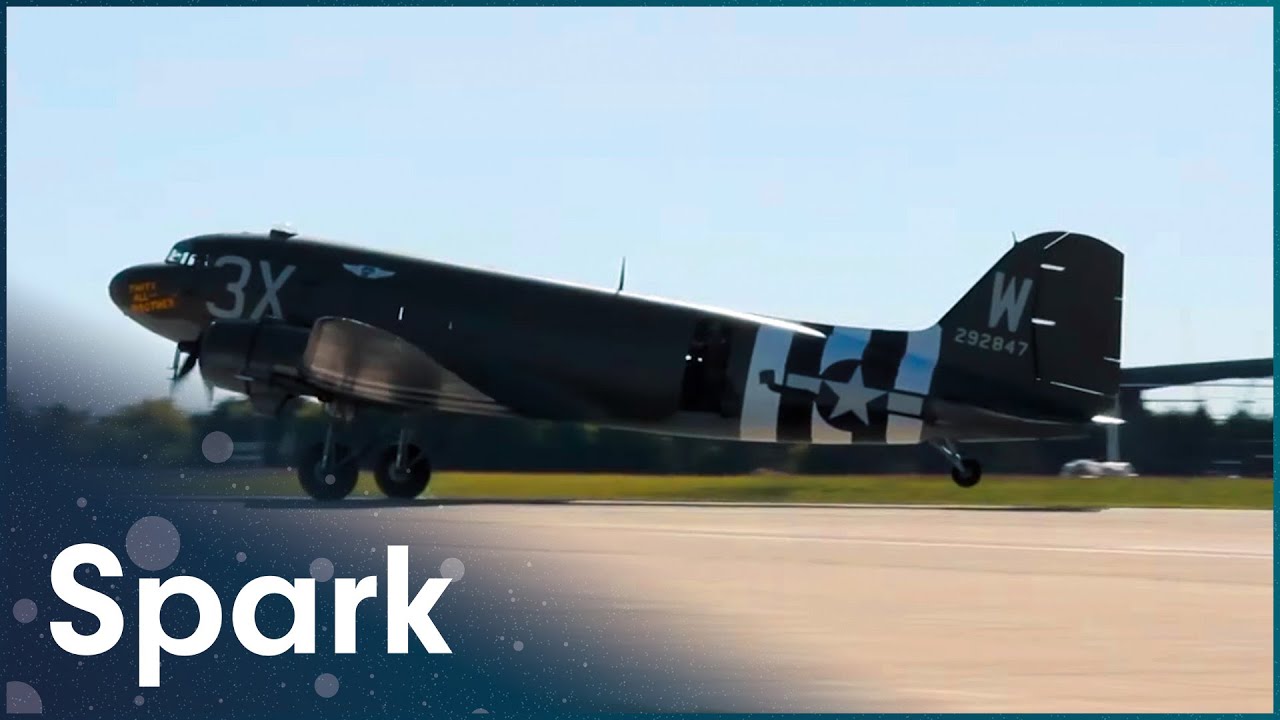
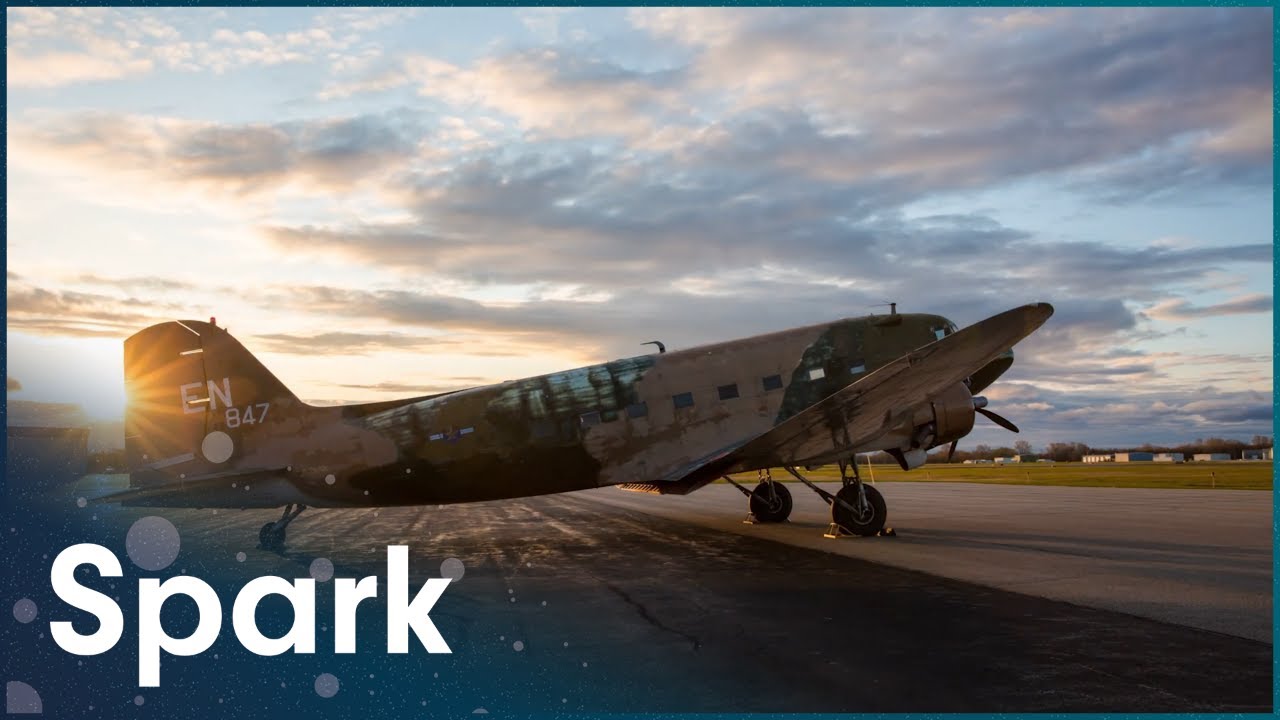
A C-47 Skytrain nicknamed 'That’s All, Brother' returns to the skies after restoration.
The liberation of France from Nazi Germany during World War II highlights the strategic military campaigns of the Allied forces following D-Day.
On D-Day, Juan Pujol's fabricated intelligence misled over 350,000 German reinforcements, significantly impacting the outcome of the operation.
Over 140 aircraft took off in formation for bombing missions during World War II, as veterans recount their experiences of fear and loss in combat.
On June 6, 1944, Allied forces launched the largest seaborne invasion in history, landing on five beaches in Normandy to liberate France from Nazi occupation.
156,000 Allied troops landed on the beaches of Normandy in June 1944 during the largest amphibious invasion in history.
More than 4,000 ships and small craft were prepared to transport Allied forces for the D-Day invasion of Nazi-occupied France on June 6, 1944.
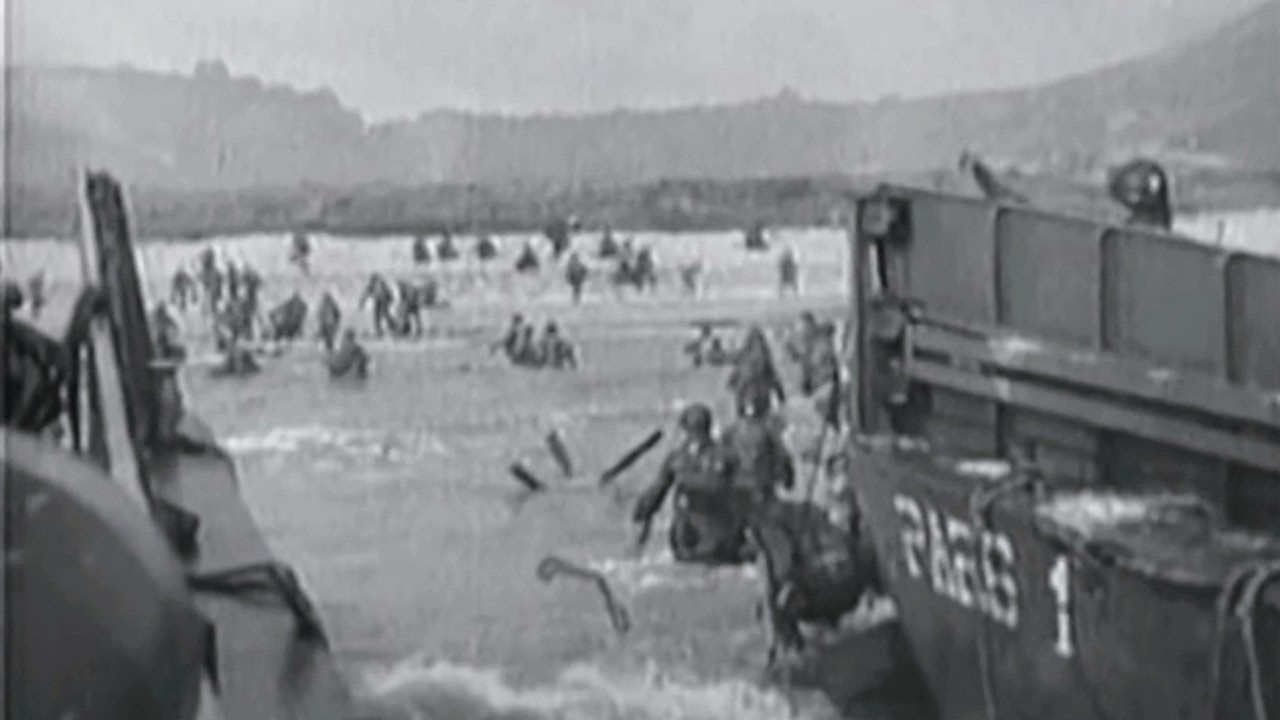
At 07:37 on June 6, 1944, the ramps of the assault landing craft opened, and soldiers from the 6th Battalion Green Howards stormed the beaches of Normandy.
156,000 men and 20,000 vehicles landed on the coast of Normandy on June 6, 1944, marking a major turning point in World War II.
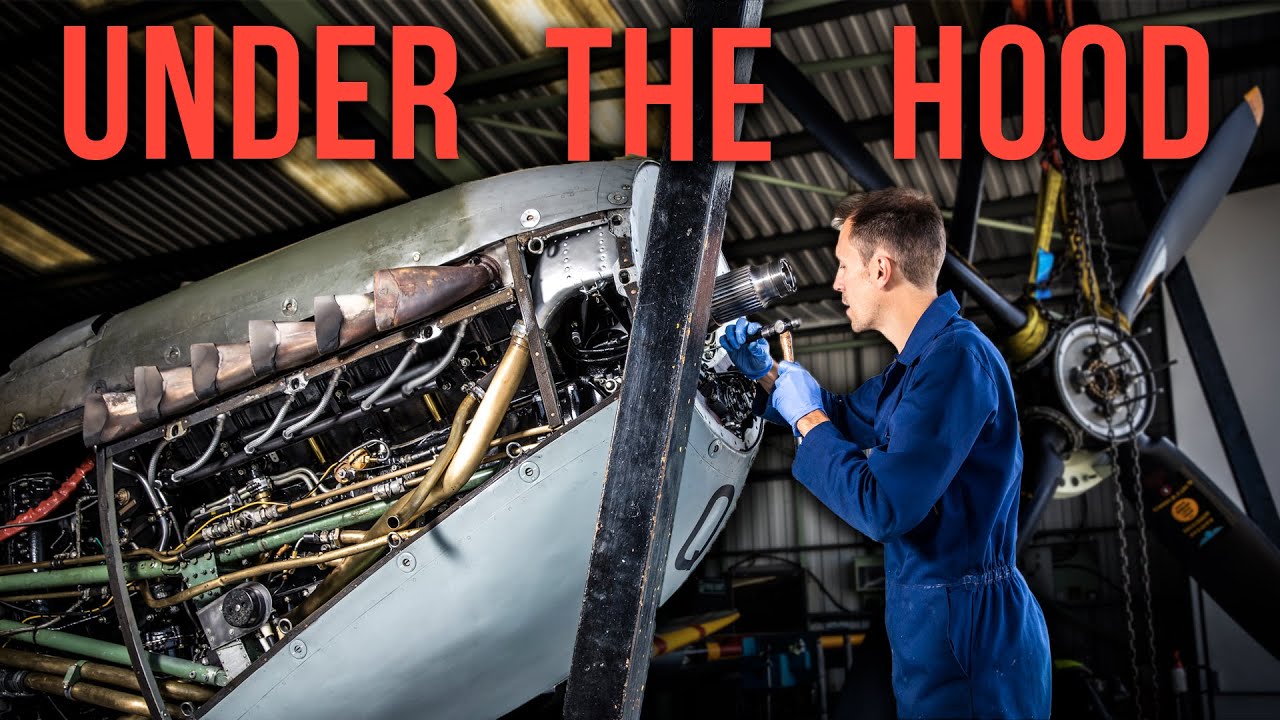
Alex Monk, a 21-year-old trainee, has personally fixed about half of the 15,000 rivets used in the restoration of Spitfire MJ 755.
The Allied invasion of Normandy on June 6, 1944, shifts the tide of World War II dramatically.
Operation Carpetbagger was a covert British and US initiative aimed at supplying the French resistance with resources to undermine Nazi Germany before the Allied invasion.
On June 6, 1944, Allied forces landed on the beaches of Normandy, marking the beginning of Operation Overlord and the liberation of Western Europe.
Over 10,000 C-47 aircraft were built between 1943 and 1945, with one, nicknamed That’s All, Brother, leading the D-Day invasion in June 1944.
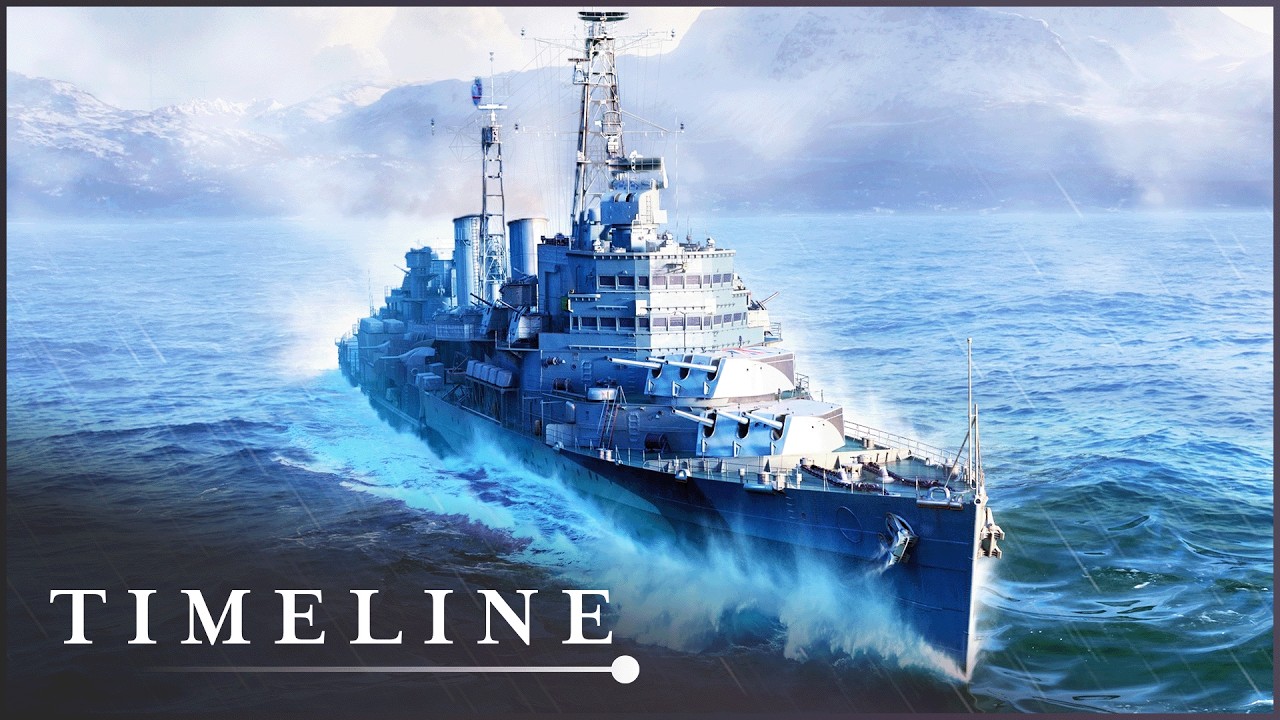
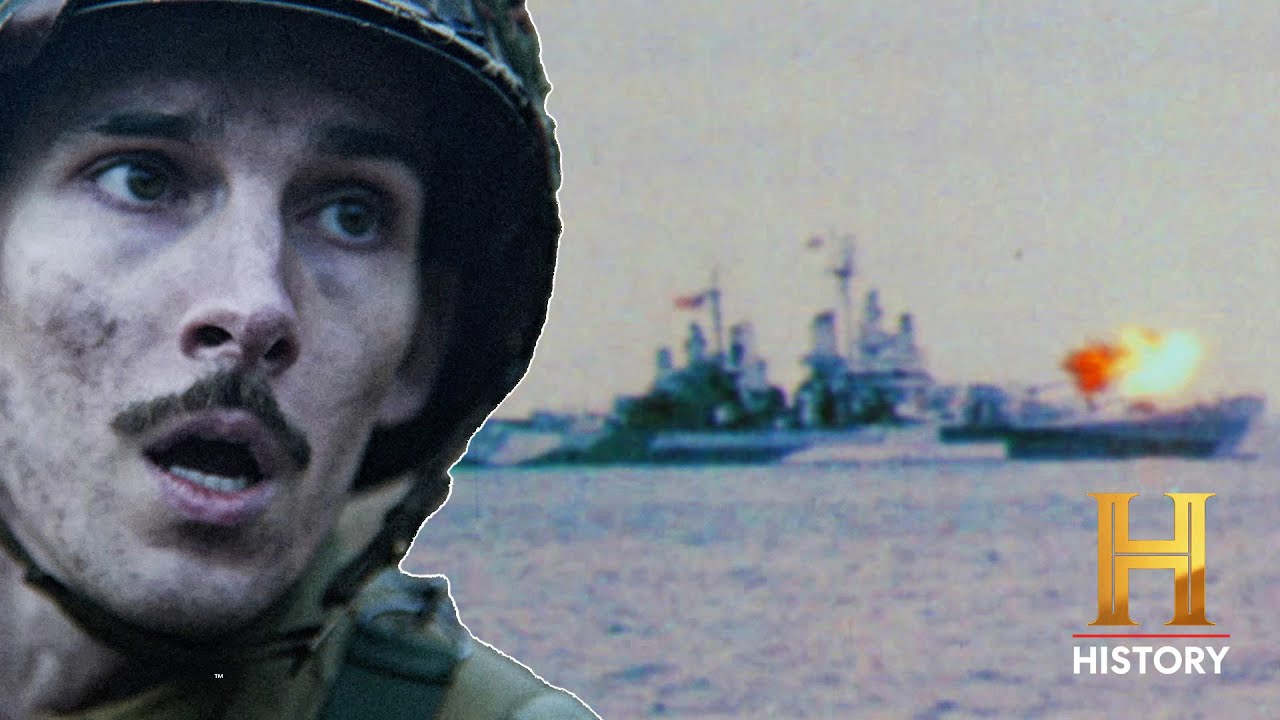
HMS Belfast, the only surviving British warship that bombarded the Normandy coast on D-Day, offers insights into its historical significance and daily life aboard.
Hungarian-Jewish geniuses flee persecution and contribute to the Manhattan Project and Hollywood.
On 6 June 1944, approximately 160,000 Allied troops landed on the beaches of Normandy during the largest amphibious assault in military history.
RAF Hearn, operational for just three years during World War II, played a crucial role in training airborne forces for the D-Day invasion.
197,000 tons of bombs were dropped on France by Allied forces in the nine weeks leading up to D-Day, illustrating the scale of World War II air operations.
The Allies launch a massive invasion at Normandy in June 1944 during World War II.
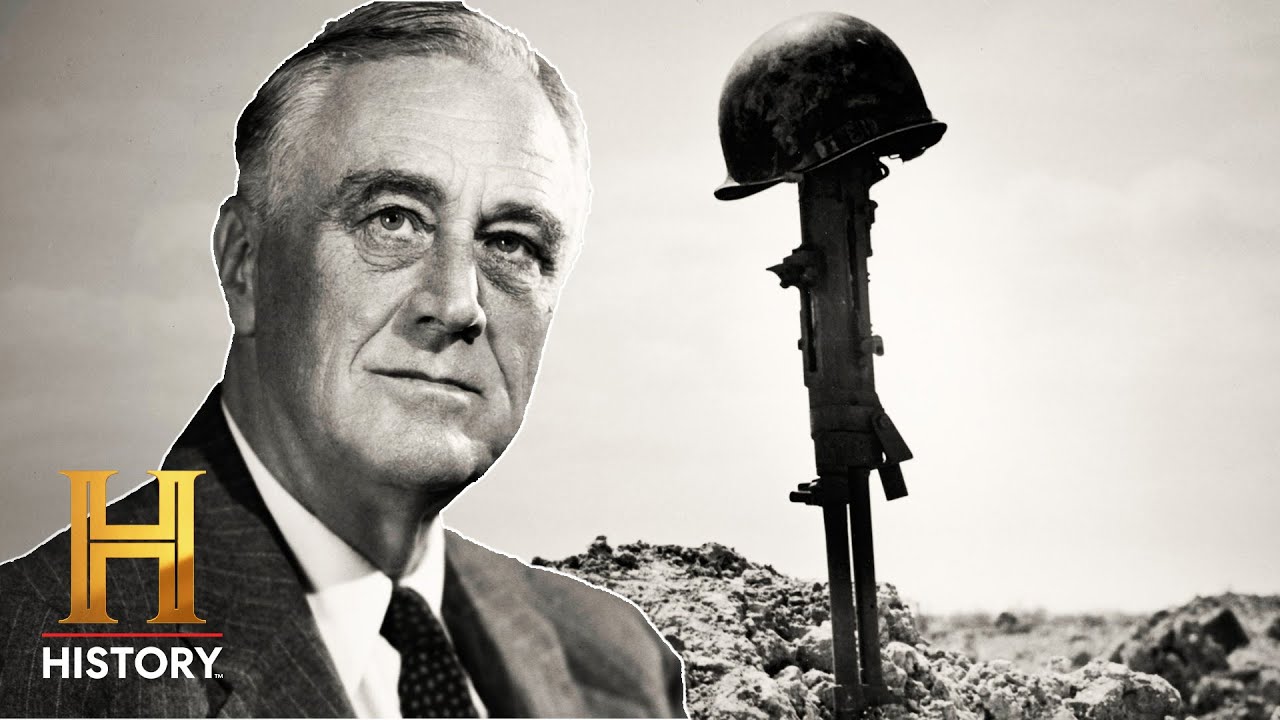
Michael Beschloss discusses the American presidents who waged major wars from the early 19th century through the Vietnam War.
Hill 400, standing at 1,300 feet, became the site of a brutal battle in December 1944 as Lt. Col. James Rudder's 2nd Ranger Battalion advanced into Germany.
Eight years of peace and prosperity marked Dwight D. Eisenhower's presidency, driven by his "Middle Way" approach to leadership and decision-making.
Over 40 percent of paratroopers in the 82nd and 101st Airborne Divisions were casualties during the D-Day and Normandy campaign in World War II.
Engineers restore D-Day veteran C47 Night Fright at Membury airfield for its 75th anniversary.
In June 1944, thousands of American soldiers landed on the beaches of Normandy, marking the beginning of the D-day invasion during World War II.
On June 6, 1944, Allied forces launched the largest amphibious invasion in history at Normandy, marking a turning point in World War II.
Veterans Rudy Reyes and Ronnie Adkins reveal how a U.S. Army unit deceives Nazi forces.
Hundreds of bombers and fighters attack enemy positions, destroying bridges and enabling the advance of Allied forces into Normandy during D-Day.
More than 4,000 ships departed from England on June 6, 1944, for the Normandy invasion during World War II.
On June 6, 1944, 155,000 soldiers landed on the beaches of Normandy as part of the largest military operation in history.
On June 6, 1944, Allied forces launched a pivotal assault on the Atlantic Wall during the Normandy invasion, marking a significant turning point in World War II.
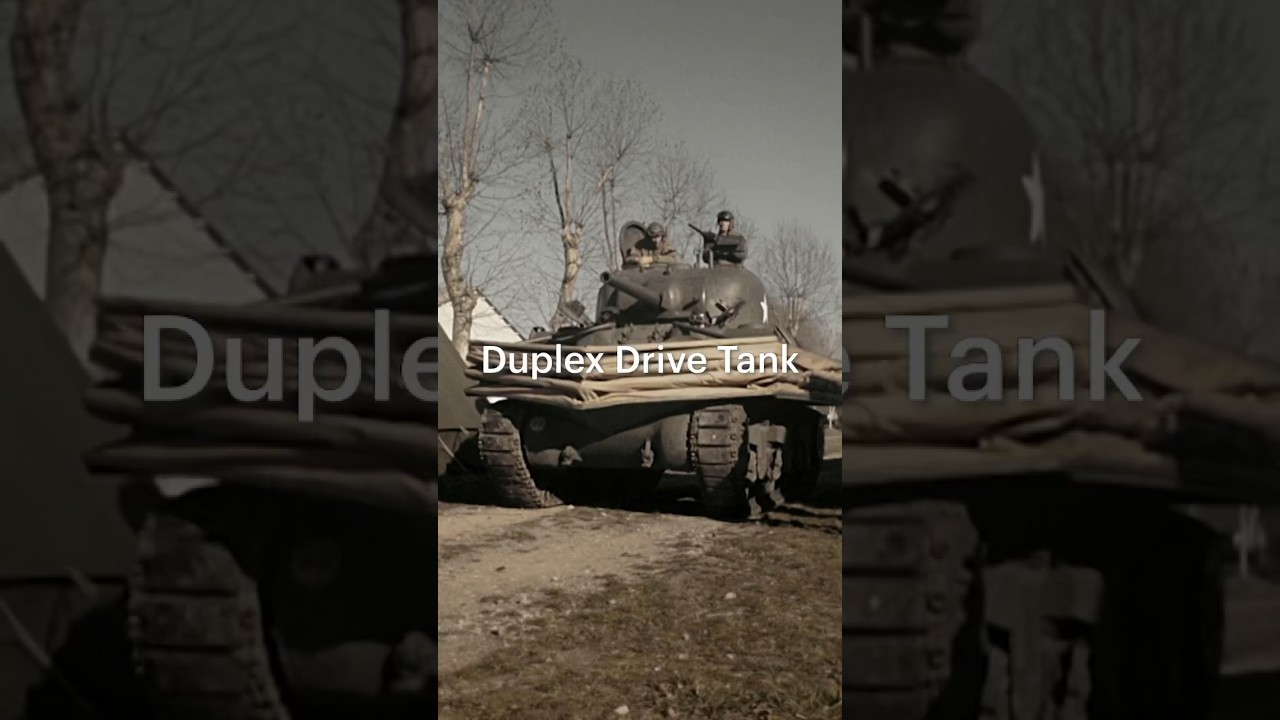
Duplex Drive Tanks are vital in the Normandy landings on June 6, 1944, during World War II.
Ike Eisenhower motivates soldiers for the Normandy landing, urging them onto victory.
On June 6, 1944, Frank DeVita dropped the ramp on the USS Samuel Chase, exposing soldiers to enemy fire as they landed on Omaha Beach.