From over 100,000 films, discover the handful you'll love.
Free or premium access to the world's largest documentary library.
53 films(Page 1 of 2)
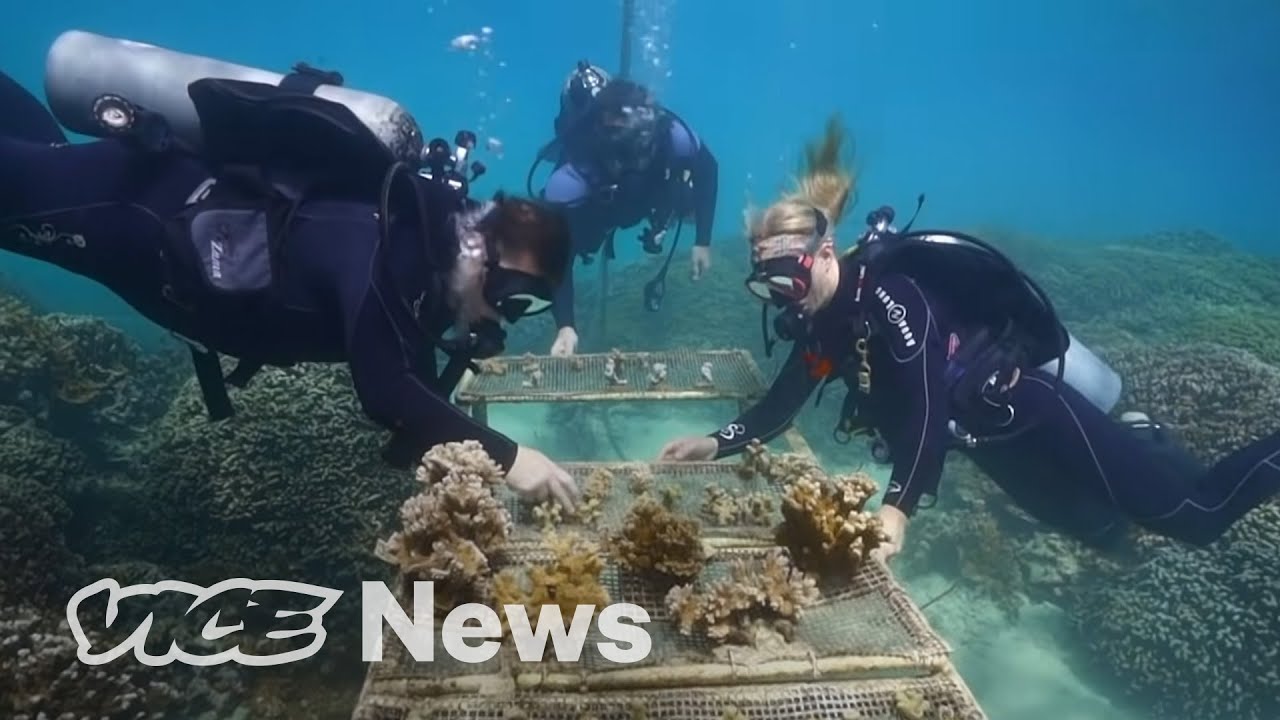
A team of divers, scientists, and photographers documents the rapid disappearance of coral reefs around the world due to climate change.
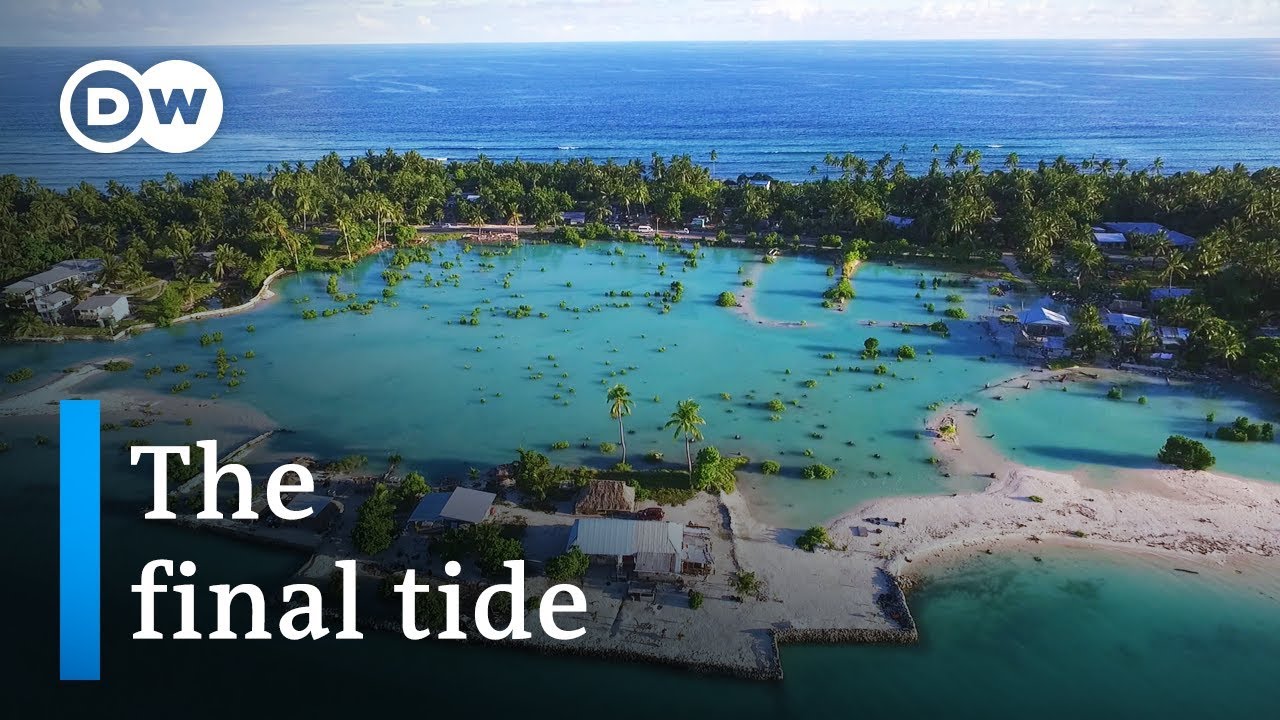
In just 30 years, the coral wall built by a family in Kiribati may no longer protect their home from rising sea levels and flooding.
Hurricane Maria struck Dominica as a category 5 storm in 2017, leading the country to pursue a goal of becoming the world's first climate resilient nation.
Coral reefs serve as giant submerged metropolises, home to millions of different inhabitants that communicate through sounds, body language, and color patterns.
Over the last 200 years, the Florida Keys have seen dramatic changes, from shipwrecks and piracy to the establishment of thriving communities.
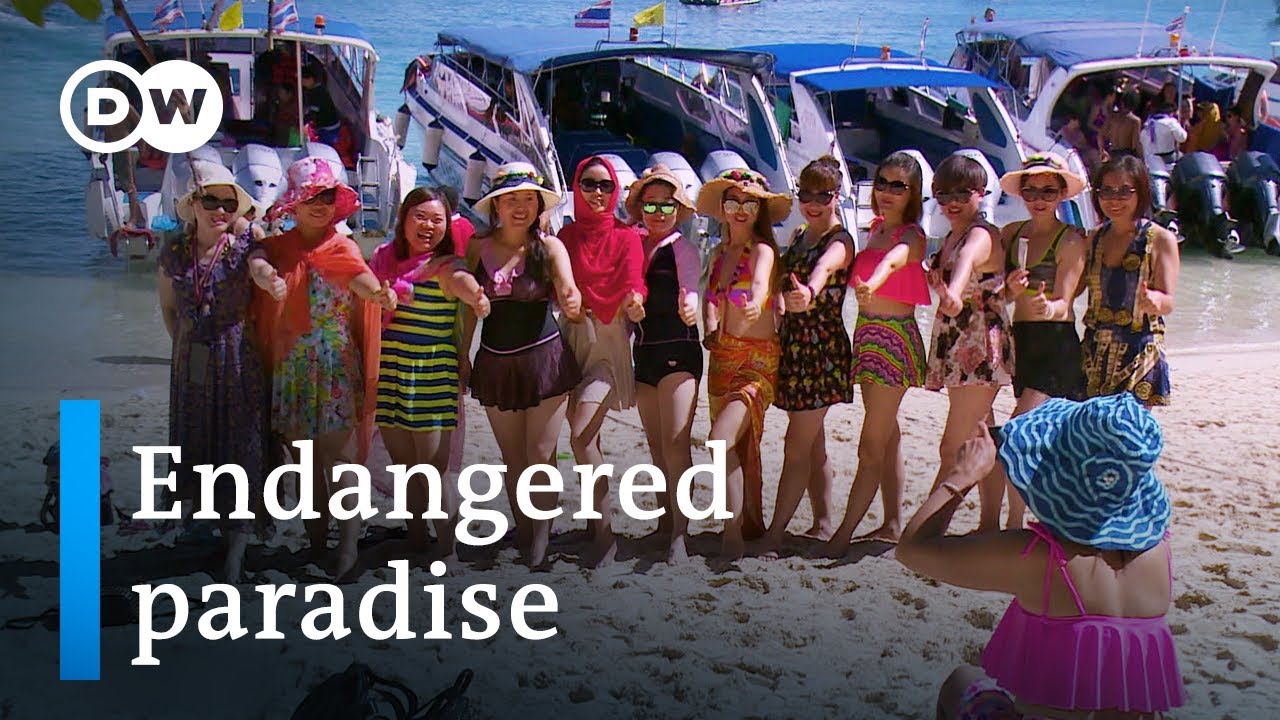
More than 34 million tourists visit Thailand each year, contributing to severe pollution and damage to coral reefs along the country's coast.
Coral reefs worldwide are showcased through underwater footage that highlights their vibrant ecosystems and emphasizes the need for marine conservation.
Australia's Great Barrier Reef and Ningaloo Reef are explored through the expertise of underwater specialist Paul Waghorn, highlighting their rich biodiversity and survival strategies.
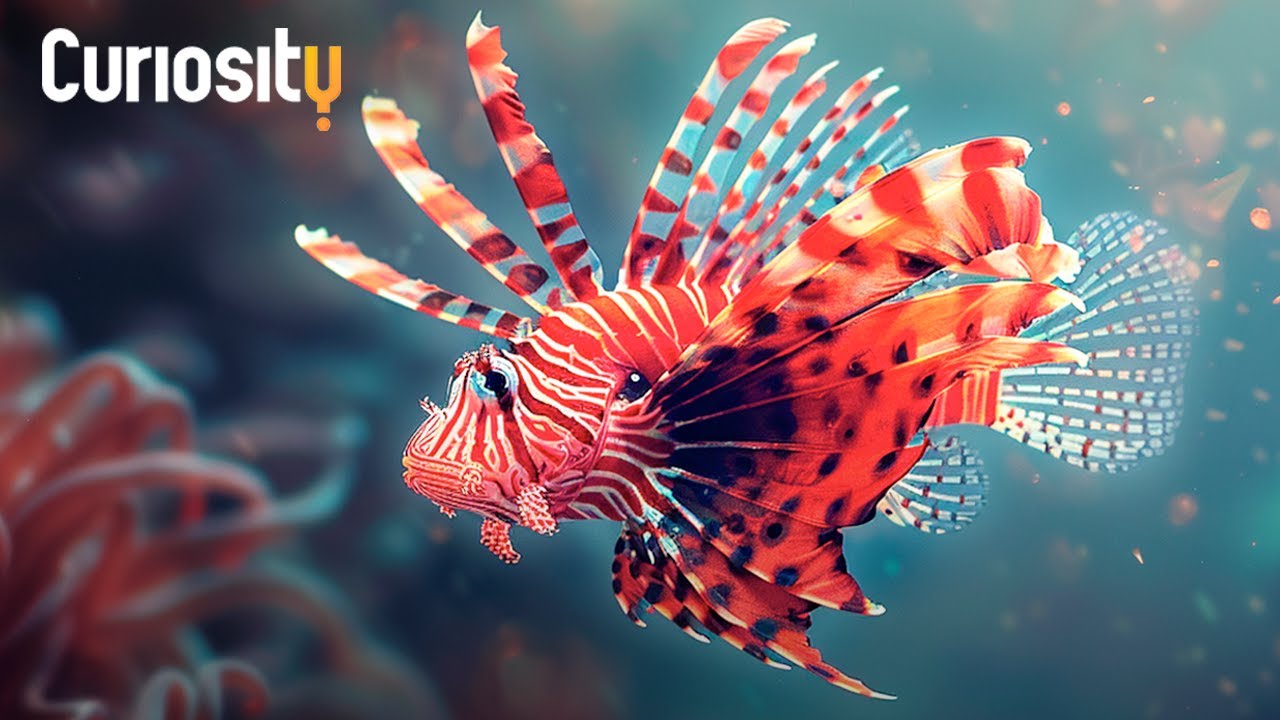
A red lionfish can swim to depths of 40 meters, evading divers and contributing to its rapid spread across the Atlantic Ocean.
Coral reefs are the largest structures in the world, serving as bustling underwater cities where various fish communicate through sounds and body language.
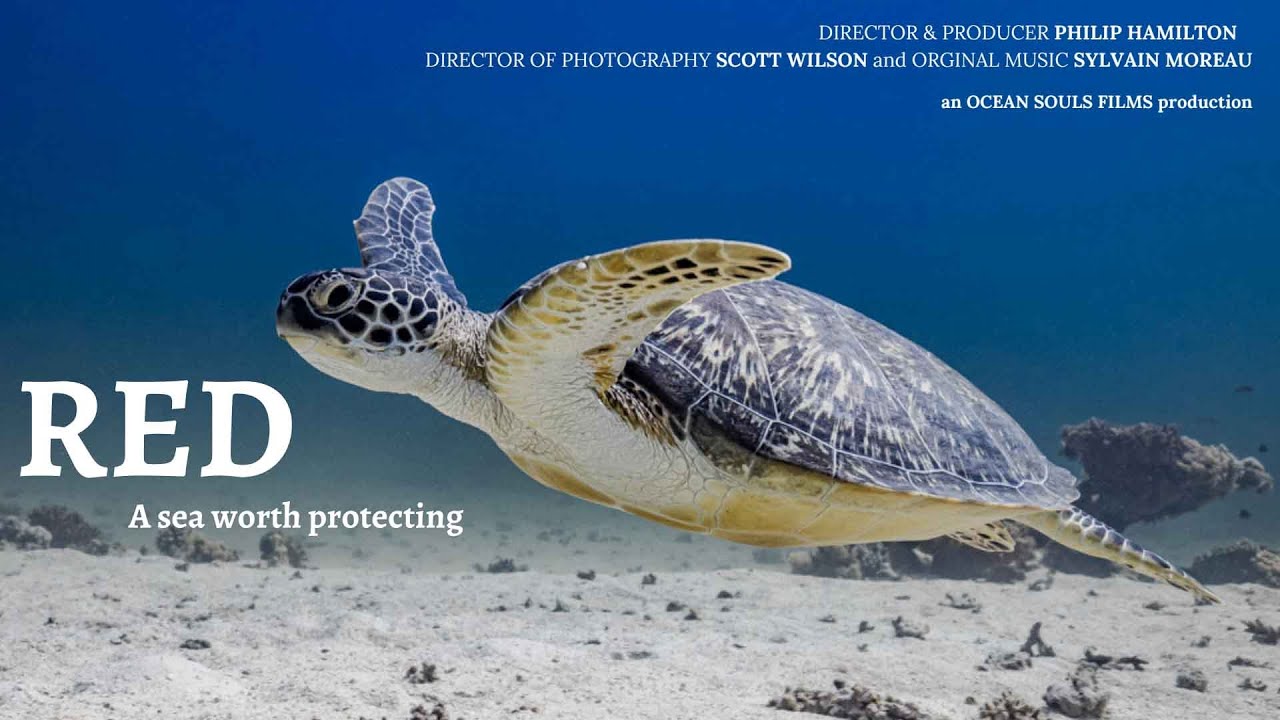
The Red Sea is 2,240 kilometers long and contains about 438,000 square kilometers of water, supporting diverse marine life and coral reefs.
Anilao's diving industry has transformed the local economy, providing jobs and keeping families together as they engage with the region's rich marine life.
80 percent of all species in the rainforests of Sulawesi are endemic, found nowhere else on earth, according to research on the Wallace Line.
5.7 million square kilometers of the Coral Triangle, located between Indonesia, the Philippines, and Papua New Guinea, is home to three-quarters of all coral species.
Jacques Cousteau's documentary helped raise the manatee population in Florida to around 5,000 by inspiring efforts to protect these animals from human threats.
Explorer Dr.
200 sharks will be equipped with radio tags to help scientists understand their behavior and protect their habitats in New Caledonia's lagoons.
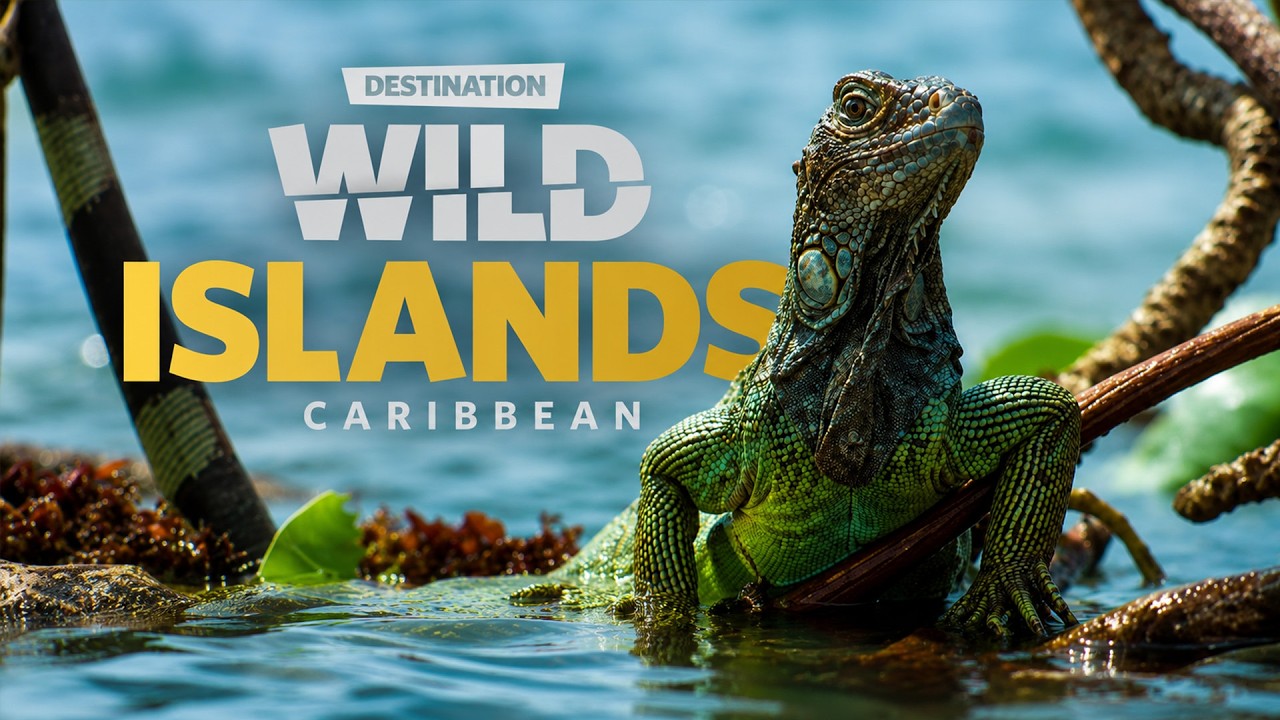
The Caribbean archipelago showcases diverse wildlife, including nesting leatherback turtles, humpback whales, and resilient island reptiles, shaped by its unique geography.
Zanzibar, an exotic island chain in the Indian Ocean, is home to unique wildlife such as giant tortoises, red colobus monkeys, and coconut crabs.
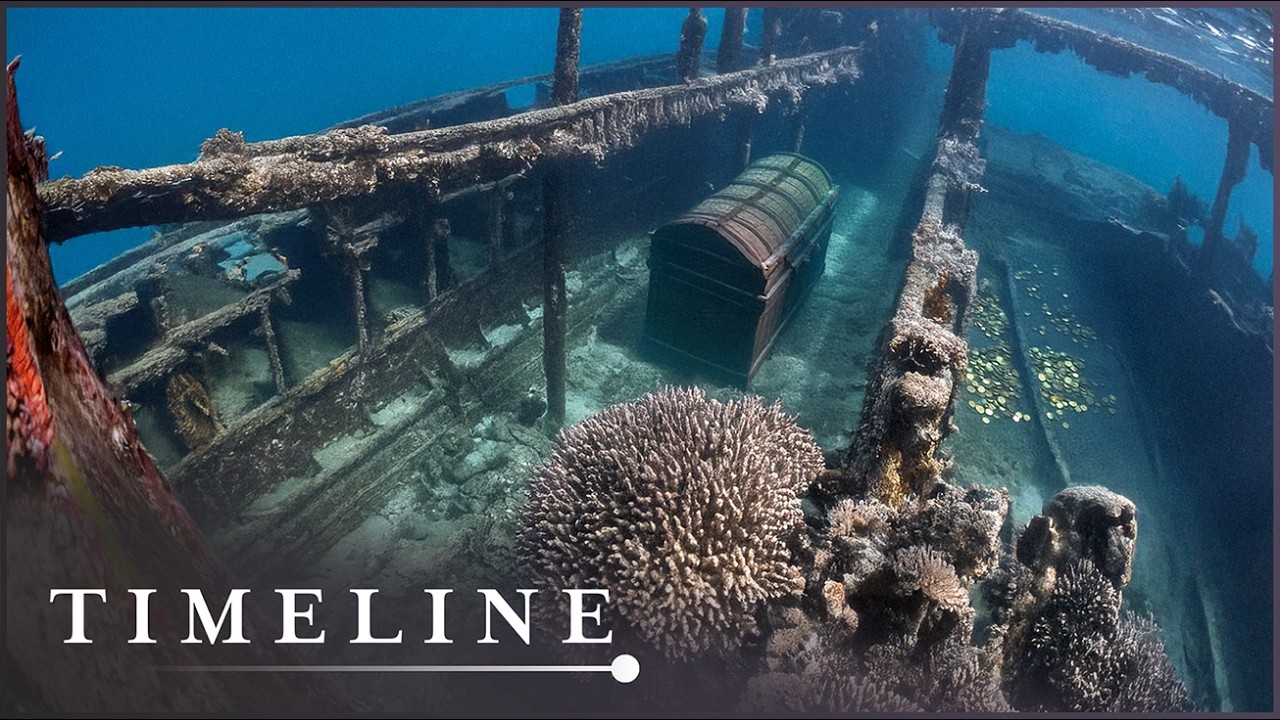
Ben Cropp, a renowned treasure hunter, explores the west coast of Australia, revealing its maritime history and the thousands of shipwrecks still submerged.
Yusei Ikariyama, a former delinquent turned pro surfer, leads a community movement to protect Amami Ōshima's coastline from industrial development.
Freediver Frederic Buyle holds several world records and collaborates with cameraman Christian Pétron and scientist Dr. Johan Mourir to study hammerhead sharks in French Polynesia.
The Lembeh Strait, located between the Indonesian islands of Lembeh and Sulawesi, showcases an extraordinary marine ecosystem with unparalleled biodiversity and unique survival adaptations.
40 million people in the Philippines depend on marine resources, while illegal fishing practices like grenade fishbombing threaten their livelihoods and ecosystems.
Southern Africa's coastline is shaped by the cold Benguela and warm Agulhas currents, creating a diverse marine environment that supports various species.
A new generation of engineers is developing quiet electric aircraft and artificial noses to tackle food waste and environmental challenges.
Over 8,000 ships have sunk along Australia's coast, including the Dutch galleon Gilt Dragon, which wrecked in 1656, claiming all lives on board.
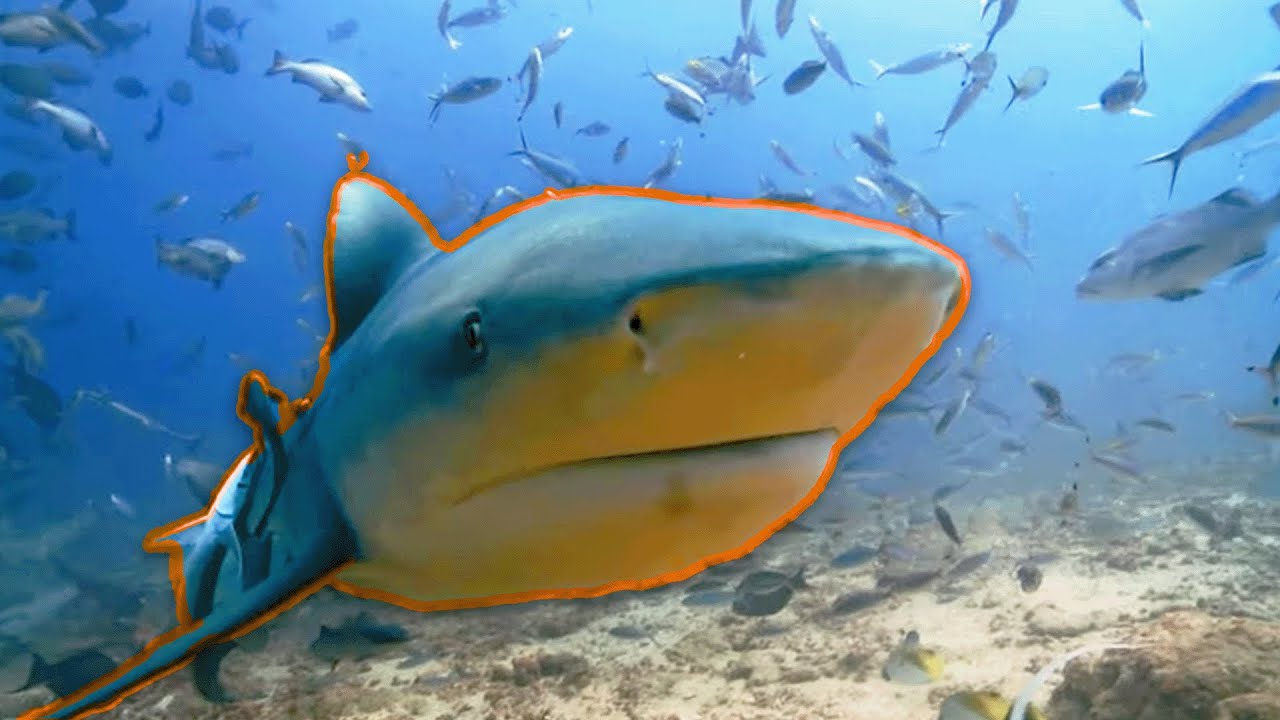
70 to 80 pregnant lemon sharks arrive each spring in the Grand Bahama Bank, where researchers study their unique resting patterns and life cycle.
Only 2,500 manatees remain in the West Indies, including Cuba, where the mangrove forest conceals biological mysteries and dangerous wildlife.
Vibrant coral reefs and storm-battered shores of Southern Africa illustrate the complex ecosystems of the ocean, highlighting the survival of its extraordinary creatures.
More than 70 percent of the Earth's surface is covered by water, yet only a small fraction is freshwater available for all living beings.
Freediver Frederic Buyle and marine biologist Professor Serge Planes study the coral reefs of Moorea, French Polynesia, documenting marine species and conservation challenges.
In the South Seas, marine life such as green sea turtles, humpback whales, and emperor penguins navigate a 24-hour cycle of survival challenges and adaptations.
More than 90 percent of Okinawan corals are dead, reflecting a global trend where one-third of the world's coral reefs may die within 20 years.
A mile-deep chasm formed between Africa and Arabia created the Red Sea, which is home to diverse marine life and unique coral ecosystems.
Over 750 deaths have been reported due to extreme weather events linked to climate change, prompting urgent calls for action against fossil fuel dependency.
Lionfish have spread across millions of square miles of ocean, threatening native species in the Caribbean and western Atlantic.
At least 30 banded sea crates join a hunting caravan with yellow goatfish, a behavior recently observed on remote reefs in Indonesia.
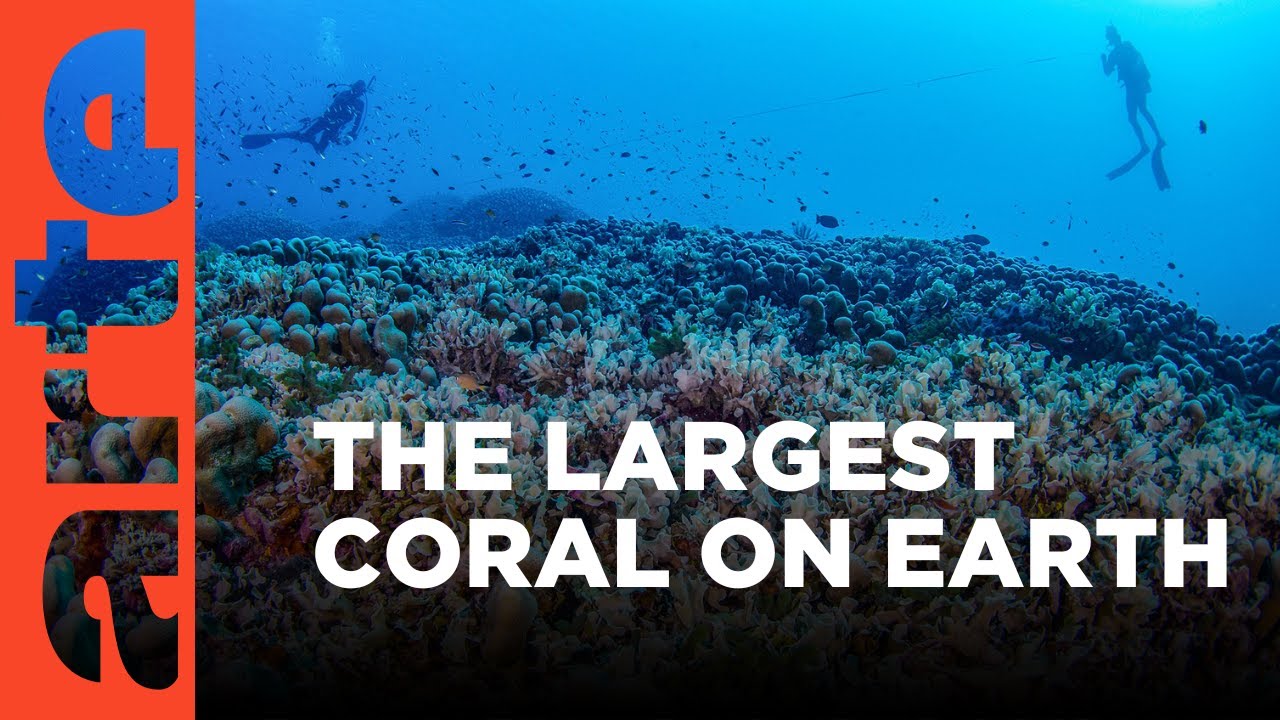
In October 2024, photographer and marine biologist Manu San Félix documents the discovery of the largest coral ever found in the South Pacific.
Sea surface temperatures in the Florida Keys have exceeded 37 degrees Celsius, causing widespread coral death and extended bleaching periods.
Divers confirm the identity of a shipwreck at 380 feet deep in the Bermuda Triangle, solving a mystery tied to the disappearance of the SS Sudco in 1926.
Scientists warn that the Great Barrier Reef, the largest coral reef in the world, is deteriorating due to global warming and rising ocean temperatures.
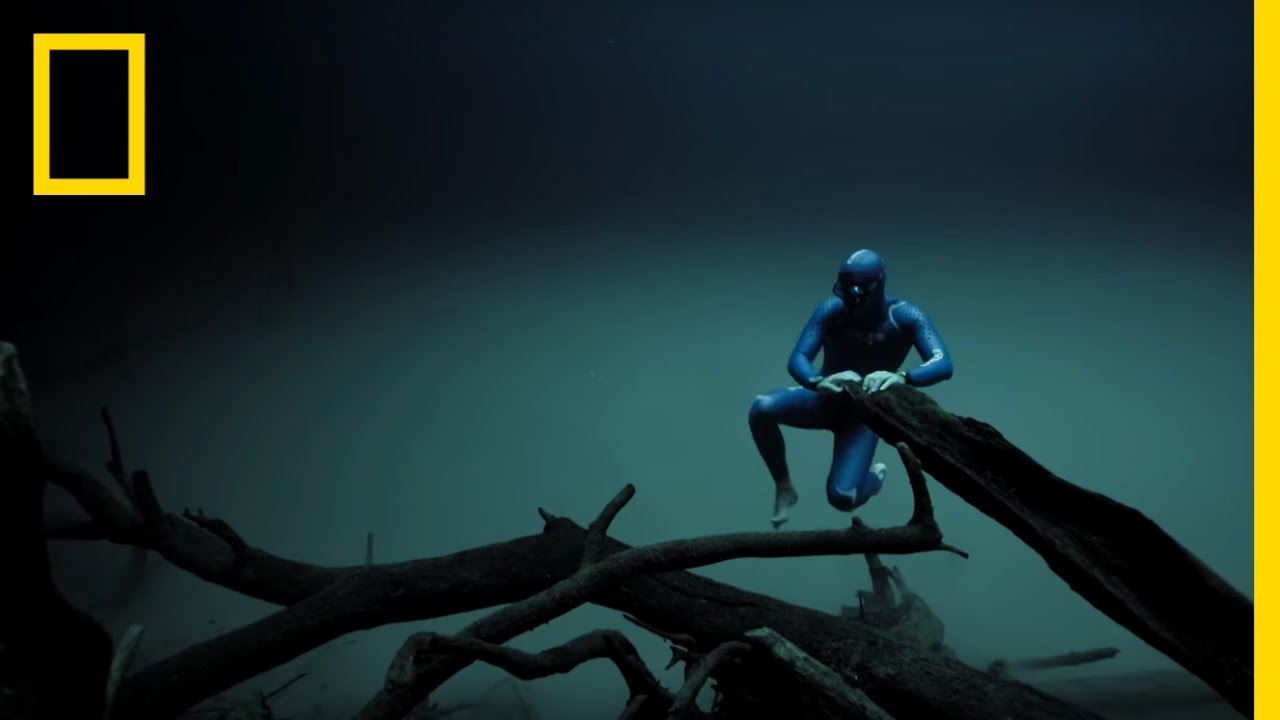
Guillaume Néry showcases free diving techniques in stunning underwater environments, including ice sheets in Finland and the waters of the Philippines, Mexico, and Japan.
Bonaire's National Marine Park, established in 1977, protects coastal waters up to 60 meters deep, supporting some of the healthiest coral reefs in the Caribbean.
Three billion people rely on the ocean for food, yet human activities like overfishing and pollution threaten its health and future.
A single red lionfish can reduce native plant-eating fish populations by 79%, leading to unchecked algae growth on coral reefs.
In 2009, lionfish reached the coast of Honduras, quickly colonizing the seabed and threatening local marine life within three years.
In the last three years, reports indicate 14 injured turtles in the Red Sea, primarily due to speedboat propellers.