From over 100,000 films, discover the handful you'll love.
Free or premium access to the world's largest documentary library.
108 films(Page 1 of 3)
Over 5,000 artifacts were found in Tutankhamun's tomb, including a coffin made of more than 200 pounds of solid gold.
The arrival of humans in the Americas has been redefined by recent discoveries, challenging long-held beliefs and sparking new questions about migration theories.
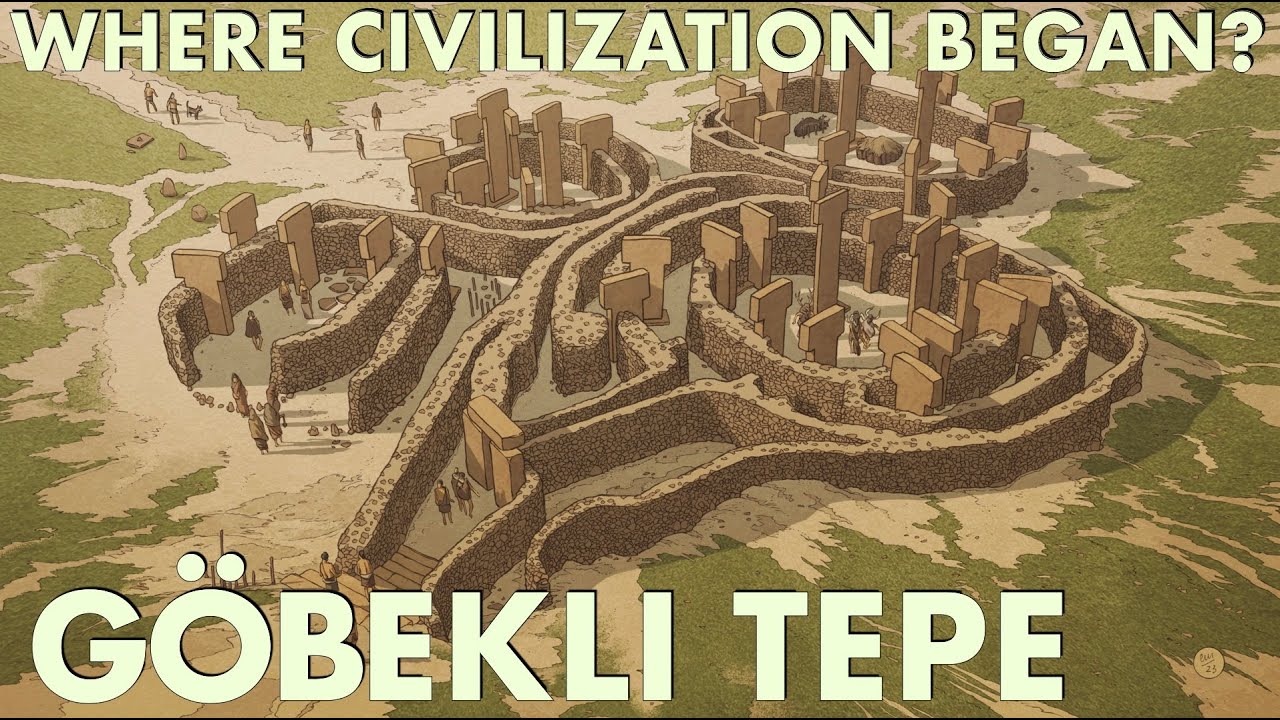
Over 200 monoliths, some standing more than 5 meters high, form 20 enclosures at Göbekli Tepe, a site dating back to around 10,000 BC.
Wu Zetian, China's only female emperor, is re-evaluated through archaeological findings that reveal her reign as both a time of prosperity and brutality.
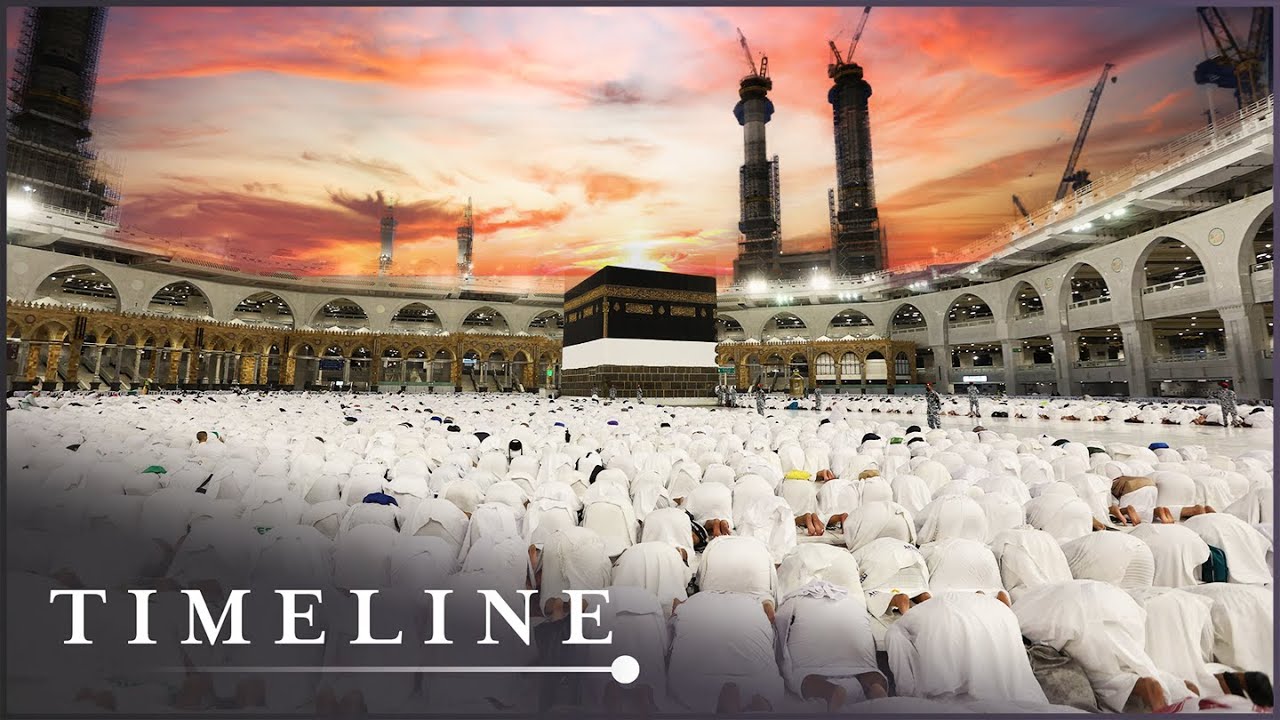
Over a billion Muslims pray five times a day towards Mecca, but new research suggests they may have been misled about the true origins of their faith.
Nefertiti's bust, over 3,000 years old, was discovered in 1912 by German archaeologist Ludwig Borchardt and has been a source of controversy regarding its authenticity.
Over 20 feet below the surface in Alexandria, archaeologist Pepi Papakosta discovers a marble statue believed to be of Alexander the Great.
Ugarit, a prosperous Bronze Age city, thrived under various empires before its decline in the 12th century BC, leaving behind a rich archaeological legacy.
Arthur Evans' exploration of Crete revealed a sophisticated Bronze Age civilization that provides insights into the origins of the Minotaur legend.
A team of archaeologists has identified dozens of new Roman structures at Caerleon, revealing its significance as more than just a military outpost.
In Sudan, David Adams explores the Nile's historical significance while reflecting on the region's ancient fortresses and its violent past.
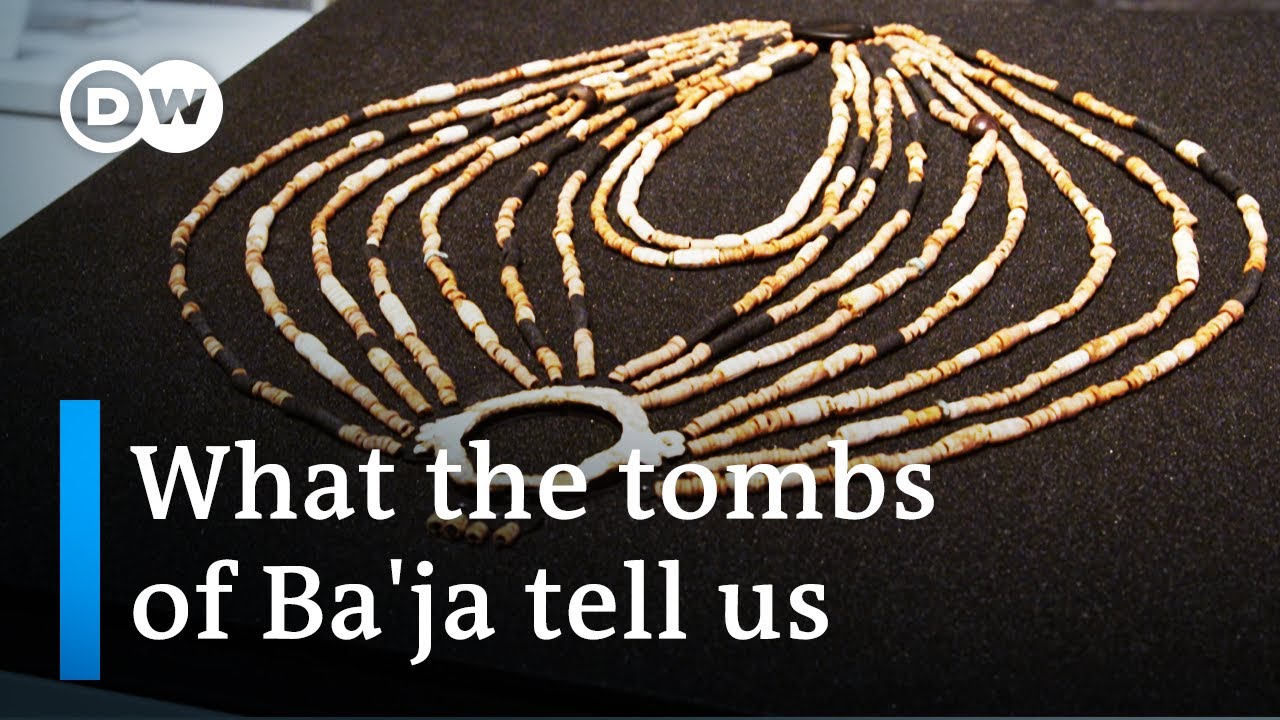
An elaborate grave containing the remains of an eight-year-old girl named Jamila was discovered in Ba'ja, a Neolithic settlement in Jordan, dating back 9,000 years.
Burial sites in Ireland reveal that ancient pre-Christian beliefs, including concepts of the undead, persisted well into the Christian era through scientific analysis.
In a cave outside Bristol, archaeological evidence reveals the human sacrifices and cannibalistic practices of Iron Age Britain.
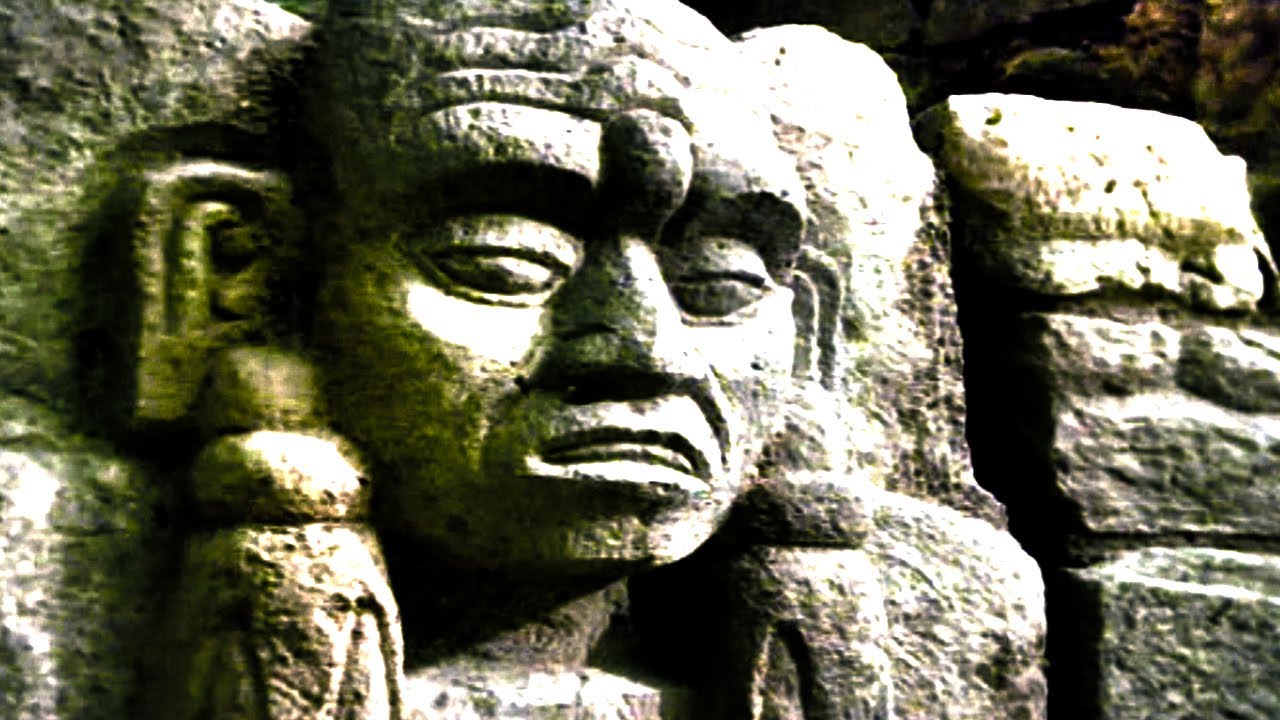
More than 60,000 man-made structures are revealed in the jungles of Guatemala, shedding new light on the ancient Maya civilization.
Research suggests that the Anasazi of the American Southwest, once viewed as peaceful farmers, may have engaged in cannibalism, raising questions about their societal practices.
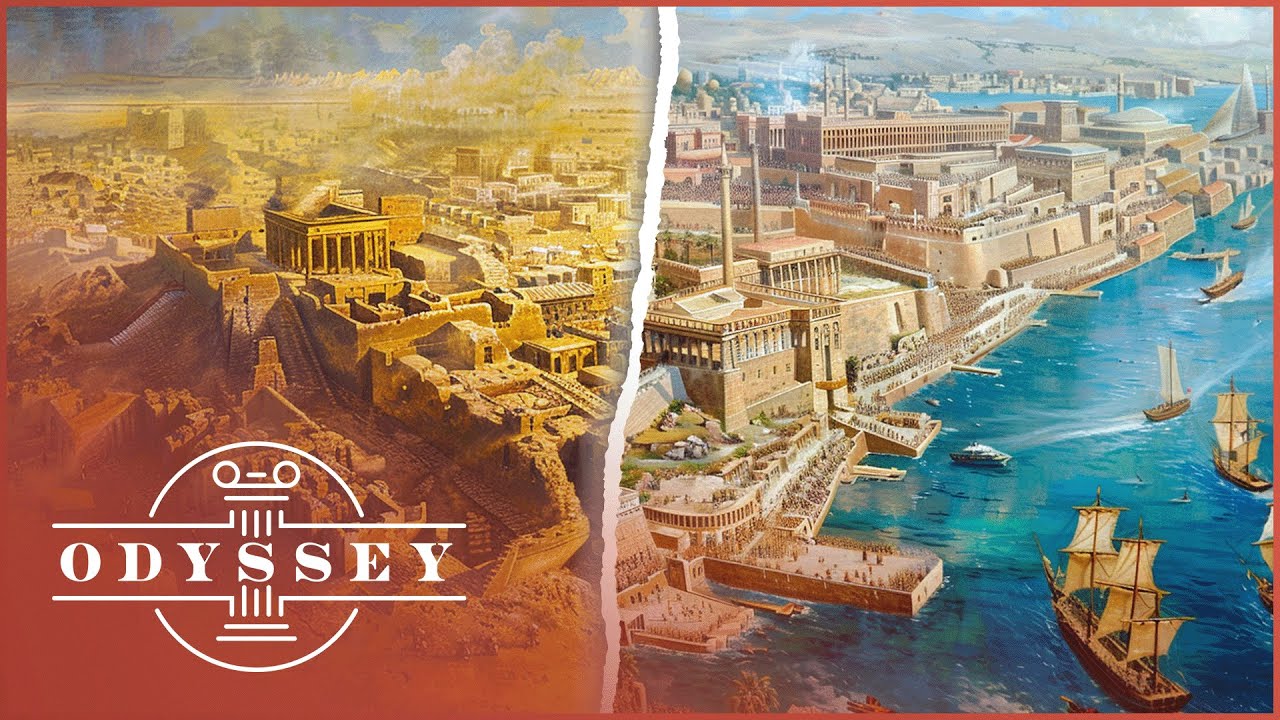
A massive cataclysm is said to have destroyed Atlantis, an advanced civilization, approximately 11,000 years ago, leaving its fate a mystery.
Ancient Crete's Minoan civilization is explored as archaeologists search for the legendary labyrinth associated with the Minotaur of Greek mythology.
In East Sussex, archaeologists investigate a fortified Roman settlement, an 8,000-year-old submerged Mesolithic town off the Isle of Wight, and Iron Age burials near Dorchester.
Archaeological investigations at Thetford Grammar School in Norfolk reveal the remains of a 12th-century Norman cathedral beneath a Dominican friary.
In Canterbury, archaeological excavations reveal a 2,000-year-old Roman pagan temple alongside medieval industrial and religious sites, shedding light on the city's rich history.
The Colosseum in Rome, an architectural marvel, hosted brutal spectacles and innovative sea battles, showcasing advanced engineering techniques of ancient Rome.
Late Classic Maya culture is marked by significant achievements, powerful rulers, and dramatic events that shaped its history and legacy.
In northern England, archaeological finds in a field prompt Time Team to investigate the possibility of a tiny Roman fortlet's existence.
Ancient civilizations, advanced technologies, and remarkable artifacts challenge established theories of human origins, revealing a complex and mysterious past.
In Henley-in-Arden, medieval archaeologists investigate the remnants of the lost Beaudesert Castle to reconstruct its historical significance and appearance.
In Ffrith, North Wales, archaeologists and historians, including Chris Martin and David Mason, excavate gardens and a playing field in search of a Roman mining town.
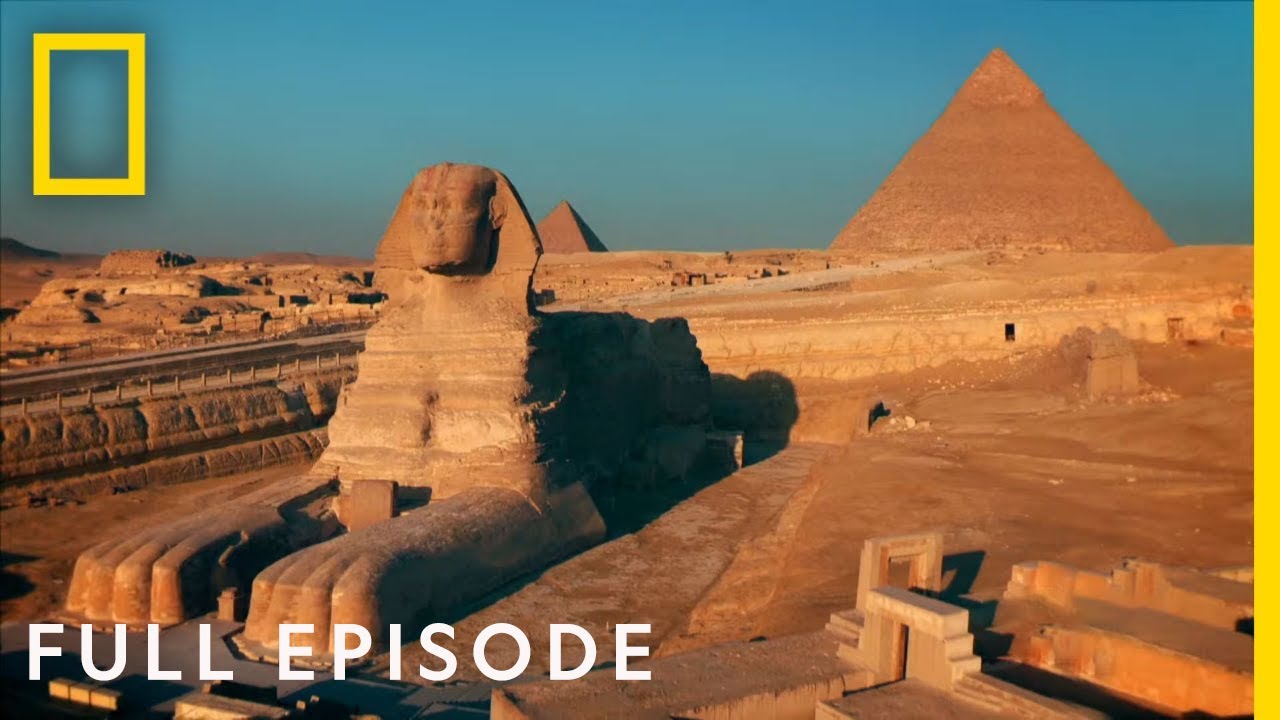
At 482 feet high, the Great Pyramid was the tallest structure on Earth for 4,000 years and served as the final resting place of pharaoh Khufu.
A circular crop mark near Peterborough, believed to be a 6,000-year-old causewayed enclosure, is examined by Francis Pryor and Ben Robinson for its origins.
An ancient Roman industrial site in Stilton reveals a cheese press and an unexpected landscape filled with human remains, prompting questions about its history.
In Downpatrick, Northern Ireland, archaeologists excavate the 6th-century burial ground of St. Patrick, revealing medieval artifacts and the monastery's original enclosure.
In North Yorkshire, archaeologists led by Tony Robinson investigate a site believed to conceal the remains of an 11th-century medieval castle and other historical artifacts.
More than 100 tombs have been uncovered in the necropolis at Taposiris Magna, revealing clues about life in ancient Alexandria.
In Worcestershire, mysterious crop circles lead to the excavation of a lost settlement that spans from the Bronze Age to the Iron Age.
Jewish mysticism is examined through topics such as the authorship of the Dead Sea Scrolls, the significance of blue in Orthodox Judaism, and the location of Mount Sinai.
Recent archaeological findings in Guatemala and Mexico reveal the extensive underground tunnel network and sacred sites of the ancient Maya civilization.
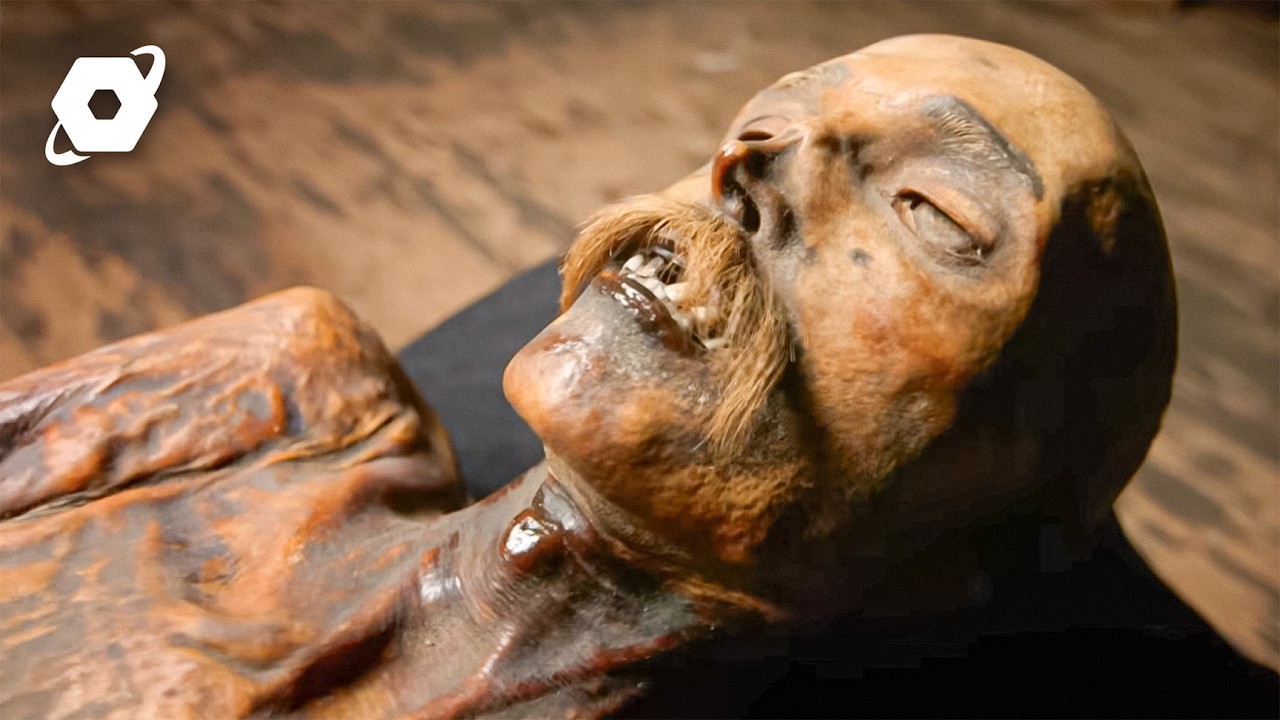
A 130-year-old mummy found in the American West reveals insights into crime, justice, and survival, potentially linked to an outlaw's identity.
Ancient Egypt's mysteries are explored through the insights of archaeologist Miriam Cooke and Egyptologist Dominic Montserrat, focusing on Tutankhamun's tomb and the pyramids of Giza.
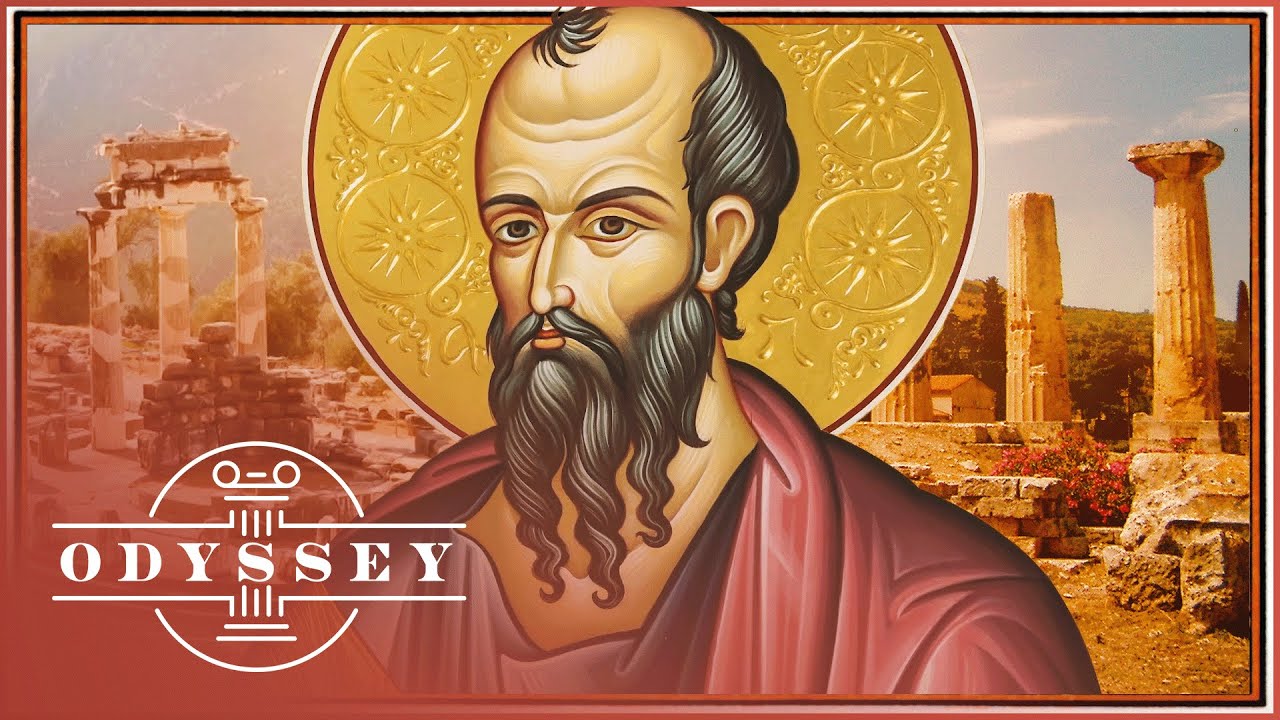
Ancient biblical sites in Greece, narrated by David Suchet and featuring historian Dr. Michael Scott, highlight the historical context of early Christianity.
Temple Mount, a sacred site for Jews, Christians, and Muslims, is examined through archaeological findings that illuminate its historical significance and ongoing conflicts.
Archaeologists in Lincolnshire have uncovered a previously unknown Anglo-Saxon cemetery, prompting Alice Roberts to explore significant archaeological sites across the UK.
In the English countryside, Time Team investigates a potential Roman villa, revealing insights into the living conditions of Roman Britons before the empire's decline.
Paleontologists explore the early discoveries of dinosaurs, examining fossil evidence and the scientific advancements that shaped our understanding of these ancient reptiles.
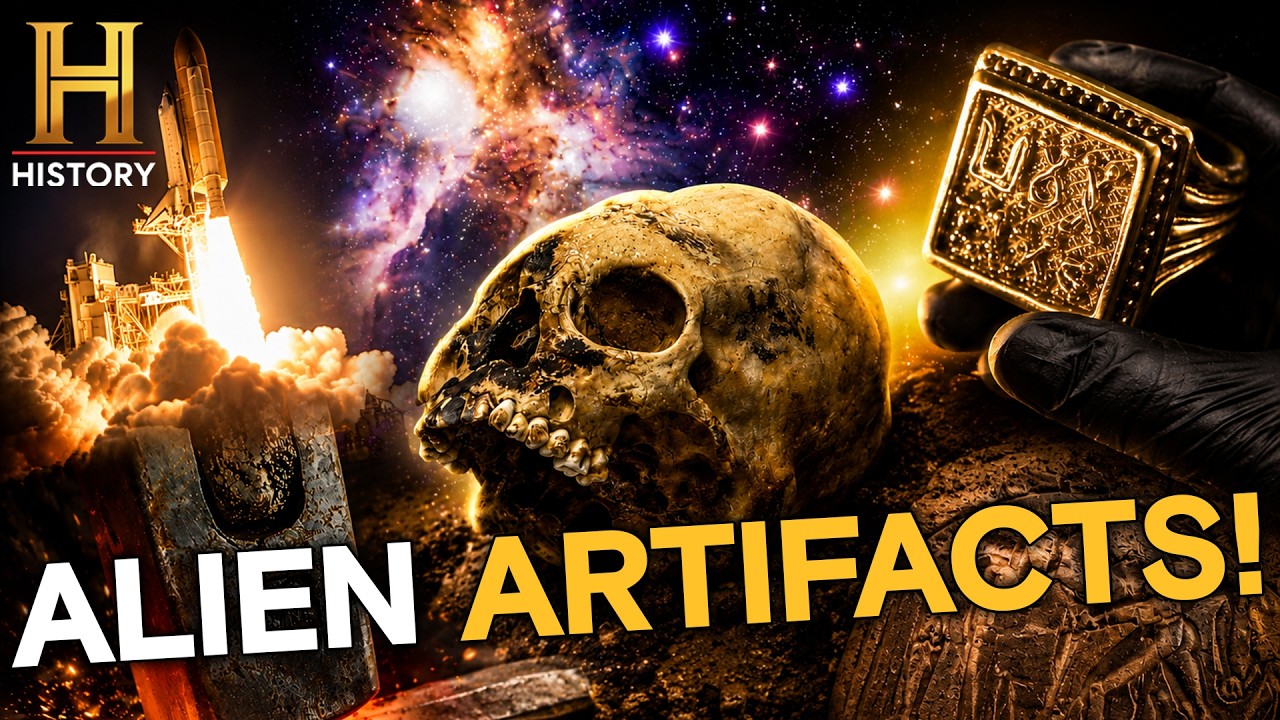
Ancient artifacts and relics from various cultures are examined for potential evidence of extraterrestrial contact throughout history.
Tony and the Team investigate Roman building remnants in Bedford Purlieus Wood, Cambridgeshire.
Legends of Shangri-La, a mythical utopian kingdom in the mountains of inner Asia, have inspired countless adventurers and seekers throughout history.
Archaeologists and theologians analyze an ancient shard of wood to determine if it is a fragment of the cross on which Jesus was crucified.
In the headwaters of the Oxus, British explorers' accounts of forgotten tribes reveal connections to Alexander the Great and the origins of ancient cities.